The best walks and hikes around Pastýřská Stěna
4.6
(1978)
6,941
hikers
86
hikes
Hiking around Pastýřská Stěna features trails that navigate a landscape dominated by a towering sandstone massif rising directly from the Labe (Elbe) River. The region is characterized by dramatic rock formations, a deep river canyon, and surrounding lush green hills. These popular hiking trails around Pastýřská Stěna offer varied terrain, from riverside paths to ascents providing panoramic views over Děčín and its historic castle. The elevation changes across the area contribute to a diverse hiking experience.
Best hiking trails around Pastýřská Stěna
- The most popular hiking route is Děčín Castle – View of Děčín Castle loop from Děčín hlavní nádraží, a 3.5 miles (5.7 km) trail that takes 1 hour 39 minutes to complete, offering views of the historic Děčín Castle.
- Another top favourite among local hikers is Děčín Castle – Děčín Castle loop from Děčín zastávka, an easy 4.6 miles (7.5 km) path. This route provides further perspectives of the castle and the Elbe River.
- Local hikers also love the View of Děčín from Schäferwand – Děčín Zoo loop from Děčín, a 2.1 miles (3.4 km) trail leading through urban and natural areas, often completed in about 1 hour.
- Hiking around Pastýřská Stěna is defined by sandstone massifs, the Labe River, and surrounding hills, offering options for various ability levels.
- The routes in Pastýřská Stěna are highly rated by the komoot community with an average score of 4.7 stars from over 1600 reviews. More than 5700 hikers have used komoot to explore Pastýřská Stěna's varied terrain.
Last updated: October 4, 2026
4.5
(24)
77
hikers
5.52km
01:36
130m
130m
Easy hike. Great for any fitness level. Easily-accessible paths. Suitable for all skill levels.
3.5
(6)
33
hikers
6.53km
01:43
50m
50m
Easy hike. Great for any fitness level. Easily-accessible paths. Suitable for all skill levels.

4.8
(17)
72
hikers
17.0km
05:03
500m
500m
Hard hike. Very good fitness required. Easily-accessible paths. Suitable for all skill levels.
4.8
(6)
20
hikers
25.0km
07:33
750m
750m
Hard hike. Very good fitness required. Sure-footedness, sturdy shoes and alpine experience required.
5.0
(3)
15
hikers
Easy hike. Great for any fitness level. Easily-accessible paths. Suitable for all skill levels.
Get access to more routes and recommendations from other explorers.
Already have an account?
Our route recommendations are based on thousands of hikes, rides, and runs completed by other people on komoot.
Start today with a free account
Your next adventure awaits.

Tips from the Community

Lange Fahrt is one of the most unusual baroque complexes in Děčín. It forms the monumental approach to the castle and leads from the former lower part of the town in a straight line up to the upper castle gate. What is remarkable is the perspective: the walls become lower in the direction of the castle. This creates the impression that the already very long axis is even longer. The Dlouhá Jízda was not just a practical path, but the central staging of the access to the baroque castle. * Length: approx. 292 m * Width: approx. 10 m * Side walls: originally up to approx. 7.5 m high * Arcades: 64 blind arcades each * Origin: in the late 17th century under Maximilian von Thun-Hohenstein.
1
0
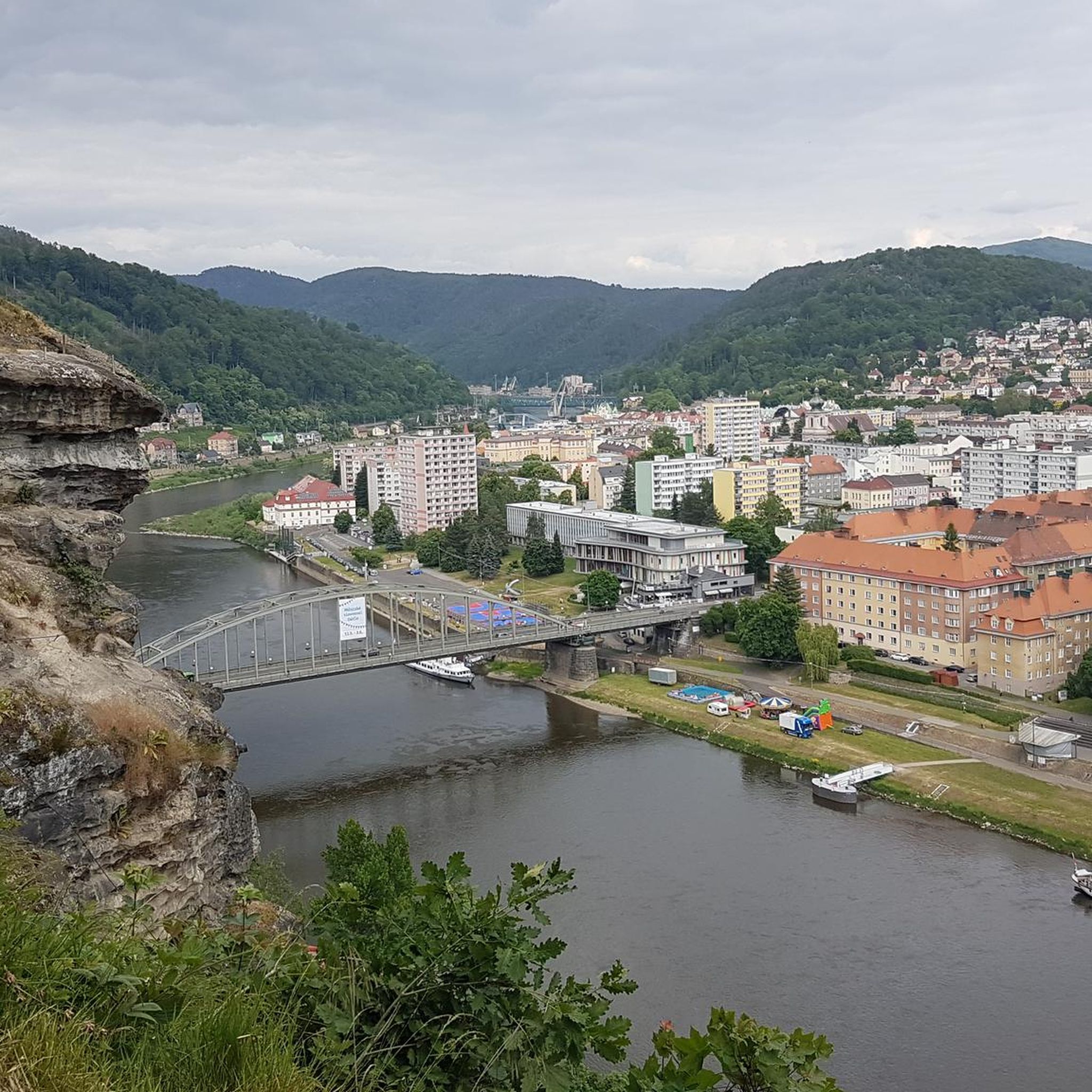
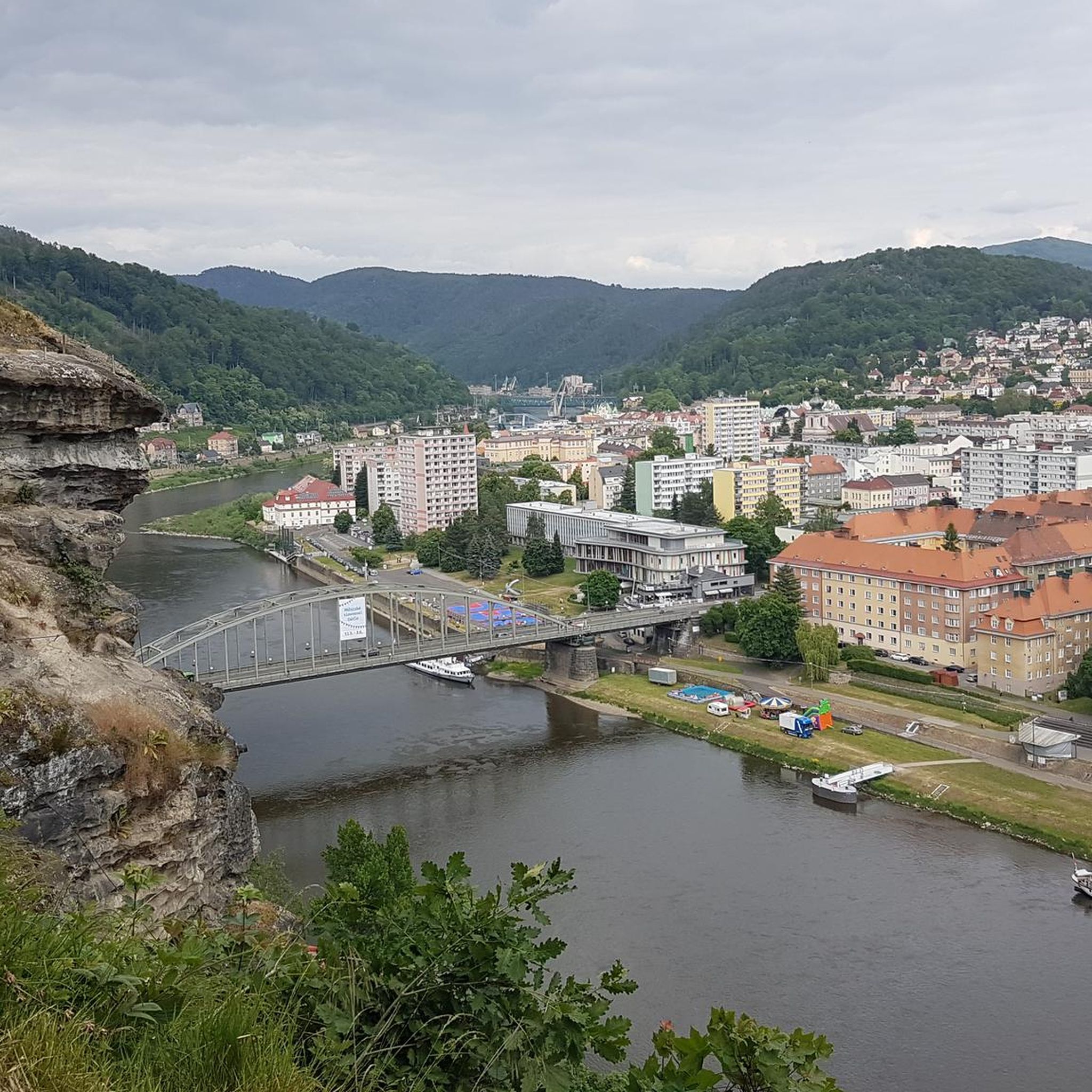
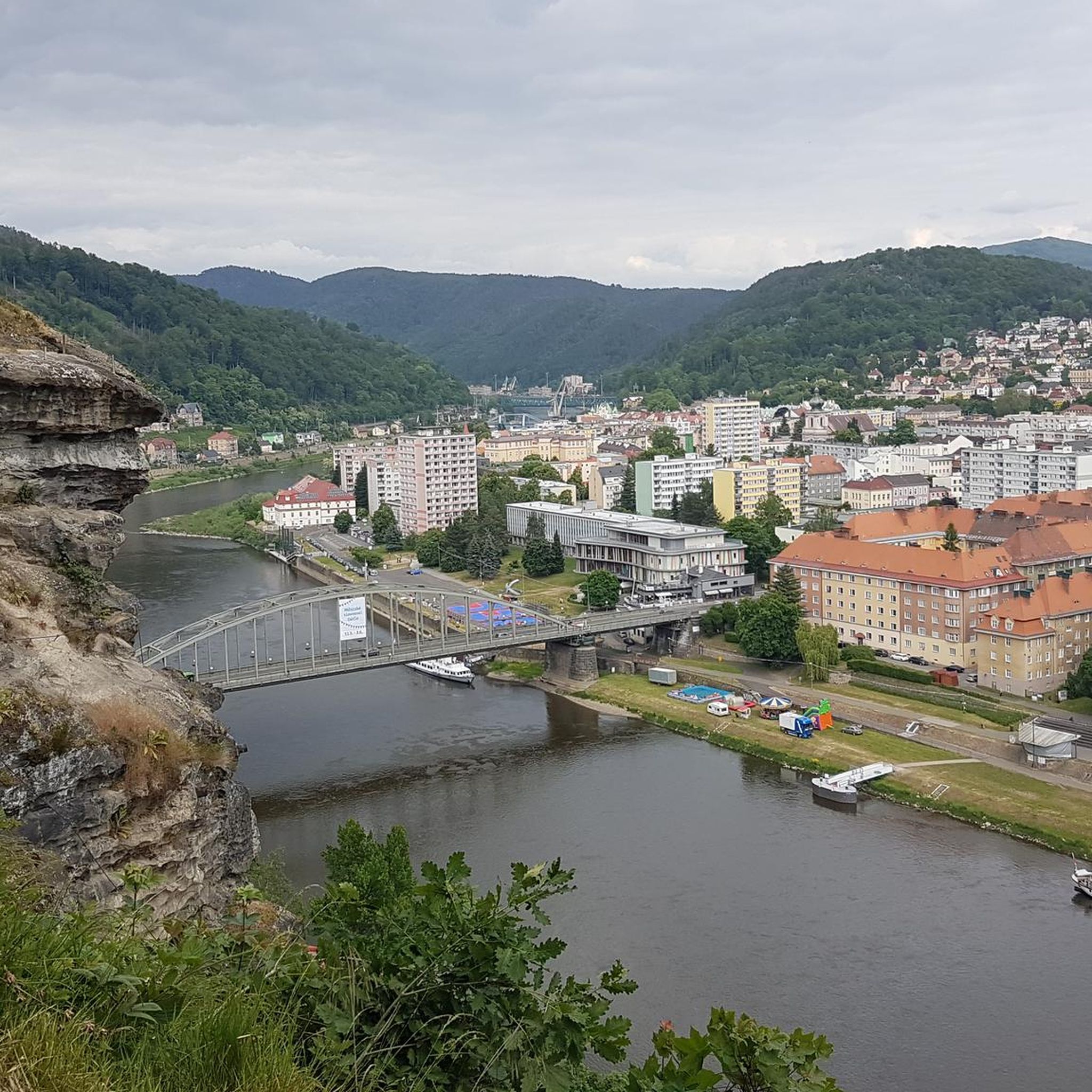
The Tyršův most is a striking steel arch bridge over the Elbe in Děčín. It connects the historic Děčín with the Podmokly district on the left bank of the Elbe and is located immediately below the Pastýřská stěna opposite the castle. Particularly interesting is its construction history: the new steel structure was initially assembled next to the old bridge. On December 9, 1933, it was moved into its final position within a few hours and opened on the same day. Upon its completion, it was considered the largest bridge of its kind in the then Czechoslovakia.
1
0
Great view from here of the Decin Castle and surroundings.
1
0
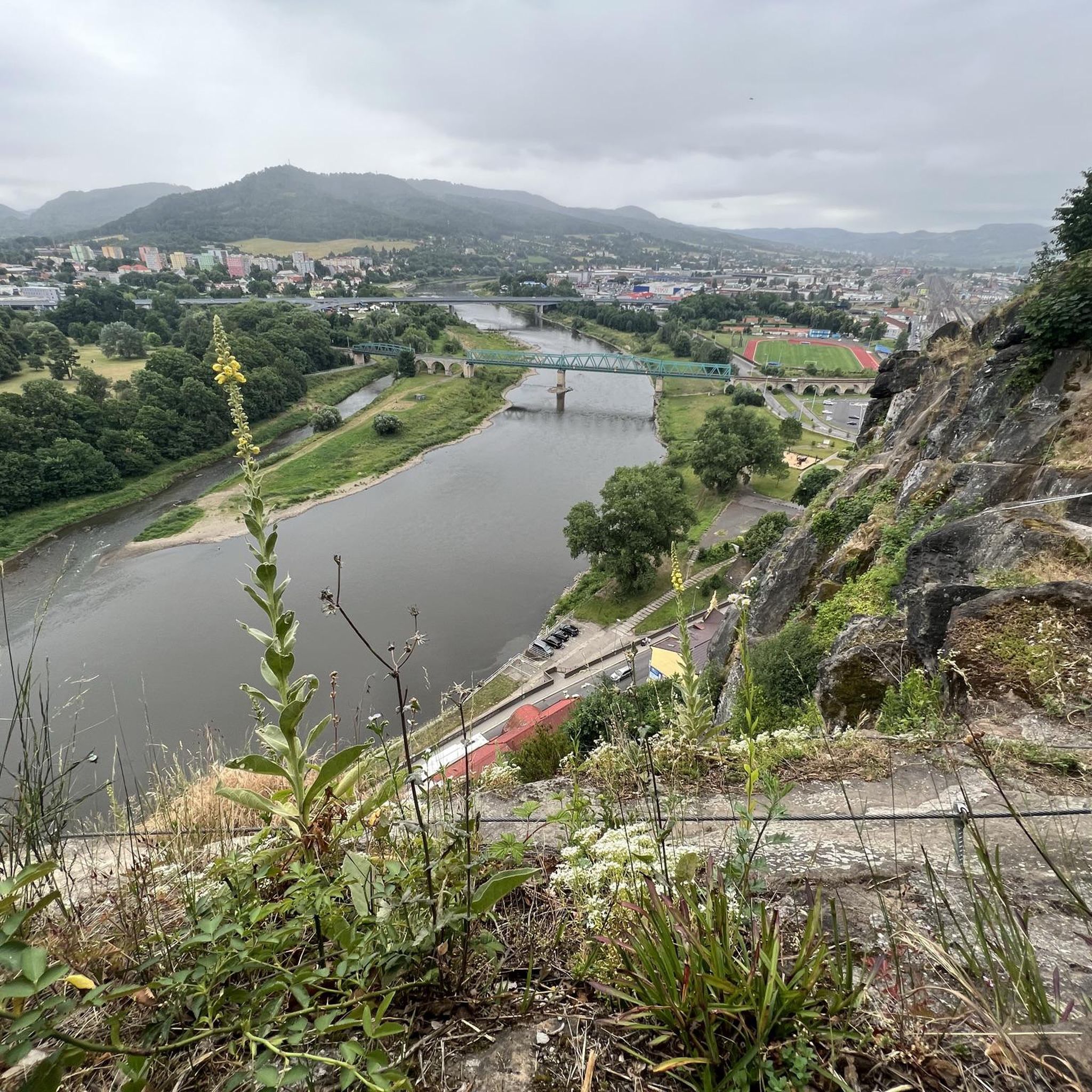
The Hirtenwand (Pastýřská stěna) is a striking sandstone rock in Děčín, directly on the Elbe river. On the rock, there is a viewpoint overlooking Děčín Castle and the town. Today, the Hirtenwand is a popular destination for walks and excursions.
1
0
This view is on the other side of the Elbe and is well worth the effort.
1
0

very beautiful castle with a rose garden
0
0
a very beautiful garden in the Decin Castle
0
0
Interesting ascent to Decin Castle
1
0
Frequently Asked Questions
How many hiking trails are available around Pastýřská Stěna?
There are over 80 hiking trails around Pastýřská Stěna, offering a wide range of options for different skill levels. You'll find everything from easy riverside strolls to more challenging ascents with significant elevation gain.
What kind of terrain can I expect on the hiking trails?
The terrain around Pastýřská Stěna is diverse, dominated by a towering sandstone massif and the Labe (Elbe) River. You can expect paths along the river, ascents up the rock formations, and trails through lush green hills. The elevation changes contribute to varied hiking experiences.
Are there any easy or beginner-friendly hikes in the area?
Yes, Pastýřská Stěna offers many easy hikes suitable for beginners. For instance, the Děčín Castle – Děčín Castle loop from Děčín zastávka is an easy 7.5 km path providing views of the castle and the Elbe River. Many trails lead to the summit with relatively gentle gradients.
What are the best viewpoints or landmarks to see while hiking?
From the top of Pastýřská Stěna, you'll find breathtaking panoramic views of the historic Děčín Castle across the Labe River and the dramatic Elbe canyon. The sandstone massif itself is a significant natural feature. Consider visiting the View of Děčín Castle highlight for stunning vistas.
Are there any circular hiking routes around Pastýřská Stěna?
Yes, many of the trails around Pastýřská Stěna are designed as loops, allowing you to start and end at the same point. An example of a longer circular route is the difficult View of Děčín Castle – View of Děčín Castle loop from Děčín hlavní nádraží, which covers nearly 17 km.
Is Pastýřská Stěna suitable for family hikes?
Absolutely. The area offers easy walks suitable for families, including those with children. Beyond hiking, the summit features an animal park, adding another attraction for younger visitors. The via ferrata is even suitable for athletically inclined children aged 6 and above.
Can I bring my dog on the hiking trails?
Most hiking trails in the Pastýřská Stěna area are dog-friendly, allowing you to enjoy the natural beauty with your canine companion. Always ensure your dog is on a leash and that you clean up after them to preserve the natural environment for everyone.
What is the best time of year to go hiking in Pastýřská Stěna?
Pastýřská Stěna is enjoyable for hiking throughout much of the year. Spring and autumn offer pleasant temperatures and beautiful scenery with changing foliage. Summer is also popular, though it can be warmer. Even in winter, with appropriate gear, the trails can offer unique, serene views.
Are there places to eat or drink near the trails?
Yes, at the summit of Pastýřská Stěna, you'll find a restaurant, Restaurant Schäferwand, where you can relax and enjoy refreshments after your hike or climb. Děčín also offers various cafes and pubs.
What do other hikers say about the trails in Pastýřská Stěna?
The hiking routes in Pastýřská Stěna are highly rated by the komoot community, with an average score of 4.7 stars from over 1600 reviews. Hikers often praise the stunning views of Děčín Castle and the Elbe River, as well as the diverse terrain and well-maintained paths.
Is there public transport available to reach Pastýřská Stěna?
Děčín is well-connected by public transport, including train services. Many hiking routes, such as the View of Děčínský Sněžník – View of Děčín Castle loop from Děčín hlavní nádraží, start directly from the Děčín hlavní nádraží (main train station), making it convenient to access the trails without a car.
Are there any challenging hikes for experienced hikers?
Yes, for experienced hikers seeking a challenge, there are more difficult routes available. For example, the View of Děčínský Sněžník – View of Děčín Castle loop from Děčín hlavní nádraží is a difficult 24.8 km trail with significant elevation gain, offering a strenuous and rewarding experience.
Most popular routes around Pastýřská Stěna
Most popular attractions around Pastýřská Stěna

Get inspired with the komoot mobile app


Explore more
Browse the best Hikes in other regions.
