The best walks and hikes around Žalgirių miškas
4.6
(8)
117
hikers
14
hikes
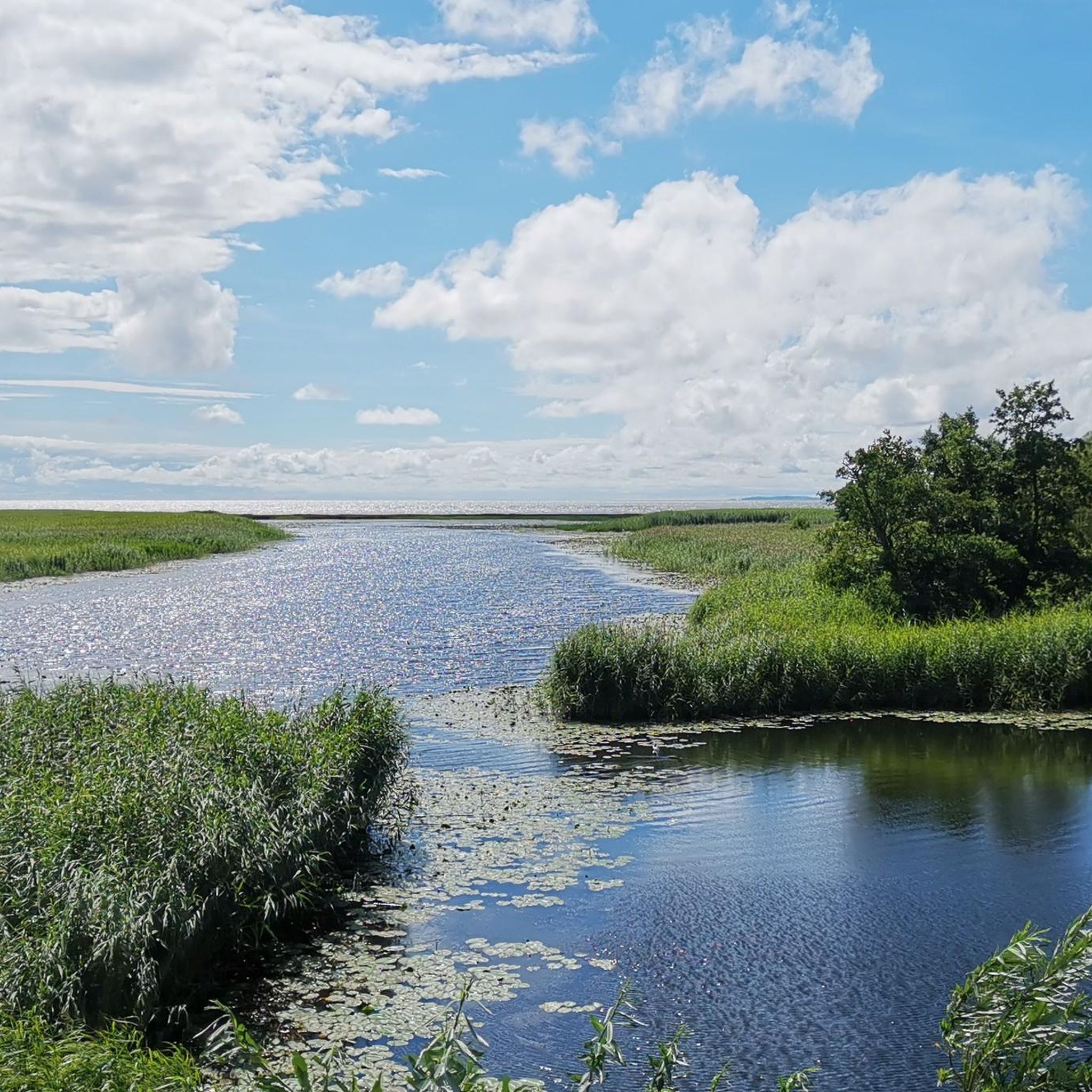
Hiking around Žalgirių miškas offers diverse natural features within the Nemunas Delta Regional Park in Lithuania. The forest spans over 1200 hectares, characterized by varied ecosystems including alluvial, swampy deciduous, and bog forests. A significant portion of the area is a floodplain, creating a dynamic environment, and the forest completely encircles the Rupkalvių raised bog. Trails here feature minimal elevation gain, making them accessible for various fitness levels.
Best hiking trails around Žalgirių miškas
- The most popular hiking route is…
Last updated: July 8, 2026
2
hikers
5.69km
01:26
10m
10m
Easy hike. Great for any fitness level. Easily-accessible paths. Suitable for all skill levels.
9
hikers
3.88km
00:59
10m
10m
Easy hike. Great for any fitness level. Easily-accessible paths. Suitable for all skill levels.

Sign up for free
3.0
(1)
5
hikers
Moderate hike. Good fitness required. Easily-accessible paths. Suitable for all skill levels.
5.0
(1)
29
hikers
5.48km
01:23
10m
10m
Easy hike. Great for any fitness level. Easily-accessible paths. Suitable for all skill levels.
4
hikers
7.55km
01:56
20m
20m
Easy hike. Great for any fitness level. Easily-accessible paths. Suitable for all skill levels.
Get access to more routes and recommendations from other explorers.
Sign up for free
Already have an account?
Our route recommendations are based on thousands of hikes, rides, and runs completed by other people on komoot.
Start today with a free account
Your next adventure awaits.
Login or Signup
Popular around Žalgirių miškas
Tips from the Community

A beautiful manor house with a museum and open-air gallery. Hugo Scheu was deeply interested in the Lithuanian language, culture, customs, and traditions and was a great collector of Prussian-Lithuanian folklore.
1
0
Memorial to the two friends Mahatma Gandhi and Hermann Kallenbach, who comes from Rusnė.
1
0

During World War II, Šilutė, then known as Heydekrug, was part of Germany's East Prussia. Initially, it was returned to Germany in 1939 after Hitler's ultimatum. In 1941, the town was granted city rights. A significant aspect of its wartime history involves the establishment of several prisoner-of-war camps, including Stalag 331 C/I-C, Stalag I-D, and Stalag Luft VI, which housed Allied POWs. In 1944, as the war approached, many residents, particularly Prussian Lithuanians and Germans, retreated to Germany. Soviet forces entered the town on October 10, 1944, marking the end of German control. The Klaipėda region was subsequently transferred to the Soviet Union.
0
0
Hugo Scheu (lt. Hugo Šojus; 1845 Klaipėda, Kingdom of Prussia – 1937, Šilutė, Lithuania) was a German and Šilutė region cultural and public figure, patron of the city of Šilutė, collector and publisher of Lithuanian folklore of Lithuania Minor, and founder of the first museum in the Klaipėda region. With his cultural and social activities, Hugo Scheu contributed not only to the well-being of the manor, but also to the well-being of the entire Šilutė town. H. Šojus donated many of his land plots to the town. The land that belonged to him now houses the Šilutė First Gymnasium (founded in 1918), the Šilutė Evangelical Lutheran Church (in 1926, Hugo Scheu was immortalized in its altar fresco holding a model of the church), the Šilutė Fire Station (founded in 1897) and other buildings. He learned the Lithuanian language and became interested in Lithuanian customs and folklore. Together with Aleksandrs Kuršaitis, in 1913 he published the book Samogitian Tales.
0
0
Opening hours: Thueday - Friday 10:00-18:00 Saturday 10:00-16:00 Admisson: 5 Euros Hugo Šojus (Hugo Scheu) is a prominent figure in German and Lithuanian culture, who helped Šilute to become a thriving center of art and education. Hugo Scheu was a prominent German-Lithuanian cultural figure, who helped shape Šilutė into a center for arts and education. His former manor hosts 60,000+ archaeological, natural, and ethnographic exhibits that he amassed. Often called Šilutė’s crown jewel, the manor is surrounded by a forested park with three ponds and walking trails.
0
0
A famous fish market was opened in Šilutė almost 500 years ago, when Georg Tallat purchased the inn together with the land and fishing rights in 1511. The town was a gathering place for peasants from nearby Samogitia and Curonian and Prussian fishermen from Rusnė, Karklė, Nida, and Lesnoye. The coat of arms, which reflects that, was designed in 1968. It depicts a white sailing ship. On top there is a traditional weathercock (Lithuanian: vėtrungė) used by local fishermen. At the bottom there is a horn, an old symbol of postal services. These symbols hint to the Curonian Lagoon, traditional fishing business, and Šilutė as the old sea port. For a while Šilutė was along an important postal route.
0
0

While the name Mahatma Gandhi is certainly familiar to many people of various nationalities and religions, the second person depicted, Hermann Kallenbach—including me personally—was completely unknown until I encountered this monument depicting the two companions. + Mahatma (actually Mohandas Karamchand) Gandhi, 1869 to 1948 (nominated for the Nobel Peace Prize at the time of his assassination) was a pioneer of India's independence from Great Britain, always and uncompromisingly advocating non-violent resistance and decisively rejecting armed struggle. + Hermann Kallenbach, 1871 (in Lithuania, then part of Russia) to 1945 (South Africa), was the son of Jewish parents and emigrated to South Africa. There he met Gandhi and became a friend and supporter of his cause.
0
0

The story of Gandhi and Kallenbach is a deeply intimate and personal one. But it also has historical and academic significance. This story is fascinating for another reason, because it proves and highlights the possibility of cross-cultural influences leading to much greater results, as manifested in Gandhi's impact on world history.
2
0
Frequently Asked Questions
How many hiking trails are available in Žalgirių miškas?
There are 14 hiking trails recorded in Žalgirių miškas on komoot. These routes offer a variety of experiences within the diverse ecosystems of the Nemunas Delta Regional Park.
What kind of terrain can I expect when hiking in Žalgirių miškas?
Žalgirių miškas features diverse forest types, including alluvial, swampy deciduous, and bog forests. A significant portion of the area is a floodplain, creating a unique environment. The trails generally have minimal elevation gain, making them accessible for various fitness levels.
Are there hiking trails suitable for families with children?
Yes, Žalgirių miškas offers several easy trails perfect for families. For example, the Hiking loop from Nemuno deltos regioninis parkas is an easy 2.9-mile (4.6 km) route that provides a gentle introduction to the forest's diverse ecosystems.
Can I bring my dog on the hiking trails in Žalgirių miškas?
Generally, dogs are welcome on trails in the Nemunas Delta Regional Park, which includes Žalgirių miškas. However, it's always recommended to keep them on a leash to protect local wildlife and ensure a pleasant experience for all hikers. Please check local signage for any specific restrictions.
What are the best times of year to hike in Žalgirių miškas?
The best times to hike are typically spring, summer, and early autumn. However, it's important to note that a significant portion of Žalgirių miškas is subject to seasonal flooding during spring and sometimes autumn due to its proximity to the Nemunas River. This can create unique landscapes but may also affect trail accessibility. Always check local conditions before heading out.
Are there any notable landmarks or natural features to see along the trails?
Yes, Žalgirių miškas is home to the Herman Zuderman Oak, a state-protected natural heritage object that serves as a notable landmark. The forest also completely encircles the Rupkalviai raised bog, offering a distinct ecological zone for exploration. An educational trail established by the Nemunas Delta Regional Park administration provides interpretive information about the forest's ecology and history.
What do other hikers say about the trails in Žalgirių miškas?
The routes in Žalgirių miškas are highly rated by the komoot community, with an average score of 4.7 stars from 7 reviews. Hikers often praise the quiet woodlands, the diverse natural features, and the accessible paths that make it enjoyable for various skill levels.
Are there any circular hiking routes available?
Yes, many of the trails in Žalgirių miškas are circular. For instance, the Former Cemetery of Vorusné loop from Rusnė is a moderate 10.3-mile (16.6 km) path that explores the wider Nemunas Delta landscape, including historical points of interest, as a loop.
Where can I park when visiting Žalgirių miškas for hiking?
Parking is generally available near popular trailheads, especially around the Nemuno Deltos Regioninis Parkas visitor center. Specific parking information can often be found on the individual komoot tour pages or by checking the Nemunas Delta Regional Park's official resources.
Are there trails for experienced hikers looking for a challenge?
While many trails in Žalgirių miškas have minimal elevation gain, there are routes classified as moderate or difficult for those seeking a longer or more challenging experience. The region offers 3 difficult and 4 moderate tours, allowing for more extensive excursions into the diverse landscape.
Can I reach Žalgirių miškas using public transport?
Access to Žalgirių miškas via public transport can be limited, as is common for many natural areas. It's advisable to research local bus routes or other transport options to nearby towns like Šilutė or Rusnė, and then plan for a shorter connection or walk to the trailheads. Checking local transport schedules in advance is recommended.
Are there any cafes or accommodation options near Žalgirių miškas?
Žalgirių miškas is located near towns like Šilutė and Rusnė, where you can find various cafes, restaurants, and accommodation options. These towns serve as good bases for exploring the Nemunas Delta Regional Park and its surrounding areas.
Most popular routes around Žalgirių miškas

Get inspired with the komoot mobile app


Explore more
Browse the best Hikes in other regions.
