The best walks and hikes around Puszcza Goleniowska
4.6
(318)
3,014
hikers
25
hikes
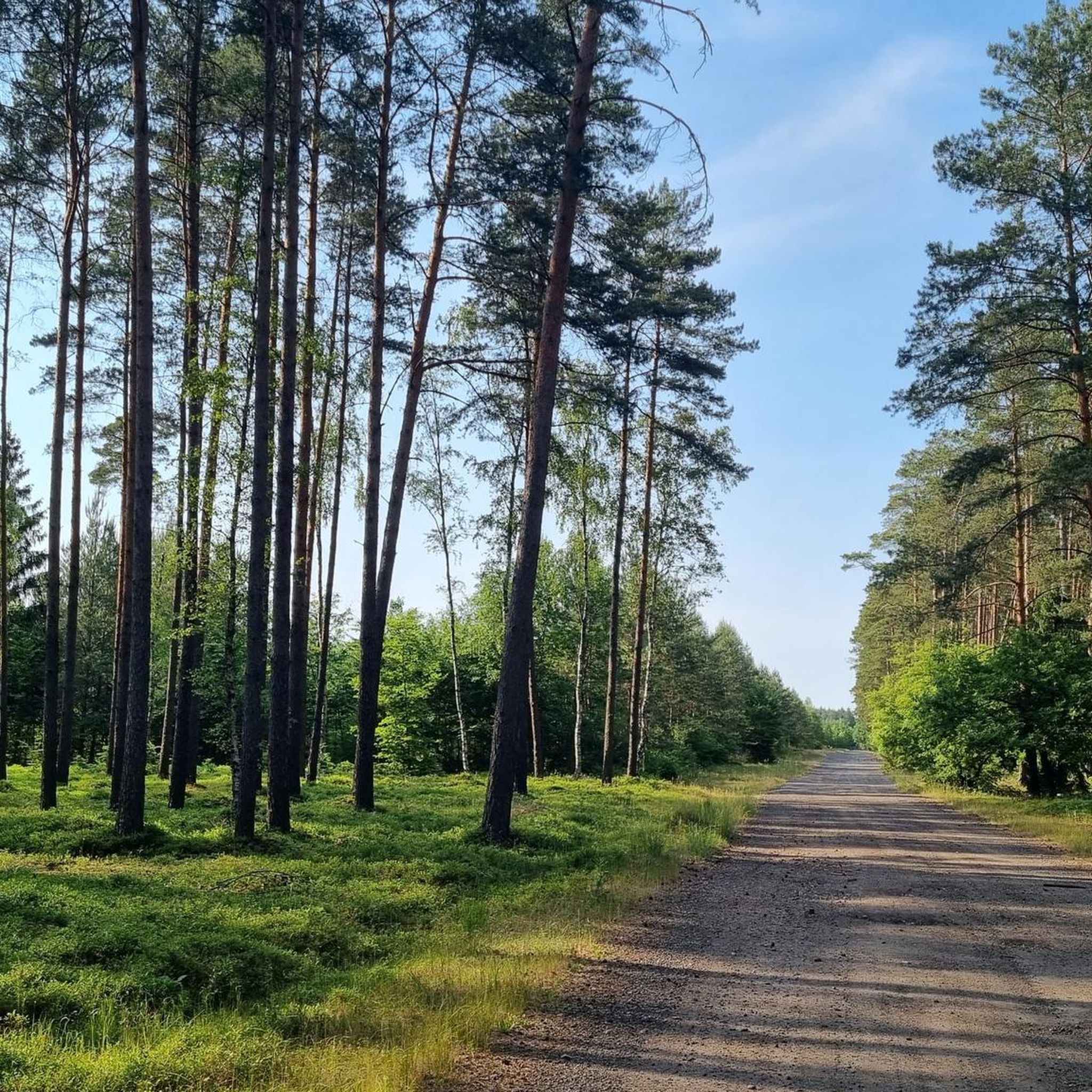
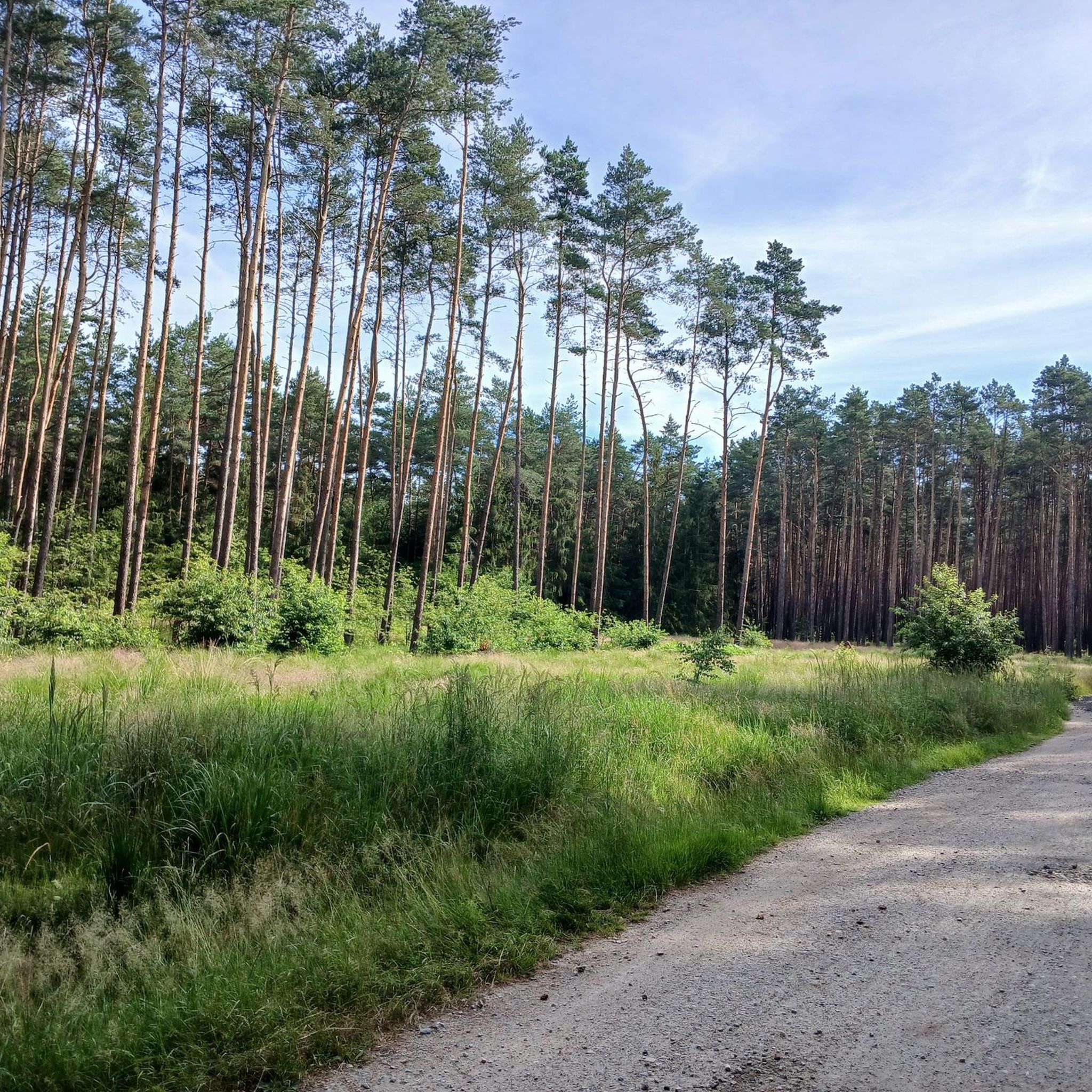
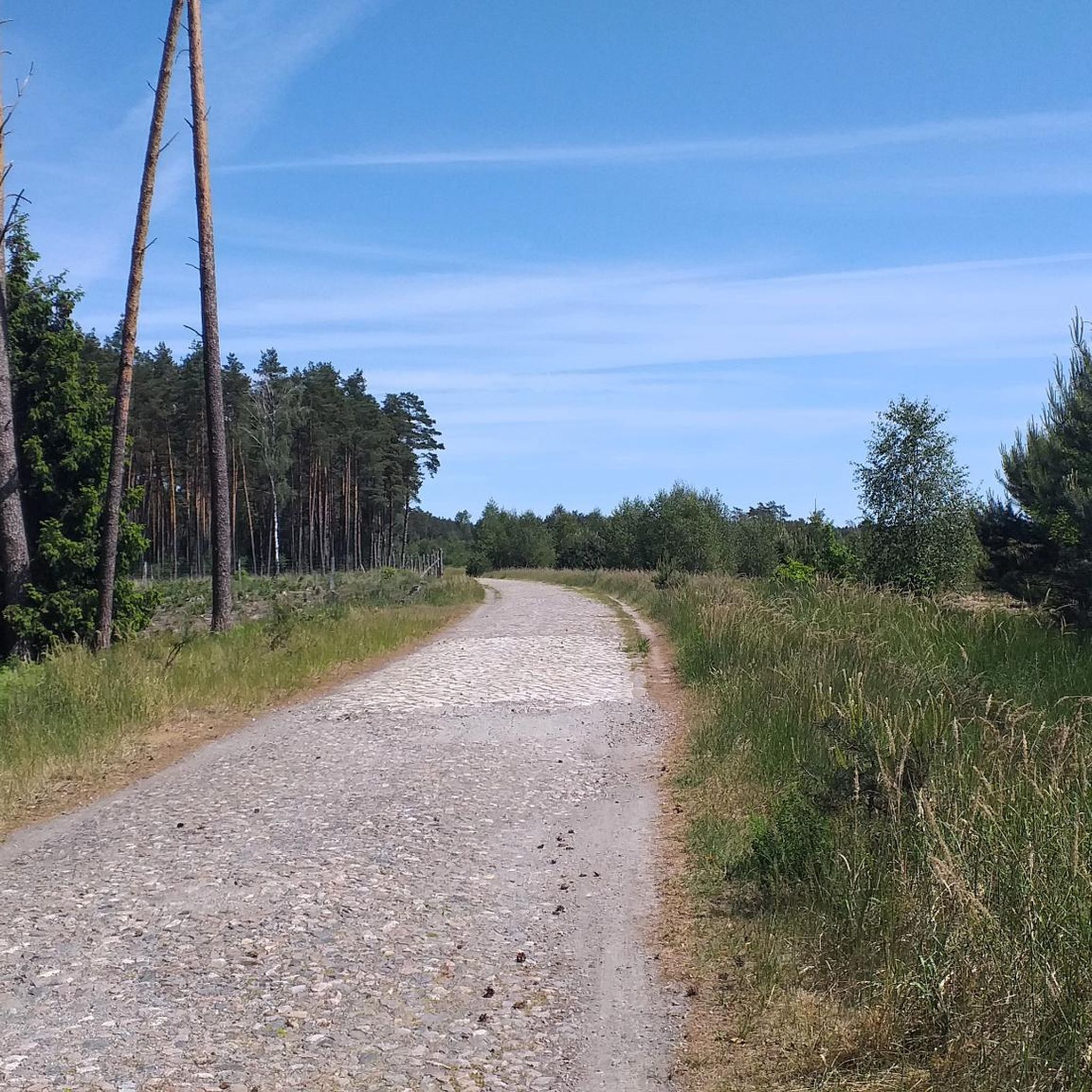
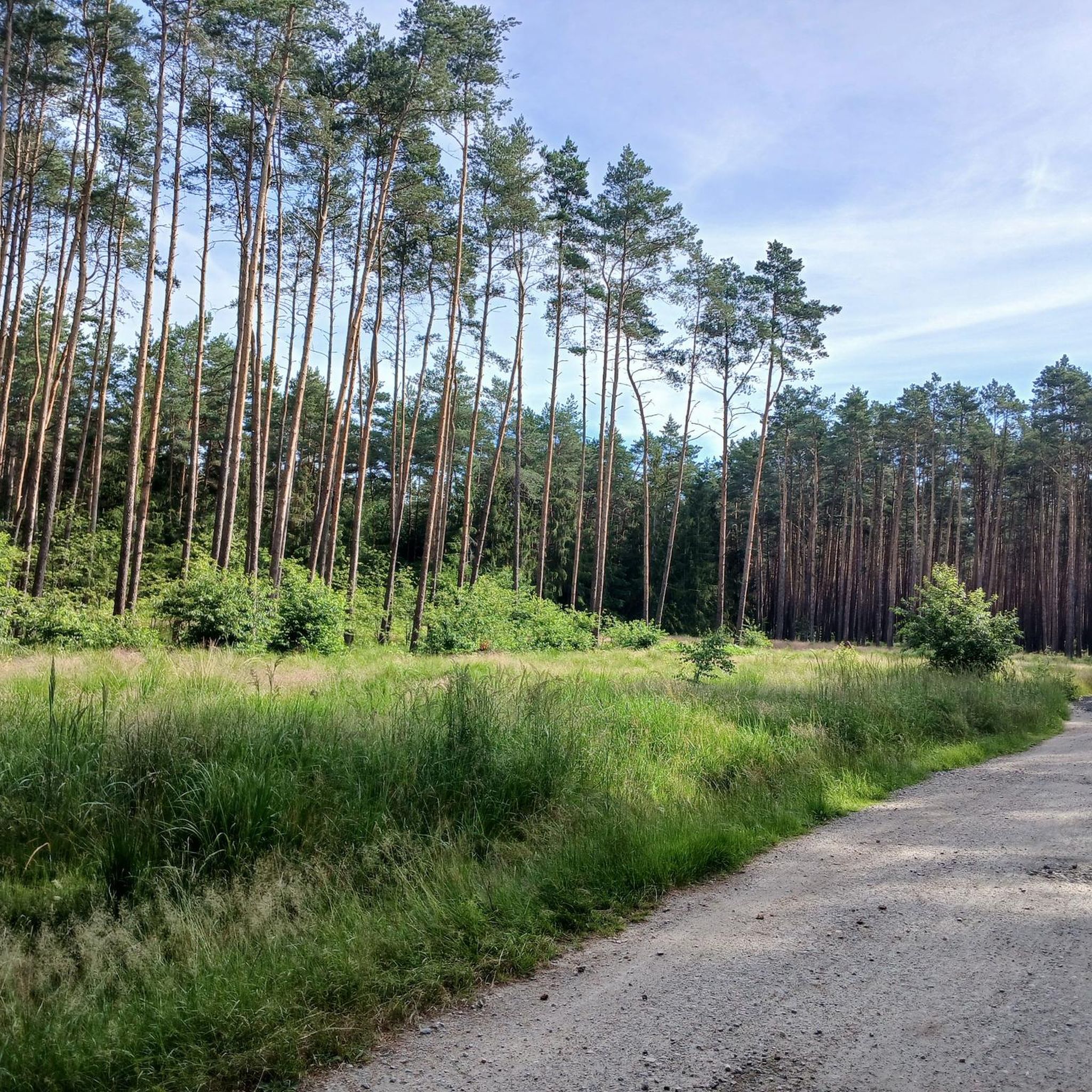
Hiking around Puszcza Goleniowska offers a network of trails through a predominantly forested landscape in northwestern Poland. The region is characterized by its extensive woodlands, which include areas like the wrzosowiska puszcza goleniowska, known for its heathlands. The terrain generally features gentle undulations, with some routes incorporating small elevation changes. This area provides opportunities for various outdoor activities, including easy hikes Puszcza Goleniowska.
Best hiking trails around Puszcza Goleniowska
- The most popular hiking route is Boulder by Leśna Road…
Last updated: July 22, 2026
4.7
(3)
9
hikers
Easy hike. Great for any fitness level. Easily-accessible paths. Suitable for all skill levels.
7
hikers
Moderate hike. Good fitness required. Easily-accessible paths. Suitable for all skill levels.

Sign up for free
2
hikers
8.52km
02:16
90m
90m
Moderate hike. Good fitness required. Easily-accessible paths. Suitable for all skill levels.
5.0
(1)
3
hikers
7.47km
02:00
90m
90m
Easy hike. Great for any fitness level. Easily-accessible paths. Suitable for all skill levels.
7
hikers
Easy hike. Great for any fitness level. Easily-accessible paths. Suitable for all skill levels.
Get access to more routes and recommendations from other explorers.
Sign up for free
Already have an account?
Our route recommendations are based on thousands of hikes, rides, and runs completed by other people on komoot.
Start today with a free account
Your next adventure awaits.
Login or Signup

Tips from the Community

Beautiful views of the Ina River on both sides of the bridge.
0
0
Several sculptures with information panels line the path along the Ina.
1
0

Rock formation, grey granite, sunken. Circumference 1420 cm, height 50 cm.
0
0
An artificial triangular reservoir created in 1972 as a result of damming water flowing from the Surowizna wetlands; connected to the Słoneczny Stream by a short stream. Forest section 211. Length approx. 200 m, width up to 120 m. Exceptionally picturesque thanks to the rich vegetation densely overgrowing the banks. (wikimapia).
1
0
A small rock formation on the hill behind Karasi Pond
0
0

The reserve is located on the slopes of moraine hills, diversified by ravines, streams, and springs. The Utrata stream flows through this area, which appears and disappears from the surface. The aim of the protection is to preserve the Pomeranian beech forest in various typological variations with rich herbaceous plant communities in the undergrowth. Over a hundred-year-old beeches reach a height of up to 40 m. Rare and endangered plants occur here, including forest fescue, fumewort, one-flowered pearl grass, lanceolate spleenwort, and common madder. Among the protected plants are, for example, broad-leaved helleborine, blue helleborine, guelder rose, common buckthorn, and sweet woodruff. The bottom of the ravine is occupied by spring beech forest. The reserve is named after engineer Józef Lewandowski, an outstanding forester, a pioneer in the development of the forests of Western Pomerania. A glacial erratic boulder with a plaque commemorating this man, who was distinguished for the forests, is located in the southeastern part of the reserve, at the crossroads of roads from Szczecin-Śmierdnica and from Kołowo. For those who want to get to know the landscape of the Kołowskie Ravines better, two tourist trails are available. The Red Trail named after Stanisław Pawelski runs from Szczecin Kijewo to Glinna. The Blue Trail named after Stanisław Groński runs from Szczecin Zdroje to Zdunowo.
4
1

The Kołowskie Parowy nature reserve is a small but very charming protected area located near Gryfice, which delights with deep gorges and steep slopes covered with beech forest. This is an ideal place for cyclists looking for peace and contact with nature, although you need to be prepared for short but intense climbs and sandy sections. Forest paths lead through the reserve, which are best covered by a trekking or cross bike with solid tires. It is worth taking provisions with you, because there is no tourist base in the area, and it is a great place for a quiet rest away from busy routes.
3
2
A shelter, benches, a table in the heart of the Beech Forest.
1
0
Frequently Asked Questions
What types of hiking trails can I find in Puszcza Goleniowska?
Puszcza Goleniowska offers a diverse network of trails primarily through dense woodlands and heathlands. You'll find routes ranging from easy, flat paths suitable for a leisurely stroll to more moderate trails with gentle elevation changes. The area is known for its extensive forest environment and small ponds.
Are there any easy or beginner-friendly hikes in Puszcza Goleniowska?
Yes, Puszcza Goleniowska is well-suited for beginners and those looking for easy walks. Approximately half of the routes available are rated as easy. An excellent option is the Arboretum in Glinna loop from gmina Stare Czarnowo, a 3.5-mile (5.7 km) trail through a beautiful arboretum.
Are there any challenging hiking routes in Puszcza Goleniowska?
While Puszcza Goleniowska is generally known for its gentle terrain, there are a few routes that offer a bit more challenge, often due to length or slightly more varied elevation. There is at least one route rated as difficult, and several moderate options like the Karasi Pond – Sunny Boulder loop from gmina Stare Czarnowo, which covers 9.5 km with over 100 meters of ascent.
Are there circular hiking routes available in Puszcza Goleniowska?
Yes, many of the trails in Puszcza Goleniowska are designed as circular routes, allowing you to start and end at the same point without retracing your steps. Examples include the Boulder by Leśna Road loop from Szczeciński Park Krajobrazowy „Puszcza Bukowa” and the Sunny Boulder – Karasi Pond loop from Szczeciński Park Krajobrazowy „Puszcza Bukowa”.
What are some interesting natural attractions or landmarks to see along the trails?
Puszcza Goleniowska offers several natural highlights. You can explore the extensive heathlands known as wrzosowiska, or visit serene spots like Karasi Pond. The region also features protected areas such as Kołowskie Parowy Nature Reserve and Osetno Nature Reserve, showcasing the area's biodiversity.
Is Puszcza Goleniowska suitable for family hikes?
Absolutely. The abundance of easy and moderate trails, often through shaded forests, makes Puszcza Goleniowska a great destination for families. Many routes are relatively flat and well-maintained, perfect for walks with children. The arboretum trail is particularly popular for its engaging environment.
Are dogs allowed on the hiking trails in Puszcza Goleniowska?
Generally, dogs are welcome on trails in Puszcza Goleniowska, especially in the broader forest areas. It's always recommended to keep them on a leash, particularly in nature reserves or areas with wildlife, and to clean up after them. Check local signage for any specific restrictions.
What is the best time of year to go hiking in Puszcza Goleniowska?
Puszcza Goleniowska is beautiful year-round. Spring brings lush greenery and blooming flora, while autumn offers stunning fall colors. Summer is ideal for shaded forest walks, and even winter can be magical with snow-covered landscapes, though some paths might be less accessible. The heathlands are particularly vibrant in late summer/early autumn.
How can I get to the hiking trails in Puszcza Goleniowska using public transport?
Access to Puszcza Goleniowska by public transport can be limited, as many trailheads are located deeper within the forest. However, some routes might be accessible via regional bus services connecting to nearby towns like Goleniów or Stare Czarnowo. It's advisable to check local bus schedules and routes in advance, as direct connections to specific trailheads may require a short walk or taxi ride.
Where can I find parking for hiking in Puszcza Goleniowska?
Parking is typically available at designated trailheads or near popular access points to the forest. Look for small parking areas or clearings often marked for hikers. For routes starting near villages or attractions like the Arboretum in Glinna, you'll usually find more established parking facilities.
What do other hikers enjoy most about Puszcza Goleniowska?
The komoot community highly rates Puszcza Goleniowska, with an average score of 4.5 stars from over 260 reviews. Hikers often praise the quiet, immersive forest environment, the well-marked paths, and the opportunity to experience nature away from crowds. The varied scenery, including heathlands and ponds, is also frequently highlighted.
Are there any cafes or refreshment stops near the hiking trails?
While Puszcza Goleniowska is primarily a natural forest area, you might find small cafes or eateries in the surrounding villages or towns, such as Glinna or Stare Czarnowo, which are often starting points for some trails. It's always a good idea to pack your own snacks and drinks, especially for longer hikes, as on-trail facilities are scarce.
Most popular routes around Puszcza Goleniowska
Most popular attractions around Puszcza Goleniowska

Get inspired with the komoot mobile app


Explore more
Browse the best Hikes in other regions.
