Top 20 Castles in Vienna
Castles in Vienna offer a glimpse into centuries of imperial history and architectural grandeur. The city, known for its rich cultural heritage, features numerous palaces and former residences of the Habsburg monarchy. These historical sites are often set within extensive parks and gardens, providing both cultural exploration and opportunities for outdoor activities. The landscape around Vienna also includes fortified castles, contributing to a diverse range of historical experiences.
Best castles in Vienna
- The most popular castles is Schönbrunn Palace, a castle that served as the summer residence of the Habsburg Imperial family. This Baroque masterpiece features over 1,400 rooms and extensive gardens, including the world's oldest zoo.
- Another must-see spot is Upper Belvedere Palace, a castle and historical site. Visitors can expect a stunning example of Baroque architecture, housing the Austrian Gallery with significant art collections, including Gustav Klimt's "The Kiss."
- Visitors also love Hofburg Palace, a historical site and castle. This former imperial residence in the heart of Vienna houses several museums, including the Imperial Apartments and the Sisi Museum, offering insight into the Habsburg Empire.
- Vienna is known for imperial residences, Baroque palaces, and historic summer retreats. The city offers a variety of castles to see and explore, from grand urban palaces to more secluded villas within nature reserves.
- The castles in Vienna are appreciated by the komoot community, with more than 1200 upvotes and nearly 900 photos shared.
Last updated: August 17, 2026
Hofburg, Vienna and the Sisi Museum
Highlight • Historical Site
Translated by Google •
Tip by

Hofburg Palace
Highlight • Historical Site
The extensive castle complex in the heart of Vienna was the political center of the monarchy until 1918, today it fulfills the same function for democratic Austria.
hofburg-wien.at
Translated by Google •
Tip by

Sign up now to discover places like this
Get recommendations on the best single tracks, peaks, & plenty of other exciting outdoor places.
Sign up for free
Upper Belvedere Palace
Highlight • Castle
The unique ensemble with the two palaces, the Upper and Lower Belvedere, and the extensive garden is one of the most beautiful baroque buildings in the world. In the 18th century, the Austrian general Prince Eugene of Savoy commissioned the respected baroque architect Johann Lucas von Hildebrandt to build a summer residence. After Prince Eugene's death, Maria Theresa acquired the entire complex and made the Upper Belvedere the exhibition venue for the imperial collections - and thus one of the first public museums in the world. The Marble Hall offers an incomparable view of Vienna, where important historical events took place. The Lower Belvedere, originally Prince Eugene's home, hosts glamorous exhibitions. The modern pavilion of Belvedere 21 by architect Karl Schwanzer is the setting for contemporary art.
Text / Source: Belvedere, Prinz Eugen-Straße 27, 1030 Vienna
belvedere.at/geschichte-belvedere
Translated by Google •
Tip by

Schönbrunn Palace
Highlight • Castle
All information is available at schoenbrunn.at.
Translated by Google •
Tip by

Hermes Villa
Highlight • Castle
Translated by Google •
Tip by

Schönbrunn Palace
Highlight • Castle
Translated by Google •
Tip by

Lower Belvedere Palace
Highlight • Castle
The unique overall ensemble with the two palaces, Upper and Lower Belvedere, and the extensive garden is one of the most beautiful baroque buildings in the world. In the 18th century, the Austrian general Prince Eugene of Savoy commissioned the respected Baroque architect Johann Lucas von Hildebrandt to build a summer residence. After Prince Eugen's death, Maria Theresa acquired the entire complex and made the Upper Belvedere the exhibition site for the imperial collections - and thus one of the first public museums in the world. The Marble Hall offers an incomparable view of Vienna; important historical events took place here. Brilliant exhibitions are shown in the Lower Belvedere, originally the home of Prince Eugene. The modern pavilion of Belvedere 21 by architect Karl Schwanzer is a showcase for contemporary art.
Text / Source: belvedere.at
belvedere.at/geschichte-belvedere
The Belvedere Palace (from Italian "beautiful view"; traditional xenographic pronunciation without a final e and emphasized on "the"): in Vienna is one by Johann Lucas von Hildebrandt (1668–1745) between 1714 and 1723 for Prince Eugene of Savoy (1663 -1736) built palace complex (since 1850 in the Landstrasse district). The Upper Belvedere and the Lower Belvedere (named because of their location on a rising slope south of what was then the city) form a baroque ensemble with the connecting gardens. The two palace buildings now house the collections of the Belvedere (Austrian Gallery Belvedere) and rooms for temporary exhibitions. On May 15, 1955, the Austrian State Treaty was signed in the Upper Belvedere.
Text/Source: Wikipedia
de.wikipedia.org/wiki/Schloss_Belvedere
Translated by Google •
Tip by
Belvedere Gardens
Highlight • Castle
The unique ensemble with the two palaces, the Upper and Lower Belvedere, and the extensive garden is one of the most beautiful baroque buildings in the world. In the 18th century, the Austrian general Prince Eugene of Savoy commissioned the respected baroque architect Johann Lucas von Hildebrandt to build a summer residence. After Prince Eugene's death, Maria Theresa acquired the entire complex and made the Upper Belvedere the exhibition venue for the imperial collections - and thus one of the first public museums in the world. The Marble Hall offers an incomparable view of Vienna, where important historical events took place. The Lower Belvedere, originally Prince Eugene's home, hosts glamorous exhibitions. The modern pavilion of Belvedere 21 by architect Karl Schwanzer is the venue for contemporary art.
Text / Source: Belvedere, Prinz Eugen-Straße 27, 1030 Vienna
belvedere.at/geschichte-belvedere
Translated by Google •
Tip by
Leopoldsberg Castle
Highlight • Castle
Translated by Google •
Tip by

Hofburg Vienna 🏰 Imperial Treasury, Michaelerplatz
Highlight • Castle
Translated by Google •
Tip by

Sign up for free to discover even more castles in Vienna.
Sign up for free
Already have an account?
Start today with a free account
Your next adventure awaits.
Login or Signup
Popular around Vienna
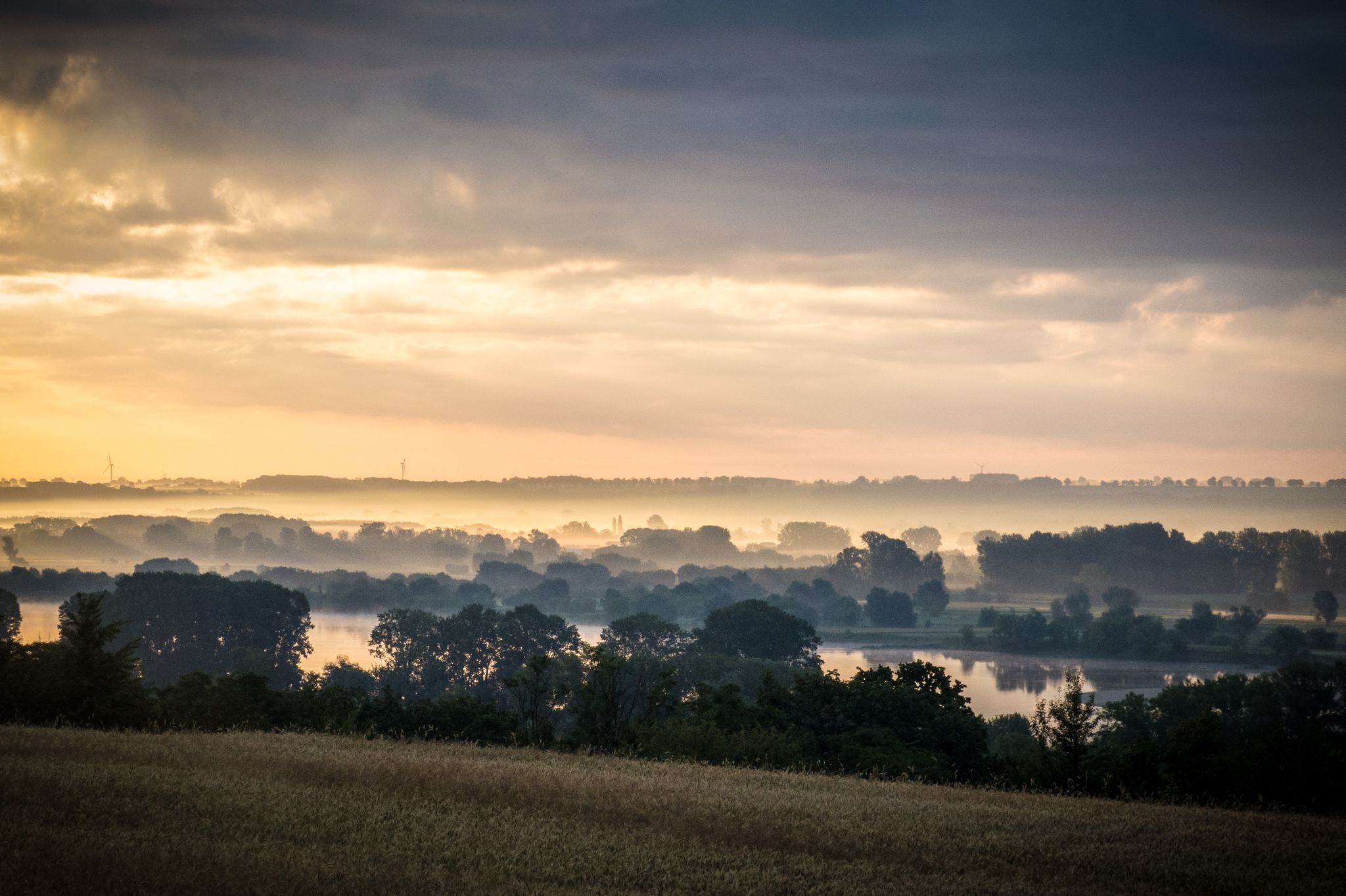
EuroVelo 9 – The Amber Route from the Baltic to Adriatic Sea
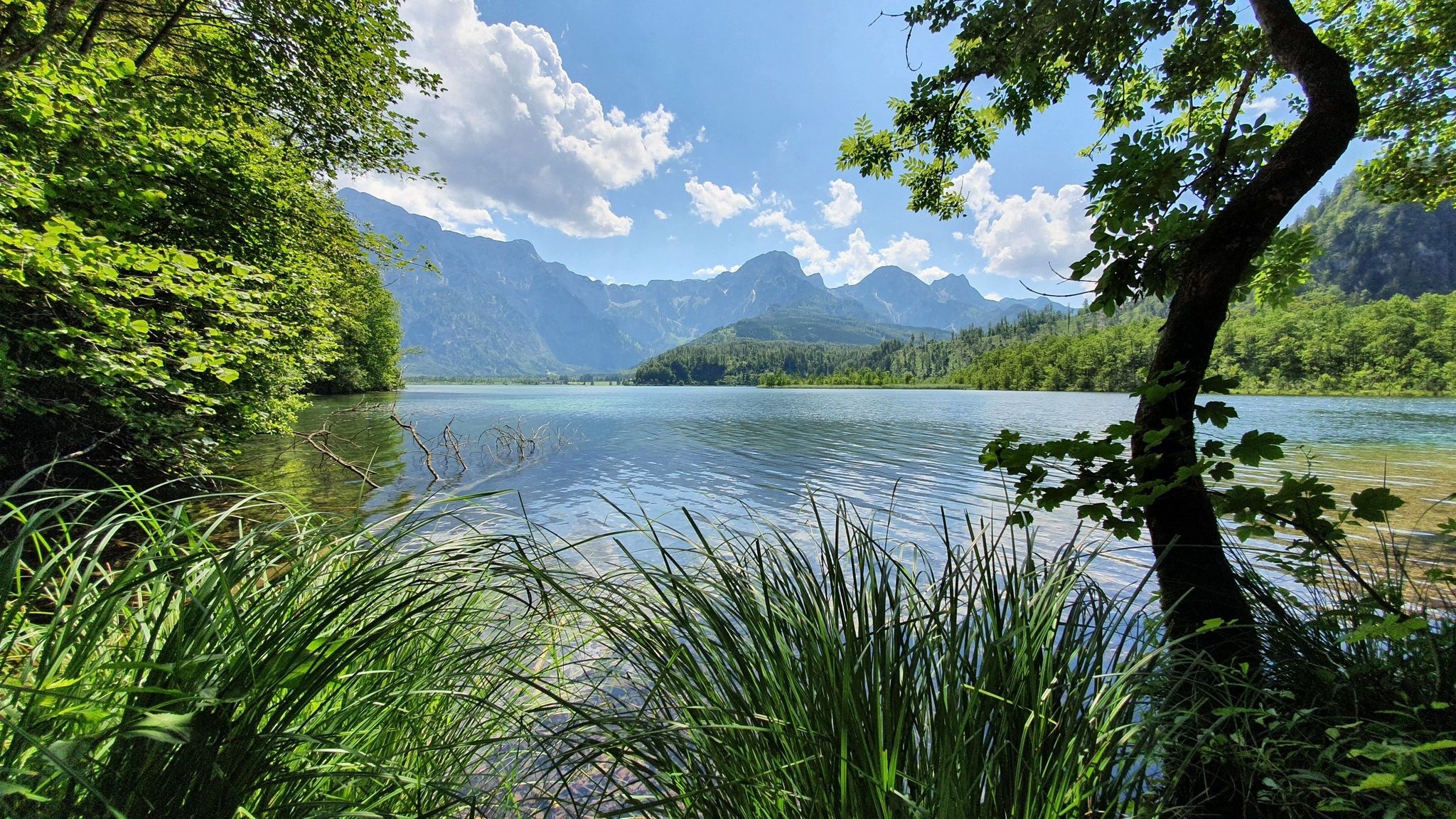
Voralpenweg 04 – From Vienna to Bad Reichenhall
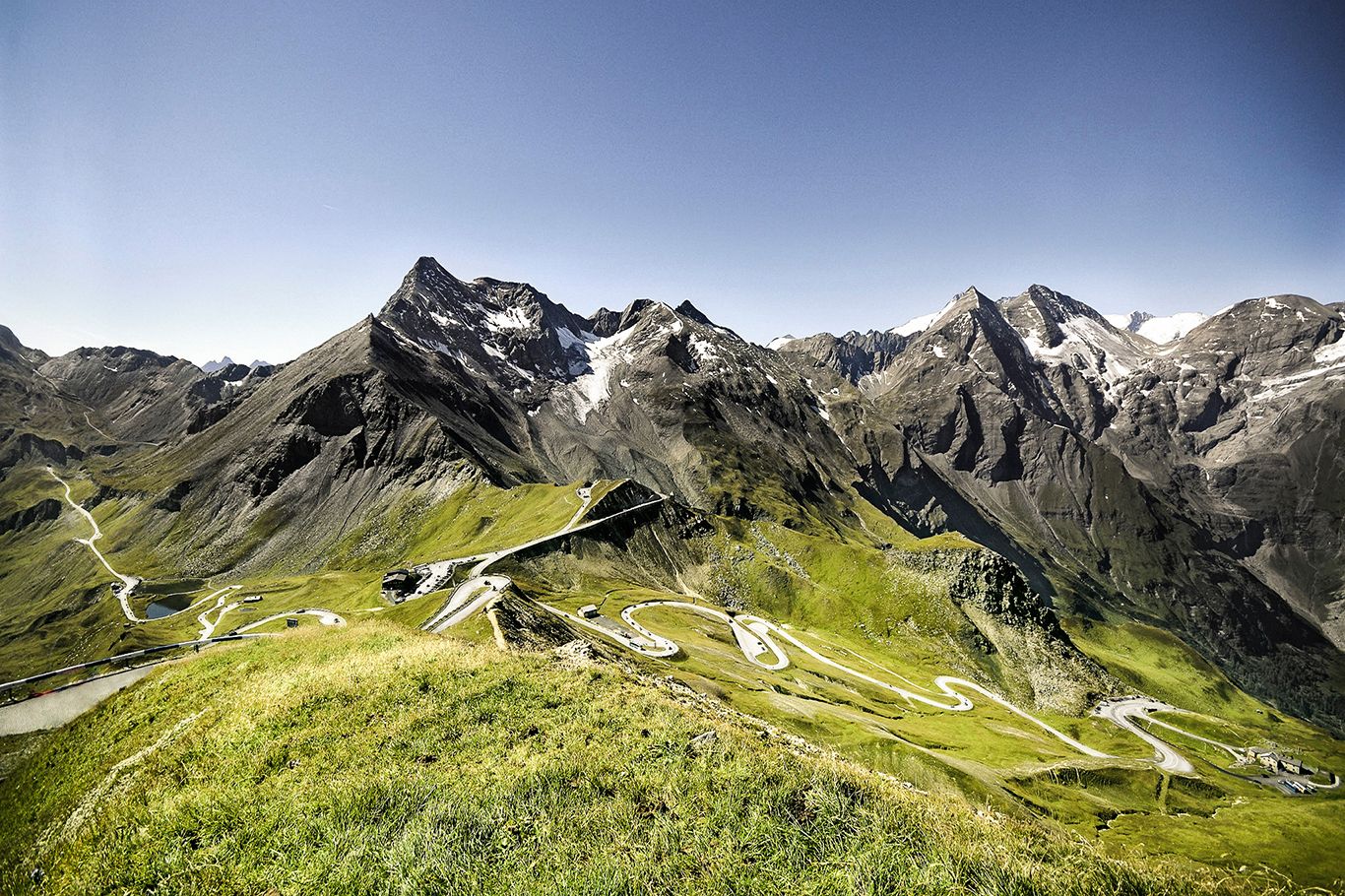
Three Peaks Bike Race — Vienna to Nice
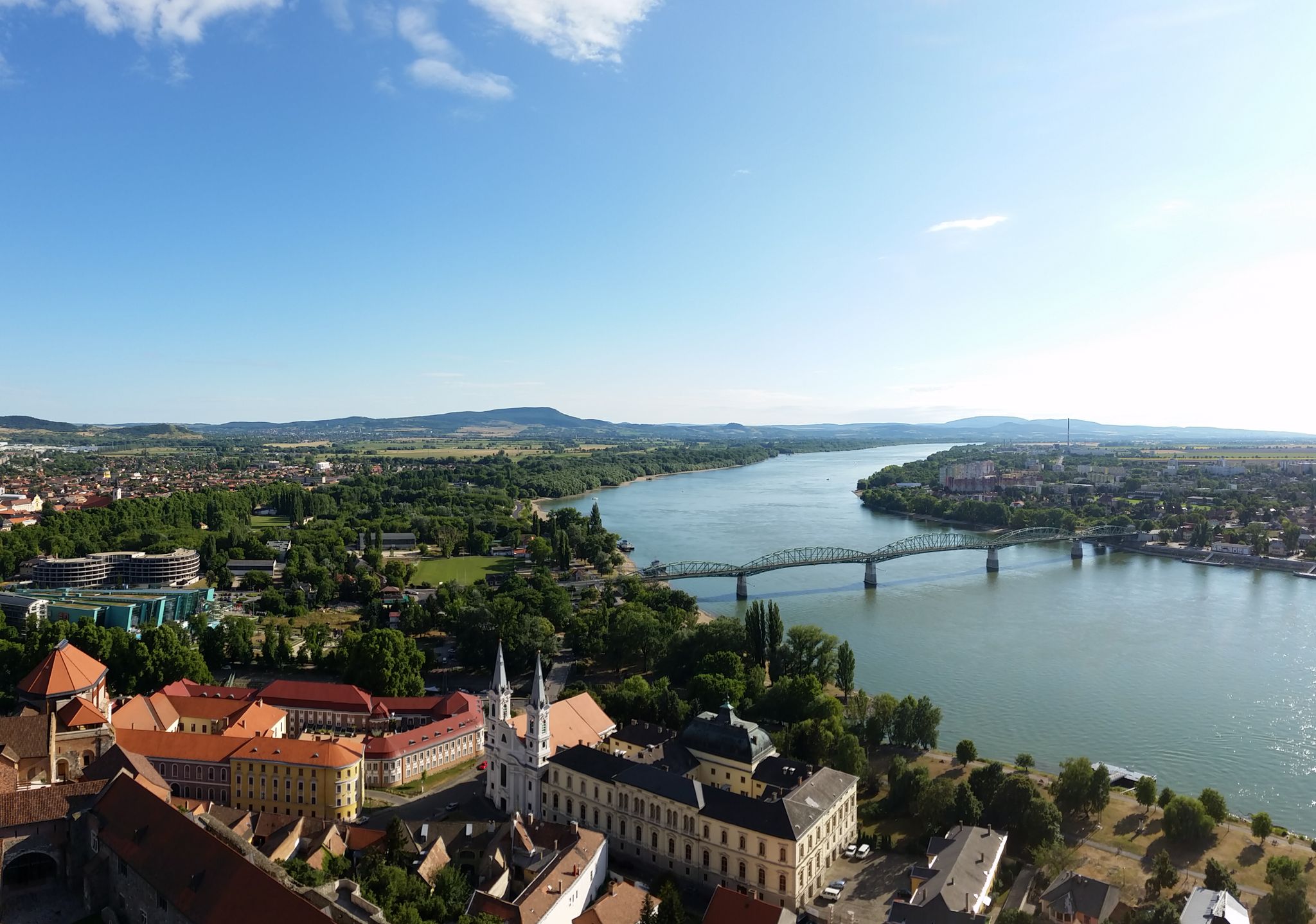
The Danube Cycle Path – From Donaueschingen to Budapest
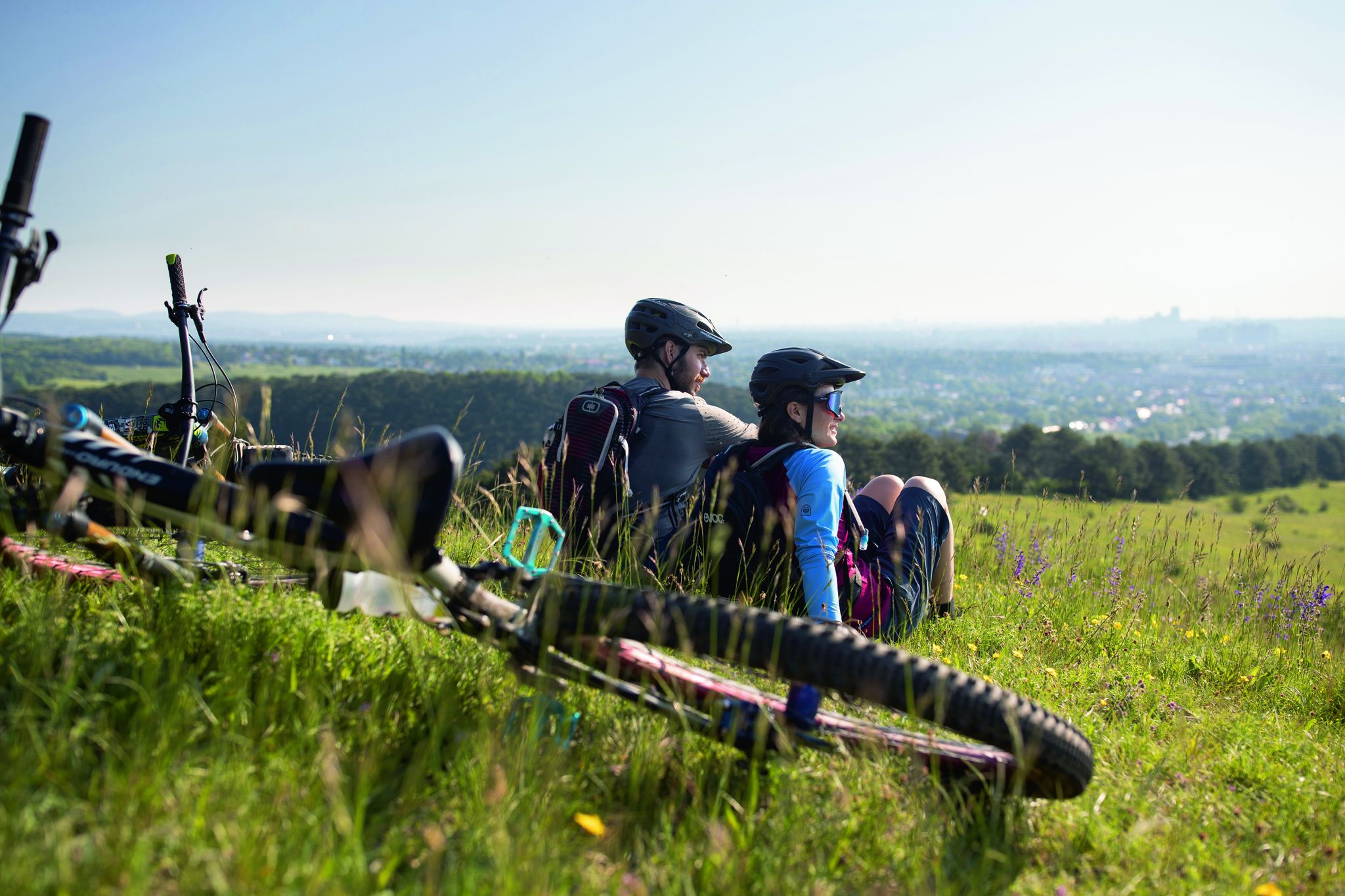
Fun, flow and elevation gain – MTB trails in the Vienna Woods
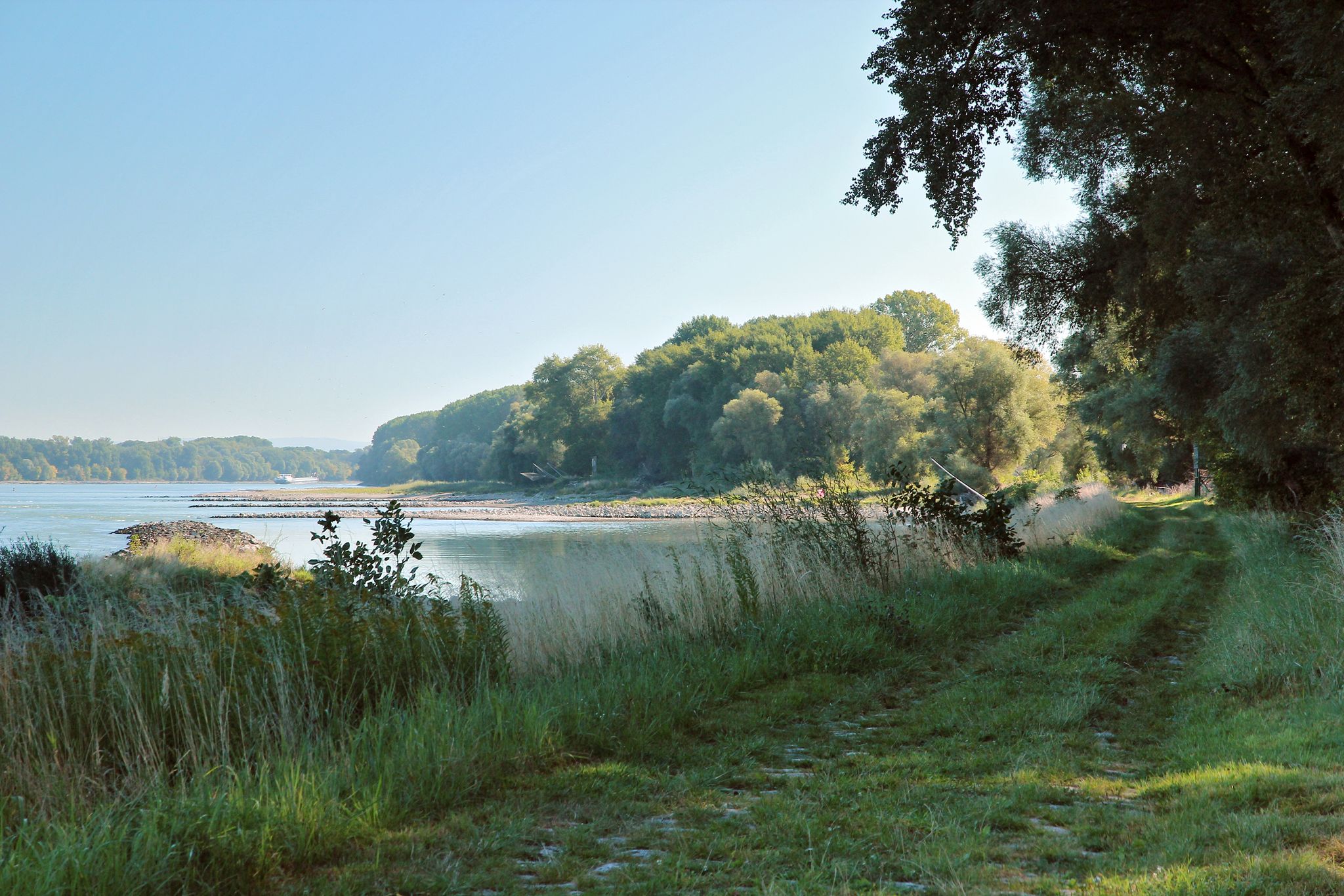
From Vienna to the state border at Hainburg - Tours in the National Park Donau-Auen
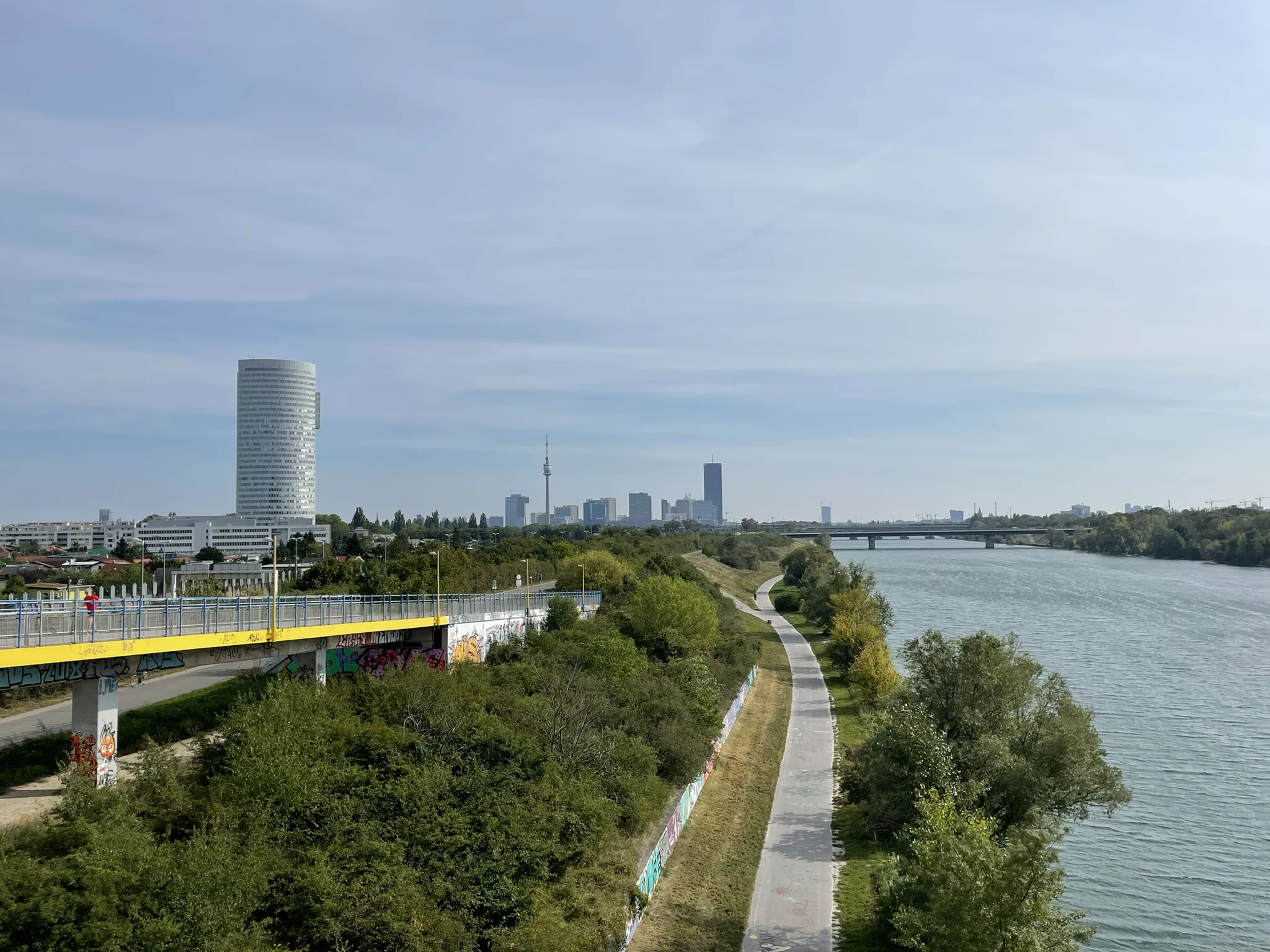
All around Vienna – Rundumadum hiking trail
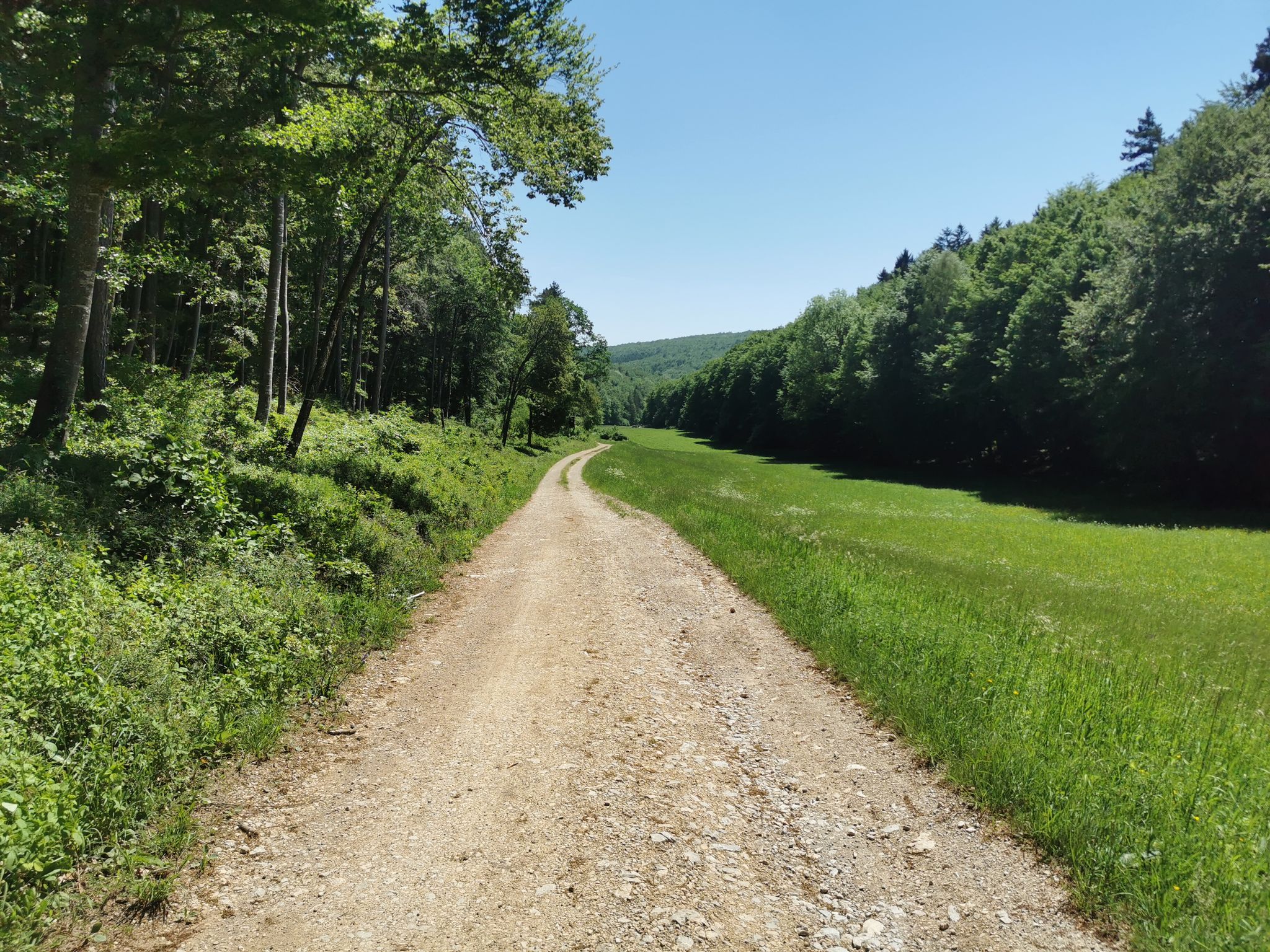
Hills and valleys – gravel bike tours in the Vienna Woods
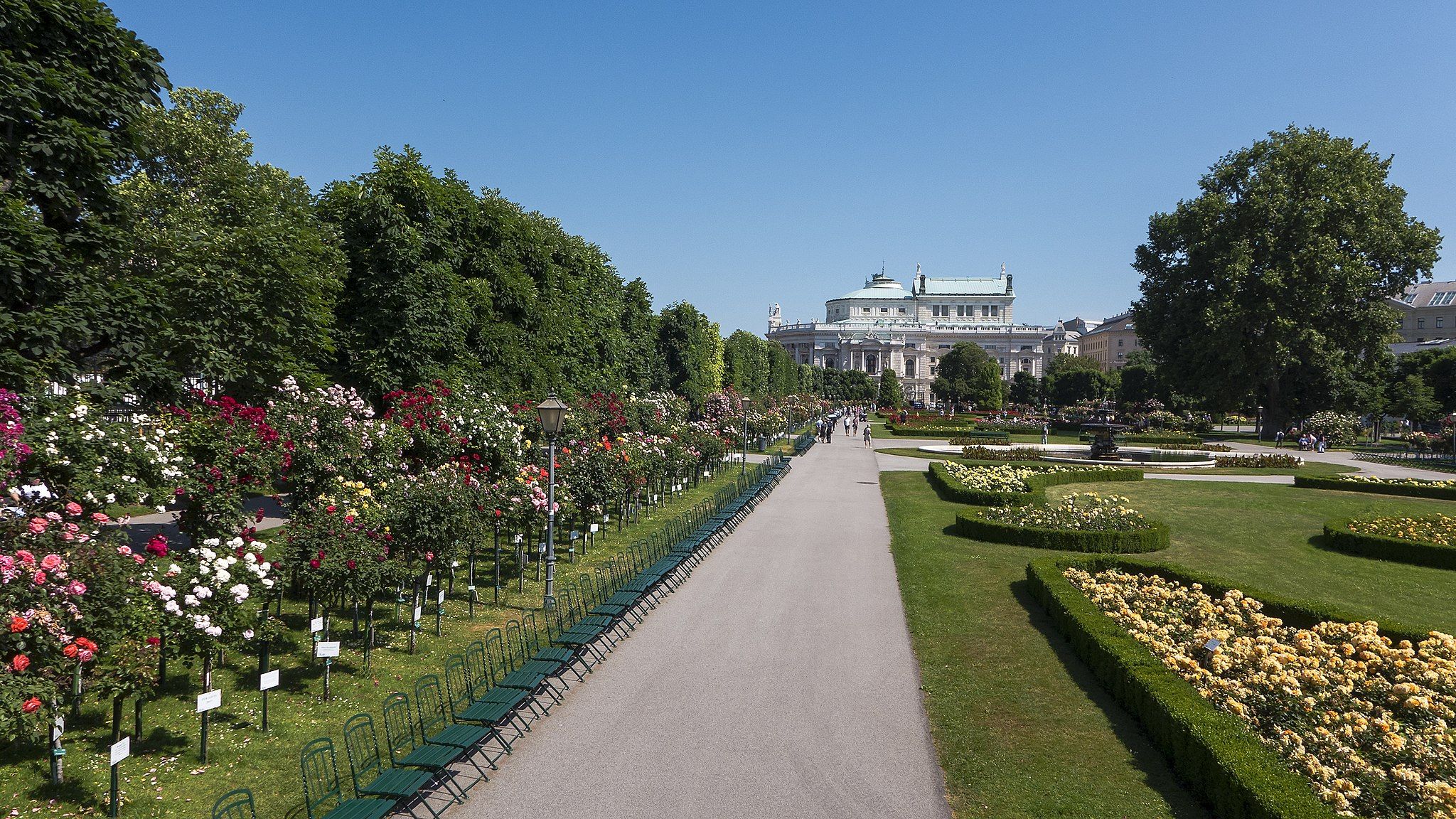
City hikes in Austria – on foot through Vienna, Wels & St. Pölten
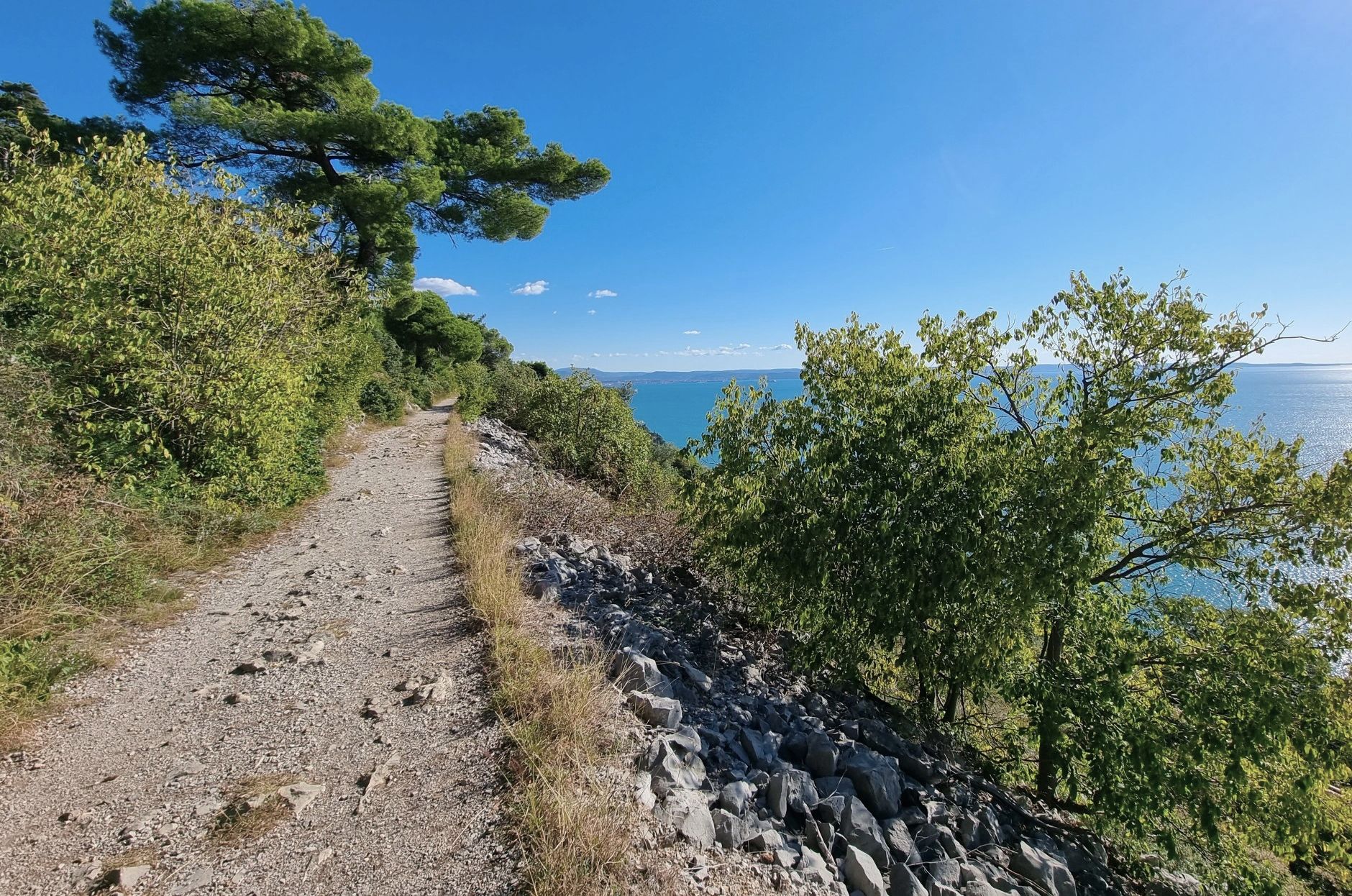
Ride to the sea – gravel bikepacking from Austria’s Vienna to Italy’s Grado
Other adventures in Vienna


Tips from the Community

In the center of the ground-floor building is the Marble Hall. Also noteworthy are the Grotto Hall, the Marble Gallery, and the Gold Cabinet. Prince Eugen's private rooms were adjoined by the former private chamber garden with the orangery.
2
0
The castle park is well-maintained and you can stroll there relaxed. The highest point of the park offers a wonderful view over the city of Vienna.
2
0

The Neptune Fountain in Schönbrunn Palace Gardens was built between 1776 and 1780 based on designs by Johann Ferdinand Hetzendorf von Hohenberg and executed by the sculptor Wilhelm Beyer. As a monumental culmination of the main avenue, its rich figuration of Neptune, Tritons, Nereids, and seahorses forms a central showpiece of the Baroque gardens. In addition to its decorative effect, the fountain also embodies a symbol of power: Neptune, ruler of the seas, reflects the power claims of the House of Habsburg, making the fountain one of the most significant focal points of Schönbrunn Park to this day.
2
1

Schloss Schönbrunn in Vienna: Basic Data: * **Architectural Style:** Baroque (with later Neoclassical elements) * **Architect:** Nikolaus Pacassi (essential redesign under Maria Theresa), originally designed by Johann Bernhard Fischer von Erlach. * **Construction Period:** Originally built from 1696, main expansion from 1740 to 1750 under Maria Theresa. * **Location:** Vienna, Hietzing (13th district) * **Use:** Imperial summer residence of the Habsburgs; today a museum and tourist attraction. Architectural Features: * **Overall Complex:** Palace complex with around 1,441 rooms; central main facade with a courtyard of honor. * **Facade:** Symmetrical, three-story main facade with emphasis on the central projection through columns and pediment. * **Interior:** State rooms in Rococo style, including the Hall of Mirrors, the Maria Theresa Room, and the Vieux-Laque Room. * **Park:** Baroque palace park with geometric shapes, Gloriette, Neptune Fountain, Maze, Palm House, and Zoo. * **Gloriette:** Neoclassical structure on a hill with a view over Vienna, built in 1775. Special Architectural Aspects: * **Concept:** The model was Versailles, but in a reduced form. A typically Austrian expression of High Baroque with later alterations towards Rococo. * **Innovations:** Integrated sightlines from the palace across the park to the Gloriette. * **Materials:** Much stucco, gilding, marble imitations, frescoes. * **Color Scheme:** Characteristic is the so-called "Schönbrunn Yellow," which many Austrian administrative buildings later adopted.
2
0

The Hermesvilla in the Lainz Tiergarten is an elegant, historic palace that once served as a summer residence for Empress Elisabeth. Surrounded by expansive parkland and idyllic forest paths, the villa combines cultural history with a natural experience. Today, it houses a museum offering fascinating insights into the life of the Empress and the history of the Vienna Woods. A visit to the Hermesvilla is a perfect stopover for anyone who wants to combine history, art, and nature on their tour of the Tiergarten.
6
1

Leopoldsberg Castle is a historic ruin on the hill of the same name in the Vienna Woods. Dating back to the 12th century, it now offers—along with the remains of the old castle—one of the most beautiful views over Vienna and the Danube. 🏰🌄
14
1

The imperial rulers of the Habsburg Dual Monarchy of Austria-Hungary also welcomed the use of figures from Roman and Greek mythology, popular in art history, for the artistic decoration of palaces and parks – whether as paintings or, as here, as statues. From the rich world of gods, Neptune was often depicted – especially in connection with springs, ponds, fountains, and other bodies of water. After all, mythology assigned him the status of god of the sea, which, incidentally, corresponds to Poseidon in Greek mythology.
2
1

It is a very well-kept park. The flowerbeds bloom all summer long, which is great.
3
2
Frequently Asked Questions
Which castles in Vienna are particularly family-friendly?
Several castles in Vienna offer great experiences for families. Schönbrunn Palace is a top choice, featuring extensive gardens, the world's oldest zoo, a maze, and Roman ruins that children often enjoy exploring. The Hermes Villa, located within the Lainzer Tiergarten nature reserve, also has animal enclosures, a playground, and a nature trail, making it a popular destination for families.
What kind of outdoor activities can I do near Vienna's castles?
Many castles in and around Vienna are surrounded by parks and natural areas perfect for outdoor activities. For instance, the grounds of Schönbrunn Palace are popular for walking and jogging. The Hermes Villa is situated in the Lainzer Tiergarten, a large nature reserve ideal for walks. For more structured outdoor adventures, you can find various routes nearby, including mountain biking trails and cycling paths. For example, explore the 'Kahlenbergerdorf Route' for mountain biking or the 'Danube Island – View of Leopoldsberg loop' for cycling. You can find more details on these and other routes in the MTB Trails in Vienna and Cycling in Vienna guides.
Are there hiking trails around the castles in Vienna?
Yes, several castles offer access to beautiful hiking opportunities. The Lainzer Tiergarten, home to the Hermes Villa, is a vast nature reserve with extensive green areas and vantage points, perfect for hiking. You can also find mountain hikes in the wider Vienna area, such as the 'View from Leopoldsberg – View of Vienna from the Kahlenberg loop' or the 'Kahlenberg Viewing Platform – View of Vienna from the Kahlenberg loop'. Discover more hiking options in the Mountain Hikes in Vienna guide.
What is the best time of year to visit the castles and their gardens?
The best time to visit Vienna's castles and their gardens largely depends on your preferences. Spring and summer (April to September) offer lush gardens, blooming flowers, and pleasant weather for exploring the extensive grounds of palaces like Schönbrunn Palace and Belvedere Palace. Autumn brings beautiful foliage, while winter offers a different charm, especially with Christmas markets near some palaces, though garden exploration might be limited. For the gardens specifically, late spring to early autumn is ideal.
Which castles offer the best viewpoints or natural features?
For stunning views, the Upper Belvedere Palace offers an incomparable view of Vienna from its Marble Hall, and its terraced gardens are a beautiful natural feature. Schönbrunn Palace boasts a vast park with the Gloriette offering panoramic city views. Further afield, Leopoldsberg Castle provides excellent viewpoints over Vienna and the Danube.
What historical insights can I gain from visiting Vienna's castles?
Vienna's castles are steeped in imperial history. The Hofburg Palace, the former imperial residence, houses the Imperial Apartments and the Sisi Museum, offering deep insights into the Habsburg Empire. Schönbrunn Palace, the summer residence of the Habsburgs, showcases the opulent lives of emperors and empresses through its preserved staterooms and exquisite frescoes. The Belvedere Palace, once Prince Eugene's residence, reflects Baroque grandeur and houses significant Austrian art, including Gustav Klimt's 'The Kiss'.
Are there any hidden gem castles near Vienna worth visiting?
Beyond the well-known imperial palaces, there are charming castles near Vienna that offer unique experiences. Kreuzenstein Castle, a 19th-century reconstruction built with authentic medieval elements, provides a fairytale-like appearance and historical ambiance. Laxenburg Castle, with its picturesque Franzensburg situated on an island, offers a romantic setting within an extensive park, easily accessible from the city.
What are the typical opening hours and ticket prices for Vienna's main castles?
Opening hours and ticket prices vary significantly for each castle and can change seasonally. For example, Schönbrunn Palace, Hofburg Palace, and Belvedere Palace all have different schedules and admission fees, often with various ticket options for different areas or combined passes. It is always recommended to check the official websites of each specific castle for the most current information before your visit.
How can I get to Schönbrunn Palace from central Vienna?
Schönbrunn Palace is easily accessible from central Vienna by public transport. You can take the U4 subway line (green line) directly to the Schönbrunn station. Several tram lines (e.g., 10, 60) and bus lines also serve the palace, making it convenient to reach from various parts of the city.
What do visitors appreciate most about Vienna's castles?
Visitors consistently praise the architectural grandeur and historical significance of Vienna's castles. The sheer splendor of places like Schönbrunn Palace, with its extensive park and fascinating interiors, is often highlighted. The rich cultural offerings, such as the art collections at Belvedere Palace and the museums within Hofburg Palace, are also highly valued. Many also enjoy the opportunity to combine cultural exploration with leisurely walks in the beautiful palace gardens.
Are there cafes or restaurants near the main castles?
Yes, you'll find various cafes and restaurants conveniently located near Vienna's main castles. For example, the Hermes Villa has a good place to stop for refreshments. The areas surrounding Schönbrunn Palace and Hofburg Palace are bustling with options, from traditional Viennese coffee houses to restaurants offering local and international cuisine, catering to visitors looking for a meal or a quick break.
Most popular routes in Vienna
Most popular attractions in Vienna

Get inspired with the komoot mobile app


Explore more
Looking for the best castles somewhere else? Discover other guides in Vienna:
