Top 20 Caves in the Eifel
Best caves in the Eifel are found within a region shaped by volcanic activity, offering diverse subterranean experiences. This area features former millstone quarries, prehistoric shelters, and natural grottoes. The Eifel's geological history provides unique insights into both natural formations and human interaction with the landscape.
Best caves in the Eifel
- The most popular caves is Buchenloch Cave, a cave that was formed by groundwater erosion. It is about 30 meters long and 4 meters wide.
- Another must-see spot is Trass Caves Brohltal, a cave system with mighty rock faces. Visitors can enter these caves, which are part of a scenic hiking route.
- Visitors also love Genoveva Cave, a shell-shaped cave formed by groundwater, wind erosion, and frost. It offered shelter to humans for thousands of years.
- Eifel is known for its variety of caves, including former basalt quarries, prehistoric shelters, and natural grottoes. The region offers both accessible natural formations and sites with historical mining significance.
- The caves in the Eifel are appreciated by the komoot community, with over 3500 upvotes and more than 3800 photos shared by users.
Last updated: October 9, 2026
Trass Caves Brohltal
Highlight • Cave
Translated by Google •
Tip by

Buchenloch Cave
Highlight • Cave
Translated by Google •
Tip by

Sign up now to discover places like this
Get recommendations on the best single tracks, peaks, & plenty of other exciting outdoor places.
Genoveva Cave
Highlight • Cave
Translated by Google •
Tip by

Trass caves
Highlight • Cave
eifel.info/a-trasshoehlen
Translated by Google •
Tip by

Klausen Cave (Hermit's Cave)
Highlight • Cave
Showing Translation
Tip by

Kakus Cave and Kartstein Cliffs
Highlight • Cave
Translated by Google •
Tip by

Millstone Cave at Nerother Kopf
Highlight • Cave
The millstone cave consists of lava boards and is an artificial cave in the Vulkaneifel, Rhineland-Palatinate. It was created by the production of millstones from a volcanic rock wall.
The Millstone Cave is located in the summit area of Nerother Head, a wooded hill of volcanic origin just east of Neroth. The entrance is located just below the castle ruin Freudenkoppe at an altitude of about 640 m and is accessible via a hiking trail. The cave is 18 meters deep and its vault up to ten meters high. It is walkable but unlit (flashlight required).
The Nerother head turned out early because of its steep vertical walls of lava panels as a suitable mining site for millstones. The date of commencement of quarrying is unknown, but probably lies before the castle was built around 1340. The millstones were broken out of the rock with a hammer and a chisel and finished on the spot. Unfinished blanks of these stones can still be found on the walls of the cave today. Outside the cave remains of broken millstones can be found. However, the lava rock was not only mined for millstone production, but was also used in the construction of Burg Freudenkoppe use. Even in later times millstones were recovered here again, the last testimony dates back to 1788. Presumably, the cave was larger at this time and also included a side exit, slipping earth but moved a part of the cave. According to a legend, the cave was even part of an underground corridor to other castles, which is also in the popular poem Op the Nerother Kopp / there sits the Deuwel drob / drives under the ground through / to the Altburg is expressed.
In the cave members of Wandervogel e met on December 31, 1919. V. to found the Nerother Wandervogel.
Since 1980, the cave is under protection as a cultural monument
Translated by Google •
Tip by

Roman copper mine and quarry Pützlöcher
Highlight • Historical Site
If you come from the Butzenbachtal, you should keep to the left down the mountain if you want the shorter way to Ramstein Castle. If you have more time, follow the designated hiking path up the mountain to the right.
Translated by Google •
Tip by

Genoveva Cave
Highlight • Cave
Translated by Google •
Tip by
Elf Grotto and Elbesbach Waterfall
Highlight • Cave
The grotto is also called the cheese grotto. This will not surprise you, because the stones look like stacked cheese wheels.
Translated by Google •
Tip by

Sign up for free to discover even more caves in the Eifel.
Already have an account?
Start today with a free account
Your next adventure awaits.
Popular around Eifel
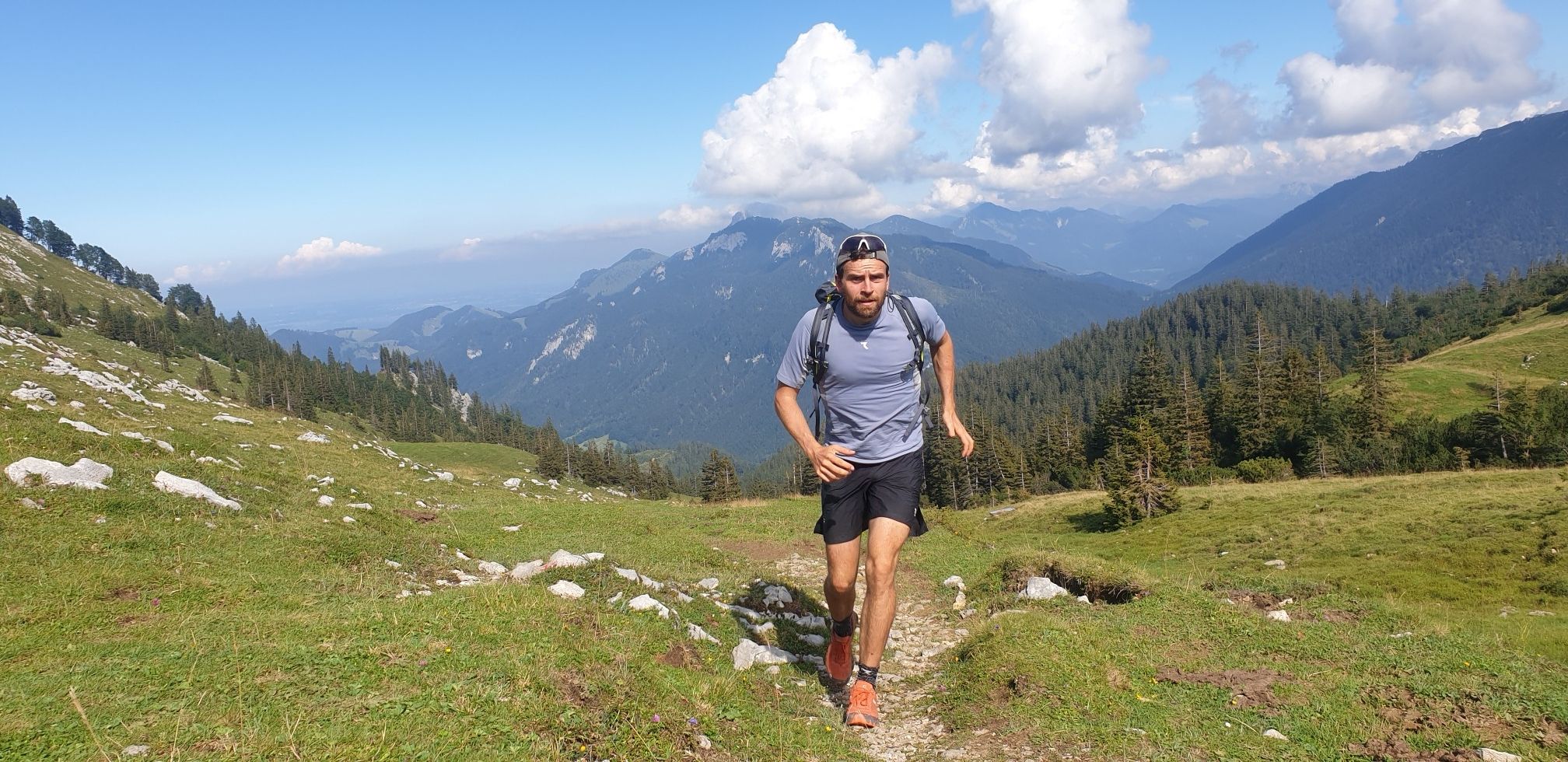
Triathlon around Germany
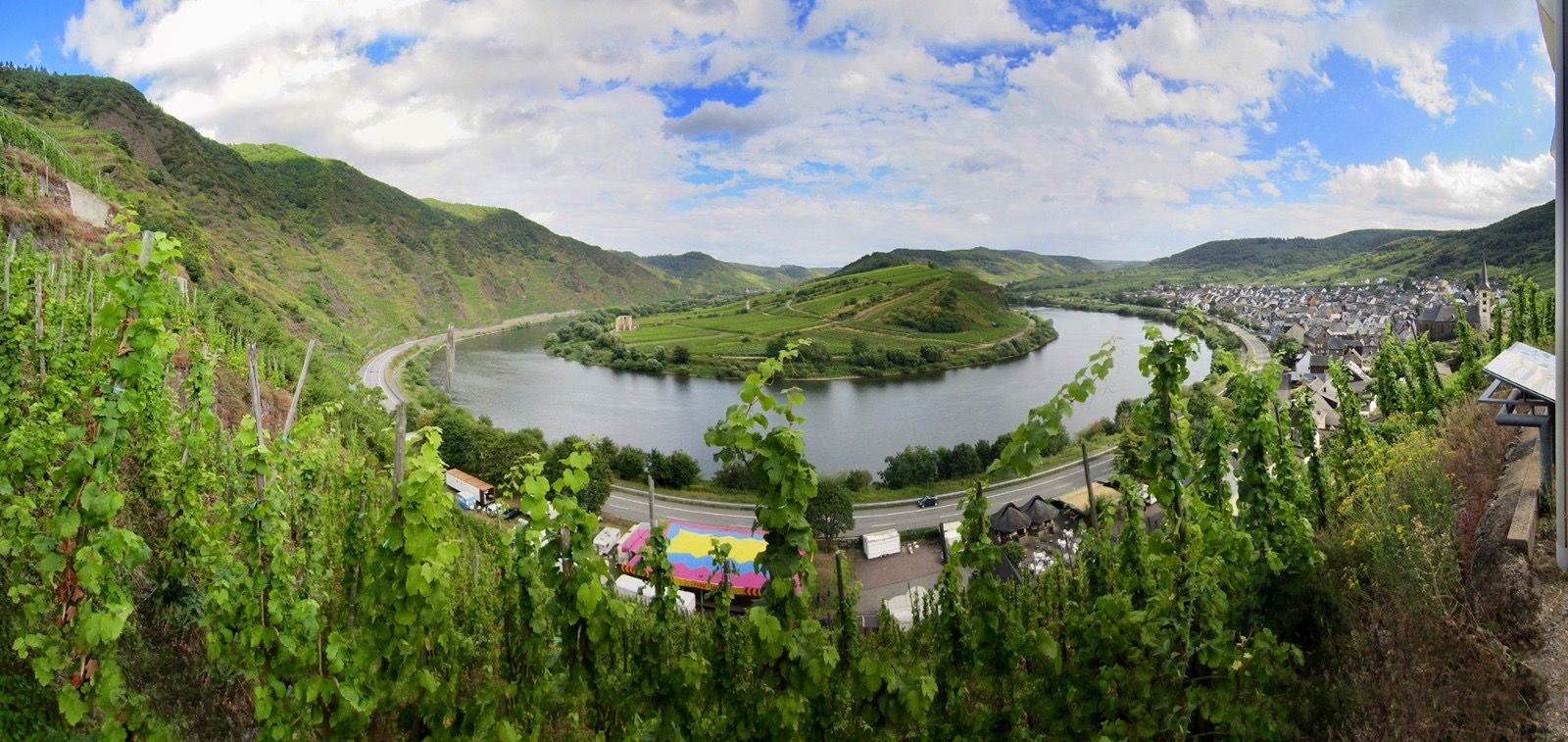
The Moselle cycle path — from the Vosges to the Rhine in 18 stages
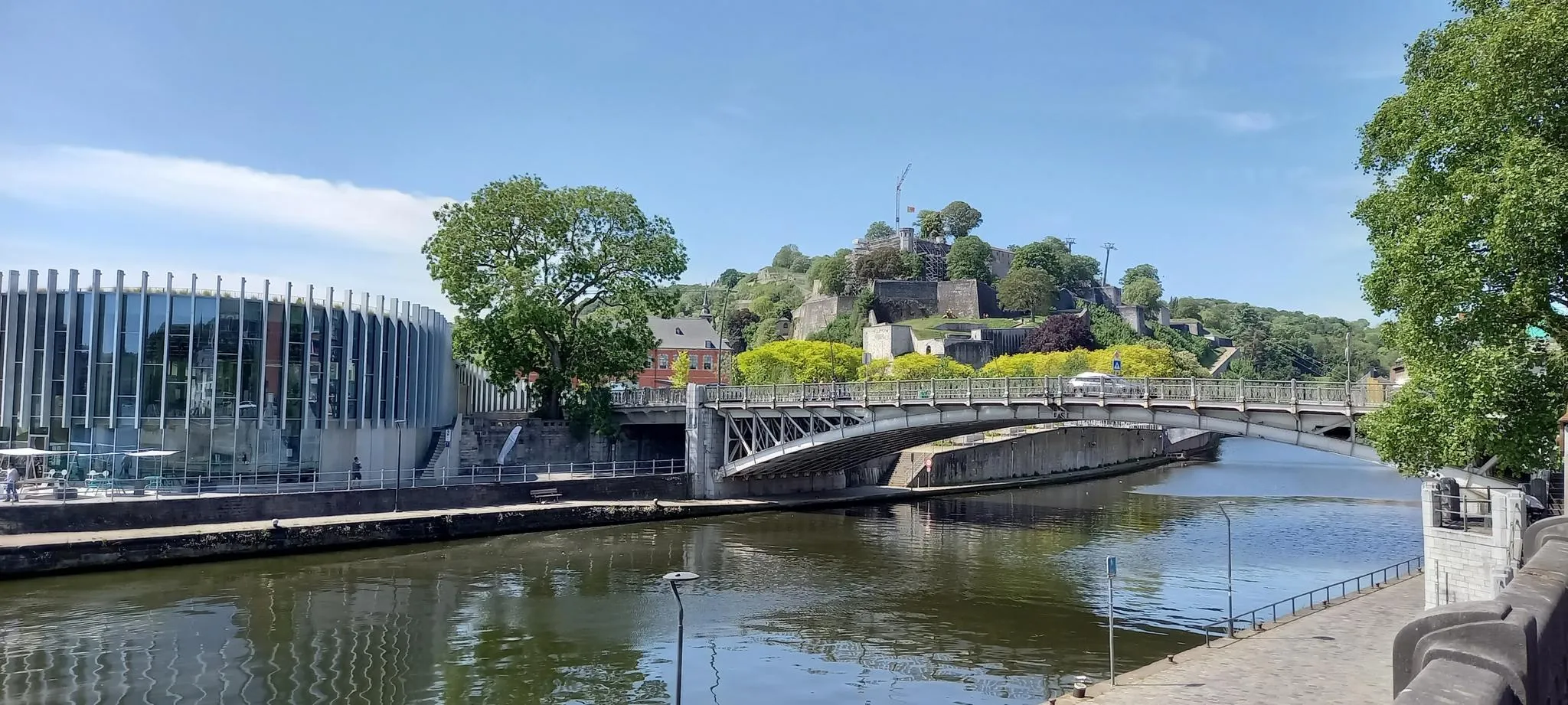
EuroVelo 3 — The adventure in the heart of Belgium
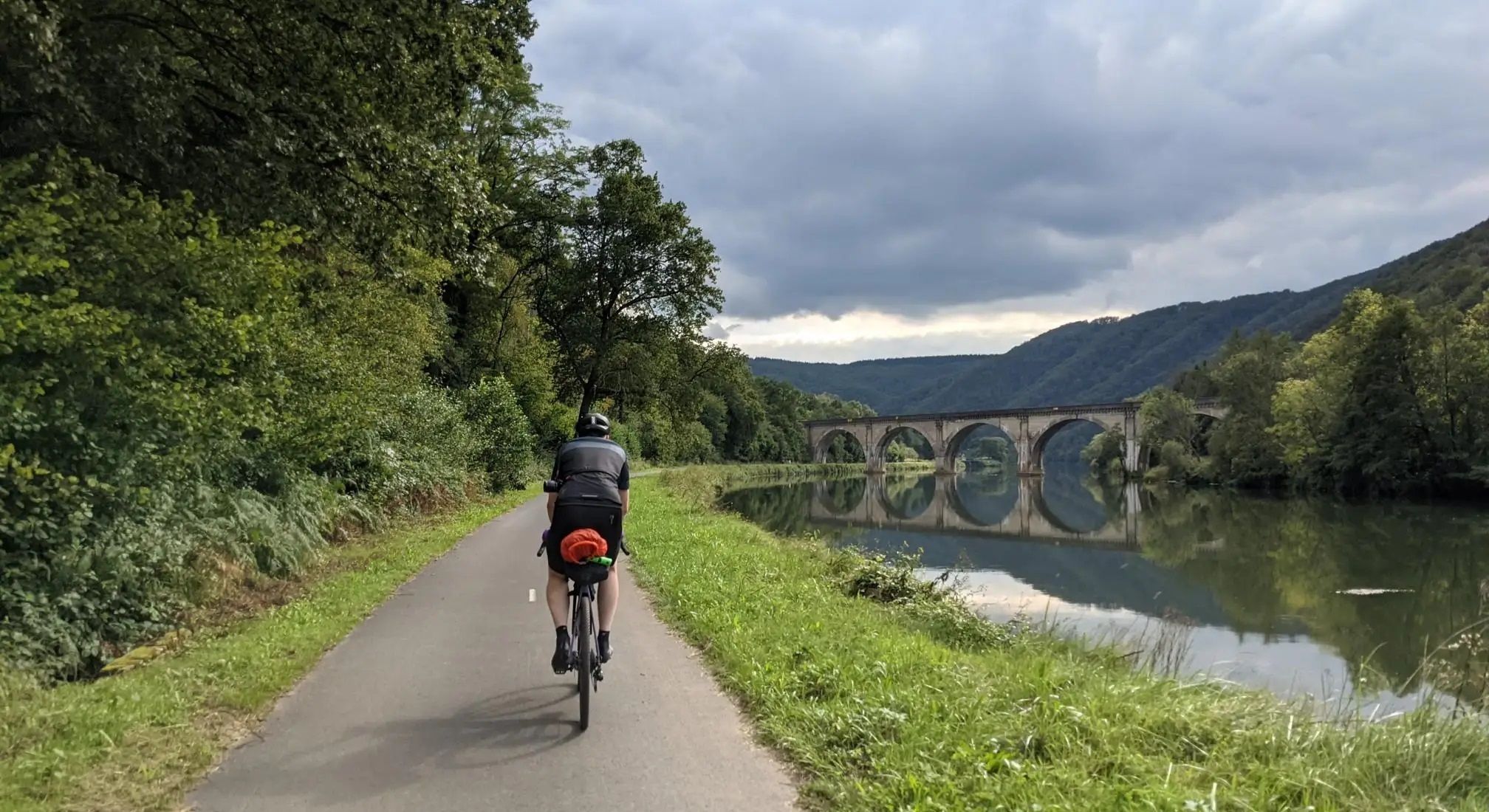
Aachen to Reims – Ardennes, Meuse and Champagne
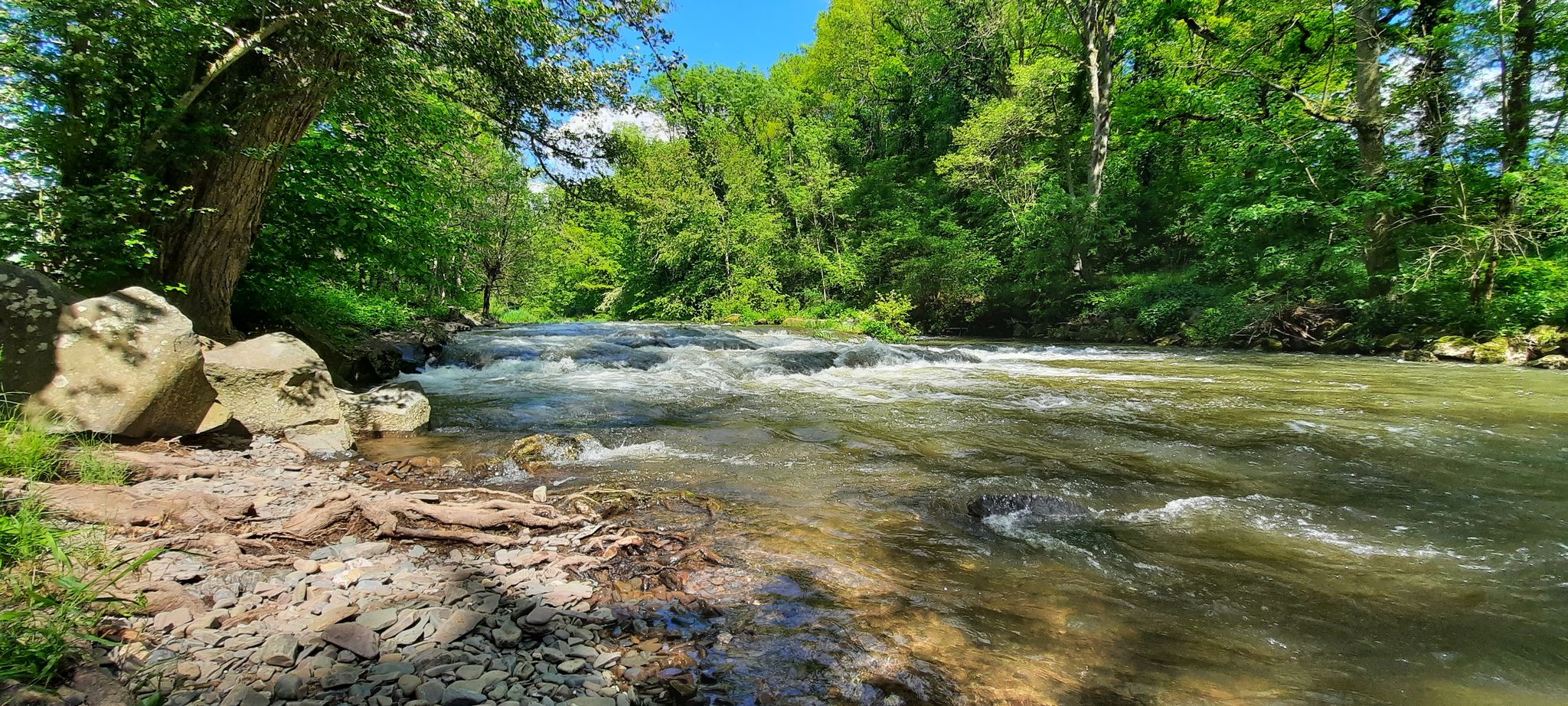
Lieserpfad between the Eifel and the Moselle rivers – Wild forests, wild water
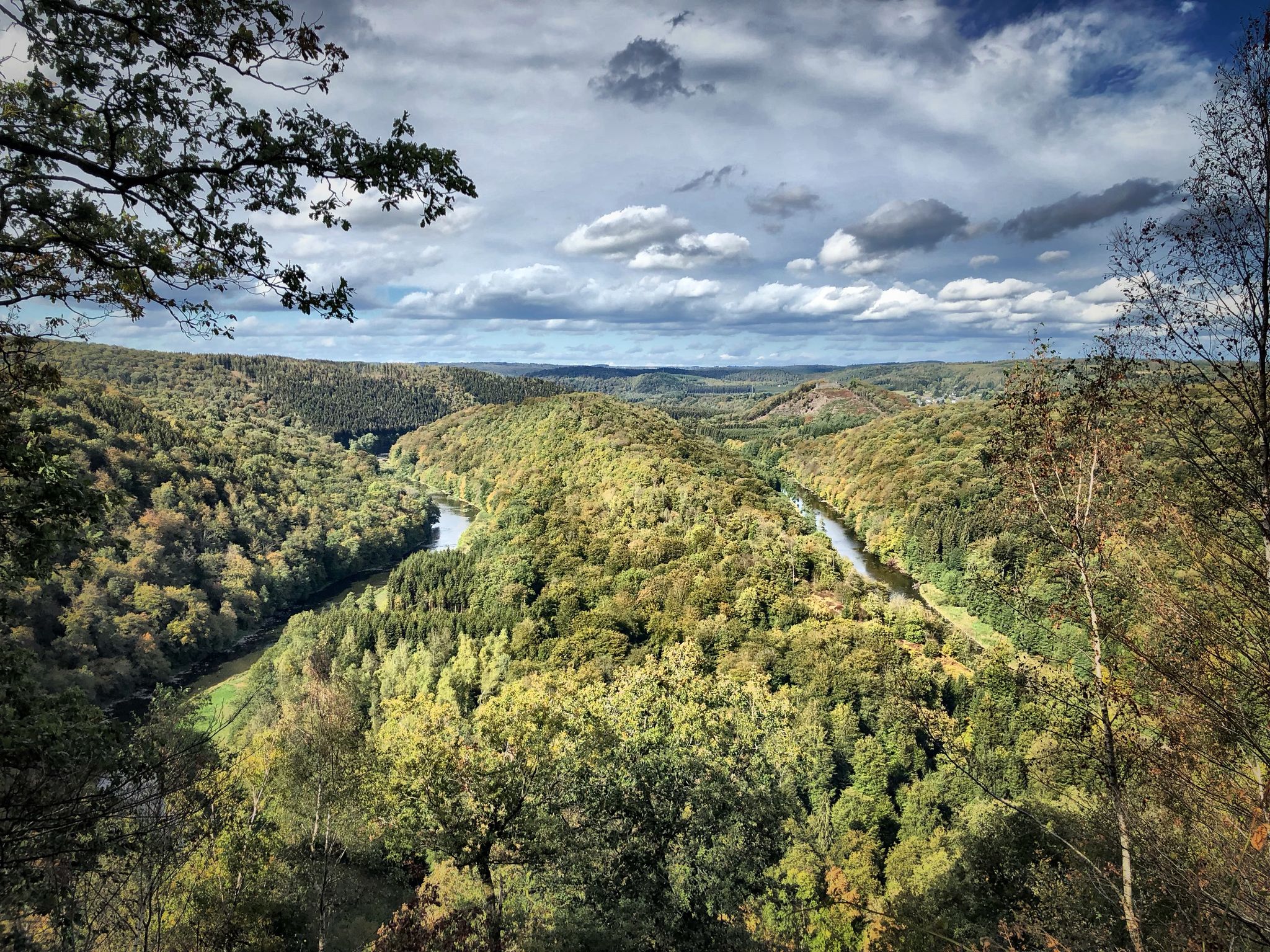
Running an ultra in Belgium – long trails in a small country
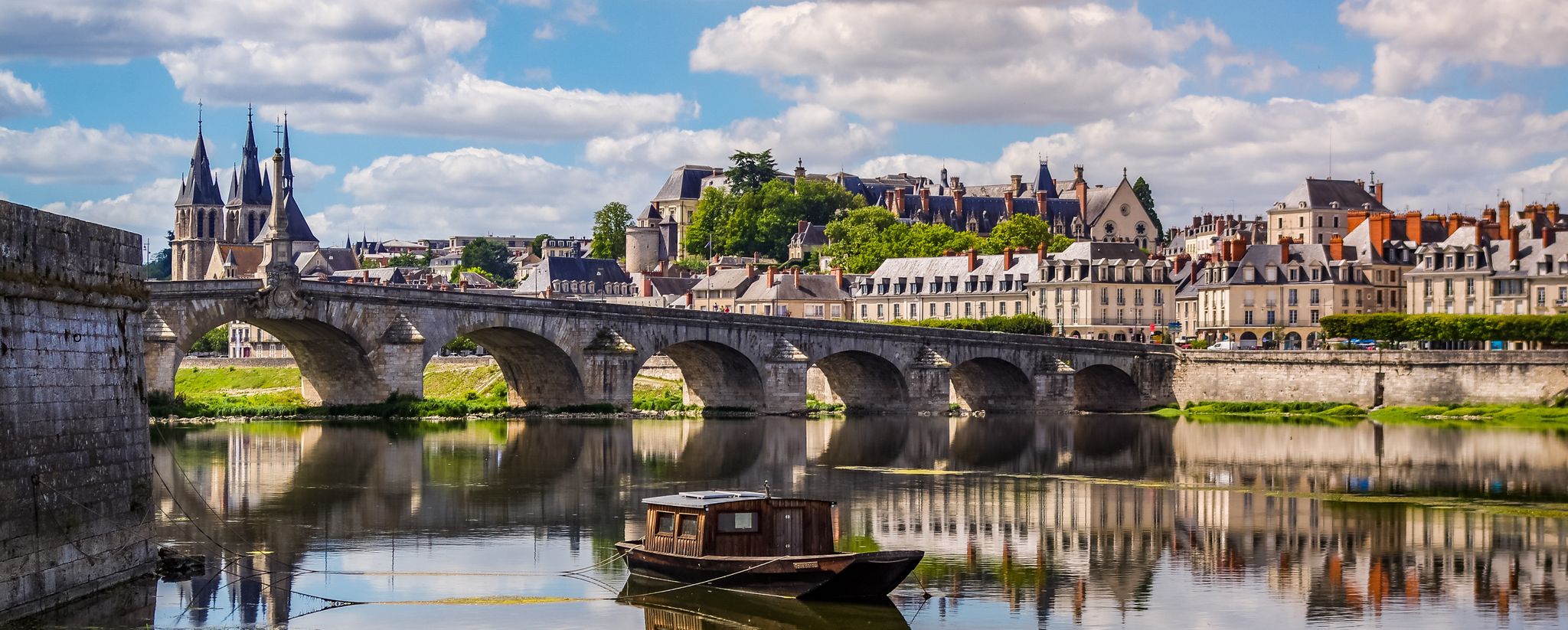
EuroVelo 3 – A cycling pilgrimage from Norway to France
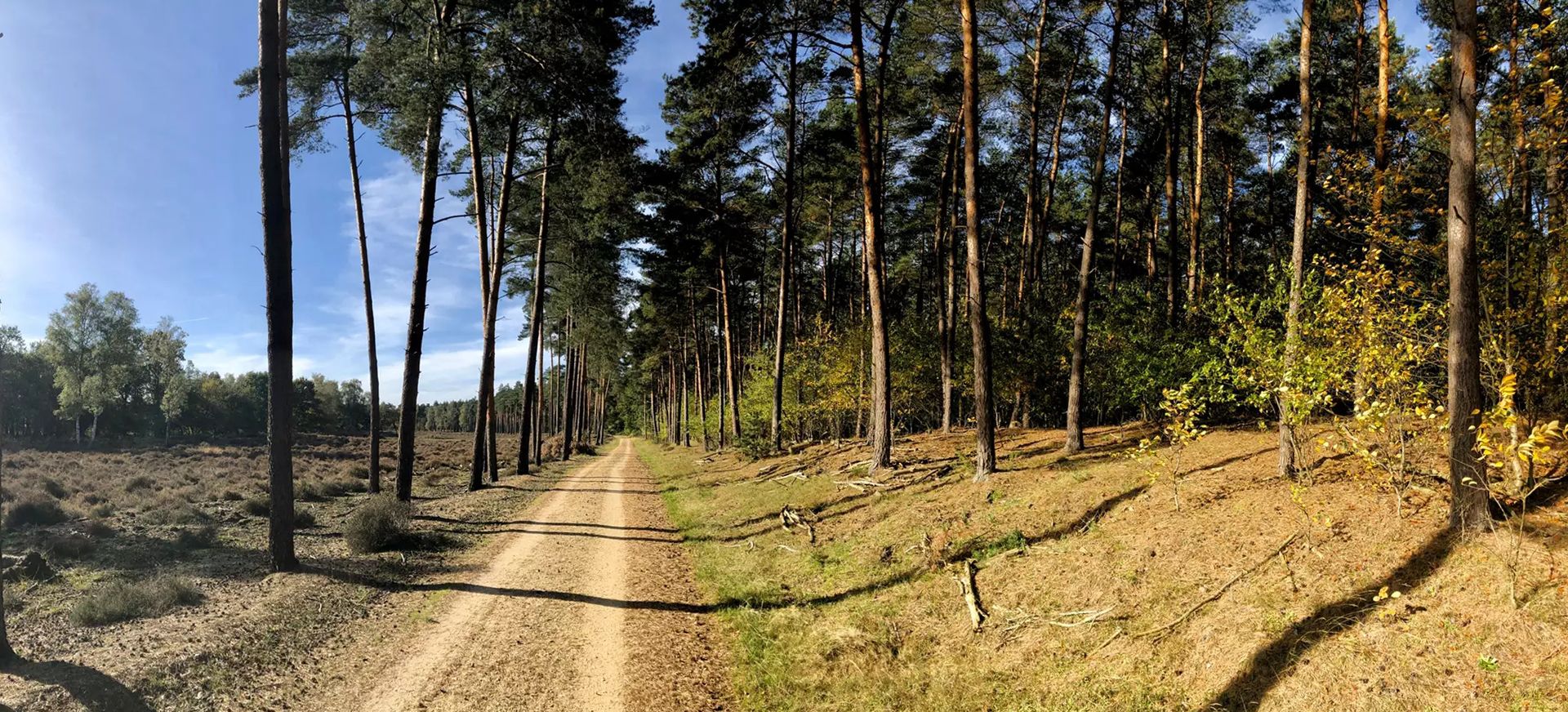
2-Country Route – Cycling from Germany to Netherlands
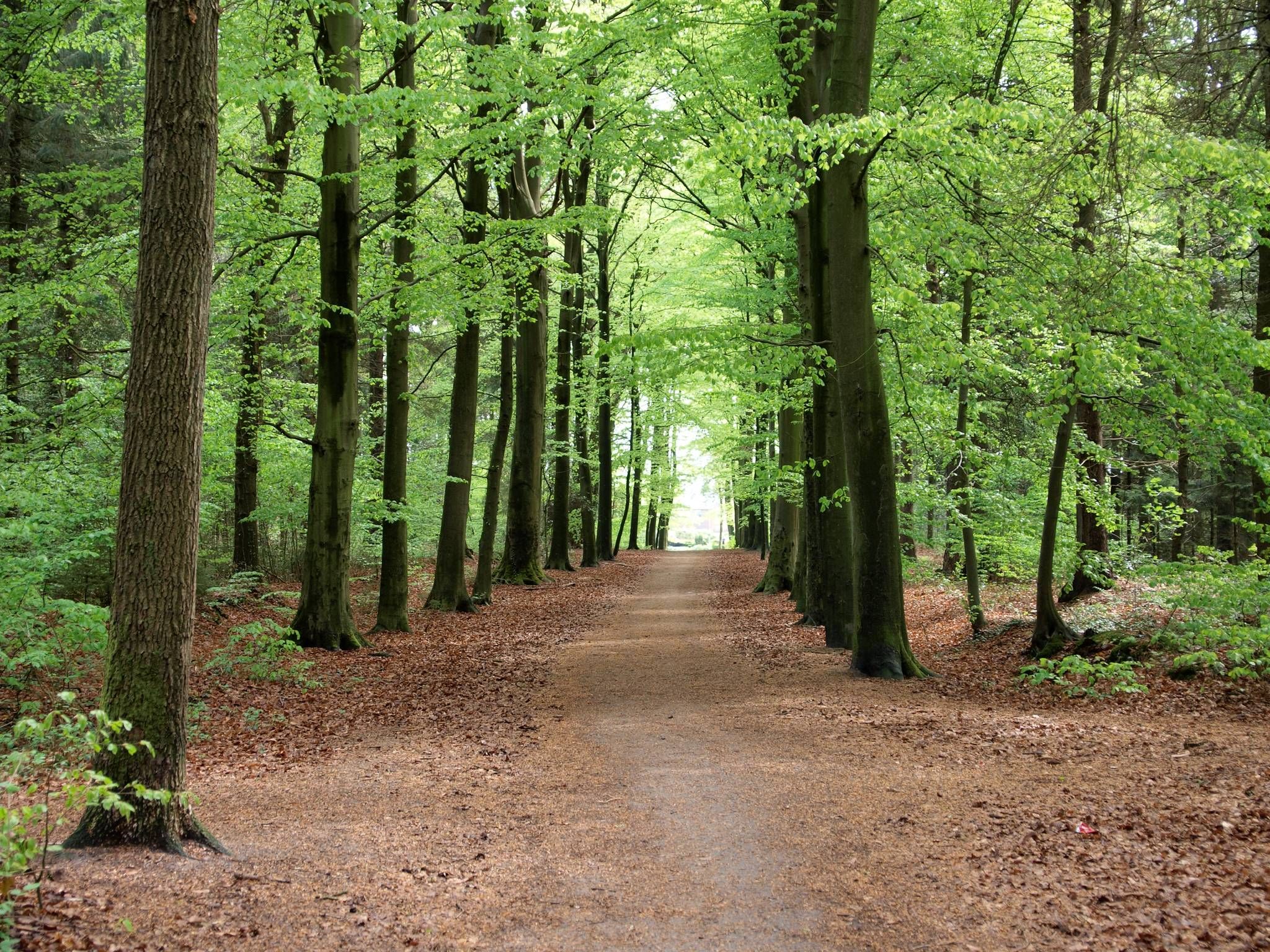
Trans Netherlands MTB Route – The ultimate off-road adventure
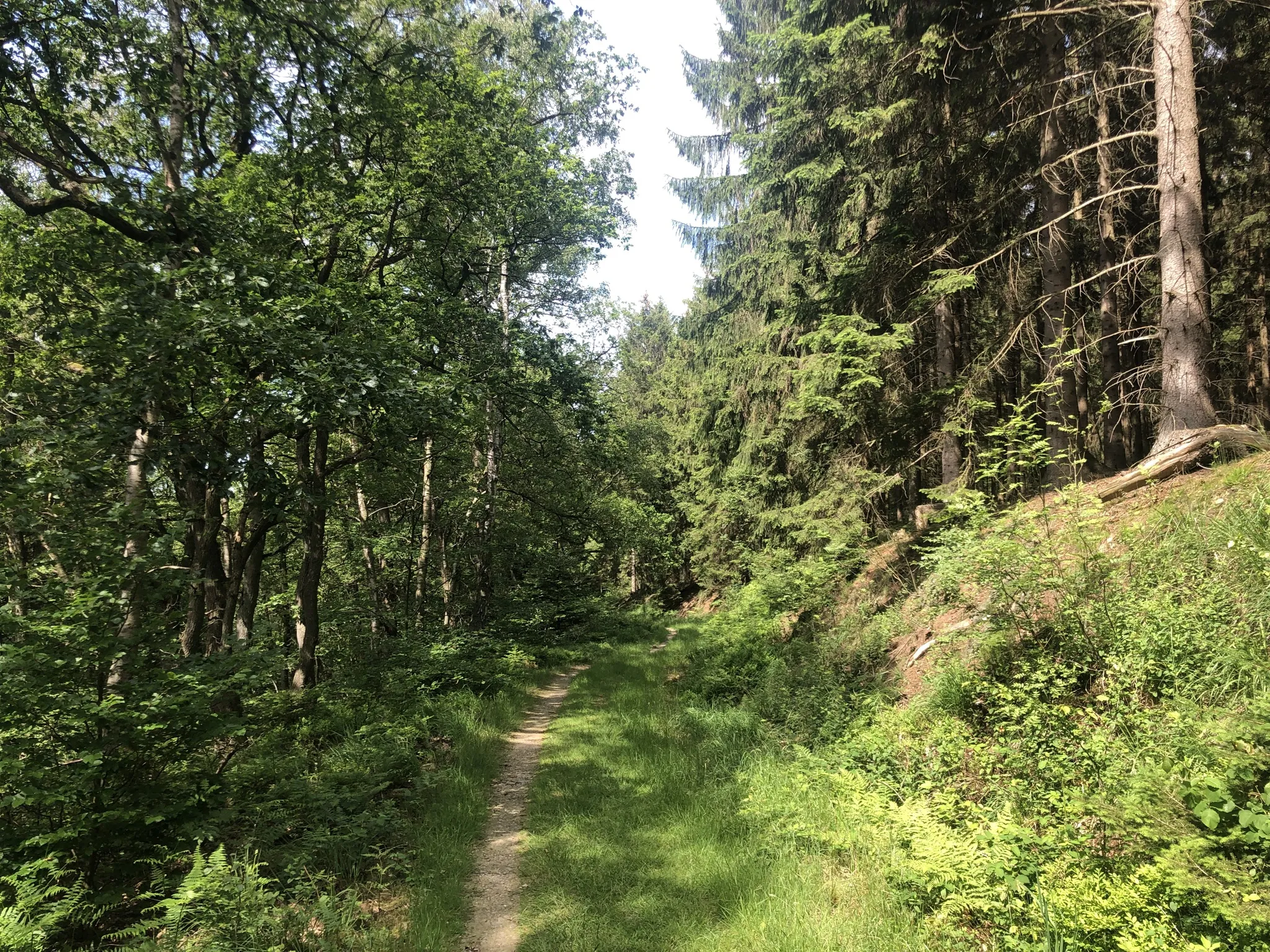
Trans-Eifel in 6 stages — Mountains rich and pure nature
Other adventures in the Eifel


Tips from the Community

The Klausenhöhle was inhabited in the 18th century by a hermit. Access is via ladders. Particularly impressive is the view through a natural rock opening, which reveals a view of the surrounding landscape. With its exceptional location and special atmosphere, the cave is one of the region's most appealing photo motifs.
44
0
Even today, blocks of stone with Roman numerals and inscriptions can be found in the mine. It is believed that quarrying continued into the 3rd century, as a coin of Emperor Maximinus Thrax was found in the tunnel. Much later, in the 18th century, the search for ore and copper resumed using state-of-the-art blasting techniques, creating new tunnels approximately 114 meters deep. However, the main tunnel collapsed during this process. Source: https://eifelfuehrer.de/touristische-ziele/geschichtliche-zeugnisse/puetzloecher
37
0
The Roman copper mine "Pützlöcher," located between Kordel and Butzweiler, is one of the oldest in Germany and means "waterhole." Here, in the 2nd century, ores such as malachite and azurite were mined at a depth of 20 meters. However, these ores were not found in large deposits, so the Romans later focused on the nearby quarry. The stones from this quarry were used, among other things, for the construction of the Porta Nigra. Source: https://eifelfuehrer.de/touristische-ziele/geschichtliche-zeugnisse/puetzloecher
46
0

Genoveva Cave However, this one is no match for the cave of the same name in Kordel near Trier🧭❣️ Still very interesting🖤 Dark, take a flashlight 🔦 with you to explore the cave for a few meters. 🖤Super interesting outdoor fun 🖤
8
1
Great, impressive photo opportunity 🎨📸👍🏻👌🏼 Klausenhöhle KORDEL Visit the Klausenhöhle on the Eifelsteig and Römerpfad premium hiking trails and let the past come to life again. In the 18th century, a Klausener, a hermit, who sought to achieve eternal salvation through a life in complete isolation, probably lived in the Klausenhöhle. It's gigantic to see😵👌🏼
15
0
The Porta Nigra in Trier, the Cologne Cathedral and the Reichstag in Berlin have something in common! The building blocks come from the same area near Butzweiler near Trier. "Pützlöcher" is the popular name for a Roman quarry in which the large blocks for the construction of the Porta Nigra were cut out of the rock. Previously, copper ore was mined here.⚒️
13
1
"Pützlöcher": Roman quarry in which large blocks were cut out of the rock to build the Porta Nigra. Before that, copper ore was mined here.⚒️
9
0

Below the Hochstein is the rock face with the Genoveva Cave. Here the residents of the village of Bell mined millstones from the basalt rock. The basalt solidified in a columnar shape by the lava flow from the Ettringer Bellerberg volcano and was ideal for making millstones. Genoveva from the Sigfrid legend is also said to have sought refuge here.
10
1
Frequently Asked Questions
Which caves in the Eifel are suitable for families with children?
The Eifel offers several family-friendly cave experiences. The Kakus Cave and Kartstein Cliffs are noted for their accessibility and natural brightness, with well-maintained paths and a 150-meter wheelchair-friendly section. The Elf Grotto near Bad Bertrich is also easily accessible and part of a short, exciting hiking experience, making it ideal for families.
What historical significance do the Eifel caves hold?
Many Eifel caves are rich in history. The Kakus Cave and Kartstein Cliffs are one of Europe's most important prehistoric sites, with evidence of Neanderthal settlement from 80,000 BC. The Buchenloch Cave was inhabited by Neolithic people and used as a refuge during WWII. The Genoveva Cave also provided shelter to humans for thousands of years, with archaeological finds from the Palaeolithic to the Middle Ages. Additionally, the Mayener Grubenfeld, while not a natural cave, is an ancient basalt quarrying area with over 7,000 years of mining history.
Are there easily accessible caves in the Eifel?
Yes, several caves in the Eifel are easily accessible. The Kakus Cave and Kartstein Cliffs feature well-maintained paths, and a 150-meter section leading to the main cave is wheelchair-friendly. The Elf Grotto is also easily accessible and located near the Elbesbach waterfall, making it suitable for a short visit.
What unique natural features can I expect to see in the Eifel caves?
The Eifel caves showcase diverse natural formations. The Birresborner Eishöhlen are unique for trapping cold winter air, leading to impressive icicle formations in cold seasons, and maintaining cool temperatures year-round. The Elf Grotto is known for its rock formations resembling stacked cheese wheels, shaped by volcanic activity. Many caves, like the Buchenloch Cave, were formed by groundwater erosion, while others, like the Genoveva Cave, show the effects of groundwater, wind erosion, and frost blasting.
When is the best time to visit the Eifel caves?
Many caves in the Eifel are accessible year-round. However, some, like the Birresborner Eishöhlen and Buchenloch Cave, may have restricted access during winter months (typically October 1st to March 31st) to protect hibernating bat populations. For the best experience, consider visiting outside of these periods, especially if you wish to explore inside. The cool temperatures inside caves make them a pleasant escape during hot summer days.
What should I wear or bring when exploring caves in the Eifel?
When exploring caves in the Eifel, it is generally recommended to wear sturdy shoes for uneven terrain. Bringing a flashlight is advisable for better visibility, especially in less illuminated sections. For some caves, a helmet might be suggested for safety. Even in summer, the temperature inside caves remains cool, so a light jacket or extra layer can be comfortable.
Are there hiking trails associated with the Eifel caves?
Yes, many caves in the Eifel are integrated into scenic hiking routes. For instance, a five-kilometer Geo-circular trail leads to the Birresborner Eishöhlen. The Genoveva Cave can be reached via popular trails like the Eifelsteig or Römerpfad. The Buchenloch Cave is accessible via the rock path, a partner path of the Eifelsteig. The Mayener Grubenfeld also features an informative circular hiking trail through the former mining area.
Are guided tours available for caves in the Eifel?
Yes, guided tours are available for some caves in the Eifel. For example, guided tours are offered at the Birresborner Eishöhlen, providing deeper insights into their history and ecology. It's always a good idea to check with local tourism offices or the specific cave's website for tour availability and booking information.
What other outdoor activities can I do near the Eifel caves?
The Eifel region offers a wide range of outdoor activities beyond cave exploration. You can find numerous opportunities for gravel biking, road cycling, and mountain hikes. The volcanic landscape provides diverse terrain for all skill levels, from leisurely rides to challenging mountain ascents.
How much time should I allocate for exploring the Eifel caves?
The time needed to explore Eifel caves varies. Smaller, easily accessible grottos like the Elf Grotto might only take 30 minutes to an hour. Larger systems or those requiring a hike to reach, such as the Kakus Cave and Kartstein Cliffs or the Birresborner Eishöhlen, could involve a few hours, especially if you combine it with a circular trail or a guided tour. Plan for half a day if you want to explore a cave thoroughly and enjoy the surrounding nature.
Are there any restrictions for visiting the Eifel caves?
Some caves in the Eifel have seasonal restrictions, primarily to protect hibernating bat populations. For instance, the Birresborner Eishöhlen are temporarily closed in winter, and the Buchenloch Cave should not be entered between October 1st and March 31st. Always check local signage or official websites for specific access rules and seasonal closures before your visit.
What do visitors enjoy most about the Eifel caves?
Visitors frequently appreciate the blend of natural beauty and historical significance found in the Eifel caves. Many highlight the unique geological formations, the cool temperatures inside even on hot days, and the sense of stepping back in time. The accessibility of some caves, like the Kakus Cave and Kartstein Cliffs, makes them enjoyable for a wide audience, while others, like the Genoveva Cave, are valued for their legendary tales and scenic surroundings.
Most popular routes in the Eifel
Most popular attractions in the Eifel

Get inspired with the komoot mobile app


Explore more
Extend your search for the best caves by checking out these guides of the top ones in the Eifel:
