Attractions and Places To See in the Lüneburg Heath - Top 20
Attractions and places to see in the Lüneburg Heath encompass a diverse landscape of expansive heathland, ancient forests, and cultural sites. This region in northern Germany is characterized by its unique natural features, including the Lüneburg Heath Nature Park, and its rich 5,000-year-old cultural history. Visitors can explore vast natural areas, historical landmarks, and various points of interest. The area offers a blend of outdoor activities and cultural experiences.
Best attractions and places to see in the Lüneburg Heath
- The most popular attractions is View of the Totengrund, a viewpoint that offers panoramic vistas over an impressive, rugged valley. This natural monument is particularly notable for its purple heather bloom in August and its mystical appearance in winter.
- Another must-see spot is Pietzmoor Raised Bog, a natural monument featuring a 5 km circular walk on boardwalks. Visitors can expect to discover diverse wildlife, observe cottongrass in spring, and experience a unique landscape throughout the year.
- Visitors also love Wilseder Berg, a summit and viewpoint. As the highest point in the Lüneburg Heath, it offers extensive panoramic views of the surrounding heathland, especially during the blooming season.
- Lüneburg Heath is known for its natural landscapes, historical sites, and family-friendly attractions. The region offers a variety of natural monuments, cultural museums, and settlements to see and explore.
- The attractions in the Lüneburg Heath are appreciated by the komoot community, with more than 5300 upvotes and over 3400 photos shared.
Last updated: August 30, 2026
Wilseder Berg
Highlight • Viewpoint
Translated by Google •
Tip by

Totengrund in the Lüneburger Heide
Highlight • Viewpoint
Translated by Google •
Tip by

Sign up now to discover places like this
Get recommendations on the best single tracks, peaks, & plenty of other exciting outdoor places.
Sign up for free
Brunsberg Summit and Heathland Panorama
Highlight • Summit
Translated by Google •
Tip by

Pietzmoor
Highlight (Segment) • Natural
Translated by Google •
Tip by

Pietzmoor Raised Bog
Highlight • Natural
Translated by Google •
Tip by

Dat Ole Huus Heath Museum Wilsede
Highlight • Historical Site
Translated by Google •
Tip by

Hasselbrack – Highest Point in Hamburg
Highlight • Summit
Translated by Google •
Tip by

Wilsede Village
Highlight • Settlement
Translated by Google •
Tip by

View of Totengrund
Highlight • Viewpoint
Translated by Google •
Tip by

Hell Gorge
Highlight • Gorge
Translated by Google •
Tip by

Sign up for free to discover even more attractions in the Lüneburg Heath.
Sign up for free
Already have an account?
Start today with a free account
Your next adventure awaits.
Login or Signup
Popular around Lüneburg Heath
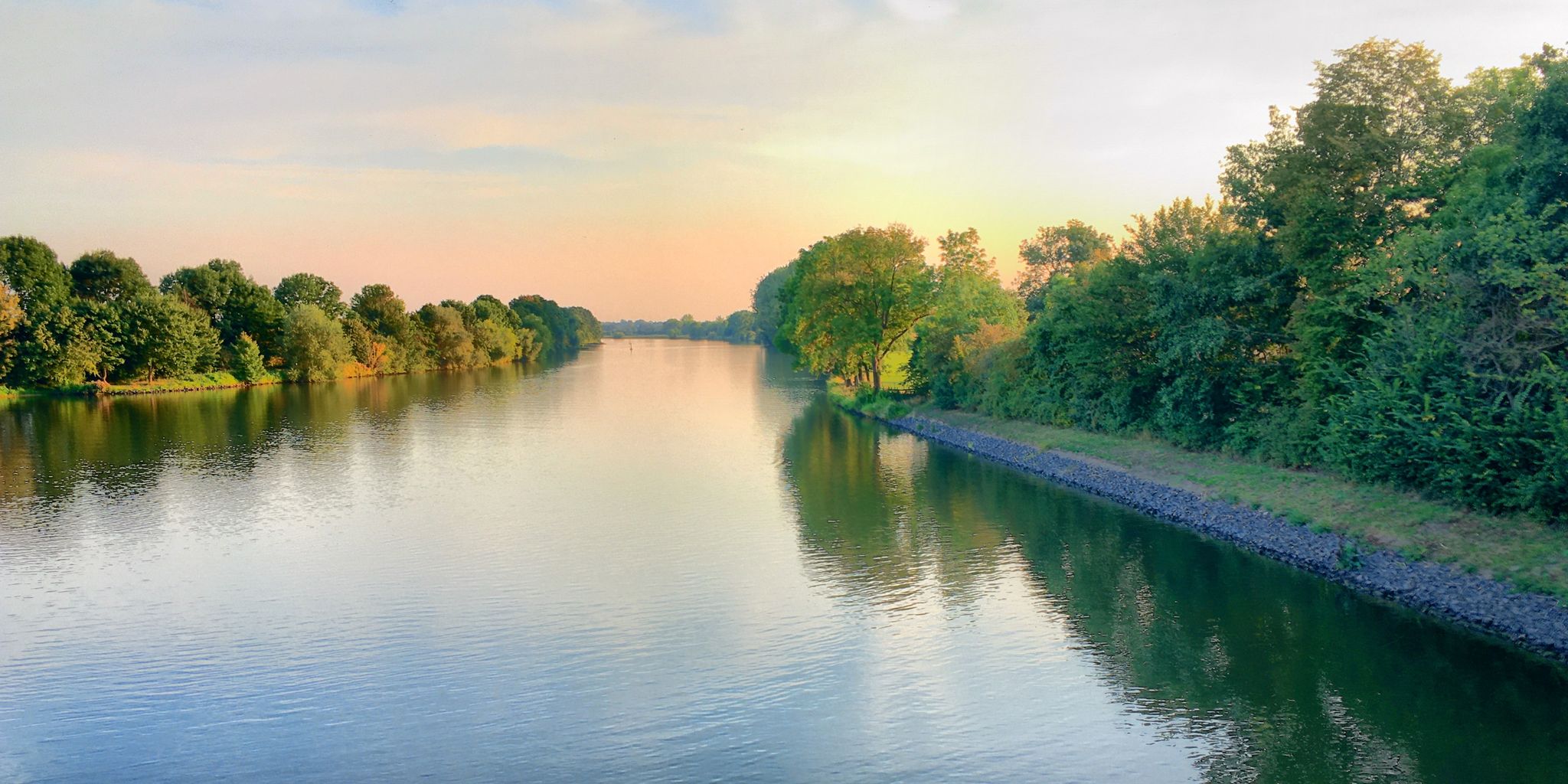
Germany's Weser Trail — Floodplains, dykes and old towns in 8 days
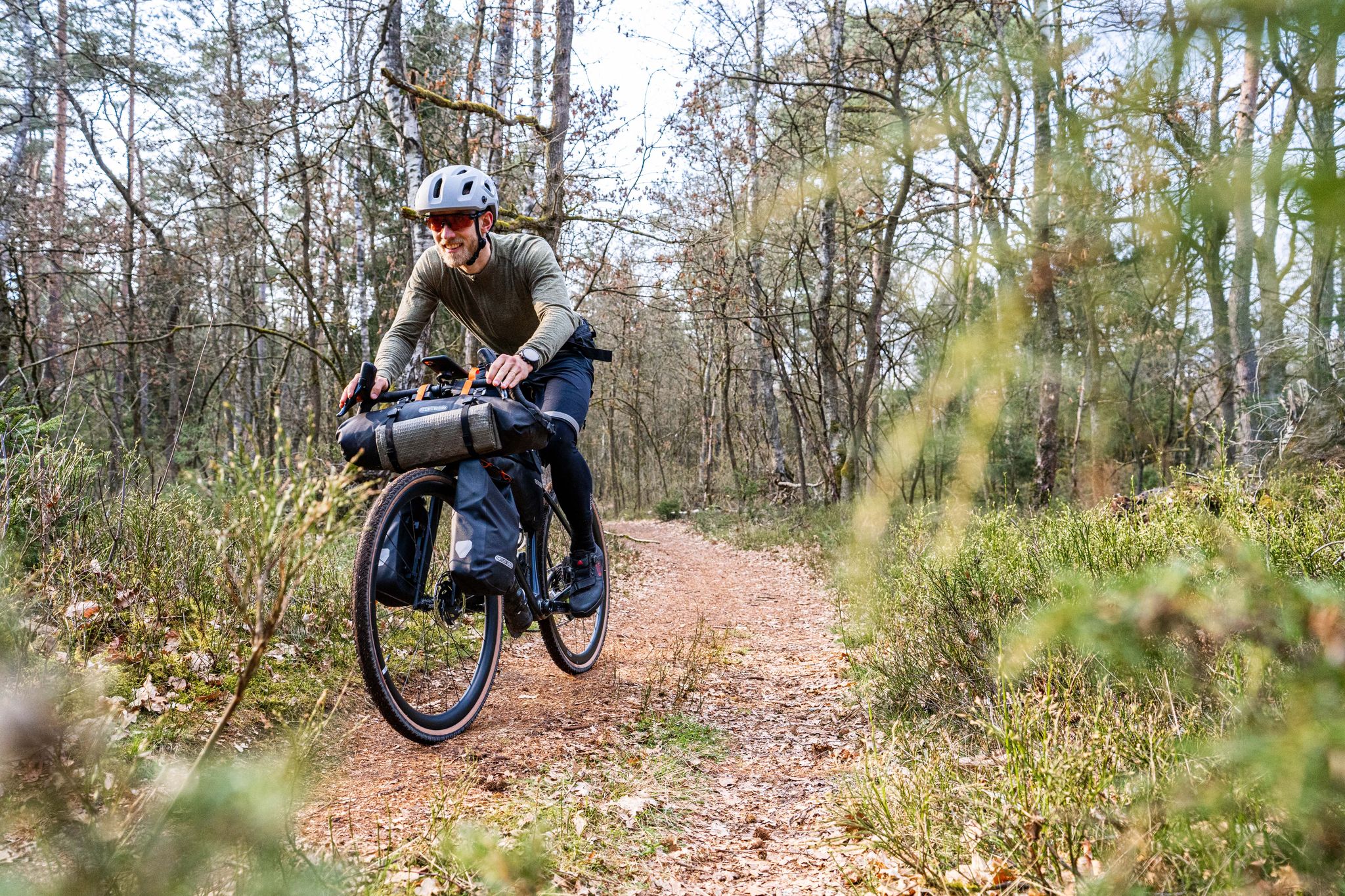
Gravel bikepacking from Hamburg to Munich
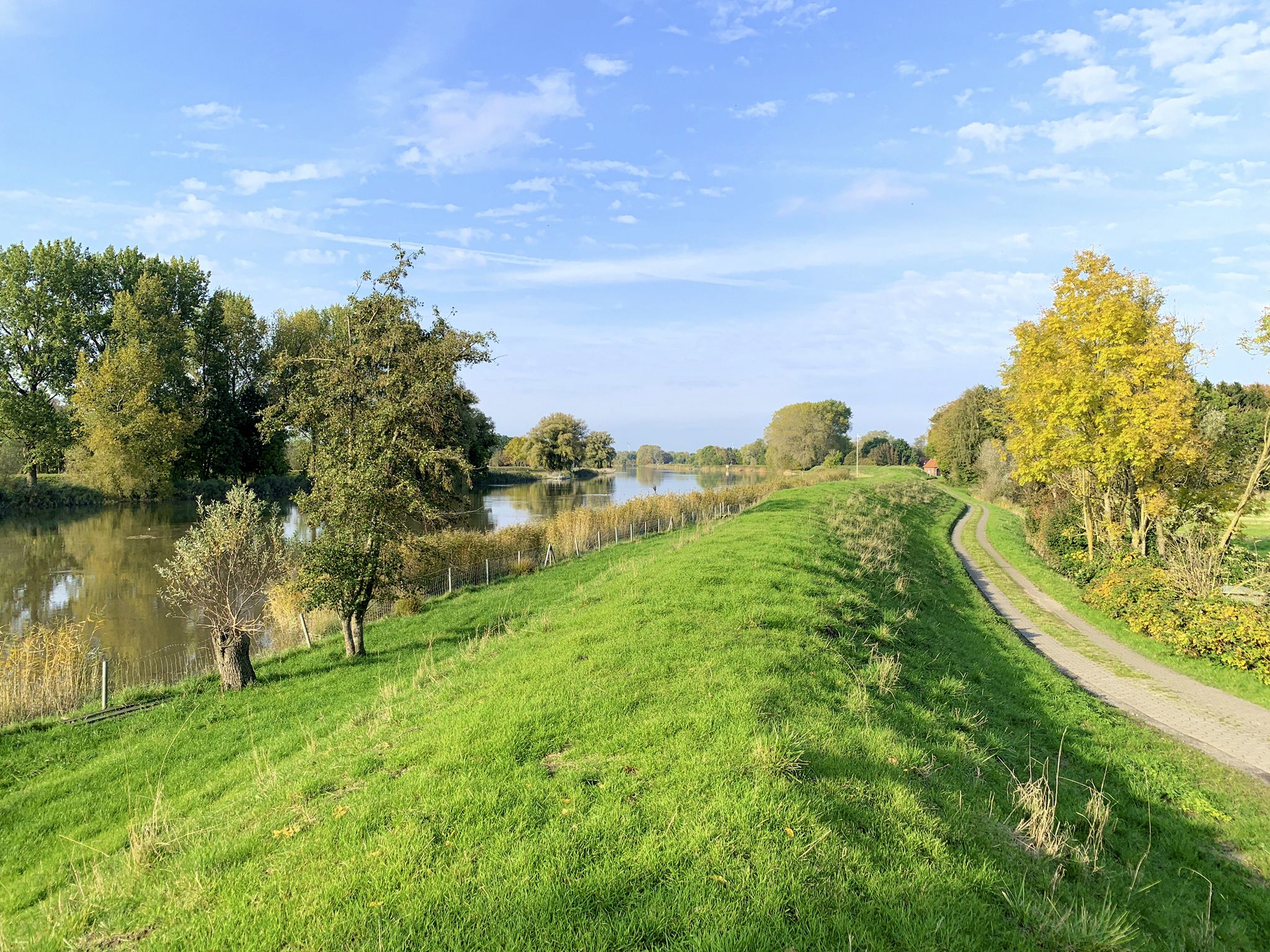
The Oste Cycle Route – Following the Oste from source to mouth
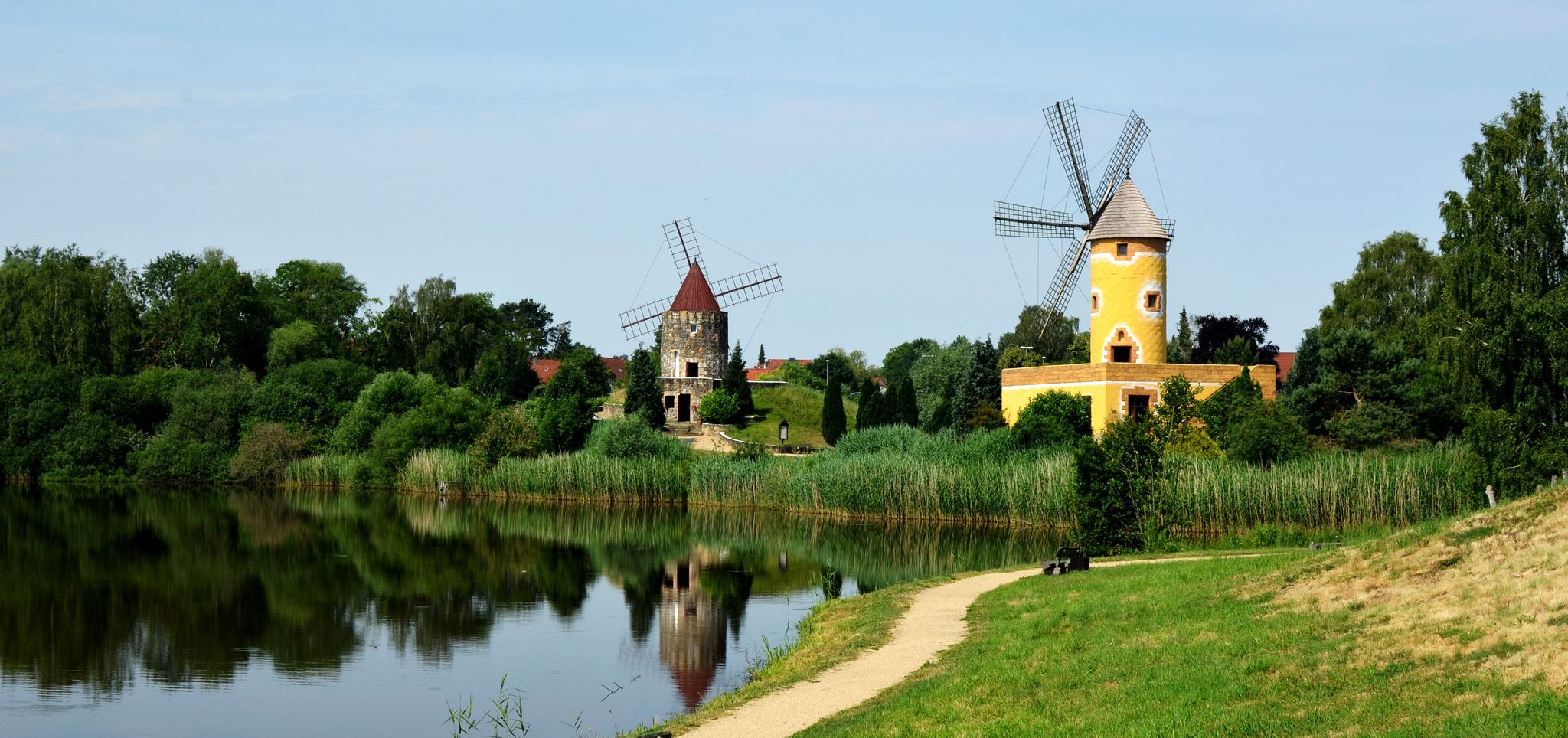
Aller Cycle Path – In 6 stages
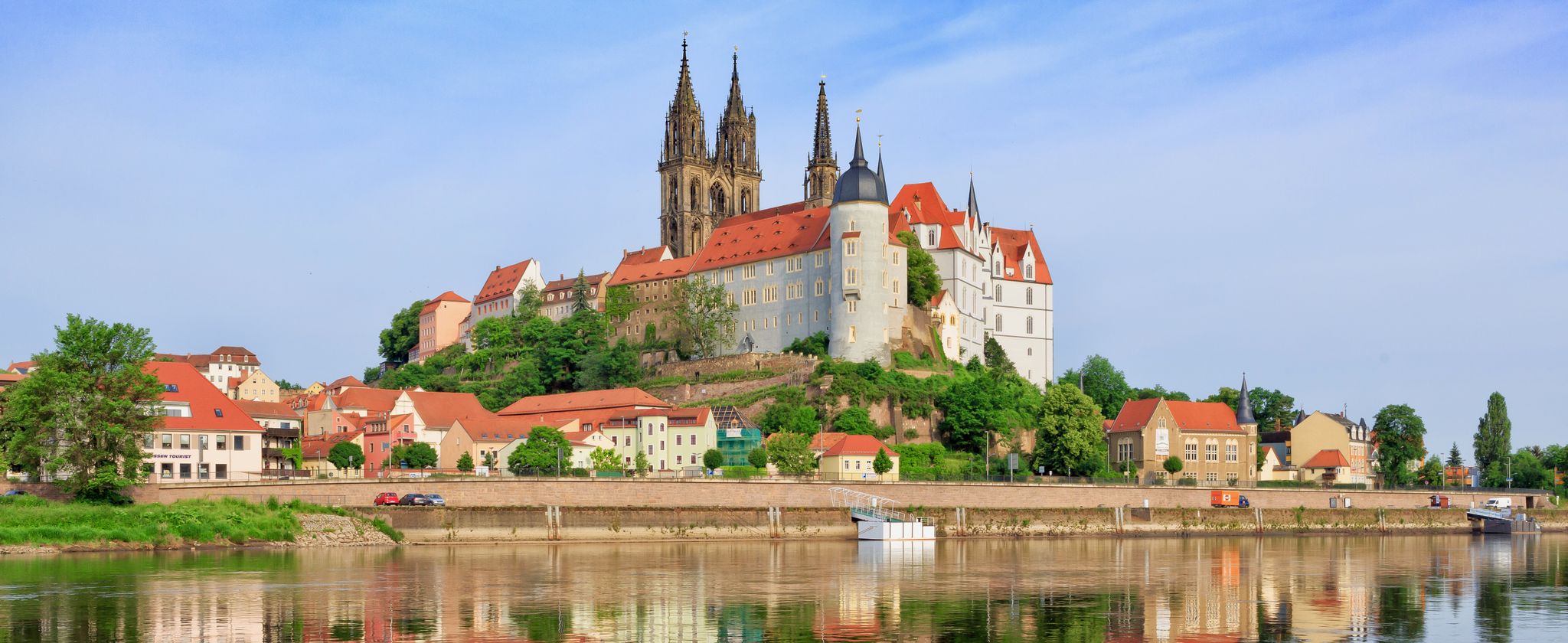
The Elbe Cycle Path — cross-border cycling pleasure
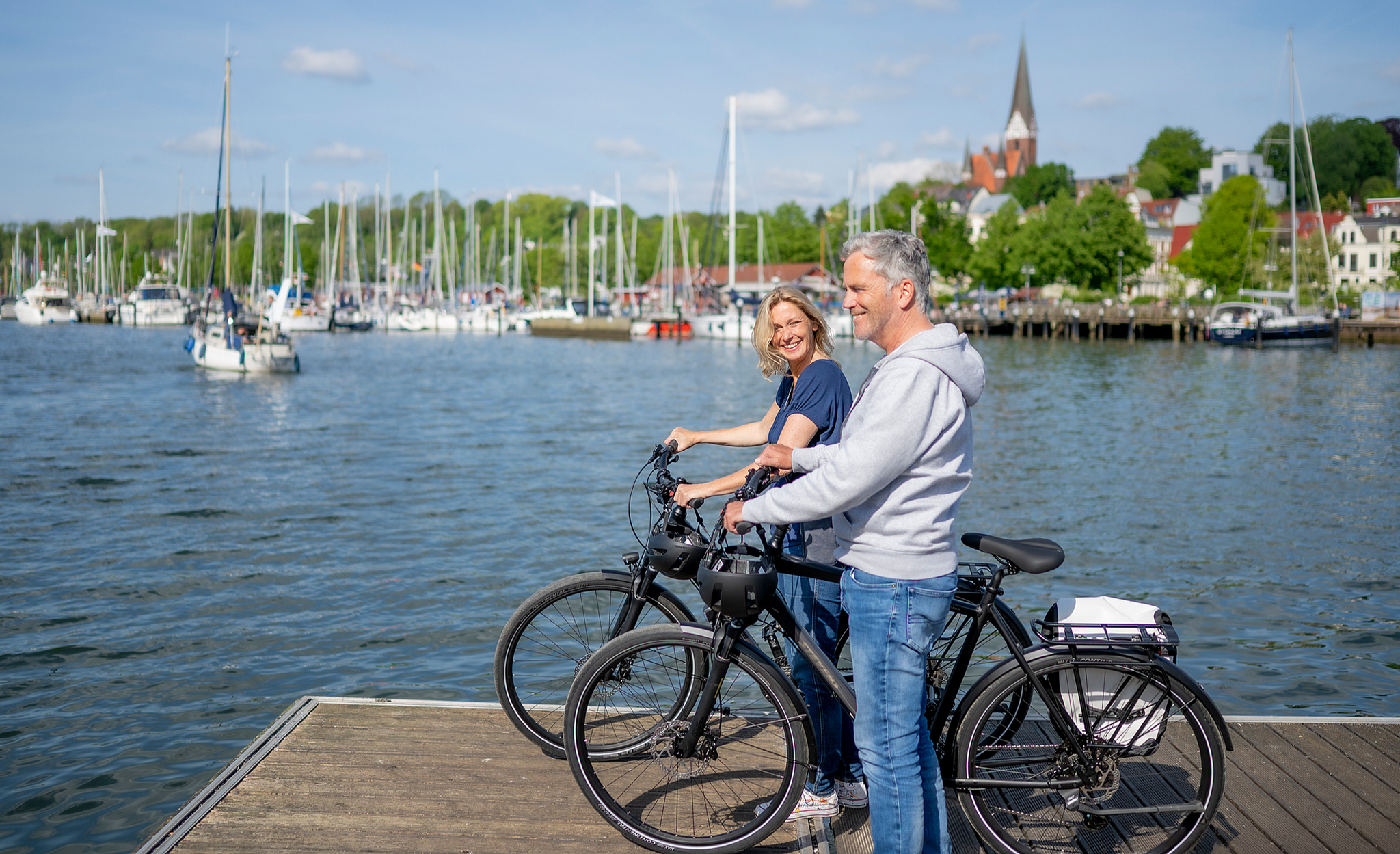
Erlebniskilometer in Schleswig-Holstein – Natur & Geschichte

The National Natural Landscapes in Niedersachsen
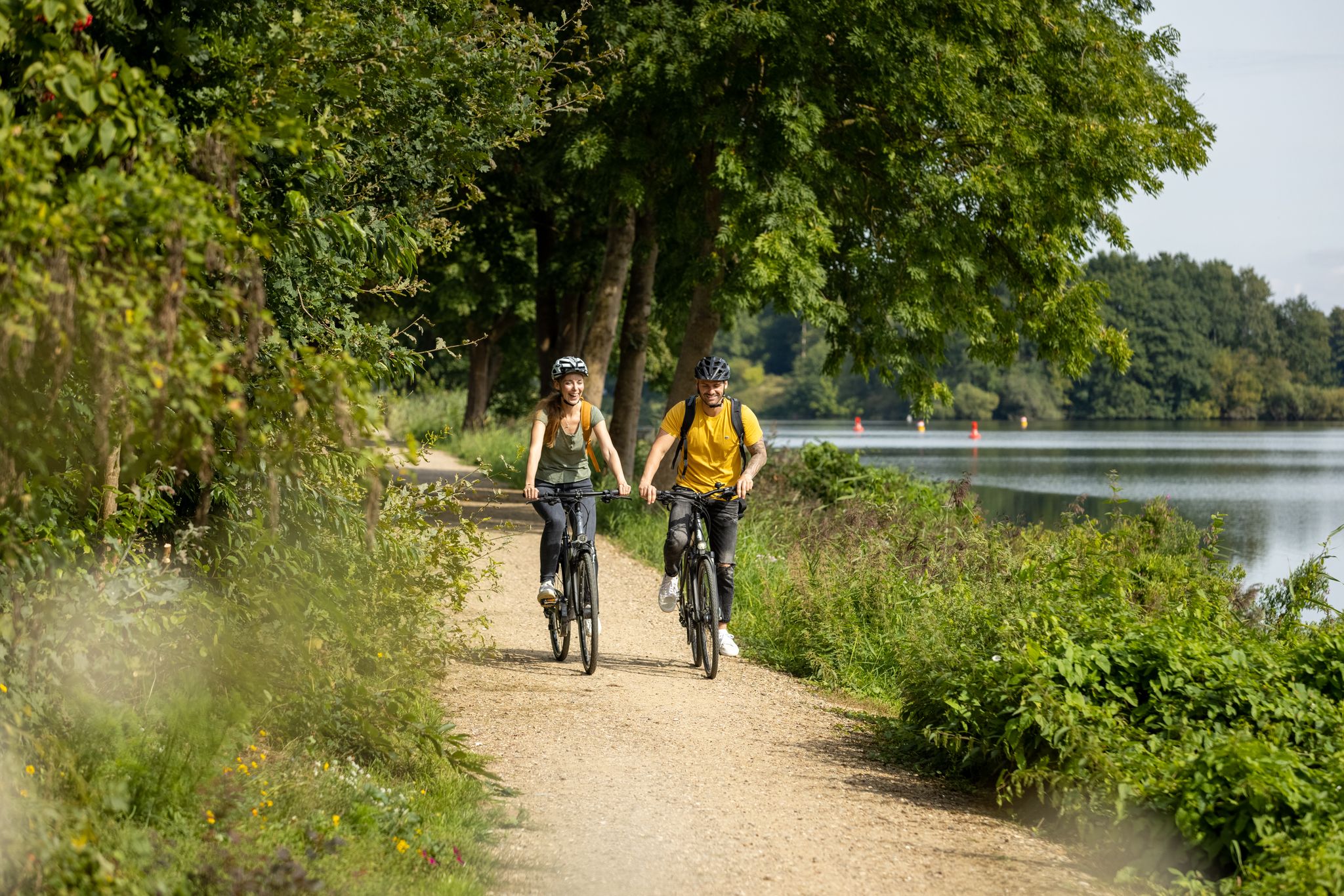
Cycling on the trail of the Hanse – The Old Salt Road
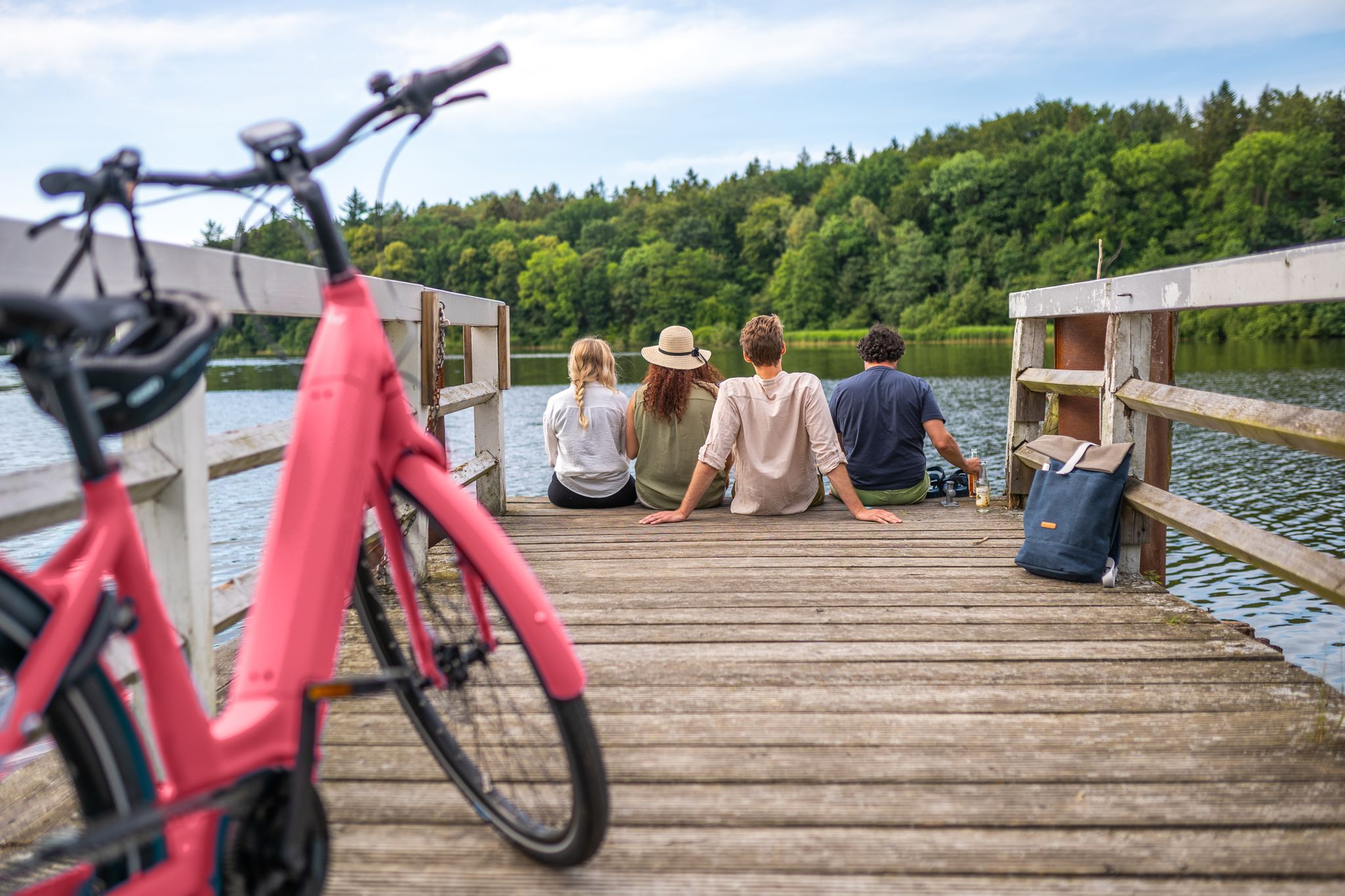
2,919 kilometres of adventure – cycling trails in Schleswig-Holstein
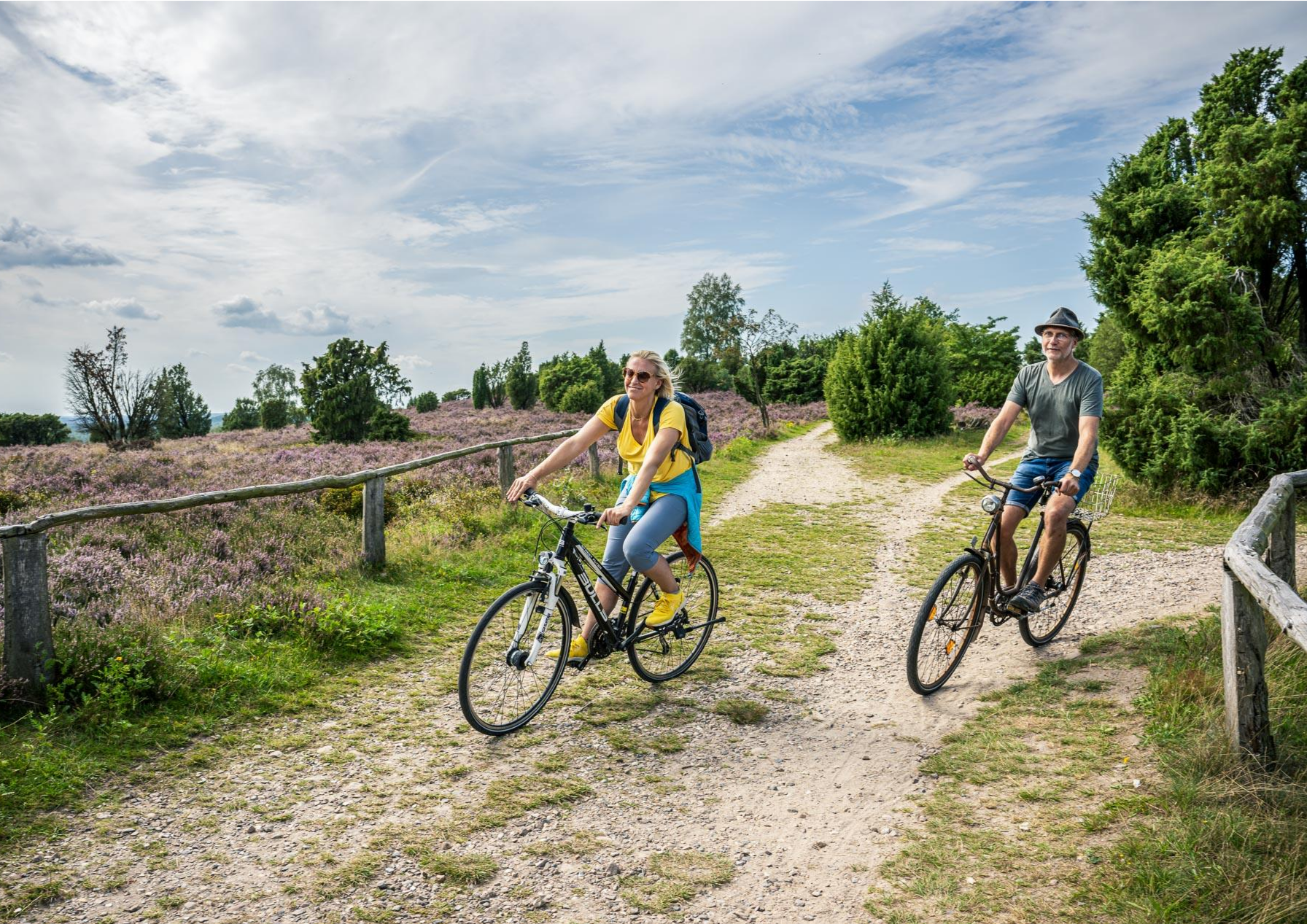
Cycling in the Lüneburg Heath – Heidekreis Tour
Other adventures in the Lüneburg Heath


Tips from the Community

Discover Wilsede, a charming tourist magnet that attracts many visitors, especially during the season. Be enchanted by the picturesque cobblestone streets that are closed to motor vehicles. The Heide Express takes you comfortably to the surrounding area, while you can also explore the region's beauty on foot, by bike, or by horse-drawn carriage. Numerous cozy restaurants and charming knick-knack shops await you in Wilsede. The old, thatched houses and sheepfolds, along with the Heath Museum "Dat ole Huus," give this historic town the flair of a lively museum village. Another highlight is Wilseder Berg, at 169.2 m, the highest elevation in the Northwest German Plain. Trekking bikes with thicker tires or mountain bikes are recommended. Lots of cobblestones and lots of loose sand
7
1

The area includes large areas of the Lower Saxony Geest between Buchholz and Soltau with a landscape of unique character, characterized by extensive heathland, moors, clear heather streams and near-natural deciduous forests as well as coniferous forests. Particularly in the area of a terminal moraine, the most famous elevation of which is the Wilseder Berg, extensive dwarf shrub and juniper heaths, and also scattered species-rich bristle grass meadows, have developed through traditional heathland management and have been preserved through maintenance measures that today bear witness to the image of the heath landscape that used to occupy the majority of the Geest. The appearance of this landscape, which is not only culturally significant but also important for a large number of species, is characterized by the areas of heather divided into large areas of juniper stands, which have a small-scale and dynamic site mosaic. On inland dunes there are transitions to dry grassland with bent and silver grass. In groundwater-influenced, partly boggy depressions, moist heaths with bell heather can be found, in which the inflorescences of the endangered bog lily add yellow color accents. In some places there are transitions to the typical raised moor vegetation, which also occurs on a larger scale in the Pietzmoor southeast of Schneverdingen. Numerous heath streams and rivers such as the Wümme, Böhme and Seeve originate in the area, some of which are accompanied by marsh and spring forests with alders and ash trees. The Lüneburg Heath is the habitat of many endangered species such as the sand lizard and smooth snake, various amphibian species, the brook lamprey and bullhead, as well as dragonflies such as the green damselfly. Other species include the woodlark, black grouse, great grey shrike and otter. Source: https://www.nlwkn.niedersachsen.de/naturschutzgebiets/naturschutzgebiet-luneburger-heide-42732.html
1
1

Old farmhouses and gastronomic offerings.
4
1
In the middle of the Lüneburg Heath nature reserve lies the idyllic and car-free heath town of Wilsede, which visitors can only reach on foot, by bike or in a horse-drawn carriage. With its old thatched houses and sheepfolds as well as the heath museum "Dat ole Huus", the historic place resembles a living museum village. At 169.2 m, the Wilseder Berg directly near Wilsede is the highest elevation in the northwest German plain. The Totengrund, located approx. 1 km south of Wilsede, offers a wonderful view. Source: https://www.bispingen.de/poi/wilsede
9
1

In the middle of paradise ... best with a gravel bike (or MTB) - rule of thumb: the more sand, the wider the tires should be.
5
1

It's a small gorge for the heathland 😀, but you don't have to be afraid.
13
2

It's not just fun to explore the heath by horse-drawn carriage or on foot. The bike is also suitable for a long ride...
4
1

It's funny to get to know Hamburg's highest point.
13
1
Frequently Asked Questions
What natural features are a must-see in the Lüneburg Heath?
The Lüneburg Heath is renowned for its unique natural landscapes. Don't miss the expansive heathland, especially during the purple bloom from August to September. Key natural highlights include Wilseder Berg, the highest point offering panoramic views, and the mystical Pietzmoor Raised Bog, where you can walk on boardwalks through a diverse ecosystem. The impressive View of the Totengrund also provides stunning vistas over a rugged valley.
Are there family-friendly attractions in the Lüneburg Heath?
Yes, the Lüneburg Heath offers a wide array of family-friendly attractions. Beyond the natural beauty of places like Wilseder Berg and Pietzmoor, you can visit the Nindorf Wildlife Park, Heide Park Soltau (an amusement park), Weltvogelpark Walsrode (bird park), or Serengeti Park Hodenhagen (safari park). The Dat Ole Huus Heath Museum Wilsede also offers an engaging look into 19th-century rural life.
What cultural and historical sites can I explore in the region?
The Lüneburg Heath boasts a rich 5,000-year-old cultural history. The historic city of Lüneburg, which gives the heath its name, features a well-preserved Old Town with medieval architecture, including the Old Crane and the German Salt Museum. The car-free village of Wilsede and its Dat Ole Huus Heath Museum offer insights into traditional rural life. Additionally, the romantic town of Celle, with its half-timbered buildings and Ducal Palace, is located on the southern edge of the heath.
When is the best time to visit the Lüneburg Heath?
The Lüneburg Heath is beautiful year-round, but the most popular time to visit is from August to September when the heather blooms, transforming the landscape into a sea of purple. Spring is ideal for seeing cottongrass at Pietzmoor, while autumn offers mystical fogs and vibrant colors. Even in winter, the frosty landscapes provide a unique and serene experience.
Are there hiking trails near the main attractions?
Absolutely! Many attractions are integrated into or close to excellent hiking trails. For instance, the Wilseder Berg is part of the Heidschnuckenweg, and the Pietzmoor Raised Bog features a 5 km circular walk on boardwalks. You can find numerous routes, including the 'Pietzmoor Heather Loop' and 'Totengrund: through the land of unearthly beauty', by exploring the Hiking in the Lüneburg Heath guide.
What outdoor activities can I do in the Lüneburg Heath?
The Lüneburg Heath is perfect for various outdoor activities. Besides extensive hiking, you can enjoy cycling on dedicated paths, with routes like the 'Weser-Cycle Path Round Tour' available in the Cycling in the Lüneburg Heath guide. Gravel biking is also popular, with routes such as 'View of Totengrund – Wilsede Village loop' detailed in the Gravel biking in the Lüneburg Heath guide. The Brunsberg Summit is also known for mountain biking.
Where can I see the iconic Heidschnucke sheep?
The Heidschnucke sheep are an integral part of the heathland's ecosystem, helping to maintain the landscape through grazing. You are likely to encounter these iconic moorland sheep, often accompanied by their shepherds and dogs, in the vast heathland areas, particularly around Wilseder Berg and the Heather Fields Near Niederhaverbeck.
Are there any hidden gems or less-known spots worth visiting?
Beyond the well-known highlights, consider exploring the Hell Gorge, an exciting dry valley offering a scenic section for hikers. Other unique natural features include the 'bottomless bog' (Grundloses Moor) near Walsrode and Bullenkuhle near Bokel. For a blend of art and nature, the Kunststätte Bossard near Jesteburg is an expressionist Gesamtkunstwerk combining art with landscape architecture.
What do visitors enjoy most about the Lüneburg Heath?
Visitors consistently praise the Lüneburg Heath for its serene natural beauty, especially the vast heathland during bloom. The panoramic views from Wilseder Berg and the mystical atmosphere of Pietzmoor are frequently highlighted. Many appreciate the well-maintained trails for hiking and cycling, and the opportunity to experience a unique cultural landscape with its historic towns and traditional villages like Wilsede.
Can I find cafes or restaurants near the main viewpoints?
Yes, particularly in popular areas. For example, the car-free village of Wilsede, located near Wilseder Berg and View of the Totengrund, offers cafes and restaurants. You'll also find gastronomy options near the parking areas for Pietzmoor, allowing you to refuel after exploring the natural sights.
Are there any significant historical memorials in the Lüneburg Heath region?
Yes, for those interested in deeper historical reflection, the Bergen-Belsen Memorial is a significant site located near Bergen. It serves as a memorial to the victims of the former POW and concentration camp, offering a poignant and important historical experience within the broader region.
Most popular routes in the Lüneburg Heath
Most popular attractions in the Lüneburg Heath

Get inspired with the komoot mobile app


Didn’t find what you were looking for?
Are you keen on exploring more awesome places nearby? Browse our guides:
Explore more
Still not found the Highlight you’re looking for? See guides of the top attractions in other regions:
