Attractions and Places To See in the Deister - Top 20
Attractions and places to see in the Deister include a diverse array of natural features and historical sites within this forested mountain range southwest of Hannover, Lower Saxony, Germany. Characterized by dense forests, the Deister offers numerous opportunities for outdoor activities like hiking and cycling. The region is known for its notable landmarks, unique natural features, and cultural insights, making it a popular local recreation area.
Best attractions and places to see in the Deister
- The most popular attractions is Quarry at Ebersberg, a natural monument. Visitors can observe the quarry's features, which provide an insight into the area's geological history.
- Another must-see spot is Nordmannsturm and forest restaurant, a viewpoint. This 19-meter-high observation tower offers panoramic views of the Calenberger Land and the Weserbergland.
- Visitors also love Belvedere Tower (Strutzberg Tower), a viewpoint. This octagonal stone tower, built between 1850 and 1852, provides a view in one direction despite later steel construction.
- Deister is known for its viewpoints, historical sites, and natural monuments. The region offers a variety of attractions to see and explore, from observation towers to unique geological formations.
- The attractions in the Deister are appreciated by the komoot community, with over 3200 upvotes and more than 1200 photos shared.
Last updated: July 6, 2026
Annaturm and Annaturm Forest Inn
Highlight • Viewpoint
Translated by Google •
Tip by

Wennigsen Waterwheels
Highlight • Structure
Translated by Google •
Tip by

Sign up now to discover places like this
Get recommendations on the best single tracks, peaks, & plenty of other exciting outdoor places.
Sign up for free
Mooshütte Forest Inn
Highlight • Mountain Hut
Translated by Google •
Tip by

Blanketeich
Highlight • Lake
Translated by Google •
Tip by

Nordmannsturm and forest restaurant
Highlight • Viewpoint
Translated by Google •
Tip by

Devil's Bridge Forest Inn
Highlight • Restaurant
Quaint, small trip local.
Translated by Google •
Tip by

Belvedere Tower (Strutzberg Tower)
Highlight • Viewpoint
Translated by Google •
Tip by

View of the Calenberger Land from Bantorfer Höhe
Highlight • Viewpoint
Translated by Google •
Tip by

Quarry at Ebersberg
Highlight • Natural Monument
Although it is nowhere near as deep as in the neighboring quarry, (komoot.de/highlight/396054) you should still be careful.
Translated by Google •
Tip by

Old Baptismal Font
Highlight • Natural Monument
Translated by Google •
Tip by

Sign up for free to discover even more attractions in the Deister.
Sign up for free
Already have an account?
Start today with a free account
Your next adventure awaits.
Login or Signup
Popular around Deister
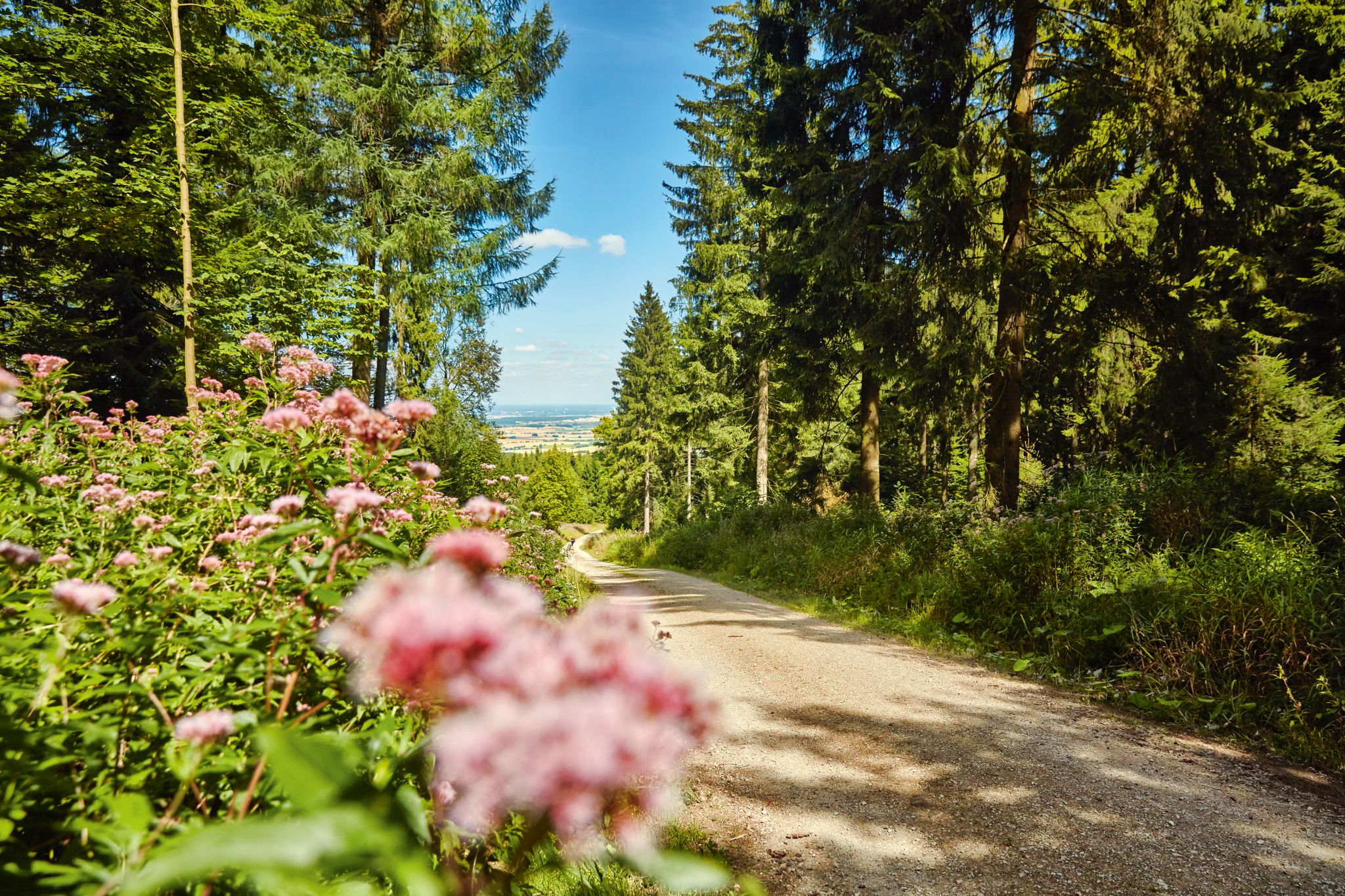
Hanover trails – hiking between Steinhuder Meer and Deister
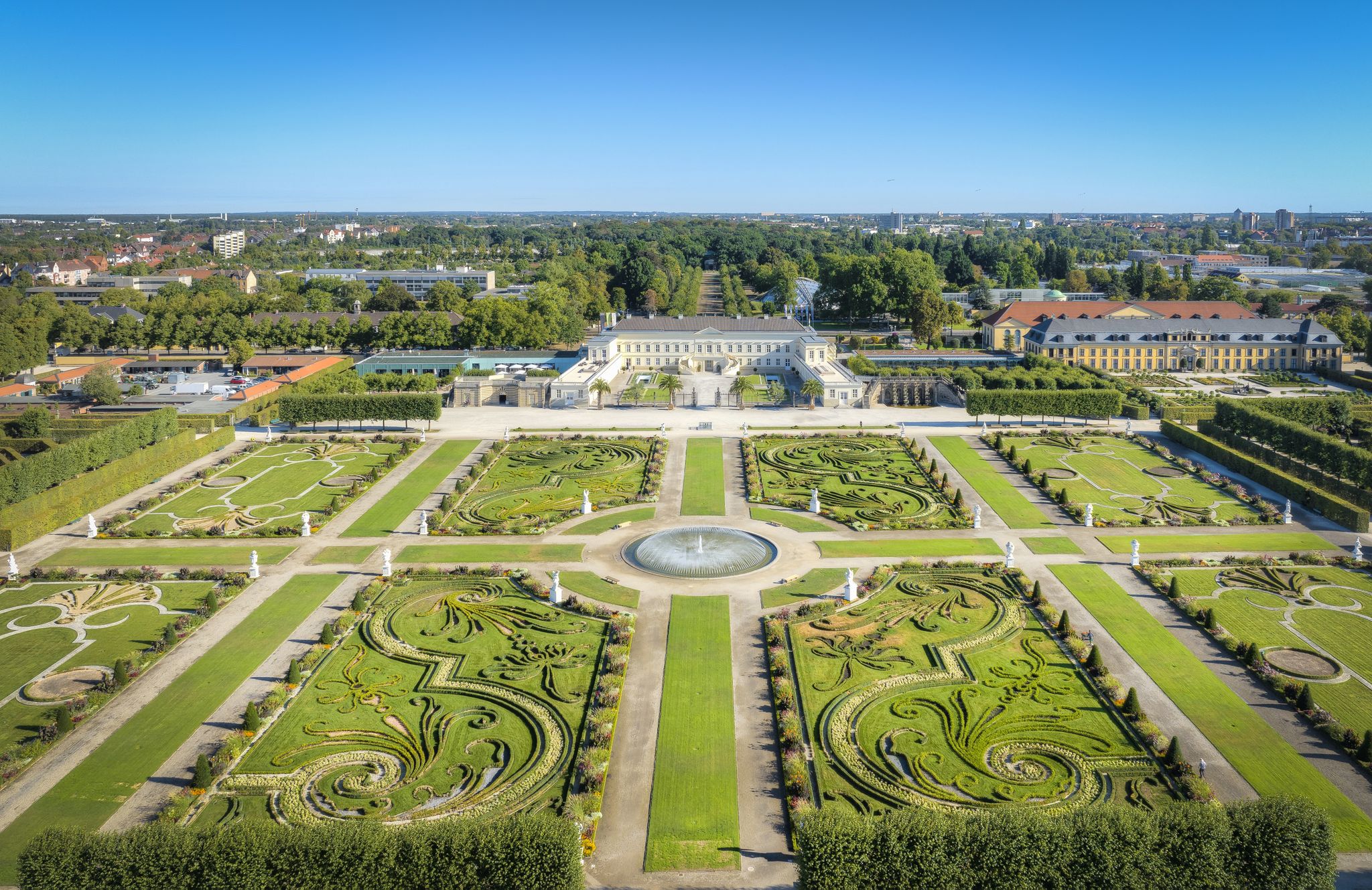
Hannover holiday region – varied cycling experiences in culture and nature
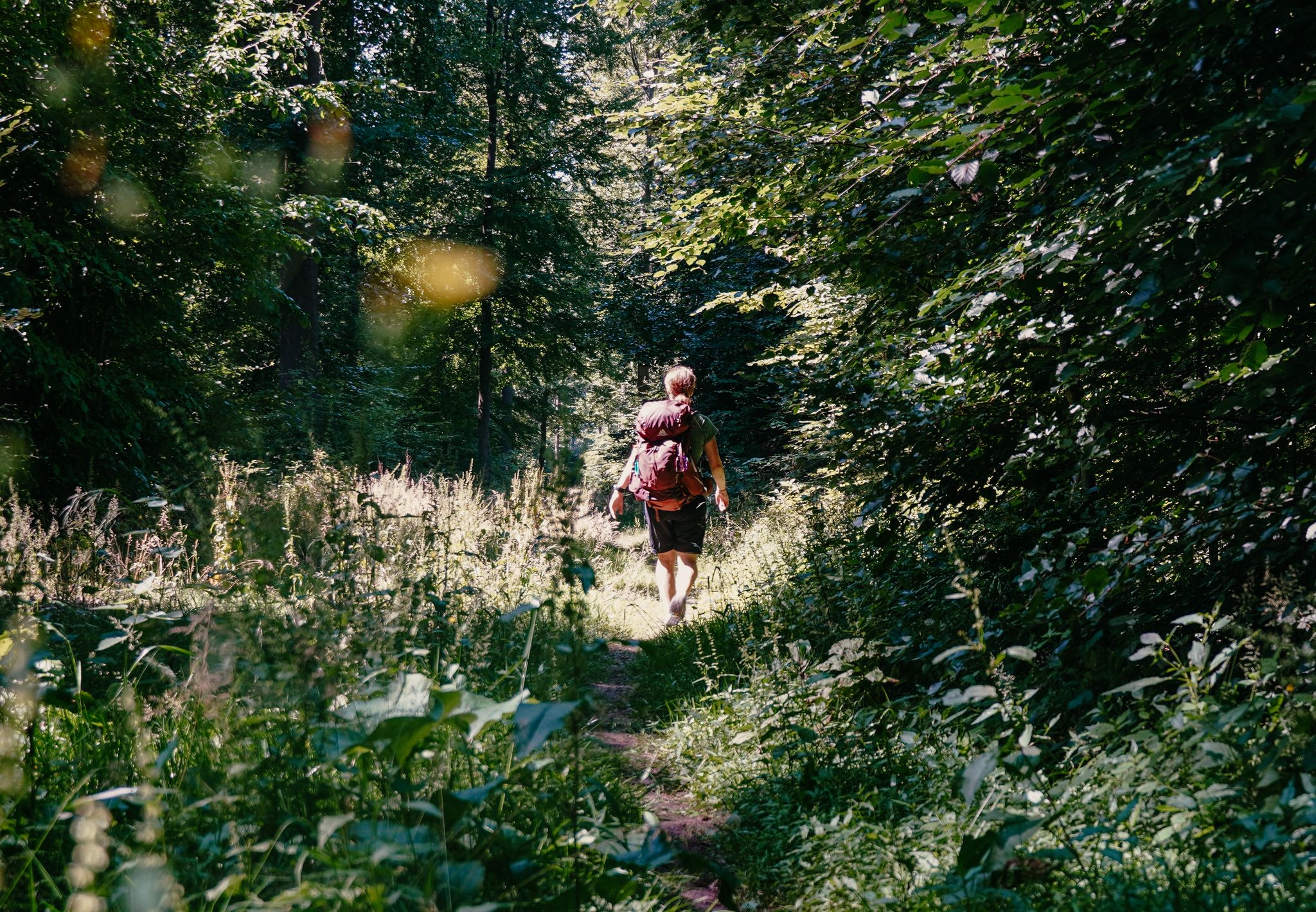
Experience nature with all your senses in the Weserbergland
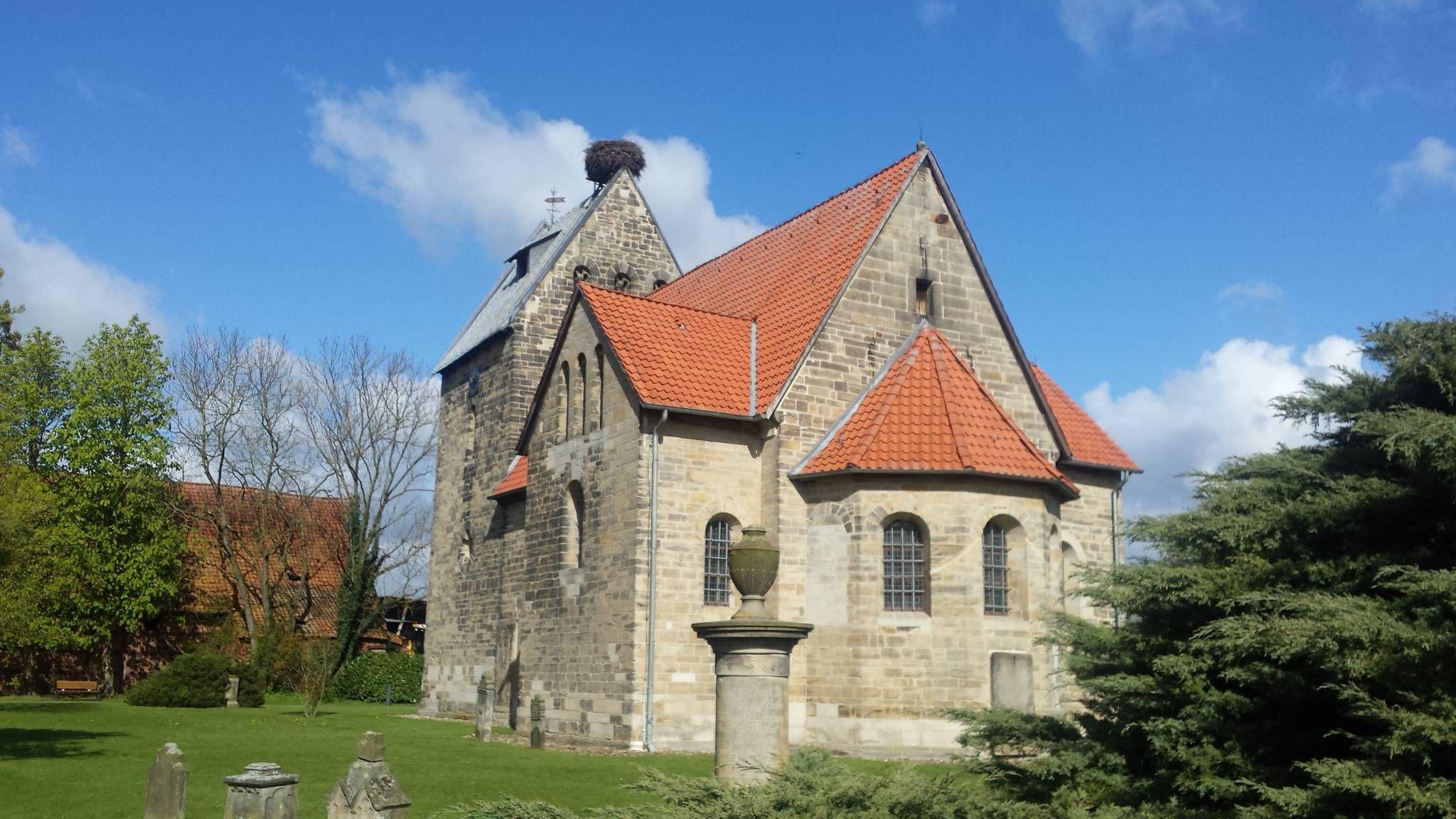
A 10-day pilgrimage in Lower Saxony – Sigwardsweg
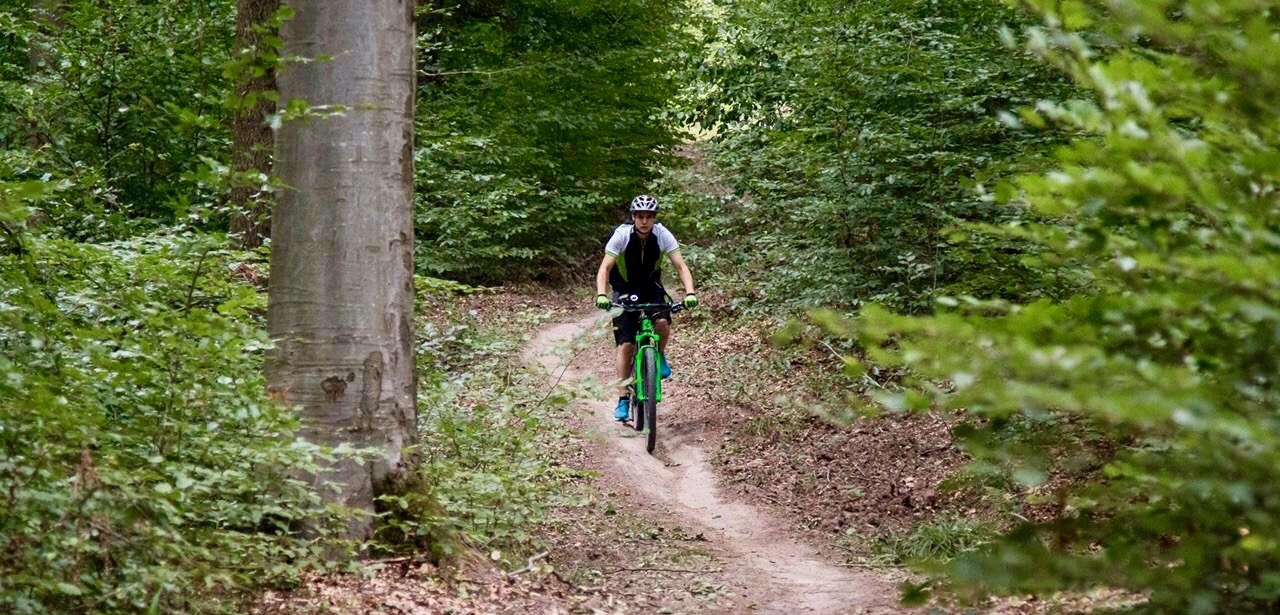
33 MTB trails through German forests
Hiking in the Deister
Cycling in the Deister
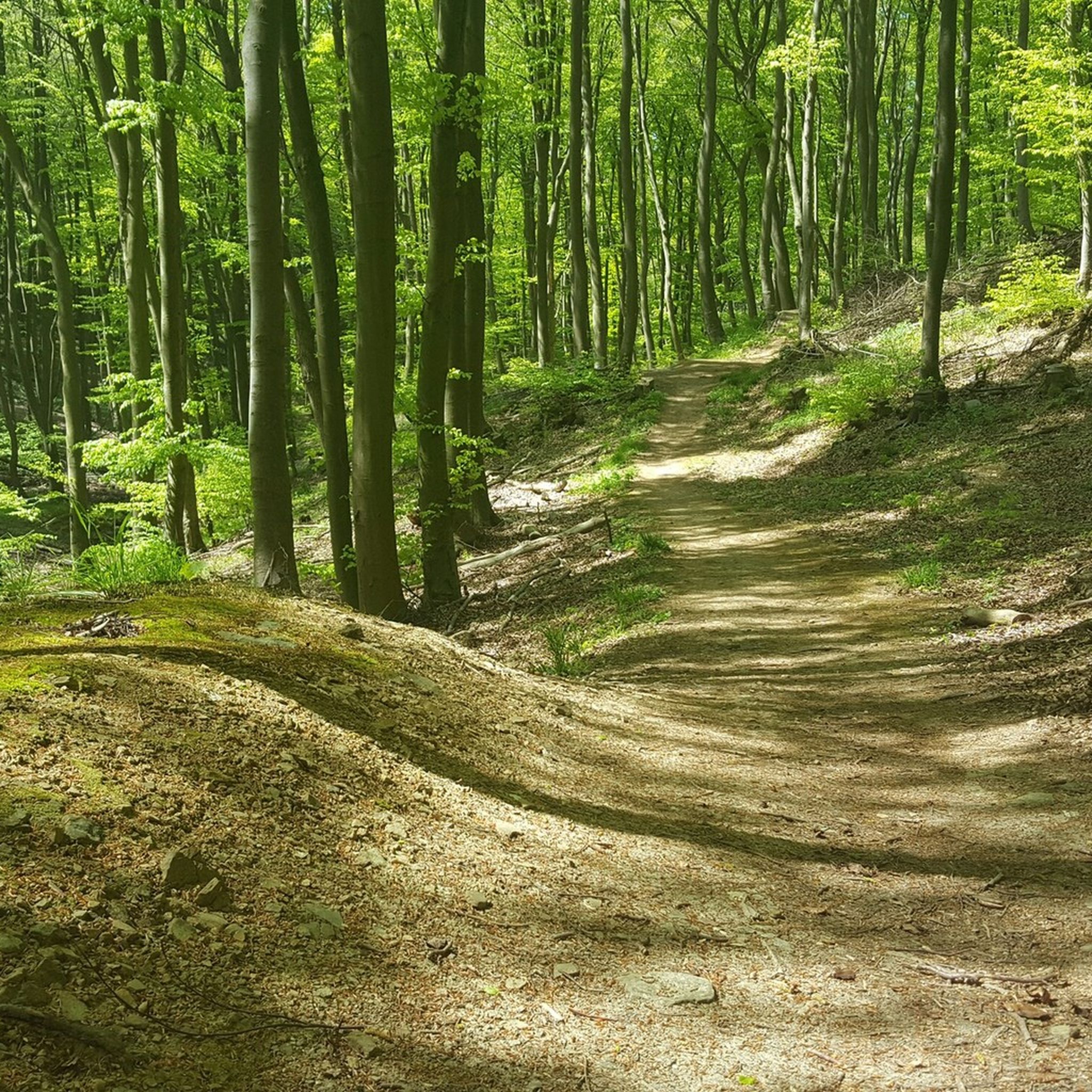
MTB Trails in the Deister
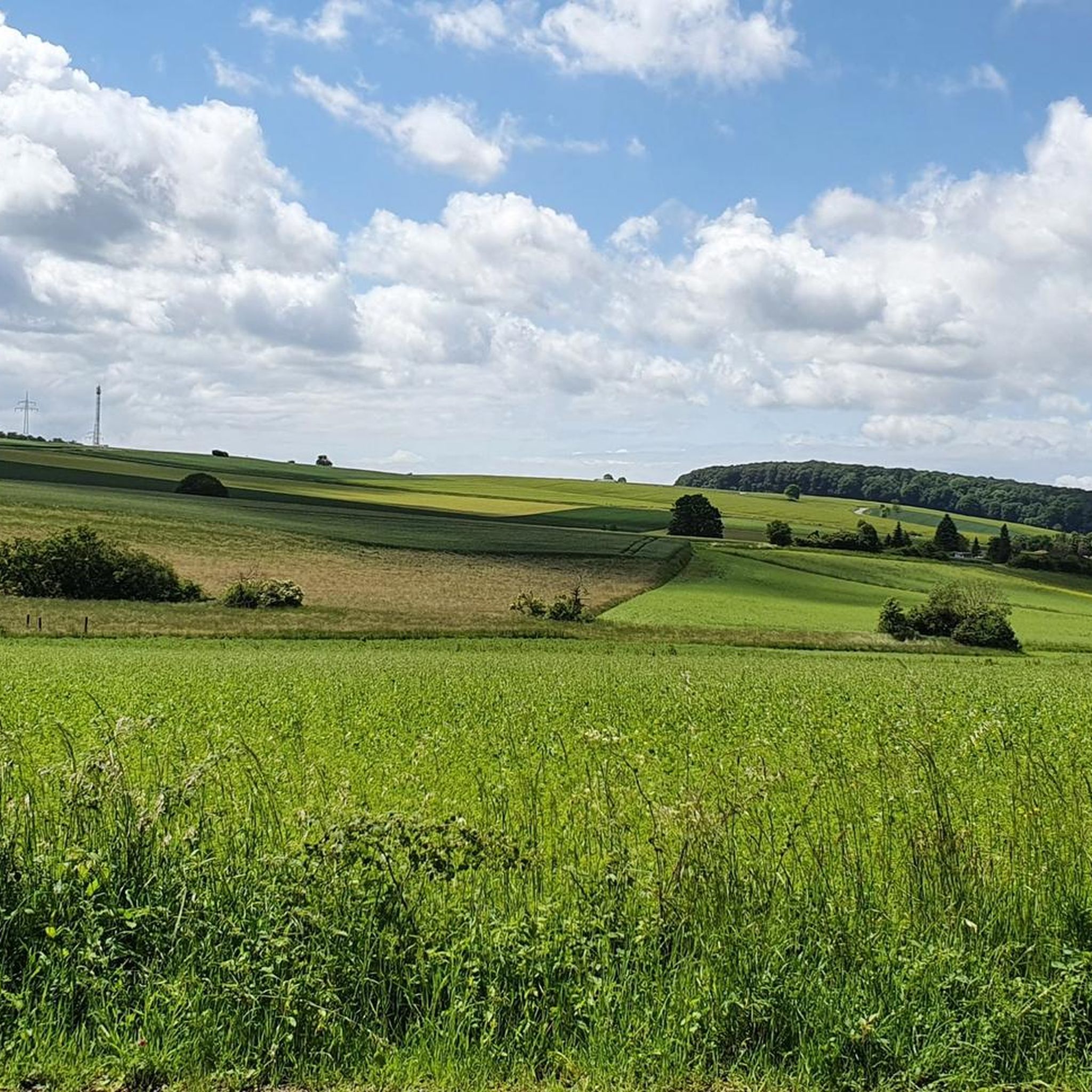
Road Cycling Routes in the Deister
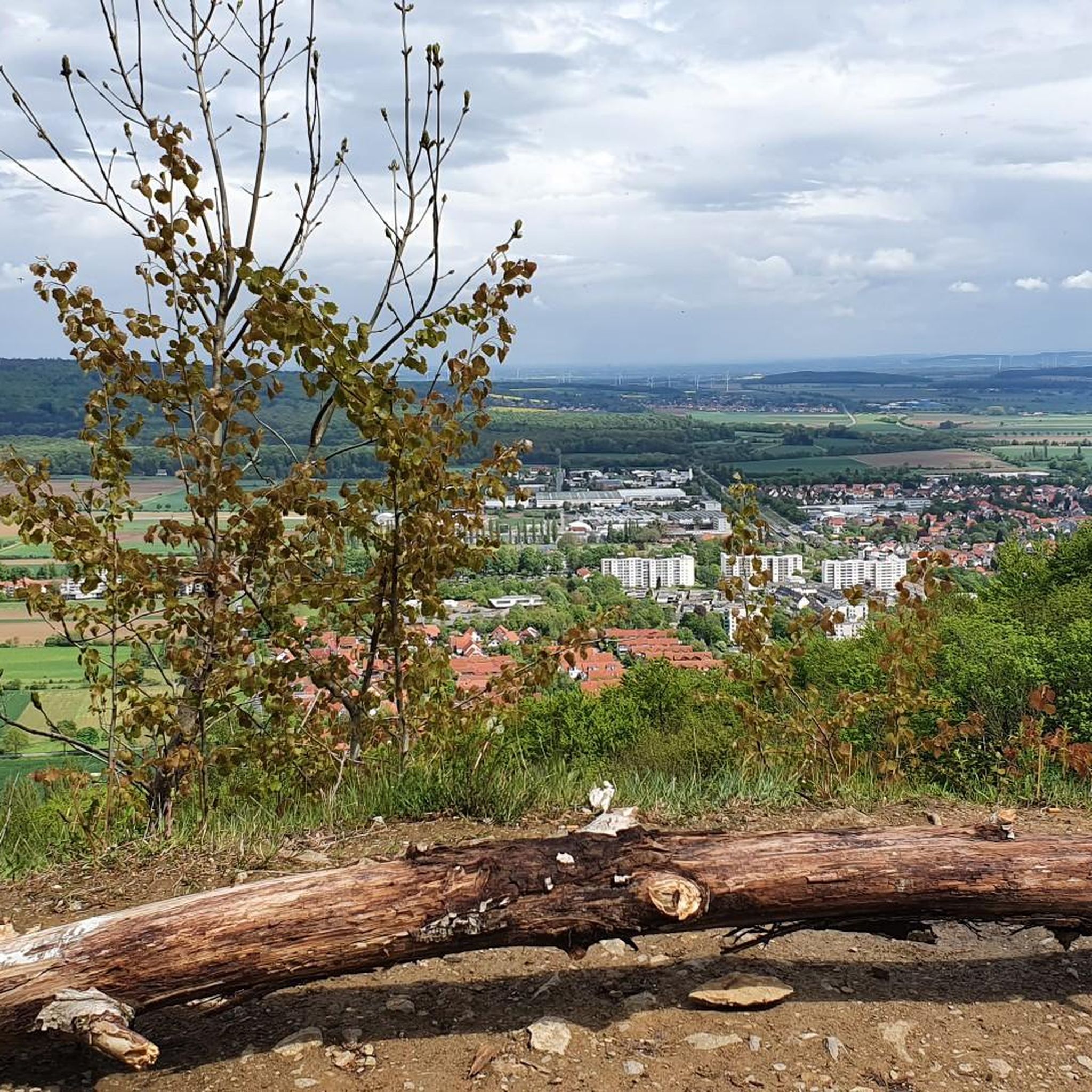
Running Trails in the Deister
Other adventures in the Deister


Tips from the Community

In the Deister Alm you can dine very well. German cuisine.
5
0
The old baptism is the subject of a local legend, which takes place at the time of Christianization. The stone's name may derive from the embellished idea that it was used as a baptismal font after the advent of Christianity. Forced baptisms are conceivable, but just as little documented as pagan human sacrifices in prehistoric times. Nonetheless, the idea of human sacrifice in the ancient baptism is considered as one of several explanations of the idiom "walking over the Deister." The idiom means "disappear" and possibly "die" - similar to "cross the Jordan" and "cross the Wupper". Other explanations of phraseologism do not draw on the sagas associated with the ancient baptism. Source: https://de.wikipedia.org/wiki/Alte_Taufe
4
0

Small restaurant for the hunger in between 👍, to be recommended.
11
1

Quarry on the Ebersberg, where material for the lime works that were shut down in 1957 near the Springer train station was extracted. The limestone was deposited in a shallow, warm sea about 163 to 157 million years ago. The older rocks are the Heersumer strata (163 million years ago) and above (younger) is coral oolite (157 million). The quarry wall then shows a few million years of geological history from top to bottom. Formed in the sea, the layers of rock contain fossils of sea animals. The geological period in which this happened is called the Jurassic (201 to 145 million years ago, "Jurassic Park").
6
0
The old baptism (formerly also wolf baptism or heathen baptism) is a cliff in the Deister in Lower Saxony. The cuboid made of Wealden sandstone with an edge length of around 3 meters and a deep trough on the top is located about 50 m away from the Deisterkamm, west of the Nordmannsturm in the municipality of Lauenau. The Old Baptism was regarded as an old Germanic sacrificial site for which there is no archaeological evidence. An excavation in the area of the stone has not yet been carried out. Detlef Schünemann tries to make a prehistoric processing and ritual use of the stones credible in comparison with other striking, large stones, which also have hollows (so-called sacrificial stones). The old baptism is the subject of a local legend, which takes place at the time of Christianization. The stone's name may derive from the embellished idea that it was used as a baptismal font after the advent of Christianity. Forced baptisms are conceivable, but just as little documented as pagan human sacrifices in prehistoric times. Nonetheless, the idea of human sacrifice in the ancient baptism is considered as one of several explanations of the idiom "walking over the Deister." The idiom means "disappear" and possibly "die" - similar to "cross the Jordan" and "cross the Wupper". Other explanations of phraseologism do not draw on the sagas associated with the ancient baptism. Source: https://de.wikipedia.org/wiki/Alte_Taufe
4
1

very slippery and muddy at this time of year (January). For me as a beginner, the section of the trail is very exciting. But I made it there and back safely.
4
0
Is one of 12 destinations in the "Deister Wanderpass", with which you can collect a stamp at each station. As a reward, the Deister hiking pin beckons at the end. The forest restaurant Teufelsbrücke is the stamp office no. 10.
5
0
Frequently Asked Questions
What natural features and viewpoints can I explore in the Deister?
The Deister offers a variety of natural features and impressive viewpoints. You can visit the Quarry at Ebersberg, a natural monument providing insight into the area's geological history. For panoramic views, climb the Annaturm on the Bröhn, the highest point in the Deister, or the Nordmannsturm, which offers superb views over the Calenberger Land and the Weserbergland. The Belvedere Tower (Strutzberg Tower) also provides a unique perspective. Don't miss the serene Blanke Pond or the rare Süntel beech trees found in various locations.
Are there family-friendly attractions in the Deister?
Yes, the Deister is very family-friendly. A highlight for children is the Wennigsen Waterwheels, miniature water mills set up along a stream from mid-April to October. Many viewpoints like the Annaturm and Belvedere Tower are also suitable for families. The Blanke Pond is another great spot for a family outing. Additionally, a forest adventure trail starting from the Wennigsen “Waldkater” hiking parking lot leads to the water wheels and includes a nature puzzle trail with educational stations.
What historical and cultural sites can I visit in the Deister?
The Deister has a rich history. You can explore its coal mining heritage at the Klosterstollen visitor mine in Barsinghausen. Significant historical sites include Wennigsen Abbey, a Protestant women's convent. Throughout the region, you'll find memorial stones, tumuli (ancient burial mounds), and castle ruins. The town of Bad Münder am Deister also features historic buildings like the Steinhof and the Kornhus.
What outdoor activities are popular in the Deister?
The Deister is ideal for outdoor activities, especially hiking and cycling. The region is crisscrossed with well-signposted trails, including the Deisterkamm. For cyclists, the "Deisterkreisel" is an 80-kilometer route circling the mountains. You can find various routes for different sports, such as Mountain Hikes, Hiking, and Road Cycling, all accessible from the attractions.
Are there hiking trails near the attractions in the Deister?
Yes, many attractions are integrated into or close to hiking trails. For example, you can find routes like "Blanketeich – Wennigsen Waterwheels loop from Wennigser Mark" or "Old Baptismal Font loop from Barsinghausen" which pass by key highlights. The Deister offers numerous trails for all levels, including the popular Deisterkamm. For more detailed hiking options, explore the Hiking in the Deister guide.
What is the best time of year to visit the Deister?
The Deister is beautiful year-round, but the best time depends on your preferred activities. Spring and autumn offer pleasant temperatures for hiking and cycling, with vibrant foliage in autumn. From mid-April to October, the Wennigsen Waterwheels are operational. Summer is great for enjoying the dense forests and outdoor dining at the forest inns. Winter can be picturesque for snowy walks, though some facilities might have reduced hours.
Where can I find food and refreshments near the Deister attractions?
Several attractions in the Deister offer food and refreshments. The Annaturm and Annaturm Forest Inn and the Nordmannsturm and forest restaurant both have cozy restaurants. You can also visit the Mooshütte Forest Inn or the Devil's Bridge Forest Inn for a meal or a drink.
What do visitors enjoy most about the Deister?
Visitors particularly enjoy the diverse natural landscape, the extensive network of hiking and cycling trails, and the stunning panoramic views from the observation towers. The unique Wennigsen Waterwheels are a beloved highlight, especially for families. The combination of natural beauty, historical sites, and well-maintained facilities like forest inns makes it a popular local recreation area.
Are there any unique natural phenomena to see in the Deister?
Beyond the dense forests, the Deister is home to the rare and mystical gnarled Süntel beech trees. These unique trees can be found in locations such as the barbecue area at Lauenau-Feggendorf, the spa park in Bad Nenndorf, and southwest of the former forester’s lodge at Köllnischfeld. The Quarry at Ebersberg also offers a fascinating glimpse into geological formations.
What are some popular cycling routes in the Deister?
The Deister is excellent for cycling. The "Deisterkreisel" is a well-known 80-kilometer cycling route that circles the mountains, passing through charming small towns. For more specific road cycling options, you can explore routes like "Devese–Ihme Cycle Path – Döhrener Masch loop from Wennigsen (Deister)" or "Nienstedter Pass – Curvy Descent to Nienstedt loop from Wennigsen (Deister)" in the Road Cycling Routes in the Deister guide.
Is the Deister accessible by public transport, and where can I park?
The Deister is a popular local recreation area, and while specific public transport details vary by starting point, many towns surrounding the Deister are accessible by regional trains and buses. For parking, a common starting point for hikers is the Wennigsen “Waldkater” hiking parking lot, which provides access to trails and attractions like the water wheels. Various other parking areas are available at trailheads throughout the region.
Are there any challenging hikes or mountain trails in the Deister?
Yes, the Deister offers a range of hiking difficulties. While many trails are moderate, some can be more challenging, especially those with significant elevation changes. The Mountain Hikes in the Deister guide features routes like "Devil's Kitchen Gorge – Adam and Eve Rock Formations loop from Coppenbrügge" which are rated as moderate and offer a good workout. The Deisterkamm trail also provides a longer, more immersive hiking experience.
Most popular routes in the Deister
Most popular attractions in the Deister

Get inspired with the komoot mobile app


Explore more
Still not found the Highlight you’re looking for? See guides of the top attractions in other regions:
