Top 20 Castles in the Ahr Hills
Castles in the Ahr Hills, a low mountain range in the Eifel region, offer a blend of history and natural beauty. This area, known for its vineyards and the Ahr River, spans parts of North Rhine-Westphalia and Rhineland-Palatinate. It is home to numerous historic castles, many of which exist as atmospheric ruins. The region's volcanic landscape provides dramatic settings for these ancient strongholds.
Best castles in the Ahr Hills
- The most popular castles is Saffenburg Castle Ruins, a castle that offers views over the Ahr valley. This medieval hilltop castle is farmed on weekends and public holidays in specific months.
- Another must-see spot is View from the Landskrone summit, a viewpoint. Visitors can experience wide views over the surrounding area from the distinctive basalt cone where the Reichsburg Landskron once stood.
- Visitors also love Altenahrer Eck, a viewpoint. This location provides views of the Ahr valley, with a rest area above the path.
- Ahr Hills is known for hill castles, castle ruins, and fortified structures. The region offers a variety of historical sites to see and explore, from prominent ruins to remnants of medieval fortifications.
- The castles in the Ahr Hills are appreciated by the komoot community, with over 2300 upvotes and more than 1000 photos shared across its highlights.
Last updated: October 10, 2026
Altenahrer Eck
Highlight • Viewpoint
„Silence is the invitation to deeper humanity.“
Showing Translation
Tip by

Are Castle Ruins
Highlight • Castle
Translated by Google •
Tip by

Sign up now to discover places like this
Get recommendations on the best single tracks, peaks, & plenty of other exciting outdoor places.
Saffenburg Castle Ruins
Highlight • Castle
Translated by Google •
Tip by

Ahrweiler Old Town
Highlight • Settlement
Translated by Google •
Tip by

Rhine Promenade, Bad Breisig
Highlight • Viewpoint
Cafés, restaurants, ice cream parlors partly in beautiful old buildings.
Translated by Google •
Tip by

View of Are Castle
Highlight • Viewpoint
Translated by Google •
Tip by

View from the Landskrone summit
Highlight • Viewpoint
de.wikipedia.org/wiki/Reichsburg_Landskron
Translated by Google •
Tip by

Kreuzberg Castle
Highlight • Castle
Translated by Google •
Tip by
Tönisstein Monastery Ruins
Highlight • Historical Site
Translated by Google •
Tip by

Gymnicher Porz Gate (Are Castle)
Highlight • Castle
Translated by Google •
Tip by

Sign up for free to discover even more castles in the Ahr Hills.
Already have an account?
Start today with a free account
Your next adventure awaits.
Popular around Ahr Hills
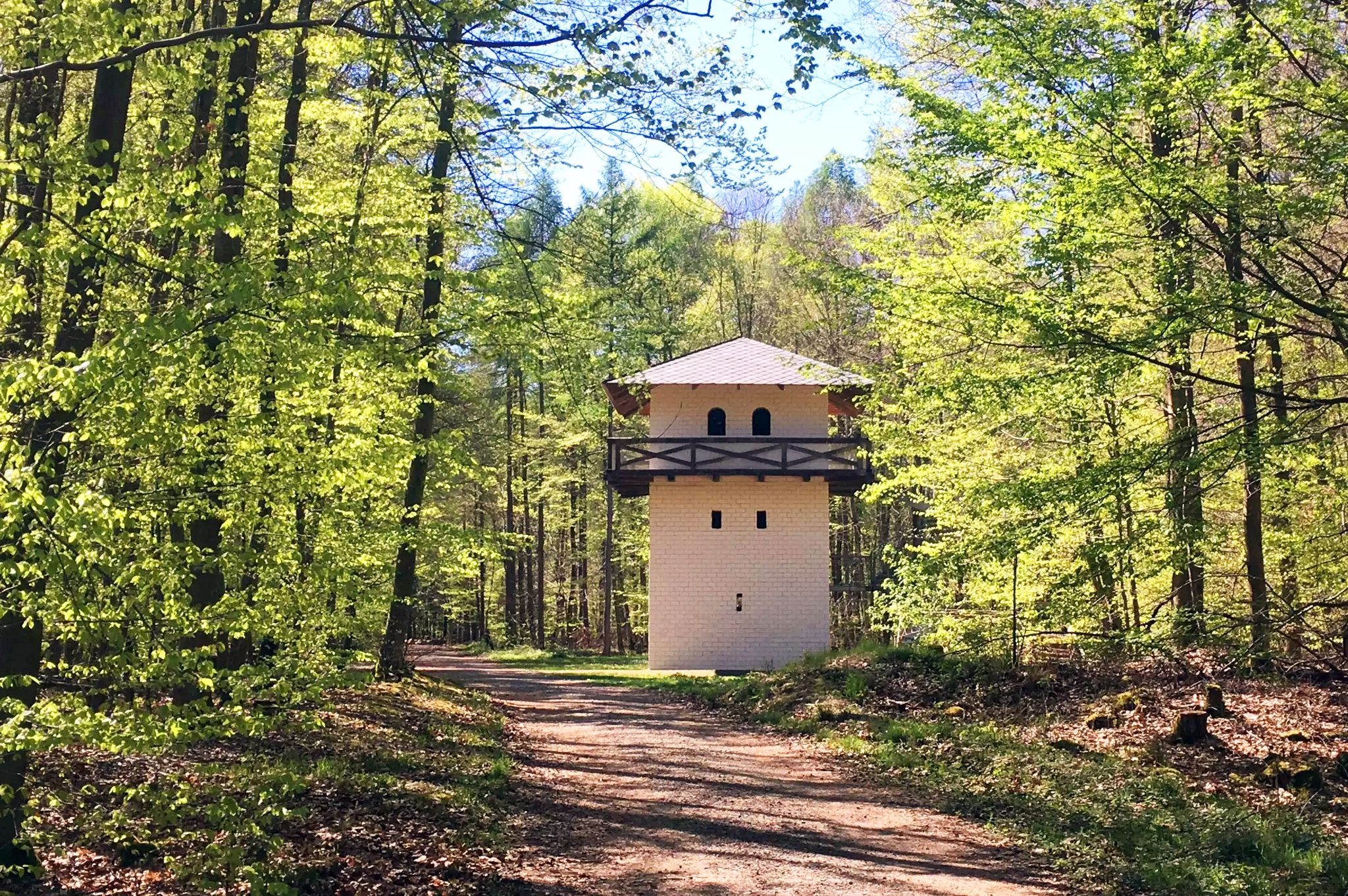
German Limes Cycle Path – Riding from the Rhine to the Danube
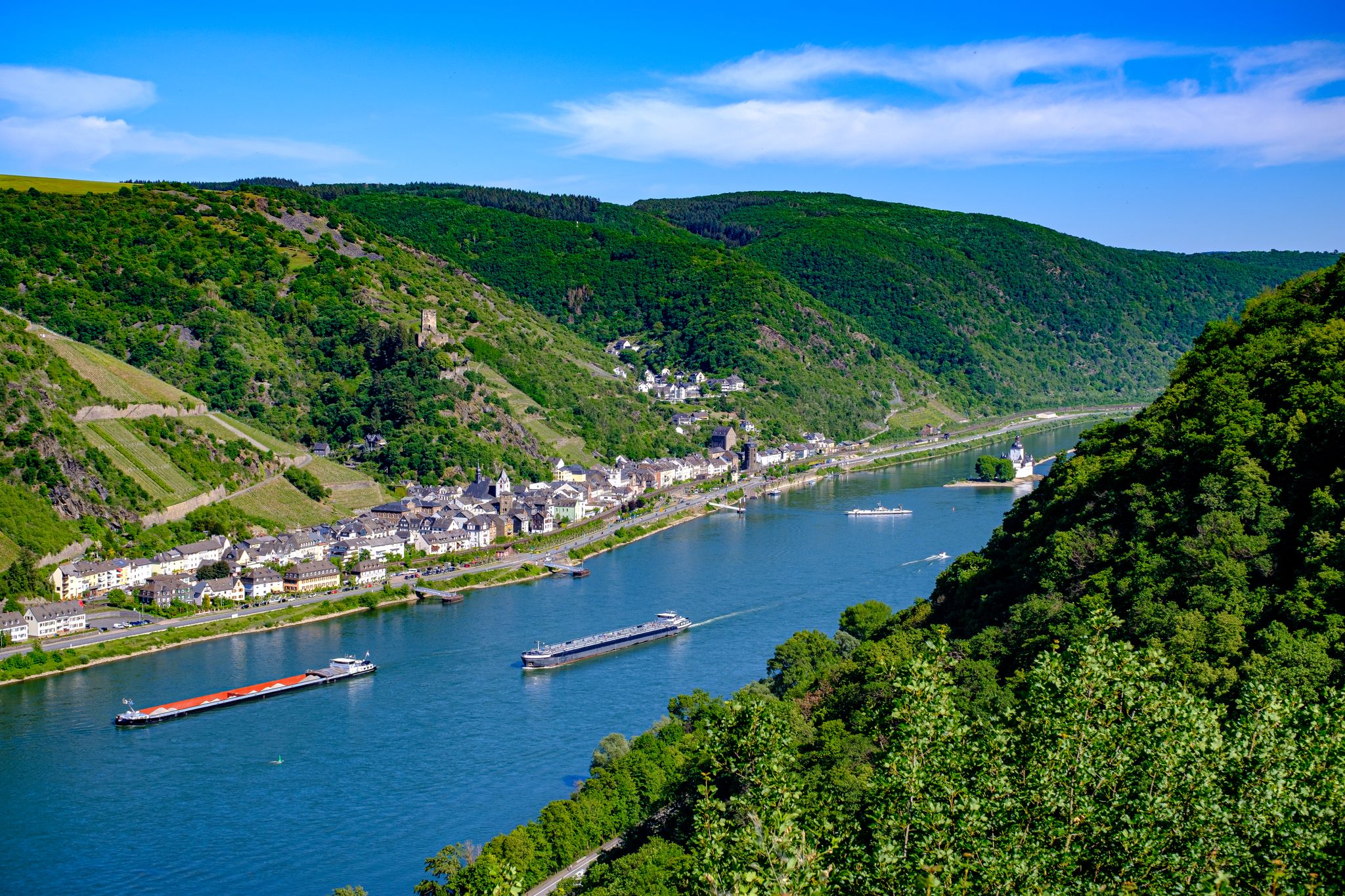
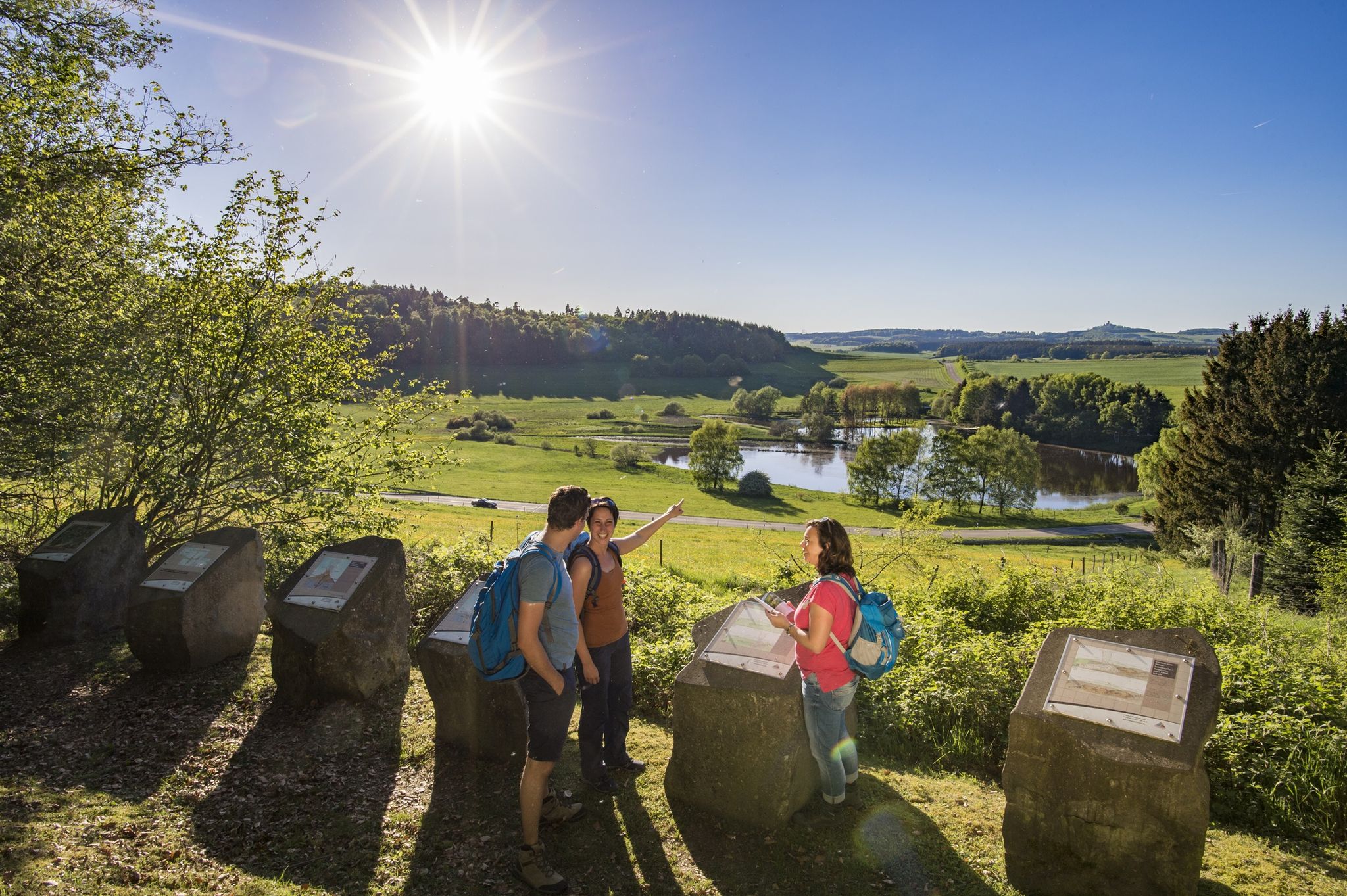
The Rhine Castle Trail – 13 stages of pure Rhine romanticism
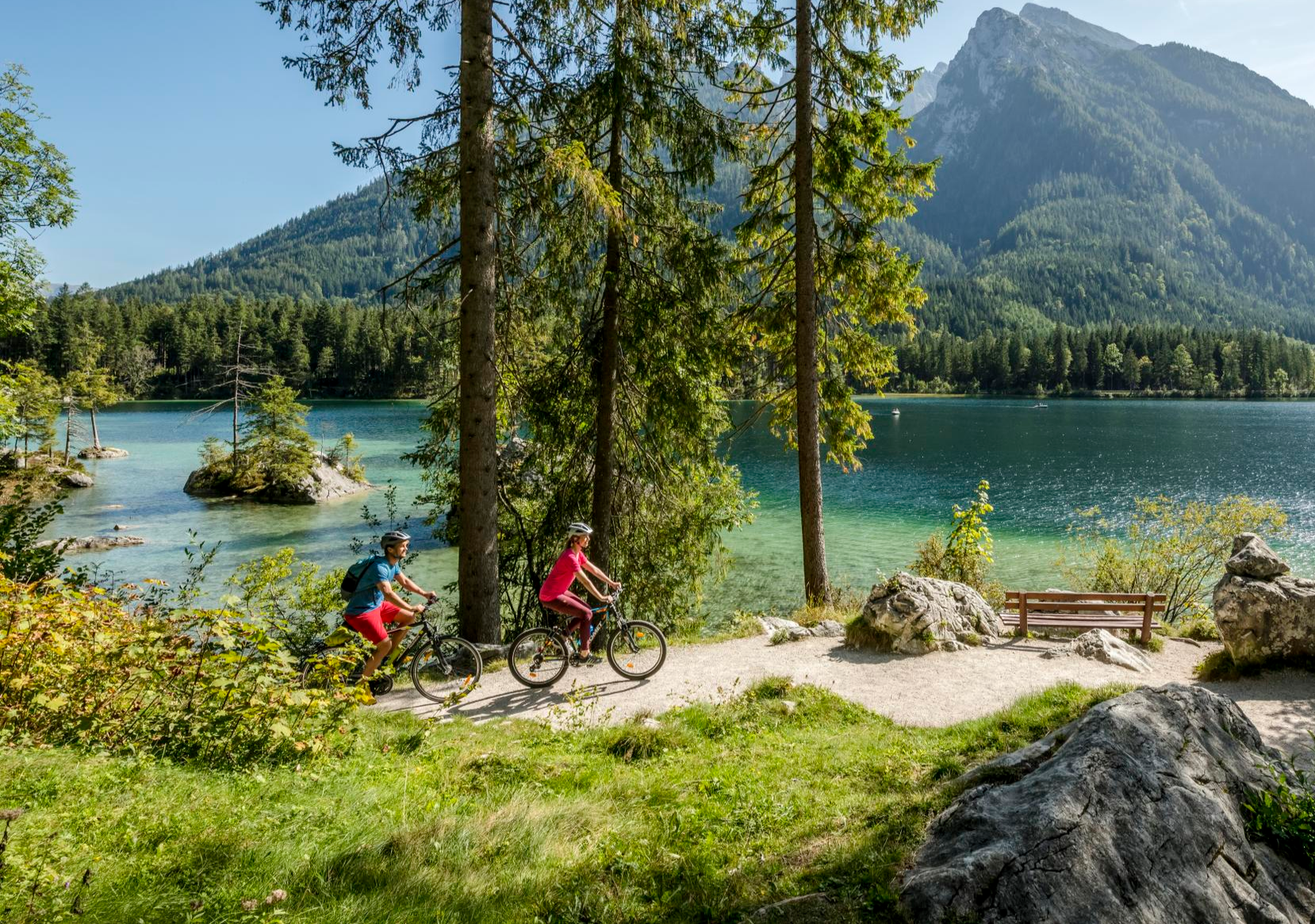
Discover Germany's diversity on enchanting cycling routes
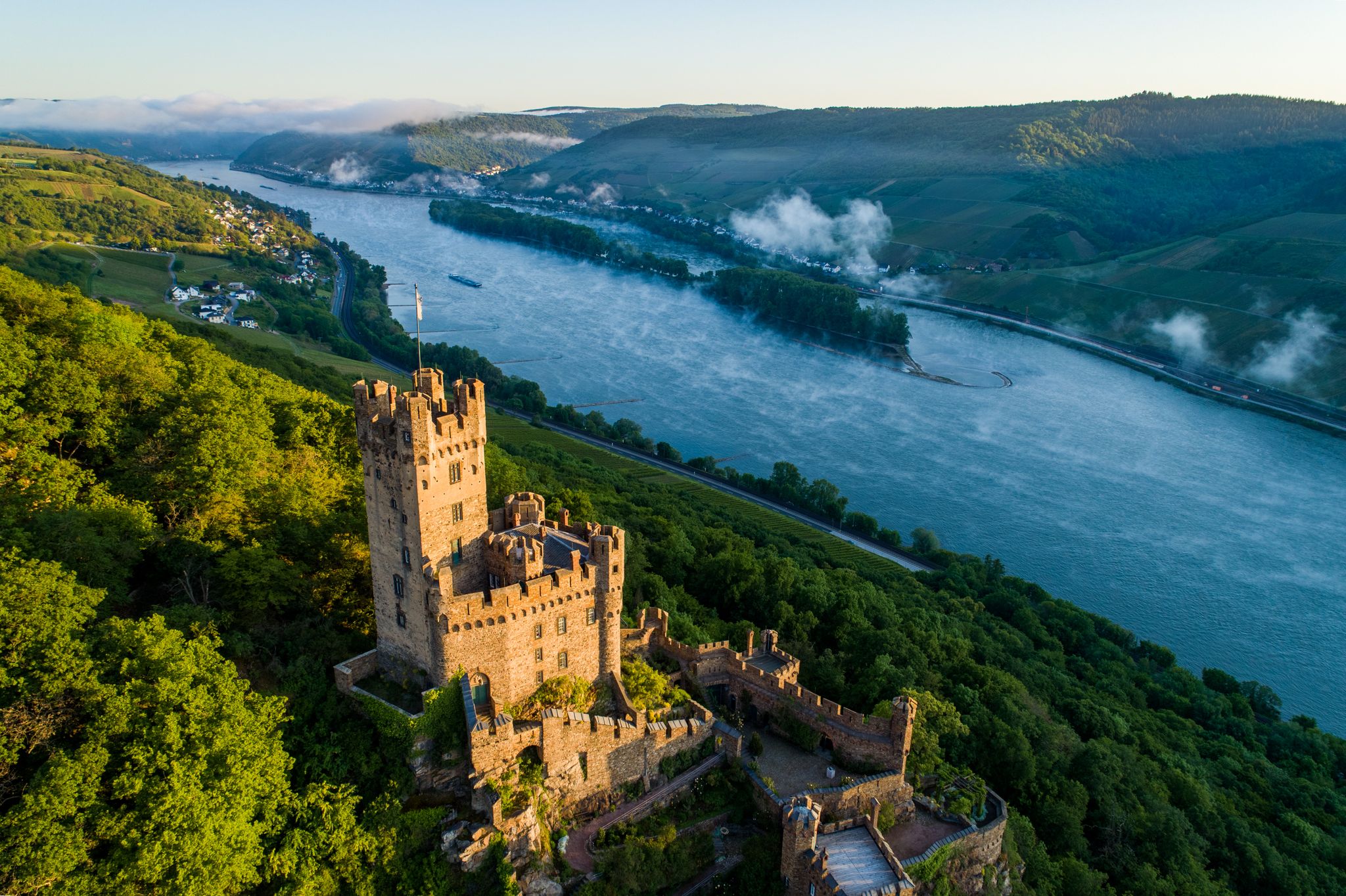
Stunningly beautiful – hiking on the RheinBurgenWeg
Traumpfade – dreamy, varied hiking trails in Rhein-Mosel-Eifel-Land
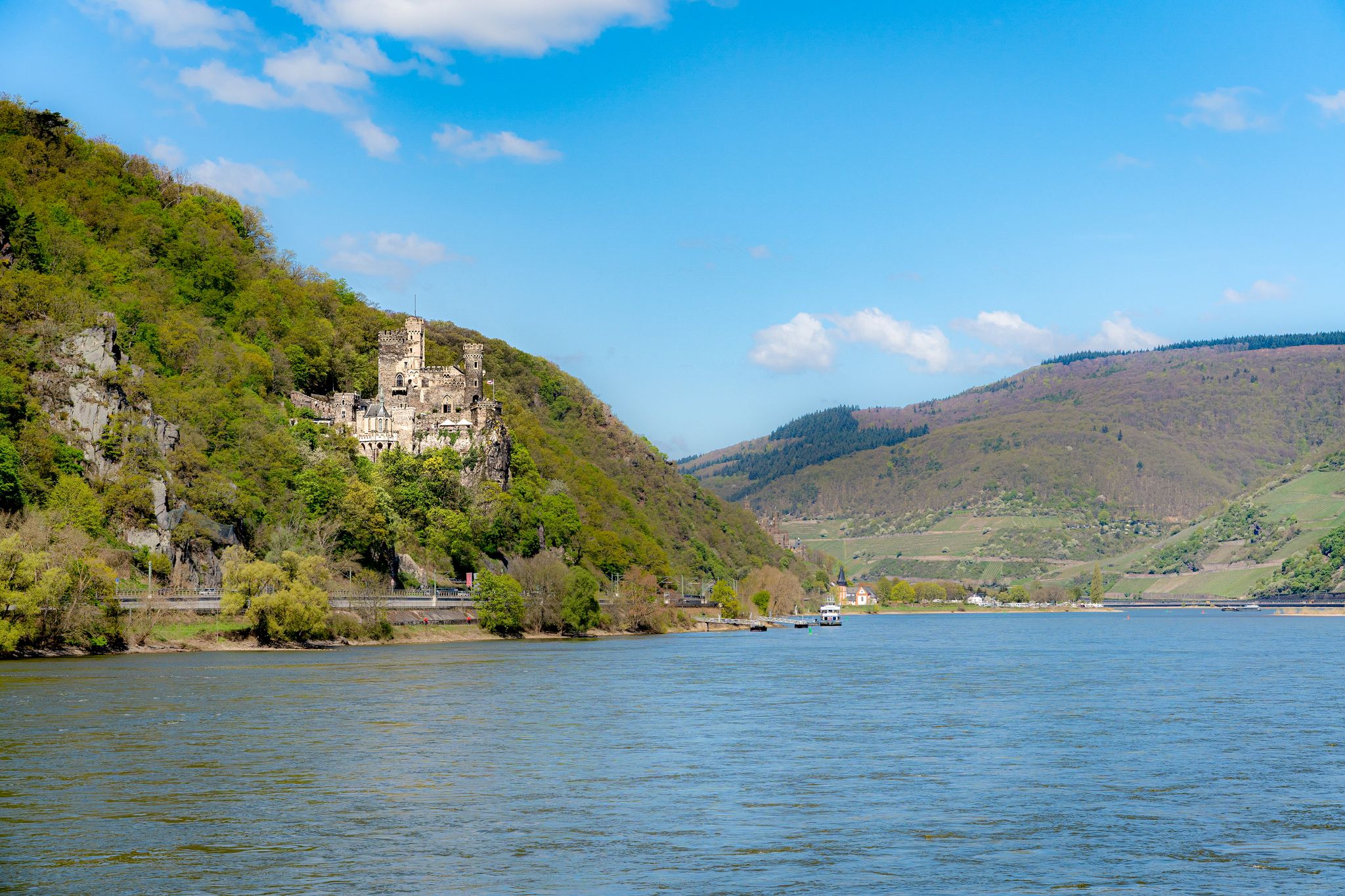
D-Route 8: Rhine Route
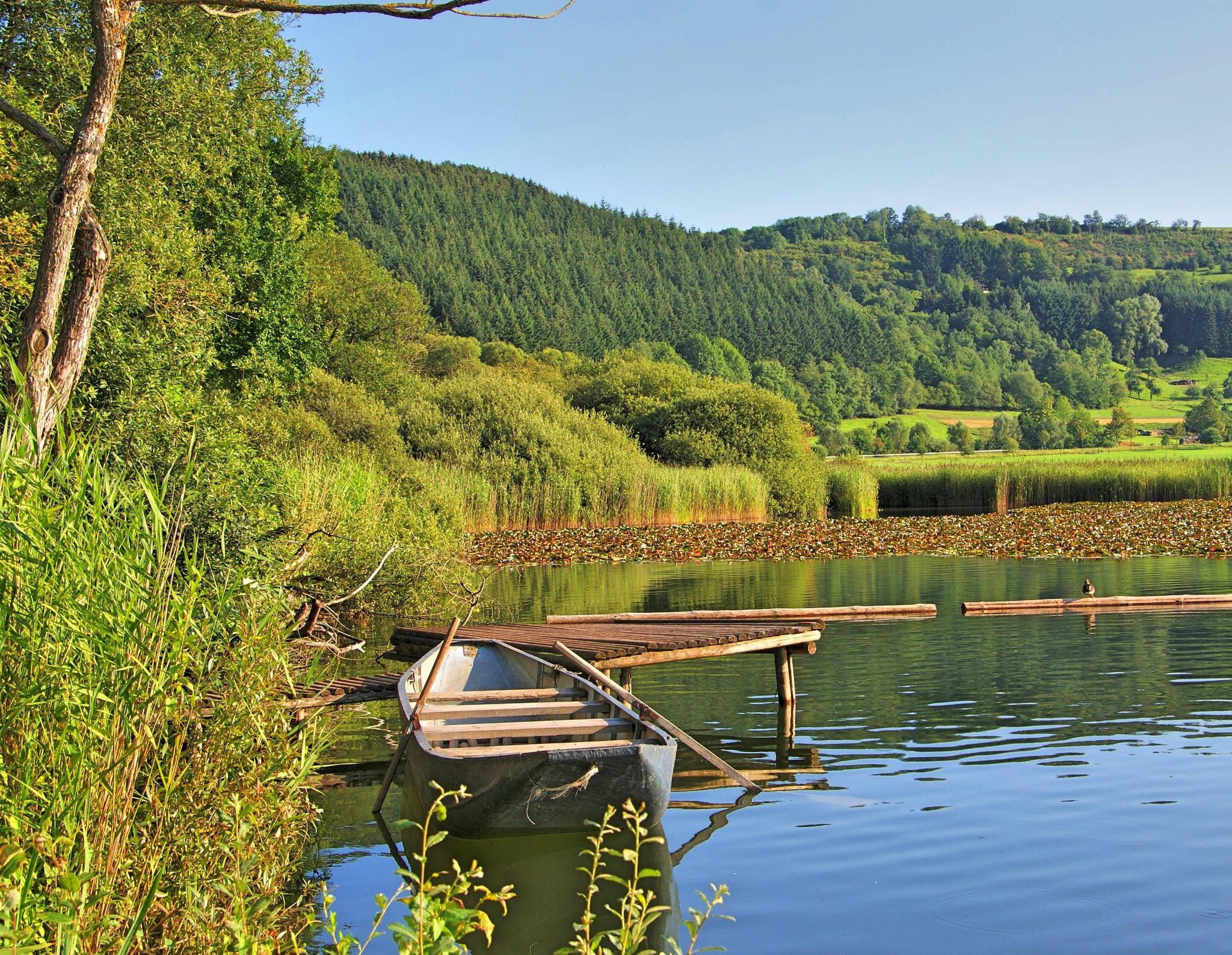
Germany's Eifelleiter hiking trail – three stages through unique landscapes
Discover a volcanic history — hiking in Germany’s Eifel mountains
Volcanic landscapes between Germany and Belgium – Eifel-Ardennes Cycle Route

Lowest to Highest (L2H) in Germany
Other adventures in the Ahr Hills


Tips from the Community

Once a place of pilgrimage - today it is an enchanted place
6
0

The view from the ruins of Altenahr and Mayschoß, where the Ahr meanders wildly romantically in narrow bends through rock formations and steep vineyards that are terraced with dry stone walls, is magnificent. The Mediterranean climate and the slate soil create optimum conditions for the ripening of the predominantly blue grapes. The wine route is a must to walk once in your life.
21
2
Be amazed as you look through the grate into the depths of the pit.
19
1
During wine week there will be a wine kiosk here and you can buy a holder to put your wine glass in 😀
18
1

Entrance area to the castle complex, the Old Gate is still well preserved.
6
1

Foundation, expansion and demolition: At the beginning of the 12th century, the castle was built by Theoderich von Are and first mentioned in a document in 1121. In 1714, the castle was blown up and has been a ruin ever since. In between lie six centuries of history with changing castle lords. Below Castle Are lie the remains of Gymnicher Porz, where Porz stands for gate. It was a lower gate system on the access road to the castle, which blocked the castle hill in conjunction with a wall. The complex consisted of a gatehouse over the access road, an attached castle house with a basement and two floors with living quarters, as well as an adjoining castle tower. The name is based on the von Gymnich family. Some members were temporary pledgees of the castle in the 14th and 16th centuries. It is suspected that the gate system was built during this time. At times, Gymnicher Porz served as an independent castle fief of the von Gymnich family.
7
1

The castle's layout is a square. In addition to parts of the outer bailey and a gate - the so-called Gymnicher Porz - remains of the defensive wall have also been preserved. There is also an old gate tower (also known as the Schellenturm) on the south side of the complex, next to which is the ruin of the palace, which once had a heated bishop's chamber. The first keep probably stood on the pointed rocky peak in the north corner. To the north of this, extensive remains of the Romanesque castle chapel from the 12th century have been preserved.
5
0

Here you can marvel at beautiful old half-timbered houses.
6
0
Frequently Asked Questions
What are some prominent castle ruins to visit in the Ahr Hills?
The Ahr Hills are home to several significant castle ruins. Notable ones include Burg Are (Are Castle), a high medieval hill castle ruin offering commanding views of the Ahr Valley. Another is Burg Olbrück, one of the oldest and largest castle ruins in the Eifel, known for its interactive exhibits. Reichsburg Landskron, situated on a distinctive basalt cone, provides wide views over the surrounding area. Don't miss the Saffenburg Castle Ruins, a popular medieval hilltop castle with great views over the Ahr valley.
Are there family-friendly castles or activities in the Ahr Hills?
Yes, Burg Olbrück is an excellent family-friendly destination. It features audiovisual stations narrating medieval life and a children's adventure playground designed as an old knight's castle within the outer bailey. Additionally, the Ahrweiler Old Town, with its medieval center, offers a pleasant experience for families with cafes and restaurants.
What kind of views can I expect from the castles in the Ahr Hills?
The castles in the Ahr Hills are often perched on strategic elevations, offering spectacular panoramic views. From Burg Are, you get commanding views of the Ahr Valley. The keep of Burg Olbrück provides a spectacular panorama of the Volcanic Eifel, and on clear days, you might even see Cologne Cathedral. The View from the Landskrone summit, where Reichsburg Landskron once stood, offers wide vistas towards the Eifel and Rhineland. The Altenahrer Eck viewpoint also provides beautiful views of the Ahr valley.
Can I hike to the castles in the Ahr Hills?
Many castles in the Ahr Hills are accessible via hiking trails. For instance, Burg Are is only accessible on foot, with the ascent starting from Rossberg street in Altenahr. The walk to Reichsburg Landskron is also a popular hiking route. You can find numerous hiking opportunities in the region, including those listed in the Waterfall hikes in the Ahr Hills guide, which features routes like the 'Hillesheim discovery tour' and trails around the Hähnerbach Valley.
What is the historical significance of the castles in the Ahr Hills?
The castles in the Ahr Hills played crucial roles throughout medieval history. Burg Are, dating back to around 1100, served as a fortified stronghold and administrative center for the archbishops of Cologne. Reichsburg Landskron, built around 1206, was an important imperial castle securing territory during conflicts between the Staufers and Welfs. These structures reflect centuries of regional power struggles, defense, and evolving architectural styles.
What are some unique features of the castles in this region?
The castles in the Ahr Hills boast several unique features. Burg Are features extensive ruins including the *Gymnicher Porz* gate complex and a Romanesque chapel. Burg Olbrück stands on a 468-meter high phonolite cone, offering a blend of geological and cultural history with interactive audiovisual stations. Reichsburg Landskron is notable for its dramatic setting on a distinctive basalt cone, which is also a nature reserve. Aremberg Castle, while mostly ruined, features an observation tower built from its original rubble on a prominent volcanic peak.
Are there cycling routes near the Ahr Hills castles?
Yes, the Ahr Hills region offers various cycling opportunities. You can explore routes like the 'Steinbergs Bridge Dernau – Ahr loop near Mayschoss' or the 'Ahr loop near Mayschoss – Linder Höhe Pass' mentioned in the Road Cycling Routes in the Ahr Hills guide. For touring bicycles, the Cycling in the Ahr Hills guide includes routes such as the 'Ahr Estuary Bridge – Ahr Cycle Route loop from Heimersheim/Lohrsdorf'.
What is the best time of year to visit the Ahr Hills castles?
The Ahr Hills, known for their vineyards, are particularly picturesque in spring and autumn. Spring offers blooming landscapes, while autumn brings vibrant fall colors to the vineyards and surrounding hills, making it an ideal time for scenic walks and castle visits. Many castle grounds and keeps, like Burg Olbrück, are generally open from April to October.
How accessible are the castle ruins in the Ahr Hills?
Accessibility varies among the castle ruins. For example, Burg Are is only accessible on foot, requiring an ascent from Altenahr. Other sites might have easier access or parking nearby. It's advisable to check specific access details for each castle you plan to visit, as many are hill castles and involve some degree of walking or hiking.
What other historical sites are near the castles in the Ahr Hills?
Beyond the castles, the Ahr Hills region offers other historical sites. The Ahrweiler Old Town is a beautifully preserved medieval town with a Gothic hall church and impressive old frescoes. The Old Town, Linz am Rhein is another historical settlement nearby. You can also find the Tönisstein Monastery Ruins, offering a glimpse into the region's religious history.
Are there any hidden gem castles in the Ahr Hills region?
While many castles in the Ahr Hills are well-known, Aremberg Castle offers a more understated experience. Located on one of the largest Tertiary volcanoes in the Eifel, it's primarily a ruined site with an observation tower built from its original walls. It provides a glimpse into a once-powerful barony and is an excellent destination for those seeking a hiking experience with historical context on a prominent volcanic peak.
Most popular routes in the Ahr Hills
Most popular attractions in the Ahr Hills

Get inspired with the komoot mobile app


Explore more
Looking for the best castles somewhere else? Discover other guides in the Ahr Hills:
