The 17 Most Amazing Peaks around Dresden
Mountain peaks around Dresden provide access to elevated natural spots and the dramatic landscapes of Saxon Switzerland, also known as the Elbe Sandstone Mountains. This region features unique rock formations, including distinctive table mountains, and offers panoramic views of the Elbe Valley. Within Dresden's city limits, several elevations provide views of the surrounding area. The broader region is known for its hiking opportunities and historical sites.
Best mountain peaks around Dresden
- The most popular mountain peaks is View from Rysselkuppe…
Last updated: October 4, 2026
Wolfshügelturm Ruins
Highlight • Monument
Translated by Google •
Tip by

View from Rysselkuppe
Highlight • Viewpoint
Translated by Google •
Tip by

Sign up now to discover places like this
Get recommendations on the best single tracks, peaks, & plenty of other exciting outdoor places.
Borsberg
Highlight • Monument
Translated by Google •
Tip by

Triebenberg — Dresden's Highest Point
Highlight • Summit
Translated by Google •
Tip by

View of Dresden from Malschendorf Heights
Highlight • Viewpoint
Translated by Google •
Tip by

Kaitzer Heights
Highlight • Viewpoint
Translated by Google •
Tip by

Trutzsch
Highlight • Viewpoint
Translated by Google •
Tip by
Trümmerberg Halde 1
Highlight • Natural Monument
Translated by Google •
Tip by

Hutberg (311 m)
Highlight • Natural Monument
Translated by Google •
Tip by

View of Dresden from Triebenberg
Highlight • Viewpoint
Directly at the summit sign you can let your gaze wander from Zaschendorf, over the Dresden Elbe valley, over the television tower, …
Translated by Google •
Tip by
Sign up for free to discover even more peaks around Dresden.
Already have an account?
Start today with a free account
Your next adventure awaits.
Popular around Dresden
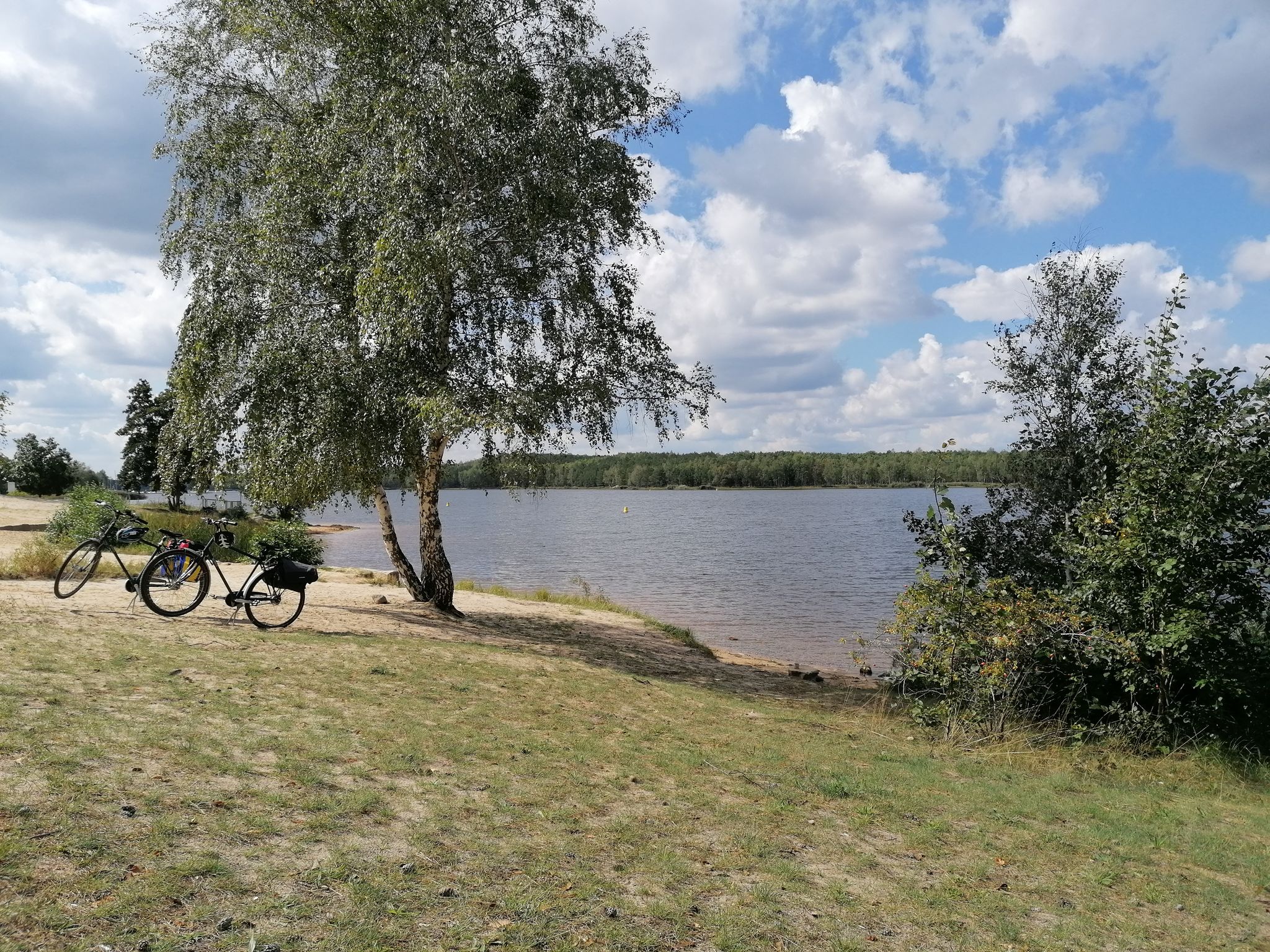
Cycling from Dresden to Berlin – lakes, nature and Sorbian culture
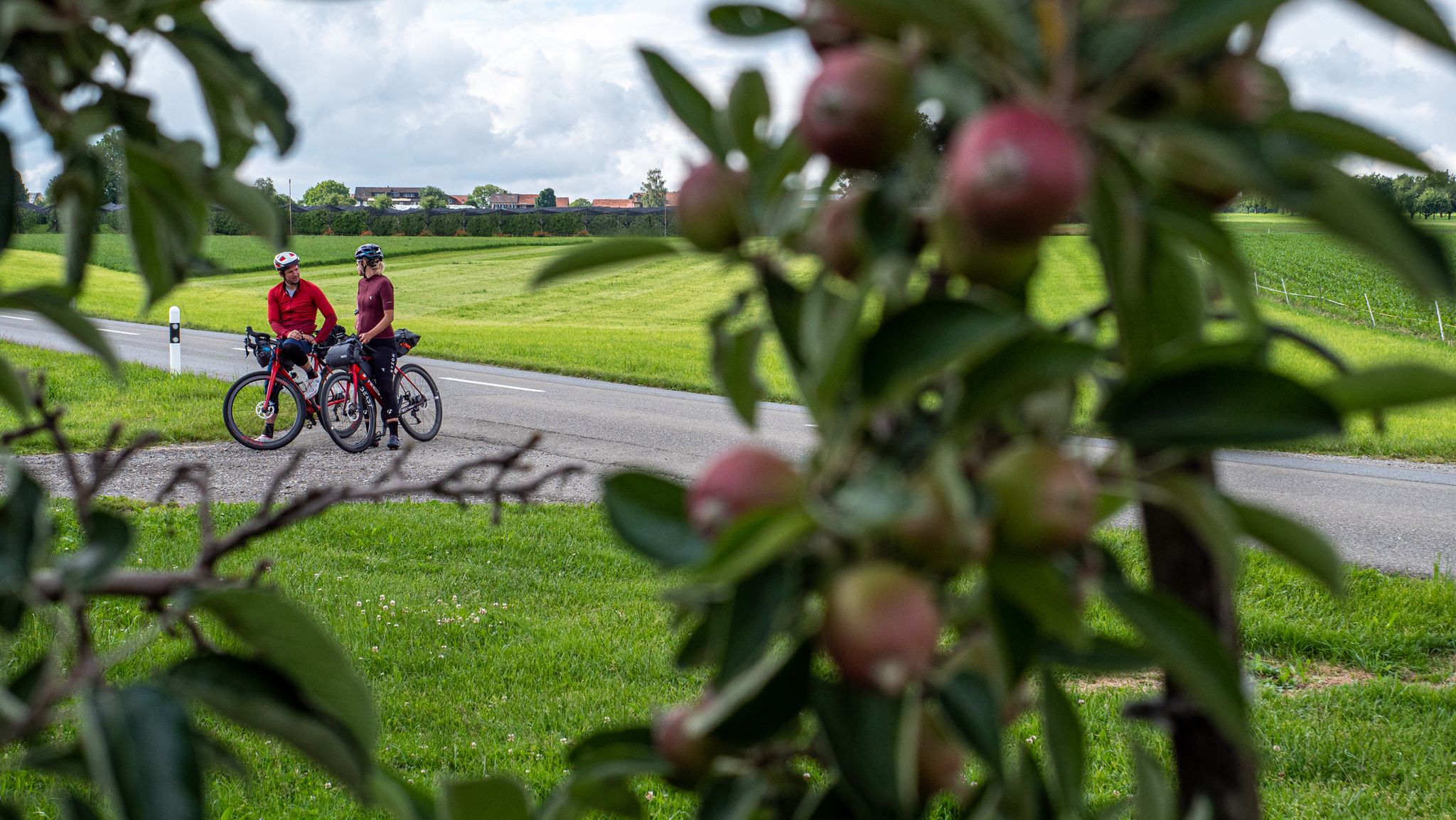
SEND IT! Germany by bike with two mountain bike pros
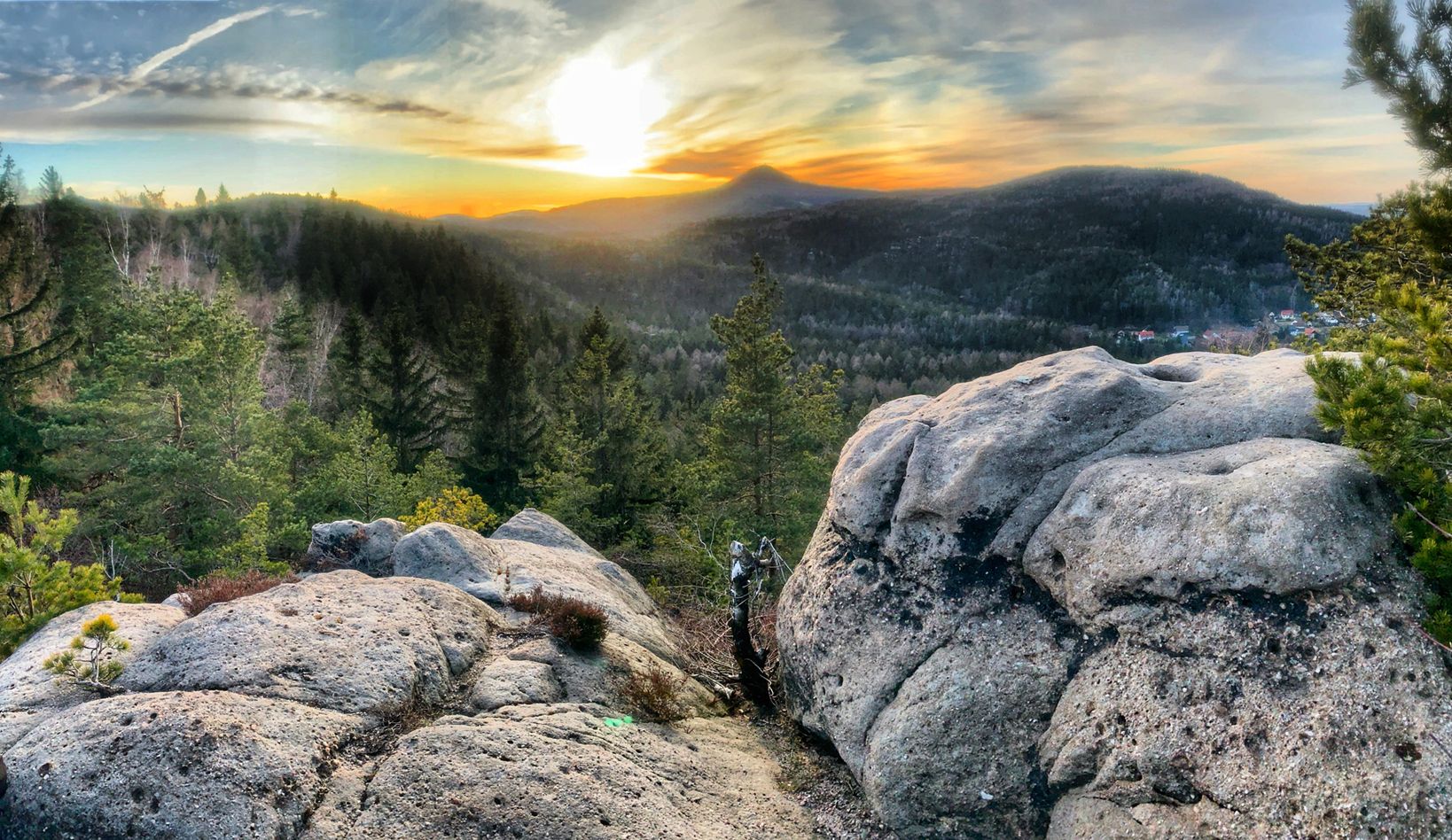
Mountains, heaths & lakes – hiking in Lusatia
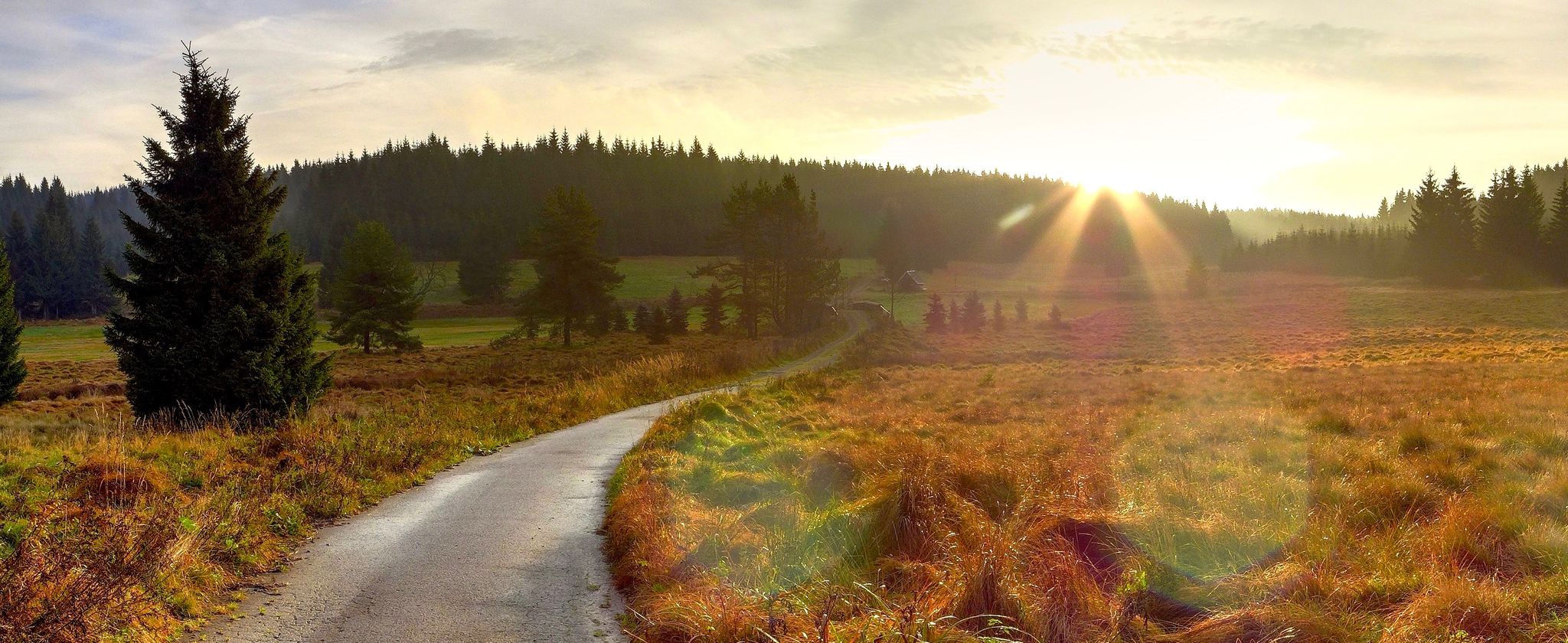
Ore Mountains — between forests and elevation
Elbe and Vltava cycle paths – From Dresden to Prague
Fun on two wheels – e-bike Tours through Dresden Elbland
Towers, treasures & mountain railways – out and about with children in Dresden Elbland
3 days cycling in Dresden Elbland with Couchflucht's Sabrina
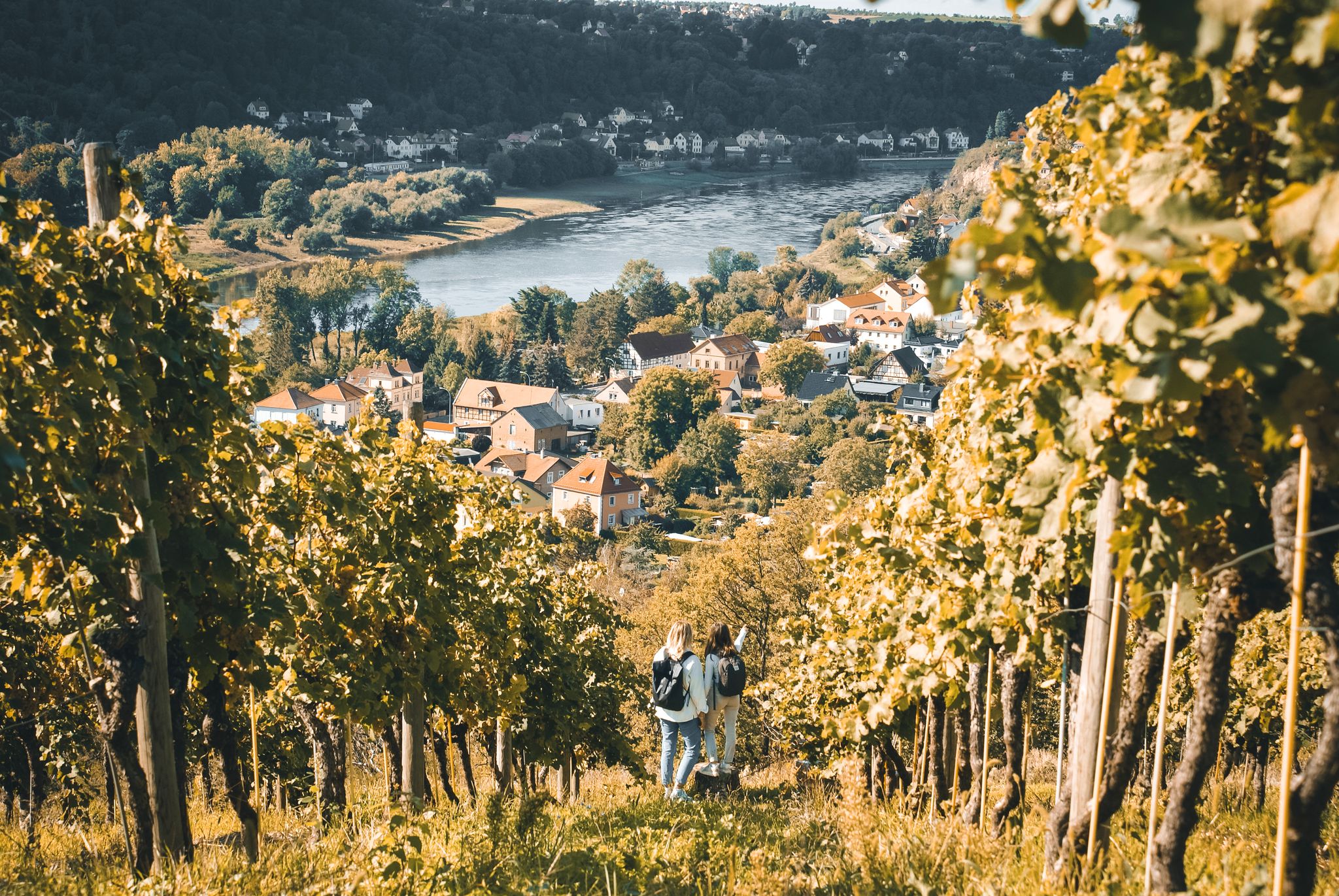
Natural treasures and idyllic villages – walking around Dresden
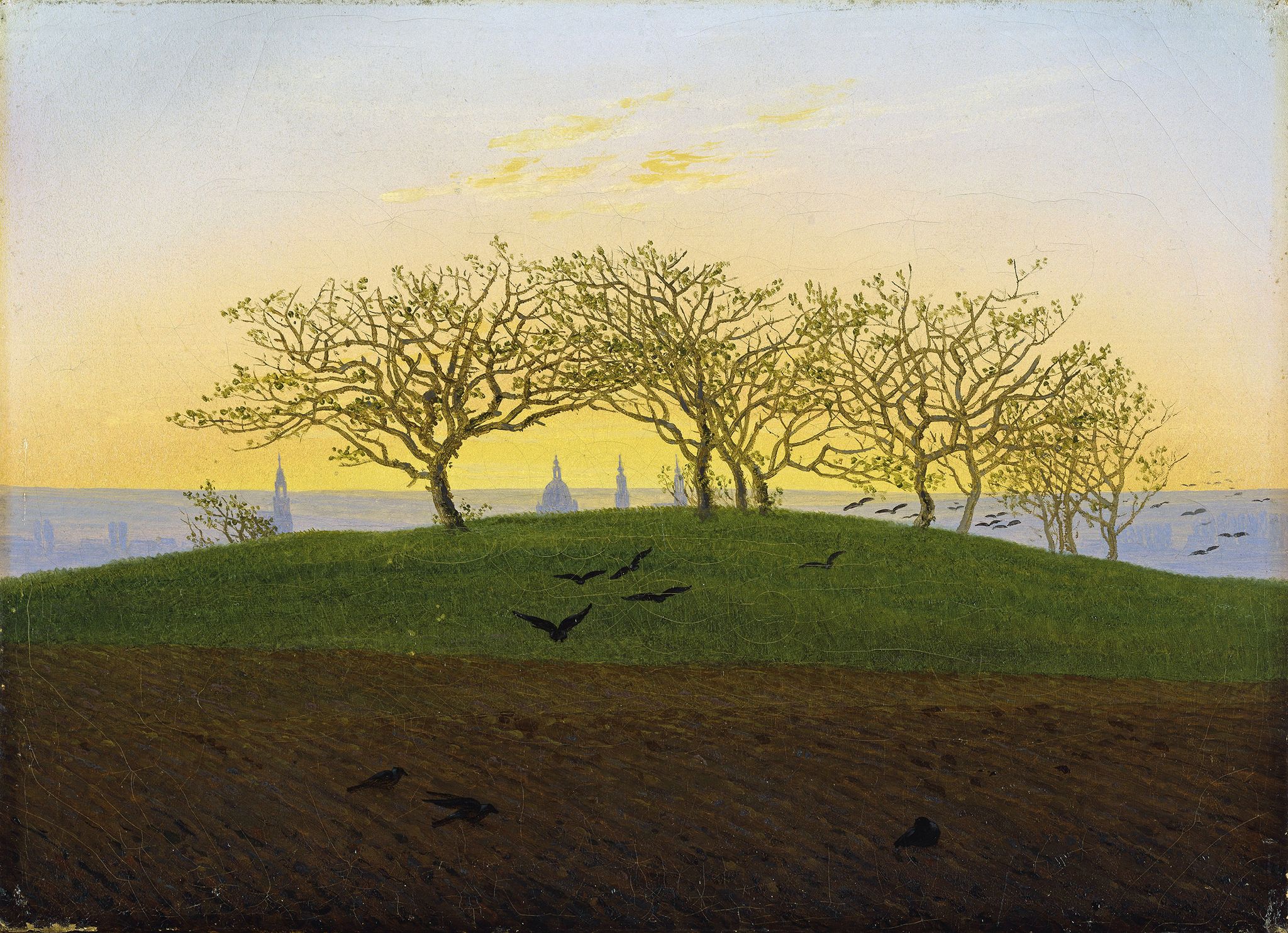
Hike in the footsteps of Caspar David Friedrich in Dresden Elbland
Other adventures around Dresden


Tips from the Community

The hill, approximately 200 meters high, was formed around 95 million years ago when the Cretaceous sea deposited Pläner (calcareous sandstone) and sandstone. In 1939, during the construction of a parade ground, several urn graves dating from 1300 BC onwards were discovered. The Trutzsch has only been accessible to the public again since the end of its military use in 1995. From the viewing platform, one is rewarded with a view through the trees and bushes over Nickern and Prohlis, all the way to the opposite bank of the Elbe River.
2
0

The Malchenforfer Höhe on the outskirts of Dresden offers wonderful hiking opportunities. From here, on a clear day, you have a fantastic view of Dresden and the Ore Mountains. Two benches invite you to linger and enjoy the view in peace. The Naturschänke, a cozy inn that invites you to stop for a break, is located very close by.
1
1

A comprehensive view over Dresden and Radebeul to Meißen and the cathedral
1
0

Magnificent panoramic view over Dresden. We recommend.
1
1

Very nice place to take a break, you have a wonderful view.
4
0

with a view of Dresden, several hiking trails
4
1

Trutzsch is bleating: Sheep and goats should prevent the uncontrolled overgrowth of the Trutzsch: Greenery has been growing and thriving on the former military site in Nickern since the mid-1990s. Too much. The blackberries in particular are on the rise and can only be kept off the paths with great effort. There are not enough workers to maintain the entire area. That's why around 70 sheep and one goat have been doing it since May. Four areas of different sizes were fenced off for this purpose. The animals migrate back and forth between the four areas at intervals of one and a half and three weeks. As a result, only one of the four areas is always closed and all others can be used by visitors at any time. As the sheep eat the leaves of the blackberries, they become smaller from year to year and can thus be kept under control. In addition to building the fences, the city has also planted 1,850 white elms in recent weeks. In addition, 46 cairns provide a habitat for the native sand lizards. Thanks to the sheep, the cairns are no longer overgrown with brambles.
1
0

Beautiful view with two benches
4
0
Frequently Asked Questions
What types of mountain peaks can I expect to find around Dresden?
Around Dresden, you'll find a diverse range of elevated natural spots. Within the city limits, there are several hills offering panoramic views, such as Triebenberg, Dresden's highest point, and Kaitzer Heights. Just southeast of the city, the dramatic landscapes of Saxon Switzerland (Elbe Sandstone Mountains) feature unique rock formations, towering sandstone cliffs, and distinctive table mountains like Lilienstein and Königstein.
Where are the best hiking areas near Dresden for mountain peaks?
The most spectacular hiking areas for mountain peaks near Dresden are found in the Elbe Sandstone Mountains, also known as Saxon Switzerland. This region is renowned for its unique rock formations, deep valleys, and extensive network of trails. Popular spots include the Bastei Bridge and Rock Formation, Lilienstein, and Königstein Fortress, all offering breathtaking views and varied hiking experiences.
Are there specific hiking routes recommended near Dresden's mountain peaks?
Yes, there are many excellent hiking routes. For example, you can explore trails that lead to viewpoints like View from Rysselkuppe, which offers views as far as Saxon Switzerland. If you're looking for more extensive hikes, consider routes from the Waterfall hikes around Dresden guide, which includes options like the 'Loop Tour to Silbersee & Prießnitz Waterfall' in the Dresden Heath.
How accessible are the mountain peaks around Dresden by public transport?
Many of the elevated spots within Dresden, such as Triebenberg and Napoleon Stone, are generally accessible via local public transport. The Elbe Sandstone Mountains (Saxon Switzerland) are also easily reachable from Dresden by train or bus, making popular destinations like the Bastei, Lilienstein, and Königstein accessible for day trips.
Are there family-friendly mountain walks near Dresden?
Absolutely! Several mountain peaks and elevated areas around Dresden are suitable for families. Triebenberg, Kaitzer Heights, and Hutberg are noted as family-friendly highlights within the city limits. In Saxon Switzerland, many trails are well-maintained and offer varying levels of difficulty, making it possible to find suitable options for all ages, often with rewarding views.
What historical sites can be found on or near Dresden's mountain peaks?
The region boasts several historical sites. The Napoleon Stone in the Schönfelder Highlands marks where Napoleon surveyed the area before the Battle of Dresden. Borsberg features a historic surveying column and 18th-century hermitage ruins. Further afield, Königstein Fortress, perched atop a sandstone plateau, is one of Europe's largest mountain fortresses with a rich history.
What unique natural features characterize the mountain peaks near Dresden?
The most striking natural features are found in the Elbe Sandstone Mountains (Saxon Switzerland), known for their unique geological formations. These include towering, fissured sandstone rocks, dramatic canyons, and distinctive 'table mountains' like Lilienstein. Within Dresden, you can find spots like Hutberg, which is geologically composed of porphyrite and hosts rare dry grass flora.
What are some of the best mountain peaks for panoramic views near Dresden?
For stunning panoramic views, View from Rysselkuppe offers expansive vistas towards Saxon Switzerland. Triebenberg, as Dresden's highest point, provides broad views of the Elbe valley and distant Table Mountains. In Saxon Switzerland, the Bastei Bridge and Königstein Fortress are famous for their breathtaking panoramas of the Elbe Sandstone Mountains.
Can I go mountain biking near Dresden's peaks?
Yes, the region offers opportunities for mountain biking. While specific peaks might be hiking-only, the surrounding areas have dedicated trails. You can find various routes in the MTB Trails around Dresden guide, including challenging options like the 'Prießnitzgrund – Dresden Heath loop' or moderate ones like the 'View of the Bastei – View of the Bastei Bridge loop'.
What do visitors enjoy most about the mountain peaks around Dresden?
Visitors frequently highlight the incredible panoramic views, especially from spots like View from Rysselkuppe, which offers a unique perspective of Saxon Switzerland. The varied and well-maintained hiking trails, the unique geological formations of the Elbe Sandstone Mountains, and the blend of natural beauty with historical significance are also highly appreciated.
Are there any hidden gem mountain peaks or viewpoints near Dresden?
While many spots are well-known, places like Trutzsch offer a viewing platform with views over Nickern and Prohlis to the Elbe River, and it's managed with grazing sheep and goats, adding a unique charm. The Wolfshügelturm Ruins also provide a distant view of the Elbe Valley and Dresden's silhouette from a less frequented historical spot.
What is the best time to visit the mountain peaks around Dresden?
The region's mountain peaks are enjoyable throughout the year. Spring and autumn offer pleasant temperatures for hiking and vibrant natural colors. Summer is ideal for longer days and outdoor activities, though it can be busier. Winter provides a unique, serene experience, especially in Saxon Switzerland, with snow-dusted landscapes, though some trails might require appropriate gear.
Most popular routes around Dresden
Most popular attractions around Dresden

Get inspired with the komoot mobile app


Explore more
See even more amazing summits around Dresden with these guides:
