Top 20 Castles around Dresden
Castles around Dresden offer a journey through Saxony's rich history and architectural evolution. Situated along the Elbe River and nestled within picturesque landscapes, the region features a diverse collection of historic residences and fortresses. From grand Baroque palaces to medieval strongholds, these sites provide insights into centuries of royal and noble life. The area's geography, characterized by river valleys and rolling hills, complements the historical significance of its many castles.
Best castles around Dresden
- The most popular castles is Dresden Zwinger, a historical site that houses several museums. This Baroque palace complex is known for its impressive architecture and art collections.
- Another must-see spot is View of the Elbe Castles (Elbschlösser), a viewpoint offering scenic vistas of three distinct castles along the Elbe River. Visitors can enjoy the beautiful scenery and historical significance of these riverside estates.
- Visitors also love View of Pillnitz Palace, a viewpoint showcasing the impressive and colorful construction of the castle directly on the Elbe banks. This former summer residence is renowned for its unique blend of Baroque architecture and extensive gardens.
- Dresden is known for its Baroque palaces, medieval fortresses, and riverside estates. The region offers a variety of castles to explore, from the Dresden Royal Palace in the city center to the island-set Moritzburg Castle.
- The castles around Dresden are appreciated by the komoot community, with more than 6100 upvotes and over 930 photos shared by visitors.
Last updated: October 9, 2026
View of Pillnitz Palace
Highlight • Viewpoint
Translated by Google •
Tip by

View of the Elbe Castles (Elbschlösser)
Highlight • Viewpoint
Translated by Google •
Tip by

Sign up now to discover places like this
Get recommendations on the best single tracks, peaks, & plenty of other exciting outdoor places.
Frauenkirche, Dresden
Highlight • Religious Site
Translated by Google •
Tip by

Dresden Royal Palace
Highlight • Castle
You can find more information and opening times here: skd.museum/besuch/residenzschloss.
Translated by Google •
Tip by

Dresden Zwinger
Highlight • Historical Site
Translated by Google •
Tip by

Blue Wonder (Loschwitz Bridge)
Highlight • Bridge
Translated by Google •
Tip by

View of Pillnitz Palace from the Elbe Cycle Path
Highlight (Segment) • Viewpoint
Translated by Google •
Tip by

Lingner Castle
Highlight • Castle
The view from the castle is wonderful and if you like, you can let yourself be pampered in the restaurant or on the summer terrace.
Translated by Google •
Tip by
Palace in the Great Garden
Highlight • Historical Site
Translated by Google •
Tip by

View of the Palais in the Großen Garten and the Palais Pond
Highlight • Viewpoint
Translated by Google •
Tip by

Sign up for free to discover even more castles around Dresden.
Already have an account?
Start today with a free account
Your next adventure awaits.
Popular around Dresden
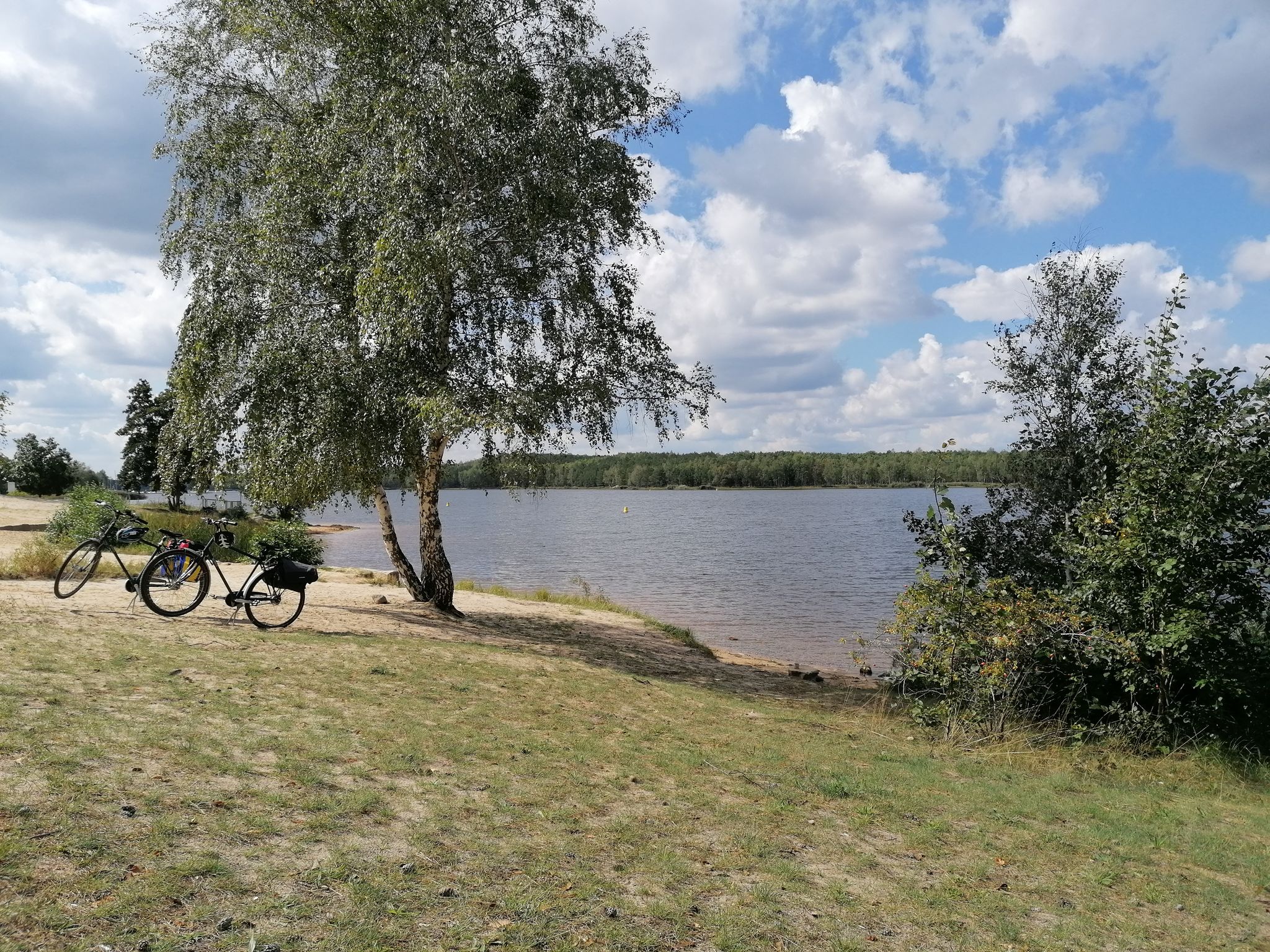
Cycling from Dresden to Berlin – lakes, nature and Sorbian culture
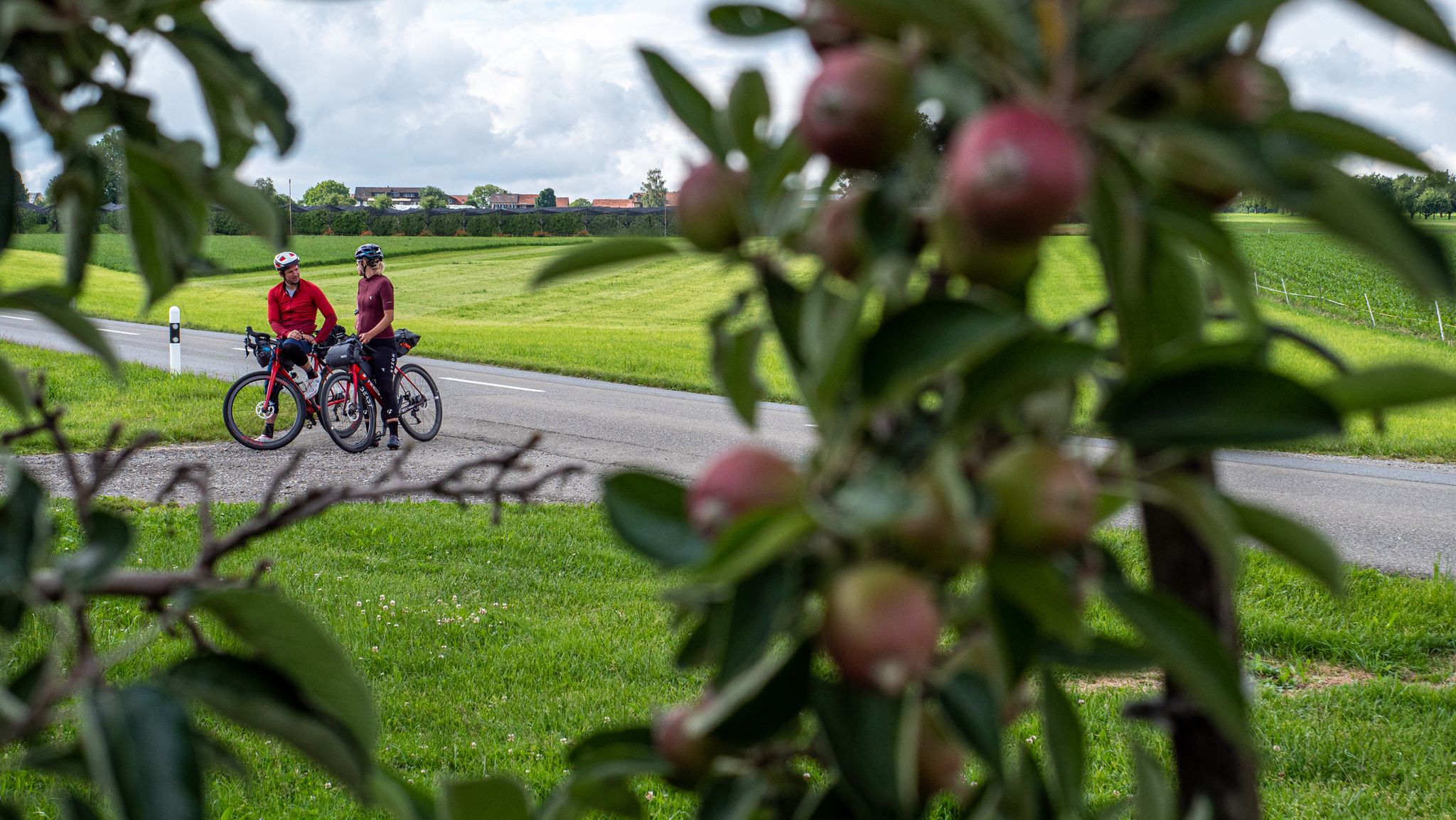
SEND IT! Germany by bike with two mountain bike pros
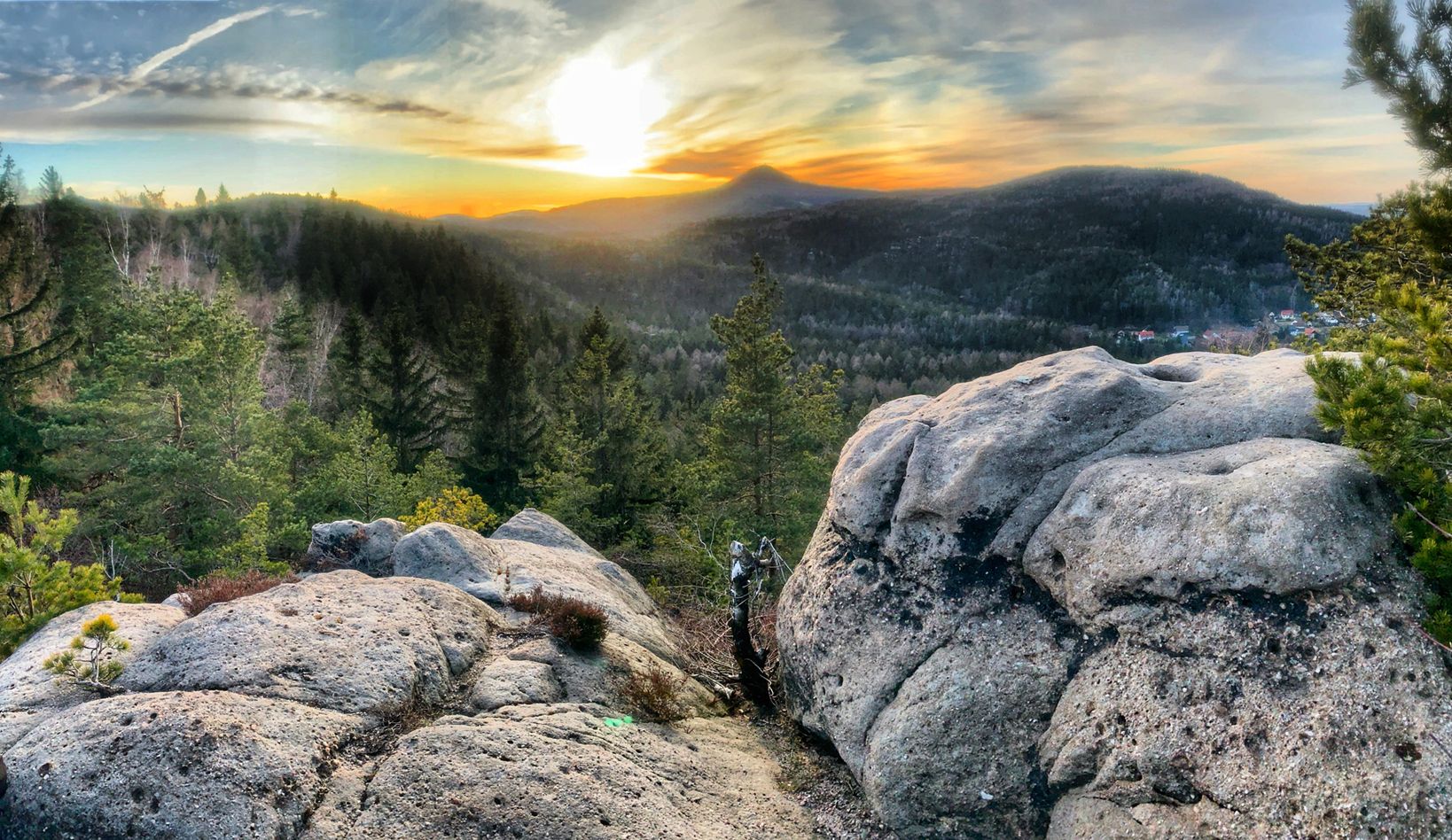
Mountains, heaths & lakes – hiking in Lusatia
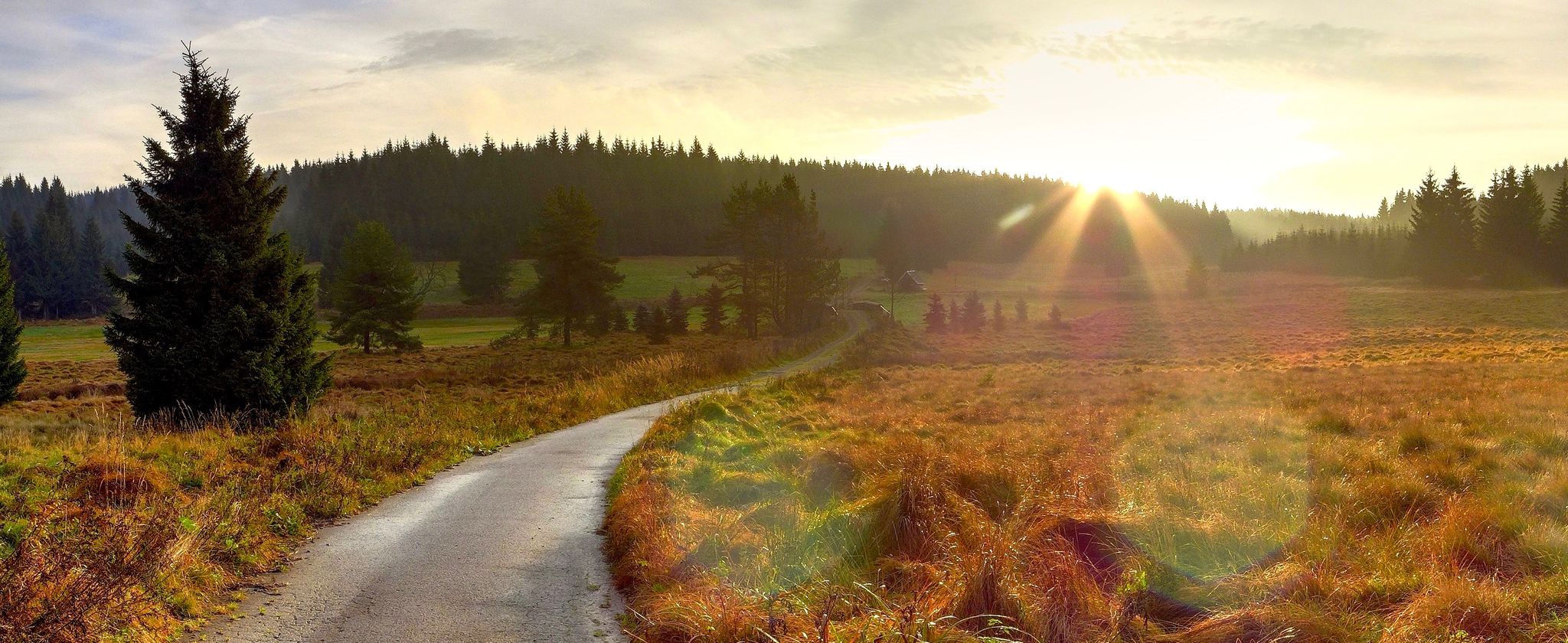
Ore Mountains — between forests and elevation
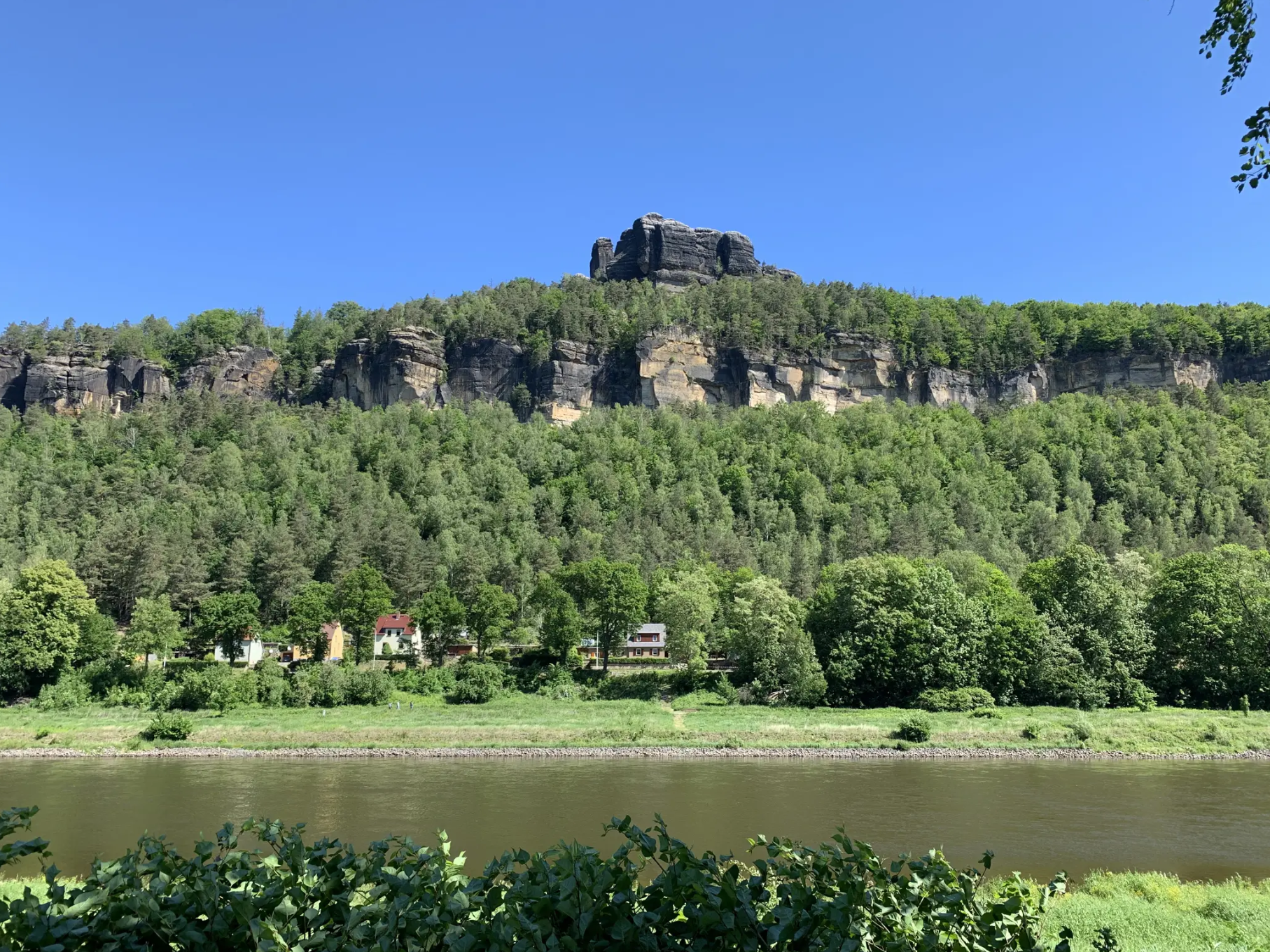
Elbe and Vltava cycle paths – From Dresden to Prague
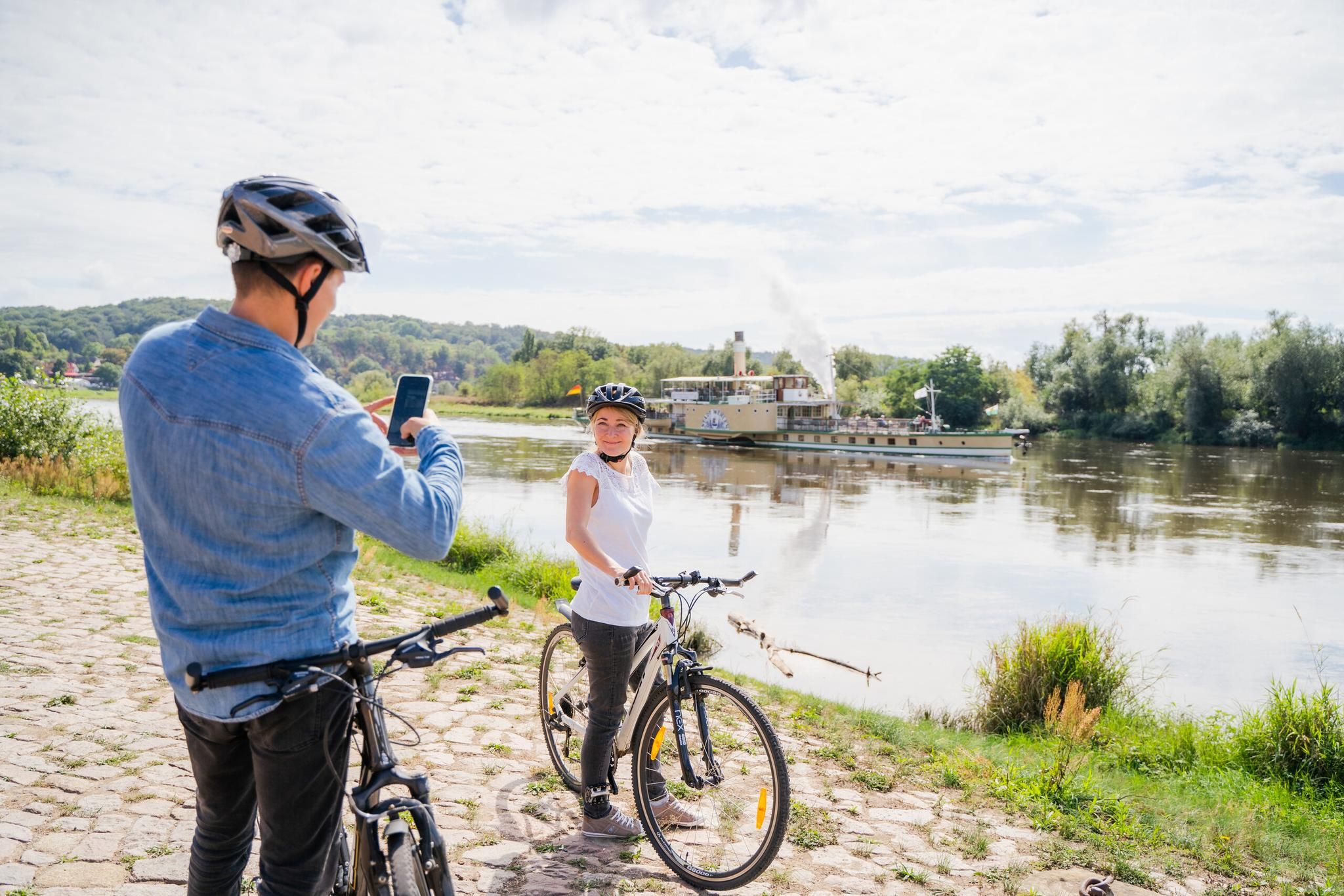
Fun on two wheels – e-bike Tours through Dresden Elbland
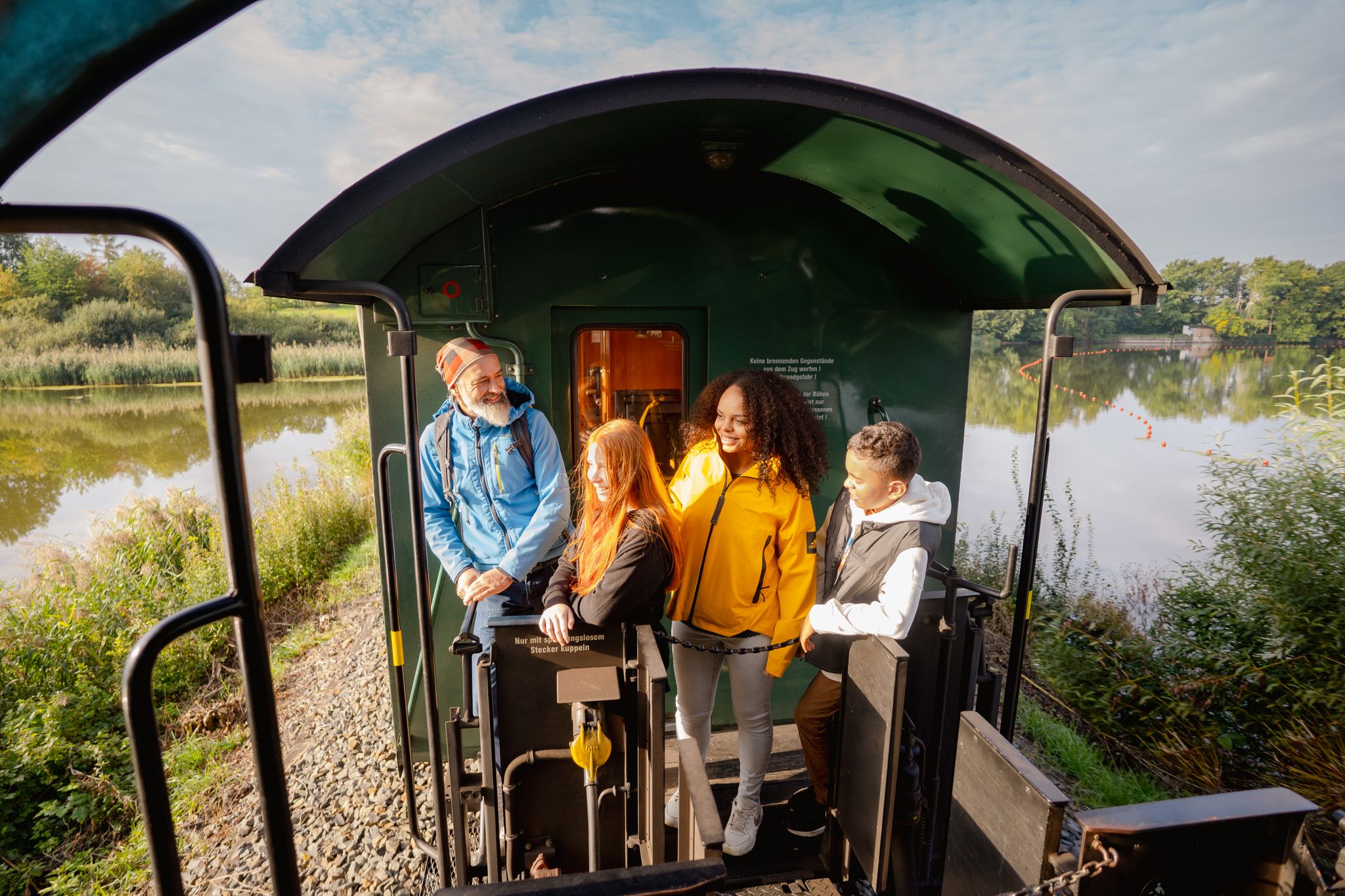
Towers, treasures & mountain railways – out and about with children in Dresden Elbland
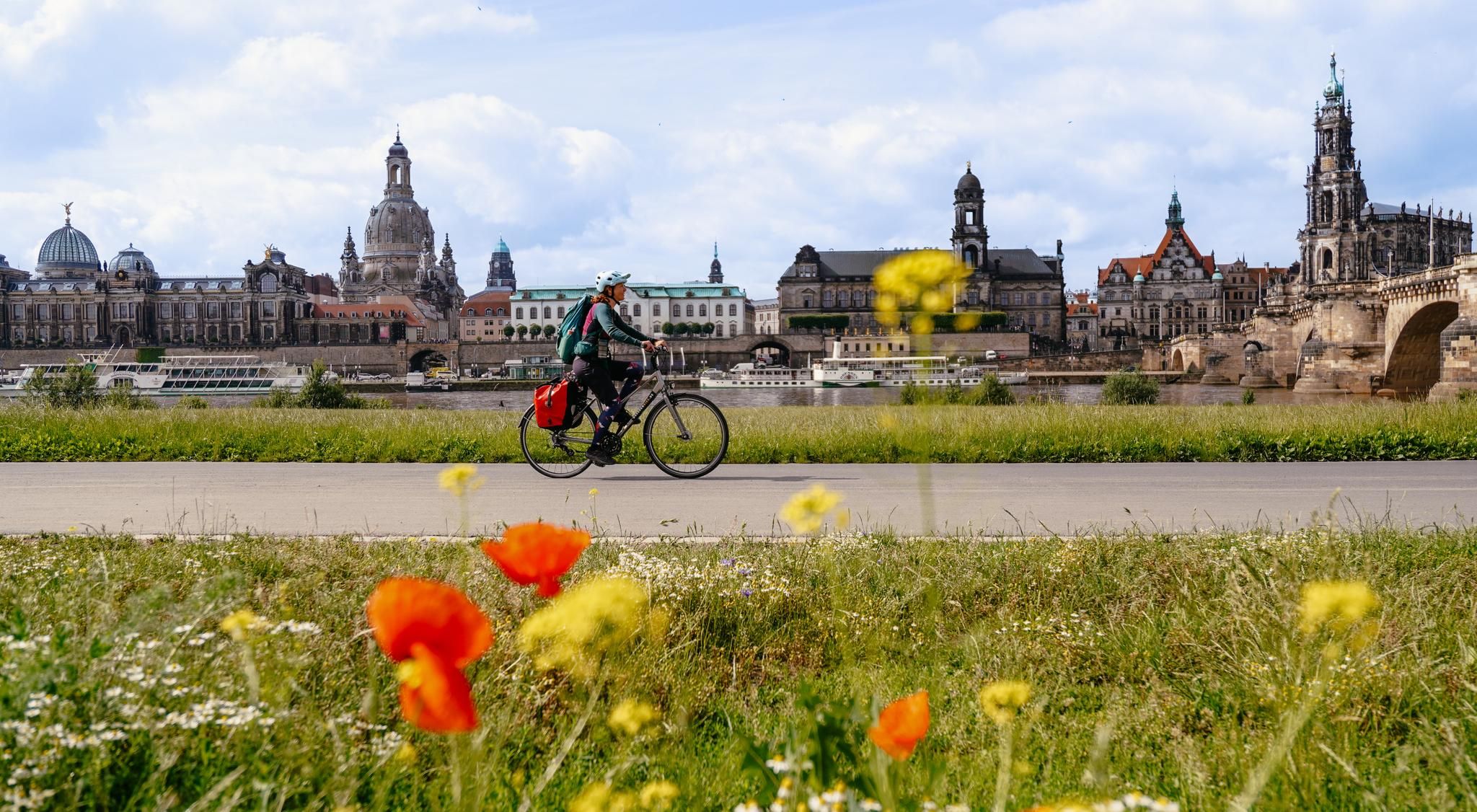
3 days cycling in Dresden Elbland with Couchflucht's Sabrina
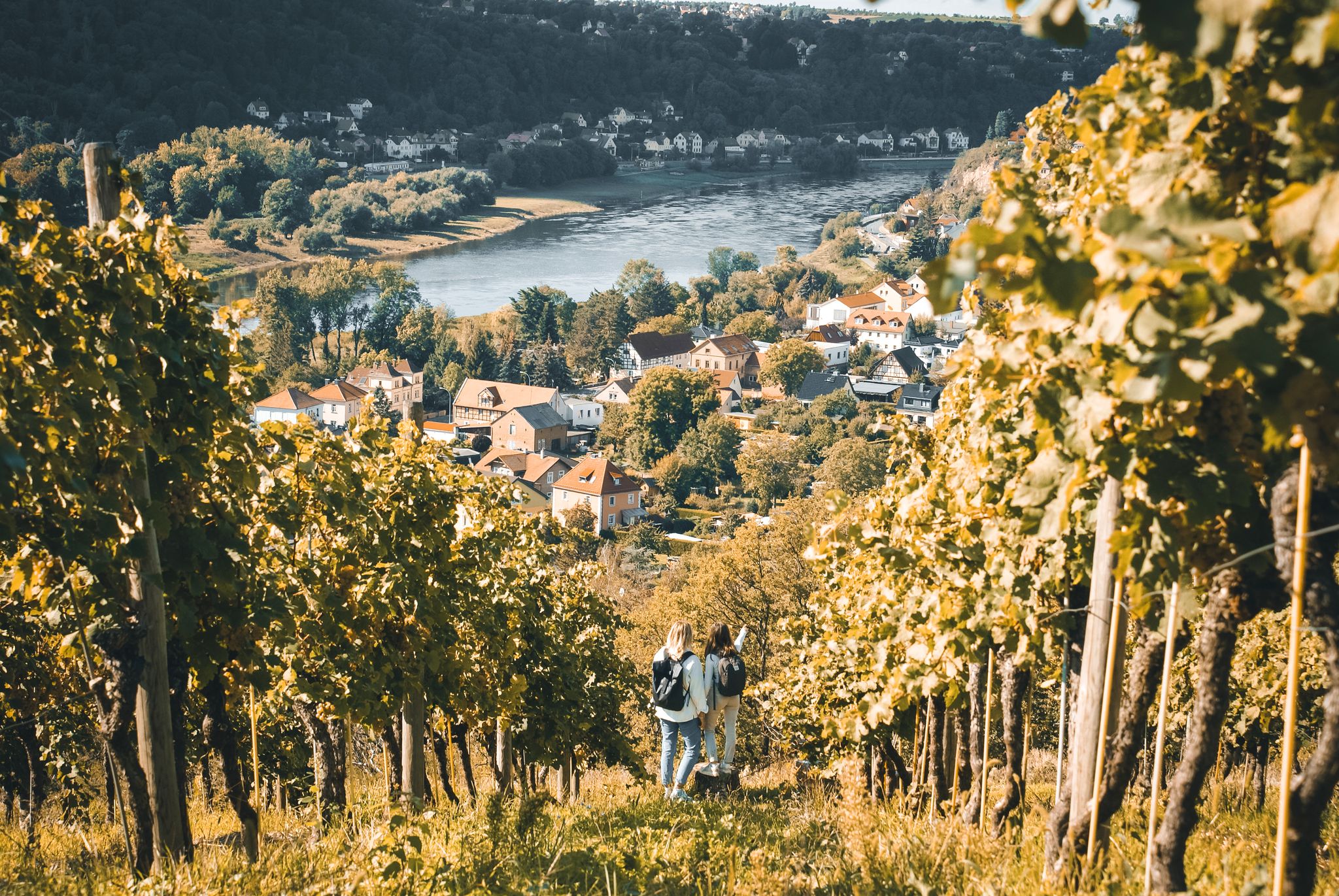
Natural treasures and idyllic villages – walking around Dresden
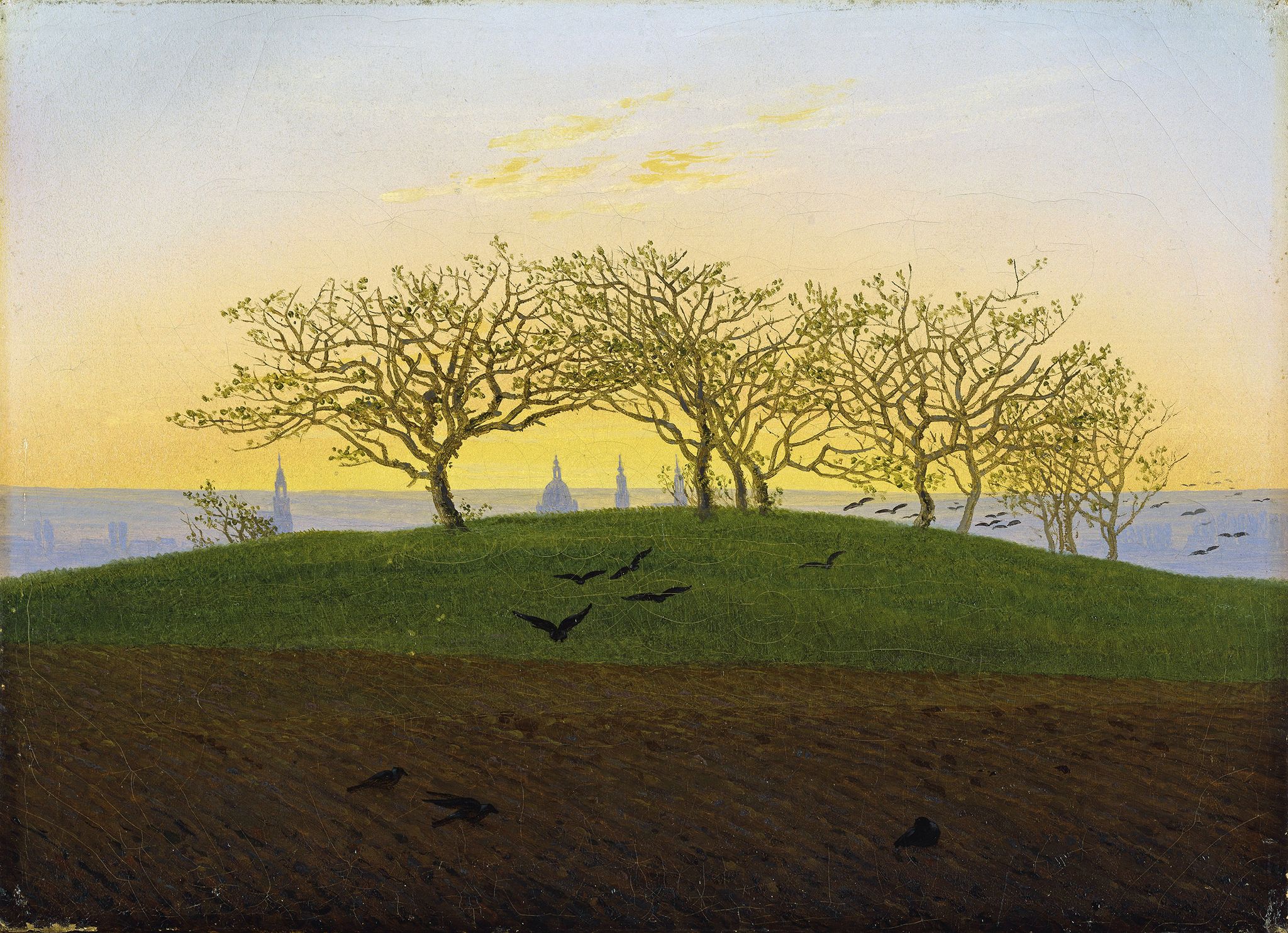
Hike in the footsteps of Caspar David Friedrich in Dresden Elbland
Other adventures around Dresden


Tips from the Community

The Dresden Residence Palace, once the seat of electors and kings, was extensively restored after its destruction in 1945 and now shines in its former glory. As part of the State Art Collections, it houses important exhibitions such as the Green Vault, the Armory and the Coin Cabinet, while the Hausmann Tower offers an impressive view of the city. You can find more information and opening times here: https://www.skd.museum/besuch/residenzschloss/.
9
1

It is very nice to stroll around the pond and enjoy the nature and the water in the middle of the city.
8
0

The Dresden Residence Palace is a Renaissance building in the city center of Dresden. It was the seat of the Dresden court and the residence of the Saxon electors (1547–1806) and kings (1806–1918). As the ancestral seat of the Albertine line of the House of Wettin, it played a key role in the political and cultural development of Dresden and Saxony from the 16th century onwards. The Residence Palace is one of the oldest buildings in the city and is significant in terms of architectural history, as all styles from Romanesque to historicism have left their mark on the building. It received its current appearance in the neo-Renaissance style during the major palace reconstruction in 1889–1901.
15
1

The Dresden Frauenkirche, a magnificent baroque building, dominates the cityscape of Dresden with its imposing stone dome - the largest north of the Alps. This architectural jewel also stands as a profound symbol of historical events. Destroyed in the Second World War, it remained in ruins for decades until it was finally faithfully rebuilt from its own remains. Of the millions of stones used, approximately 3800 original stones were reused. Today, the Frauenkirche is more than ever a symbol of peace and reconciliation. As a symbol of the city, it shines again in all its grandeur and reminds us of the indefatigable possibility of restoration and hope.
28
2

From here you have a beautiful view of Pillnitz Castle
1
0

Located right on the path
1
1
Located on the way - simply beautiful
1
1

Castle worth seeing. The laburnum on the facade, great
1
0
Frequently Asked Questions
What are some of the most historically significant castles around Dresden?
The Dresden Royal Palace, also known as Residenzschloss, is one of the city's oldest and most significant buildings, serving as a residence for Saxon electors and kings for nearly 400 years. It houses world-class museums like the Historic Green Vault. Pillnitz Castle, a former summer residence, showcases unique Baroque architecture with Chinoiserie elements, while Moritzburg Castle, originally a hunting lodge, was transformed into an opulent Baroque pleasure palace by Augustus the Strong.
Are there family-friendly castles to visit near Dresden?
Yes, many castles around Dresden are family-friendly. The Dresden Zwinger, with its impressive architecture and museums, is a great option. Pillnitz Castle offers extensive gardens and a unique architectural style that can be engaging for all ages. The Palace in the Great Garden is another excellent choice, providing a beautiful setting for a family outing.
What is the best time of year to visit the castles around Dresden?
The spring and summer months (April to September) are generally ideal for visiting the castles, as the weather is pleasant for exploring the extensive gardens and outdoor areas, such as those at Pillnitz Castle and the Elbe Castles. Many castles also host cultural events during these seasons. Some castles, like the Dresden Royal Palace, are open year-round, offering indoor attractions regardless of the weather. For specific opening hours, it's best to check individual castle websites.
Can I reach the castles near Dresden using public transport?
Yes, many castles are accessible by public transport. For instance, Pillnitz Castle can be reached by bus or even by historic paddlewheel steamer along the Elbe River. The Dresden Royal Palace and Dresden Zwinger are centrally located in Dresden and easily accessible by tram or on foot. For Moritzburg Castle, local buses connect from Dresden.
Are there hiking or cycling routes near the castles?
Absolutely. The region around Dresden offers numerous opportunities for outdoor activities. You can find various hiking trails, including those in the Dresden Heath, with options ranging from easy to moderate difficulty. For cyclists, there are road cycling routes around Dresden, such as those that pass by Pillnitz Palace. You can explore more options for hiking or road cycling in the area.
Where can I find scenic viewpoints of the castles?
For stunning views, consider the View of Pillnitz Palace, especially from the opposite bank of the Elbe River. The View of the Elbe Castles (Elbschlösser) offers magnificent vistas of Albrechtsberg, Eckberg, and Lingner Palace along the Elbe slopes. These viewpoints are often accessible via walking or cycling paths along the river.
What unique architectural styles can be found among Dresden's castles?
Dresden's castles showcase a range of architectural styles. The Dresden Royal Palace evolved from a 13th-century fortress through Gothic, Renaissance, and Baroque periods. Pillnitz Castle is notable for its unique blend of Baroque architecture with distinct Chinoiserie elements. Moritzburg Castle is a prime example of a Baroque pleasure palace, known for its striking island setting and opulent interiors.
Are there any castles known for their gardens or natural surroundings?
Yes, Pillnitz Castle is renowned for its sprawling 28-hectare Baroque garden and public park, featuring botanical attractions like an English garden, a Chinese pavilion, and a 230-year-old camellia tree. The Elbe Castles (Albrechtsberg, Eckberg, and Lingner Palace) are also set within beautiful garden grounds along the Elbe slopes, offering magnificent views.
What kind of museums or collections can I find in the castles?
The Dresden Royal Palace is a major cultural hub, housing several world-class museums including the Historic Green Vault with its Baroque jewels, the New Green Vault, the Royal Parade Rooms, and the Turkish Chamber. The Dresden Zwinger also hosts several museums, including the Old Masters Picture Gallery and the Porcelain Collection. Moritzburg Castle is famous for its extensive collection of hunting trophies.
Are there cafes or restaurants located near the castles?
Many castles, especially the more prominent ones, have cafes or restaurants either within their grounds or in their immediate vicinity. For example, Eckberg Castle offers castle dining with a view. The areas around the Elbe Castles and Moritzburg Castle also provide options for refreshments. It's always a good idea to check specific castle websites for current dining facilities.
What do visitors enjoy most about the castles around Dresden?
Visitors frequently praise the impressive architecture, the rich historical significance, and the beautiful natural settings of the castles. The extensive gardens, like those at Pillnitz Castle, are often highlighted. Many also appreciate the opportunity to explore world-class art collections and museums, such as those found in the Dresden Zwinger and the Dresden Royal Palace. The scenic views, particularly from the Elbe Castles, are also a popular draw.
Most popular routes around Dresden
Most popular attractions around Dresden

Get inspired with the komoot mobile app


Explore more
Looking for the best castles somewhere else? Discover other guides around Dresden:
