Top 20 Castles around Salzburg
Best castles around Salzburg are situated in a region known for its historical significance and alpine scenery. The area features a diverse landscape, from towering fortresses overlooking the city to palaces nestled in the countryside and by lakes. These structures offer insights into centuries of history and architectural development. Visitors can explore well-preserved medieval strongholds, Baroque palaces, and picturesque ruins.
Best castles around Salzburg
- The most popular castles is Mirabell Palace, a castle known for its ornamental gardens and opulent interior. The palace, built in 1606, features exquisite decorations and meticulously manicured gardens with fountains and sculptures.
- Another must-see spot is Wartenfels Ruins, a castle ruin dating back to 1259. Visitors can explore the remains of the castle and enjoy views of the surrounding landscape.
- Visitors also love Hohenwerfen Fortress, a mighty castle complex. This medieval castle, built almost 1000 years ago, offers events for families and bird of prey shows.
- Salzburg is known for its fortresses, palaces, and castle ruins. The region offers a variety of castles to see and explore, from well-preserved strongholds to historical estates.
- The castles around Salzburg are appreciated by the komoot community, with more than 2200 upvotes and over 400 photos.
Last updated: October 23, 2026
Mirabell Palace
Highlight • Castle
The Marble Hall is open Mondays, Wednesdays, and Thursdays from 8 a.m. to 4 p.m. and Fridays from 1 p.m. to 4 p.m. The park can be visited daily from 6 a.m. until dusk. Admission to both the park and the palace is free.
Translated by Google •
Tip by

View of Hohensalzburg Fortress
Highlight • Viewpoint
Translated by Google •
Tip by

Sign up now to discover places like this
Get recommendations on the best single tracks, peaks, & plenty of other exciting outdoor places.
View of Hohensalzburg Fortress and Salzburg’s Old Town from Franz-Josef-Kai
Highlight • Viewpoint
Translated by Google •
Tip by
Hohenwerfen Fortress
Highlight • Castle
Translated by Google •
Tip by

View of Schloss Fuschl on Lake Fuschl
Highlight • Viewpoint
Translated by Google •
Tip by

Wartenfels Ruins
Highlight • Castle
Restoration work did not take place until the 1980s. Today you can visit the ruins and take a look over the wall to the surrounding landscape.
Translated by Google •
Tip by
View of Salzburg’s Old Town and Hohensalzburg Fortress from the Franz-Josef-Kai
Highlight • Viewpoint
Translated by Google •
Tip by

Marko-Feingold Footbridge
Highlight • Bridge
The Makartsteg is a bridge over the Salzach in Salzburg's old town. It was named after the actually rather insignificant artist Hans Makart, who was born and grew up in Salzburg. As a painter, he established himself in Viennese historicism, appropriately in the capital, where he contributed many very lavish paintings for the redesign of the Ringstrasse buildings. The Makartsteg is only open to pedestrians and cyclists.
The current Makartsteg is the youngest and most modern bridge over the Salzach, but already the third bridge of this name. The first was built here in 1905 in the Art Nouveau style, but was torn down again in 1967 when a larger construction became necessary. This second Makartsteg became known as the "swinging bridge" because it vibrated relatively strongly.
The editorial team of Visit-Salzburg.net consists mainly of people who still walked the Makartsteg with great pleasure as children; The strong vibrations and oscillations are more likely to be due to weaknesses in the construction and planning than to desired effects. And with around 20,000 people crossing the Makartsteg every day, the second bridge was soon in poor condition too. In 2000 it was demolished.
One year later, the current Makartsteg was opened with a big festival including fireworks over the Salzach. Live music along the Salzach on a warm June night ensured that the people of Salzburg immediately took the new bridge to their hearts. Around 25,000 visitors attended the opening.
On one side of the Makartsteg you can see the mooring of the Amadeus, the tourist boat that first dropped anchor there at around the same time. Shortly before the bridge was opened, there was a suggestion to name the bridge after the physicist Christian Doppler, who was born not far from the bridge in 1803. Doppler had been virtually forgotten for decades and was only rediscovered by Salzburg in the late 1990s. In addition to a hospital, a school and a sweet from the Fürst house were also named after him. The city administration nevertheless decided to keep the much less important Hans Makart as the namesake.
Text / Source: TSG Tourismus Salzburg GmbH, Auerspergstraße 6, Salzburg
visit-salzburg.net/deutsch/sehenswuerdig/makartsteg.htm
Translated by Google •
Tip by

View of Salzburg's Old Town and Hohensalzburg Fortress from Franz-Josef-Kai
Highlight • Viewpoint
Translated by Google •
Tip by

Glanegg Manor
Highlight • Historical Site
In winter, there is a big Christmas market in the courtyard.
Translated by Google •
Tip by

Sign up for free to discover even more castles around Salzburg.
Already have an account?
Start today with a free account
Your next adventure awaits.
Popular around Salzburg
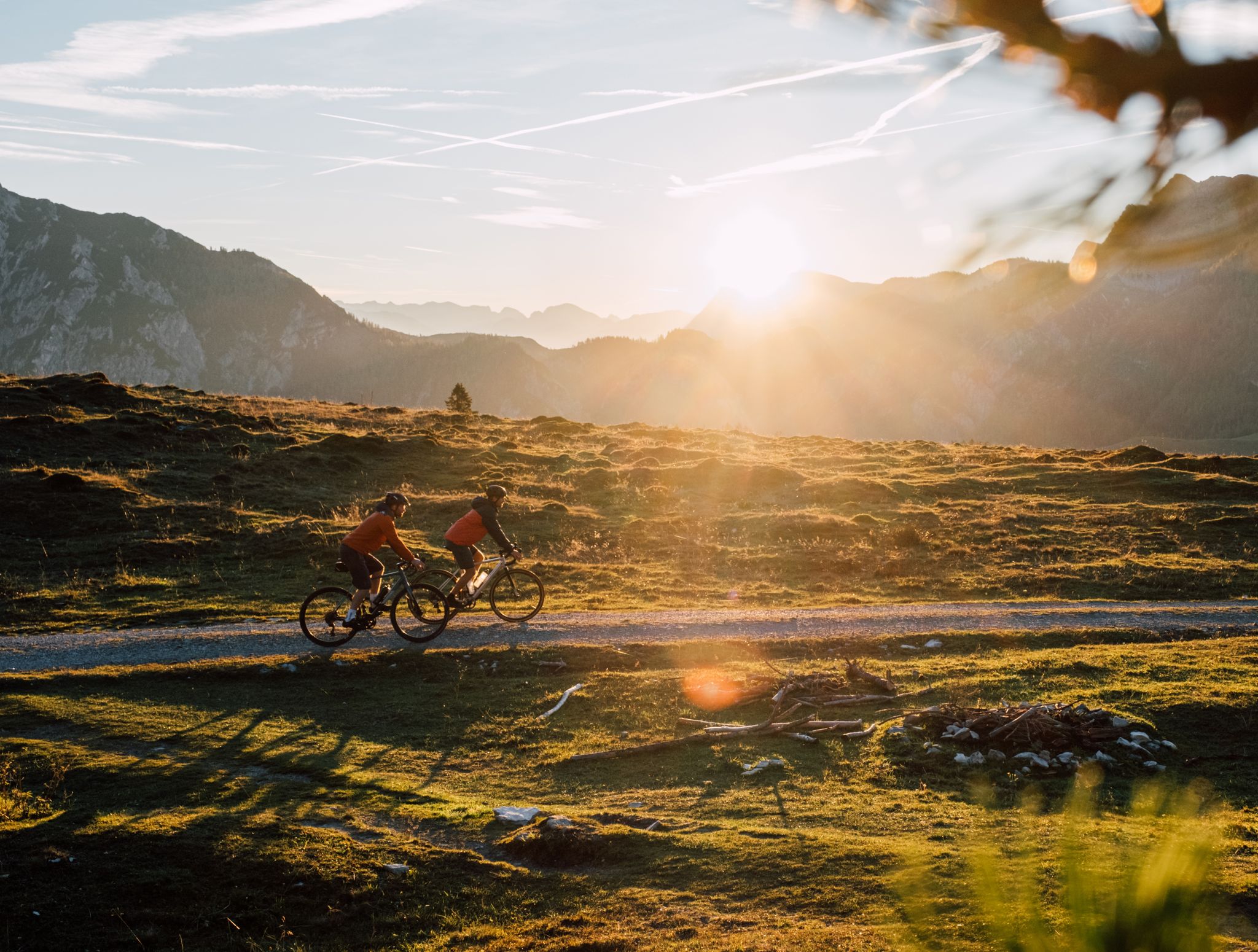
Beyond the pavement – explore Austria's wild nature on a gravel bike
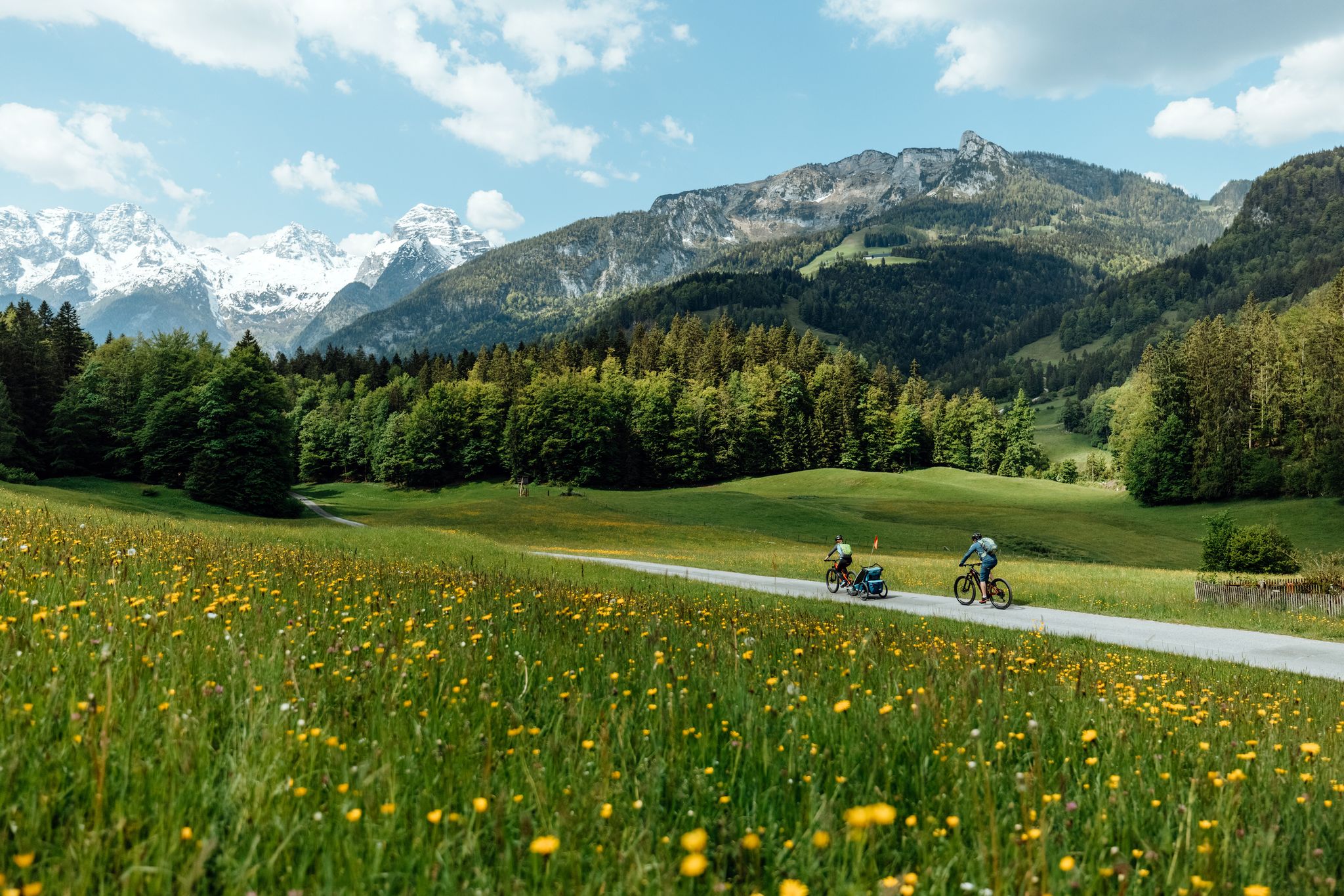
Biking with kids in Salzburg's Saalach Valley
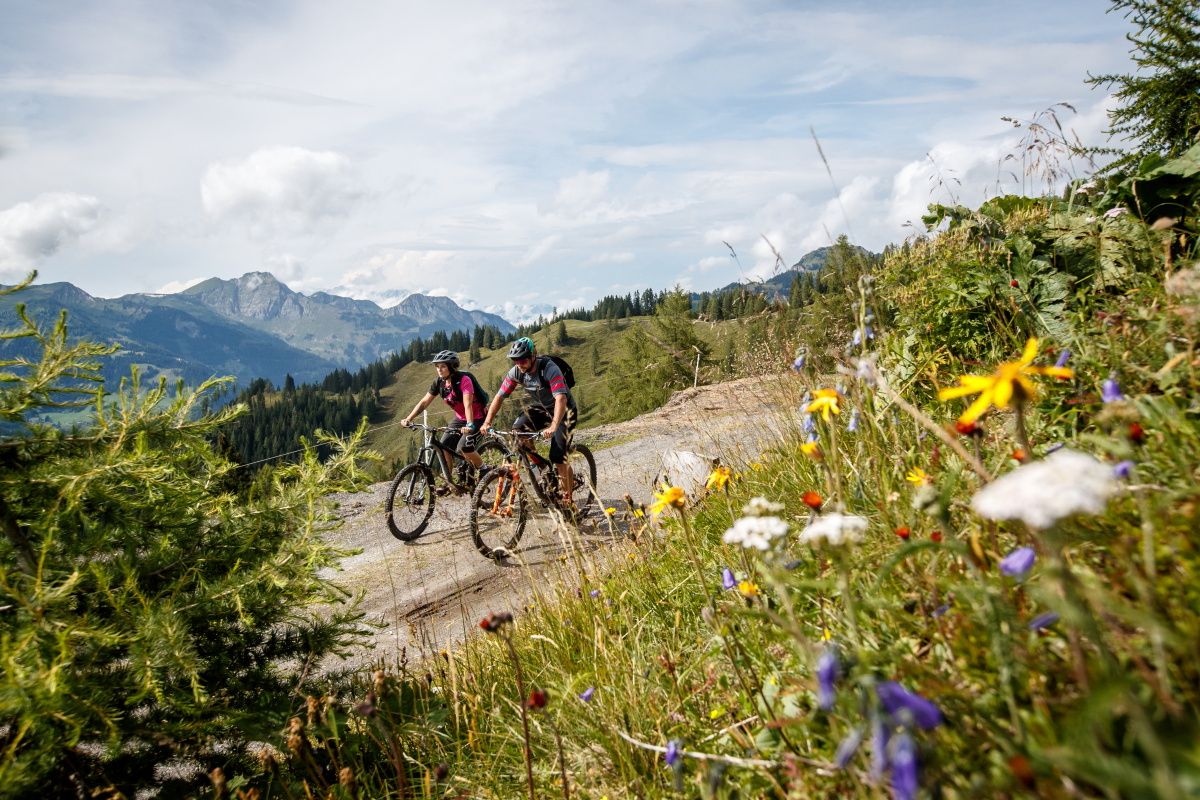
Hills and thrills – 11 sporty MTB Tours in the Grossarl Valley
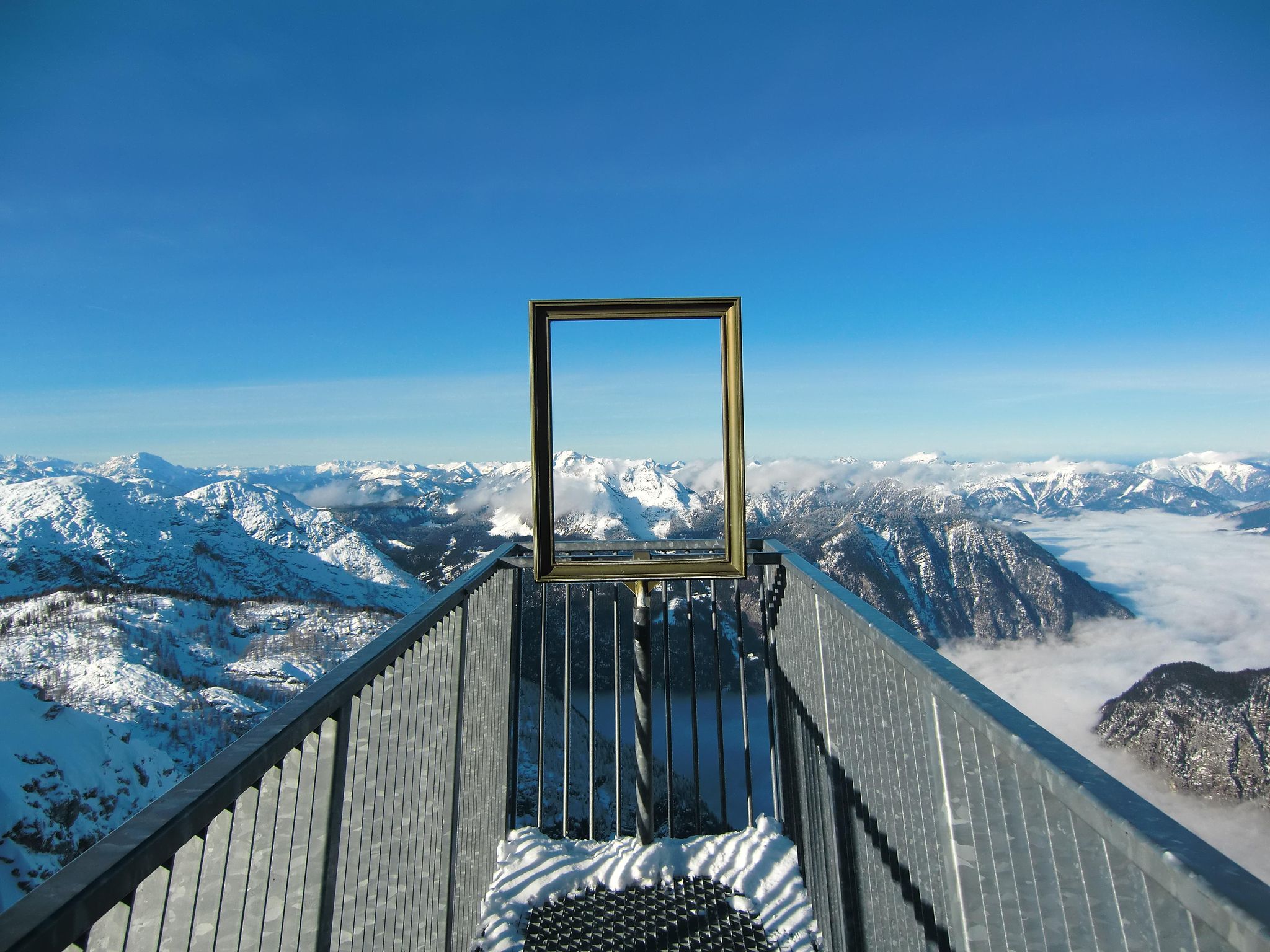
#Winterlove — 14 tips for your winter adventure in Austria
Cross-country skiing in the heart of the Austrian Alps – Saalfelden Leogang
The Dachstein Rundwanderweg – Eight days in the Dachsteingebirge
Central Alps Trail Eastern Section – Discover Austria
The Tauernhöhenweg – Once across the Hohe Tauern
From Bavaria to the Adriatic - My Bikepacking Adventure to Croatia 2023
Hohe Tauern Panorama Trail – Face-to-face with 3000-metre peaks
Other adventures around Salzburg


Tips from the Community

A detour to the ruins is definitely worth it. :)
2
0

Orangery in the Mirabell Gardens, Mirabell Palace, Salzburg The Orangery in the Mirabell Gardens is more of an insider tip. It is located in the southern part of Mirabell Palace. The palm house was built around 1725 next to the large garden parterre. The name Orangery comes from the time when orange trees and exotic ornamental woods were still being cultivated. Precious, non-hardy plants were brought back to the Orangery to overwinter. Orange trees were seen as a metaphor for wealth in the Baroque period and for this reason were a must even then. The eastern part of the Orangery was used for other purposes after the Second World War and was not put back together until 1980. The Baroque Museum is now located in the southern part of the Orangery. Today, in the northern part of the building, somewhat hidden, there is a small, beautiful tropical garden. A small pool with turtles and goldfish and for bird lovers there is a very large birdcage with numerous birds to marvel at. Opening hours of the Orangery in the Mirabell Gardens Open all year round, daily from 9 a.m. to 4 p.m. Text / Source: Salzburger Saalachtal. com https://www.salzburger-saalachtal.com/ausflugsziele/stadt-salzburg/mirabellgarten/orangerie-mirabellgarten
13
0
Mirabell Palace, Salzburg The Baroque Mirabell Palace was originally built as "Altenau Palace" under the reign of Prince Archbishop Wolf Dietrich von Raitenau in 1606. The palace was created as a gift for Salome Alt, the archbishop's concubine and mother of his children. Mirabell Palace is known for its gardens, which are discussed in a separate article. Wolf Dietrich's successor and adversary, Prince Archbishop Markus Sittikus, renamed the building Mirabell Palace. Prince Archbishop Franz Anton Harrach had large sections of the building demolished and rebuilt between 1721 and 1727 according to plans by Johann Lukas von Hildebrandt. Mirabell Palace was severely damaged by the great city fire of 1818 and rebuilt in the following years according to plans by Peter Nobile. The formerly dominant tower on the east wing of the palace was destroyed, and the facade was rebuilt in the Neoclassical style. Text / Source: TSG Tourismus Salzburg GmbH, Auerspergstraße 6, Salzburg https://www.visit-salzburg.net/deutsch/sehenswuerdig/schloss-mirabell.htm
14
0
Construction & expansion of the early Hohensalzburg Fortress Under the leadership of Prince Archbishop Conrad I (1106 to 1147), a stone tower was built and over the next few years the fortified areas of the castle were continuously expanded. This trend continued throughout the 12th and 13th centuries, until most of today's fortress hill was enclosed. This area was called Bering. By this time, the Investiture Controversy had long since been settled, but Salzburg had developed economically and new conflicts between Bavaria and Babenberg and later Habsburg Austria caused new problems in the region. The "Salz Castle" became increasingly strategically important. The prosperity that Salzburg experienced in the late Middle Ages was accompanied by social unrest. Prince Archbishop Burkhard III of Weisspriach (1461 to 1466) had the four main towers that still exist today built, together with the outer fortification wall: bell tower in the north; trumpeter tower in the northeast; Krautturm in the north; and Schmied- or Arrestantenturm in the south. The Rohrbastei was built under the rule of Burkhard's successor, Prince Archbishop Bernhard von Rohr (1466 to 1481) - the rulers at that time had concerns: the miners in the south of Salzburg were becoming increasingly rebellious and the city's wealthy citizens were demanding more power and influence. But the fear of a Turkish invasion from the east was even more serious. The fortress had to be expanded further. Text / Source: TSG Tourismus Salzburg GmbH, Auerspergstraße 6, Salzburg https://visit-salzburg.net/deutsch/sehenswuerdig/festung-hohensalzburg.htm
16
1
Hohensalzburg Fortress (built between 1060 and 1088) It is often described as the largest fortification in Central Europe, it is known as a bulwark in a prominent location, and tourists from overseas often refer to it somewhat incorrectly as "Salzburg Castle": Hohensalzburg Fortress dominates the cityscape and is Salzburg's landmark. No self-respecting tourist should miss a visit to the fortress. The oldest defenses on the southern slope of the Mönchsberg date back to Roman times. Where exactly they are located and how strongly fortified the mountain really was is unclear, however. The location of today's fortress would have made sense even then: from the position of the fortress, the surroundings of Salzburg and the Salzach River can be better controlled than from any other point in the city. Prince Archbishop Eberhard (1060 to 1088) built the first castle here, on the segment of the Mönchsberg that is now known as the Festungsberg. This first castle was completed in 1077 and can be seen as the result of the Investiture Controversy: a power struggle between the Holy Roman Emperor of the German Nation, Henry IV, and Pope Gregory VII in Rome. The Archbishop of Salzburg was caught in the crossfire and sided with the Pope. Text / Source: TSG Tourismus Salzburg GmbH, Auerspergstraße 6, Salzburg https://visit-salzburg.net/deutsch/sehenswuerdig/festung-hohensalzburg.htm
15
1
Makartsteg - Bridge over the Salzach, Salzburg The Makartsteg is a bridge over the Salzach in Salzburg's old town. It was named after the actually rather insignificant artist Hans Makart, who was born and grew up in Salzburg. As a painter, he established himself in Viennese historicism, appropriately in the capital, where he contributed many very lavish paintings for the redesign of the Ringstrasse buildings. The Makartsteg is only open to pedestrians and cyclists. The current Makartsteg is the youngest and most modern bridge over the Salzach, but already the third bridge of this name. The first was built here in 1905 in the Art Nouveau style, but was torn down again in 1967 when a larger construction became necessary. This second Makartsteg became known as the "swinging bridge" because it vibrated relatively strongly. The editorial team of Visit-Salzburg.net consists mainly of people who still walked the Makartsteg with great pleasure as children; The strong vibrations and oscillations are more likely to be due to weaknesses in the construction and planning than to desired effects. And with around 20,000 people crossing the Makartsteg every day, the second bridge was soon in poor condition too. In 2000 it was demolished. One year later, the current Makartsteg was opened with a big festival including fireworks over the Salzach. Live music along the Salzach on a warm June night ensured that the people of Salzburg immediately took the new bridge to their hearts. Around 25,000 visitors attended the opening. On one side of the Makartsteg you can see the mooring of the Amadeus, the tourist boat that first dropped anchor there at around the same time. Shortly before the bridge was opened, there was a suggestion to name the bridge after the physicist Christian Doppler, who was born not far from the bridge in 1803. Doppler had been virtually forgotten for decades and was only rediscovered by Salzburg in the late 1990s. In addition to a hospital, a school and a sweet from the Fürst house were also named after him. The city administration nevertheless decided to keep the much less important Hans Makart as the namesake. Text / Source: TSG Tourismus Salzburg GmbH, Auerspergstraße 6, Salzburg https://visit-salzburg.net/deutsch/sehenswuerdig/makartsteg.htm
16
1

Unfortunately closed (construction site)
3
0

Not a nice bike path, but great location of the fortress.
16
0
Frequently Asked Questions
What are some historically significant castles to visit in the Salzburg region?
The Salzburg region boasts a rich history reflected in its castles. The most prominent include Hohensalzburg Fortress, one of Central Europe's largest medieval castles, and Hellbrunn Palace, an early Baroque summer residence known for its trick fountains. Mirabell Palace, with its opulent interior and famous gardens, is another significant historical site. For a mighty medieval complex with a long history, consider Hohenwerfen Fortress.
Are there any castle ruins to explore around Salzburg?
Yes, you can explore the Wartenfels Ruins, which date back to 1259. These ruins offer a glimpse into the past and provide great views of the surrounding landscape. The castle changed hands several times before being burned down in the peasant wars and later decaying, with restoration work only beginning in the 1980s.
Which castles around Salzburg are suitable for families with children?
Several castles offer family-friendly experiences. Hellbrunn Palace is particularly popular for its playful 'trick fountains' that delight visitors of all ages. Hohenwerfen Fortress hosts various family events and impressive bird of prey shows. Mirabell Palace and its gardens are also a pleasant outing for families, offering beautiful scenery and open spaces.
Are there dog-friendly castles or areas near Salzburg?
Yes, Hohenwerfen Fortress is noted as dog-friendly, allowing you to explore the mighty castle complex with your canine companion. It's always a good idea to check specific regulations for other sites before your visit.
How can I reach the castles around Salzburg using public transport?
Many castles are accessible via public transport. For instance, Hohensalzburg Fortress is conveniently reached by a funicular from the city center. Hellbrunn Palace is a short bus ride from Salzburg. For other castles, local bus services often connect to nearby towns, from which you might need to walk or take a short taxi ride. Always check local transport schedules for the most up-to-date information.
Are there wheelchair-accessible castles in the Salzburg area?
Yes, Mirabell Palace and its gardens are noted as wheelchair accessible. Additionally, some viewpoints offering views of castles, such as the View of Hohensalzburg Fortress and Salzburg’s Old Town from Franz-Josef-Kai and the Marko-Feingold Footbridge, are also wheelchair accessible, allowing you to enjoy the scenery.
Which castles offer the best panoramic views of Salzburg and the Alps?
For breathtaking panoramic views, Hohensalzburg Fortress is unparalleled, offering sweeping vistas of Salzburg city and the surrounding Alps. Hohenwerfen Fortress also provides stunning alpine views. The Wartenfels Ruins offer a great vantage point over the surrounding landscape.
Are there castles located near lakes or natural beauty spots?
Absolutely. Schloss Leopoldskron is an 18th-century Rococo palace famous for its scenic lake views. You can also find Schloss Fuschl, a former hunting lodge, beautifully situated on Lake Fuschl, offering picturesque views of the water and mountains.
What is the best time of year to visit castles around Salzburg?
The late spring to early autumn (May to September) is generally considered the best time to visit, as the weather is pleasant, and castle gardens like those at Mirabell Palace and Hellbrunn Palace are in full bloom. During this period, attractions like Hellbrunn's trick fountains are fully operational. While some castles are open year-round, winter visits might offer a different, quieter charm, but some outdoor features or opening hours might be limited.
What outdoor activities can I do near the castles around Salzburg?
The region around Salzburg's castles is excellent for outdoor enthusiasts. You can find numerous running trails, such as the 'Running round the lake - Zell am See-Kaprun' or the 'Pilgrimage Trail to Mülln'. For cycling, there are gravel biking routes like 'GRAIL 04 Mondsee and Schwarzensee loop' and MTB trails like the 'Steinbergrunde Sculpture Trail'. You can explore more options in the Running Trails around Salzburg, Gravel biking around Salzburg, and MTB Trails around Salzburg guides.
Are there specific events or shows at the castles?
Yes, Hohenwerfen Fortress is particularly known for its impressive bird of prey shows, which are a highlight for many visitors. It also hosts various events for families throughout the year. It's advisable to check the official websites of individual castles for their current event schedules.
How long should I plan for a visit to a major castle like Hohensalzburg Fortress?
For a comprehensive visit to Hohensalzburg Fortress, it is recommended to spend at least two hours exploring its various sections, museums, and exhibitions. This allows ample time to appreciate its history, architecture, and the panoramic views it offers.
What kind of architecture can I expect to see in Salzburg's castles?
Salzburg's castles showcase a range of architectural styles reflecting different historical periods. You'll find impressive medieval fortifications at Hohensalzburg Fortress and Hohenwerfen Fortress. Hellbrunn Palace is a prime example of early Renaissance architecture, while Mirabell Palace features exquisite Baroque designs, especially in its gardens and interior. The region offers a fascinating journey through centuries of architectural development.
Most popular routes around Salzburg
Most popular attractions around Salzburg

Get inspired with the komoot mobile app


Didn’t find what you were looking for?
Explore Salzburg’s best castles region by region:
Explore more
Looking for the best castles somewhere else? Discover other guides around Salzburg:
