Top 20 Castles in Graubünden
Best castles in Graubünden are found in a canton in eastern Switzerland, a region historically significant for its numerous medieval castles. These structures, ranging from well-preserved complexes to ruins, offer insight into the region's past and strategic importance. Graubünden's diverse landscape, characterized by mountains, gorges, and rivers, provides scenic locations for these historical sites. The area's castles reflect centuries of regional power and architectural evolution.
Best castles in Graubünden
- The most popular castles is Altfinstermünz Fortress and Bridge, a castle that is an impressive building located above the Reschenpass, serving as an old customs station. It is great for a break.
- Another must-see spot is Altfinstermünz Customs Station and Covered Bridge, a historical site that is an old border fortification from 1263 in the Finstermünz Gorge. The sight of the bridge over the Inn and the fortress buildings is notable.
- Visitors also love View of Hohen Rätien Castle Ruins, a castle that offers a view of the ruins of Hohen Rätien, which sits high above Thusis. This castle has a very special history.
- Graubünden is known for its well-preserved castles, extensive ruins, and unique architectural styles. Visitors can explore a variety of structures, from large complexes to grotto castles.
- The castles in Graubünden are appreciated by the komoot community, with over 1600 upvotes and more than 1100 photos shared by visitors.
Last updated: July 6, 2026
Altfinstermünz Fortress and Bridge
Highlight • Castle
Translated by Google •
Tip by

Altfinstermünz Customs Station and Covered Bridge
Highlight • Historical Site
The border fortress can be visited from May to October. It is open Tuesday to Sunday from 11 a.m. to 4.30 p.m. Admission costs 8 euros for adults.
Translated by Google •
Tip by

Sign up now to discover places like this
Get recommendations on the best single tracks, peaks, & plenty of other exciting outdoor places.
Sign up for free
Mesocco Castle
Highlight • Castle
Translated by Google •
Tip by

Crap da Sass Castle
Highlight • Castle
Translated by Google •
Tip by

View of Hohen Rätien Castle Ruins
Highlight • Castle
Translated by Google •
Tip by

Hohen Rätien Castle
Highlight • Castle
Showing Translation
Tip by

Confluence of the Vorderrhein and Hinterrhein
Highlight • River
Dominated by Reichenau Castle, the hamlet lies at the confluence of the Vorderrhein and Hinterrhein rivers, making it virtually the birthplace of the Rhine.
It all began 10,000 years ago. Between the Flimserstein (a high plateau) and Piz Grisch, over 10,000 cubic meters of rock broke off and thundered down into the valley. Towards Reichenau, the Vorderrhein valley disappears under a gigantic mass of rubble. From there, the Rhine diligently ate its way through the rock, creating the spectacular Swiss "Grand Canyon" – the Ruinaulta.
Text / Source: myswitzerland.com
myswitzerland.com/de-ch/erlebnisse/route/vom-zusammenfluss-der-rheine-in-die-rheinschlucht
Translated by Google •
Tip by

Ruins of Splügen Castle
Highlight • Castle
Translated by Google •
Tip by

Riom Castle
Highlight • Castle
Translated by Google •
Tip by

Kropfenstein Castle Ruins (Casti Grotta)
Highlight • Castle
According to dendrochronological investigations, the complex dates from the beginning of the 14th century; a year of 1312 is mentioned. There is no evidence of a previous building.
The inner wall and parts of the roof are formed by the overhanging rock. The beam bearings of the earlier access are still recognizable today. The complex is entered through a low entrance gate. A square window and a shooting hatch are embedded in the wall above the gate. The eastern part of the complex is a narrow tube about 1.5 to 2 m wide and, due to the cramped conditions, probably only served as storage and for defense. The south wall has broken several times and has been adapted to the natural course of the rock face. There are several slit windows for exposure as well as square windows with openings of approx. 70 by 50 cm.
The living quarters were in the western part of the complex, six meters wide. Remains of transverse walls, beam holes, windows with seating niches, a cloakroom in the west wall and a heap on the second floor reveal the earlier division. A relief found in the ruin showing a man with a short coat is in the Rhaetian Museum; a copy is exhibited in the Waltensburg local museum. The interior of the building wing is divided by two transverse walls, the foundations of which are still preserved. Some of the wooden beams that were still there were sawn off, which suggests that the beams that can still be used are planned to be demolished and removed. The most suitable roof is probably a pent roof attached backwards to the rock.
Translated by Google •
Tip by

Sign up for free to discover even more castles in Graubünden.
Sign up for free
Already have an account?
Start today with a free account
Your next adventure awaits.
Login or Signup
Popular around Graubünden
Winter Magic in the Surselva – peace, space and pure nature
Snowy fun and hut cuisine – Winter Adventures in the Prättigau
Summit joy on the mountain peaks of Davos Klosters
Step into the hiking season – spring routes in Graubünden
Cross-country skiing fever in the Graubünden region
In the snow paradise – winter hiking in Davos Klosters
Indulgence to the power of two – culinary delights and winter hiking in Flims Laax
Family-friendly winter hikes in Eastern Switzerland
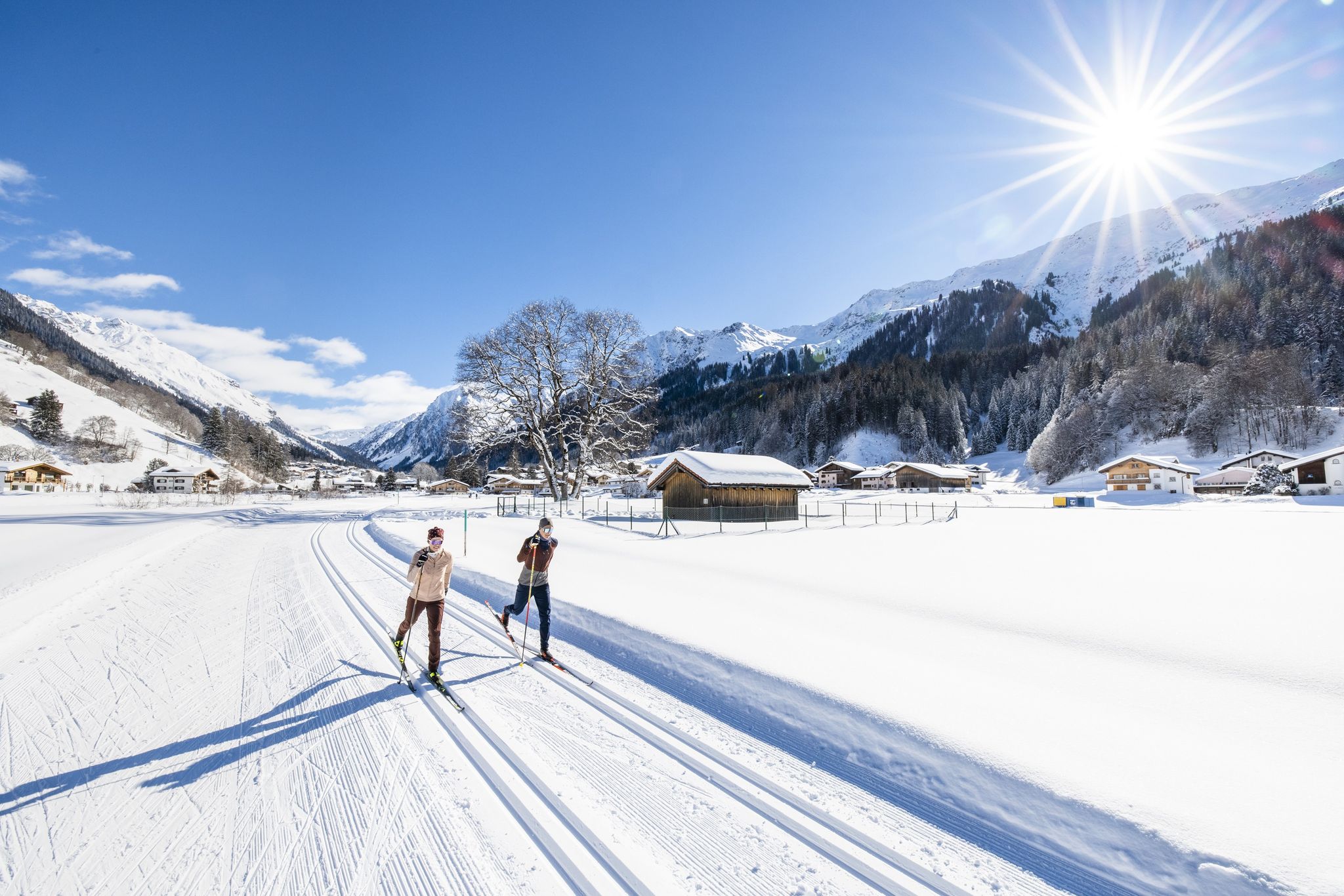
Cross-country skiing in Davos Klosters – dreamy trails and the Après Nordic experience
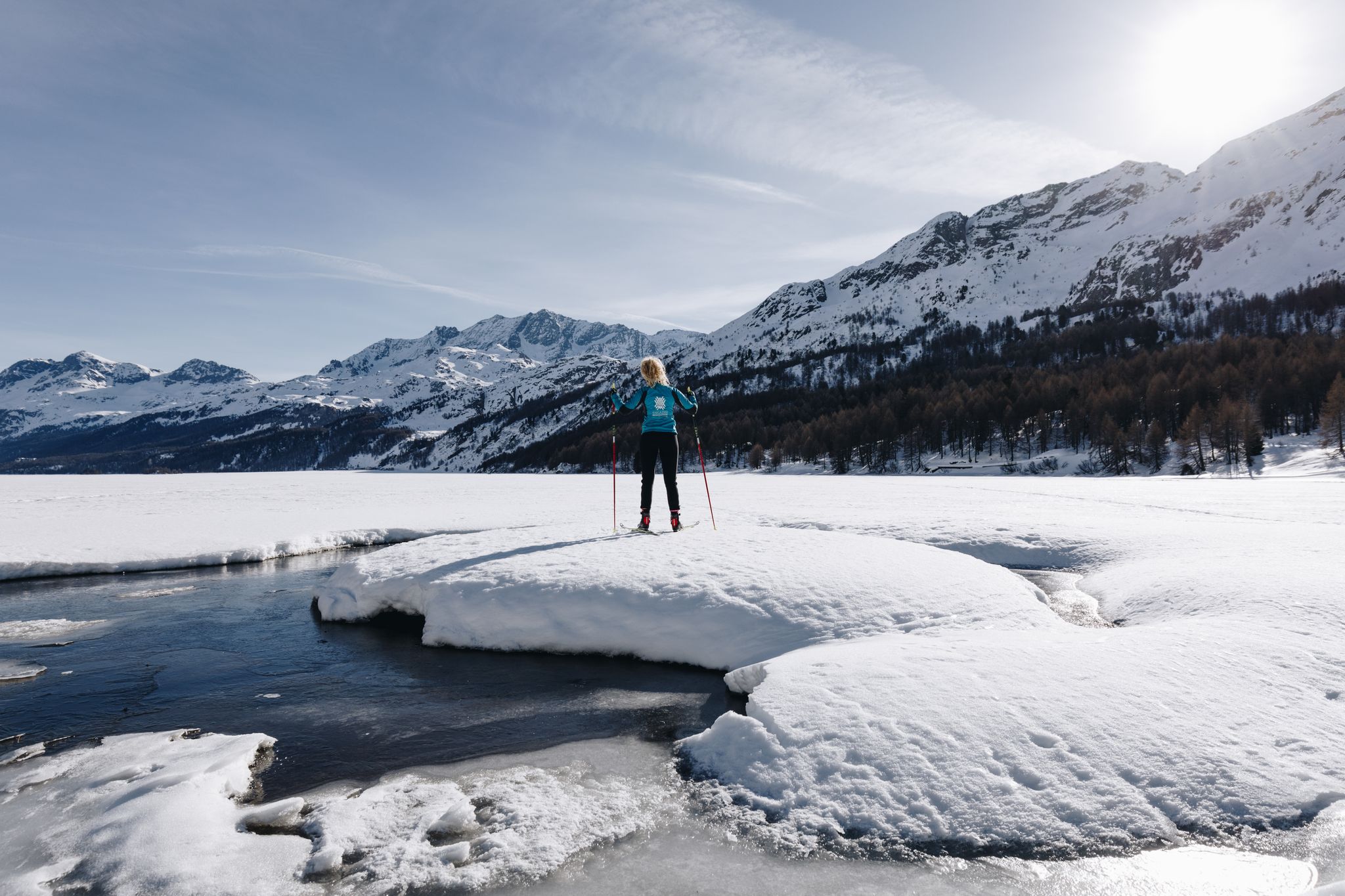
Simply paradisiacal – cross-country skiing in Bregaglia
Other adventures in Graubünden


Tips from the Community

Mesocco Castle San Bernardino Castle Mesolcina Calanca The ruins of Mesocco Castle stand on top of an imposing rocky hill that rises steeply from the valley floor. This imposing fortress stands in the center of the valley, forcing the Moesa River into a wide bend in a narrow, impassable gorge, leaving only a narrow passage to the west. Mesocco Castle is protected on three sides by steep cliffs. Only to the northeast, on the upstream side of the valley, does the slope slope more gently. Climbing up the old access road to the castle from the north side, you first reach the Church of St. Maria del Castello and are already on the castle grounds, which were once surrounded by a defensive wall. The impressive ruins consist mainly of the remains of defensive works built in the last decades of the 15th century, i.e., during the final phase of the castle's life. Among them are numerous ruins from earlier eras, so that the castle's current appearance reveals its eventful history, which has its roots in the early Middle Ages. Graubünden Ferien, Alexanderstrasse 24, 7001 Chur https://www.graubuenden.ch/de/ausflugsziele/castello-di-mesocco
14
0

A place of power in a special class
0
0
Ruinaulta Rhine Gorge The Ruinaulta, or Rhine Gorge, is a gorge of the Vorderrhein River, up to 400 meters deep and approximately 13 kilometers long, between Ilanz and the mouth of the Hinterrhein River near Reichenau in the canton of Graubünden in Switzerland. The Romansh name 'Ruinaulta' is composed of the two words ruina (scree slope, quarry) and aulta (high). The Ruinaulta was formed after the Flims Landslide almost 10,000 years ago. At that time, over 10 billion cubic meters of rock broke off between the Flimserstein and Piz Grisch, burying the Vorderrhein Valley between the present-day villages of Castrisch and Reichenau under a mass of debris several hundred meters thick. Because the Vorderrhein River could no longer drain away, a lake was dammed over a length of approximately 25 kilometers. Over time, the river cut deep into the landslide, and the resulting lake drained away completely. What remained was the Ruinaulta, with its steep limestone scree cliffs in impressive erosion formations. Text / Source: Wikipedia https://de.wikipedia.org/wiki/Ruinaulta
16
0
Confluence of the Vorderrhein and Hinterrhein, Reichenau Dominated by Reichenau Castle, the hamlet lies at the confluence of the Vorderrhein and Hinterrhein rivers, making it virtually the birthplace of the Rhine. It all began 10,000 years ago. Between the Flimserstein (a high plateau) and Piz Grisch, over 10,000 cubic meters of rock broke off and thundered down into the valley. Towards Reichenau, the Vorderrhein valley disappears under a gigantic mass of rubble. From there, the Rhine diligently ate its way through the rock, creating the spectacular Swiss "Grand Canyon" – the Ruinaulta. Text / Source: myswitzerland.com https://www.myswitzerland.com/de-ch/erlebnisse/route/vom-zusammenfluss-der-rheine-in-die-rheinschlucht/
16
0

A magical place. Admission is paid via Twint, CHF 5 per adult.
0
0

very nice on sunny days
0
0

After a short climb you reach the entrance
1
0

This castle is located 250m above the Oden valley. It is privately owned and is very well preserved. Inside there is seating and a fireplace. Entrance fee is 5 francs to help maintain this beautiful castle.
0
0
Frequently Asked Questions
Are there family-friendly castles to visit in Graubünden?
Yes, several castles in Graubünden are suitable for families. For instance, Mesocco Castle and Crap da Sass Castle are both listed as family-friendly. Many offer open spaces for children to explore and historical insights for all ages.
What kind of natural features can I expect to see near Graubünden's castles?
Graubünden's castles are often set amidst stunning natural landscapes. For example, Reichenau Castle is located at the picturesque confluence of the Vorderrhein and Hinterrhein rivers, offering views of the 'birthplace of the Rhine'. Other castles are found near lakes, gorges, and mountains, providing scenic backdrops and opportunities for exploration.
What is the best time of year to visit castles in Graubünden?
The best time to visit Graubünden's castles is generally from spring to autumn (May to October) when the weather is mild and most sites are fully accessible. During these months, you can enjoy the surrounding nature and outdoor activities. Some sites, like Altfinstermünz Customs Station, are open specifically from May to October.
Are there any castles in Graubünden that offer unique cultural experiences?
Yes, Riom Castle (Rätia Ampla Castle) has been transformed into a cultural amenity, hosting the Origen Festival Cultural, which blends history with contemporary arts. Schauenstein Castle is also notable for its culinary excellence, reimagined as a gourmet destination by chef Andreas Caminada.
Can I find hiking trails near the castles in Graubünden?
Absolutely. Graubünden is a prime hiking region. Many castles are integrated into or located near hiking routes. You can find numerous options in the Hiking in Graubünden guide, which includes trails like the Morteratsch glacier trail and routes near the source of the Rhine, often passing by historical sites.
Which castles offer impressive viewpoints or panoramic vistas?
Many castles in Graubünden are strategically located for commanding views. Hohen Rätien Castle Ruins, perched high above the Viamala Gorge, offers stunning views. Mesocco Castle and Ruins of Splügen Castle also provide fantastic views of the surrounding towns and mountains.
Are there any castles with unique architectural styles or historical significance?
Graubünden boasts castles with diverse architectural styles. Marschlins Castle, for example, features a distinctive Savoyard style with a square layout and corner towers, unique in the region. Marschlins Castle is also a Swiss heritage site of national significance. Marmels Castle is a grotto castle, uniquely built under an overhanging rocky outcrop.
What are some of the most historically significant castle ruins in Graubünden?
The ruins of Mesocco Castle constitute one of the largest castle complexes in Switzerland, serving as an aristocratic center for centuries. Hohenrätien Castle, with over 4000 years of continuous settlement, is an extraordinary cultural asset due to its immense historical depth and strategic location controlling the Viamala Gorge.
Are there any castles in Graubünden known for local legends or folklore?
Belfort Castle ruins are steeped in numerous legends and historical tales, particularly concerning its inhabitants and its destruction in 1499. These stories add an evocative layer for visitors interested in medieval storytelling and local folklore.
What outdoor activities can I do near the castles in Graubünden besides hiking?
Beyond hiking, Graubünden offers a variety of outdoor activities. You can find running trails, such as the Pontresina - Val Roseg Trail, and challenging mountain hikes, including via ferratas like the Pinut Via Ferrata, all within the region where these historical sites are located.
How accessible are Graubünden's castles by public transport?
Many castles in Graubünden are accessible by public transport, though some may require a short walk from the nearest station or bus stop. For example, the Ruins of Splügen Castle are easily reachable from the village on foot in about ten minutes, though car access is not possible directly to the ruins.
Are there any castles that were important for trade or border control?
Yes, several castles played crucial roles in trade and border control due to Graubünden's strategic location. Altfinstermünz Fortress and Bridge, for instance, served as an old customs station above the Reschenpass. Altfinstermünz Customs Station and Covered Bridge was an old border fortification from 1263 in the Finstermünz Gorge.
Most popular routes in Graubünden
Most popular attractions in Graubünden

Get inspired with the komoot mobile app


Didn’t find what you were looking for?
Explore Graubünden’s best castles region by region:
Explore more
Looking for the best castles somewhere else? Discover other guides in Graubünden:
