Attractions and Places To See around Brunswick - Top 20
Attractions and places to see around Brunswick, Maryland, are primarily characterized by their historical significance and natural beauty, particularly around the confluence of the Shenandoah and Potomac Rivers. This region offers a blend of Civil War history, scenic viewpoints, and structures related to the Chesapeake & Ohio Canal. Visitors can explore sites that played a strategic role in American history, alongside natural monuments and pedestrian walkways. The area provides opportunities for exploring historical sites and enjoying riverine landscapes.
Best attractions…
Last updated: May 5, 2026
Maryland Heights Stone Fort
Highlight • Historical Site
Tip by

Jefferson Rock
Highlight • Natural Monument
Tip by
Sign up now to discover places like this
Get recommendations on the best single tracks, peaks, & plenty of other exciting outdoor places.
Sign up for free
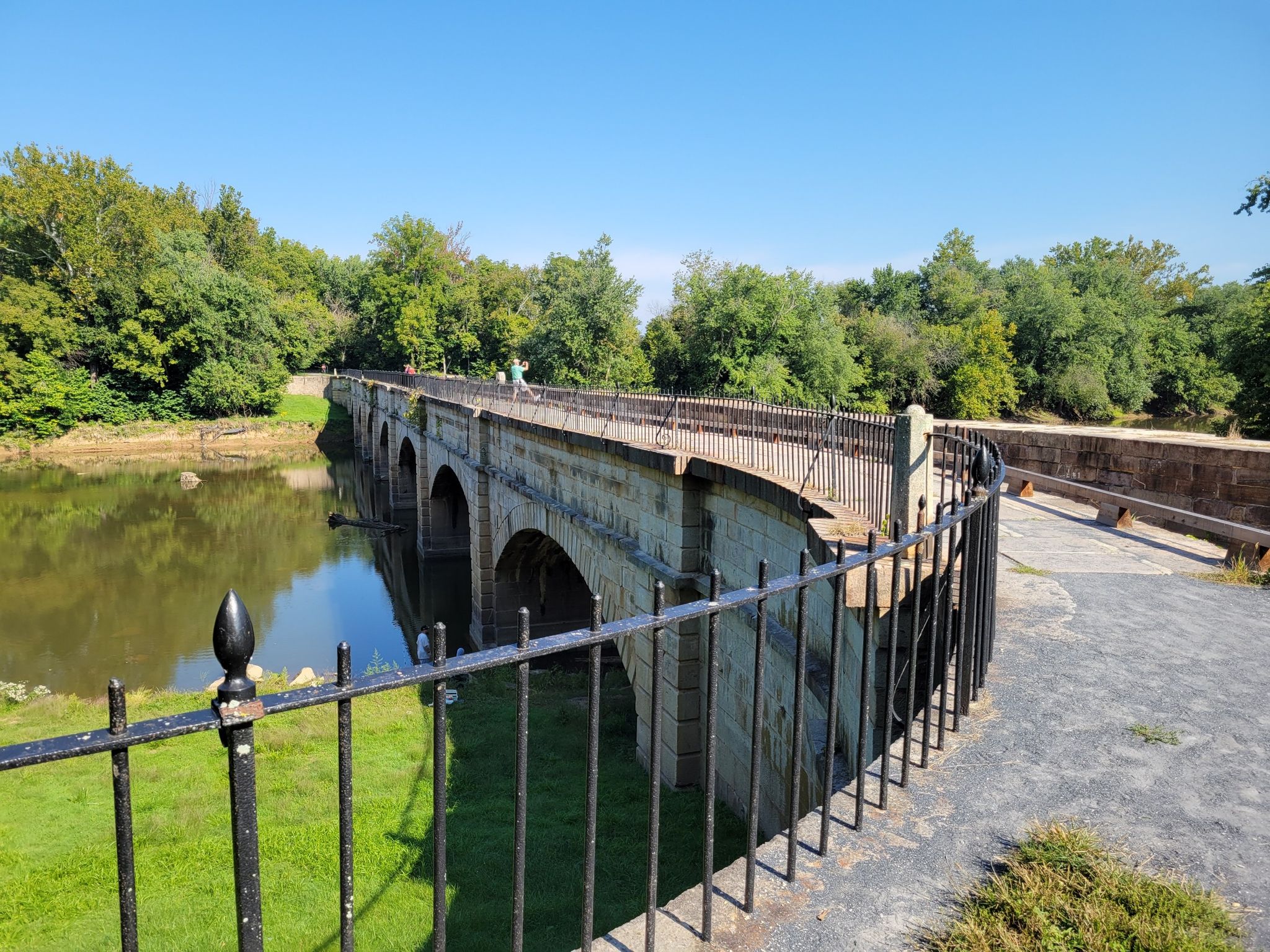
Catoctin Creek Aqueduct
Highlight • Bridge
Tip by

A walk across the bridge grants you quick access between the C&O Canal Trail and Harpers Ferry town.
Tip by
Philip Frankel & Co. (NPS Lower Town Information Center)
Highlight • Historical Site
Tip by
Sign up for free to discover even more attractions around Brunswick.
Sign up for free
Already have an account?
Start today with a free account
Your next adventure awaits.
Login or Signup
Other adventures around Brunswick

Tips from the Community

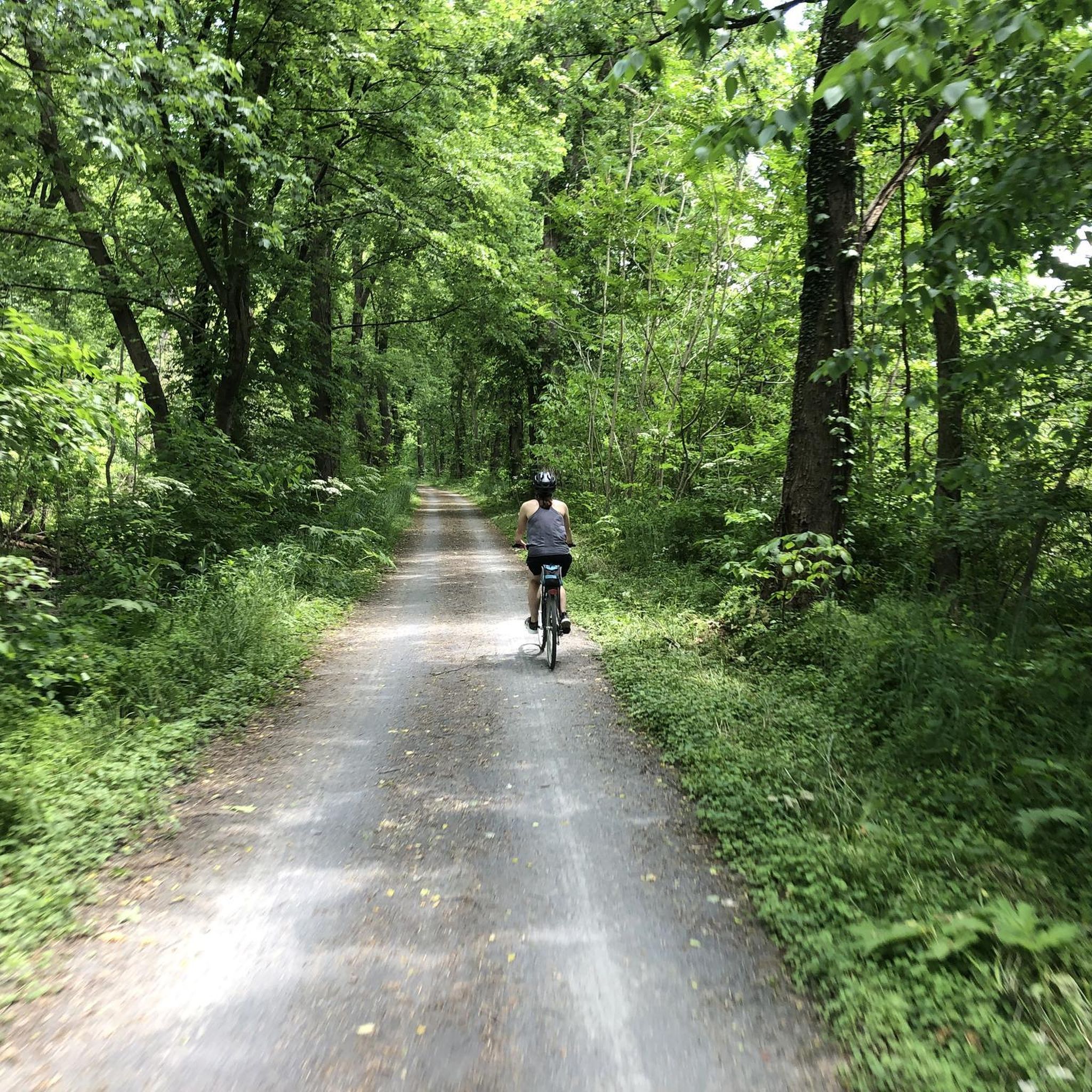
You can walk along the side or bike through the middle
0
0

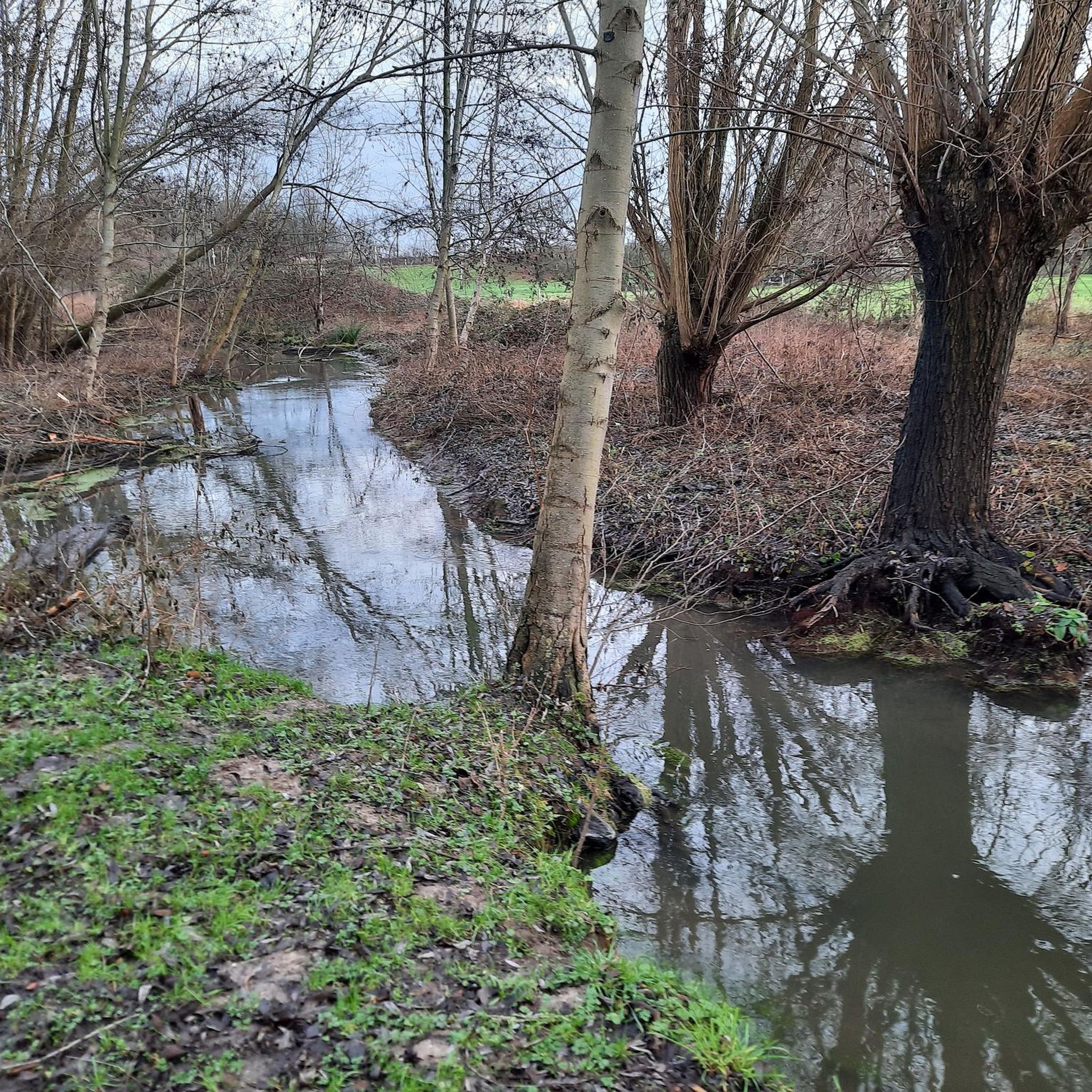
The Catoctin Aqueduct, situated along the Chesapeake & Ohio (C&O) Canal in Maryland, was constructed between 1832 and 1834. The aqueduct served as a vital waterway infrastructure, allowing canal boats to cross over the Catoctin Creek.
1
0
The Catoctin Aqueduct, situated along the Chesapeake & Ohio (C&O) Canal in Maryland, was constructed between 1832 and 1834. The aqueduct served as a vital waterway infrastructure, allowing canal boats to cross over the Catoctin Creek.
1
0
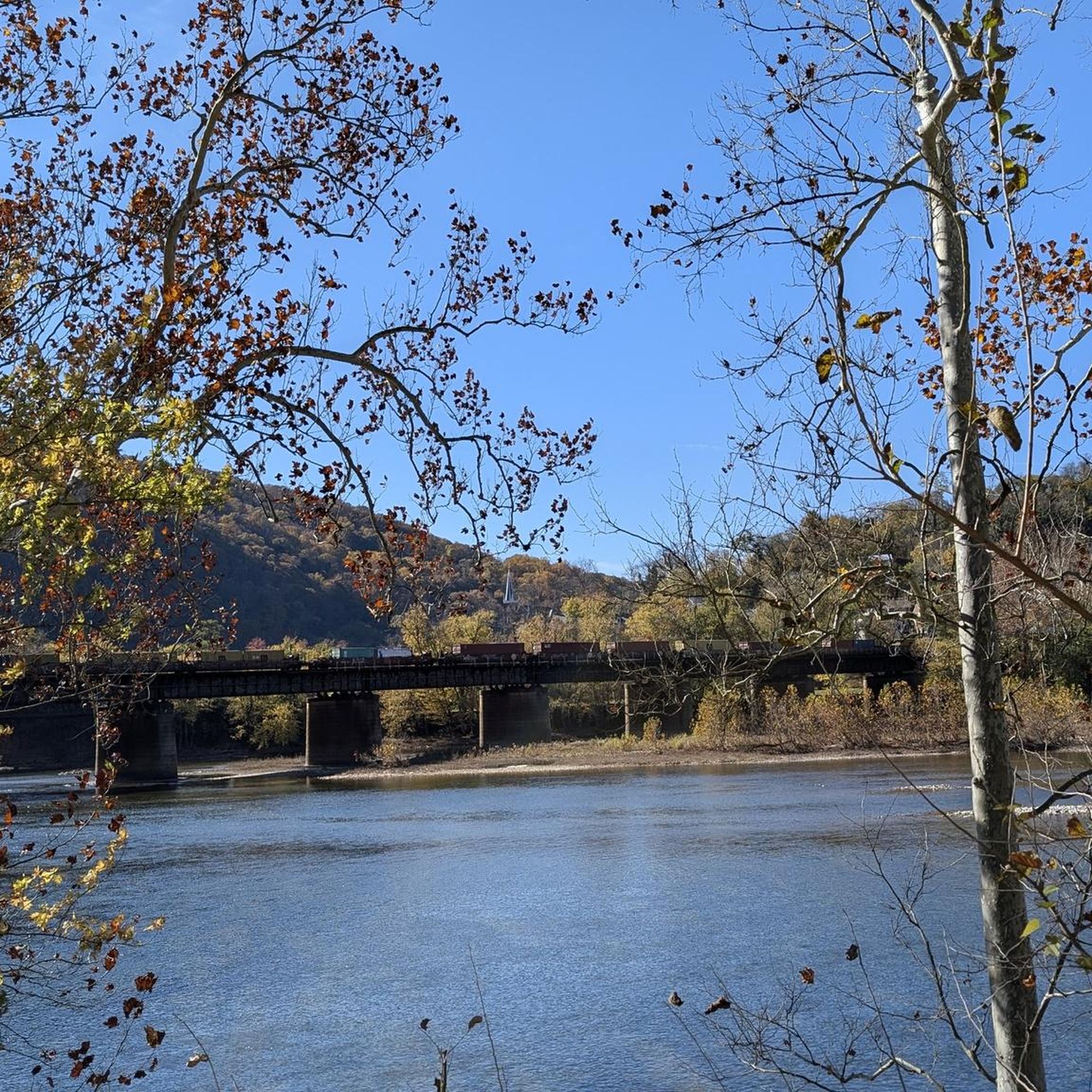
This railroad bridge that spans over the Potomac River in Harpers Ferry is quite the spectacle. A walk across the bridge grants you quick access between the C&O Canal Trail and Harpers Ferry town.
1
0

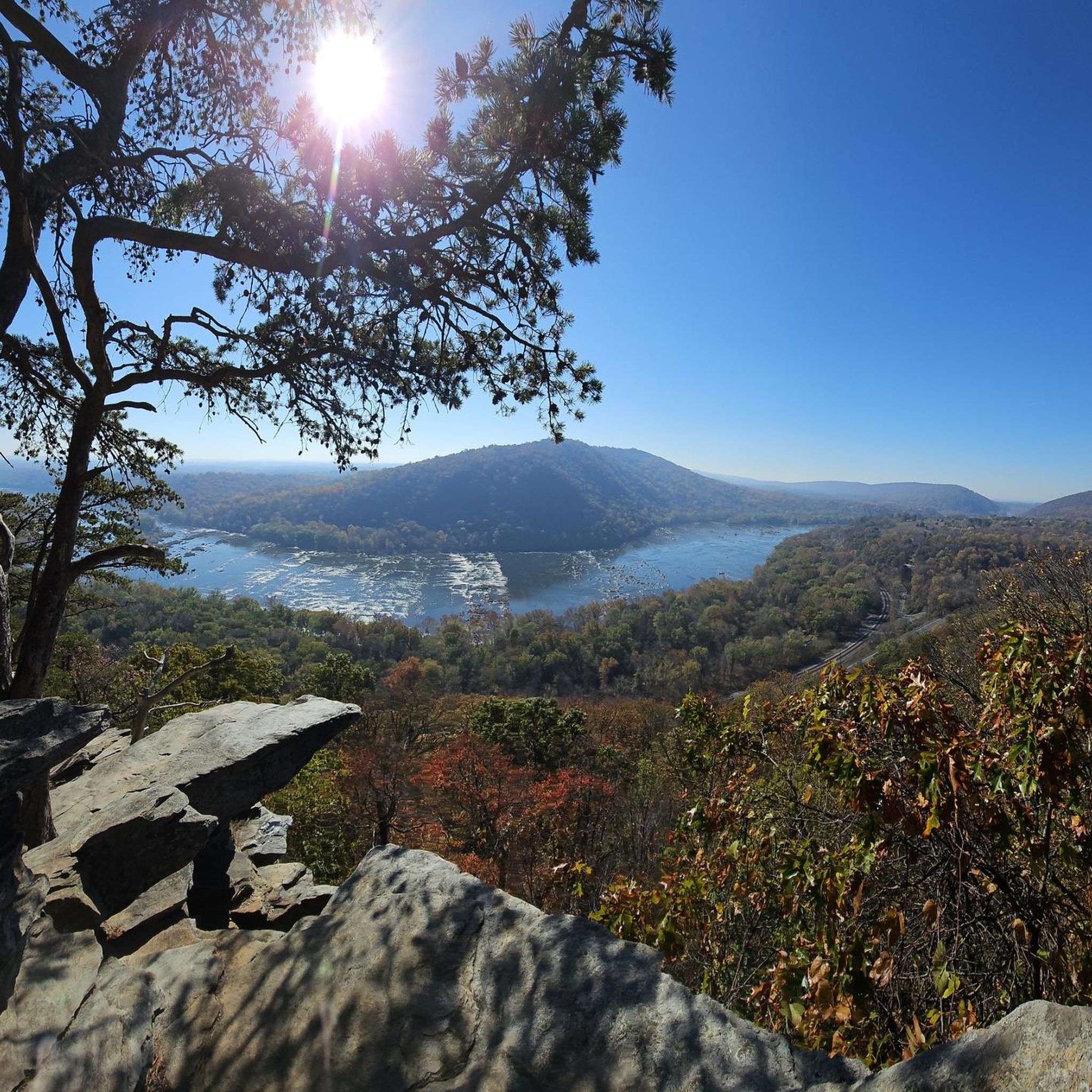
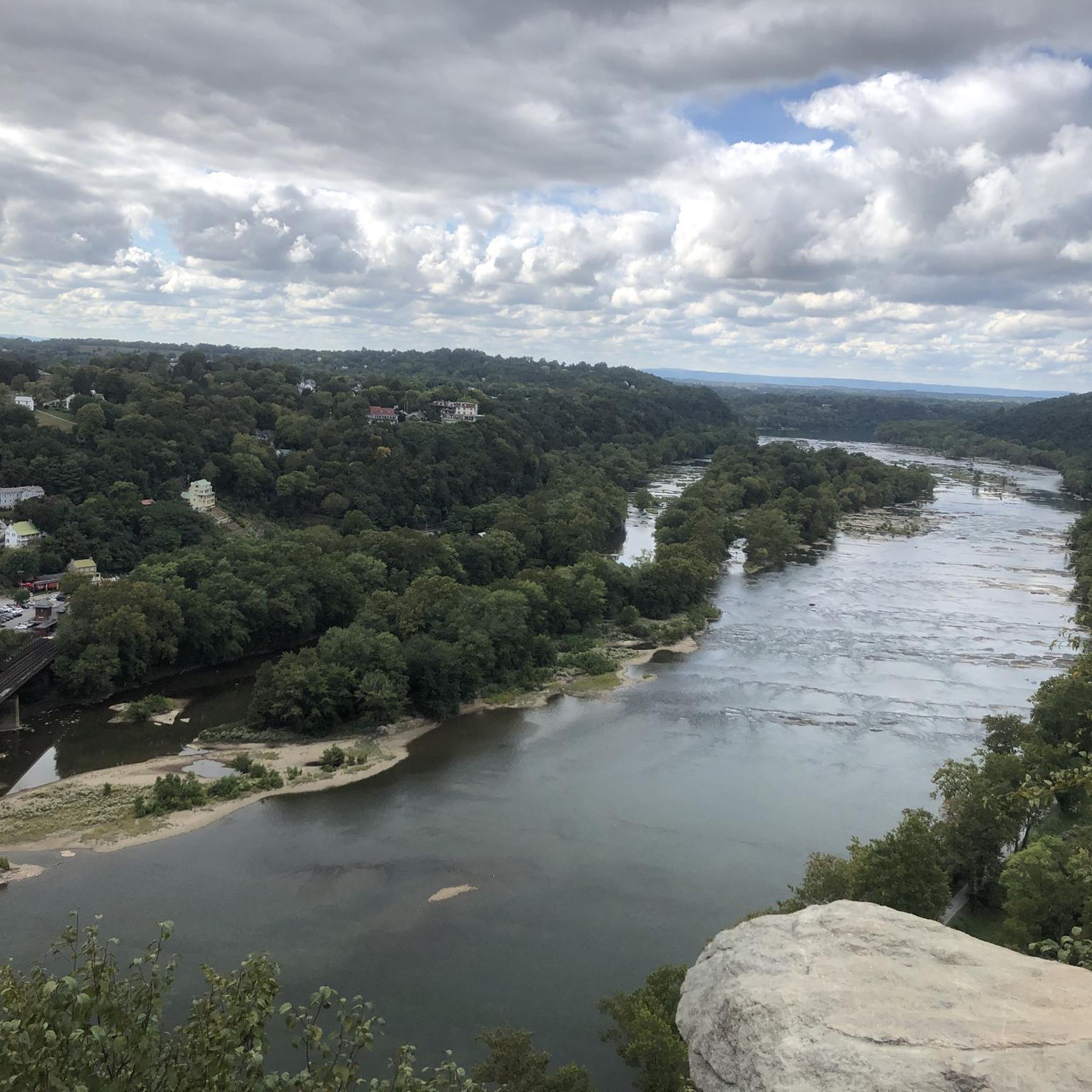
A rock formation near the confluence of the Shenandoah and Potomac Rivers visited by Thomas Jefferson in 1783 and mentioned in his "Notes on the State of Virginia." The supportive rock beneath the topmost slab of Harpers shale in the formation deteriorated and so was replaced by four short pillars in the mid-1800s.
0
0

Unfortunately, the park administration does nothing to keep the original lines of sight clear. This is how you hike to the highest points, but have no view. If you like walking in the woods, okay
0
0
A rock formation near the confluence of the Shenandoah and Potomac Rivers visited by Thomas Jefferson in 1783 and mentioned in his "Notes on the State of Virginia." The supportive rock beneath the topmost slab of Harpers shale in the formation deteriorated and so was replaced by four short pillars in the mid-1800s.
0
0
This historic building is now used by the National Park Service for their operations. You can find visitor information here, though the building is not always staffed. The official visitor center at 171 Shoreline Drive provides more extensive information and ample parking. An NPS shuttle bus runs between the two locations. Look here for hours and more details: https://www.nps.gov/hafe/planyourvisit/visitorcenters.htm
0
0
Frequently Asked Questions
What historical sites can I explore around Brunswick?
The Brunswick area is rich in history, particularly related to the Civil War and the Chesapeake & Ohio Canal. You can visit the Maryland Heights Stone Fort, a Civil War-era fortification that played a strategic role. Another significant historical site is the Catoctin Creek Aqueduct, an impressive structure built in the 1830s for canal boats. The Philip Frankel & Co. (NPS Lower Town Information Center) also offers insights into the region's past.
Are there any natural viewpoints or scenic spots near Brunswick?
Yes, the region offers several scenic viewpoints. Jefferson Rock provides stunning views near the confluence of the Shenandoah and Potomac Rivers, a spot famously visited by Thomas Jefferson. The Maryland Heights Stone Fort, while a historical site, also offers elevated perspectives of the surrounding landscape.
What outdoor activities can I do near these attractions?
The Brunswick area is excellent for outdoor activities, especially along the C&O Canal and Potomac River. You can find numerous routes for road cycling, running, and hiking. For road cycling, explore options like the 'Poolesville/Barnesville loop' or the 'C&O Canal and Frederick Countryside Loop' mentioned in the Road Cycling Routes around Brunswick guide. Runners can enjoy trails such as the 'Chesapeake and Ohio Canal Trail' or the 'Maryland Heights and C&O Canal Loop' from the Running Trails around Brunswick guide.
Are there family-friendly attractions around Brunswick?
Many attractions in the Brunswick area are suitable for families. The Goodloe E. Byron Memorial Pedestrian Walkway, a bridge over the Potomac River, is a great spot for a family walk, connecting to the C&O Canal Trail. The Catoctin Creek Aqueduct also offers an interesting historical walk along the canal, with paths suitable for all ages.
What kind of hiking trails are available near Brunswick?
There are various hiking trails catering to different difficulty levels. You can find easy hikes like 'Weverton Cliffs' or 'Loudoun Heights Trail to Split Rock' in the Easy hikes around Brunswick guide. For more challenging options, trails leading to the Maryland Heights Stone Fort offer a good workout with historical context.
What is the Goodloe E. Byron Memorial Pedestrian Walkway?
The Goodloe E. Byron Memorial Pedestrian Walkway is a railroad bridge that spans the Potomac River in Harpers Ferry. It's a popular spot for pedestrians, offering quick access between the C&O Canal Trail and Harpers Ferry town, providing scenic views of the river and surrounding landscape.
How long should I plan to spend at the attractions?
The time needed varies by attraction. For instance, a walk across the Goodloe E. Byron Memorial Pedestrian Walkway and a brief exploration of Harpers Ferry might take a couple of hours. Exploring the Maryland Heights Stone Fort and its surrounding trails could take anywhere from one to three hours, depending on the chosen route and your pace.
What is unique about Jefferson Rock?
Jefferson Rock is a distinctive rock formation near the confluence of the Shenandoah and Potomac Rivers. It gained historical significance after Thomas Jefferson visited it in 1783 and mentioned it in his 'Notes on the State of Virginia.' The topmost slab of Harpers shale is supported by four short pillars, which were added in the mid-1800s after the original supportive rock deteriorated.
Can I learn about the C&O Canal's history in the Brunswick area?
Absolutely. The Catoctin Creek Aqueduct is a prime example of the engineering marvels of the C&O Canal. Constructed between 1832 and 1834, it allowed canal boats to cross over Catoctin Creek. Walking or cycling along the C&O Canal Towpath, which is accessible from various points, offers a direct experience of this historical waterway.
What do visitors say about the Maryland Heights Stone Fort?
Visitors appreciate the historical significance of the Maryland Heights Stone Fort, recognizing its strategic importance during the Civil War. While some note that the views from the highest points can be obscured by trees, the hike itself through the national park is enjoyed by those who like walking in the woods and exploring military history.
Are there any information centers for visitors in the area?
Yes, the Philip Frankel & Co. (NPS Lower Town Information Center) serves as a historical building used by the National Park Service. While it may not always be staffed, it can provide visitor information. For more extensive information and ample parking, the official visitor center at 171 Shoreline Drive is recommended, with a shuttle bus running between the two locations.
Most popular routes around Brunswick

Get inspired with the komoot mobile app


Explore more
Still not found the Highlight you’re looking for? See guides of the top attractions in other regions:
