Top 12 Castles in Schaffhausen
Castles in Schaffhausen offer a journey through history, set against the backdrop of the Rhine River and surrounding vineyards. The region is characterized by its strategic historical fortifications and picturesque landscapes. These historical sites provide insights into medieval architecture and defensive strategies. Visitors can explore a variety of castles, from well-preserved fortresses to ancient ruins.
Best castles in Schaffhausen
- The most popular castles is Radegg Castle Ruins, a castle that is a worth-seeing ruin, which you can climb. From the top, there is a good view.
- Another must-see spot is Herblingen Castle, a historical site. This castle provides a glimpse into the region's past and can be viewed from the outside.
- Visitors also love Schloss Wörth, a castle located on an island in the Rhine. It offers unique views of the Rhine Falls and houses a restaurant.
- Schaffhausen is known for well-preserved castles, castle ruins, and historical sites. The region offers a variety of castles to see and explore, each with its own historical significance.
- The castles in Schaffhausen are appreciated by the komoot community, with more than 820 upvotes and 790 photos shared by visitors.
Last updated: October 4, 2026
Schloss Wörth
Highlight • Castle
Translated by Google •
Tip by

Hohenklingen Castle
Highlight • Castle
Hohenklingen Castle has been spared from military destruction in the course of its history. Its silhouette with walls and roofs still corresponds to the medieval appearance from 1200 to 1422.
de.wikipedia.org/wiki/Burg_Hohenklingen
Translated by Google •
Tip by

Sign up now to discover places like this
Get recommendations on the best single tracks, peaks, & plenty of other exciting outdoor places.
Nohl Bridge
Highlight (Segment) • Bridge
de.m.wikipedia.org/wiki/Rheinsteg_Nohl
Translated by Google •
Tip by

Radegg Castle Ruins
Highlight • Castle
Translated by Google •
Tip by

Herblingen Castle
Highlight • Castle
Today the castle is privately owned, so it can only be viewed from the outside.
Translated by Google •
Tip by

Thayngen Castle
Highlight • Castle
Translated by Google •
Tip by

Gallows Hill
Highlight • Viewpoint
At a distance you have a beautiful view of the mountains, nice to linger.
Translated by Google •
Tip by

Burg Church, Stein am Rhein
Highlight • Religious Site
Translated by Google •
Tip by

View of Schaffhausen from the Munot Fortress
Highlight • Viewpoint
The city fortress is, alongside the Rhine Falls, the landmark of Schaffhausen.
Built by the citizens of Schaffhausen in 1564–1589 as forced labor. The construction principle
can be compared to Albrecht Dürer's idea of a circular bastion that is
free on all sides and surrounded by an extended city moat so that
ideal all-round defense is possible. The Munot bell from 1589 has been rung by hand every evening at 9 o'clock for
over 400 years and used to signal the closing of the city gates. Its ringing finds a romantic echo in the well-known Schaffhausen folk song
"Munotglöggli".
Text / Source: Schaffhauserland Tourism, Vordergasse 73, CH-8200 Schaffhausen
schaffhauserland.ch
Translated by Google •
Tip by

Hohenklingen barbecue area with a view
Highlight • Viewpoint
The island is still inhabited by a few monks today.
A place worth visiting. Here you can just get some rest.
Translated by Google •
Tip by

Sign up for free to discover even more castles in Schaffhausen.
Already have an account?
Start today with a free account
Your next adventure awaits.
Popular around Schaffhausen
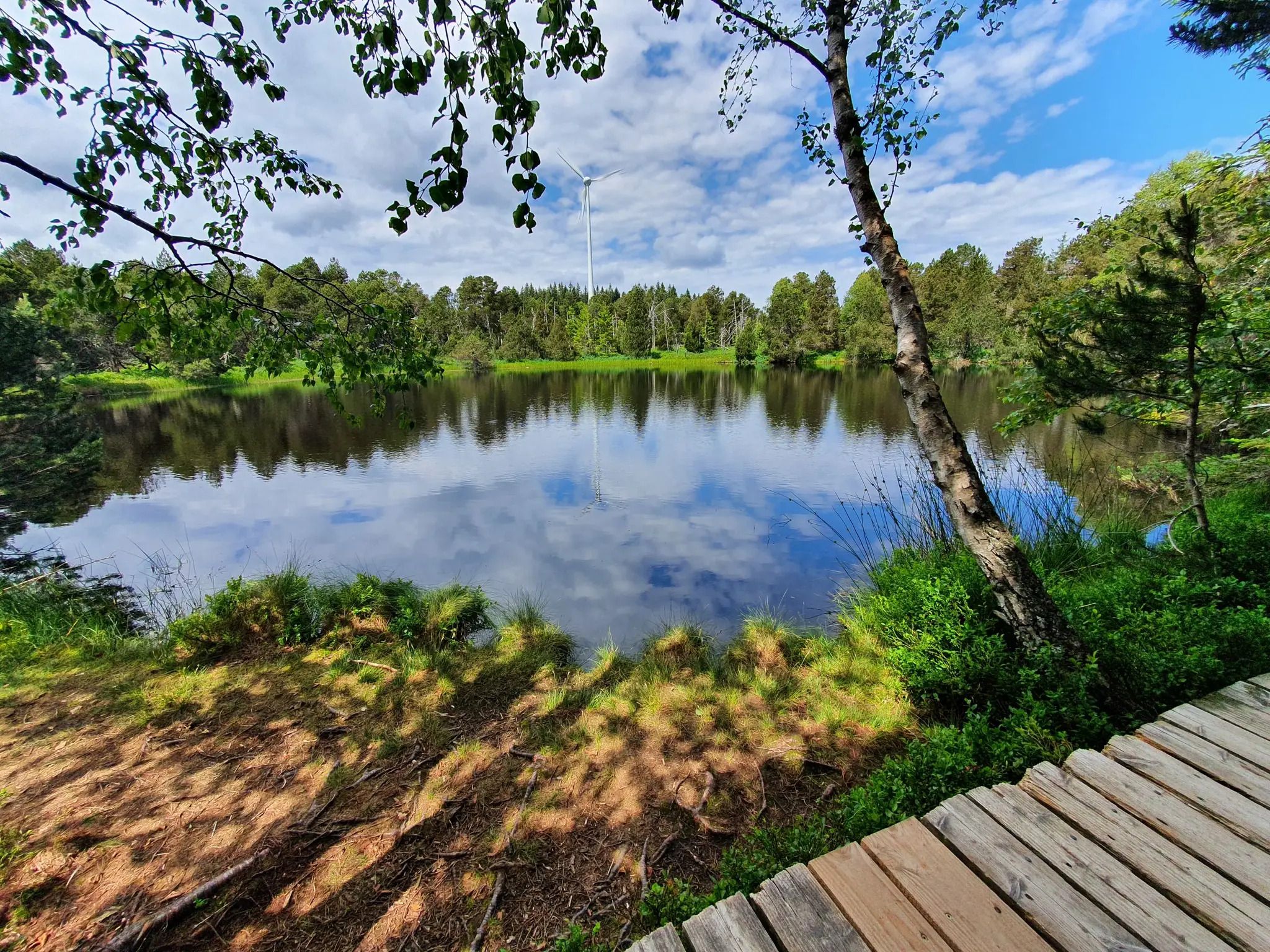
Hike the WasserWeltenSteig – Waterfalls, lakes and rivers of the Black Forest

Every cycling trip is a little holiday – bike to work Challenge 2026
Lake and Alps Adventure – explore 100 dreamy places in our cycling region!
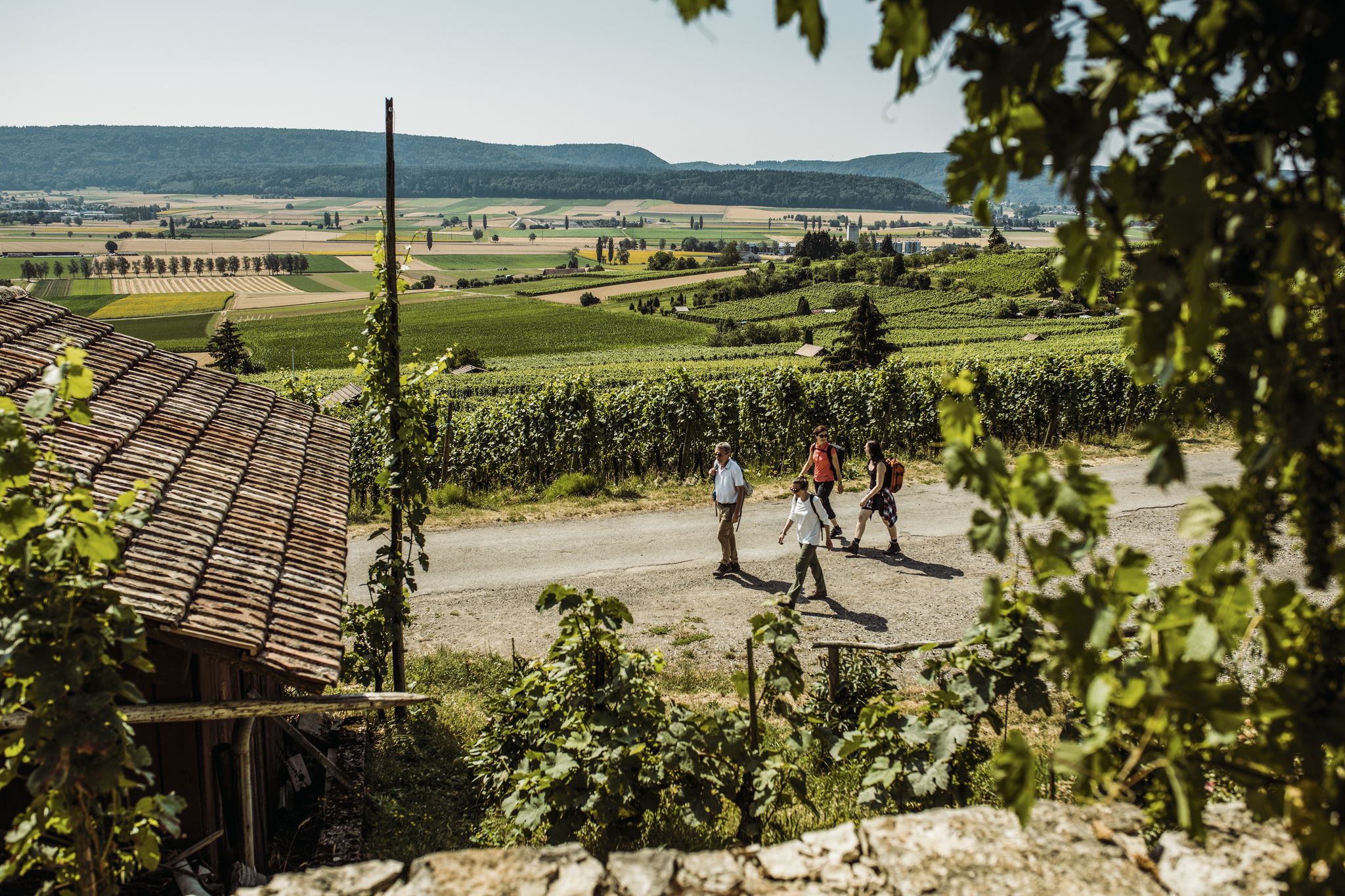
Woodland, water and far-reaching views – start of season hiking hits
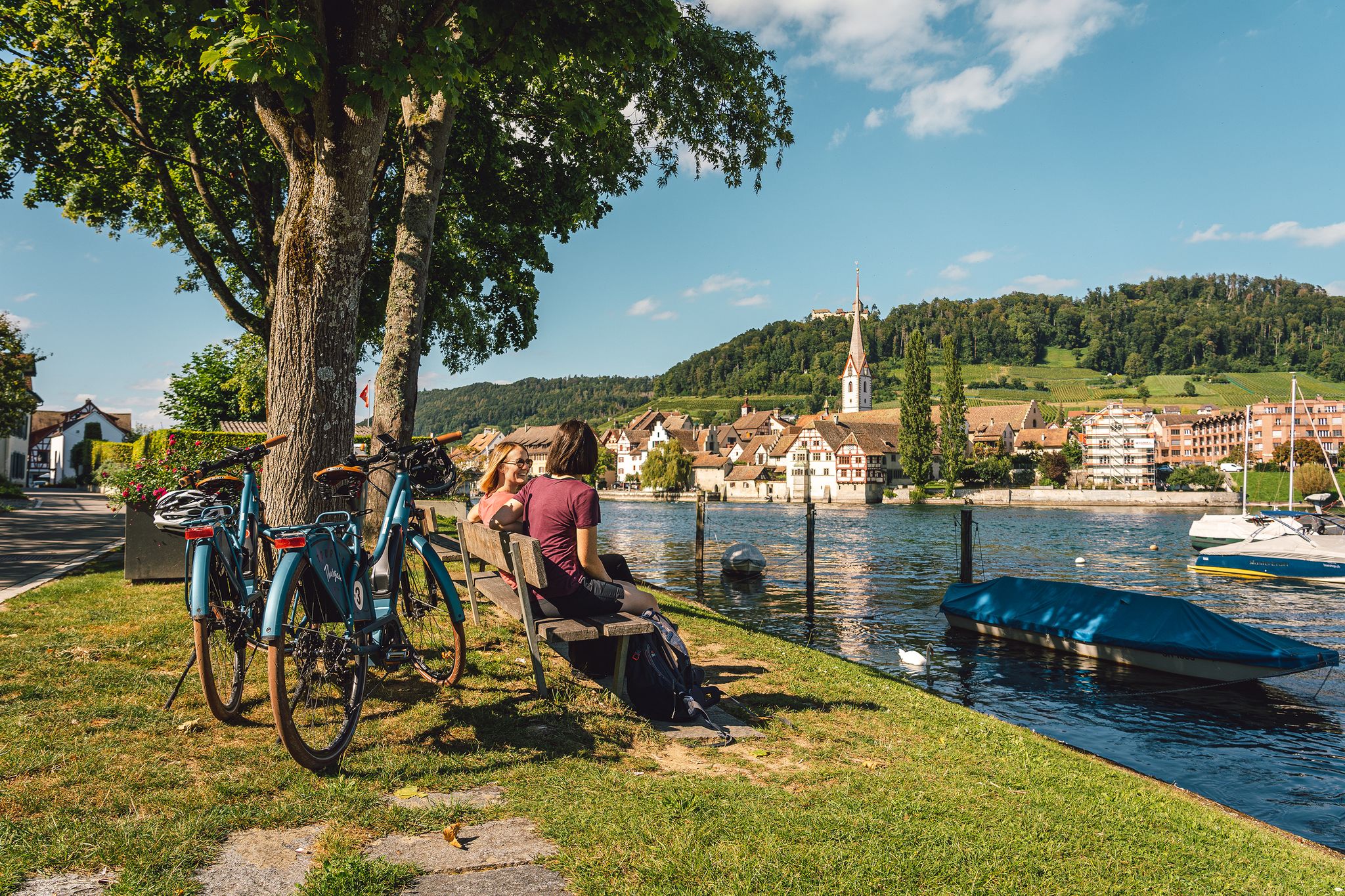
Rhine, vines, Randen – the top 5 cycle routes in Schaffhauserland
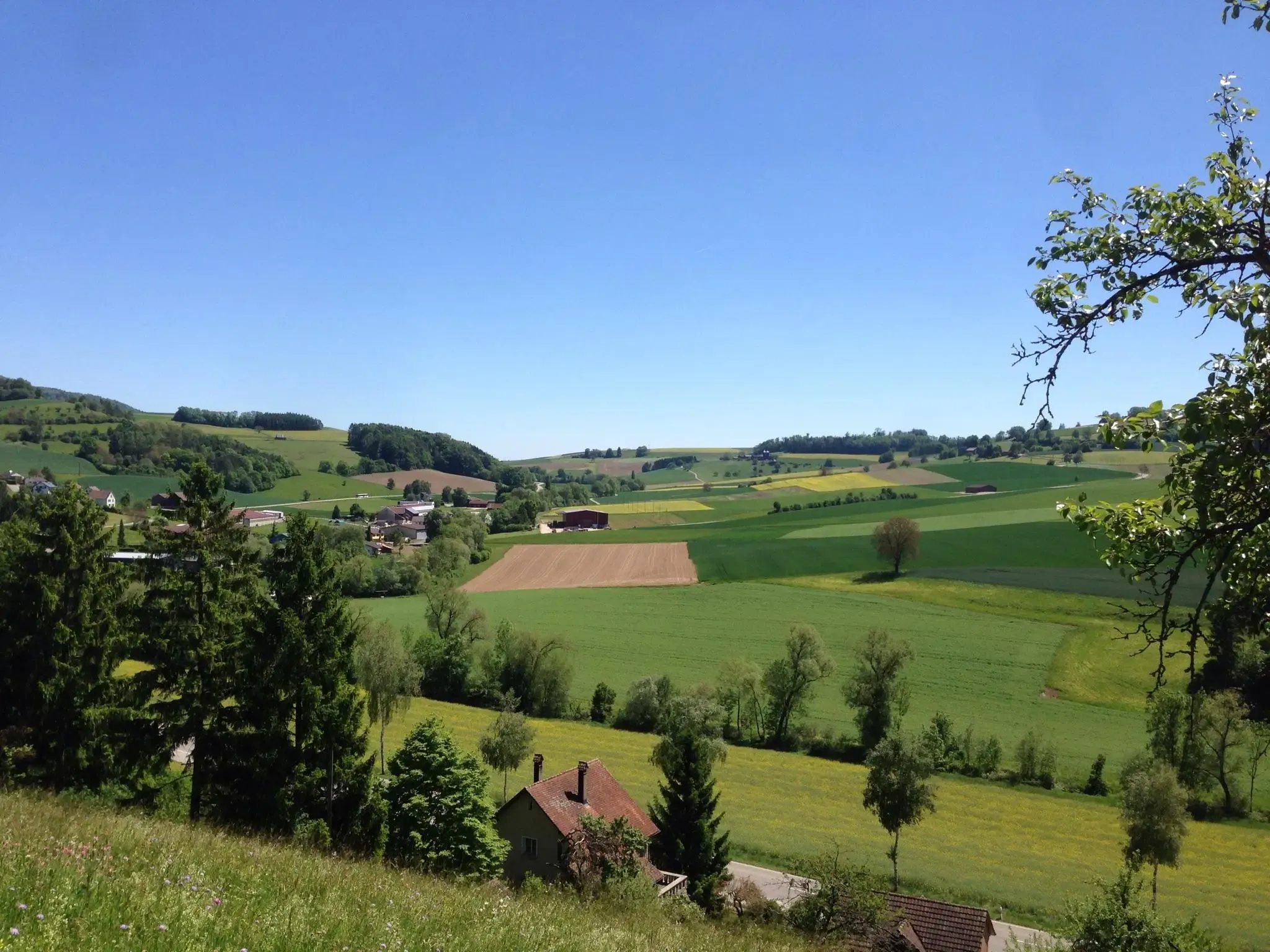
Klettgau-Rhein-Weg – hiking at the feet of the Alps
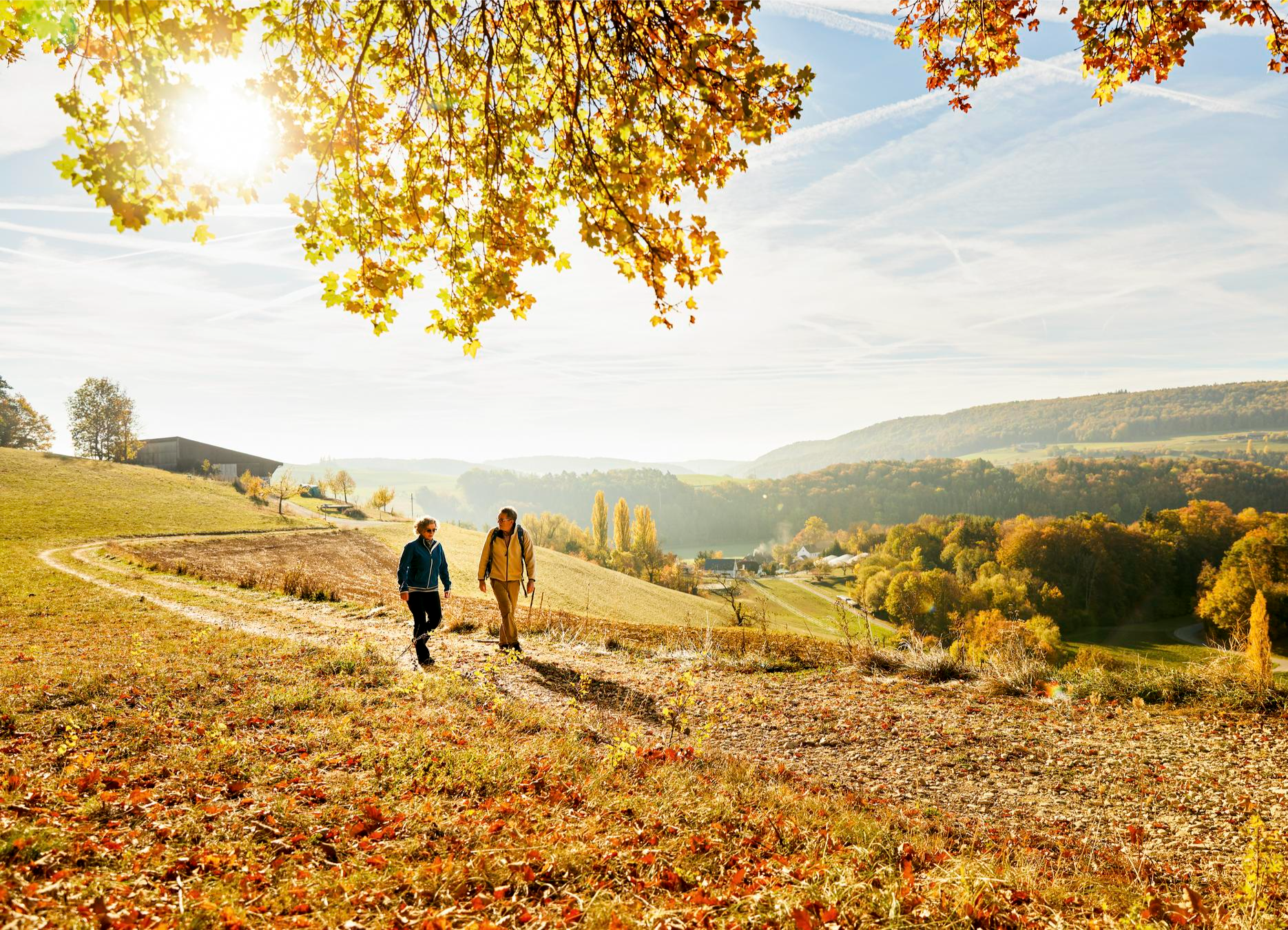
Rhine, hills and vines – autumn hiking tips in Schaffhauserland
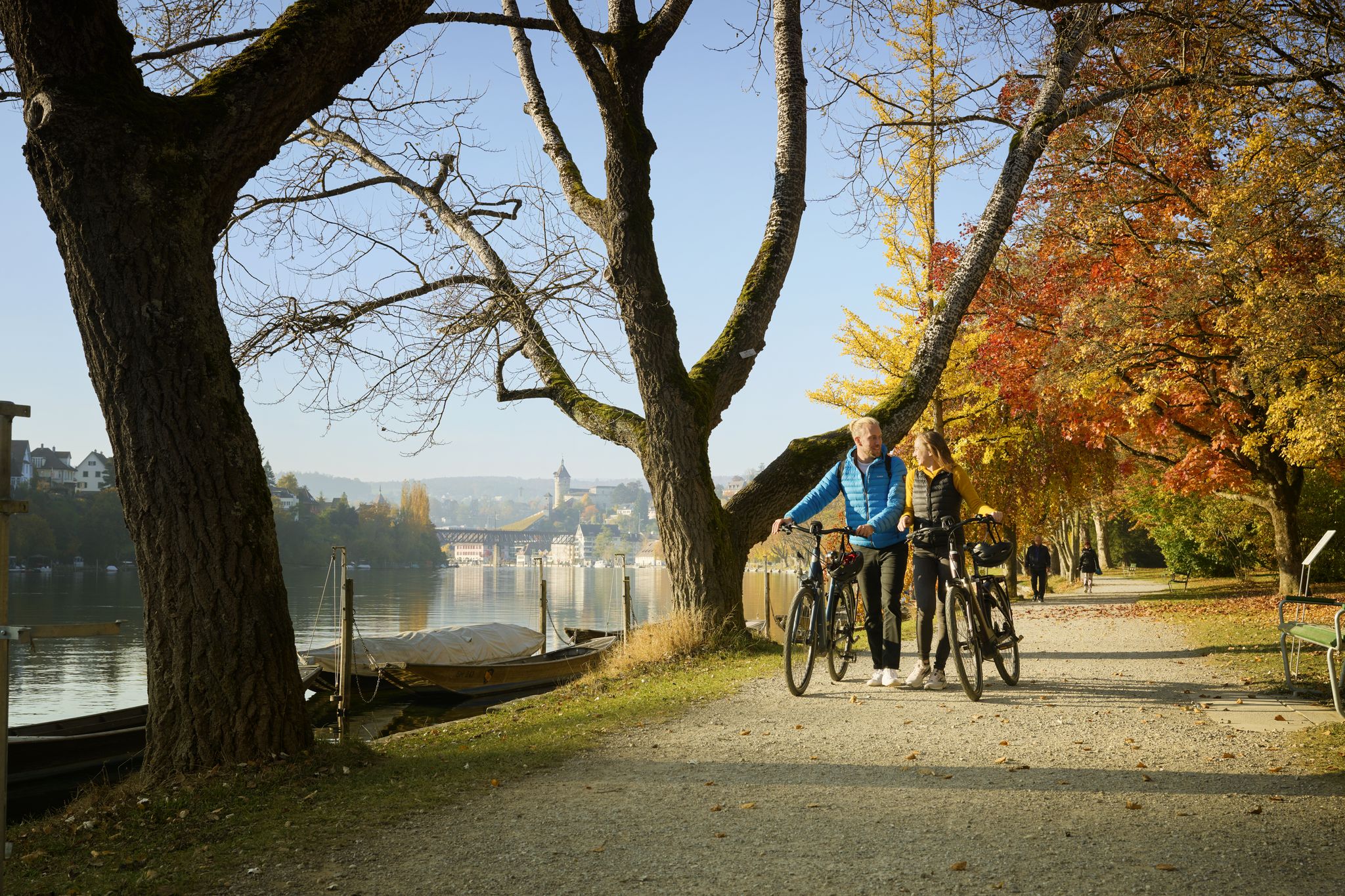
Rhine, Vines and Randen – autumn cycling routes in Schaffhauserland
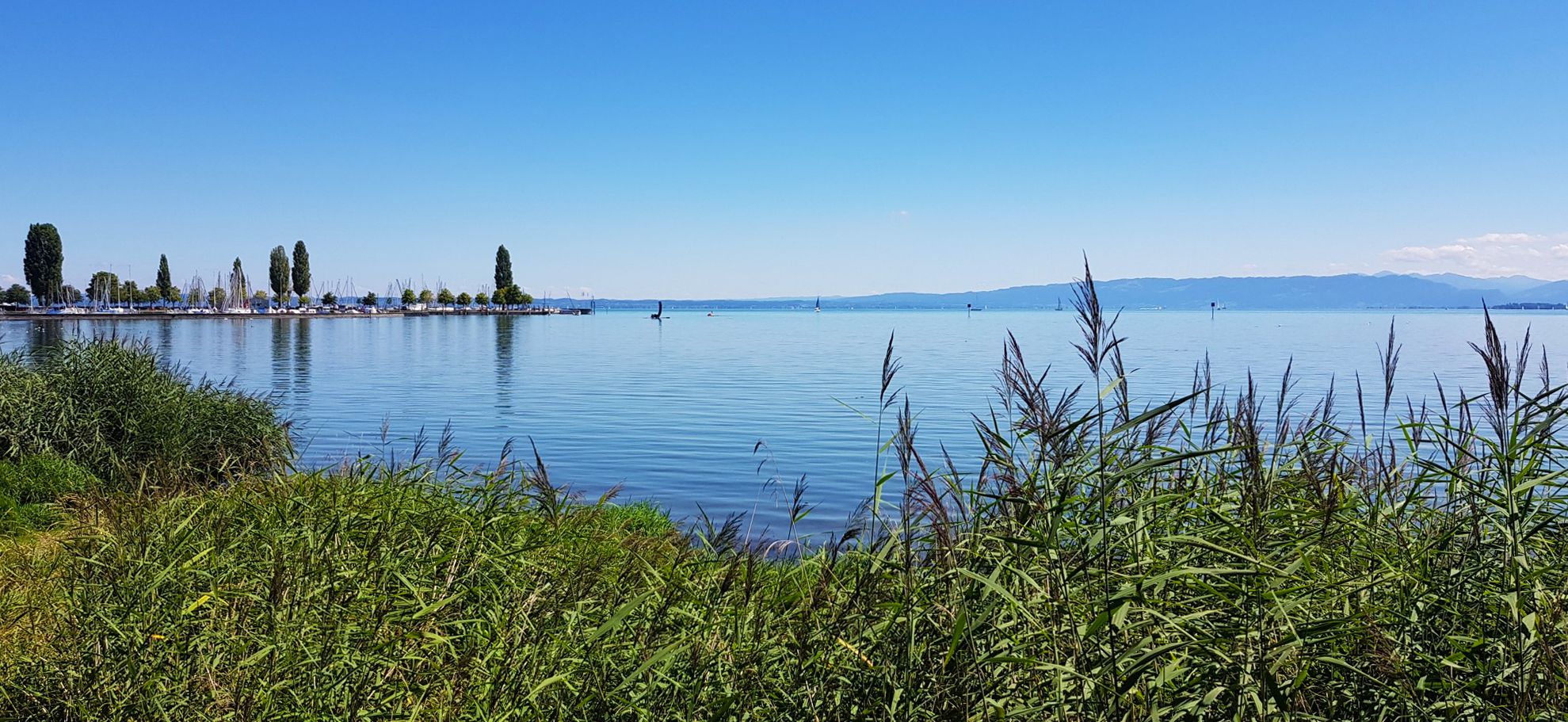
Picturesque landscapes in three countries – Lake Constance circular route
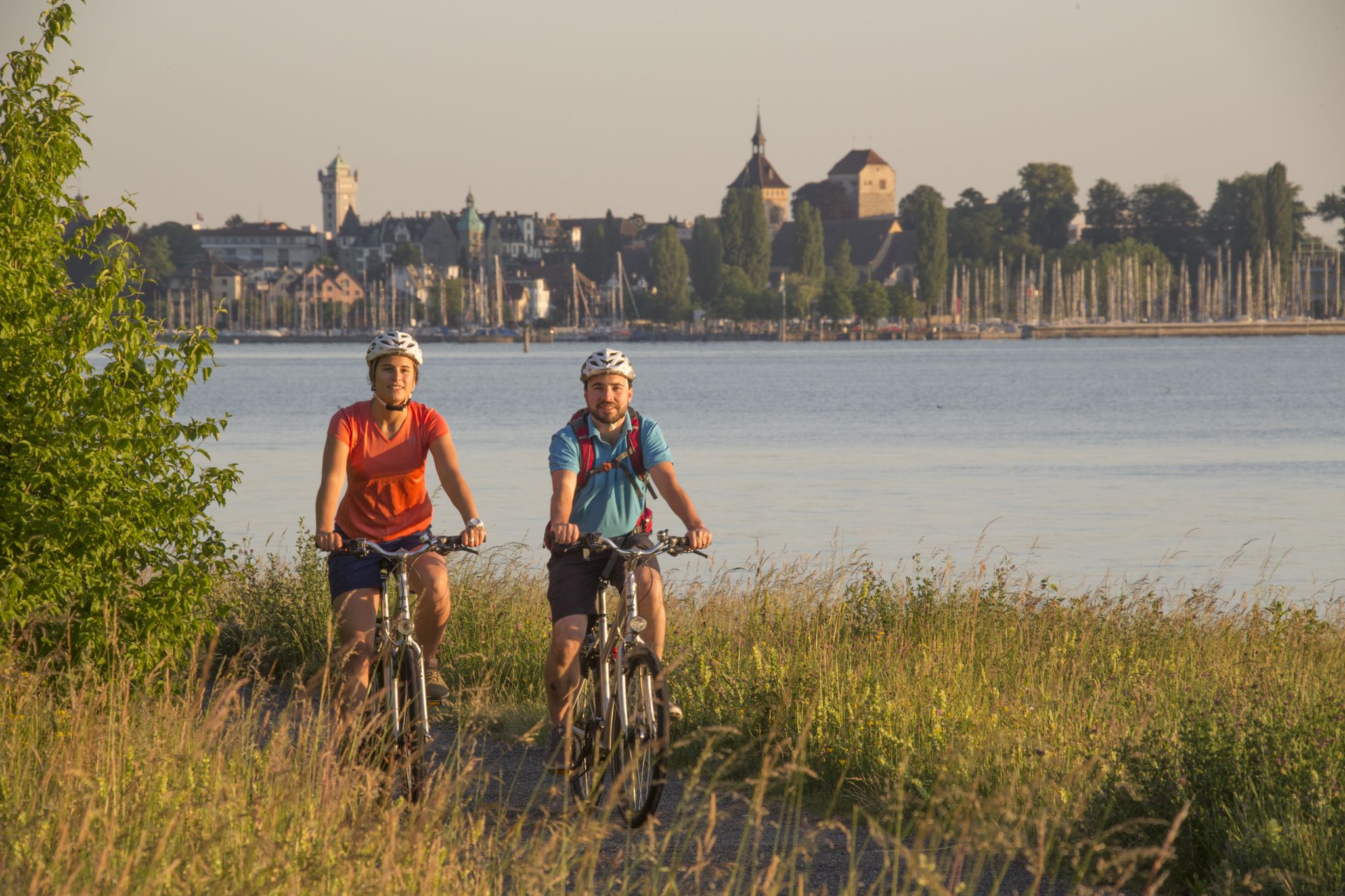
Constance, Seerücken and more – beautiful bike Tours in Thurgau
Other adventures in Schaffhausen


Tips from the Community

Hohenklingen Castle is a spur castle near Stein am Rhein in the canton of Schaffhausen, Switzerland. It is located at 594 m above sea level, almost 200 meters above the small town on a narrow Nagelfluh ridge running from east to west, the southwestern foothills of the Schiener Berg. Hohenklingen Castle was spared from warlike destruction throughout its history. Its silhouette with walls and roofs still corresponds to the medieval appearance from 1200 to 1422. The Bergfried is now used as a viewing tower. The name is derived from the Old High German klingo, Middle High German klinge, which meant something like mountain stream, gorge or rushing water. The name of the high Clingen ob Stain first appears in 1327. It refers to the Bachtobel, which unite at the foot of the castle hill. The history of Hohenklingen Castle is closely linked to the history of the town of Stein am Rhein and the St. Georgen Monastery. Around 1200, the Kastvogt of the monastery, Walter von Klingen, built a residential tower on the site of today's complex. It can be assumed that the earlier Kastvögte of the monastery, the Zähringer, had already built a wooden residential tower with a fortification ditch in the north, which after their extinction was taken over and expanded by the Barons of Klingen. At the beginning of the 14th century, the Hohenklingen family split into the Hohenklingen-Brandis and Hohenklingen-Bechburg branches. In 1359, Ulrich and Walter von Hohenklingen-Brandis sold their share of Burg Kastvogtei to Austria for financial reasons and received it back as a fief. In 1419, their descendants sold the fief to Kaspar von Klingenberg, Lord of the Hohentwiel Fortress, who in 1433 also bought the other half of the Hohenklingen complex. .... Source: https://de.wikipedia.org/wiki/Burg_Hohenklingen
1
0


Wonderfully original description of your hiking route
6
0

Great fortress, partly under renovation
9
0

From the Munot Fortress you have a fantastic view over the beautiful city of Schaffhausen.
5
0

The Schlössli Wörth (12th century castle with restaurant) was closed on December 22, 2024 for an indefinite period (for the purpose of handing over the catering business)
0
0

As you cross the Nohl Bridge, you can hear the rushing of the Rhine below you and enjoy the breathtaking view of the surrounding nature.
7
0

Not much is known about the history of Herblingen Castle, which is actually located in the municipality of Stetten. Today the castle is privately owned, so it can only be viewed from the outside.
1
0
Frequently Asked Questions
Which castles in Schaffhausen offer the best panoramic views?
For breathtaking panoramic views, Hohenklingen Castle near Stein am Rhein is highly recommended, offering vistas across Lake Constance, the Swiss Alps, and Germany's Black Forest. The Munot Fortress in Schaffhausen also provides stunning views over the old town and Rhine River. Additionally, Schloss Laufen offers unparalleled views directly overlooking the Rhine Falls from its viewing platforms and panoramic elevator.
Are there family-friendly castles to visit in the Schaffhausen region?
Yes, several castles in the Schaffhausen region are suitable for families. Hohenklingen Castle is listed as family-friendly and features a restaurant. The Radegg Castle Ruins are also family-friendly, offering a climbable ruin and a picnic area with a fireplace. The Munot Fortress is popular with families, featuring a moat with fallow deer and hosting cultural events.
What historical insights can I gain from visiting castles in Schaffhausen?
The castles in Schaffhausen offer a deep dive into the region's history. The Munot Fortress, built in the 16th century, showcases advanced defensive architecture of its time. Hohenklingen Castle, dating back to 1225, is a well-preserved medieval fortress that played a key role as a toll castle. Schloss Laufen, with over 1000 years of history, features a 'Historama' exhibition detailing its past. Even ruins like Herblingen Castle provide a glimpse into the region's historical significance.
Are there hiking trails near the castles in Schaffhausen?
Yes, the Schaffhausen region offers numerous hiking opportunities around its castles. For example, you can find routes like the 'Uferweg Stein am Rhein – SchweizMobil 905' or the 'Nordspitze Panoramaweg – SchweizMobil 593' which can be combined with visits to castles like Hohenklingen Castle. The area around Radegg Castle Ruins also has trails, including a beaver walk. You can explore more options in the Hiking in Schaffhausen guide.
What is the best time of year to visit the castles in Schaffhausen?
The castles in Schaffhausen are enjoyable year-round. Spring and autumn offer pleasant temperatures for exploring and hiking, with autumn providing beautiful foliage. Summer is ideal for combining castle visits with outdoor activities and events. Even in winter, the castles can be picturesque, especially with snow, though some outdoor activities might be limited. Always check local weather conditions before your visit.
Can I find restaurants or cafes near the castles?
Yes, several castles offer dining options. Hohenklingen Castle houses a restaurant serving local Swiss cuisine. Schloss Laufen provides various dining experiences, including gourmet meals and unique 'Dinner in the panoramic glass lift' options. In the vicinity of the Munot Fortress, you'll find cafes and pubs in Schaffhausen's city center. The town of Stein am Rhein, near Hohenklingen Castle, also has numerous restaurants.
How accessible are the castles for visitors with wheelchairs?
While historical sites can present accessibility challenges, Hohenklingen Castle has undergone renovations to make parts of it wheelchair-accessible, including the addition of a lift. Schloss Laufen, located at the Rhine Falls, features a glass panoramic elevator, which enhances accessibility to its viewing platforms. It is always advisable to check specific accessibility details directly with each castle before your visit.
Are there any unique natural features or wildlife to see at the castles?
Yes, the castles are often integrated with natural surroundings. The Munot Fortress is notable for its moat, which has been home to a colony of fallow deer since 1905. Schloss Laufen is uniquely positioned directly overlooking the powerful Rhine Falls, Europe's largest waterfall, offering a spectacular natural backdrop. The area around Radegg Castle Ruins is near a nature reserve with a lake, where you can observe beavers.
How can I reach the Munot Fortress by public transport?
The Munot Fortress is located high above Schaffhausen's old town. While specific public transport routes directly to the fortress entrance might vary, it is generally accessible by walking from Schaffhausen's city center or main train station. The walk offers scenic views as you ascend to the fortress.
What are some lesser-known or 'hidden gem' castles in the region?
Beyond the prominent castles, the Schaffhausen region also features lesser-known historical sites. The Radegg Castle Ruins offer a unique experience, allowing visitors to climb the ruin for a good view and enjoy a picnic area. Herblingen Castle and Thayngen Castle are also historical sites that provide a glimpse into the region's past away from the main tourist paths.
Can I visit the castles as part of a day trip from Schaffhausen?
Absolutely. All the mentioned castles are easily accessible for day trips from Schaffhausen. Hohenklingen Castle is a short distance away in Stein am Rhein, a picturesque town perfect for a combined visit. Schloss Laufen is located directly at the Rhine Falls, making it an ideal destination for a half-day or full-day excursion. The Munot Fortress is within Schaffhausen itself, allowing for easy integration into a city exploration.
Most popular routes in Schaffhausen
Most popular attractions in Schaffhausen

Get inspired with the komoot mobile app


Didn’t find what you were looking for?
Explore Schaffhausen’s best castles region by region:
Explore more
Looking for the best castles somewhere else? Discover other guides in Schaffhausen:
