Top 20 Caves in Spain
Caves in Spain offer a diverse range of underground experiences across its varied landscapes. The country features extensive karstic systems, volcanic tubes, and coastal grottoes. These formations provide insights into geological processes and ancient human history. Many caves are notable for their unique speleothems, underground lakes, and archaeological significance.
Best caves in Spain
- The most popular caves is Ajuy Caves (Cuevas de Ajuy), a cave that contains marine life such as stingrays and angel sharks. These caves are accessible at low tide.
- Another must-see spot is Fortaleza Grande Cave, a natural monument and historical site. Visitors can explore through the cave to the other side of the mountain.
- Visitors also love Chinamada Cave Village, a settlement featuring houses carved into the rock. This village offers panoramic views and represents a specialty of the Canarios.
- Spain is known for prehistoric art caves, impressive geological formations, and volcanic tubes. The variety of caves includes those with underground rivers, ancient dwellings, and significant archaeological findings.
- The caves in Spain are appreciated by the komoot community, with more than 1000 highlights and over 900 photos shared. These locations have received more than 2000 upvotes from users.
Last updated: August 30, 2026
Caló d'en Monjo
Highlight • Beach
Translated by Google •
Tip by

Tower of Cala en Basset
Highlight • Monument
Translated by Google •
Tip by

Sign up now to discover places like this
Get recommendations on the best single tracks, peaks, & plenty of other exciting outdoor places.
Sign up for free
Chinamada Cave Village
Highlight • Settlement
Here you can actually find houses carved into the rock, but also fabulous views and panoramic views as well as a rustic Canarian restaurant.
A must visit. We hiked there from Las.Carboneras and were thrilled by the tour and the views.
Translated by Google •
Tip by

Ajuy Caves (Cuevas de Ajuy)
Highlight • Cave
Translated by Google •
Tip by

Cala Falcó
Highlight • Beach
Translated by Google •
Tip by

Fortaleza Grande Cave
Highlight • Cave
Translated by Google •
Tip by

S'Estany d'en Mas Cove
Highlight • Beach
Translated by Google •
Tip by

Font de s’Ermita
Highlight • Natural Monument
The monks use its water to irrigate their gardens.
Translated by Google •
Tip by

Forat de Bèrnia
Highlight • Cave
Translated by Google •
Tip by

Translated by Google •
Tip by

Sign up for free to discover even more caves in Spain.
Sign up for free
Already have an account?
Start today with a free account
Your next adventure awaits.
Login or Signup
Popular around Spain

Mountain biking through the wild heart of Tenerife
La Palma – my favourite Tours on the Canary Islands’ Isla Bonita

Triathlon 360 – my journey around the world
European Divide Trail — 7,600 km across the continent
Catalunya Trail — Bikepacking in the Pyrenees
Camino Francés and Camino Finisterre – Cycling pilgrimages in Spain
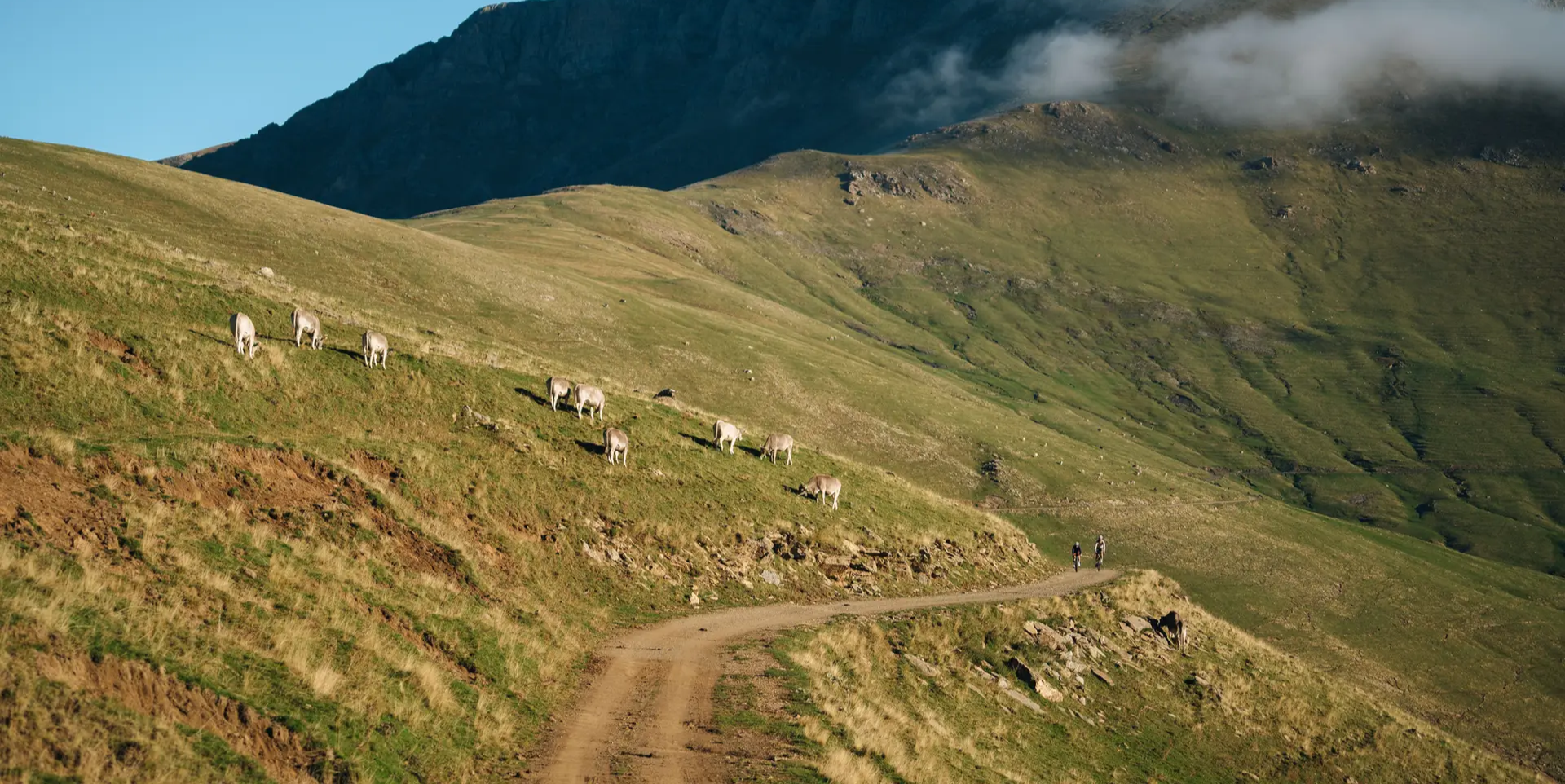
Grand Tour of Catalonia Gravel – your bikepacking adventure
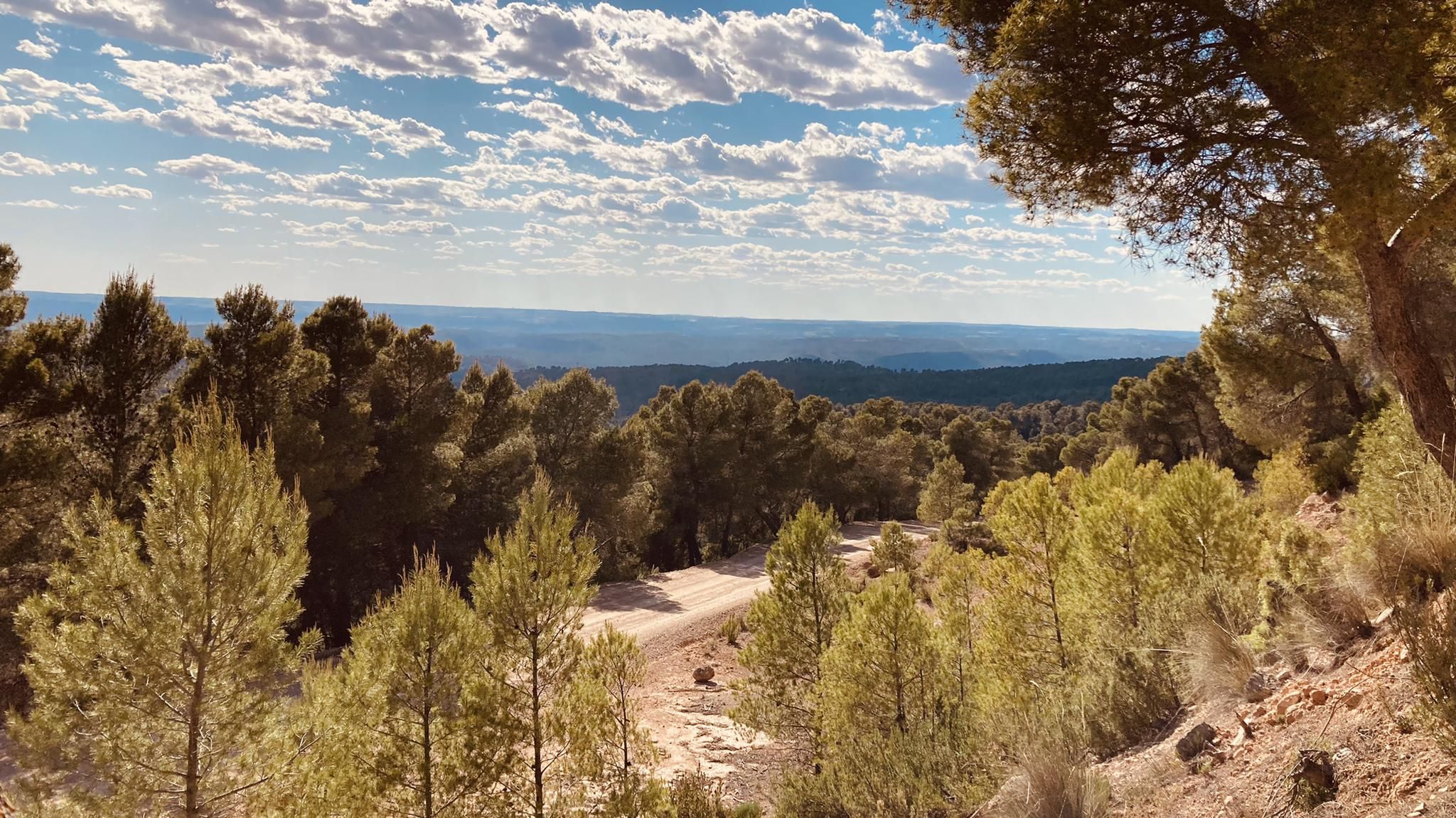
GR 238 Tierra del Vino - A journey on foot through lands of silence
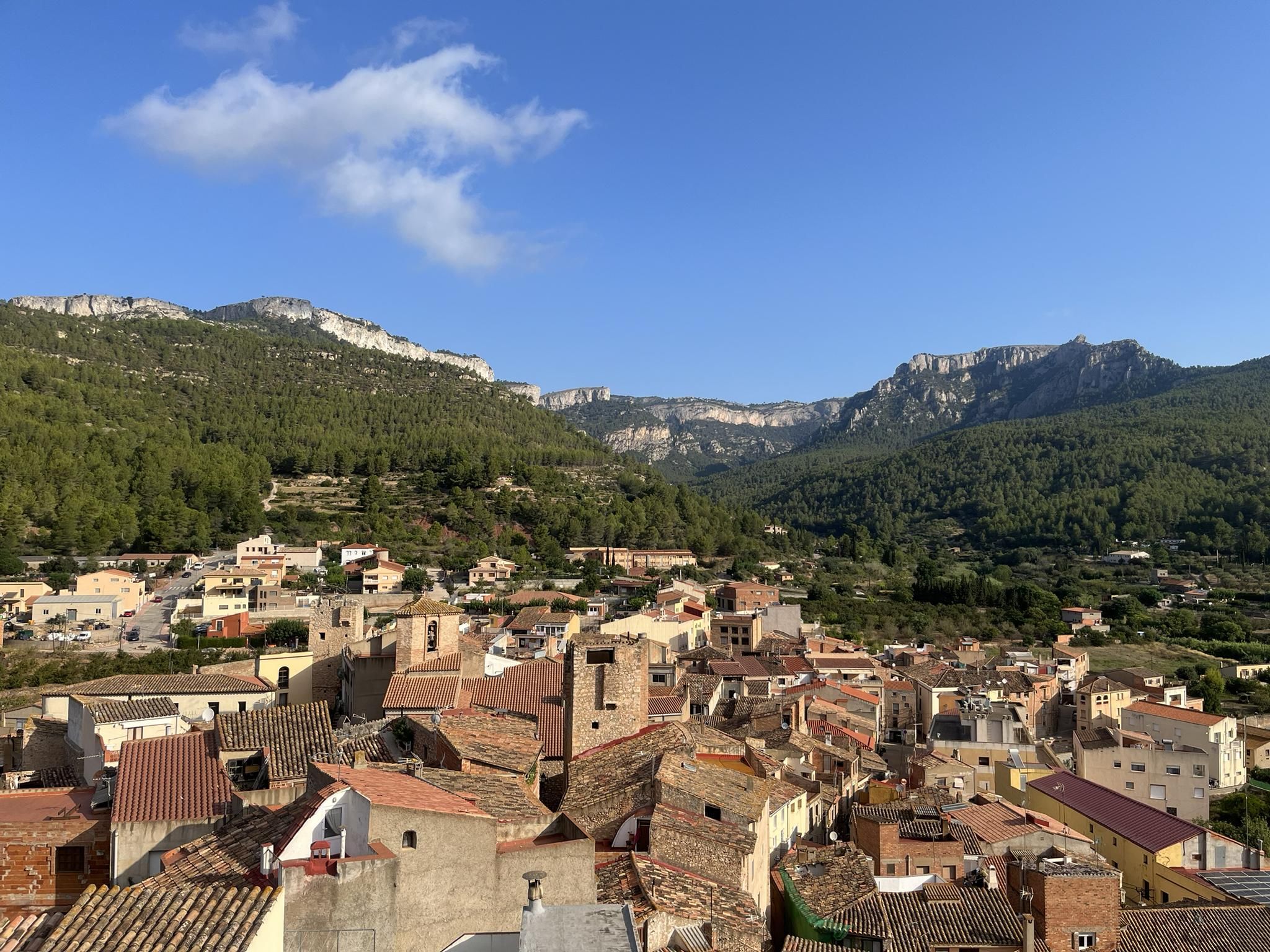
From Cambrils to the Ebro Delta - Camí del Vent (GR 192)
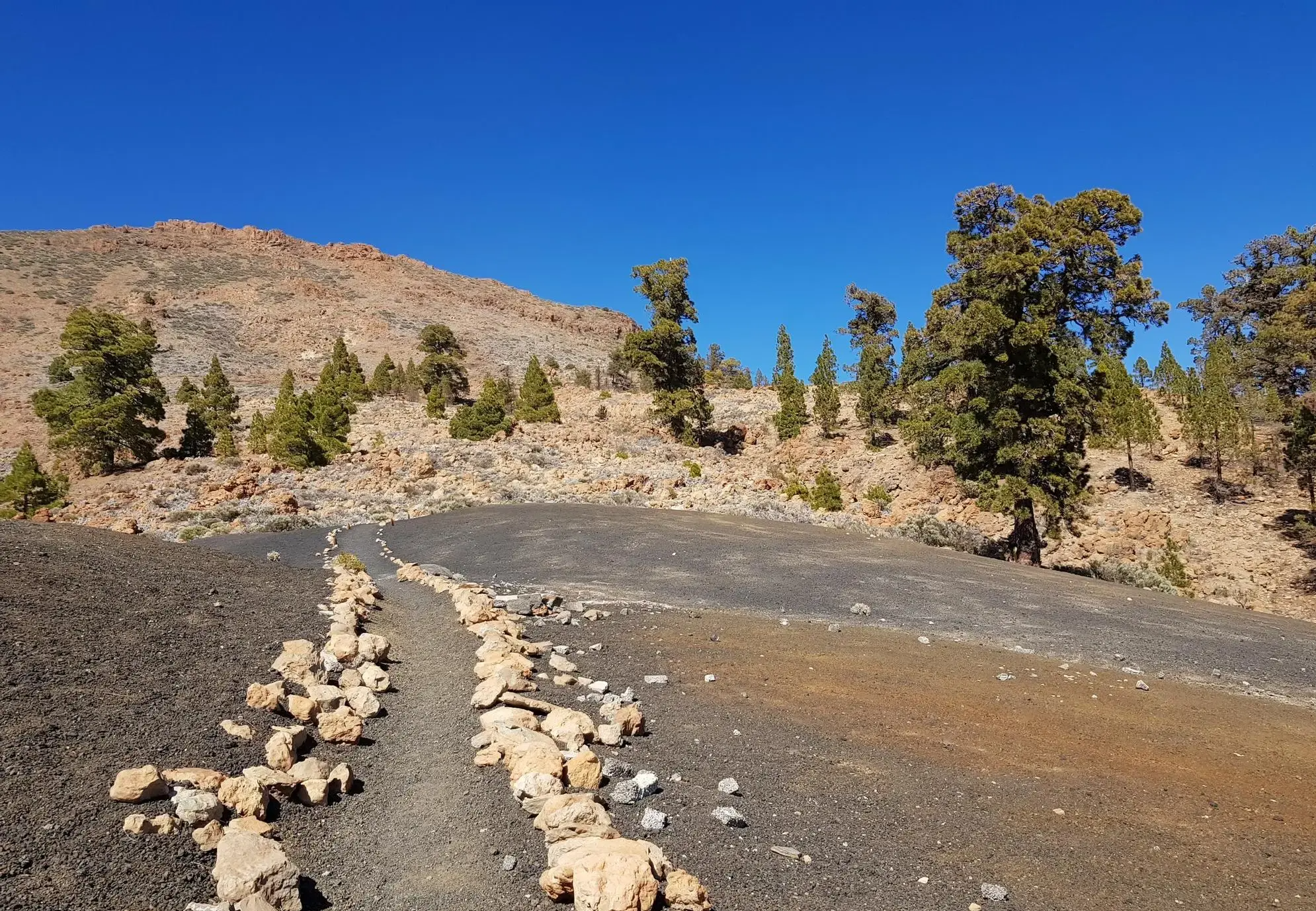
From the coast to the Teide - Tenerife Bluetrail by UTMB
Other adventures in Spain


Tips from the Community

Small mountain village in the heart of the Anaga Mountains. Here you can actually find houses carved into the rock, but also fabulous views and panoramic views as well as a rustic Canarian restaurant. A must visit. We hiked there from Las.Carboneras and were thrilled by the tour and the views.
3
1

A path leads from the beach to Caleta Negra (Black Bay), from where a steep staircase leads down to the caves. Tip: Wear sturdy shoes!
42
2
Stingrays and angel sharks, for example, live inside the caves. An overview of the cave formations can be obtained along a path up to the cliff.
57
0

Really impressive! Great location and photo spot. You can walk through the cave, on the left a narrow path leads back, so it's basically a circular route 😉👍
4
0

The Forat de Bèrnia is an impressive place in the Sierra de Bèrnia, located in the Valencian Community, Spain. This natural tunnel, about 15 to 20 meters long, crosses the mountain range from north to south. At its widest entrance, it offers panoramic views of Altea, the Serra Gelada and the Mediterranean. The Forat de Bèrnia is presented as a spacious natural shelter that becomes a magnificent viewpoint of the Costa Blanca. If you decide to do this route, I recommend avoiding weekends and holidays to avoid the crowds and preserve the natural environment. I hope you enjoy this natural wonder! 😊🏞️
4
0
Imposing group of rocks. The approx. 20 mtr. The long cave can be reached via stairs, the climb up there is definitely worth it - WOW effect! Magnificent view! If you go through the cave, you can turn left on the other side, there is a fairly wide path that leads back to the starting point - past more caves...
5
1

The pretty St. Mary's Grotto is on the way from Betlem to the Ermita.
4
0
The source is right next to a small altar.
3
0
Frequently Asked Questions
Which caves in Spain are known for prehistoric art?
Spain is home to several caves with significant prehistoric art. The Altamira Caves in Cantabria are famous for their Paleolithic paintings, often called the 'Sistine Chapel of Paleolithic Art.' While access to the original cave is limited for conservation, visitors can explore a highly accurate replica at the Neo Altamira Cave. Additionally, the Sant Josep Cave in Castellón features cave paintings and archaeological sites over 15,000 years old.
Are there any caves in Spain that offer unique underground experiences like boat rides?
Yes, several caves offer unique experiences. The Drach Caves in Mallorca are known for their live classical music performances and boat rides across Lake Martel, one of the world's largest underground lakes. The Sant Josep Cave in Castellón also allows visitors to explore Europe's longest navigable underground river by boat.
Which caves in Spain are particularly family-friendly?
For families, the Drach Caves in Mallorca offer an engaging experience with boat rides and music. The Nerja Cave in Málaga provides tours through impressive chambers and a virtual reality room for an immersive educational experience. Additionally, komoot users have identified Cala Portals Vells and S'Estany d'en Mas Cove as family-friendly spots, often featuring caves near beaches.
What are some caves in Spain with notable geological formations?
Spain boasts caves with stunning geological features. The Nerja Cave in Málaga is famous for its massive speleothems, including a 32-meter-high column. El Soplao Cave in Cantabria is renowned for its eccentric formations like stalactites, stalagmites, columns, and 'mudslides.' The Cave of Wonders in Huelva also displays a spectacular combination of stalactites, stalagmites, and underground lakes. The Valporquero Cave in León features huge cavities and impressive formations across seven different rooms.
Are there any caves in Spain that are volcanic in origin?
Yes, the Canary Islands are home to volcanic caves. The Cueva de los Verdes and Jameos del Agua, both in Lanzarote, are part of one of the longest volcanic tubes in the world, formed by the eruption of the La Corona volcano. Jameos del Agua, in particular, was transformed by artist César Manrique into a unique art and nature space.
Which caves in Spain have historical significance beyond ancient art?
Beyond prehistoric art, some caves hold other historical importance. The Zugarramurdi or Witches' Cave in Navarra is steeped in myths and legends related to witchcraft, stemming from historical accusations in 1610. The Cueva de los Verdes in Lanzarote once served as a refuge from pirate attacks. Komoot users also highlight Chinamada Cave Village as a historical settlement with houses carved into rock, and Fortaleza Grande Cave as a natural monument and historical site.
What kind of outdoor activities can I do near caves in Spain?
Many caves are situated in areas ideal for outdoor activities. You can find numerous hiking opportunities, including easy hikes, near many cave locations. For cyclists, there are diverse options ranging from road cycling routes to gravel biking trails, allowing you to explore the surrounding landscapes.
Are there any caves in Spain that are accessible at low tide?
Yes, the Ajuy Caves (Cuevas de Ajuy) in Fuerteventura are known for being accessible at low tide. These marine caves are home to marine life such as stingrays and angel sharks, offering a unique glimpse into the coastal ecosystem.
What do komoot users appreciate most about caves in Spain?
Komoot users frequently highlight the stunning natural beauty and unique experiences offered by Spain's caves. Many appreciate the impressive geological formations, the historical significance of sites like Chinamada Cave Village, and the scenic views from locations such as Caló d'en Monjo and Tower of Cala en Basset. The community has shared over 900 photos and given more than 2000 upvotes to these locations, reflecting their popularity and appeal.
Can I find caves in Spain that are part of larger natural parks or protected areas?
Yes, many caves are located within or near protected natural areas. For instance, the Valporquero Cave is nestled in the mountains of León, surrounded by scenic beech forests and gorges. The Chinamada Cave Village is situated in the Anaga Rural Park, known for its stunning landscapes and panoramic viewpoints.
Are there any caves in Spain that offer adventurous caving experiences?
For those seeking more adventure, El Soplao Cave in Cantabria offers a longer, two-and-a-half-hour route for visitors to experience speleology firsthand, beyond the standard tourist paths. This allows for a deeper exploration of its unique eccentric formations.
What kind of wildlife can be found in or near Spanish caves?
While specific cave wildlife varies, the Ajuy Caves (Cuevas de Ajuy) are noted for marine life such as stingrays and angel sharks that inhabit the waters inside. Other caves, particularly those in natural settings, may host various cave-dwelling species or be near habitats for local fauna.
Most popular routes in Spain
Most popular attractions in Spain

Get inspired with the komoot mobile app


Didn’t find what you were looking for?
Discover more caves in Spain region by region:
Explore more
Extend your search for the best caves by checking out these guides of the top ones in Spain:
