Top 20 Caves in Germany
Best caves in Germany offer a diverse subterranean world, featuring ancient dripstone formations, vast rock shelters, and unique geological wonders. These natural formations provide insights into the Earth's history and host distinct ecosystems. Germany's caves are found across various regions, showcasing a range of natural landscapes and geological features. Visitors can explore these underground environments, which often include impressive rock structures and historical significance.
Best caves in Germany
- The most popular caves is Small Sandstone Caves in the Harz, a cave that offers a peaceful experience away from larger crowds. These caves are suitable for children to play hide-and-seek.
- Another must-see spot is Kuhstall Rock Arch, a natural_monument. This rock gate is 11 meters high, 17 meters wide, and 24 meters deep, offering a vantage point over the Saxon rocky landscape.
- Visitors also love Ida Grotto at Frienstein, a cave with a magnificent view. The path to the grotto is exposed and moderately secured, leading to a grand vista.
- Germany is known for its dripstone caves, rock arches, and sandstone formations. These caves offer a variety of experiences, from geological exploration to historical discovery.
- The caves in Germany are appreciated by the komoot community, with over 3300 highlights and more than 6800 photos shared by users.
Last updated: September 26, 2026
Kuhstall Rock Arch
Highlight • Natural Monument
Translated by Google •
Tip by

Rißloch Waterfalls
Highlight • Waterfall
Translated by Google •
Tip by

Sign up now to discover places like this
Get recommendations on the best single tracks, peaks, & plenty of other exciting outdoor places.
Large sand caves (HWN 81)
Highlight • Cave
Translated by Google •
Tip by

View of Happurger See from Hohler Fels
Highlight • Viewpoint
Translated by Google •
Tip by

Frienstein
Highlight • Cave
Translated by Google •
Tip by

Ida Grotto at Frienstein
Highlight • Cave
Translated by Google •
Tip by

Karl's Cave
Highlight • Cave
Translated by Google •
Tip by

Small Sandstone Caves in the Harz
Highlight • Cave
Translated by Google •
Tip by
Blautopf
Highlight • Lake
Showing Translation
Tip by

Gustav Adolf Cave
Highlight • Cave
Translated by Google •
Tip by

Sign up for free to discover even more caves in Germany.
Already have an account?
Start today with a free account
Your next adventure awaits.
Popular around Germany
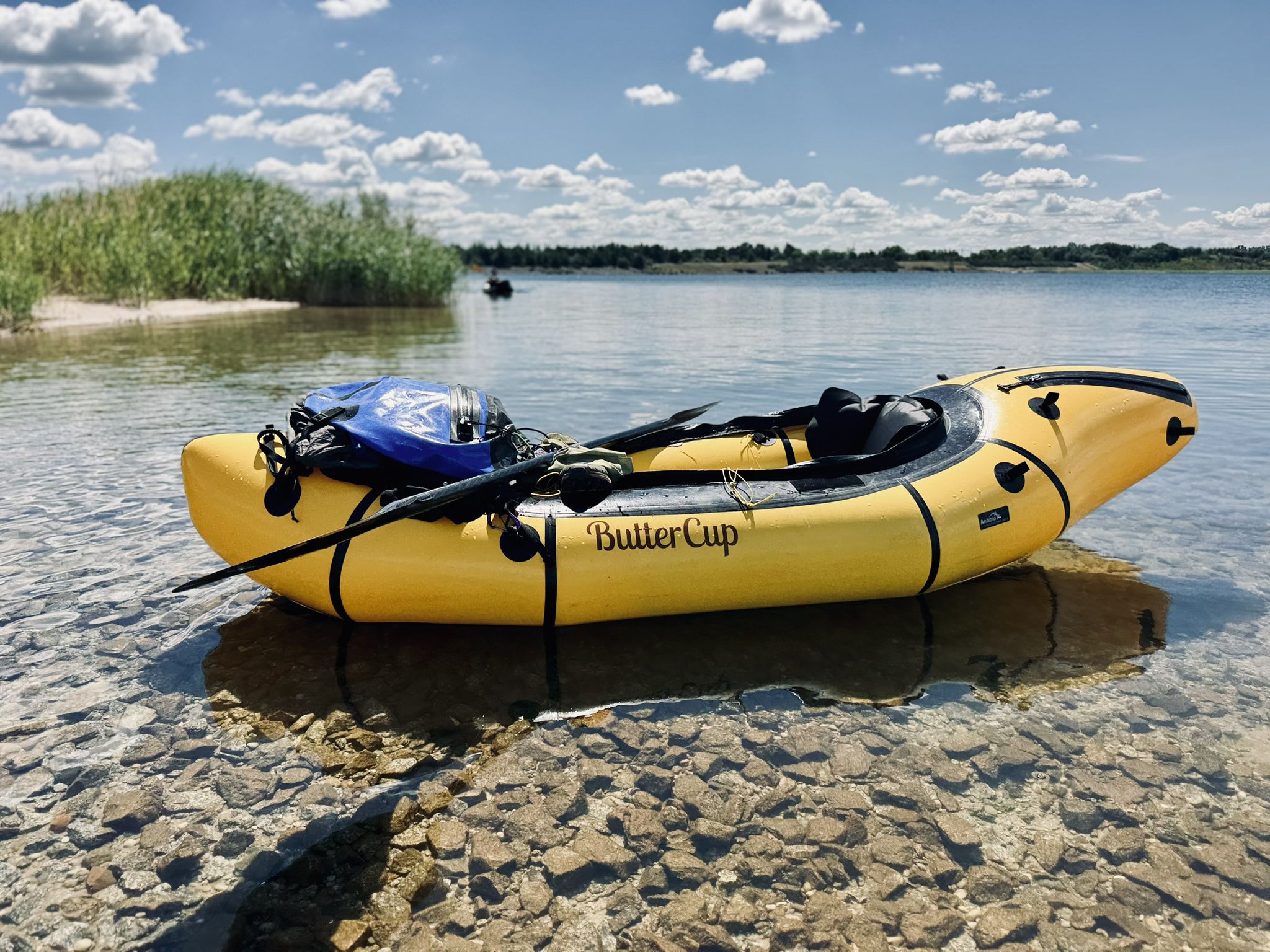
Paddling Paradise Lusatian Lake District – Five Lakes, One Network
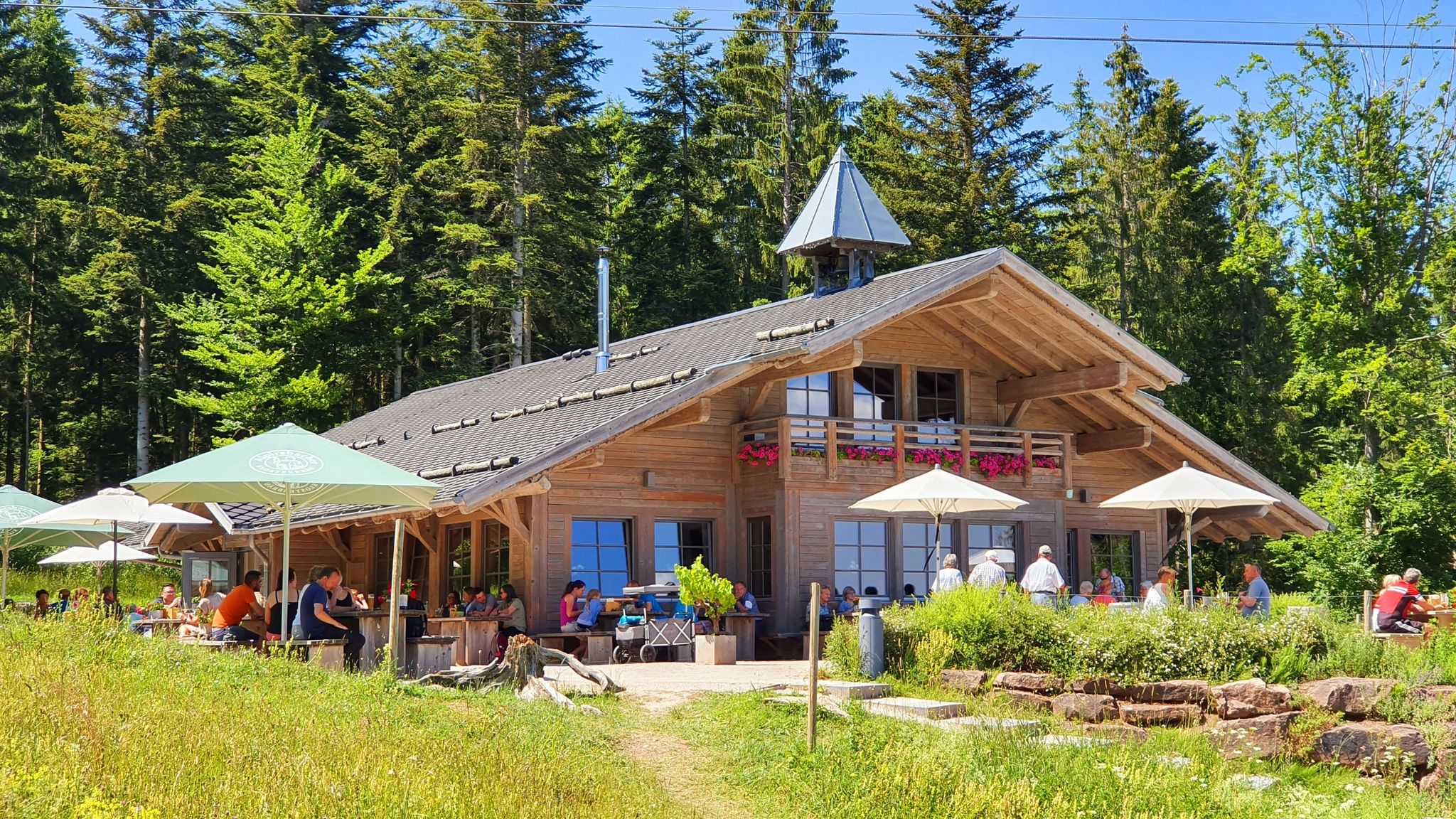
The Black Forest’s huts – moments of enjoyment & relaxation in the forest
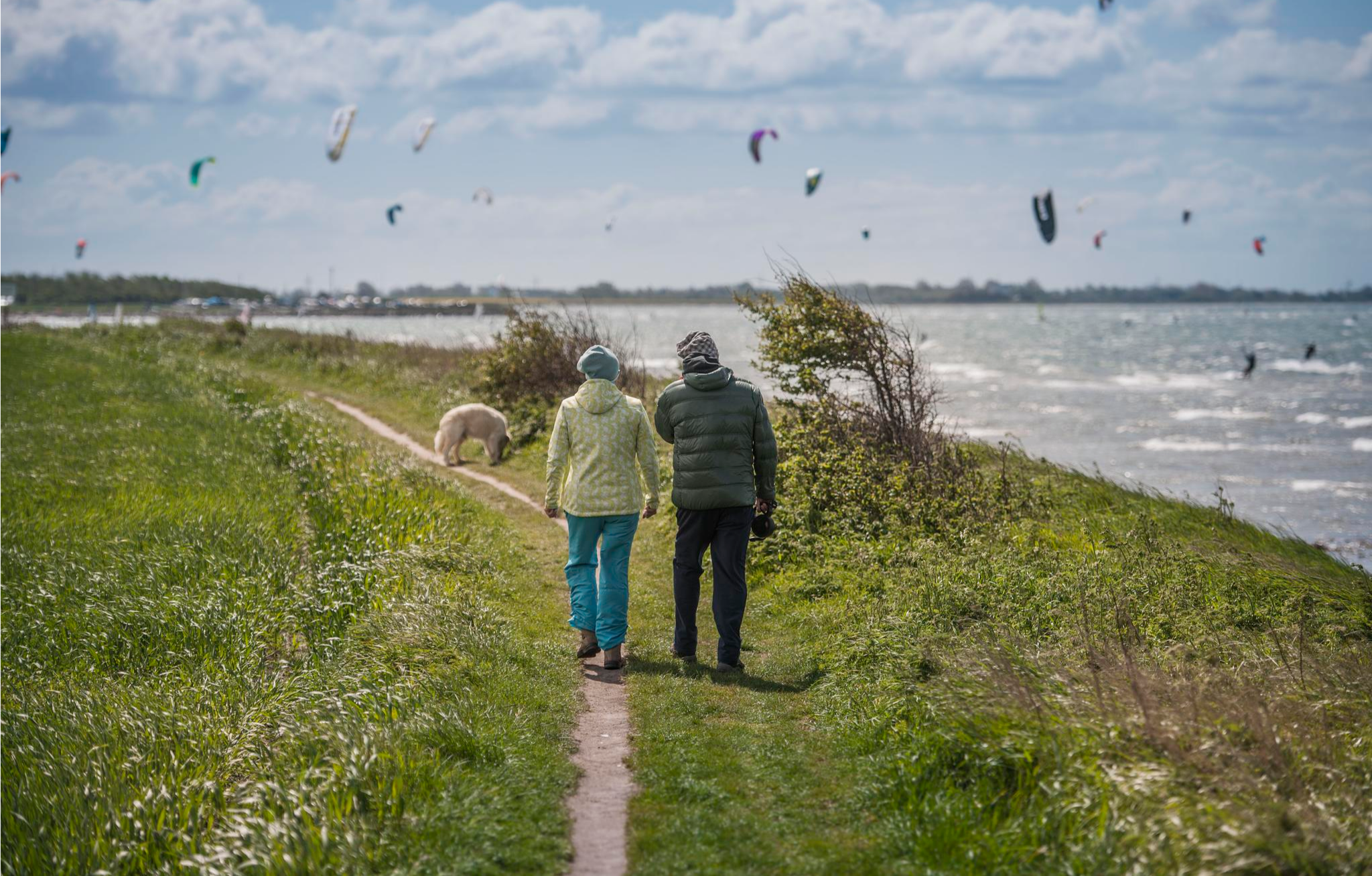
Autumn walks on Fehmarn – between coast and culture
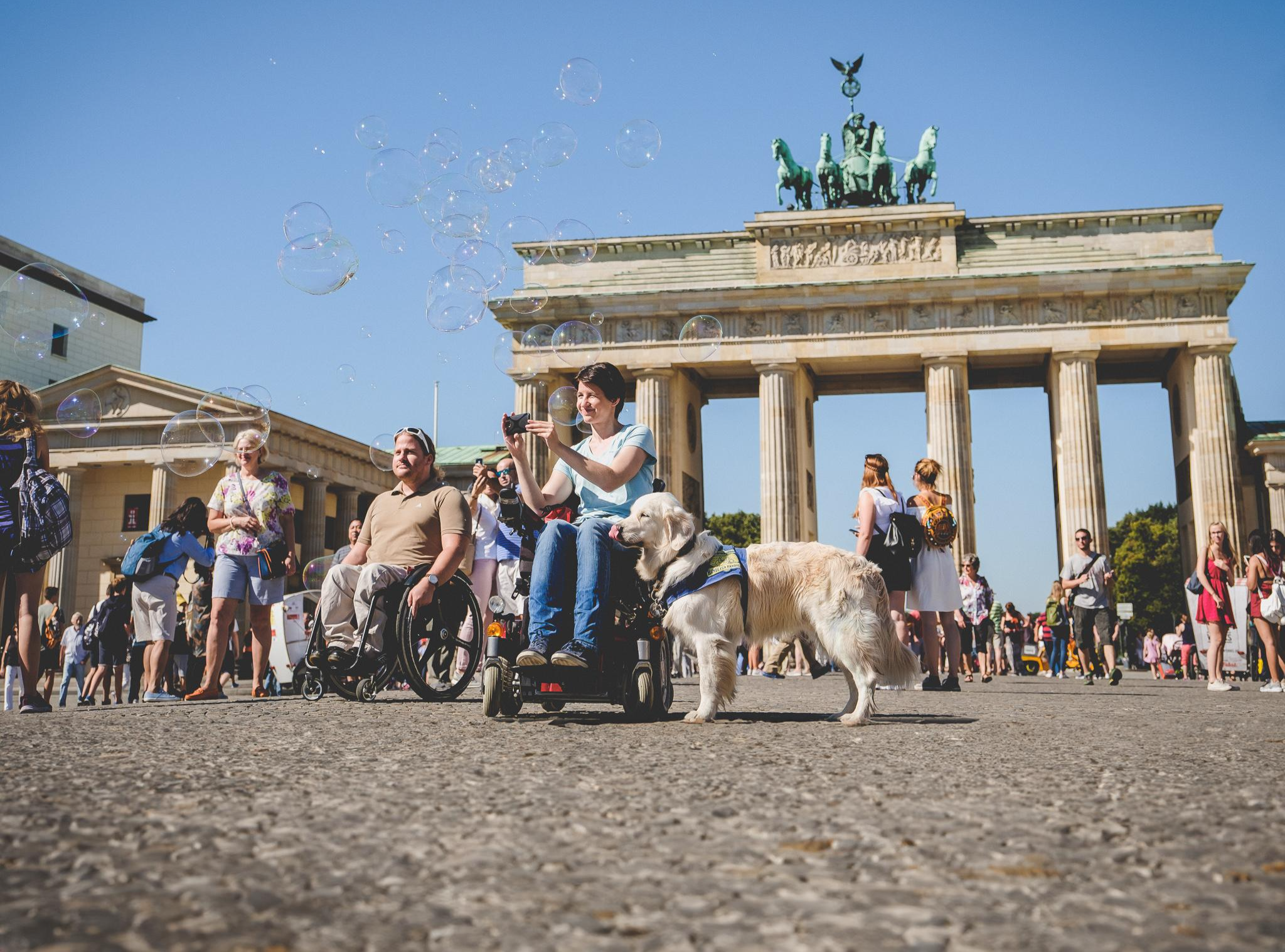
Accessible Hikes and Walks in Berlin
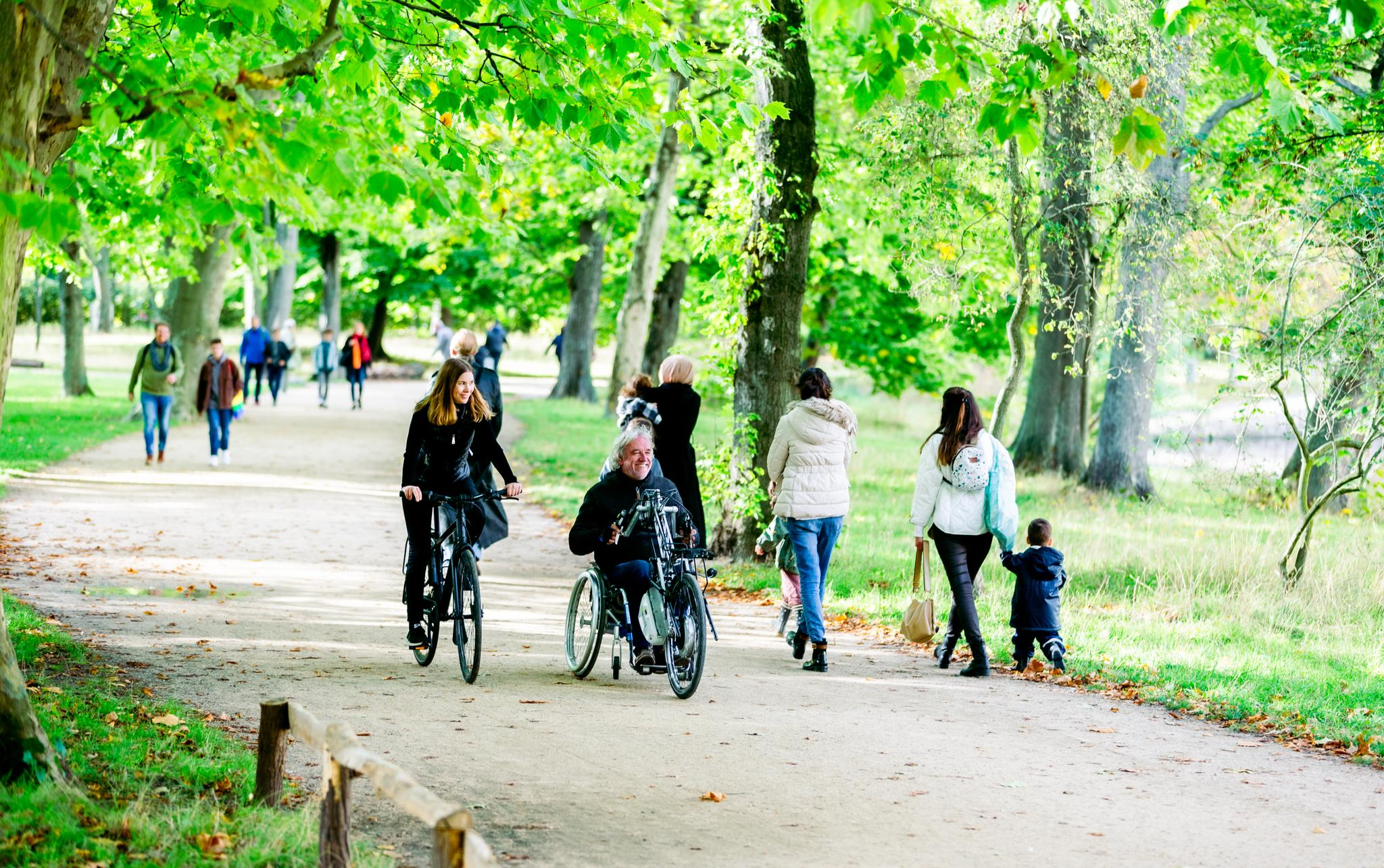
On relaxed paths through the capital – handcycling Berlin
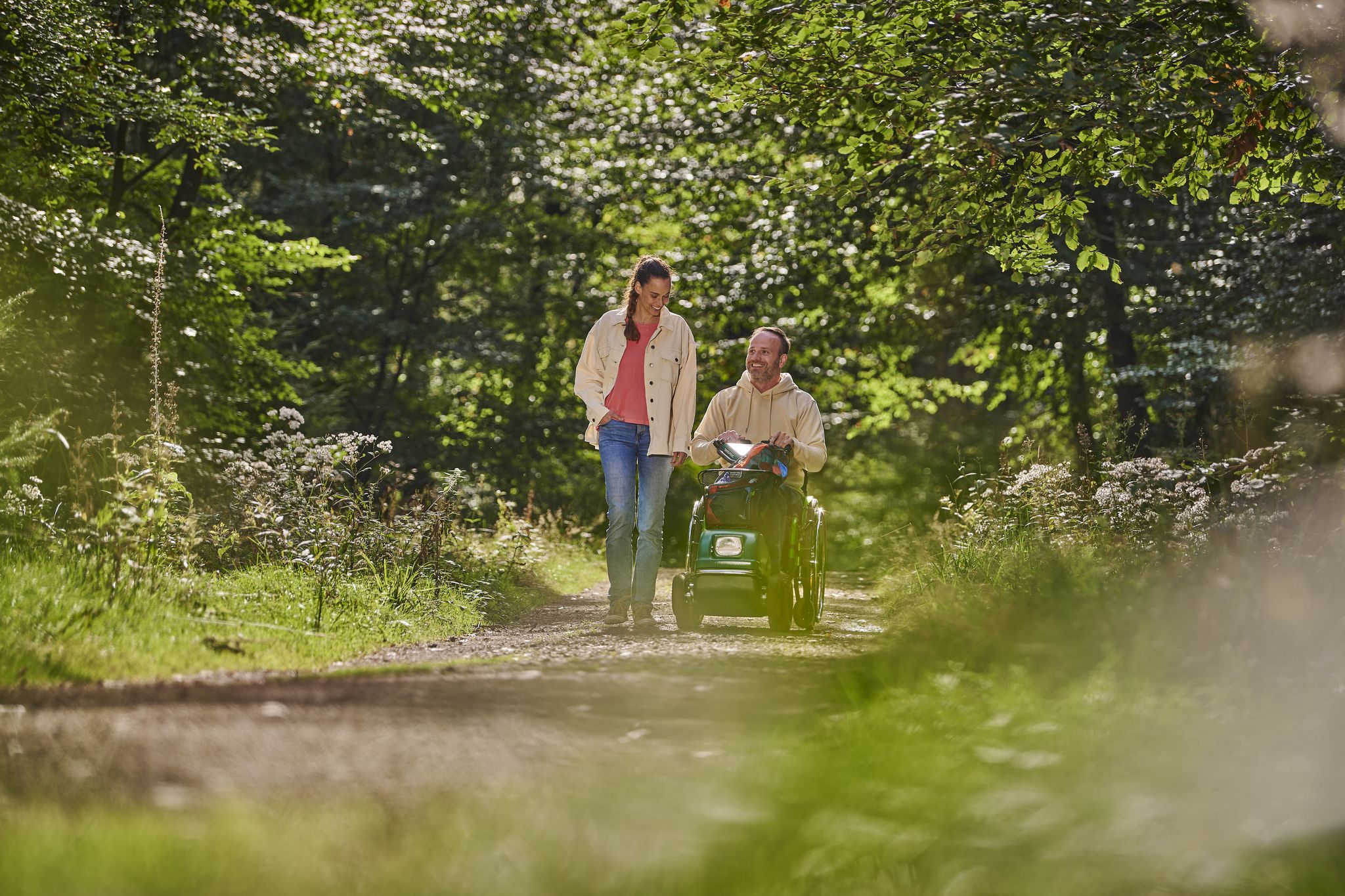
Experience nature without detours - barrier-free adventures in Saarland
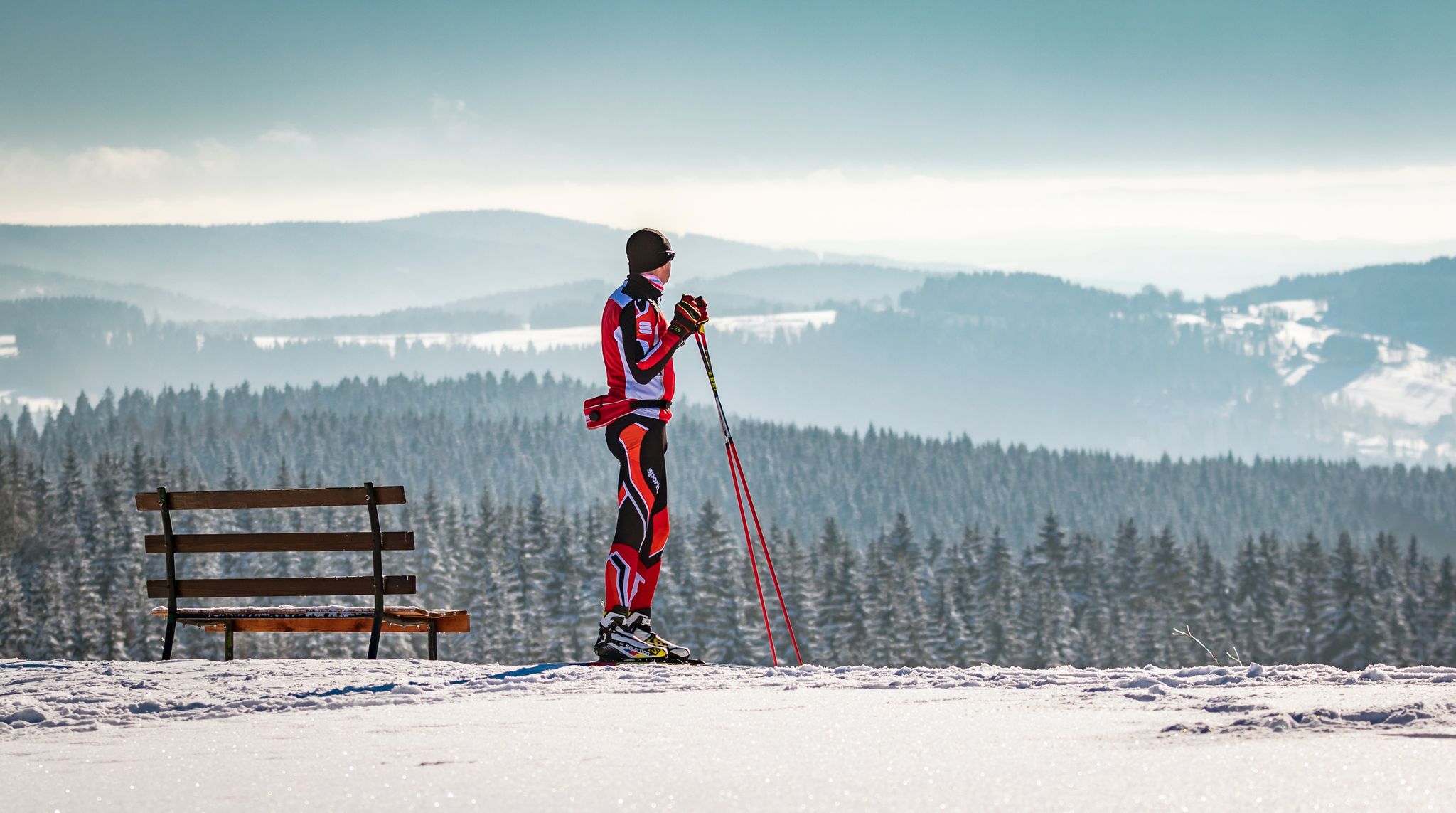
Let it flow! Cross-country skiing in the Ore Mountains
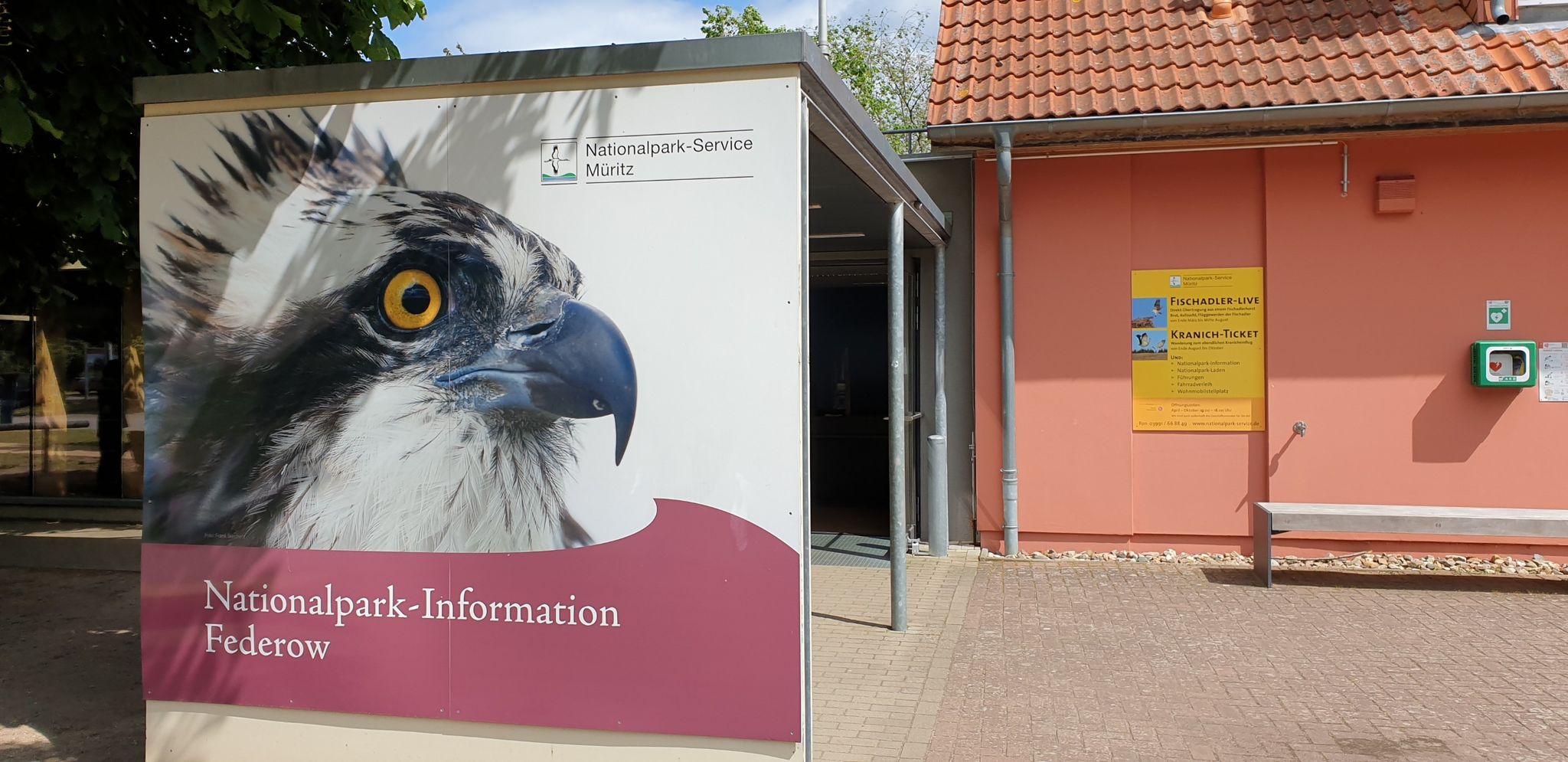
Müritz National Park Information
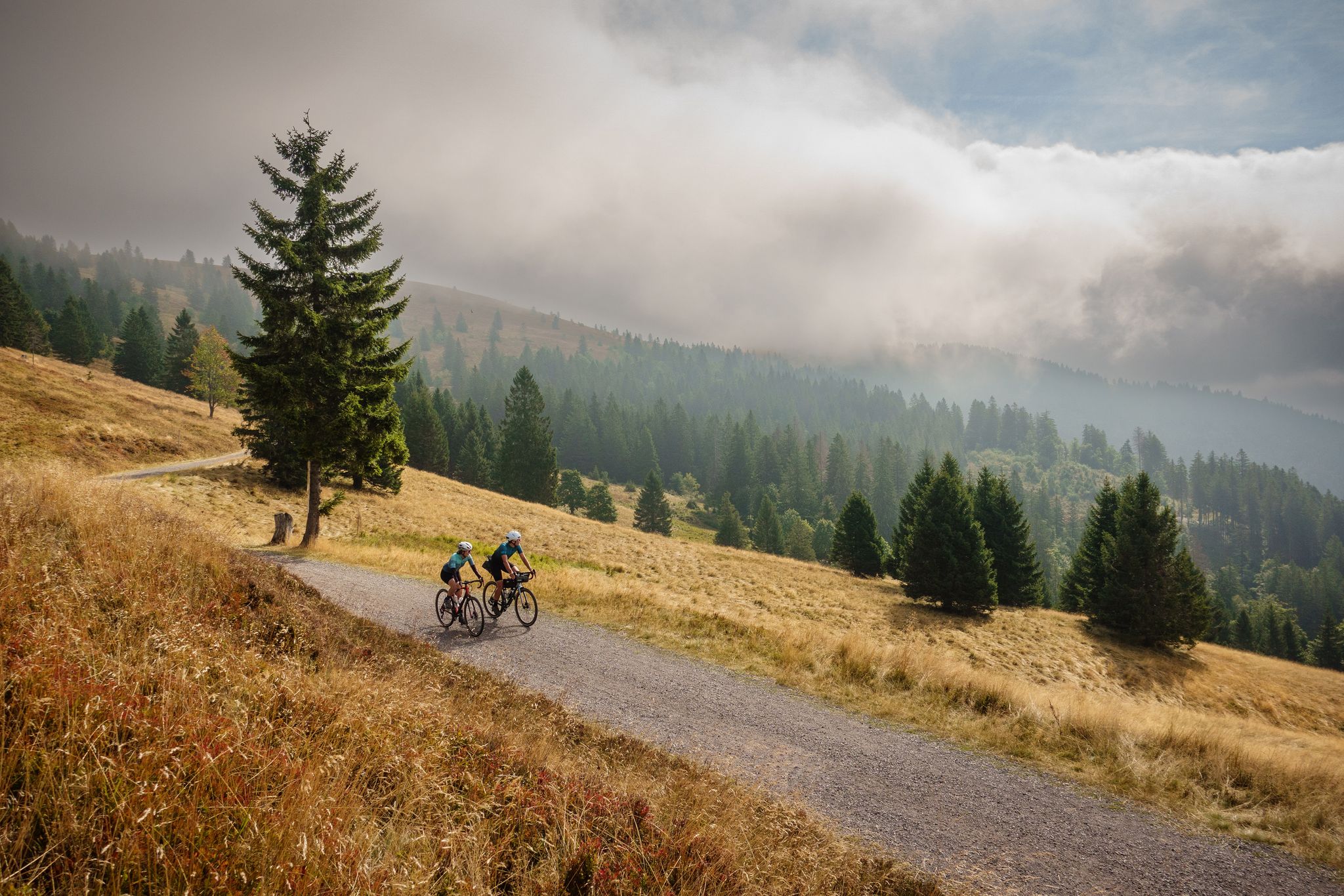
Nature, mountains and freedom – gravel and cycle Tours in the Black Forest
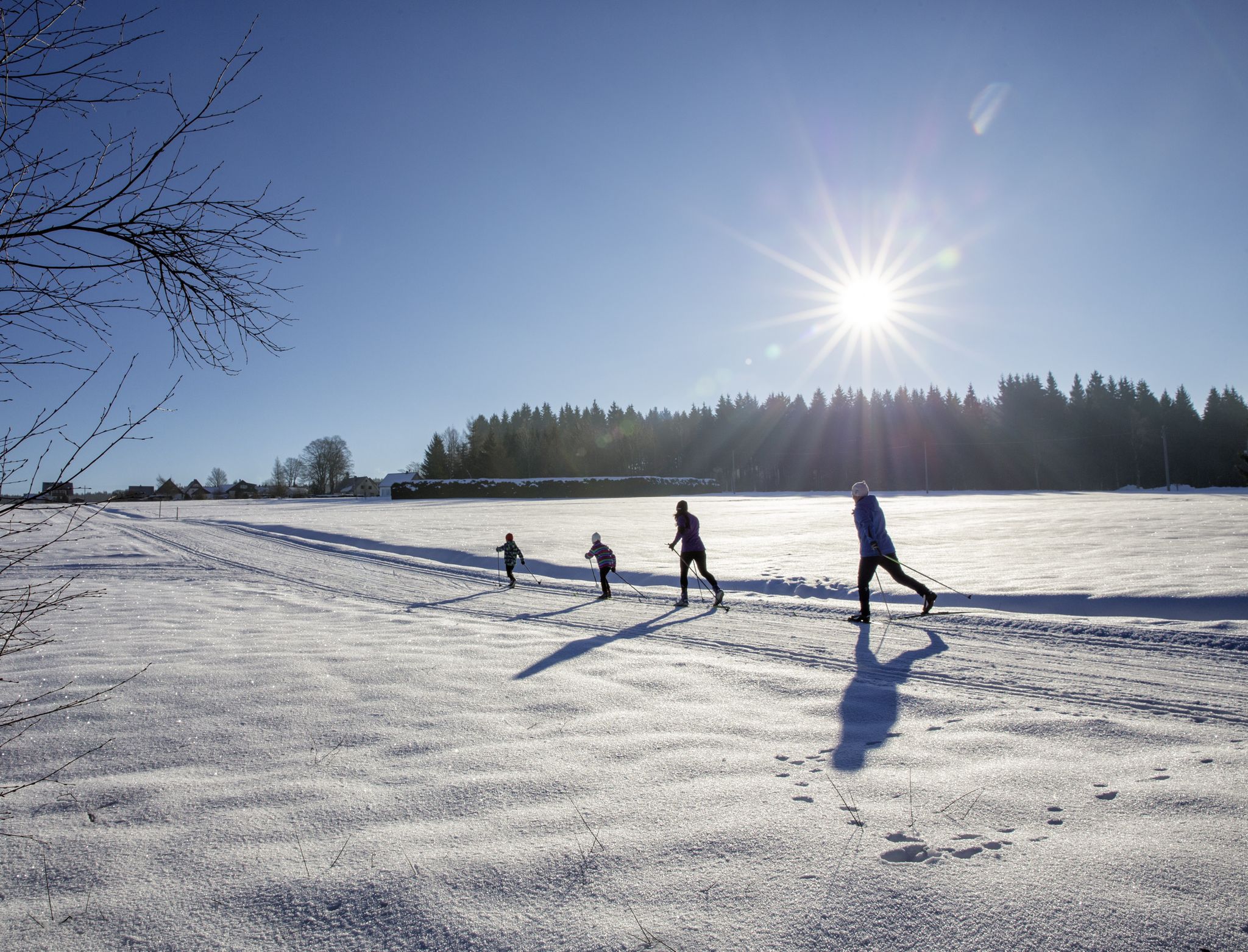
A snowy paradise – winter hiking and cross-country skiing in Germany’s Vogtland
Other adventures in Germany


Tips from the Community

This is a beautiful cultural monument. A visit is highly recommended!
11
0

Currently closed due to filming.
8
3

You definitely have to have been there, very nice there
12
0

Simply recommended, words cannot describe how beautiful it is there. You have a beautiful view of the Lorenzstein, the Winterstein and the Kleinen Winterberg as well as the Friesenstein. Go there and let yourself be overwhelmed by the impressions of the landscape.
7
0

The sandstone cave in the Schwarzachklamm got its name from the Swedish king Gustav Adolf, who is said to have attended a sermon given by the Nuremberg pastor Cornelius Mareius there in 1632 after a battle victory in the Thirty Years' War. It is the largest of the erosive washes in the Schwarzach Gorge. https://urlaub.nuernberger-land.de/detail/id=6220ae58f24f424775ea02b6
14
0

In fact, everything has already been said here. The hiking trail between the Schwarzach and Karlshöhle is unparalleled. But not on the weekend.
17
2
The cave together with the Schwarzach is a highlight in the area. Avoid walking on Sundays and public holidays. It starts with the parking lot.
22
1

The Karlshöhle with its small spring outlet is one of the two largest caves here in the Schwarzachklamm.
13
0
Frequently Asked Questions
What unique geological formations can I expect to see in German caves?
Germany's caves showcase a wide array of geological wonders. You can find impressive stalactite and stalagmite formations, such as those in the Atta Cave, often called the 'Cathedral of Stalactites'. The Devil's Cave features enormous chambers and authentic fossils, including cave bear skeletons. The Barbarossa Cave is unique as Europe's only show cave formed of anhydrite rock, with loose layers of plaster creating distinctive visual effects. Other caves, like König-Otto-Tropfsteinhöhle and Sophienhöhle, boast fantastic dripstone formations in various colors and sizes, while Binghöhle is known for translucent sinter plumes and 'eccentriques'.
Are there any family-friendly caves in Germany?
Yes, several caves in Germany are suitable for families. The Small Sandstone Caves in the Harz offer a peaceful experience where children can play hide-and-seek. The Kuhstall Rock Arch is a natural monument that is also family-friendly. Many show caves, like the Atta Cave and Devil's Cave, offer guided tours designed to be accessible and engaging for visitors of all ages, often with creative lighting and educational elements.
What is the historical significance of caves in Germany?
German caves hold significant historical and archaeological value. The Balve Cave, for instance, has yielded archaeological finds such as bones of humans, forest elephants, and woolly rhinoceroses dating back to the Upper Paleolithic period. The Sophienhöhle has documented use since 1490 and contains discoveries of prehistoric pottery. The Kuhstall Rock Arch is believed to have been used during the Thirty Years' War to hide cattle from soldiers, and the Ida Grotto at Frienstein is also noted as a historical site.
What kind of outdoor activities can I do near German caves?
Many caves in Germany are situated in regions perfect for outdoor activities. For example, near several cave locations, you can find excellent hiking opportunities. Consider exploring routes like the Eibsee Loop Trail or the Medieval Tour to the Rock Castle Neurathen and the Swedish Caves. For more options, check out the Hiking in Germany guide, which includes trails of varying difficulty. Some areas also offer challenging gorge adventures, as detailed in the Waterfall hikes in Germany guide.
Are there any caves in Germany that offer unique experiences, like boat tours or special amenities?
Yes, Germany offers several caves with unique experiences. The Wimsen Cave (Wimsener Höhle) in the Swabian Alb is Germany's only water cave accessible by boat, where a ferryman guides you through its subterranean waters. The Atta Cave features an on-site cheese dairy that uses the cave's consistent temperature and humidity to age 'Atta Hohle cheese', and also includes a 'health grotto' for respiratory ailments. The Balve Cave is renowned for its exceptional acoustics and hosts concerts and theater performances within its vast rock dome.
What are the typical temperatures inside German caves?
The temperatures inside German caves are generally cool and consistent year-round, regardless of the outside weather. For instance, the Wimsen Cave maintains a cool temperature between 8 and 12 degrees Celsius (46-54°F) throughout the year. It's advisable to bring a jacket or warm clothing, even during summer visits, to ensure comfort during your exploration.
Which German caves are known for their impressive size or unique structures?
Germany is home to several caves known for their grandeur. The Devil's Cave near Pottenstein boasts an entrance measuring 25 meters wide and 14 meters high, with enormous chambers inside. The Balve Cave features a 90-meter-deep rock dome, providing space for large events. The Hermanns Cave in the Harz region includes towering caverns up to 50 meters high and a crystal chamber, while the Baumanns Cave impresses with its vast wealth of stalactites and stalagmites and the grand Goethe Hall.
Can I find any ice caves in Germany?
Yes, Germany features unique ice caves. The most famous is the Eiskapelle ('Ice Chapel') in the Berchtesgaden Alps. This natural wonder is characterized by the presence of ice, which can be seasonal or persist year-round, offering a distinct and breathtaking subterranean experience.
Are there any caves in Germany with significant viewpoints or scenic surroundings?
Many caves in Germany are located in scenic areas or offer impressive viewpoints. The Kuhstall Rock Arch provides a vantage point over the Saxon rocky landscape. The Ida Grotto at Frienstein offers a magnificent view, though the path to it is exposed and moderately secured. The View of Happurger See from Hohler Fels also provides grandiose views of the surrounding area.
What are the Saalfeld Fairy Grottoes known for?
The Saalfeld Fairy Grottoes (Saalfelder Feengrotten) are internationally renowned and often described as 'the most colorful grottoes of the world'. They are celebrated for their vibrant and diverse mineral formations, creating a visually stunning underground landscape.
What kind of wildlife might I encounter in German caves?
While most show caves are well-lit and managed, some natural caves can host unique ecosystems. For example, the Hermanns Cave is notable as the only place in Germany where rare olms, a type of aquatic salamander, were settled. Generally, caves provide habitats for various specialized invertebrates, bats, and other creatures adapted to dark, damp environments, though they are often not directly visible to visitors on guided tours.
What should I wear when visiting caves in Germany?
Due to the consistently cool temperatures inside German caves, even in summer, it's highly recommended to wear warm clothing, such as a jacket or sweater. Comfortable, sturdy shoes with good grip are also essential, as cave paths can sometimes be damp or uneven. Some tours might involve narrow or slightly challenging sections, so practical attire is always best.
Most popular routes in Germany
Most popular attractions in Germany

Get inspired with the komoot mobile app


Didn’t find what you were looking for?
Discover more caves in Germany region by region:
Explore more
Extend your search for the best caves by checking out these guides of the top ones in Germany:
