Top 20 Castles in Germany
Best castles in Germany showcase a rich tapestry of history, from medieval fortresses to opulent palaces. These architectural marvels are often nestled amidst varied landscapes, including the Bavarian Alps, the Eltz Forest, and the Moselle River valley. Germany's castles provide insights into centuries of European heritage and offer panoramic views of the surrounding natural beauty. They stand as testaments to different eras, reflecting Romanesque, Gothic, and Renaissance influences.
Best castles in Germany
- The most popular castles is Eltz Castle, a castle that has been continuously owned by the same family for over 850 years. Its unique architecture includes eight towers and timber-frame structures, giving it a storybook appearance.
- Another must-see spot is Lion castle ruins, a castle ruin with a great view of the Rhine Valley. Visitors can enjoy a beautiful quiet place with extensive views of the surrounding landscape.
- Visitors also love Wartburg Castle, a UNESCO World Heritage Site since 1999. Its significant role in German history, particularly the Reformation, makes it a culturally rich site.
- Germany is known for fairy-tale inspired palaces, formidable medieval fortresses, and romantic ruins. Visitors can explore a variety of castles, from those perched dramatically on hills to those nestled in secluded forests.
- The castles in Germany are appreciated by the komoot community, with more than 8,800 highlights, over 11,000 upvotes, and more than 6,000 photos shared by visitors.
Last updated: October 9, 2026
Felsenburg Neurathen (closed due to dilapidation)
Highlight • Castle
Translated by Google •
Tip by

Drachenfels Castle Ruins
Highlight • Castle
Translated by Google •
Tip by

Sign up now to discover places like this
Get recommendations on the best single tracks, peaks, & plenty of other exciting outdoor places.
Eltz Castle
Highlight • Castle
Translated by Google •
Tip by

Burg Castle
Highlight • Castle
Translated by Google •
Tip by

Neuschwanstein Castle
Highlight • Castle
Showing Translation
Tip by

Nordkirchen Palace
Highlight • Castle
Translated by Google •
Tip by

Lion castle ruins
Highlight • Castle
Translated by Google •
Tip by

Wartburg Castle
Highlight • Castle
Showing Translation
Tip by

View of Drachenburg Castle
Highlight • Viewpoint
Showing Translation
Tip by

Great Spreewald Harbor, Lübbenau
Highlight • Rest Area
Food and drink are also available everywhere.
Translated by Google •
Tip by

Sign up for free to discover even more castles in Germany.
Already have an account?
Start today with a free account
Your next adventure awaits.
Popular around Germany
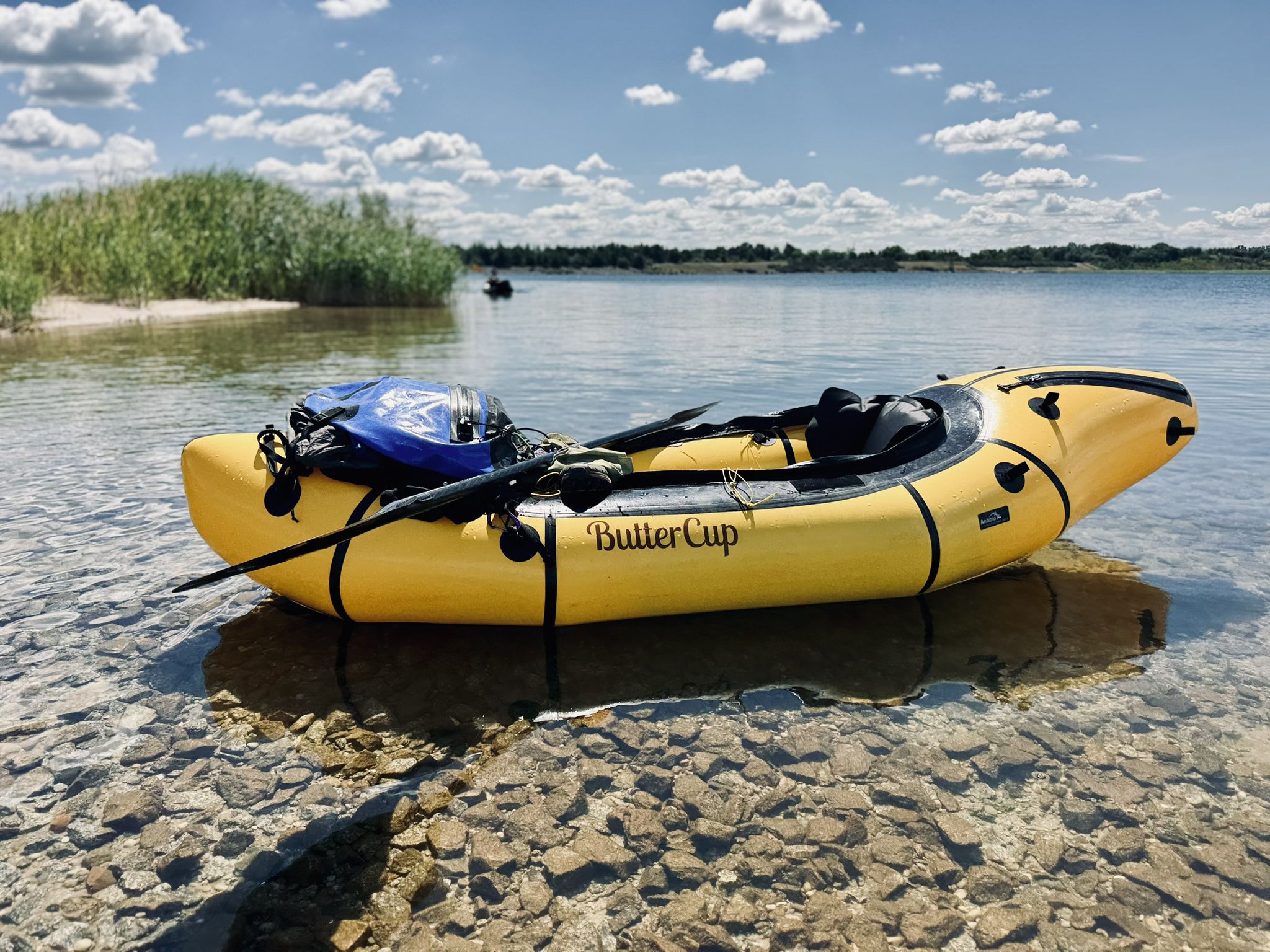
Paddling Paradise Lusatian Lake District – Five Lakes, One Network
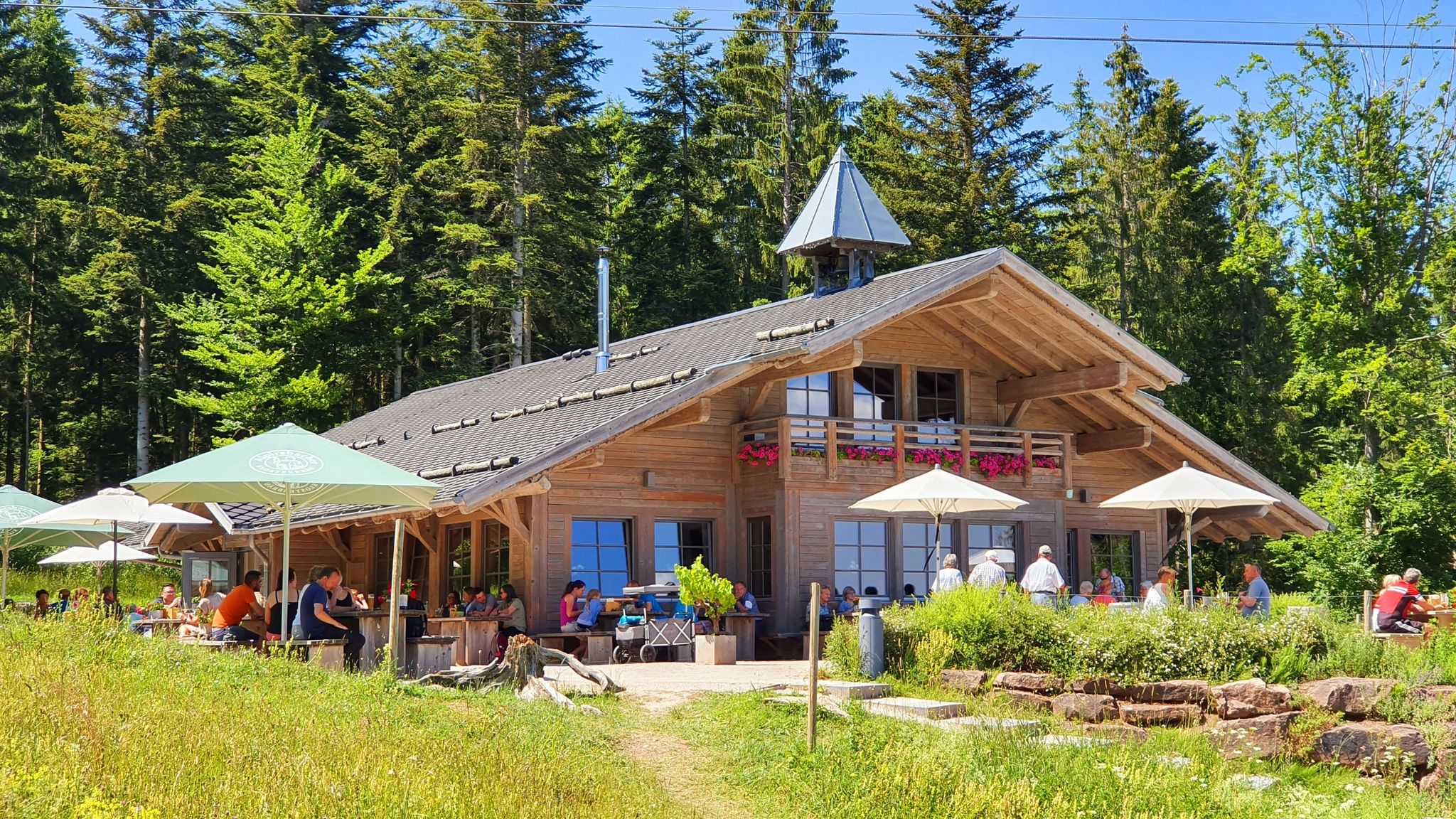
The Black Forest’s huts – moments of enjoyment & relaxation in the forest
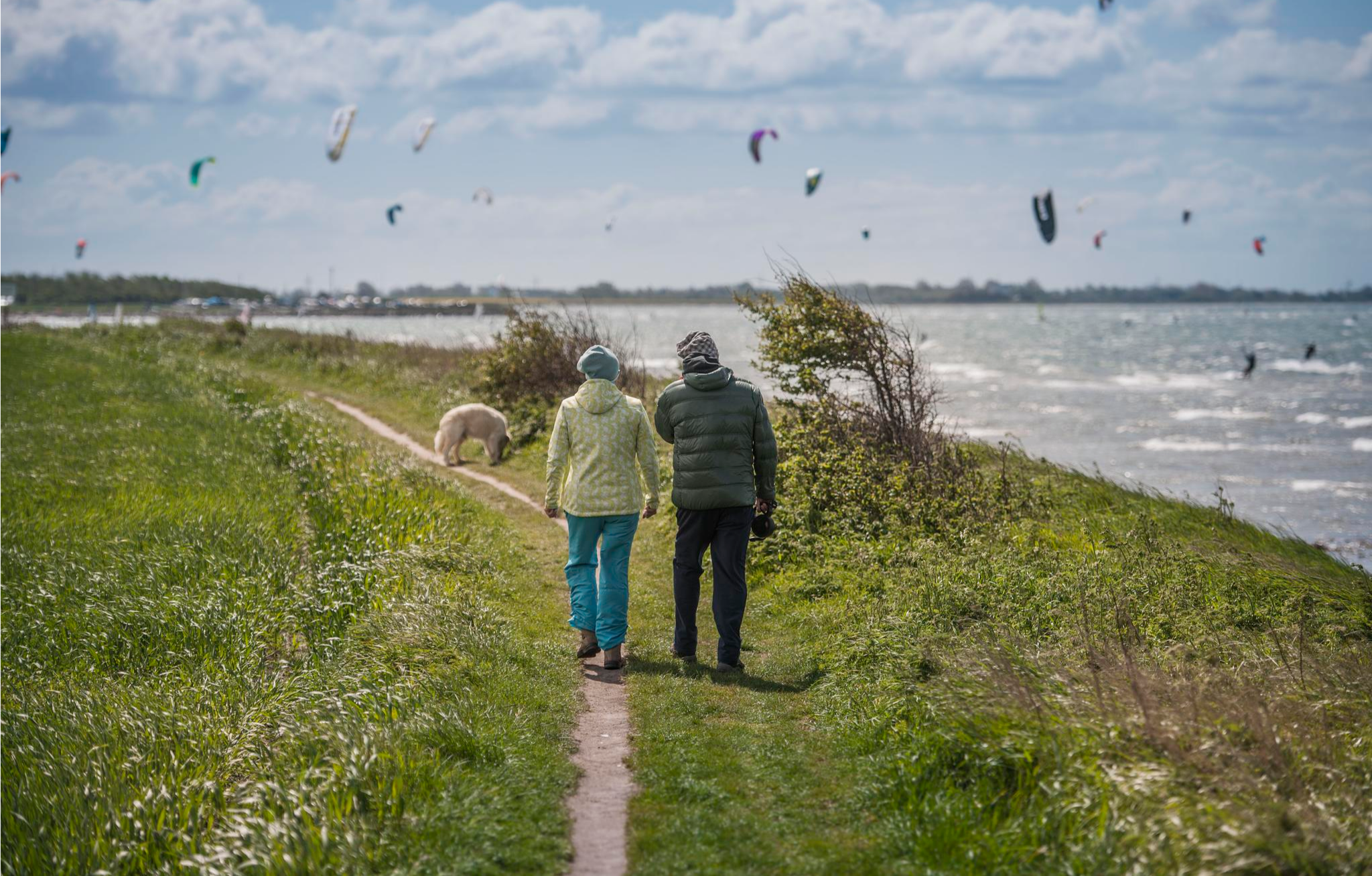
Autumn walks on Fehmarn – between coast and culture
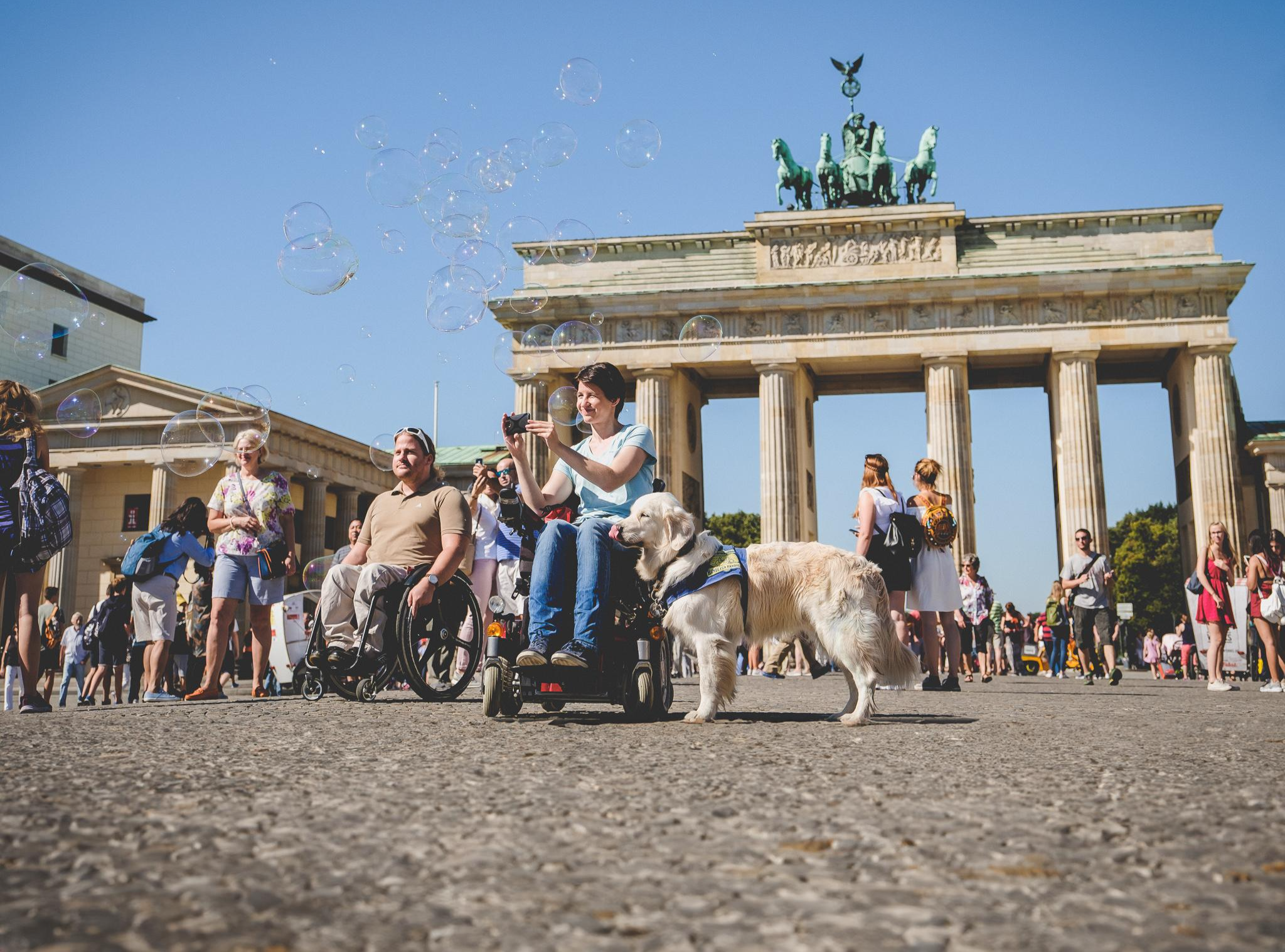
Accessible Hikes and Walks in Berlin
On relaxed paths through the capital – handcycling Berlin
Experience nature without detours - barrier-free adventures in Saarland
Let it flow! Cross-country skiing in the Ore Mountains
Müritz National Park Information
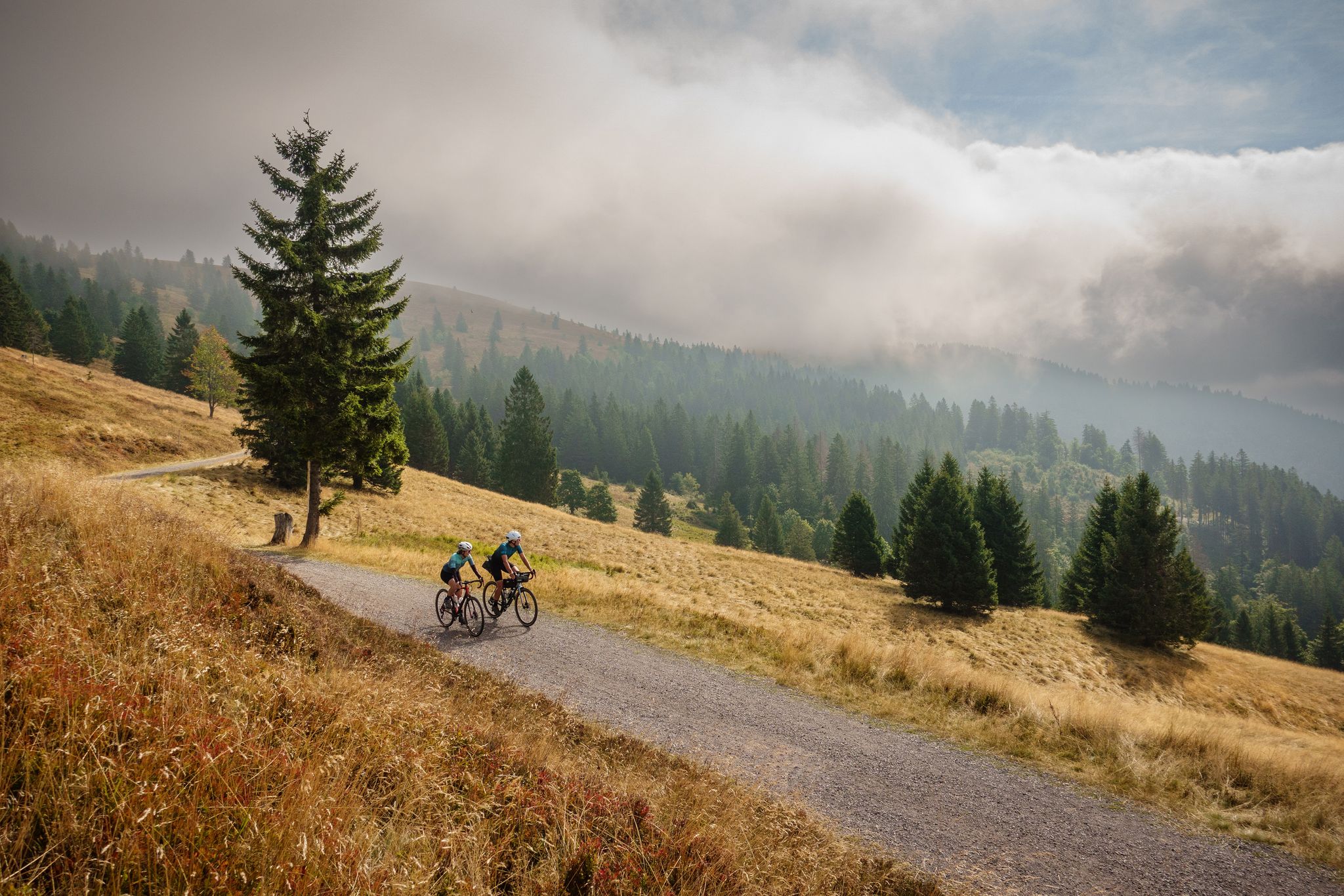
Nature, mountains and freedom – gravel and cycle Tours in the Black Forest
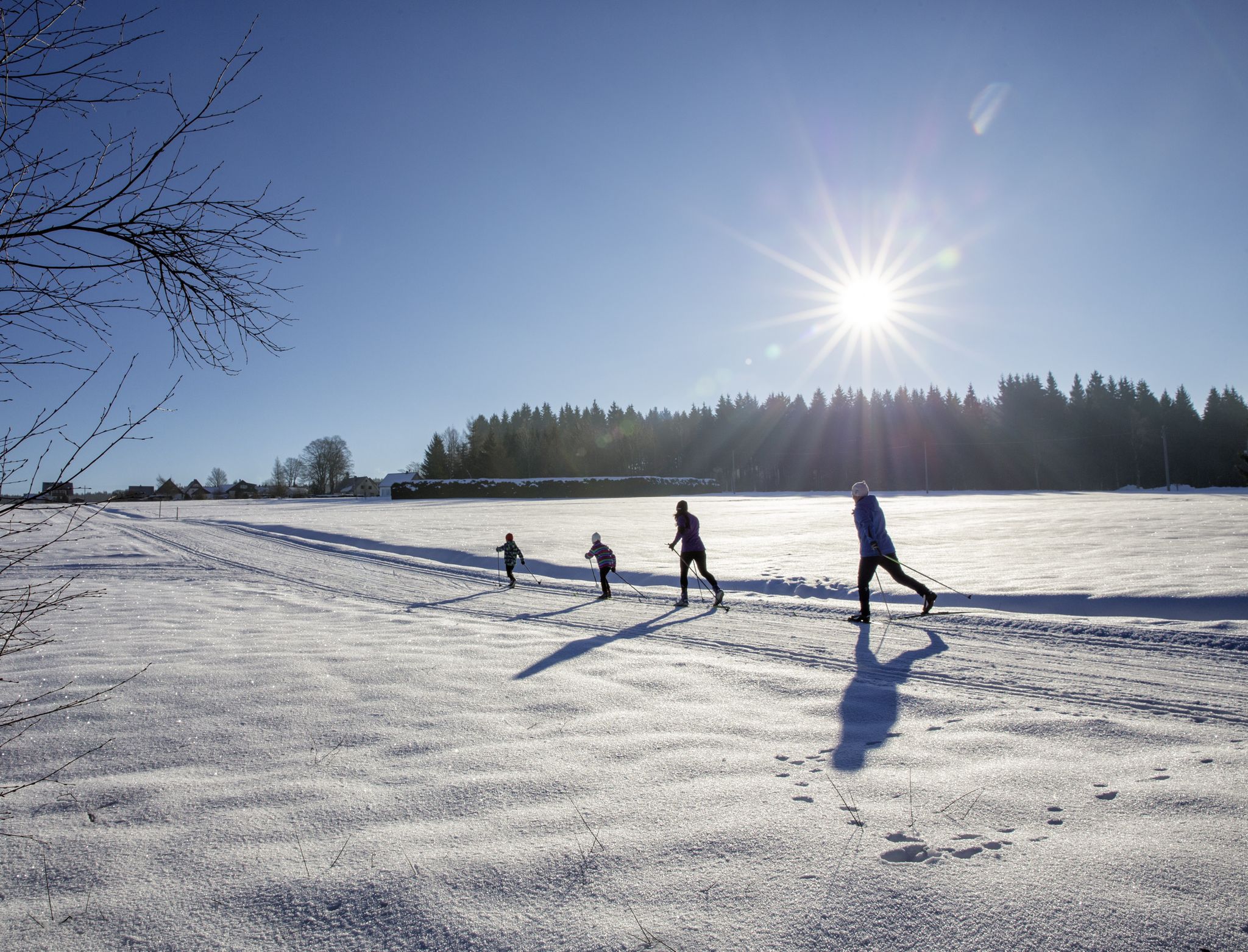
A snowy paradise – winter hiking and cross-country skiing in Germany’s Vogtland
Other adventures in Germany


Tips from the Community

The interior design of Neuschwanstein Castle features the recurring element of the soaring swan. This symbolizes purity and is the heraldic animal of the Counts of Schwangau, to which Ludwig II belonged. This bird can be seen everywhere, on the faucets, stained-glass windows, and even on the roof of the royal carriage.
16
0


Eltz Castle is located at a height of 129 meters as a hilltop castle on a rocky spur in the Elz Valley. It was built around 1157.
18
0

Beautiful, but unfortunately extremely overcrowded. Therefore, it is definitely advisable to be there as early as possible. Around 9 a.m. the first streams of tourists arrive. The early bird catches the worm 😉.
19
2

Sensational views from several vantage points on the bastion
20
2

Great panorama over the Elbe valley.
24
3

The film is quickly filled with photos of the most beautiful view from the Bastei.
26
2

The inner courtyard is well worth seeing with the Palas, the cistern, its half-timbered buildings and the medieval castle garden. Everything is renovated and beautifully prepared.
34
1
Frequently Asked Questions
Which castles in Germany are particularly family-friendly?
Many German castles offer engaging experiences for families. For instance, Eltz Castle, with its storybook appearance and preserved medieval features, is a captivating visit. Burg Castle is also noted for being family-friendly, offering great gastronomy like waffles. Nordkirchen Palace and Wartburg Castle are also listed as family-friendly destinations.
Are there castles in Germany that are easily accessible by public transport?
While many castles are nestled in scenic, sometimes remote, locations, some are more accessible. For example, Wartburg Castle is well-connected to Eisenach, and public transport options are generally available to major tourist attractions like Neuschwanstein Castle. However, for a truly immersive experience, especially to places like Eltz Castle, you might need to combine public transport with a short hike or shuttle service.
What kind of historical significance do German castles hold?
German castles are steeped in rich history, reflecting various eras from medieval fortresses to opulent palaces. Wartburg Castle, a UNESCO World Heritage Site, is particularly significant for its role in the Reformation, where Martin Luther translated the New Testament. Hohenzollern Castle is the ancestral seat of the Prussian Royal House, and Heidelberg Castle showcases a blend of Gothic and Renaissance styles, with parts dating back to the 13th century.
Which castles offer the best panoramic views?
Many German castles are strategically located to offer breathtaking views. Hohenzollern Castle provides panoramic views of the Swabian Alps and the Black Forest. Heidelberg Castle overlooks the city of Heidelberg and the Neckar River valley. Lion castle ruins offers extensive views of the Rhine Valley and the Siebengebirge hinterland. Reichsburg Cochem boasts stunning views of the Moselle Valley, and Neurathen rock castle provides beautiful vistas of the Elbe River and surrounding cliffs.
What outdoor activities can I do near German castles?
The regions around German castles often offer excellent outdoor opportunities. For instance, near many castles, you can find hiking trails. The area around Neurathen rock castle is ideal for hiking, with routes like the 'Medieval Tour to the Rock Castle Neurathen and the Swedish Caves'. The Eltz Forest surrounding Eltz Castle is perfect for walks. You can explore various hiking routes in Germany, some of which pass by these historical sites. For cyclists, there are also numerous road cycling routes in Germany that can take you through scenic castle landscapes.
Are there any less crowded or 'hidden gem' castles to visit?
While popular castles like Neuschwanstein attract many visitors, Germany has numerous lesser-known but equally charming castles. Lion castle ruins is described as a beautiful quiet place with a great view, especially outside of peak times. Burg Eltz, despite its fame, is nestled in a secluded forest, offering a more immersive medieval experience away from modern buildings. Exploring castles in regions like the Black Forest can also reveal hidden gems.
Can I find cafes or restaurants near German castles?
Yes, many castles, especially the more popular ones, have facilities on-site or nearby. Burg Castle is known for its great gastronomy, including a highly recommended waffle house. Wartburg Castle also has a cafe and a castle shop. In general, larger castle complexes or those near towns will offer dining options.
What makes <a href="https://en.wikipedia.org/wiki/Neuschwanstein_Castle" target="_blank" rel="noopener">Neuschwanstein Castle</a> so popular?
Neuschwanstein Castle is often called the 'fairy-tale castle' due to its 19th-century Romanesque Revival architecture, soaring spires, and dramatic perch in the Bavarian Alps. Its opulent interiors, including the Throne Room and Singers' Hall, and the breathtaking views from the Marienbrücke (Mary's Bridge) contribute to its immense popularity. It was also designated a UNESCO World Heritage Site in 2025.
What are the unique features of <a href="https://www.komoot.com/highlight/88936" target="_blank" rel="noopener">Eltz Castle</a>?
Eltz Castle is remarkably well-preserved and has been continuously owned by the same family for over 850 years. Its distinctive architecture includes eight towers, oriels, and timber-frame structures, giving it a storybook appearance. Uniquely, it was built into bedrock in a valley rather than on a hilltop and survived centuries of warfare intact. The interior boasts original furnishings, including a Renaissance bed and a magnificent Banner Hall.
Are there any castles that are wheelchair accessible?
While many older castles may have limited accessibility due to their historical structure, some have made efforts to accommodate visitors. Wartburg Castle is listed as wheelchair accessible. It's always advisable to check the specific castle's website for detailed accessibility information before planning your visit.
What is the best time of year to visit castles in Germany?
The best time to visit German castles largely depends on your preferences. Spring and autumn offer pleasant weather, fewer crowds, and beautiful scenery—spring with blooming flowers and autumn with vibrant foliage. Visiting in autumn, for example, can provide stunning backdrops for castles like Hohenzollern, which offers views of the Black Forest and Swabian Alps, or Wartburg Castle with the Thuringian Forest.
What can I expect to see at Schwerin Castle?
Schwerin Castle, often called the 'Neuschwanstein of the North,' is a magnificent palace located on an island in Lake Schwerin. This 19th-century masterpiece of Romantic Historicism features countless turrets, spires, and ornate facades. Visitors can explore opulent halls, a castle church, and extensive, beautifully landscaped gardens (Schlossgarten). Parts of the castle also serve as the Mecklenburg-Vorpommern state parliament and a palace museum.
Most popular routes in Germany
Most popular attractions in Germany

Get inspired with the komoot mobile app


Didn’t find what you were looking for?
Explore Germany’s best castles region by region:
Explore more
Looking for the best castles somewhere else? Discover other guides in Germany:
