Top 20 Caves in Belgium
Caves in Belgium are primarily located within the Calestienne, a limestone strip in the Ardennes region, recognized as the Famenne-Ardenne Geopark by UNESCO. This subterranean landscape offers diverse geological formations. The caves maintain a constant temperature of around 13°C year-round with high humidity. Belgium's cave systems provide insights into natural history and geological processes.
Best caves in Belgium
- The most popular caves is Mine entrance and Geul sinkhole — Plombières Nature Reserve, a cave that features a viewpoint into…
Last updated: August 11, 2026
Château Neercanne
Highlight • Castle
Translated by Google •
Tip by

Mine entrance and Geul sinkhole — Plombières Nature Reserve
Highlight • Cave
Translated by Google •
Tip by

Sign up now to discover places like this
Get recommendations on the best single tracks, peaks, & plenty of other exciting outdoor places.
Sign up for free
Isbelle Karst Spring
Highlight • Natural Monument
When the stream "l'Isbelle" comes from an impenetrable layer of sandstone on the limestone ridge, downstream from
from the hamlet of Melines, she disappears. …
Translated by Google •
Tip by

Porte Aïve Cave
Highlight • Cave
Translated by Google •
Tip by
Thier des Vignes Flint Caves
Highlight • Cave
Source: mini-ardenne.be/poi.card.php?id=6036&language=fr
Translated by Google •
Tip by

Caves and Cliffs along the Ourthe
Highlight • Cave
Showing Translation
Tip by

Oskar Tunnel (Oskarstollen)
Highlight • Historical Site
Translated by Google •
Tip by

Montaigle Rock Formations
Highlight • Natural Monument
Translated by Google •
Tip by

Grube Auberg Bat Cave Entrance
Highlight • Cave
Translated by Google •
Tip by

Castle cave
Highlight • Cave
Translated by Google •
Tip by

Sign up for free to discover even more caves in Belgium.
Sign up for free
Already have an account?
Start today with a free account
Your next adventure awaits.
Login or Signup
Popular around Belgium
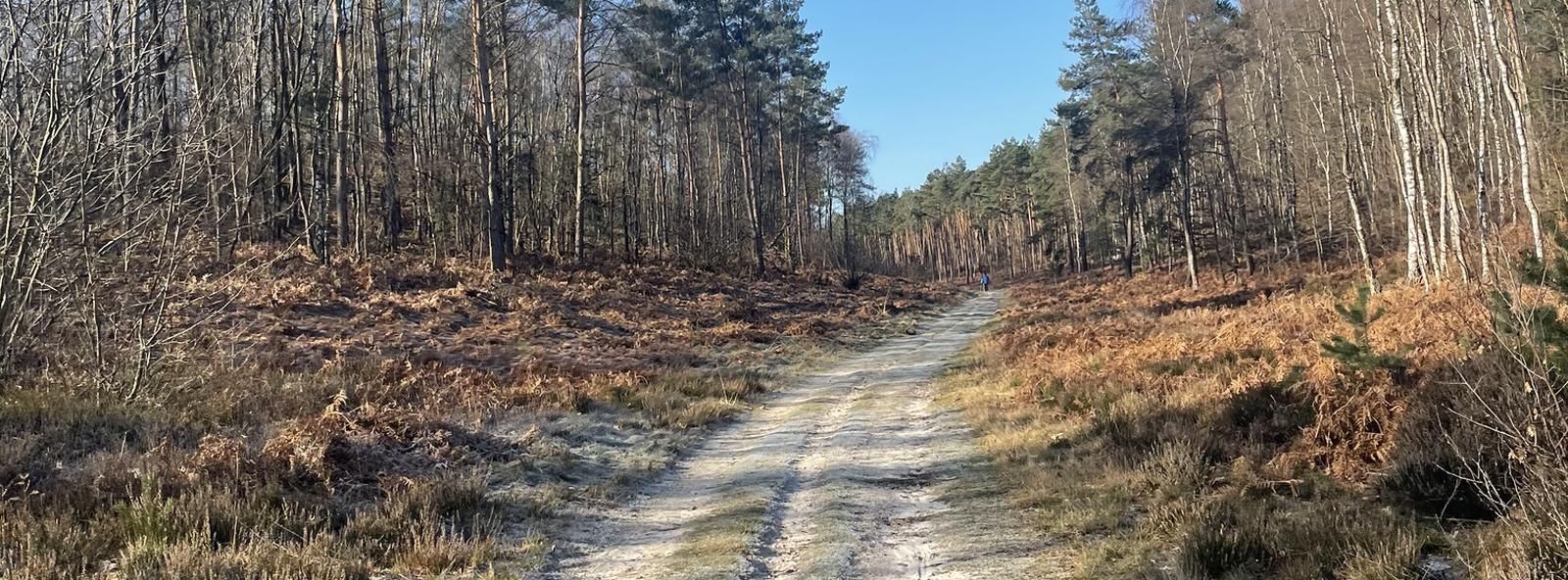
Belgium’s Hoge Kempen and Meuse Valley – Bram Tankink’s best rides
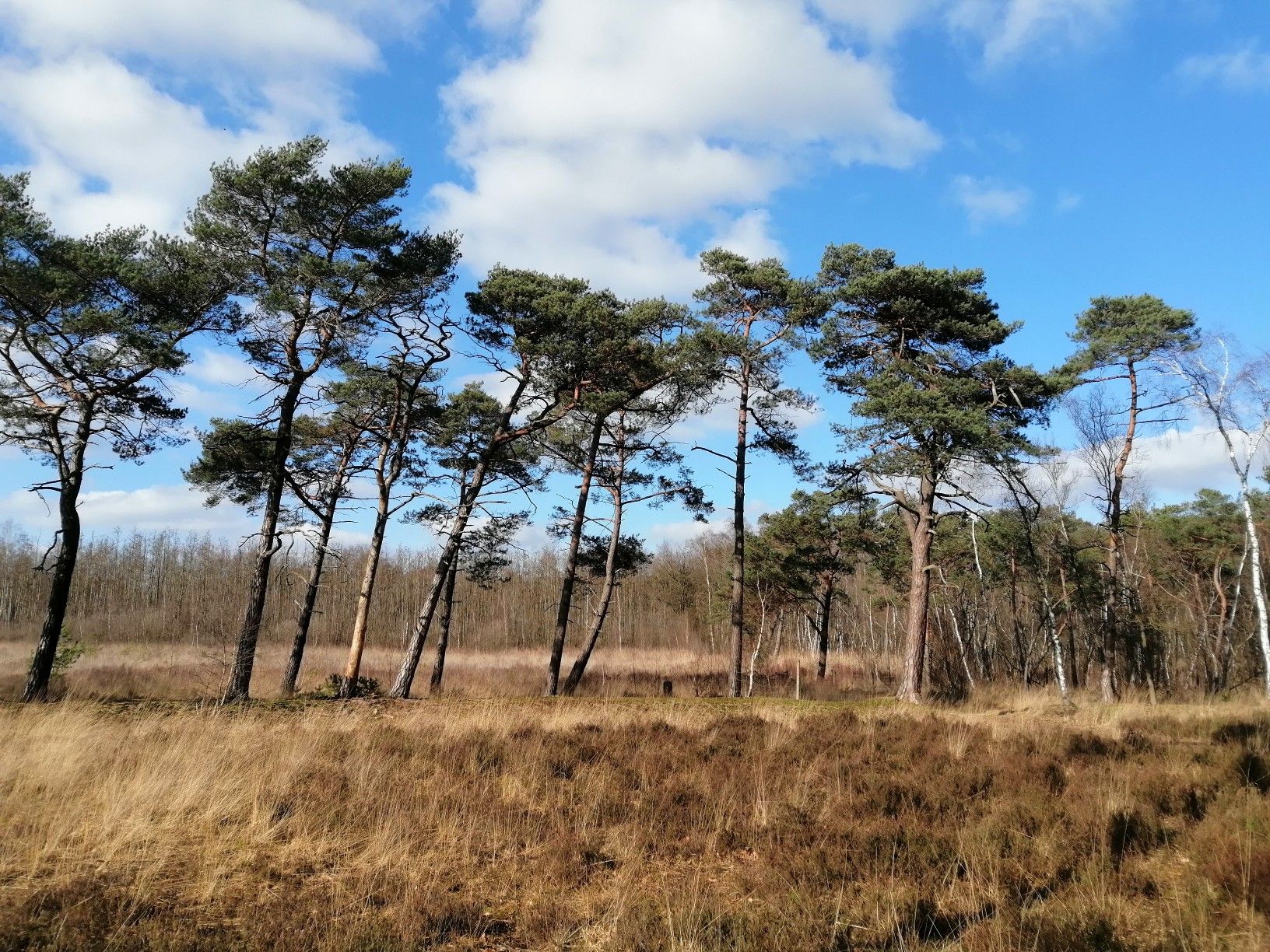
From Flanders to the Ardennes — GR 5 in Belgium
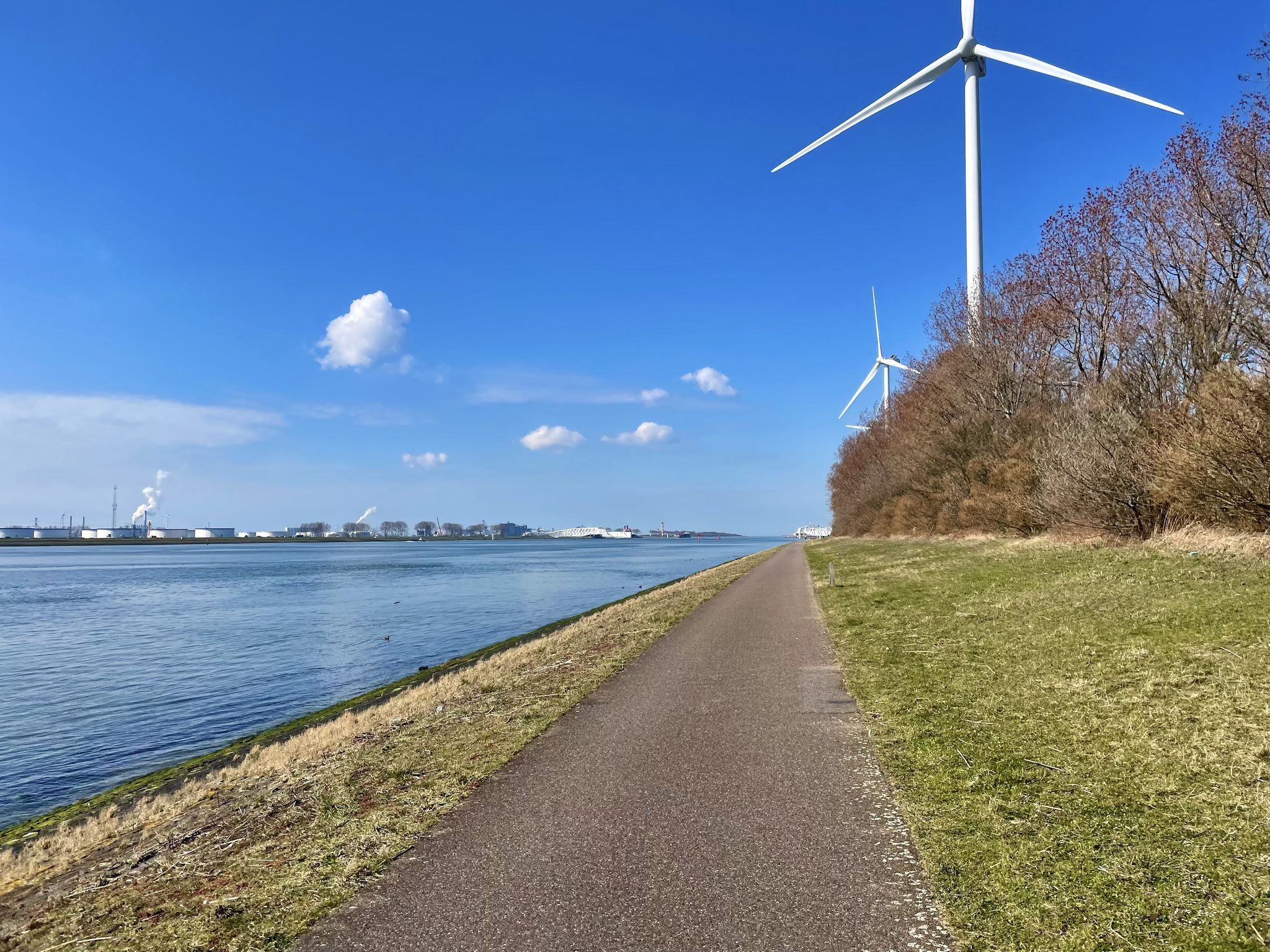
The Meuse Cycle Route - Follow the Meuse from the hills to the harbor
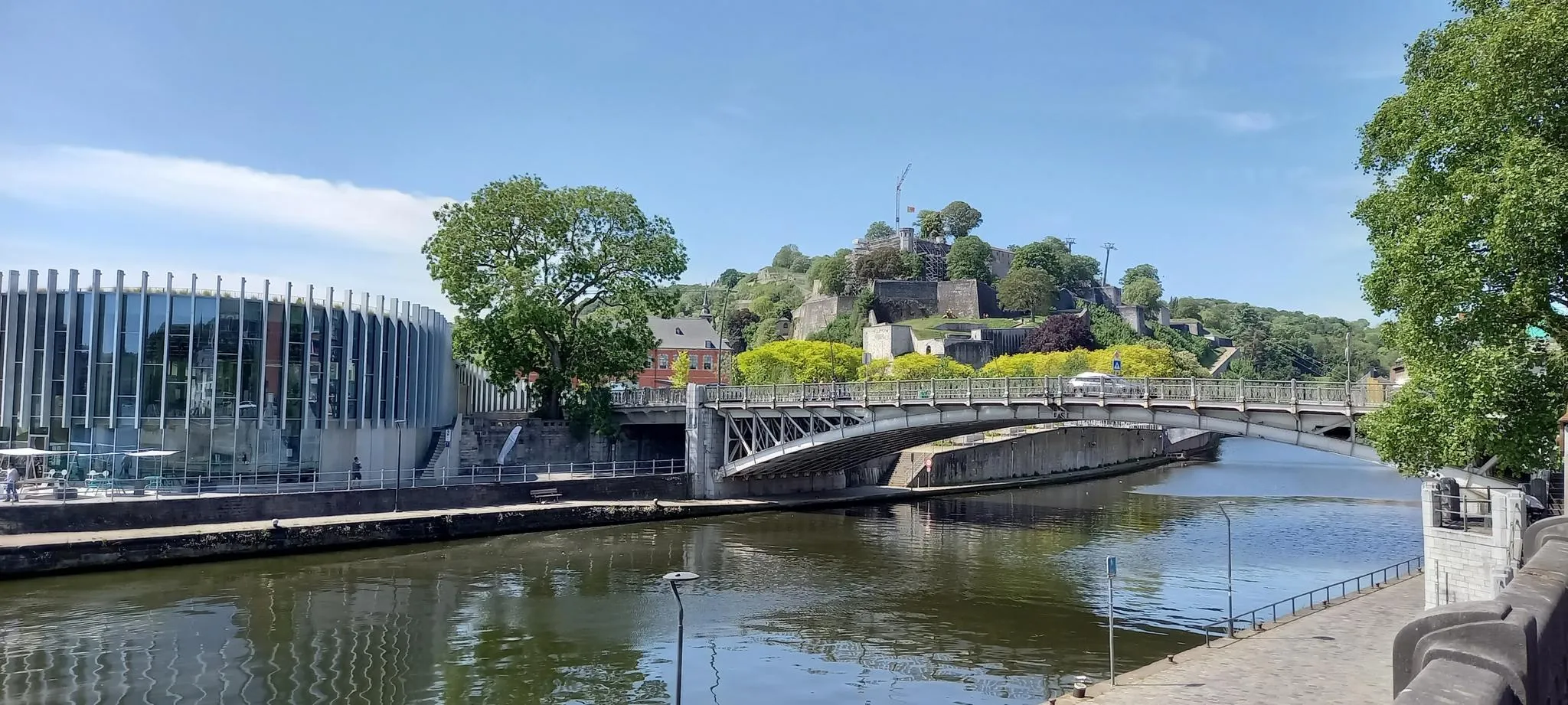
EuroVelo 3 — The adventure in the heart of Belgium
Streek-GR Hageland – Hollow roads and endless fields
Sentier des abbayes trappistes part 1 – Between nature and gastronomy
Trappist abbeys cycle route – Between beers and heritage
Aachen to Reims – Ardennes, Meuse and Champagne
Flanders Divide - Across Flanders
Running an ultra in Belgium – long trails in a small country
Other adventures in Belgium


Tips from the Community

Beautiful hike, with very beautiful views, with steep ascents with rocks and roots that you have to climb over, but really worth doing.
0
0

Beautifully located climbing area on the Ourthe with its own picnic area and here the sound of the river instead of, as is often the case in Belgium, the road and railway line. Actually, there is something for everyone, although the focus is on easier to intermediate routes. The rock is good, but not always perfectly solid.
3
0

The Neercanne castle is built on the original site of Roman fortifications whose caves still exist and are used as a wine cellar. In the hall, the original staircase with a railing on wide columns is still present. Weapon trophies are depicted in relief on the ceiling. Currently, the castle is used as a hotel and restaurant. The restaurant has been awarded one star by the Michelin Guide.
5
0

The Castle Cave is a unique place where history, architecture, and nature converge. Often located near or beneath a castle, such as in South Limburg or other historic regions, a castle cave served various purposes: from storing wine or provisions to sheltering or serving as a decorative garden feature within the castle grounds' landscaping. The cave is usually situated in a wooded area or on a slope, where natural rock formations and limestone structures create an impressive backdrop. Winding paths, hills, and viewpoints often surround the cave, making it a haven for hikers and a haven of discovery.
0
0

There are old flint quarries in this area: the “Carrières de silex du Thier des Vignes”.
1
0

The Montaigle rock formations include: • A limestone massif on which the medieval ruins lie. • Prehistoric caves that bear witness to thousands of years of human occupation. • Historically significant finds that have contributed to our understanding of the Aurignacian culture. • Unique cliffs and boulders with unusual shapes, which are currently protected and where climbing is prohibited.
5
0
A mysterious flint cave on the edge of the Albert Canal, near the locks at Klein Ternaaien. You reach the entrance via a steep path through the woods. The caves are dark, cool, and full of atmosphere—perfect for those who love hidden natural spaces. Bring a flashlight and good walking shoes!
2
0

In the mid-19th century, flooding from the Göhl River posed a major threat to the mine in Bleyberg/Plombières: Water repeatedly penetrated the tunnels and claimed lives. To prevent this, a diversion of part of the river was requested and approved in 1861. By 1862, a tunnel several hundred meters long was built beneath the rock, keeping the Göhl away from the mine. The construction cost approximately 200,000 francs. The tunnel is a technical monument to mining engineering from an era when hazards were deliberately controlled while simultaneously harnessing hydropower. It demonstrates how work-related accidents were prevented while simultaneously harnessing resources.
54
0
Frequently Asked Questions
What kind of natural features can I expect to see in Belgian caves?
Belgian caves are renowned for their diverse geological formations. You can expect to see impressive dripstone formations like stalactites, stalagmites, columns, and flowstones. Some caves feature underground rivers, vast chambers, and even unique tubular stalactites known as 'macaroni'. For instance, the Caves of Hotton are distinguished by their linear layout across multiple levels and shimmering concretions.
Are there any caves in Belgium with significant historical or archaeological importance?
Yes, several caves in Belgium hold historical and archaeological significance. The Porte Aïve Cave, for example, is a site of archaeological excavations where a Neolithic tomb was discovered. The Mine entrance and Geul sinkhole — Plombières Nature Reserve showcases historical zinc and lead mining operations. Additionally, the Cave of Spy is famous for its archaeological findings, and the Montaigle Rock Formations include prehistoric cave shelters with remains from the time of mammoths and reindeer.
What is the best time of year to visit the caves in Belgium?
Belgian caves maintain a constant temperature of around 13°C year-round with high humidity, making them a suitable destination in any season. They are particularly appealing during rainy weather or the off-season when outdoor activities might be less comfortable. Some caves, like Grotte La Merveilleuse, even host colonies of bats in winter, adding a unique seasonal element.
Are there family-friendly cave experiences in Belgium?
Many caves in Belgium offer experiences suitable for families. The Caves of Han, for instance, begin with a vintage streetcar ride and include a wildlife park, making it an engaging day out. While some caves involve climbing steps, others, like the Caves of Hotton, provide an elevator for the return journey, enhancing accessibility for a wider range of visitors.
What should I wear when visiting caves in Belgium?
Given the constant temperature of around 13°C and high humidity inside the caves, it's advisable to wear warm layers, even in summer. Comfortable, sturdy shoes with good grip are essential, as paths can be damp or uneven. Some caves may involve climbing several hundred steps, so be prepared for physical activity.
Can I experience an underground boat trip in a Belgian cave?
Yes, you can. The Caves of Remouchamps are renowned for offering the longest underground boat tour in Belgium, taking visitors along the subterranean Rubicon River. The Caves of Neptune also often include a boat trip as part of the experience, allowing for a unique perspective on the formations.
Are there any caves in Belgium that offer unique sound and light shows?
The Caves of Han provide an immersive multimedia experience with their 'Origin' sound and light show. This special feature enhances the natural beauty of the caverns, creating a memorable visit within the gigantic dripstone formations.
What kind of outdoor activities can I do near the caves in Belgium?
The region around Belgium's caves, particularly the Ardennes, offers a variety of outdoor activities. You can find numerous hiking trails, such as those listed in the Waterfall hikes in Belgium guide, with routes like 'Panoramic views, rocks and torrents in Xhoffraix'. Cycling enthusiasts can explore routes from the Cycling in Belgium guide, while mountain biking options are available through the MTB Trails in Belgium guide, including the 'National Park MTB Marathon'.
Are there any caves in Belgium that are man-made or have a mining history?
Beyond natural caverns, Belgium also features man-made underground sites. The Thier de Lanaye Underground Quarries are an example of historical mining tunnels. The Grottes de Folx-les-Caves are also a historical, man-made system of limestone quarries, used for various cultural events.
Which cave is known for its impressive vertical shafts and a flaming balloon demonstration?
The Cave of Lorette-Rochefort is notable for its vertical shafts, which descend 60 meters. A highlight of the visit is often a demonstration where a flaming balloon is released into a central enormous chamber, showcasing its vastness.
What makes Grotte La Merveilleuse in Dinant a unique cave to visit?
Grotte La Merveilleuse, discovered in Dinant in 1904, is considered one of Europe's most beautiful caves. It features monumental galleries, elegant white concretions, stalactites, stalagmites, draperies, and waterfalls. Key sections like the 'Glaciers' room and the 'Great Hall' (also known as 'Cascades') contribute to its 'marvelous' reputation, though it does involve climbing several hundred steps.
Are there any caves in Belgium that are recognized for their natural heritage status?
Yes, the Caves of Hotton are recognized as an outstanding natural heritage site of Wallonia and are the only Belgian caves to be entirely classified. They have also received two Michelin stars, highlighting their exceptional natural beauty and conservation status.
Most popular routes in Belgium
Most popular attractions in Belgium

Get inspired with the komoot mobile app


Didn’t find what you were looking for?
Discover more caves in Belgium region by region:
Explore more
Extend your search for the best caves by checking out these guides of the top ones in Belgium:
