Top 20 Caves in North Rhine-Westphalia
Best caves in North Rhine-Westphalia offer diverse geological formations and historical insights. The region features a landscape shaped by ancient geological processes, resulting in numerous accessible cave systems. These subterranean environments provide opportunities to observe stalactites, stalagmites, and fossilized coral reefs. North Rhine-Westphalia's caves are notable for their natural preservation and archaeological significance.
Best caves in North Rhine-Westphalia
- The most popular caves is Hollow Stone, a cave that is a large, open formation. This site has yielded archaeological finds dating from the late Paleolithic to the pre-Roman Iron Age.
- Another must-see spot is Feldhof Cave, a historical cave with a main hall measuring 8 meters high and 15 meters wide. Visitors can explore its approximately 100-meter length, which branches into several side arms.
- Visitors also love Kakus Cave and Kartstein Cliffs, a large open cave with multiple exits. This cave is part of a nature reserve and features concrete reinforcements and stairs for accessibility.
- North Rhine-Westphalia is known for open caves, stalactite caves, and fossil coral reefs. These include sites with archaeological findings and those recognized for their geological history.
- The caves in North Rhine-Westphalia are appreciated by the komoot community. With more than 2600 upvotes and over 2100 photos, they offer diverse experiences.
Last updated: August 29, 2026
Feldhof Cave
Highlight • Cave
Translated by Google •
Tip by

Felsenmeer (Hemer)
Highlight • Natural Monument
The nearby Heinrichshöhle is a stalactite cave, which is open to visitors.
The Felsenmeer itself is freely accessible around the clock. Leaving the marked trails is prohibited and very dangerous, as crevices are often hidden under leaves and branches. This has already resulted in several deaths.
Translated by Google •
Tip by

Sign up now to discover places like this
Get recommendations on the best single tracks, peaks, & plenty of other exciting outdoor places.
Sign up for free
Seven Maidens Rock Formation
Highlight • Natural Monument
Translated by Google •
Tip by

Kakus Cave and Kartstein Cliffs
Highlight • Cave
Translated by Google •
Tip by

Nideggen Castle
Highlight • Castle
Translated by Google •
Tip by

Hollow Stone
Highlight • Cave
Translated by Google •
Tip by

Schöpfungspfad Alpine Section and Bat Cave
Highlight • Trail
Translated by Google •
Tip by

Dwarves' Cave
Highlight • Cave
Translated by Google •
Tip by

Bilsteintal Wildlife Park
Highlight • Natural
Translated by Google •
Tip by

Crucifixion Relief and Grotto at the Externsteine
Highlight • Monument
The majority of art historians dated the depiction to the 12th century and is one of the most important testimonies of its kind in north-western Europe.
Translated by Google •
Tip by

Sign up for free to discover even more caves in North Rhine-Westphalia.
Sign up for free
Already have an account?
Start today with a free account
Your next adventure awaits.
Login or Signup
Popular around North Rhine-Westphalia
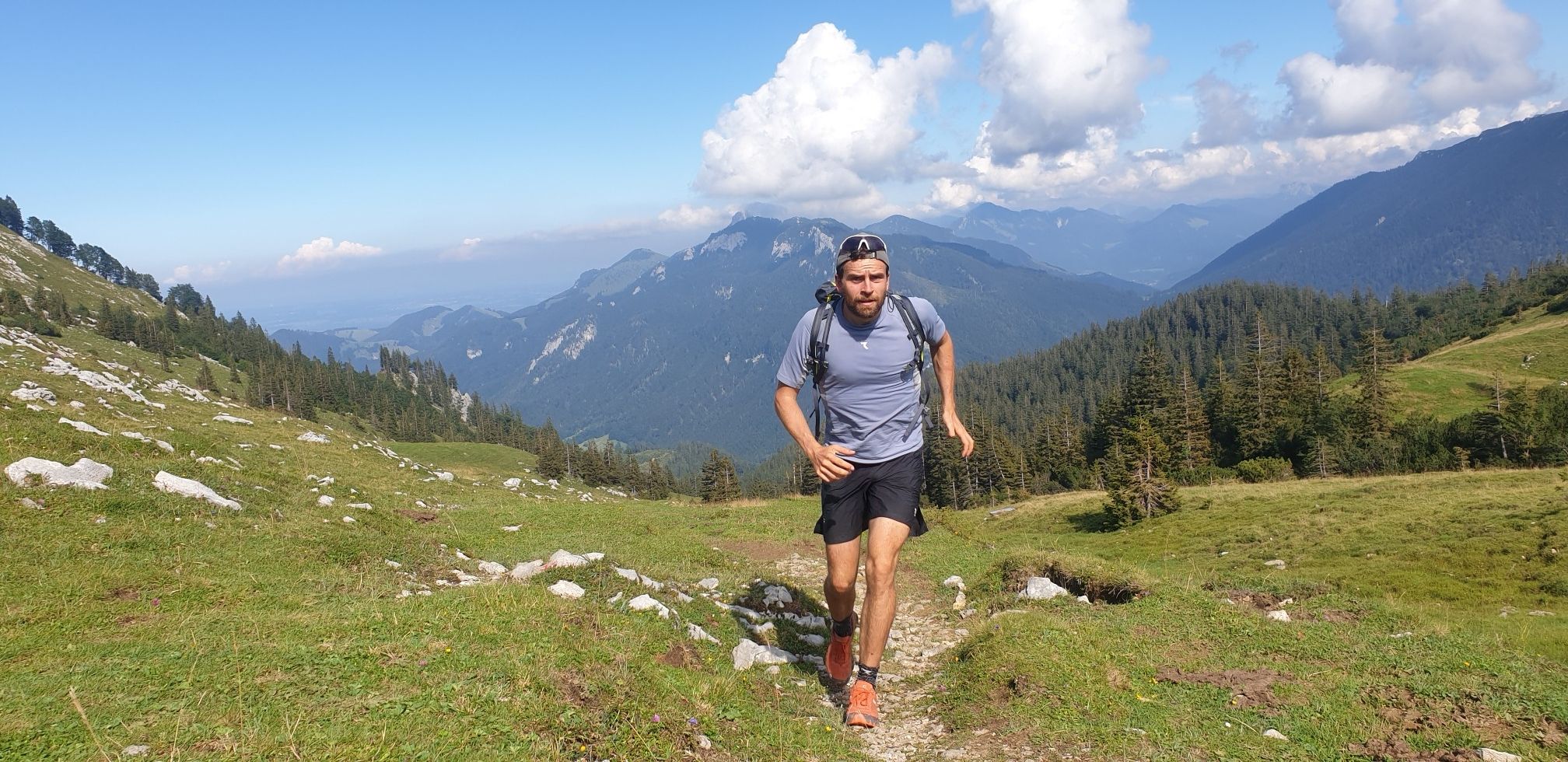
Triathlon around Germany
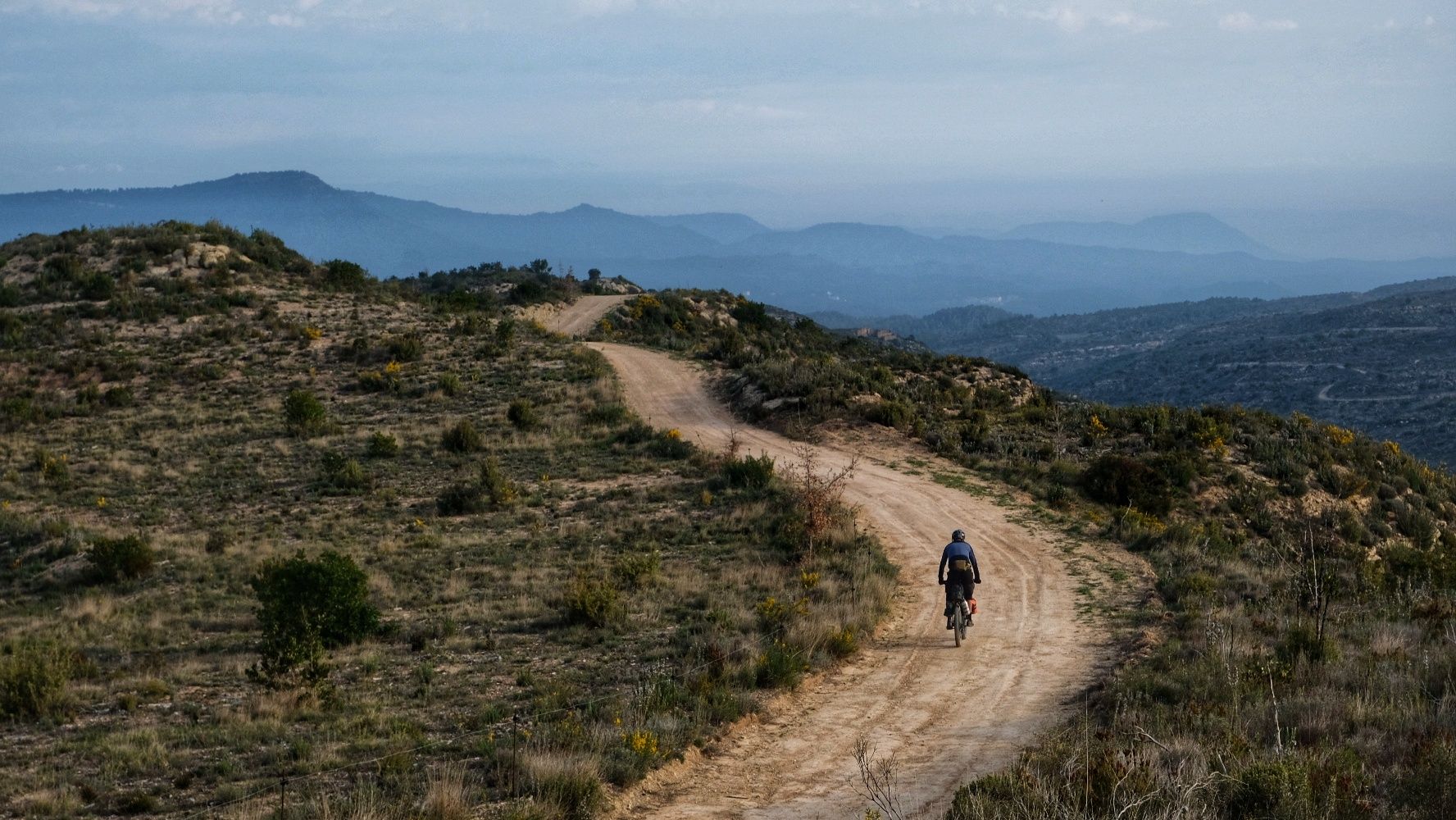
European Divide Trail — 7,600 km across the continent
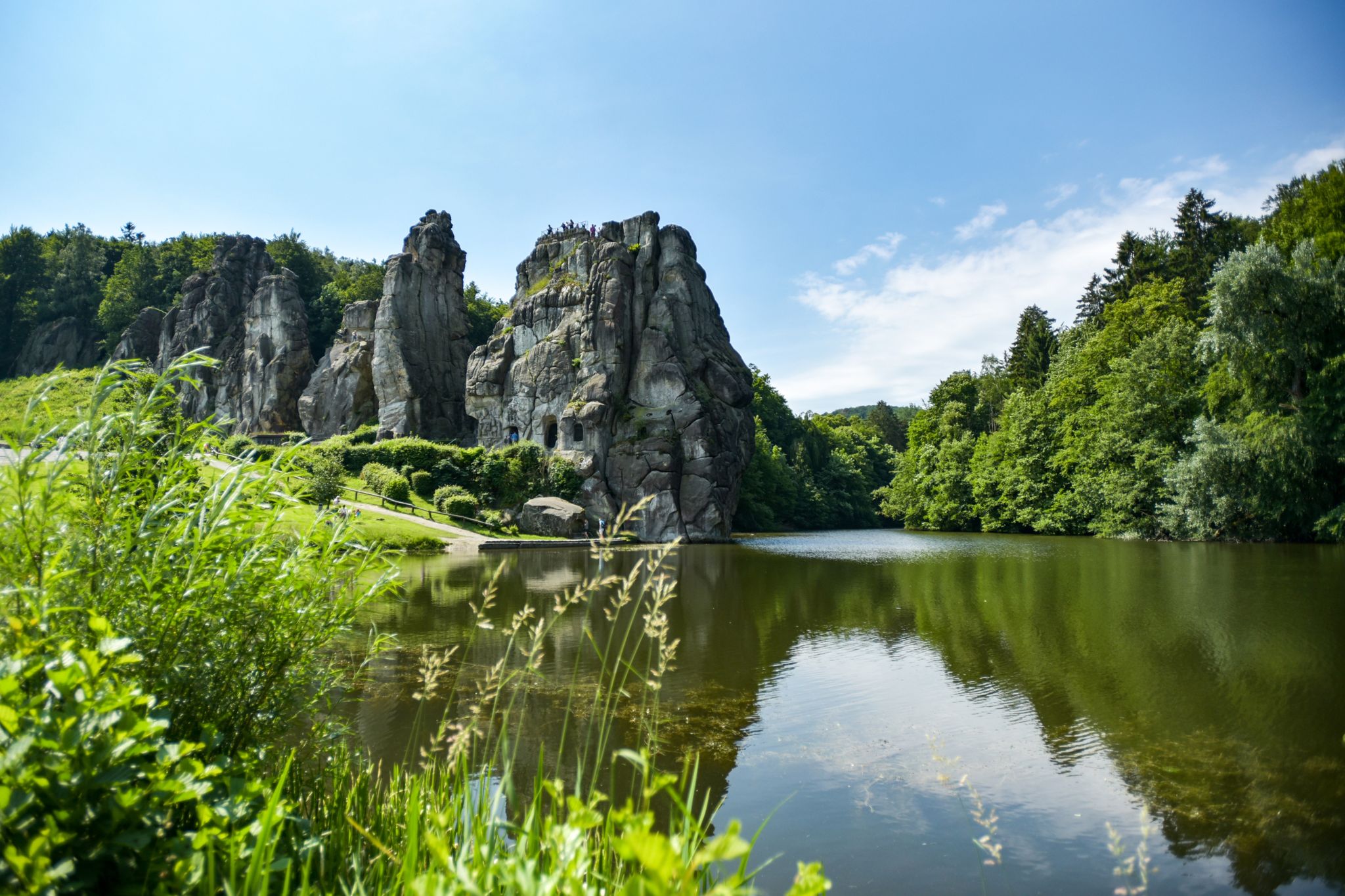
Hiking Germany's Hermannsweg – In the footsteps of the Cheruscan
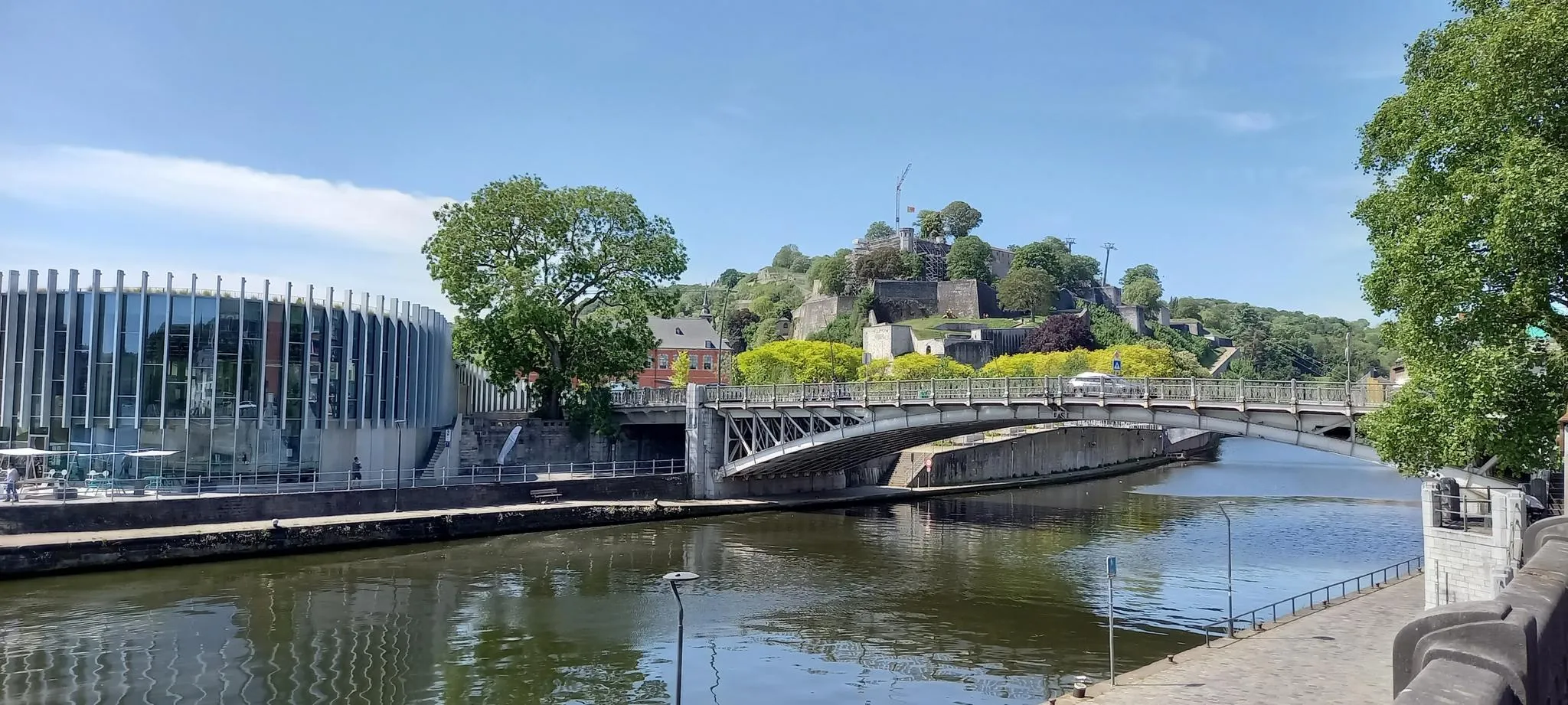
EuroVelo 3 — The adventure in the heart of Belgium
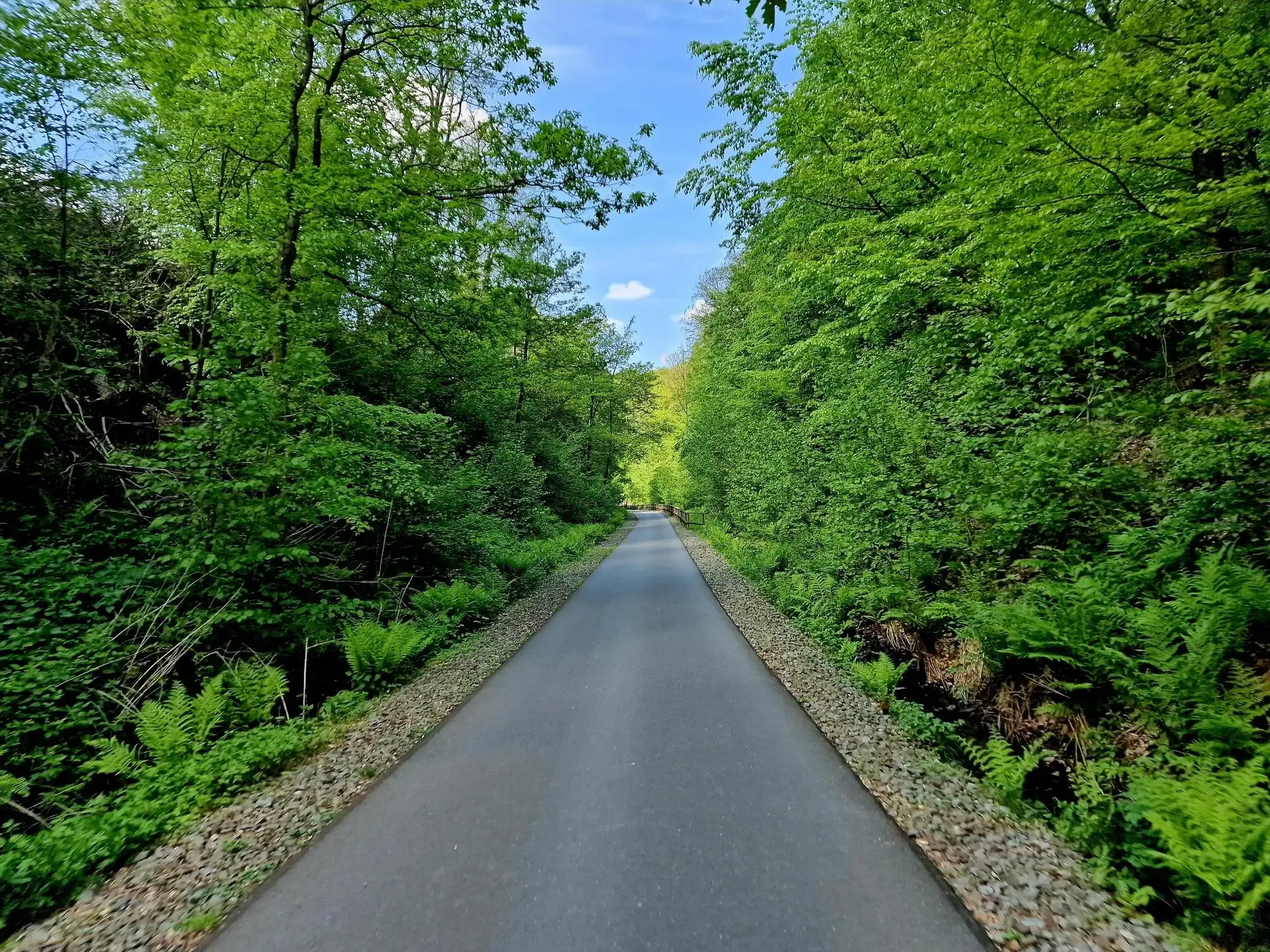
WHEW 100 – An Ultramarathon in three days in the middle of NRW
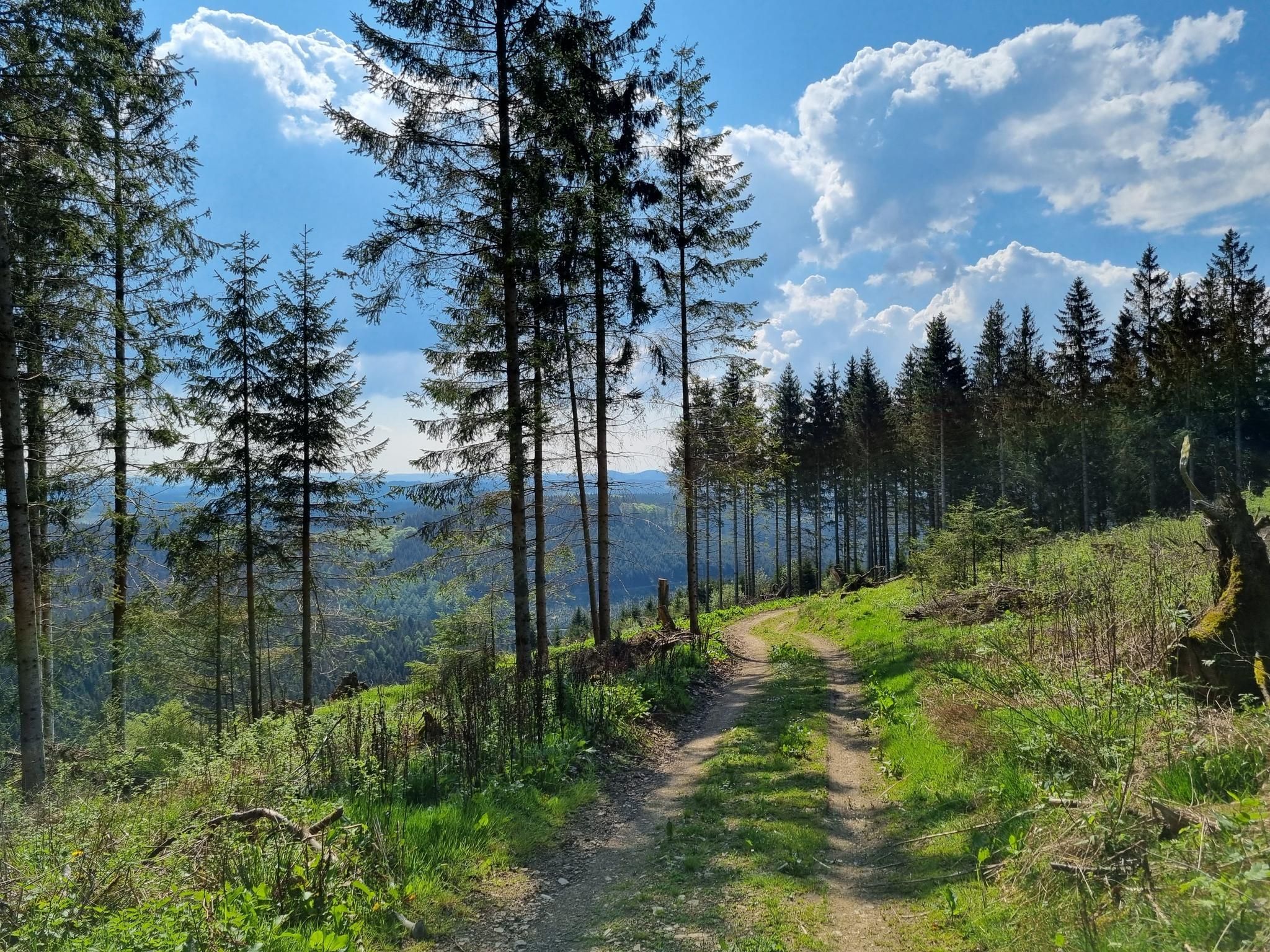
Ehmsenweg – Hiking through Western Sauerland
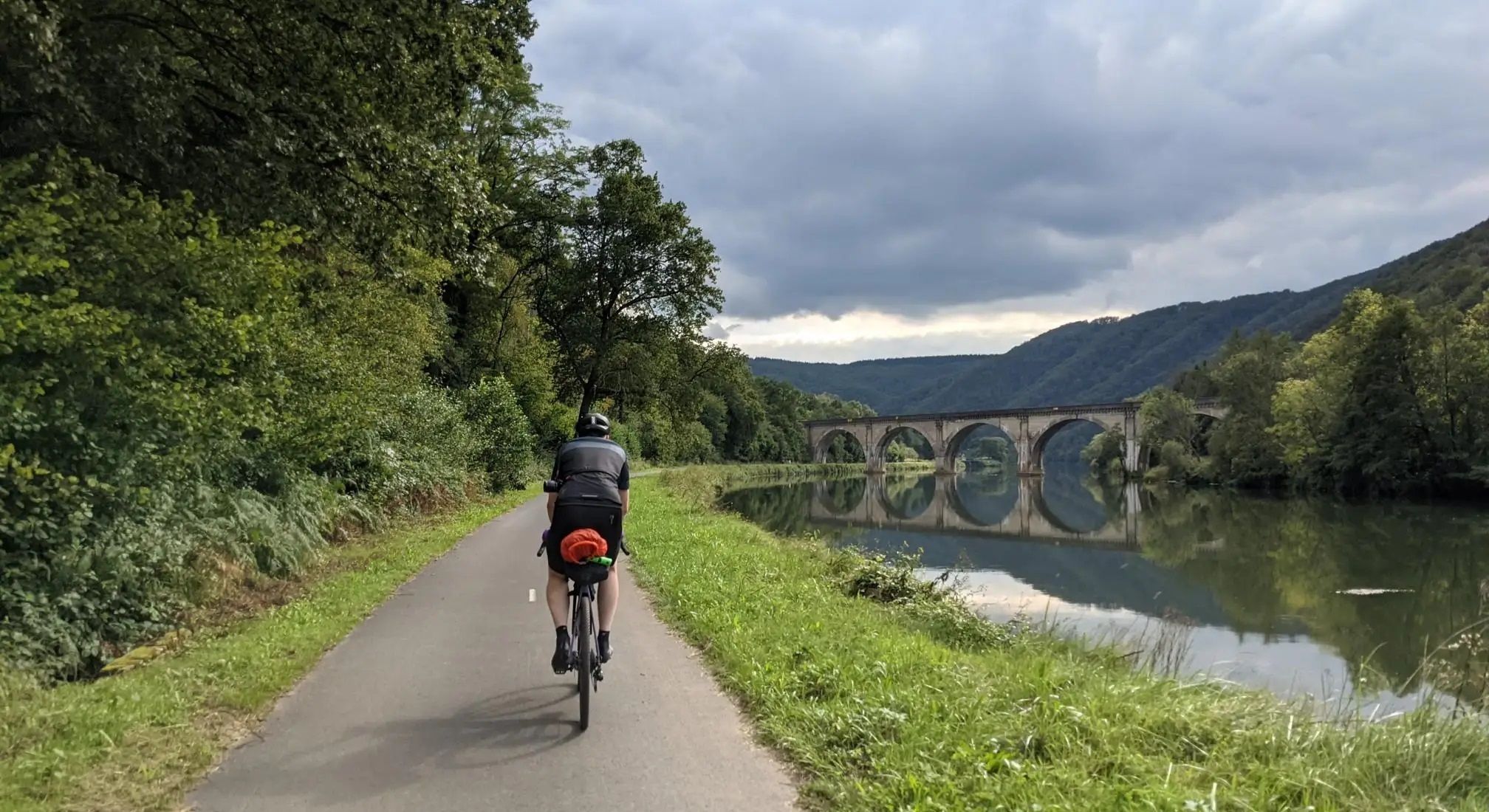
Aachen to Reims – Ardennes, Meuse and Champagne
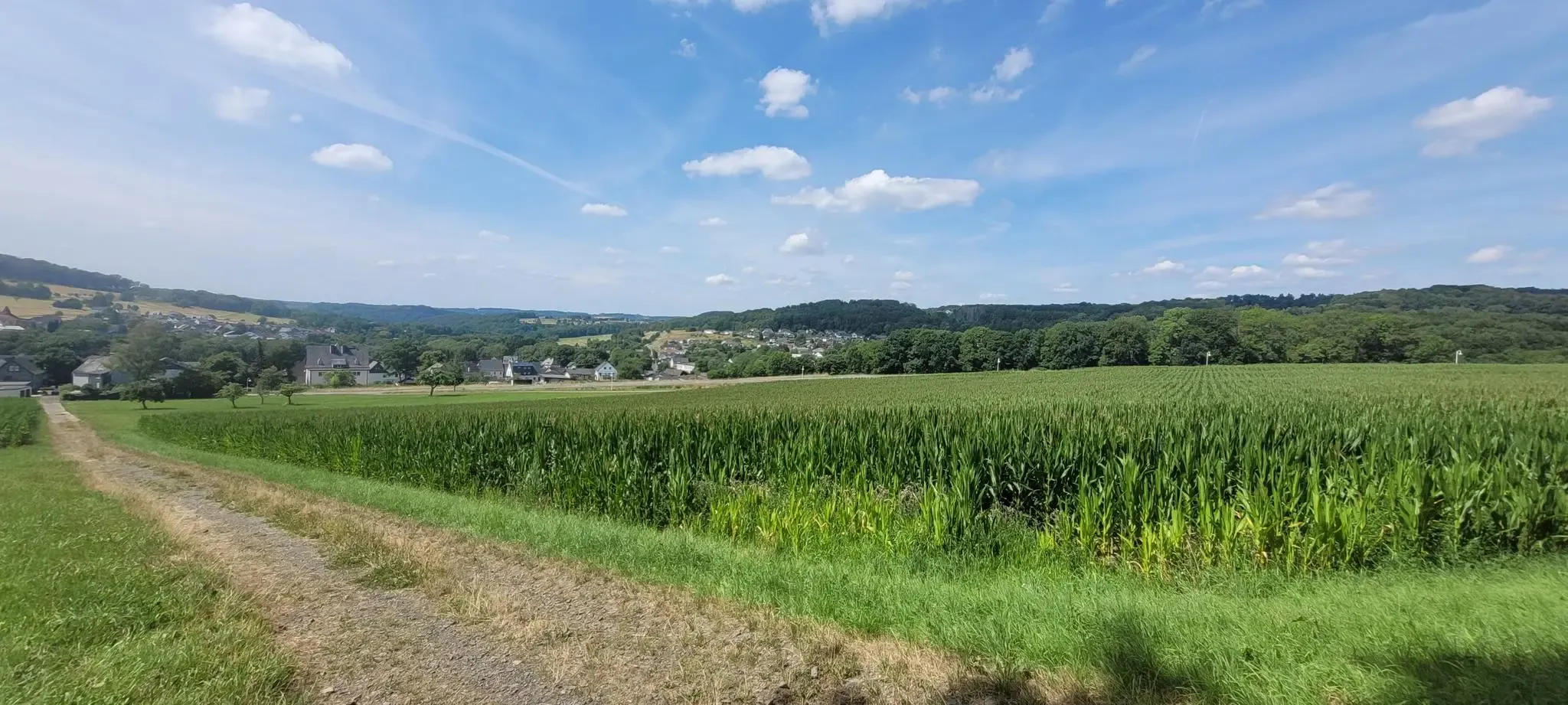
Hiking on the Cologne Trail – Discover nature close to the city
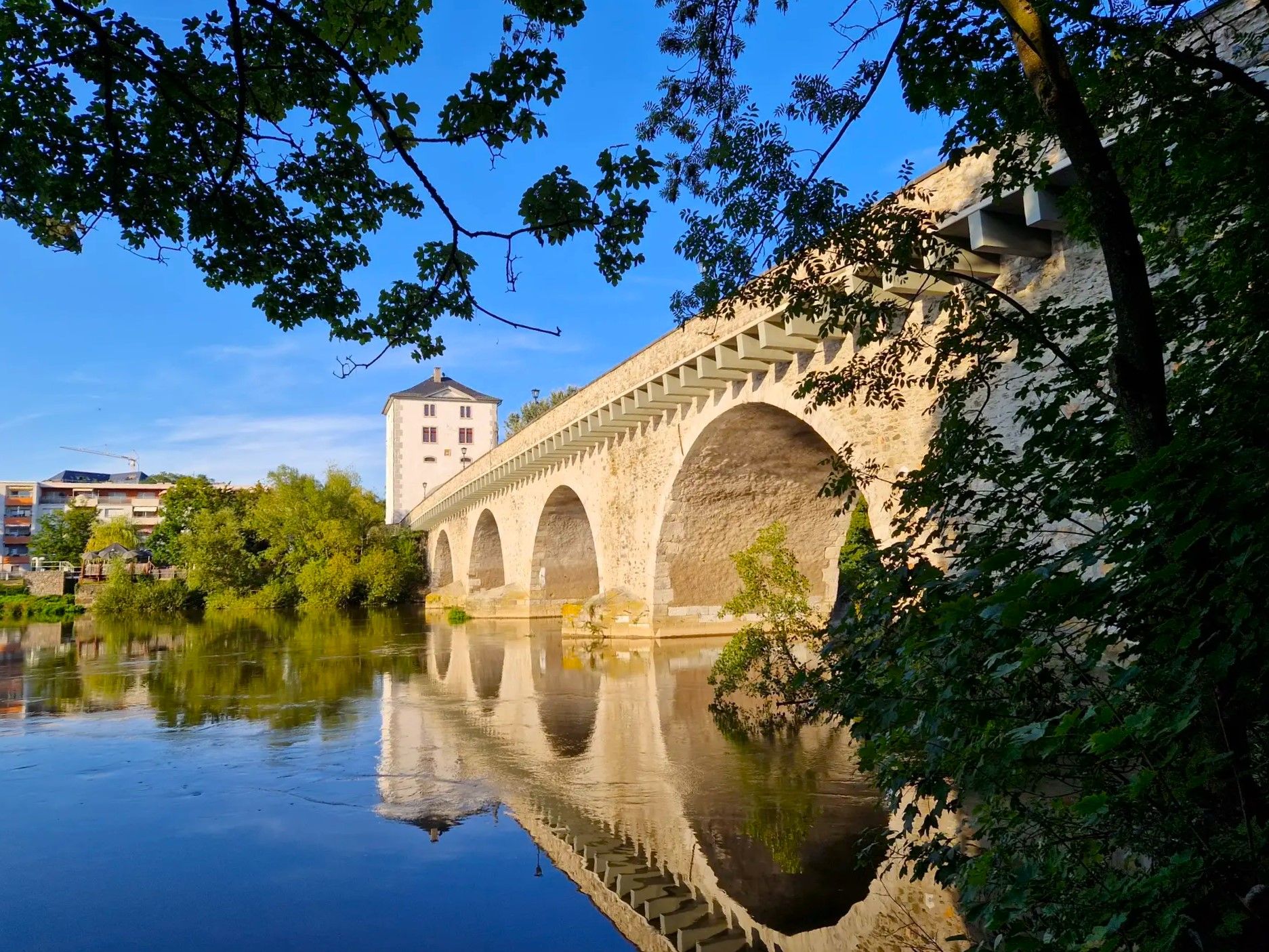
Lahnwanderweg Trail – The Lahn from its source to the estuary
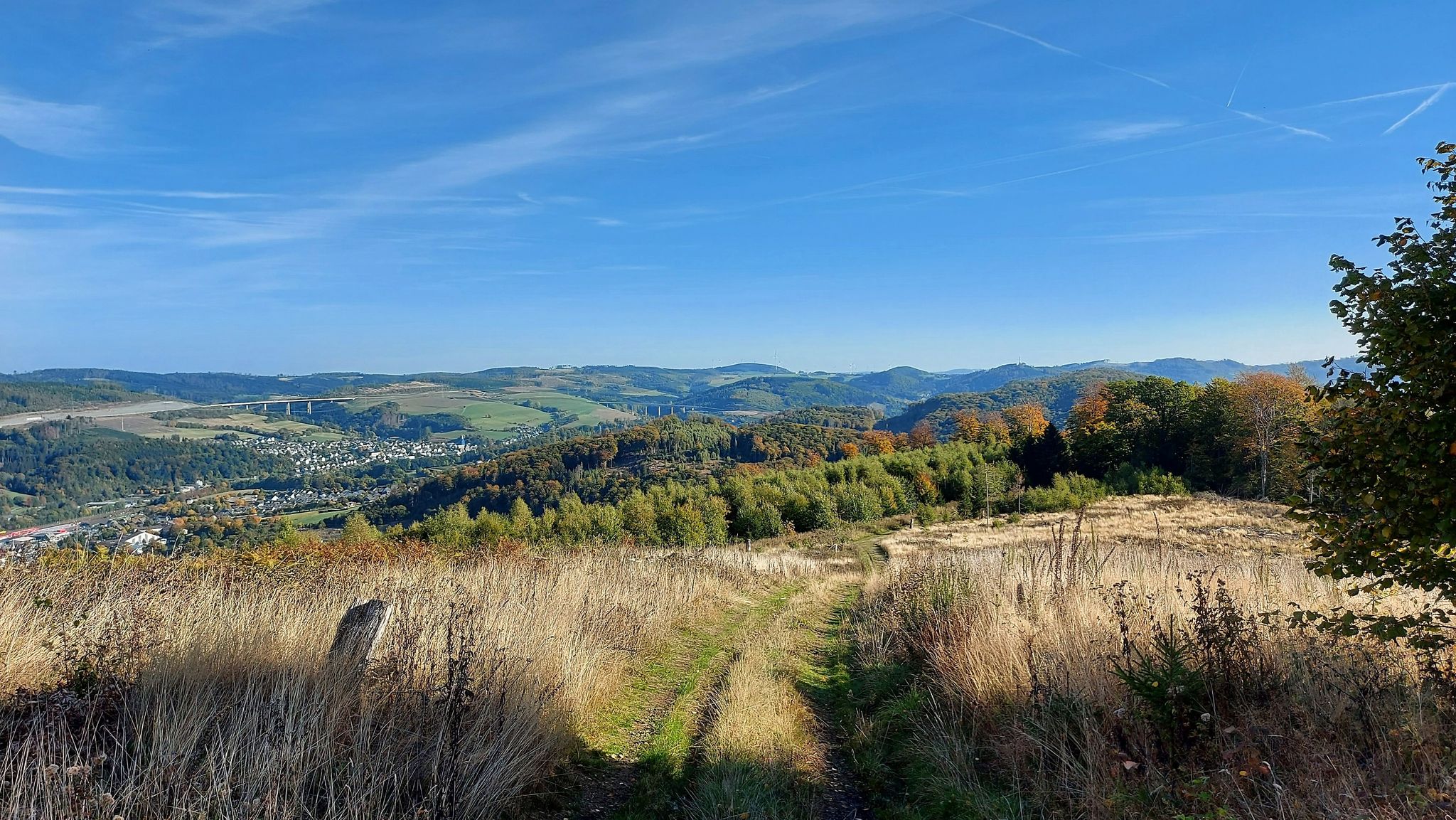
Bestwig Panorama Trail – 4 days of Sauerland views
Other adventures in North Rhine-Westphalia


Tips from the Community

The Descent from the Cross - relief is one of the most significant medieval works. It is carved into sandstone and, at 4.80 × 3.70 m, is the largest relief in the entire northwestern European region.
4
0

The relief of the Descent from the Cross from 1150 is one of the most extraordinary works of art in the area. It is well preserved for its high age.
11
0

...At the first rock, you can also discover artificial caves and a relief of the descent from the cross carved into the stone. At the second rock, you reach a room-like platform via a curved bridge...
9
1

Very nice rock relief, carved into the sandstone, it shows the descent of Jesus Christ from the cross. As one of the most important medieval works, thousands of visitors and art historians from all over the world are drawn to the Externsteine every year. With dimensions of 4.80 by 3.70 meters, it is the largest in all of north-western Europe.
15
0

Unique prehistoric cave located in beautiful forest.
10
0

Coming from above you almost drive past it. It's just a cave 🤣
7
0

On the outer wall of the artificially created cavity, directly in front of the dome grotto, the 5.5-meter-high medieval Descent from the Cross relief at the Externsteine is carved. Above the rectangular door, one sees a recess, a hollow form, reminiscent of the legs, body, and wings of a bird.
13
2

small freely accessible cave
6
0
Frequently Asked Questions
What types of caves can I explore in North Rhine-Westphalia?
North Rhine-Westphalia offers a diverse range of caves, including large open formations, intricate stalactite caves, and ancient fossil coral reefs. You can find sites with significant archaeological findings, such as Hollow Stone, and natural monuments recognized for their geological history.
Are there any famous stalactite caves in the region?
Yes, the Atta-Höhle in Attendorn, often called the 'Queen of the Stalactite Caves,' is one of Germany's largest and most beautiful show caves. It features a labyrinth of stunning stalactites, stalagmites, and sparkling crystals. Another notable one is the Heinrichshöhle in Hemer, which is a stalactite cave near the Felsenmeer.
Which caves are known for their historical or archaeological significance?
The Balver Cave in Balve is renowned for its archaeological finds, including bones of humans and prehistoric animals, dating back to the Upper Paleolithic period. Hollow Stone has also yielded archaeological finds from the late Paleolithic to the pre-Roman Iron Age, indicating its use as a shelter by Stone Age hunters.
Are there family-friendly caves to visit in North Rhine-Westphalia?
Many caves in the region are suitable for families. For instance, Kakus Cave and Kartstein Cliffs is a large open cave with concrete reinforcements and stairs, making it accessible even for those who might be wary of dark or confined spaces. The Bilsteintal Wildlife Park also features a stalactite cave that can be visited during a guided tour, offering a combined experience with wildlife.
What makes the Kluterthöhle in Ennepetal unique?
The Kluterthöhle is unique as Europe's best-preserved fossil coral reef, over 380 million years old, with an intricate network of 380 corridors rich in fossils. It's also recognized as a 'climate cave' due to its consistent air quality, which is beneficial for respiratory health. Visitors can choose from various themed tours, including adventure options.
Can I find caves that are freely accessible without a guided tour?
Yes, some caves are freely accessible. Feldhof Cave is freely accessible, though a flashlight is recommended for exploration. Similarly, Hollow Stone is a large, open cave that you can enter and explore on your own.
What outdoor activities can I do near the caves in North Rhine-Westphalia?
The region around the caves offers numerous outdoor activities. You can find many hiking opportunities, with routes like the 'Struffelt Route' or 'Bird Watching Tour - Nationalpark Eifel'. For running enthusiasts, there are trails such as the 'Cologne Cathedral – Clarenbach Canal loop'. You can explore more options on the Hiking in North Rhine-Westphalia or Running Trails in North Rhine-Westphalia guides.
What is the Felsenmeer in Hemer and how does it relate to the caves?
The Felsenmeer (Sea of Rocks) in Hemer is a protected area with rugged terrain, ravines, and faults, originating from the Tertiary period. The nearby Heinrichshöhle is a stalactite cave that is open to visitors, making it possible to combine an exploration of the Felsenmeer's unique geological landscape with an underground cave experience.
What should I wear when visiting caves in North Rhine-Westphalia?
Caves like the Atta-Höhle maintain a constant temperature of around 9°C (48°F) year-round. It's advisable to wear warm clothing, even in summer, and comfortable, sturdy shoes suitable for potentially damp or uneven surfaces. A flashlight can also be useful for exploring less illuminated areas in some freely accessible caves.
Are there any caves in North Rhine-Westphalia that are known for their unique acoustics or cultural events?
The Balver Cave stands out for its impressive size and exceptional acoustics. Its large, open hall has made it a popular venue for concerts and theater performances since 1922, combining natural wonder with cultural significance.
What do visitors enjoy most about the caves in North Rhine-Westphalia?
Visitors frequently appreciate the stunning natural formations, the historical insights, and the diverse experiences offered. Many highlight the beauty of stalactites and stalagmites, the archaeological significance of sites like Hollow Stone, and the accessibility of places like Kakus Cave and Kartstein Cliffs. The combination of natural beauty and historical context makes for a compelling visit.
Can I find any caves that are part of a larger nature reserve?
Yes, Kakus Cave and Kartstein Cliffs is part of the 5.8-hectare nature reserve Kartsteinhöhlen with Kakushöhle. This allows visitors to enjoy both the cave system and the surrounding natural environment.
Most popular routes in North Rhine-Westphalia
Most popular attractions in North Rhine-Westphalia

Get inspired with the komoot mobile app


Didn’t find what you were looking for?
Discover more caves in North Rhine-Westphalia region by region:
Explore more
Extend your search for the best caves by checking out these guides of the top ones in North Rhine-Westphalia:
