The best cycling routes around Düngenheim
4.5
(18)
76
riders
20
rides
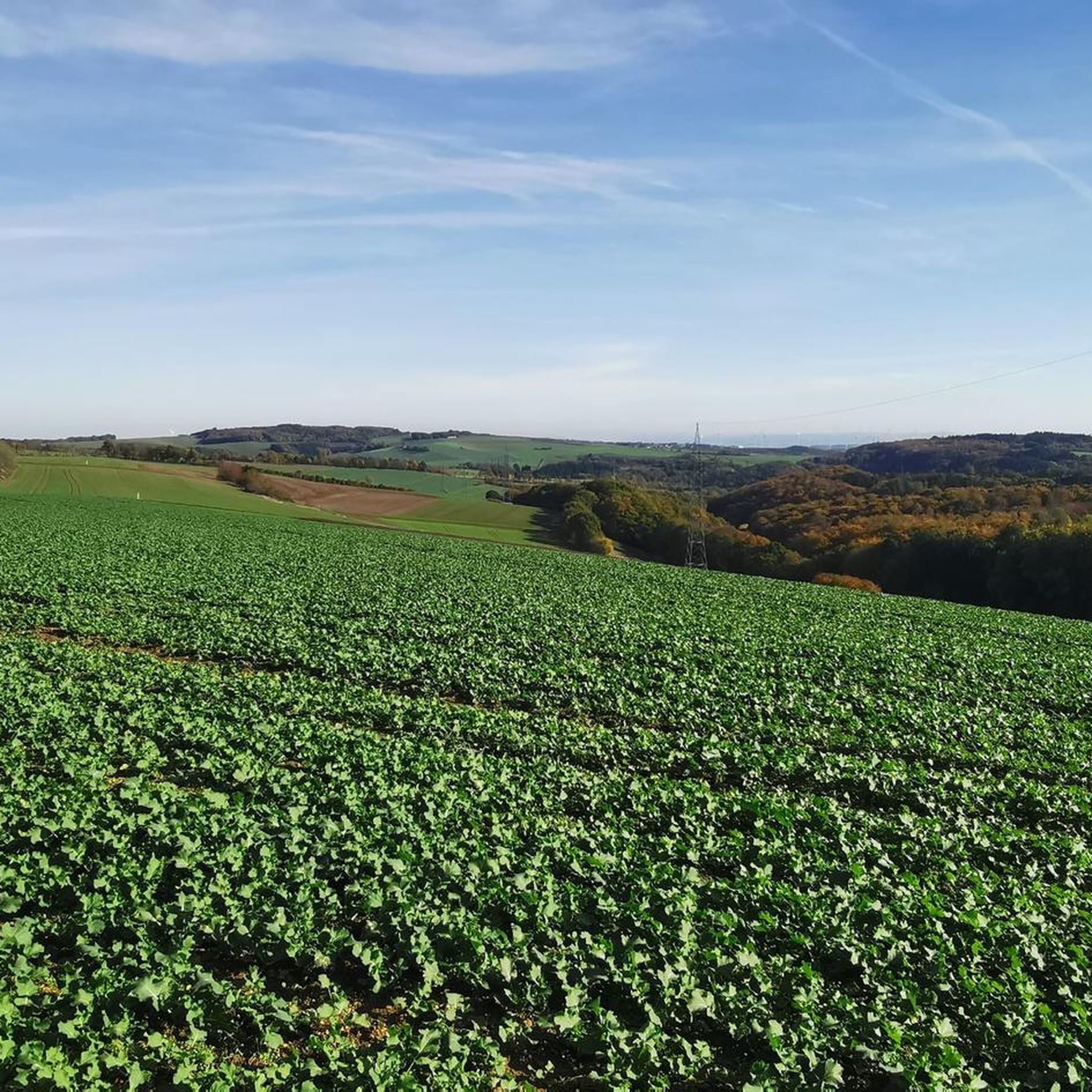
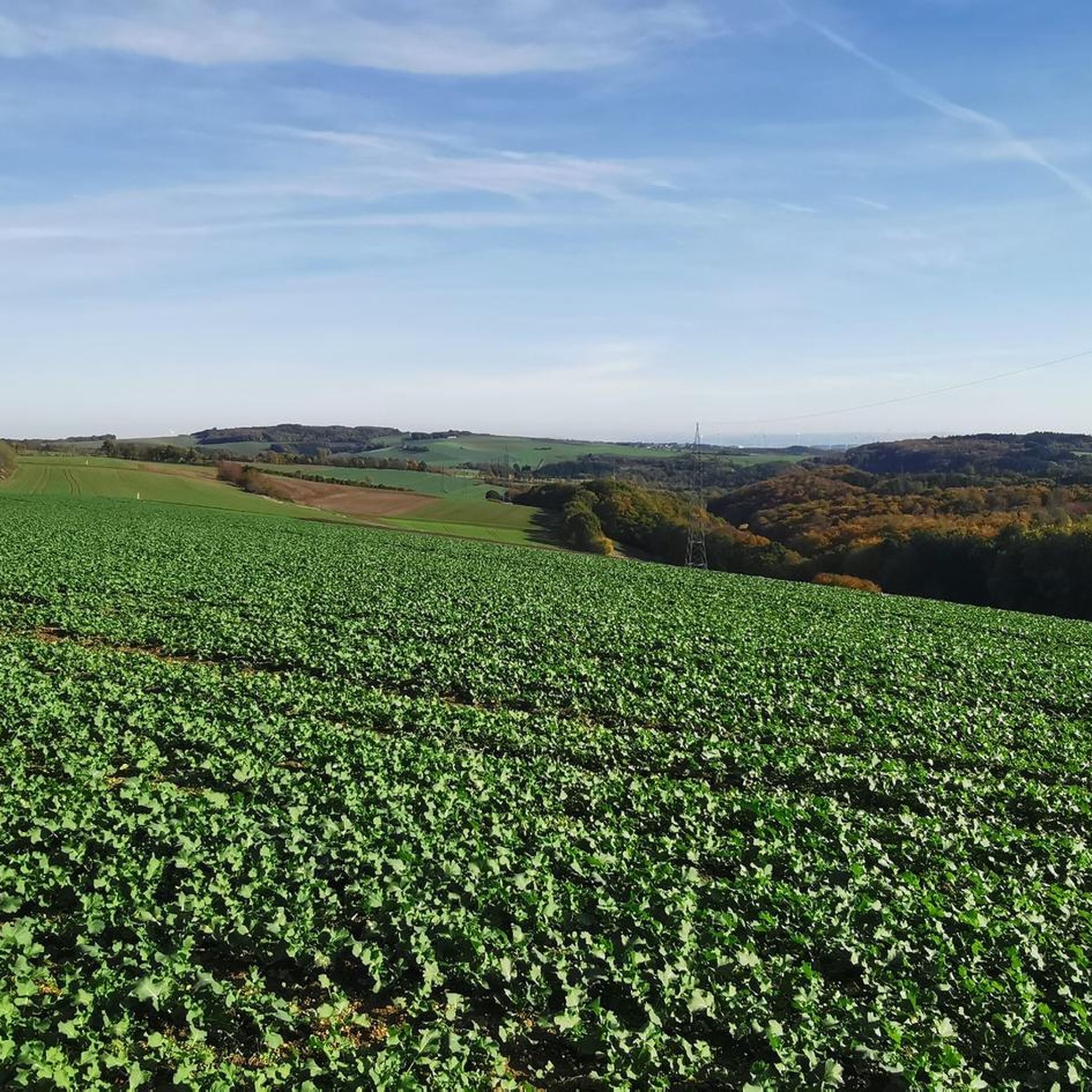
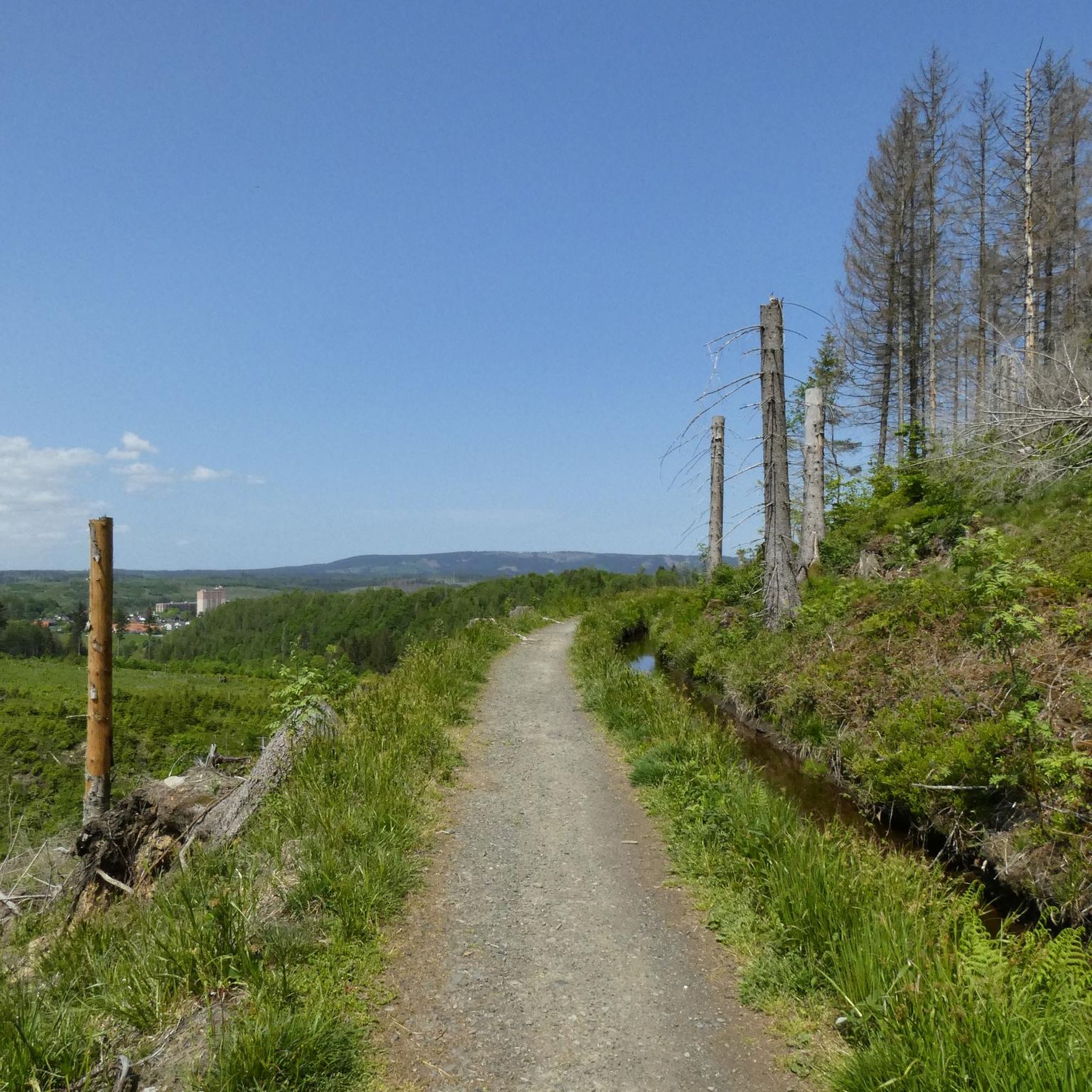
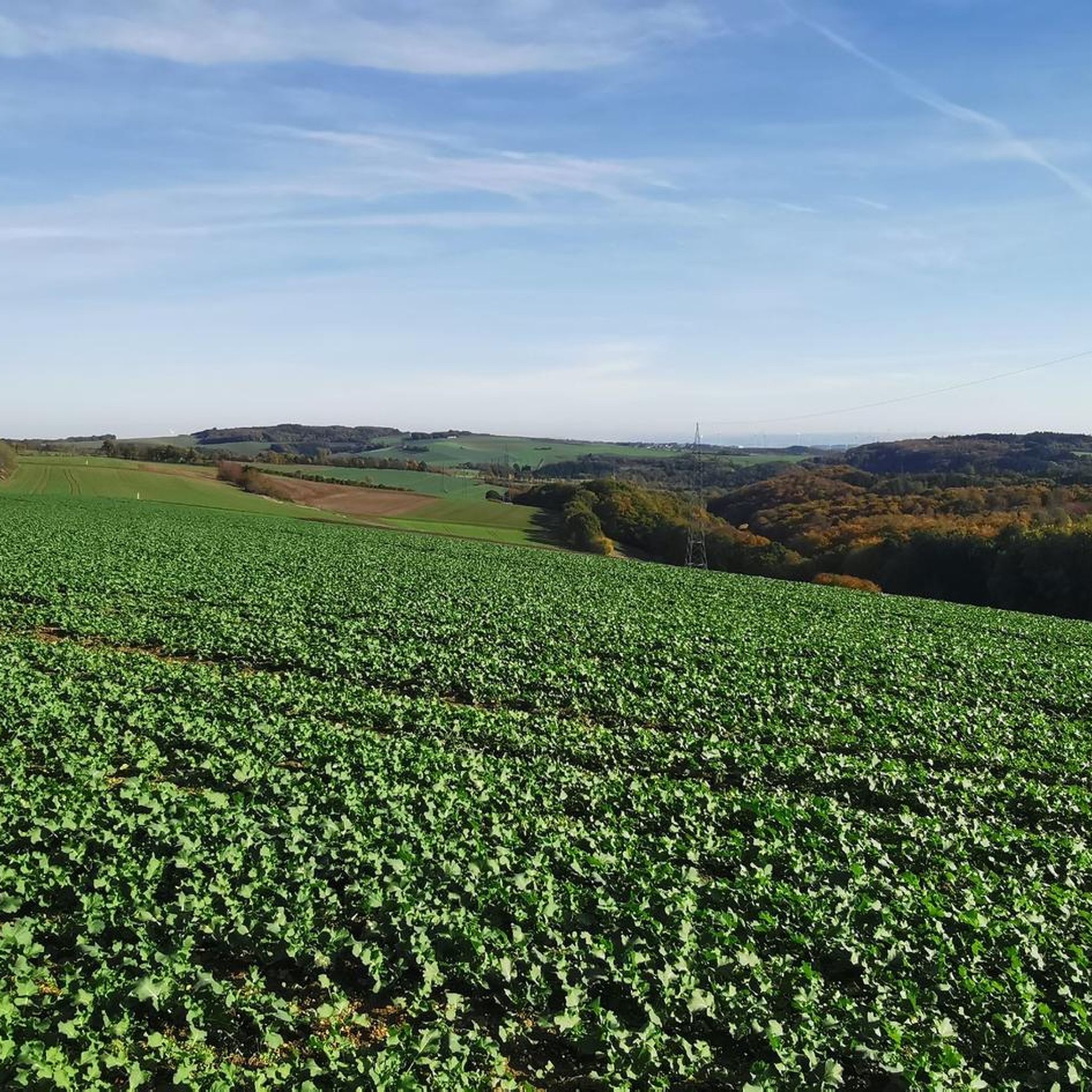
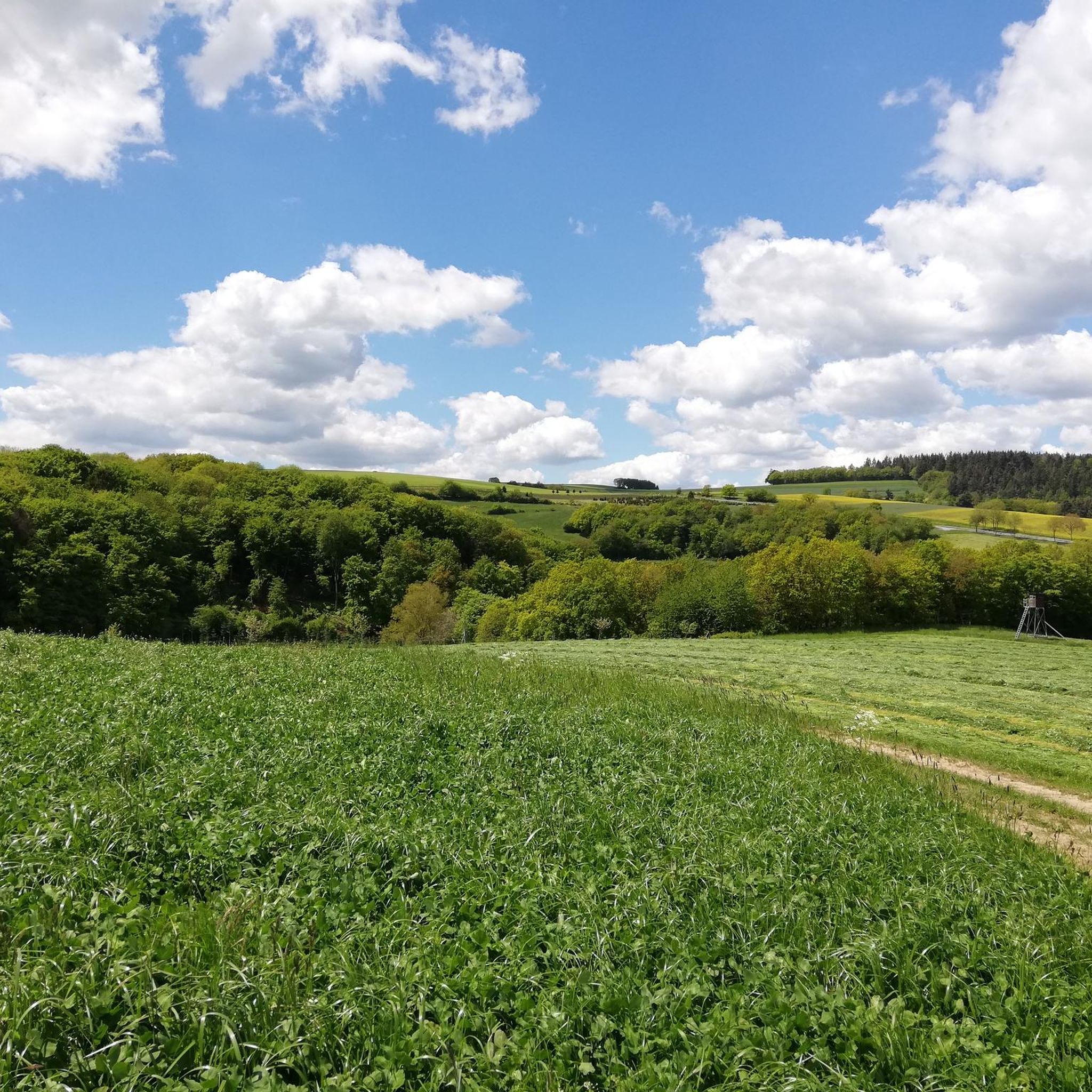
Touring cycling routes around Düngenheim traverse a landscape characterized by rolling hills, idyllic valleys, and dense forests. The region features picturesque vineyards, especially along the Moselle River, and offers views of the wider Eifel's volcanic terrain. Cyclists can explore routes that follow river valleys, such as the Brohlbach, providing varied elevation and scenic backdrops. The area's diverse topography includes both gentle slopes and more challenging climbs.
Best touring cycling routes around Düngenheim
- The most popular touring cycling route is Schwanenkirche…
Last updated: August 25, 2026
4.0
(5)
15
riders
28.7km
02:08
360m
360m
Moderate bike ride. Good fitness required. Mostly paved surfaces. Suitable for all skill levels.
5.0
(1)
10
riders
Moderate bike ride. Good fitness required. Mostly paved surfaces. Suitable for all skill levels.

Sign up for free
5.0
(1)
7
riders
38.1km
02:35
630m
630m
Hard bike ride. Very good fitness required. Mostly paved surfaces. Suitable for all skill levels.
5
riders
32.9km
02:26
470m
470m
Hard bike ride. Very good fitness required. You may need to push your bike for some segments of this route.
6
riders
22.1km
02:00
370m
370m
Moderate bike ride. Good fitness required. Mostly paved surfaces. Suitable for all skill levels.
Get access to more routes and recommendations from other explorers.
Sign up for free
Already have an account?
Our route recommendations are based on thousands of hikes, rides, and runs completed by other people on komoot.
Start today with a free account
Your next adventure awaits.
Login or Signup
Tips from the Community


historic railway facility
1
0

Monreal with its historic town center is a pearl of the Eifel. The picturesque location on the Elzbach, with its many half-timbered houses and the higher-lying castle ruins, is beautiful to behold.
2
0
A total of three small bridges cross the Elz, allowing you to switch from one bank to the other at various points. The most beautiful is probably the bridge in the middle, the Johannesbrücke. It is equipped with both a lion monument and the statue of Saint John of Nepomuk. John of Nepomuk or John of Pomuk was a Bohemian priest and is considered the patron saint of bridges. The lion monument is certainly one of Monreal's most impressive sights. It dates from the 15th century and consists of four lions carved in basalt. Source: https://travel-see-xperience.com/2022/02/20/monreal/
3
0
Two-arched bridge over the Elzbach, c. 1500; wayside cross, 16th century; four lion figures, from 1831; Nepomuk sculpture (copy of the original from 1803, J. Matthias Büls, Monreal)
3
0
Picturesquely overlooked by the two castle ruins Löwenburg and Philippsburg, the half-timbered village of Monreal lies in the middle of the idyllic Elz valley. In the village, three stone bridges cross the Elz, the middle one, a road bridge, is adorned with the statue of John of Nepomuk and the lion monument, unique in the Rhineland. The numerous half-timbered houses from the 16th, 17th, and 18th centuries – a relic of the cloth makers of the Baroque period – are also worth seeing monuments of art. The Middle Ages are also encountered by the visitor, for example in the parish church from the 13th century or the cemetery chapel from the 12th century. The history of Monreal, with its numerous ups and downs, reflects the historical development of the entire Eifel region. In addition to the already mentioned idyllic location and the picturesque village center, numerous hiking trails, including the Traumpfad "Monrealer Ritterschlag" with impressive viewpoints, invite you to experience the unique landscape. Source: https://www.rlp-tourismus.com/de/ausflugsziele/ortsgemeinde-monreal/poi.html
2
0
The narrow alleys of Monreal, its quaint Holy Trinity Church, the massive Nepomuk Bridge over the clearly flowing Elzbach, and the ruins of Löwenburg and Philippsburg castles high above the village make for a beautiful excursion destination in the eastern Eifel. Monreal repeatedly won the competition „Our Village Has a Future“. The red-and-white half-timbered houses huddle closely together, and the 15th-century Viergiebelhaus in particular transports strollers into a fairytale past. The still beautifully preserved half-timbered houses bear witness to the prosperity that Monreal achieved from the 17th century onwards through the processing of sheep wool and cloth production. In the second half of the 19th century, manual labor was no longer competitive against international, industrialized competitors, and the population became impoverished. A fate that Monreal shares with the equally picturesque Monschau. Monreal is not just a visually relaxing excursion destination. Café Plüsch with its cozy interior, the Old Rectory with its country garden and sunny terrace on the stream bank, or the former signal box at the town gates are perfect addresses for gourmets. The originally furnished restaurant on the former railway line is connected to the medieval town center via a promenade along the Elzbach. A highlight for lovers of arts and crafts is the pottery in the Old School with its colorful ceramics, also exhibited in a terraced garden. Hikers will get their money's worth on the "Traumpfad Monrealer Ritterschlag" trail and will be rewarded for the sometimes steep passages with beautiful views. Source: https://www.eifel.info/pois/monreal
2
0
Street through the historic town center of Monreal with beautiful half-timbered houses.
2
0
Frequently Asked Questions
How many touring cycling routes are available around Düngenheim?
There are over 20 touring cycling routes available around Düngenheim, offering a variety of experiences for different skill levels. The komoot community has explored 21 routes in total.
Are there touring cycling routes suitable for beginners or families in Düngenheim?
Yes, while there are no routes specifically graded as 'easy', there are 12 moderate routes that can be suitable for beginners or families looking for a pleasant ride. Many paths in the region, especially those along former railway lines, offer gentle inclines. For example, the Old Urmersbach Station – Forest Chapel Kaisersesch loop from Düngenheim is a moderate 13.6-mile route connecting historic points and natural scenery.
What kind of landscapes can I expect to see while touring cycling around Düngenheim?
Touring cyclists in Düngenheim can expect a diverse landscape featuring rolling hills, idyllic valleys, and dense forests. Routes often wind through picturesque vineyards, especially along the Moselle River, and offer glimpses of the wider Eifel's volcanic terrain. You'll also encounter scenic river valleys like the Brohlbach.
Are there any circular touring cycling routes around Düngenheim?
Yes, many of the touring cycling routes around Düngenheim are designed as loops, allowing you to start and end in the same location. An example is the Schwanenkirche – Big Bank Möntenich loop from Düngenheim, a 17.8-mile moderate route offering a balanced cycling experience through varied terrain.
What historical sites or castles can I explore along the touring cycling routes?
The region around Düngenheim is rich in history. You can cycle past or near several historical sites and castles. Notable attractions include the Monreal Historic Old Town, the impressive Löwenburg Ruins in Monreal, and Pyrmont Castle. The Johannes Bridge in Monreal – Monreal Signal Box loop from Düngenheim offers a route through this historic area.
Are there any natural attractions like waterfalls or caves accessible from the cycling routes?
Yes, the area boasts several natural wonders. You might encounter the beautiful Elzbach Waterfall at the Pyrmonter Mill. For those interested in geological features, there are caves such as the Sandkaul Caves near Ettringen and the Sieben Stuben Lava Caves, showcasing the region's volcanic past and industrial heritage.
What is the best time of year for touring cycling in Düngenheim?
The best time for touring cycling in Düngenheim is generally from spring through autumn. During these seasons, the weather is typically mild, and the landscapes are vibrant, with lush forests and active vineyards. The Eifel and Moselle regions offer pleasant cycling conditions, though autumn can bring cooler temperatures and beautiful foliage.
Are there challenging touring cycling routes for experienced cyclists?
Absolutely. For experienced cyclists seeking a challenge, there are 9 difficult routes around Düngenheim. These routes often feature more significant elevation changes and longer distances. An example is the View Over the Eifel – Eifel Cycle Path loop from Düngenheim, a 23.7-mile trail offering expansive views and a demanding ride through the Eifel region.
Can I bring my dog on the touring cycling routes around Düngenheim?
While specific regulations for dogs on cycling paths can vary, many outdoor areas in the Maifeld and Moselle regions are generally dog-friendly. It's always advisable to keep your dog on a leash and ensure they are comfortable with longer distances if accompanying you on a touring bike ride. Always check local signage for any restrictions.
What do other touring cyclists enjoy most about cycling in Düngenheim?
The area is highly rated by the komoot community, with an average score of 4.6 stars from more than 15 reviews. Cyclists often praise the varied terrain, which includes rolling hills, idyllic valleys, and scenic river sections, as well as the well-maintained trails that cater to different fitness levels.
Are there any scenic viewpoints along the touring cycling routes?
Yes, many routes offer stunning scenic viewpoints. The region's rolling hills and river valleys provide numerous opportunities for panoramic vistas, particularly over the Eifel landscape and the winding Moselle River. The Römerturm Kaisersesch – Swan Church loop from Düngenheim, for instance, provides excellent views as it traverses the varied terrain.
Are there options for connecting to longer-distance cycling routes from Düngenheim?
Düngenheim is well-situated for connecting to broader cycling networks. You can access parts of the Eifel Cycle Path, as seen in the View Over the Eifel – Eifel Cycle Path loop from Düngenheim. The region's proximity to the Moselle River also means connections to the popular Moselle Cycle Route are feasible, offering extensive long-distance touring opportunities.
Most popular routes around Düngenheim
Most popular attractions around Düngenheim

Get inspired with the komoot mobile app


Explore more
Browse the best Cycling routes in other regions.
