Top 20 Gorges in Styria
Canyons in Styria feature a diverse array of gorges and ravines, characterized by rushing waters, dramatic rock formations, and varied flora. The region, known as the "Green Heart of Austria," offers numerous natural monuments carved by creeks and rivers. These areas provide opportunities for hiking and exploring unique geological formations. Styria's canyons present a range of experiences, from challenging alpine trails to family-friendly walks.
Best canyons in Styria
- The most popular canyons is Waterfalls of Heiligengeistklamm, a waterfall and…
Last updated: September 26, 2026
Silberkar Gorge
Highlight (Segment) • Gorge
Showing Translation
Tip by

Talbach Waterfall
Highlight • Waterfall
Translated by Google •
Tip by

Sign up now to discover places like this
Get recommendations on the best single tracks, peaks, & plenty of other exciting outdoor places.
Great Riesach Falls
Highlight • Waterfall
Translated by Google •
Tip by

Talbachklamm Gorge
Highlight (Segment) • Gorge
The path is also easily passable with a stroller.
If you are in Schladming, then the way is definitely recommended.
Translated by Google •
Tip by

Talbachklamm Gorge
Highlight (Segment) • Gorge
Translated by Google •
Tip by

Wörschach Gorge
Highlight (Segment) • Gorge
Translated by Google •
Tip by

Feistritzklamm Gorge
Highlight (Segment) • Gorge
Translated by Google •
Tip by

Waterfalls of Heiligengeistklamm
Highlight (Segment) • Waterfall
Translated by Google •
Tip by
Kleiner Riesach Waterfall Viewing Platform
Highlight • Waterfall
Translated by Google •
Tip by

Öfen Gorge Road
Highlight • Gorge
Translated by Google •
Tip by

Sign up for free to discover even more gorges in Styria.
Already have an account?
Start today with a free account
Your next adventure awaits.
Popular around Styria
The Mix Makes It: Around the Red Bull Ring
#Winterlove — 14 tips for your winter adventure in Austria
Cross-country skiing in Schladming-Dachstein – an Austrian winter wonderland
The Dachstein Rundwanderweg – Eight days in the Dachsteingebirge
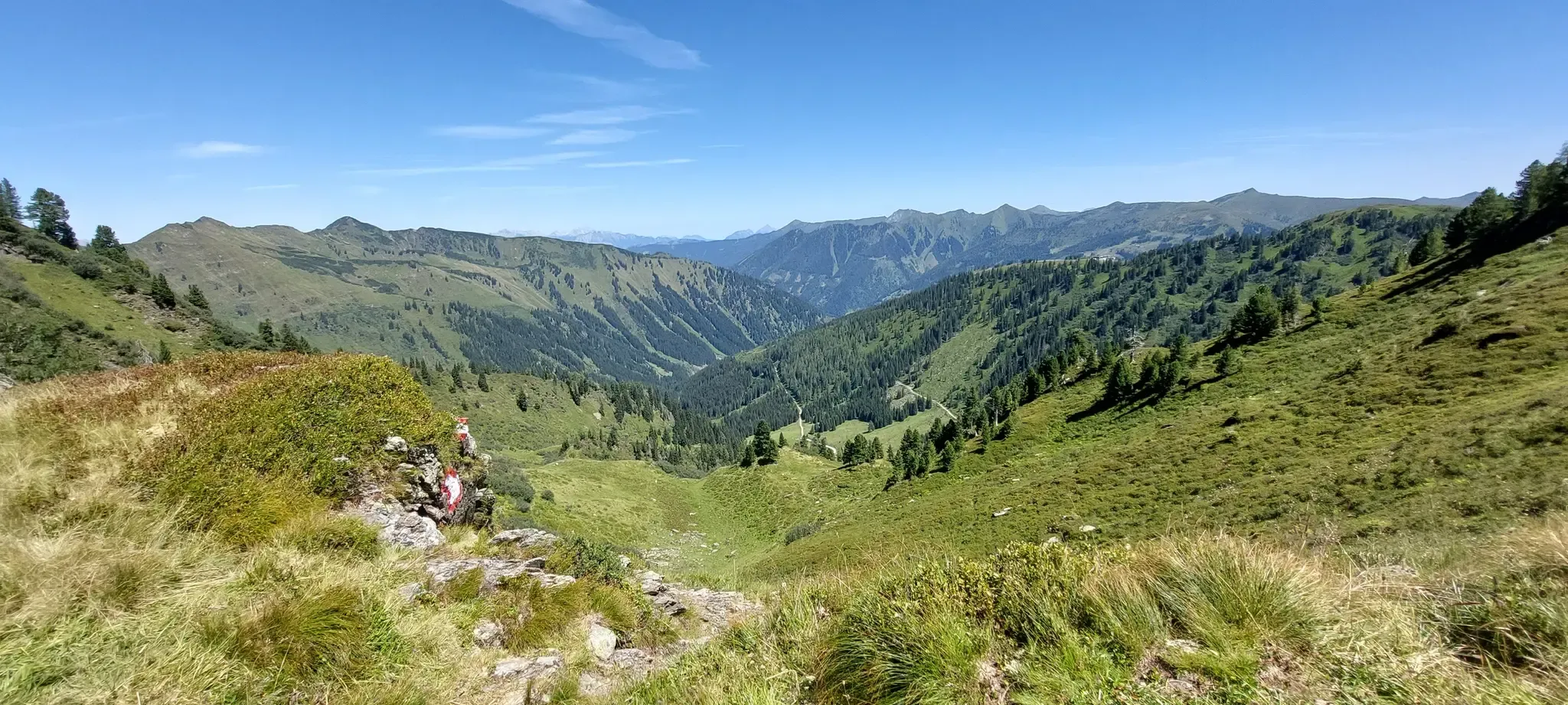
Central Alps Trail Eastern Section – Discover Austria
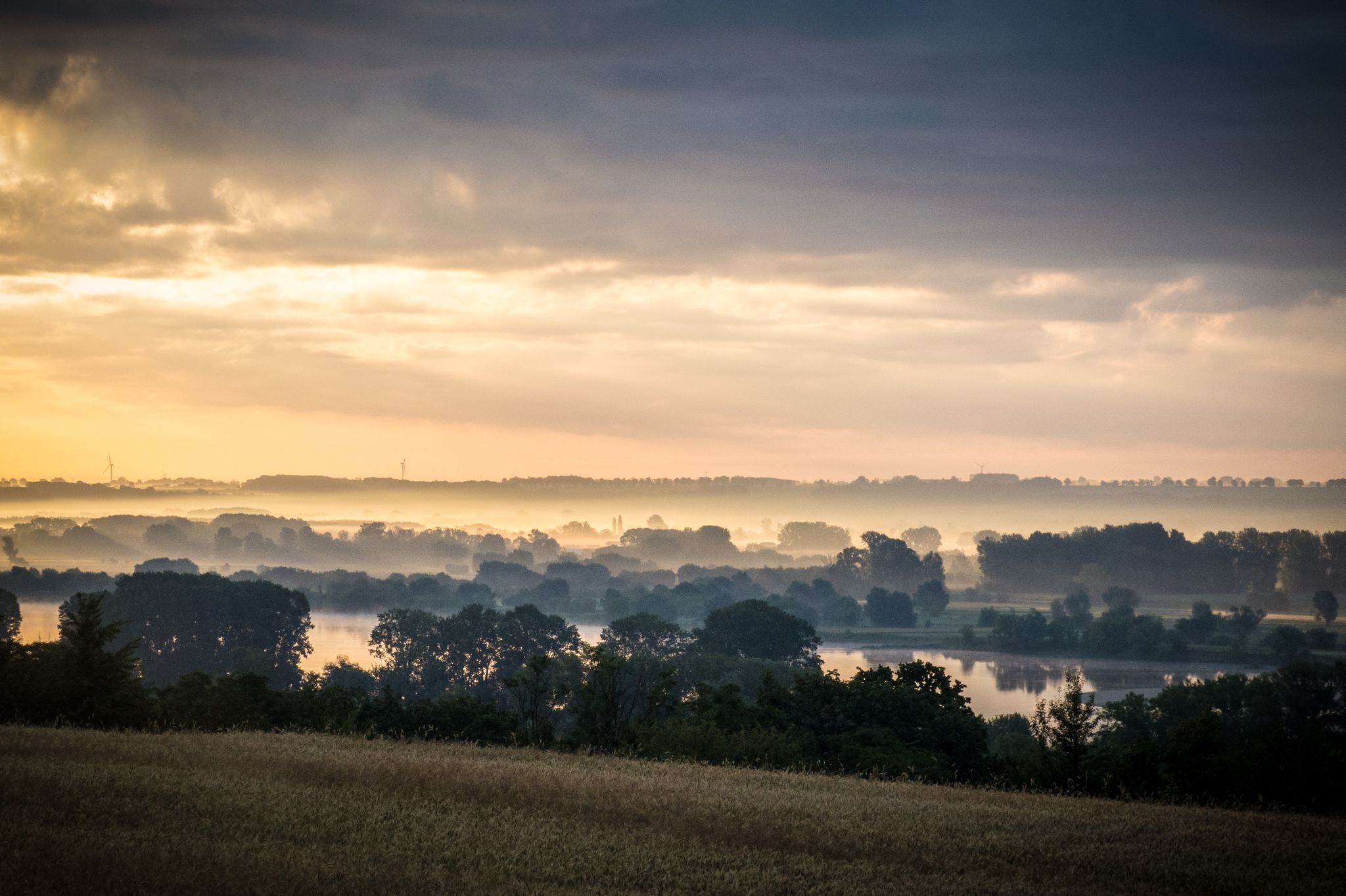
EuroVelo 9 – The Amber Route from the Baltic to Adriatic Sea
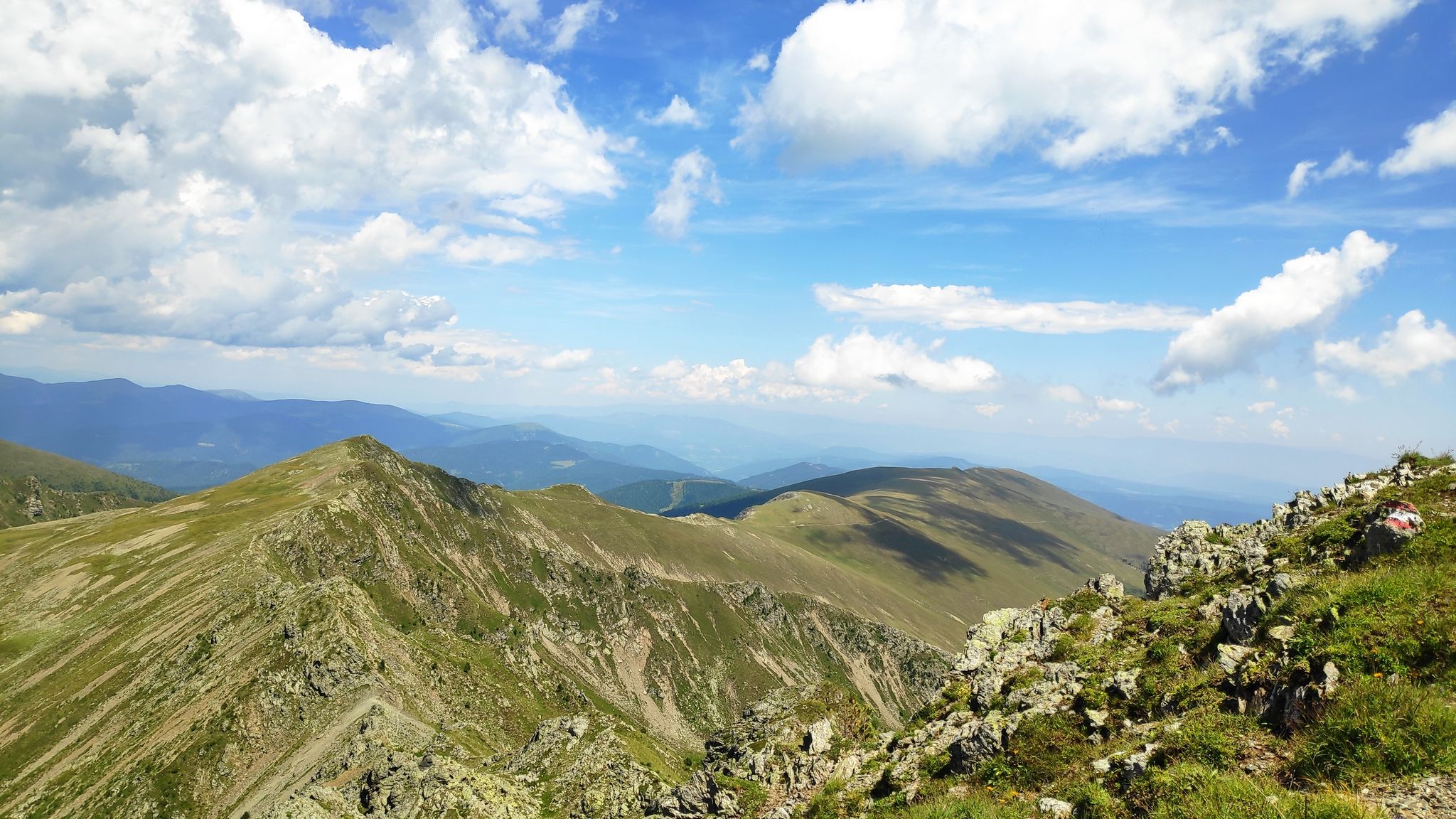
Austria's Salt Trail — On old paths through Carinthia
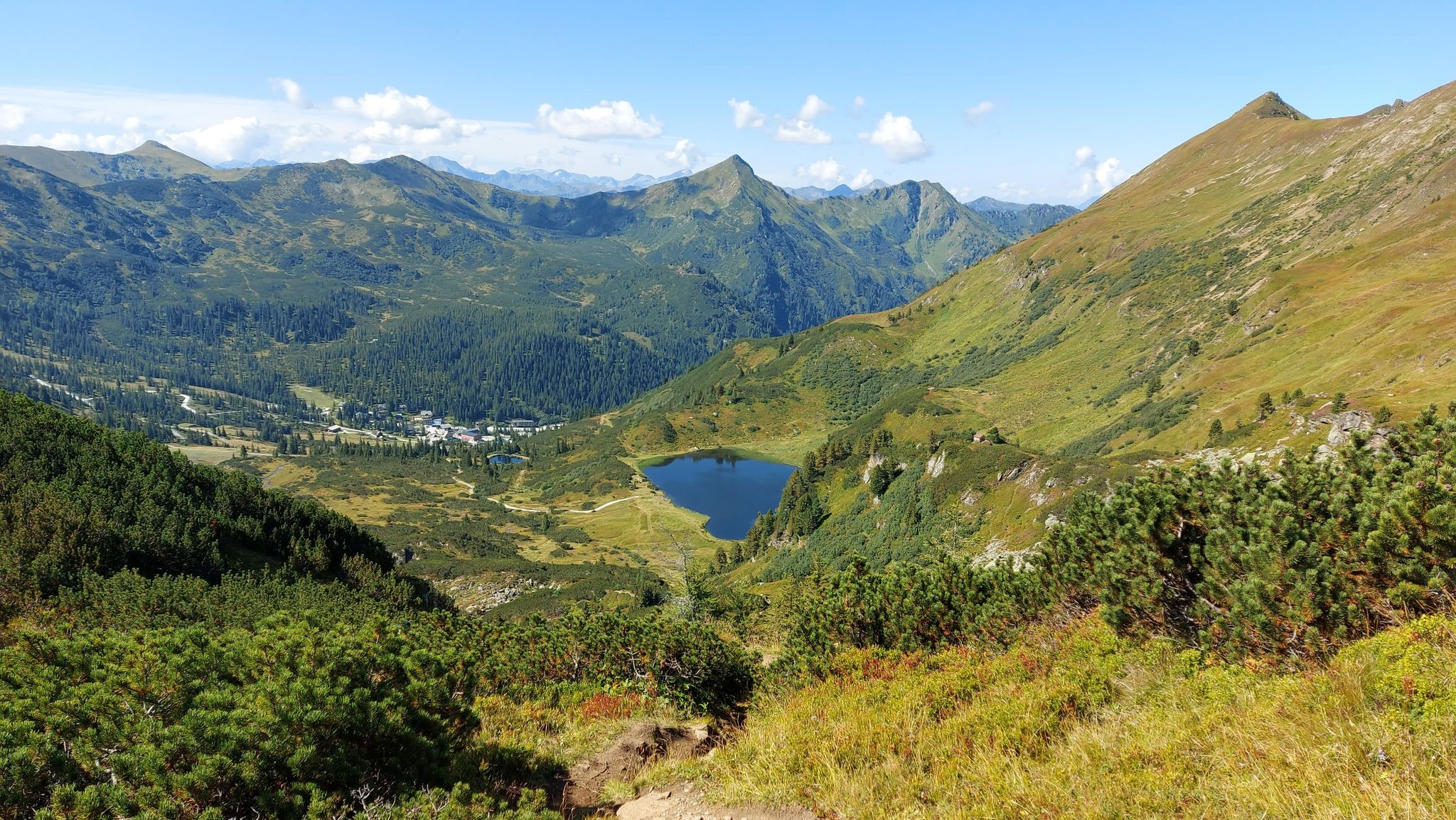
Austria's Salt Trail – On old paths through Styria
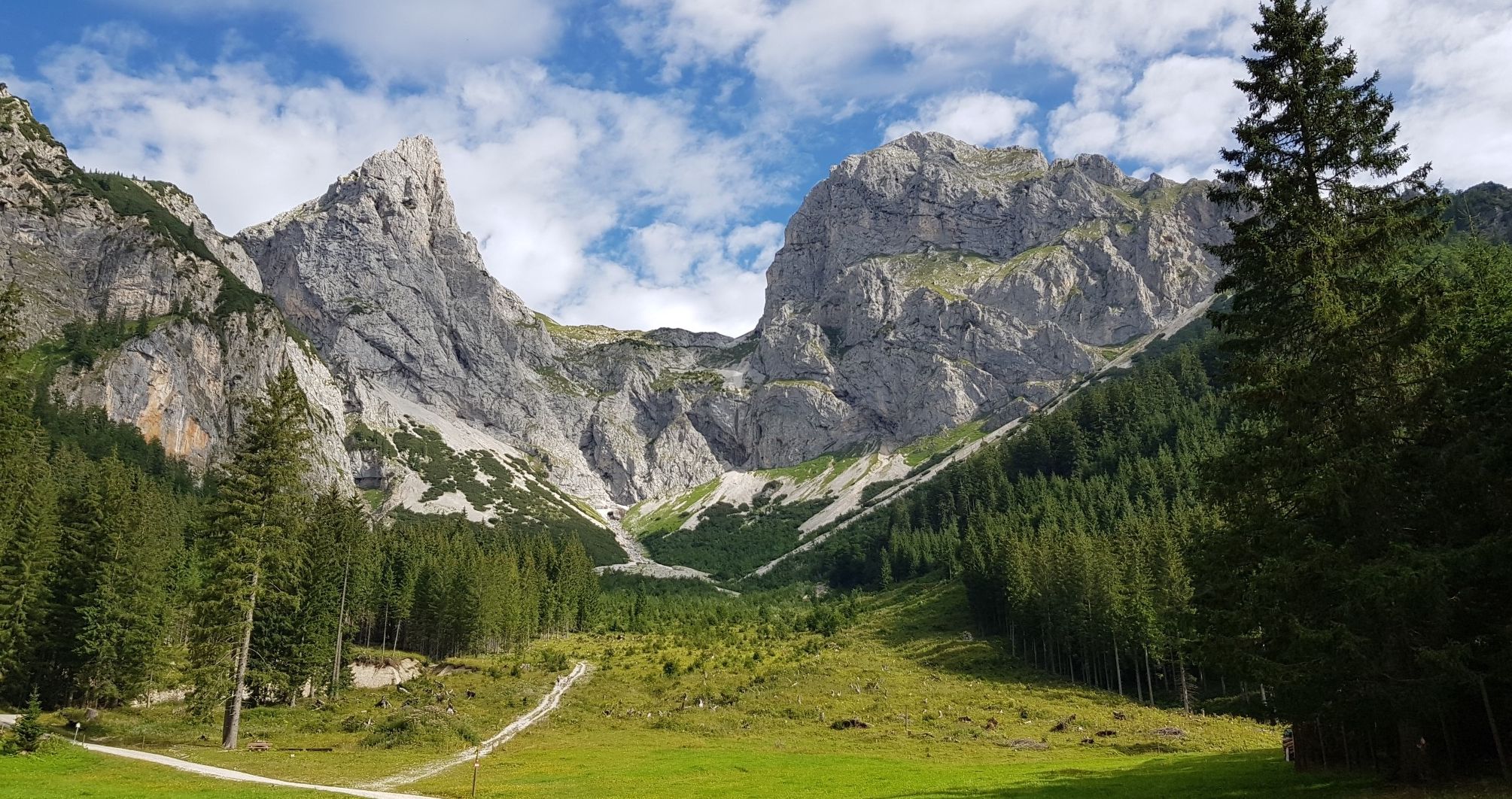
North Alpine Trail 01 – Hike across Austria in 49 days
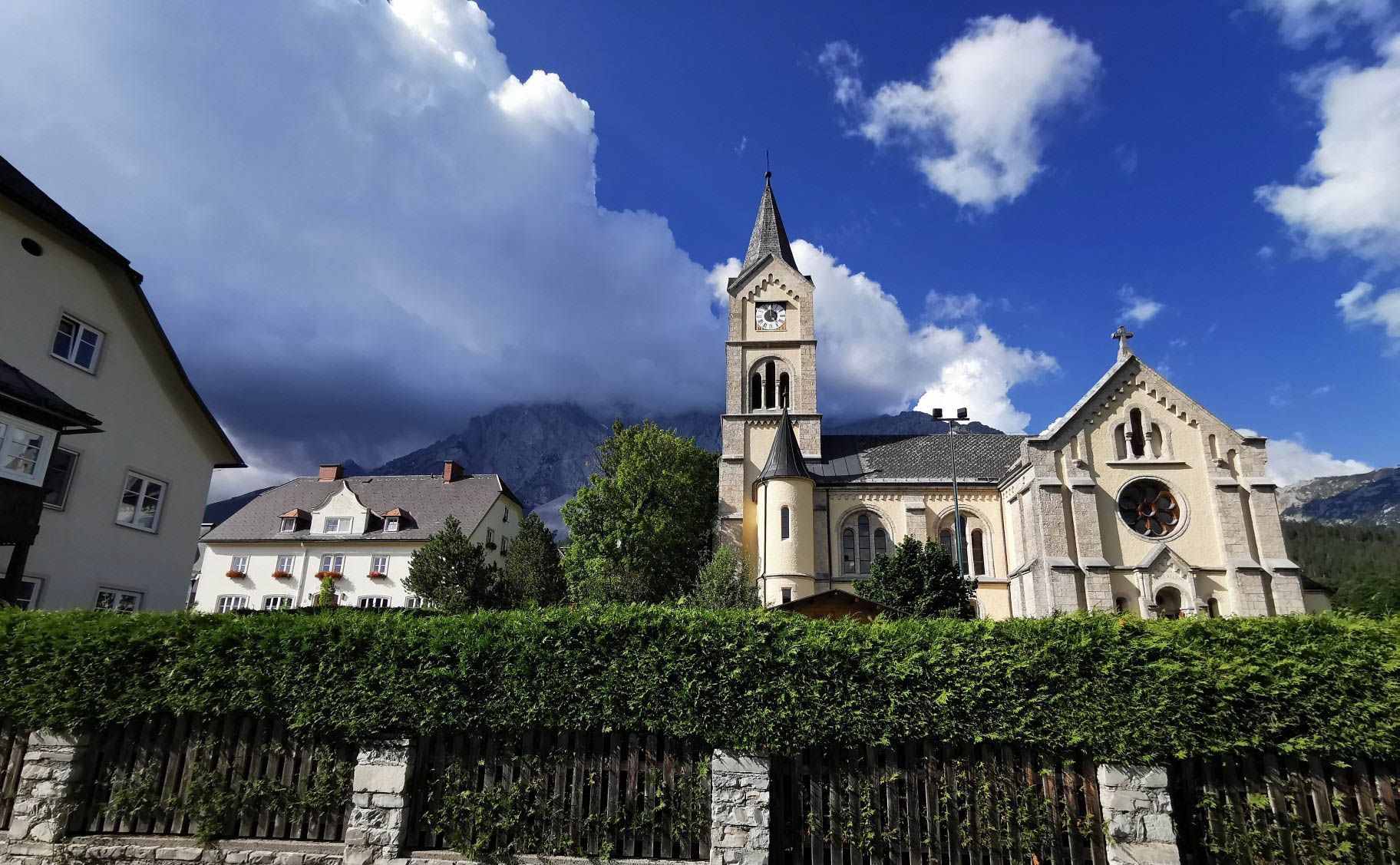
Way of the Book – Hike in the footsteps of the Bible smugglers in Austria
Other adventures in Styria


Tips from the Community

It's accessible in both directions. But please be considerate of one another.
0
0

Great climbing facility with a large suspension bridge directly on and above the water.
3
0

Currently (Sept. 2024) the cycle path is unfortunately closed due to damage caused by flooding/strong winds. I suspect that will take some time.
1
1

The Riesach Falls are truly impressive waterfalls in the Schladming Tauern, not far from Schladming. The two most famous waterfalls there are the Small and Large Riesach Falls, with the Large one having an impressive drop of around 70 meters. A truly impressive natural spectacle! The falls are part of the "Wild Waters" theme trail and were rightly declared a natural monument in 2012. The entire area is simply breathtaking and is definitely one of the natural treasures of this region. The Riesach Falls consist of the Large and Small Riesach Waterfalls, which are located in the Höllschlucht Gorge. The gorge begins at an altitude of 1079 meters near the Untere Gfölleralm or the Almgasthaus Riesachfall and ends at an altitude of 1338 meters in the area of the Riesachsee or the Obere Gfölleralm. The water for these impressive waterfalls comes from the approximately 7 km long Riesachbach, which joins the Steinriesenbach directly after the gorge and then flows through the entire Untertal as the Untertalbach before finally flowing into the Enns. The falls up to the Grosser Riesachfall are accessible via the Riesachfallsteig. And that's not all! In 2006, the area between the Grosser Riesachwasserfall and the upper end of the gorge was also opened up to tourists. An alpine trail about one kilometer long called "Alpinsteig Höll" or "Alpinsteig durch die Höll" was created there, which offers a 50 meter long suspension bridge as a special attraction. A real adventure! Source: www.familienurlaub-info.com/wandern-mit-kindern/oesterreich/steiermark/riesachfall-riesachsee/
6
0
The Riesach Falls are truly impressive waterfalls in the Schladming Tauern, not far from Schladming. The two most famous waterfalls there are the Small and Large Riesach Falls, with the Large one having an impressive drop of around 70 meters. A truly impressive natural spectacle! The falls are part of the "Wild Waters" theme trail and were rightly declared a natural monument in 2012. The entire area is simply breathtaking and is definitely one of the natural treasures of this region. The Riesach Falls consist of the Large and Small Riesach Waterfalls, which are located in the Höllschlucht Gorge. The gorge begins at an altitude of 1079 meters near the Untere Gfölleralm or the Almgasthaus Riesachfall and ends at an altitude of 1338 meters in the area of the Riesachsee or the Obere Gfölleralm. The water for these impressive waterfalls comes from the approximately 7 km long Riesachbach, which joins the Steinriesenbach directly after the gorge and then flows through the entire Untertal as the Untertalbach before finally flowing into the Enns. The falls up to the Grosser Riesachfall are accessible via the Riesachfallsteig. And that's not all! In 2006, the area between the Grosser Riesachwasserfall and the upper end of the gorge was also opened up to tourists. An alpine trail about one kilometer long called "Alpinsteig Höll" or "Alpinsteig durch die Höll" was created there, which offers a 50 meter long suspension bridge as a special attraction. A real adventure! Source: www.familienurlaub-info.com/wandern-mit-kindern/oesterreich/steiermark/riesachfall-riesachsee/
8
0

Information for people with dogs beyond the "I'll just pick him up and carry him" 🤪 No perforated grilles, no ladders, everything made of wood. My dog managed it well (51 kilos). Small recommendation: walk up the gorge from the entrance. A few steps are a bit steep and long, I think going down is more difficult than going up 🙂 in places it is a bit narrow but there are enough places to pass each other. Entrance fee 6 euros
3
1

And further towards the end of a beautiful tour, the huts await you for a nice rest
3
0

Entrance fee Adults: €6.00 Children: €3.50 The gorge is really great
2
1
Frequently Asked Questions
What are some of the most impressive canyons to visit in Styria?
Styria, the "Green Heart of Austria," boasts several spectacular canyons. Among the most notable are the Silberkar Gorge, known for its roaring Silberkarbach and impressive waterfalls, and the Wörschach Gorge, where the Wörschachbach has carved its way through rock over thousands of years. Another highlight is the Waterfalls of Heiligengeistklamm, a wild and romantic gorge featuring numerous small waterfalls and diverse plant life.
Are there family-friendly canyons in Styria?
Yes, several canyons in Styria are suitable for families. The Silberkar Gorge is considered an invigorating experience suitable for families and even small children, offering a shorter hike with beautiful scenery. The Talbachklamm Gorge also features a beautiful, wide walkway with a slight slope along the Talbach, making it easily passable with a stroller and enjoyable for children due to many small attractions along the way.
What kind of natural features can I expect to see in Styrian canyons?
Styrian canyons are characterized by rushing waters, dramatic rock formations, and lush flora. You'll encounter impressive waterfalls, vertical cliffs, deep washouts in the rock, and diverse alpine plants. Many gorges, like the Waterfalls of Heiligengeistklamm, are natural monuments, offering glimpses of unique geological formations and a variety of plant and animal species, including relict plants and fire salamanders.
What are the typical difficulty levels for hiking trails in Styrian canyons?
Hiking trails in Styrian canyons range from easy to challenging. Some, like the Talbachklamm Gorge, offer wide, gentle paths suitable for strollers. Others, such as the Alpine Trail through the Höll Gorge, are challenging, involving metal ladders, bridges, and significant elevation gain. The Silberkar Gorge involves steps and wooden bridges, offering a moderately challenging but rewarding experience.
Can I go canyoning or climbing in Styrian gorges?
Yes, some Styrian gorges offer opportunities for canyoning and climbing. The Silberkarklamm, for instance, features several Via Ferratas for climbing enthusiasts. The Gesäuse Gorge, particularly the Höll Gorge, is known for its adventurous alpine trails and is a paradise for climbers, offering exciting rafting opportunities on the Enns River.
What is the best time of year to visit Styrian canyons?
The best time to visit Styrian canyons is generally from spring to autumn. Many gorges, like the Wörschach Gorge, are typically open from May to October. It's always advisable to check specific opening times, as some gorges may have seasonal closures for maintenance or due to weather conditions. For example, the Bärenschützklamm reopened in September 2024 after a rockfall, and the Silberkarklamm is closed from October 15th until spring 2026 for renovations.
Are there any accessible canyons for people with strollers or wheelchairs?
The Talbachklamm Gorge is noted for its beautiful, wide walkway with a slight slope, making it easily passable with a stroller. While many gorges involve steps and uneven terrain, the Talbachklamm offers a more accessible option for those with specific mobility needs.
What outdoor activities are available near Styrian canyons?
Beyond exploring the canyons themselves, Styria offers a wide range of outdoor activities. You can find numerous hiking trails, including waterfall hikes like the Silberkarklamm circular trail, and longer routes such as the Queen's stage in Ramsau am Dachstein. Cycling is also popular, with routes like the Genussradeln Weinstraßentour. For more details on these activities, you can explore guides on Hiking in Styria, Waterfall hikes in Styria, and Cycling in Styria.
Where can I find impressive waterfalls in Styria's canyons?
Styria is home to many impressive waterfalls within its canyons. The Waterfalls of Heiligengeistklamm feature numerous small cascades. The Silberkar Gorge is known for its impressive waterfalls, including one 70-meter fall. The Gesäuse National Park hosts the Great Riesach Waterfall, Styria's largest, with an approximate 70-meter drop, accessible via the Alpine Trail through the Höll Gorge.
Are there any historical or unique features in Styrian gorges?
Yes, some Styrian gorges have interesting historical aspects. The Wörschach Gorge, for example, still shows abutments of a wooden bridge used by traders and wagoners in the late 19th century. The Bärenschützklamm, declared a natural monument in 1978, features well-maintained wooden pathways first constructed in 1901, allowing visitors to traverse a gorge carved out of 400-million-year-old limestone.
What are some lesser-known or 'hidden gem' canyons in Styria?
While not as widely known as some others, the Feistritzklamm Gorge offers a beautiful experience with its river and forest trails. The Öfen Gorge Road also provides a unique perspective, often explored by cyclists, showcasing impressive natural formations away from the main tourist paths.
Are there options for longer hikes or multi-day trips involving Styrian canyons?
Many canyon trails can be integrated into longer hikes. For instance, after traversing the Bärenschützklamm, hikers can continue to Hochlantsch mountain. Similarly, the Silberkarklamm serves as a starting point for further hikes, such as to the Guttenberghaus. The Gesäuse National Park, with its extensive network of trails, offers ample opportunities for multi-day trekking through wild and spectacular landscapes.
Are there places to eat or stay near the canyons?
Yes, you can often find places to eat and stay near Styrian canyons. After hiking through the Bärenschützklamm, there are two restaurants at the top. The Silberkar Gorge leads to the Silberkarhütte, offering refreshments. Many towns and villages surrounding the canyons, especially in popular regions like Ramsau am Dachstein or the Graz Highlands, provide various accommodation options and eateries.
Most popular routes in Styria
Most popular attractions in Styria

Get inspired with the komoot mobile app


Didn’t find what you were looking for?
Want to see even more gorges? See the best ones in Styria region by region:
Explore more
Already discovered everything in this region? See additional gorges in Styria for your next adventure:
