Top 20 Caves in the Ore Mountains
Best caves in the Ore Mountains, a region in Germany, are characterized by a rich mining history that has shaped its underground landscape. The area features both natural caves and numerous former mining tunnels transformed into visitor attractions. These sites offer insights into geological formations and the region's industrial heritage.
Best caves in the Ore Mountains
- The most popular caves is Eispinge (Ice Pit), a gorge that was created by the mining of the Georg ore vein. It often…
Last updated: October 11, 2026
Kunnerstein
Highlight • Mountain Hut
Translated by Google •
Tip by

Eispinge (Ice Pit)
Highlight • Gorge
Translated by Google •
Tip by

Sign up now to discover places like this
Get recommendations on the best single tracks, peaks, & plenty of other exciting outdoor places.
Stülpner Cave
Highlight • Cave
Translated by Google •
Tip by

Jungfernloch Cave
Highlight • Cave
Translated by Google •
Tip by

Princes' Cave
Highlight • Cave
Translated by Google •
Tip by

Upper portal of the Porzellanfelsenrösche
Highlight • Cave
Translated by Google •
Tip by

Cave Entrance on Floßgrabenweg
Highlight • Cave
Great highlight on the floßgrabenweg even if it's too scary for us 🙈
Translated by Google •
Tip by

Garisch-Stolln Mine Entrance
Highlight • Historical Site
The mining trail is really great and definitely worth a visit.
Translated by Google •
Tip by
Large Limestone Caves / Upper Sweden Holes
Highlight • Cave
Translated by Google •
Tip by

Lungkwitz Caves
Highlight • Cave
Translated by Google •
Tip by

Sign up for free to discover even more caves in the Ore Mountains.
Already have an account?
Start today with a free account
Your next adventure awaits.
Popular around Ore Mountains
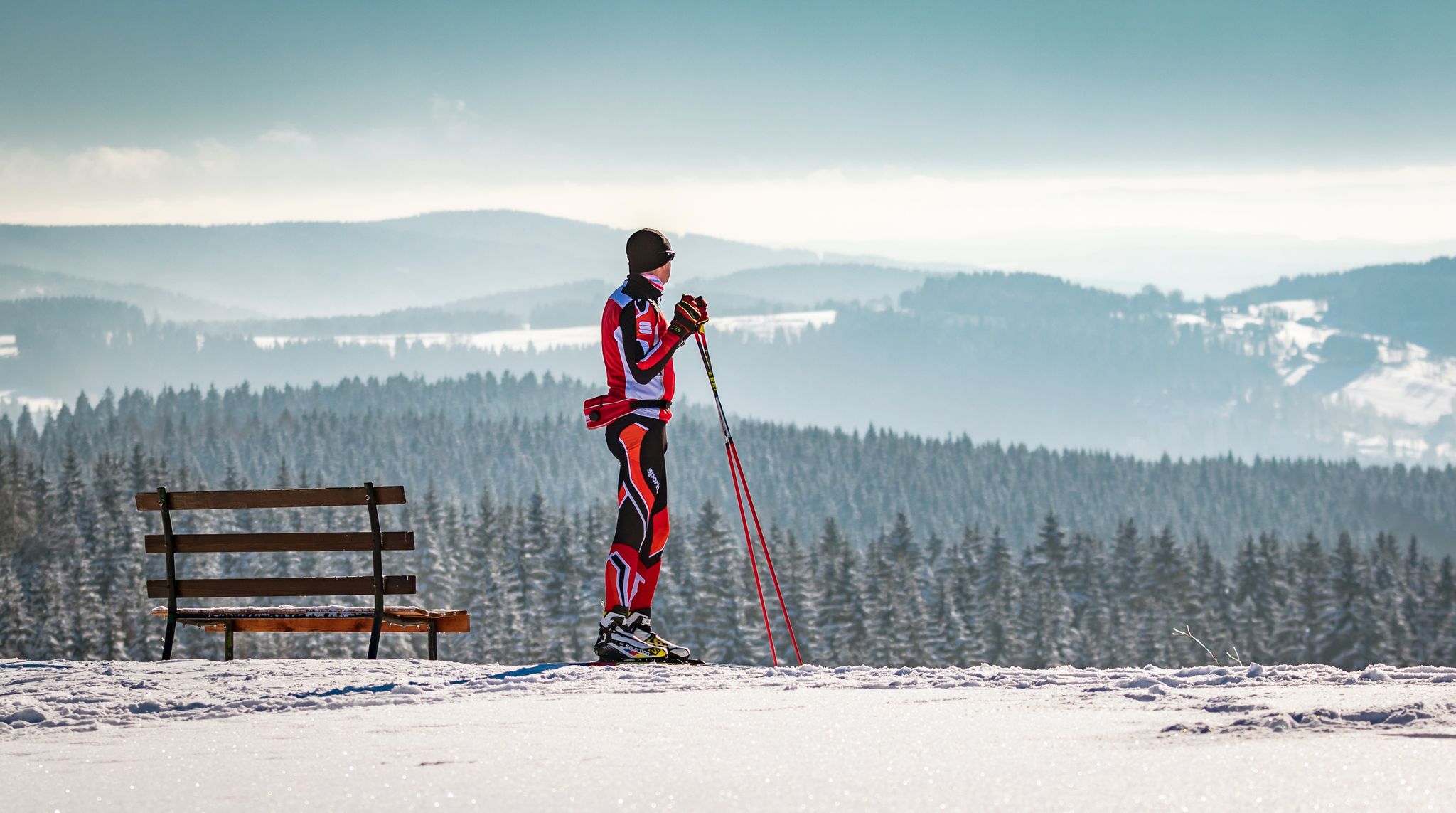
Let it flow! Cross-country skiing in the Ore Mountains
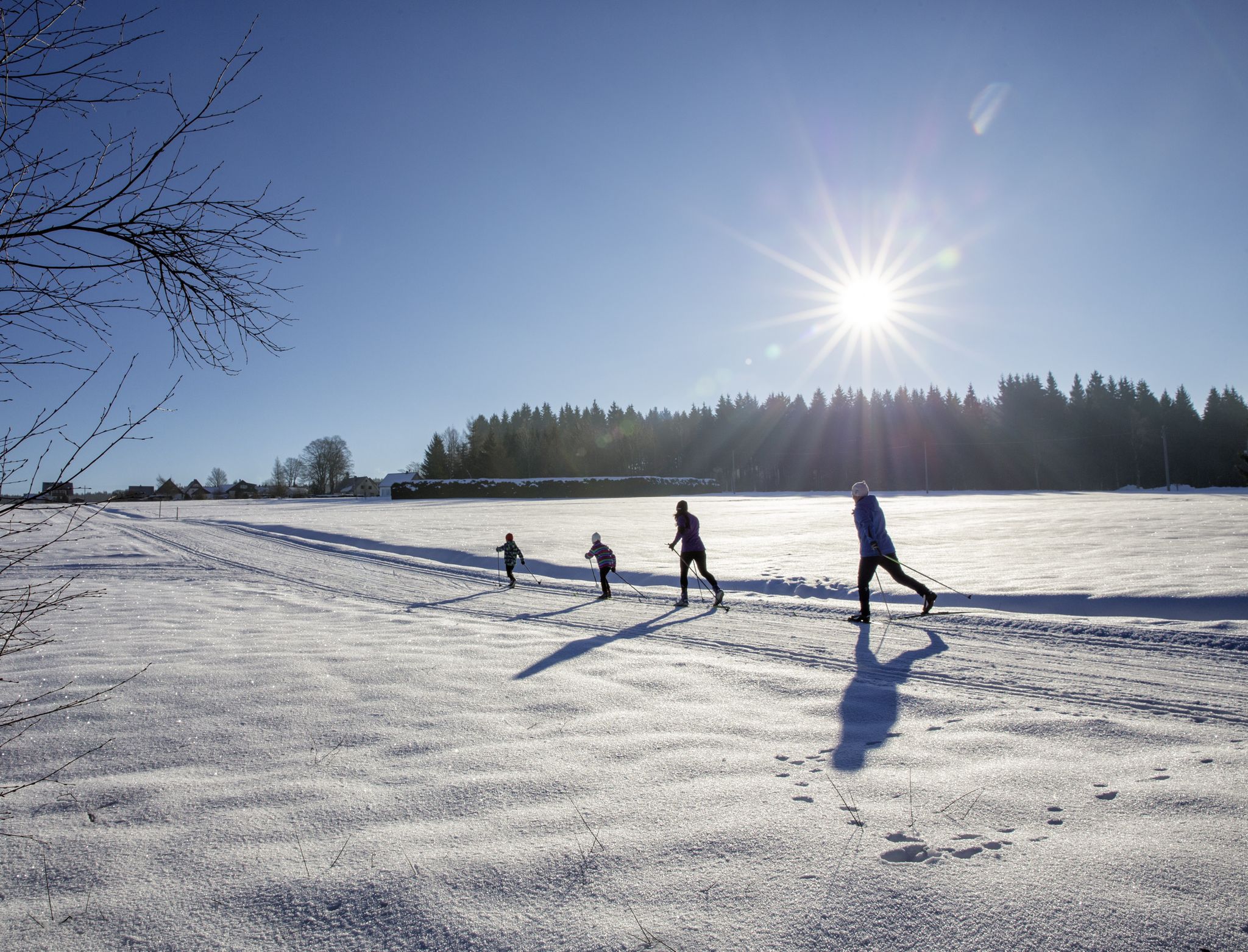
A snowy paradise – winter hiking and cross-country skiing in Germany’s Vogtland
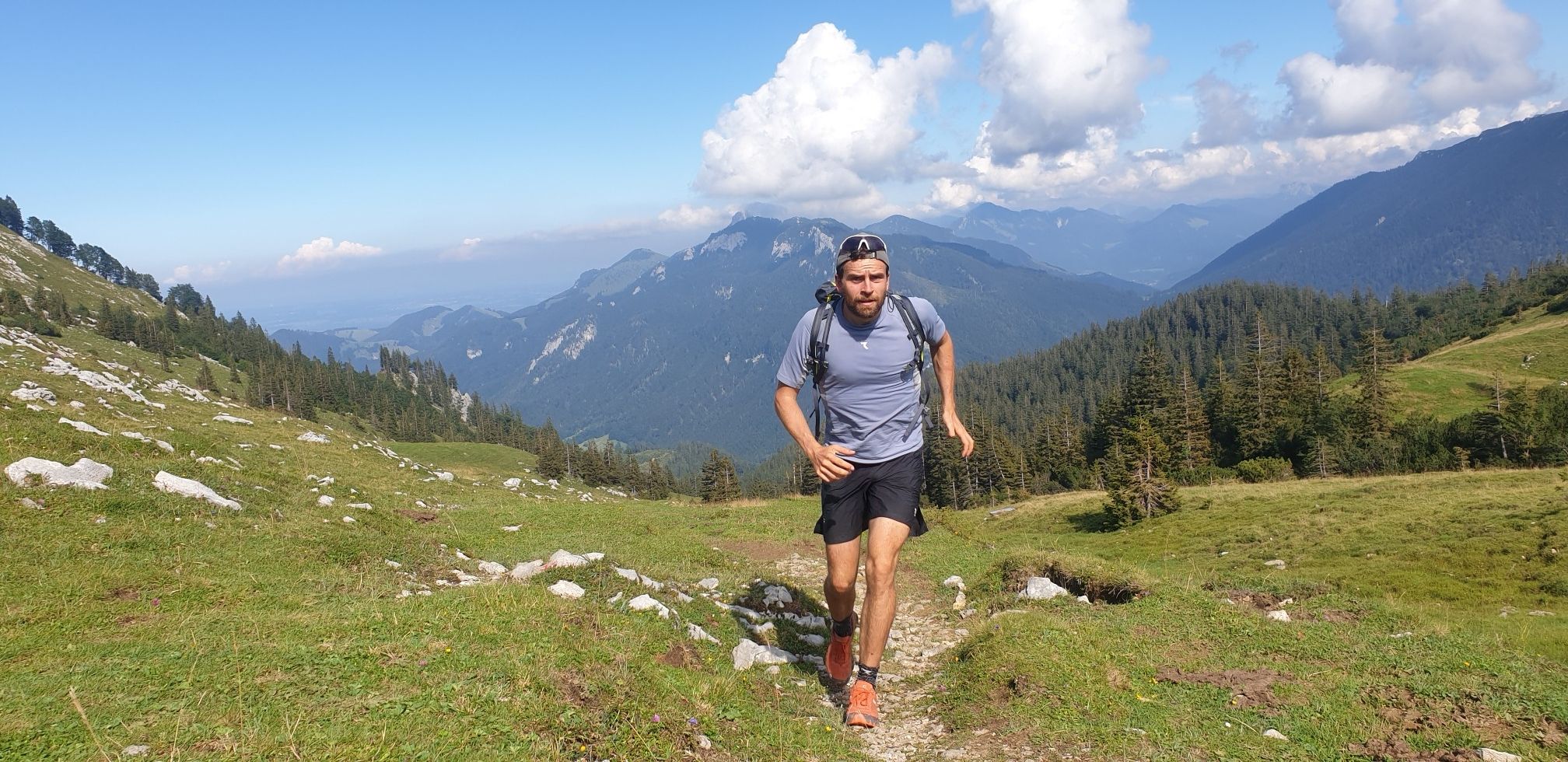
Triathlon around Germany
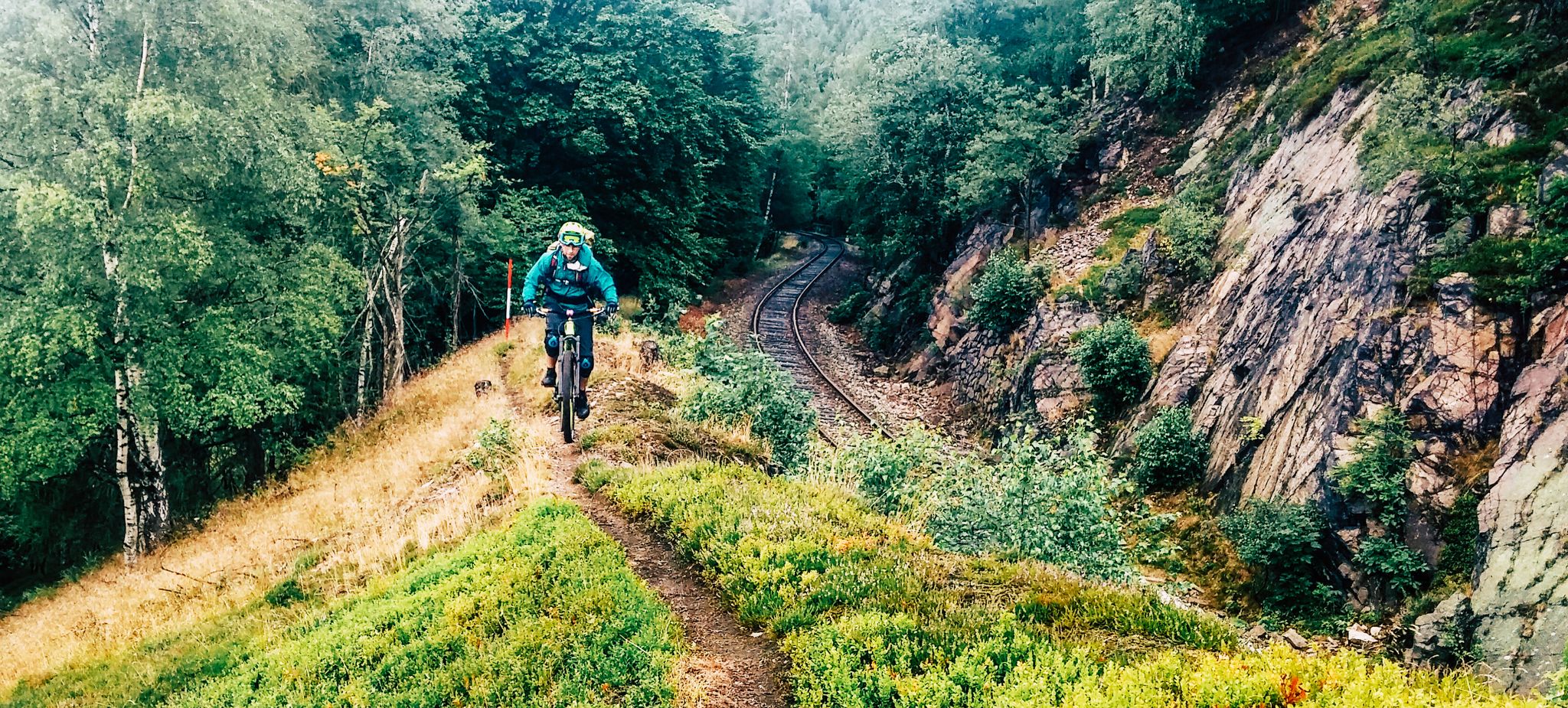
Kammweg Erzgebirge – Border adventure along the Ridgeway

The Stoneman Trail in the Ore Mountains
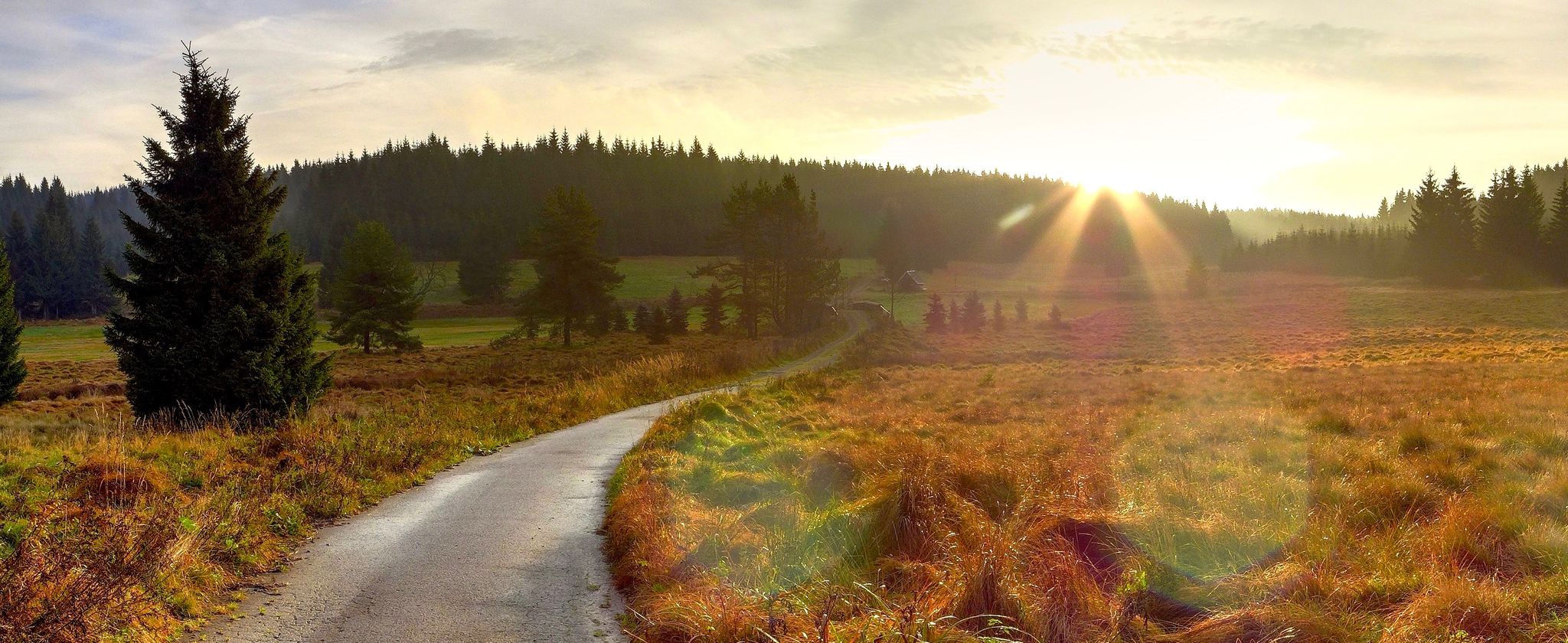
Ore Mountains — between forests and elevation
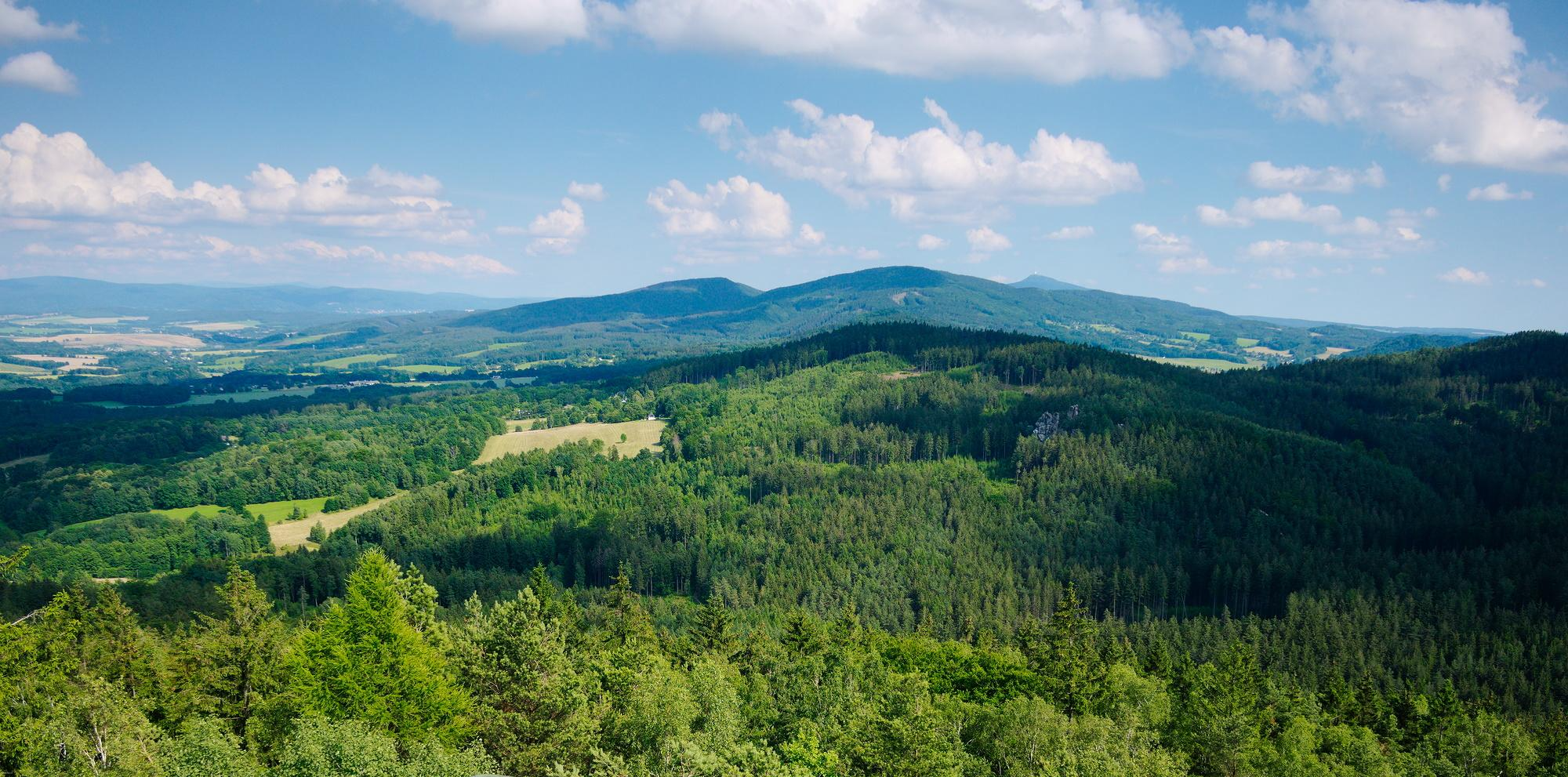
The National Natural Landscapes in Saxony
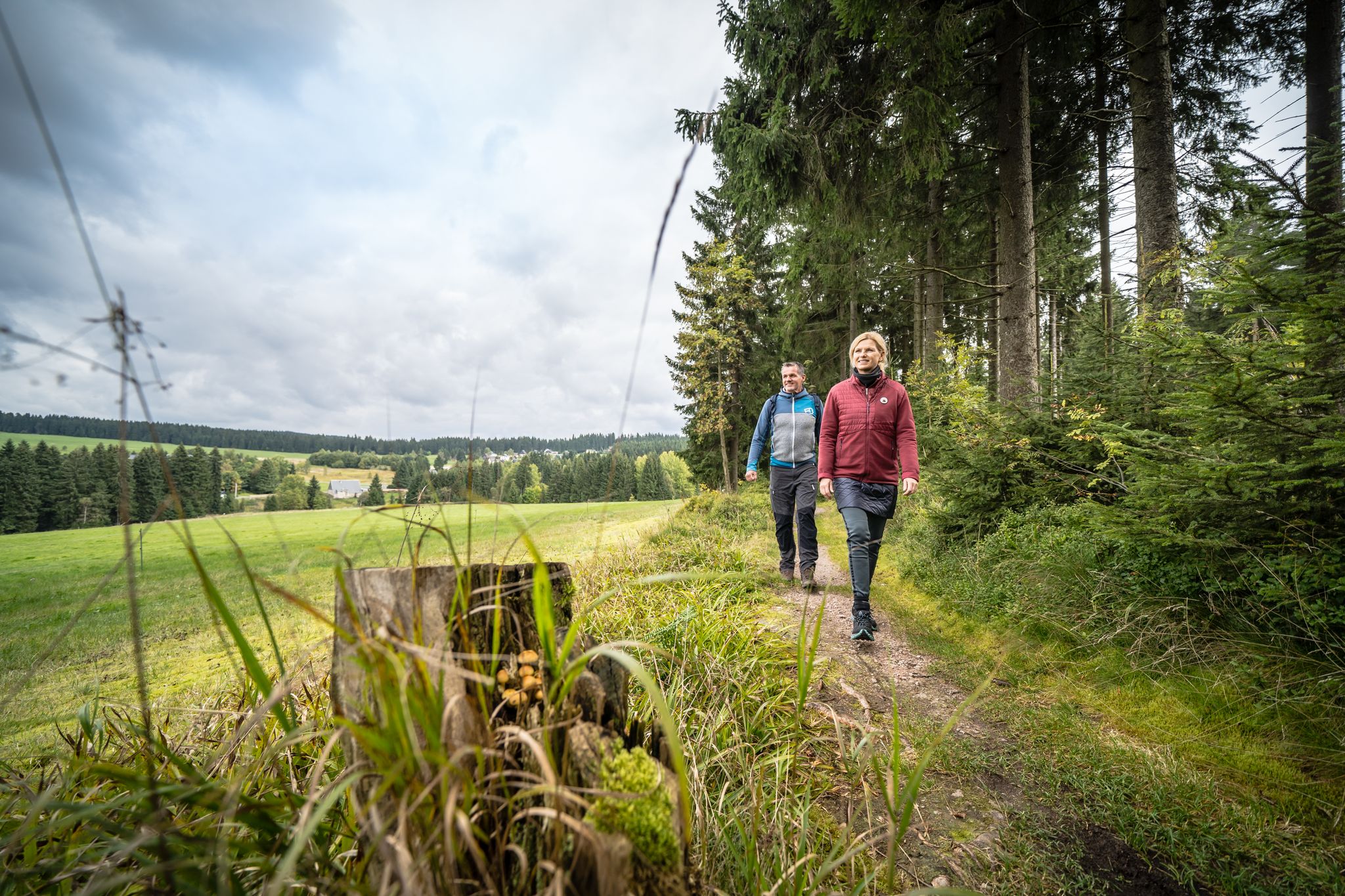
Hiking with heart in the Ore Mountains
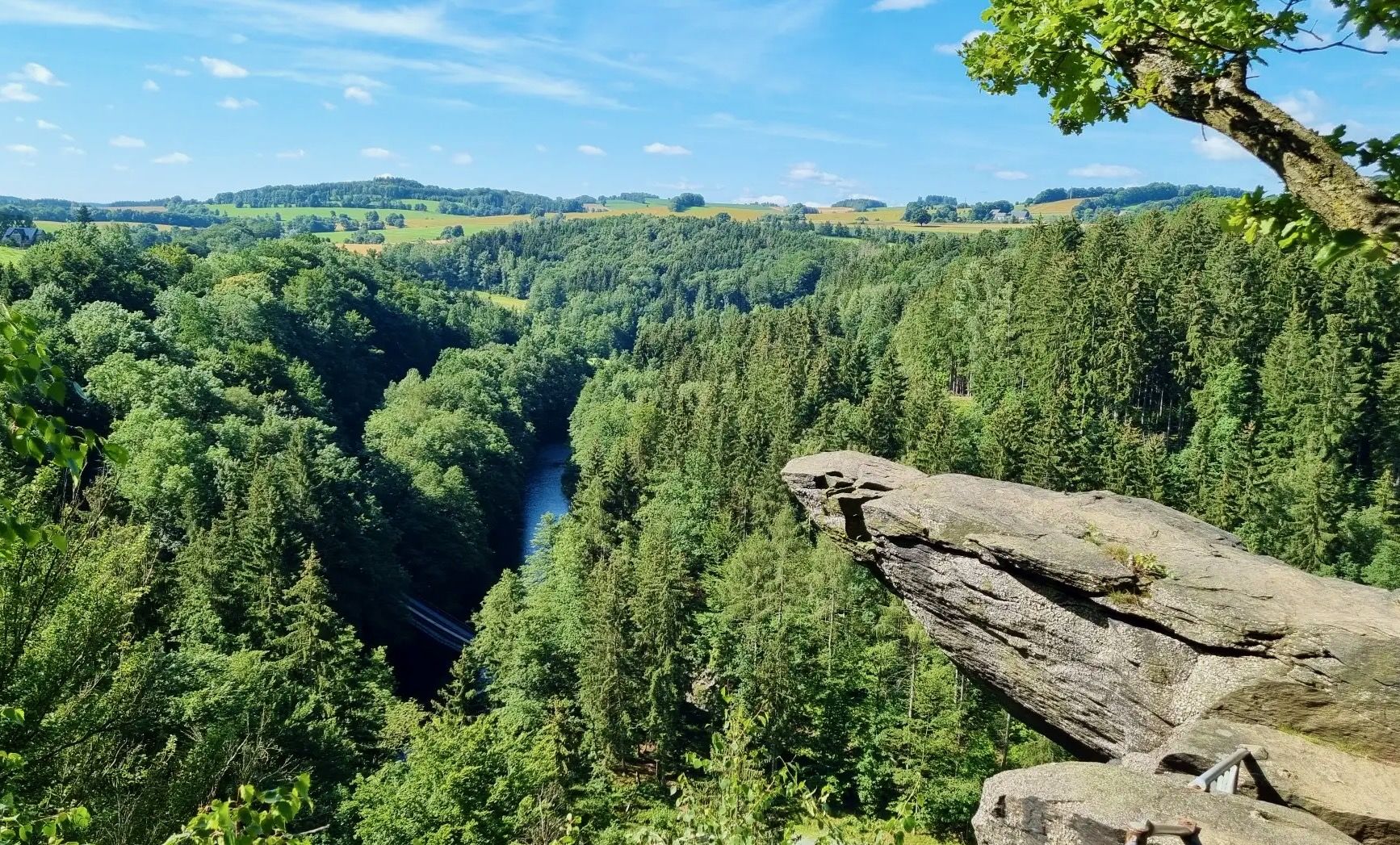
From Fichtelberg to Mulde - The Zschopautal Hiking Trail
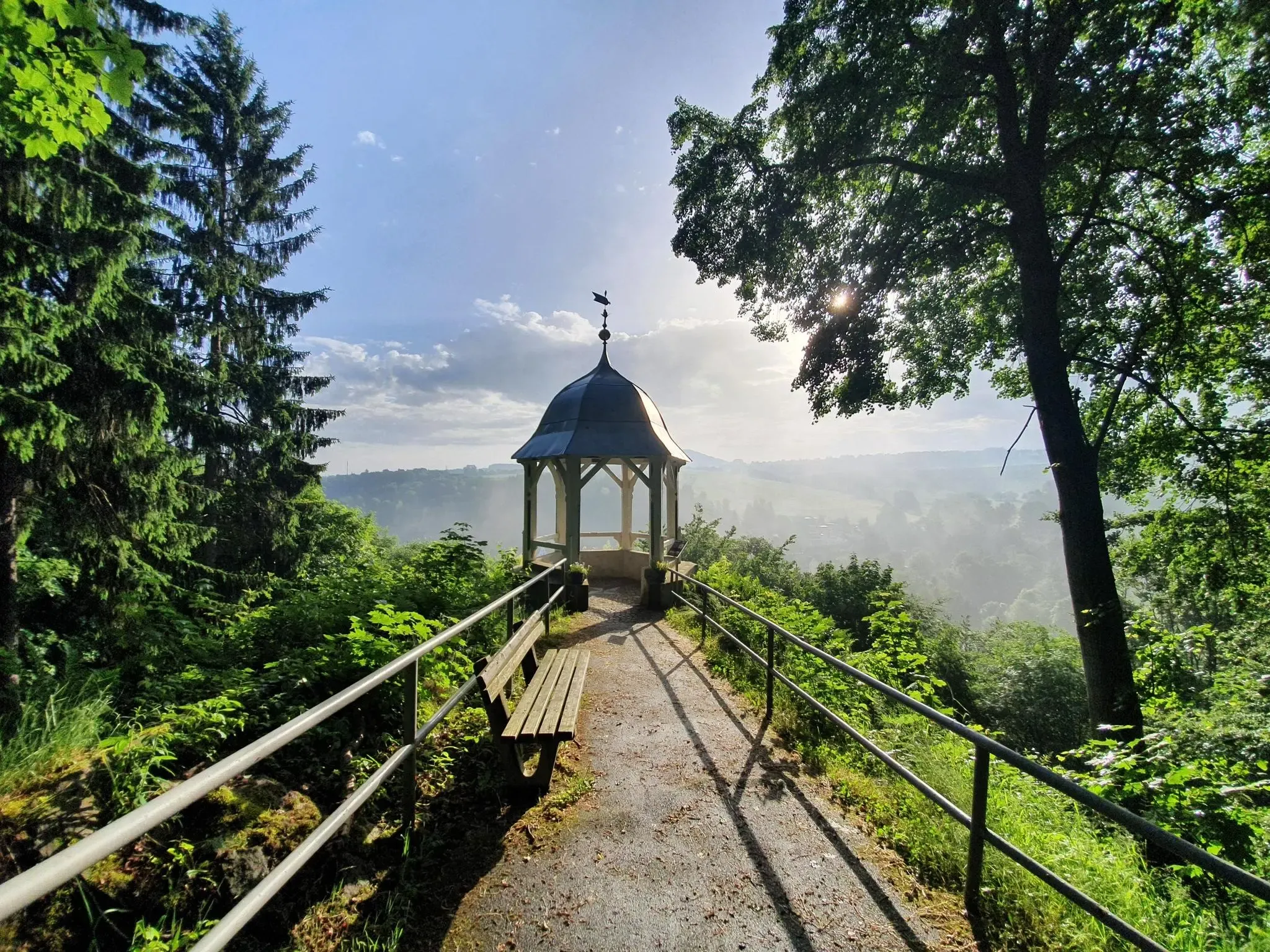
#GoFurther – discover the views of Germany!
Other adventures in the Ore Mountains


Tips from the Community

Further information can be found under this link: https://www.bergbaufreunde-sachsen.de/am-rande-des-erzgebirges/lungkwitz/
1
0

According to legend, the shallow cave in the rock (quartz-armed porphyry or rhyolite) was once much larger, and three fairies lived there. On a full moon night, a minstrel who had previously played at the fair in Hintergersdorf (spa town of Hartha) passed by. The three fairies had laid out laundry on the meadow to bleach. The musician picked up a lace cloth and took it with him. However, when he got home, instead of the cloth, he held a gray cobweb in his hand. Before sunrise, he returned the cobweb to its place, where it became a lace cloth again, just as the other laundry disappeared with the first rays of sunlight. Since then, the fairies have not been seen again, and the cave has become a shallow hole.
0
1

A little below the path, we see the entrance to the Garisch Mine. Almost hidden, nestled quaintly among the greenery, first mentioned in 1490, the mine ceased operations in 1911. We take a few steps inside and are surrounded by thousands of mosquitoes. https://youtu.be/jglyT269hvE
0
0

You have to climb a little, but you get a great view into the Swedish holes
0
1

A very interesting place...just waiting to be discovered, and it's naturally air-conditioned both summer and winter. Don't forget a flashlight for exploring.
1
1

A great highlight not only for the adults, it certainly stimulated the sense of adventure and imagination of our kids;)
0
0

a great corner, always worth a trip
1
0
very nice corner. Always worth a visit
0
0
Frequently Asked Questions
What types of underground sites can I explore in the Ore Mountains?
The Ore Mountains offer a diverse range of underground experiences, including natural caves, dripstone caves, and numerous former mining tunnels that have been transformed into visitor attractions. These sites provide insights into both geological formations and the region's rich industrial heritage.
Are there any natural dripstone caves in the Ore Mountains region?
Yes, while many underground sites are former mines, the region does feature natural dripstone caves. Saxony's only show cave, Drachenhöhle Syrau (Dragon's Cave Syrau), is a notable example, showcasing a variety of stalactites, stalagmites, and underground lakes.
Which caves offer a glimpse into the region's mining history?
Many sites highlight the Ore Mountains' mining past. The Grube Tannenberg, a former tin and uranium mine, is now a visitor mine showcasing original mining technology and a massive underground lake. The Besucherbergwerk Alaunwerk Mühlwand, an alum shale mine, also offers historical tours and unique secondary mineral formations.
Are there family-friendly caves or underground attractions in the Ore Mountains?
Yes, several sites are suitable for families. The Kunnerstein, while primarily a viewpoint, is listed as family-friendly and offers a resting place for hikers. The Drachenhöhle Syrau also has a surrounding park with activities for families, and hosts a laser show between May and August that narrates a local dragon legend.
What are some unique geological features to see in the Ore Mountains' caves?
The Eispinge (Ice Pit) is a unique gorge created by mining, known for retaining ice until late summer. At Drachenhöhle Syrau, you can see various dripstones, crystal-clear underground lakes, and unique clay speleothems. The Grube Tannenberg features one of Saxony's largest man-made cavities with a deep, clear underground lake.
What is the best time of year to visit the caves in the Ore Mountains?
The caves and mines in the Ore Mountains maintain consistently cool temperatures year-round, typically between 3°C and 10°C. This makes them a good destination regardless of the season. However, the Drachenhöhle Syrau offers a special laser show between May and August, which might enhance a summer visit.
What should I wear when visiting caves in the Ore Mountains?
Due to the consistently cool temperatures underground, ranging from 3°C to 10°C, it is advisable to wear warm clothing, even during summer months. Comfortable, sturdy footwear is also recommended, especially for sites with uneven paths or steps like the Eispinge (Ice Pit).
Are there any caves associated with local legends or historical figures?
Yes, the Stülpner Cave is famously associated with the Erzgebirge folk hero Karl Stülpner, who is said to have used it as a hiding place. The Drachenhöhle Syrau also incorporates a local dragon legend into its laser show.
Can I find hiking trails near the caves in the Ore Mountains?
Yes, the Ore Mountains region is excellent for outdoor activities. You can find numerous hiking opportunities, including mountain hikes and waterfall hikes. For example, the Kunnerstein is a popular resting spot for hikers. You can explore routes like the 'Rabenauer Grund Wooden Bridge – Rabenauer Mill loop' or the 'Bad Schlema's Mining and Restoration Trail' which are part of the wider network of trails in the region. More information on these can be found in the Mountain Hikes in the Ore Mountains and Waterfall hikes in the Ore Mountains guides.
Are there any unique uses for the underground spaces in the Ore Mountains today?
The Grube Tannenberg has a particularly unique modern use: its cool, humid conditions make it an ideal storage site for Christmas stollen from local bakeries, which helps enhance their flavor.
What is the Princes' Cave and its historical significance?
The Princes' Cave near Zschopau is an 18-meter long medieval mine tunnel, not of natural origin. It gained historical significance as a refuge during the Saxon Princes' Abduction in 1455, where Prince Ernst was hidden after being kidnapped.
What do visitors appreciate most about the caves in the Ore Mountains?
Visitors frequently highlight the unique blend of natural beauty and rich history. They enjoy the geological formations, the insights into the region's mining past, and the opportunity to explore sites associated with local legends. The cool, refreshing temperatures underground are also often appreciated, especially during warmer months.
Most popular routes in the Ore Mountains
Most popular attractions in the Ore Mountains

Get inspired with the komoot mobile app


Explore more
Extend your search for the best caves by checking out these guides of the top ones in the Ore Mountains:
