Top 20 Caves in the Vienna Woods
Caves in the Vienna Woods, a UNESCO Biosphere Reserve, provide a diverse range of underground experiences. This region features natural formations and sites with historical significance, blending geological exploration with historical discovery. Visitors can explore former mines, archaeological sites, and natural grottoes within this landscape.
Best caves in the Vienna Woods
- The most popular caves is Seegrotte Hinterbrühl – Europe's Largest Underground Lake, a lake that originated from a former gypsum mine. It features Europe's largest underground lake, spanning 6,200 square meters, and was a secret aircraft production site during World War II.
- Another must-see spot is Arnstein Cave, a cave located beneath the Arnstein castle ruins. This 128-meter-long cave has yielded significant archaeological finds, including bones of cave bears and cave hyenas.
- Visitors also love Einöd Cave, a cave accessible from April to October. It allows exploration of 3 halls and is a known bat habitat.
- Vienna Woods is known for archaeological caves, historical mines, and natural grottoes. The region offers a variety of caves to see and explore, from developed tourist attractions to more rugged, historical sites.
- The caves in the Vienna Woods are appreciated by the komoot community, with more than 420 upvotes and over 160 photos shared by visitors.
Last updated: August 30, 2026
Matterhörndl
Highlight • Natural Monument
Translated by Google •
Tip by

King's Cave
Highlight • Cave
Translated by Google •
Tip by

Sign up now to discover places like this
Get recommendations on the best single tracks, peaks, & plenty of other exciting outdoor places.
Sign up for free
Anton's Grotto
Highlight • Cave
Source: de.m.wikipedia.org/wiki/Helenental
Translated by Google •
Tip by
Arnstein Cave
Highlight • Cave
The approximately 13 meter high Arnstein Needle is the most striking rock formation on the castle ruins. The rock needle is classified as a natural monument and is considered to be in danger of collapsing. Originally the Arnstein needle was significantly higher, but since part of the rock loosened, it had to be removed for safety reasons. Some local researchers suspect a pagan place of worship near the needle, others see it as a symbol of fertility. The first ascent of the Arnstein Needle is recorded for the year 1899.
Translated by Google •
Tip by

Arnstein Castle Ruins
Highlight • Castle
Translated by Google •
Tip by

Einöd Cave
Highlight • Cave
Translated by Google •
Tip by

Lourdes Grotto, Maria Gugging
Highlight • Religious Site
Artificial replicas of the cave in which the Mother of God supposedly appeared in the French pilgrimage site of Lourdes in 1858 are referred to as the Lourdes Grotto (also: Mariengrotte). A Madonna figure adorns the grotto at the place of the apparition of Mary
Source: Wikipedia
Translated by Google •
Tip by
Perchtoldsdorf Forest Shrine
Highlight • Religious Site
Translated by Google •
Tip by

Höllensteinlucke Cave
Highlight • Cave
Translated by Google •
Tip by
Seegrotte Hinterbrühl – Europe's Largest Underground Lake
Highlight • Lake
Translated by Google •
Tip by
Sign up for free to discover even more caves in the Vienna Woods.
Sign up for free
Already have an account?
Start today with a free account
Your next adventure awaits.
Login or Signup
Popular around Vienna Woods
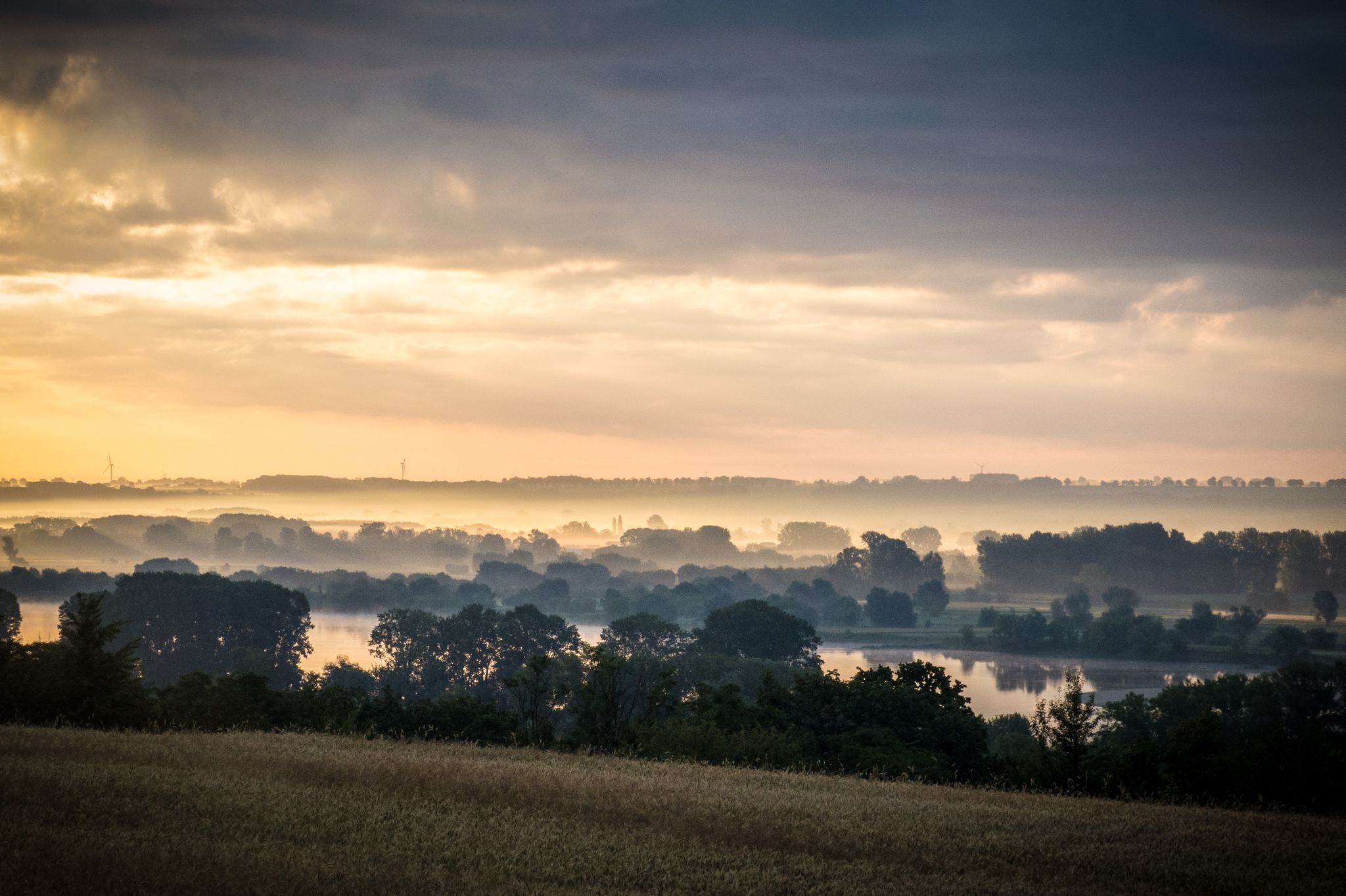
EuroVelo 9 – The Amber Route from the Baltic to Adriatic Sea
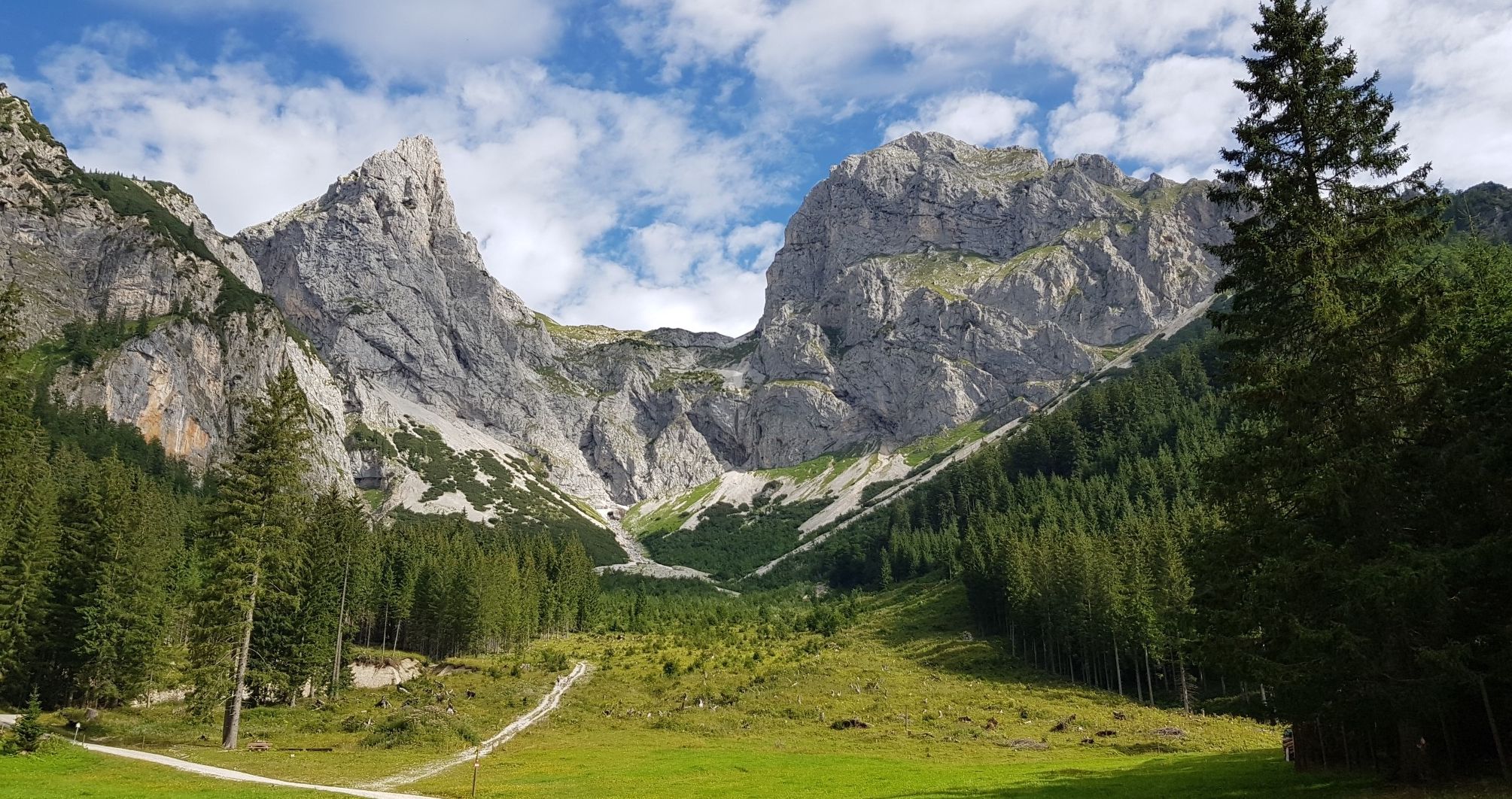
North Alpine Trail 01 – Hike across Austria in 49 days
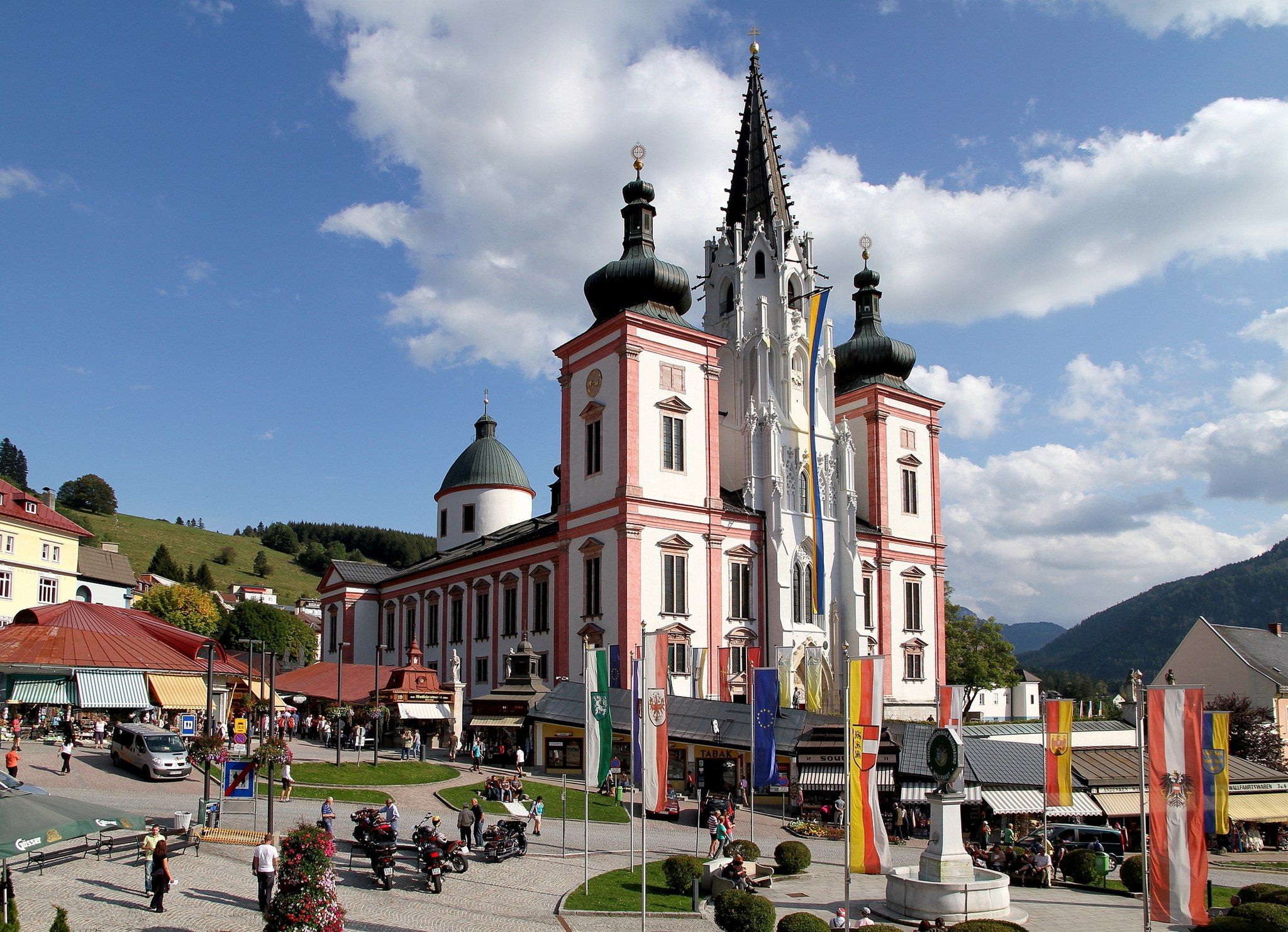
Wiener Wallfahrerweg 06 – A pilgrimage through Lower Austria
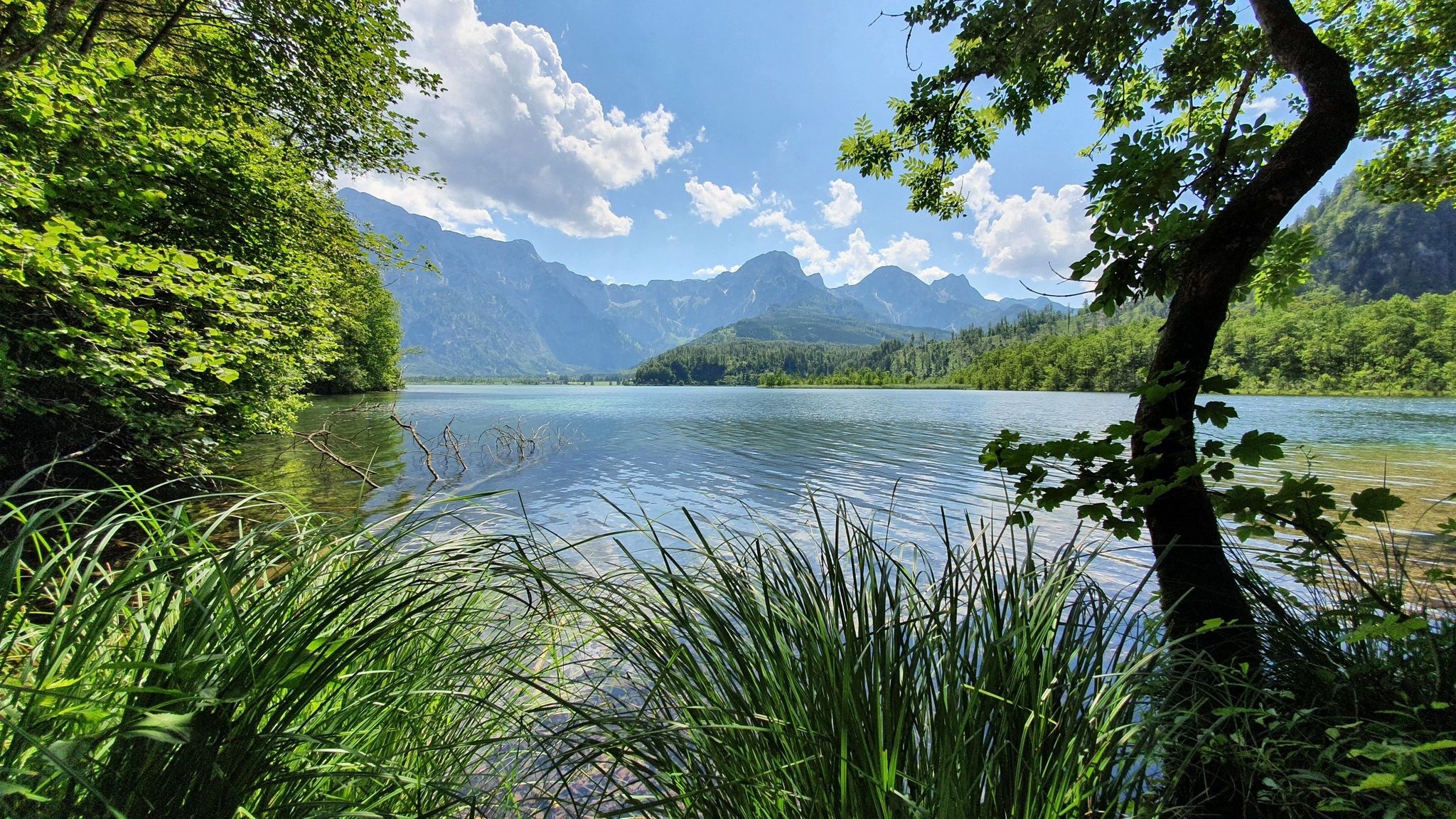
Voralpenweg 04 – From Vienna to Bad Reichenhall
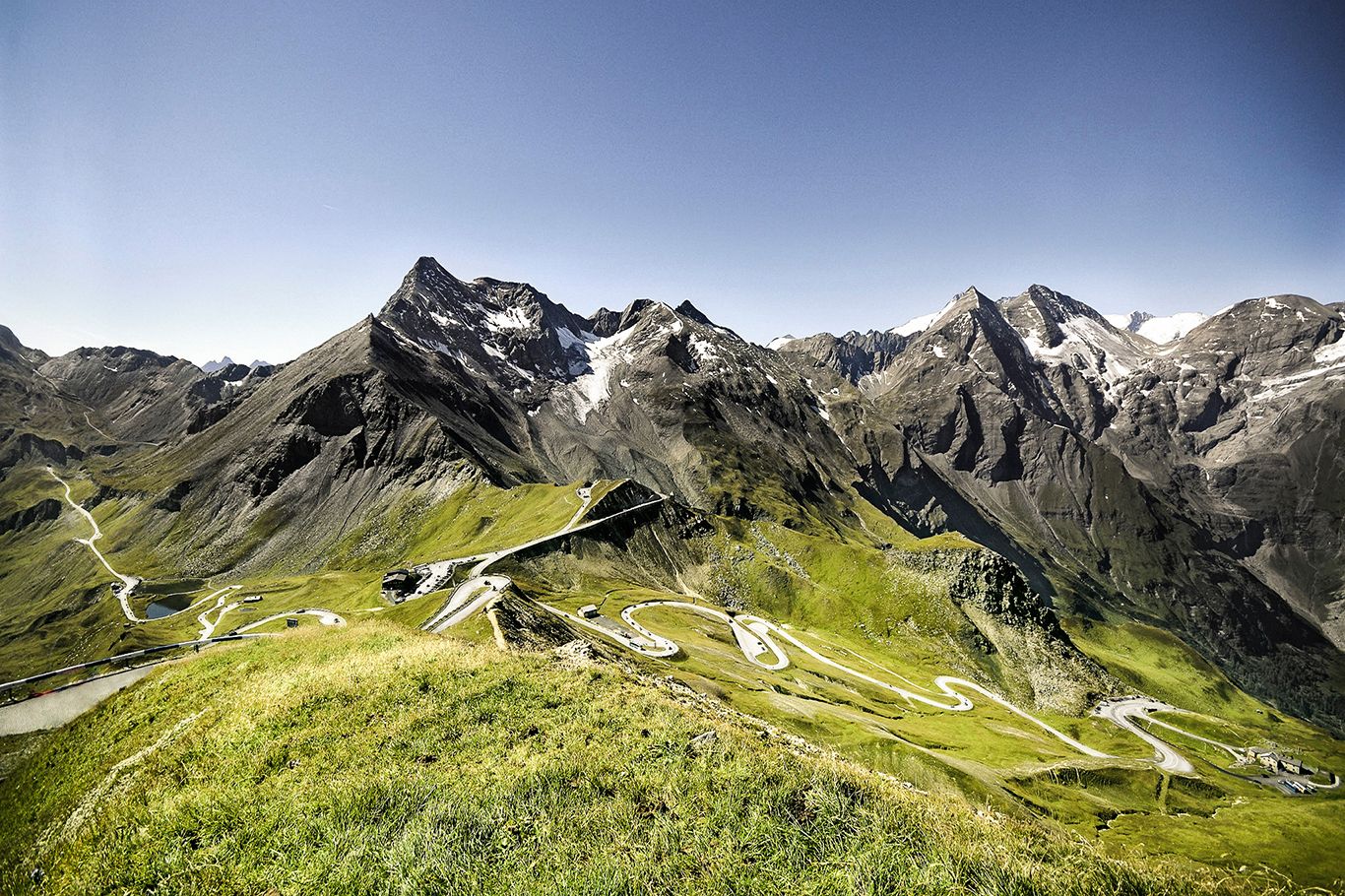
Three Peaks Bike Race — Vienna to Nice
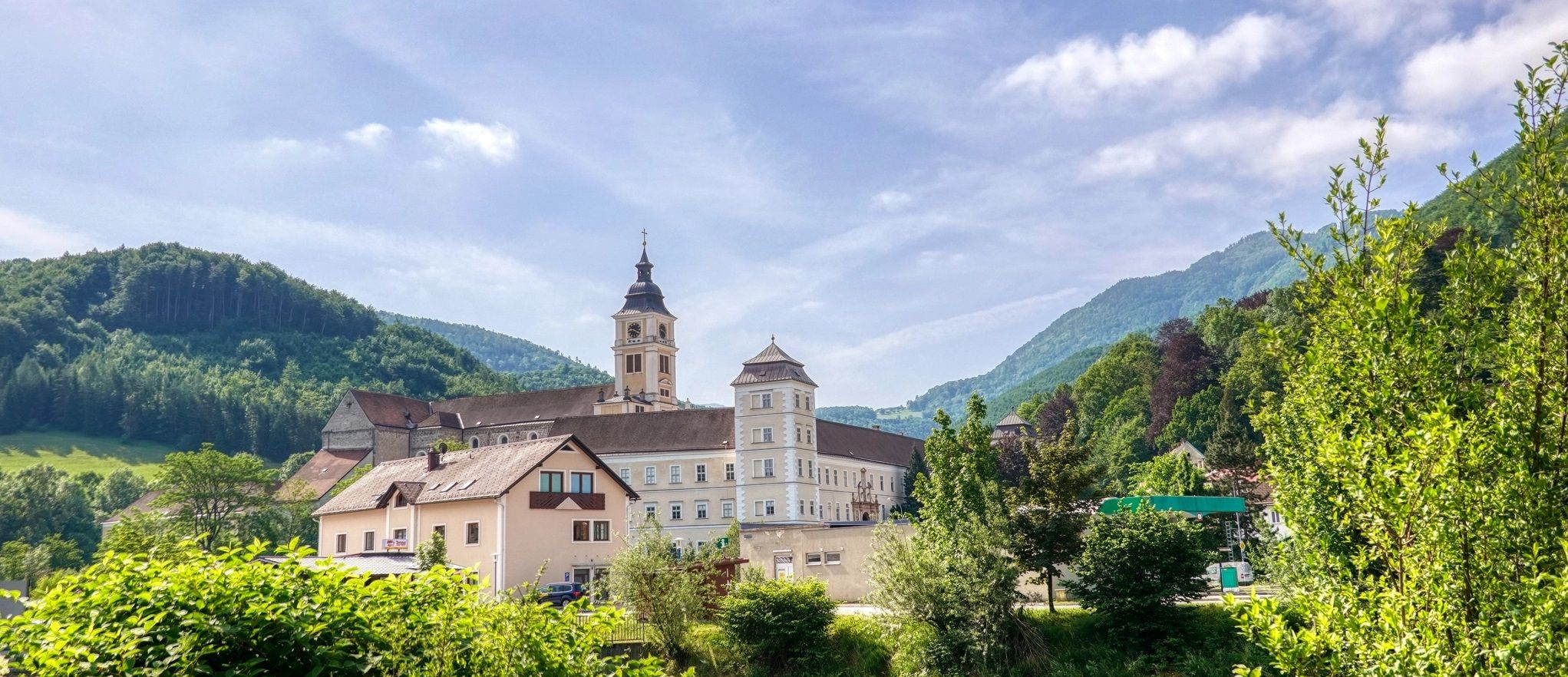
Via Sacra – hiking along holy paths from Vienna to Mariazell
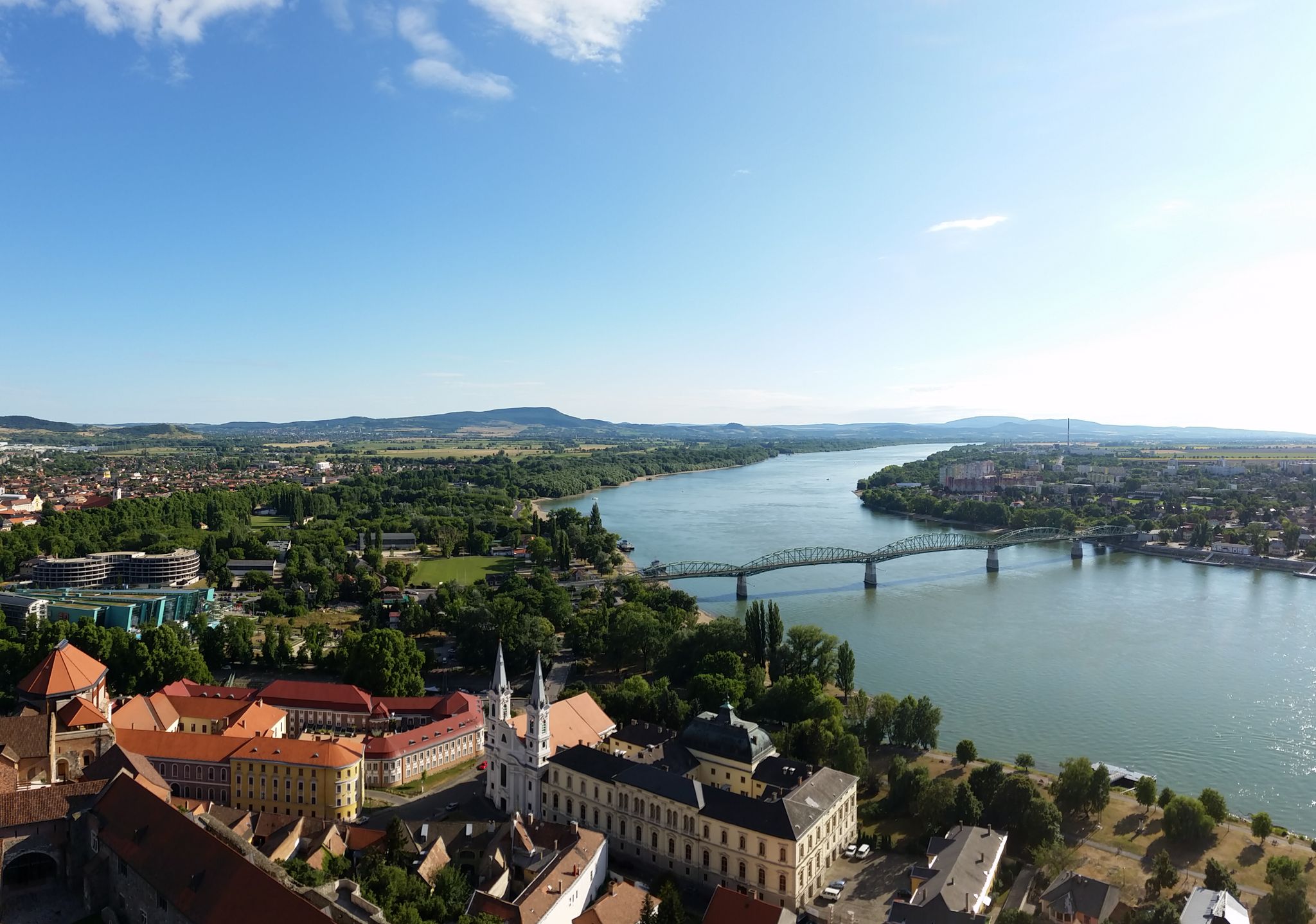
The Danube Cycle Path – From Donaueschingen to Budapest
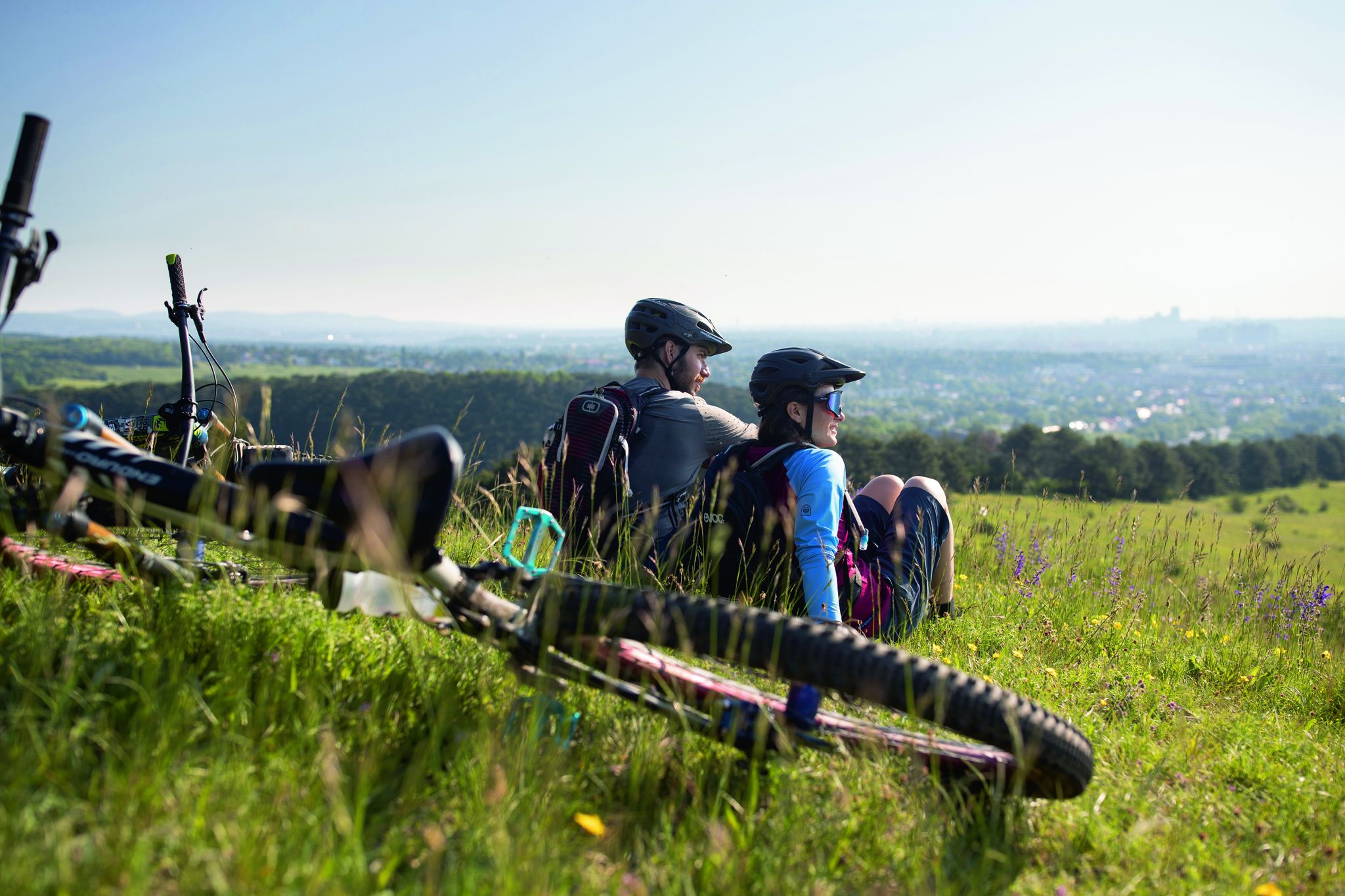
Fun, flow and elevation gain – MTB trails in the Vienna Woods
All around Vienna – Rundumadum hiking trail
The most beautiful bike discovery Tours in Lower Austria
Other adventures in the Vienna Woods


Tips from the Community

Definitely go in if you are in the area. The staff is great. Admission is 18 Euros and definitely worth it. The boat trip is, of course, the absolute highlight. More info on opening hours etc. can be found here: http://seegrotte.at/ The parking spaces are free
3
0

The Lourdes Grotto in the Vienna Woods is a faithful replica of the Lourdes Grotto. Even the altar was built from pure marble, (like the altar in Lourdes).
1
0
The people who lived in the Baden region around 3000 years ago were referred to as the "Baden culture" due to the sensational finds made around the so-called "Königshöhle" (King's Cave).
1
0
Höllensteinlucke: Best viewed from the hiking trail. Luckily there are 4 routes
1
0
First, you walk through a low tunnel far into the mountain, where you are finally given a detailed explanation of the working conditions in former times and what happened in the tunnel during the Second World War, including the construction of the first fighter jet. After the mine tour, you continue a bit further down to the largest underground lake in Europe, where you take a short boat trip. The lake is very clear, the air is great, and the lighting is also very beautiful to look at. We went to the Seegrotte purely by chance and were lucky enough to get a private tour, as apparently no one else wanted to visit the grotto at lunchtime. Our guide was very nice, explained everything in great detail, and in the end, we were even allowed to do two laps on the lake.
1
0
The Arnstein Castle was first mentioned in writing in 1170. The first castellan and builder of the complex was Wichard von Arnstein, who was the feudal lord of Hohen Lindkogel and Peilstein at that time. The von Arnstein family owned the castle until the 14th century.
2
0
After his death, the giant Einöder was carried away into the Anninger. To this day, he lives deep within the Einödhöhle and is considered by the people to be the most powerful guardian of the land against the incursions of enemy armies from the east.
2
0

The forest chapel near Perchtoldsdorf is a quiet place of worship in the woods, framed by trees and simple seating – ideal for a short, peaceful break. Here you can pause, listen to the wind in the treetops, and leave the hustle and bustle of everyday life behind for a few minutes. An atmospheric, easily accessible place of power along your Vienna Woods hike.
4
0
Frequently Asked Questions
What are the historical aspects of the caves in the Vienna Woods?
The caves in the Vienna Woods offer a rich historical tapestry. Seegrotte Hinterbrühl, for instance, was a former gypsum mine that later served as a secret aircraft production site during World War II. Arnstein Cave, located beneath castle ruins, has archaeological significance with findings of cave bears and hyenas, and was historically used as a stable. King's Cave has yielded important archaeological finds from the Neolithic Age, Roman times, and the Middle Ages, giving its name to the Neolithic Baden culture.
Are there any family-friendly caves to visit in the Vienna Woods?
Yes, several caves in the Vienna Woods are suitable for families. Seegrotte Hinterbrühl offers boat rides on Europe's largest underground lake, which is a unique experience for all ages. Einöd Cave is also considered family-friendly, allowing exploration of its three halls. Anton's Grotto is another family-friendly option, part of a historical promenade network.
What are the geological features of the caves in the Vienna Woods?
The caves in the Vienna Woods showcase diverse geological formations. Seegrotte Hinterbrühl is famous for its massive underground lake, formed from a flooded gypsum mine. Other caves like Matterhörndl are notable for their impressive limestone rock formations. The region's caves often feature natural grottoes and rock shelters, shaped over millennia.
How can I reach the Seegrotte Hinterbrühl using public transport or by car?
The Seegrotte Hinterbrühl is well-connected. It is easily accessible by car, with parking available on-site. For public transport, you can take a train to Mödling and then a bus directly to Hinterbrühl, which stops near the grotto.
What is the best time of year to visit the caves in the Vienna Woods?
Many caves in the Vienna Woods are best visited from spring to autumn. For example, Einöd Cave is accessible from April to October. Seegrotte Hinterbrühl maintains a constant temperature of 9-12 degrees Celsius year-round, making it a good option regardless of the season, though boat rides might be seasonal.
Are there hiking trails that lead to the caves in the Vienna Woods?
Yes, many caves in the Vienna Woods are integrated into hiking routes. For instance, Arnstein Cave is located beneath the Arnstein castle ruins, which is a popular hiking destination. You can find various hiking trails in the region, including those in the Föhrenberge Nature Park, by exploring the Hiking in the Vienna Woods guide.
What should I wear when visiting caves in the Vienna Woods?
Even in summer, caves maintain a cool temperature. It's advisable to wear layers, including a warm jacket or sweater, and comfortable, sturdy shoes with good grip. For undeveloped caves like Arnstein Cave or Einöd Cave, a headlamp or flashlight is recommended.
Are there any caves in the Vienna Woods that are accessible during winter?
Seegrotte Hinterbrühl is generally open year-round due to its constant underground temperature. However, some natural caves like Einöd Cave are closed during winter months to protect hibernating bats.
What kind of archaeological discoveries have been made in the Vienna Woods caves?
Significant archaeological discoveries have been made in the Vienna Woods caves. Arnstein Cave yielded bones of cave bears, cave hyenas, and reindeer. King's Cave is particularly important, with finds from the Neolithic Age (2200 to 1800 BC), La Tène, Hallstatt periods, Roman times, and the Middle Ages, leading to the naming of the 'Baden culture'.
Are there places to eat or stay near the caves in the Vienna Woods?
The Vienna Woods region offers various amenities. Near Seegrotte Hinterbrühl, you'll find cafes and restaurants in the village of Hinterbrühl. For caves like Arnstein Cave, which are often part of hiking routes, you might find pubs or guesthouses in nearby towns or villages like Maria Raisenmarkt. Accommodation options range from hotels to guesthouses throughout the Vienna Woods.
What other outdoor activities can I do near the caves in the Vienna Woods?
The Vienna Woods, a UNESCO Biosphere Reserve, offers a wide range of outdoor activities. Besides exploring caves, you can enjoy extensive hiking trails, as detailed in the Hiking in the Vienna Woods guide. Road cycling is also popular, with numerous routes available in the Road Cycling Routes in the Vienna Woods guide. There are also specific waterfall hikes and opportunities for climbing near certain rock formations.
Is it possible to visit Einöd Cave year-round?
No, Einöd Cave is only accessible from April to October. During the winter months, access is restricted to avoid disturbing the bat colonies that hibernate within the cave.
Can I explore the caves on my own, or are guided tours available?
It depends on the cave. Developed attractions like Seegrotte Hinterbrühl offer guided tours, including boat rides. For natural caves like Einöd Cave or Arnstein Cave, you can often explore independently, though a headlamp is recommended for safety. Some areas might be part of organized climbing or training areas, such as the rock above Arnstein Cave.
Most popular routes in the Vienna Woods
Most popular attractions in the Vienna Woods

Get inspired with the komoot mobile app


Didn’t find what you were looking for?
Discover more caves in the Vienna Woods region by region:
Explore more
Extend your search for the best caves by checking out these guides of the top ones in the Vienna Woods:
