Top 20 Castles in the Piedmont
Best castles in the Piedmont provide insight into centuries of history and architectural evolution. This region features over 500 fortified residences, ranging from medieval fortresses to opulent royal palaces. Many are open to the public, offering diverse experiences from art museums to working wineries. The varied terrain of Piedmont allows for exploration of these historical sites within different landscapes.
Best castles in the Piedmont
- The most popular castles is Stupinigi Hunting Lodge, a historical site that was built in the first half of the 18th century by Filippo Juvarra. This imposing palace was used by sovereigns for hunting activities and is a UNESCO World Heritage site.
- Another must-see spot is Sacra di San Michele, a religious building. It is considered a symbol of Piedmont and offers historical significance and scenic views.
- Visitors also love Palazzo Madama, Castle Square, a historical site. This complex combines two thousand years of Turin's history, from a Roman gate to a defensive stronghold, and now houses the Civic Museum of Ancient Art.
- Piedmont is known for medieval fortresses, royal palaces, and hunting lodges. Visitors can explore a variety of castles, each offering a unique perspective on the region's past.
- The castles in the Piedmont are appreciated by the komoot community, with more than 640 upvotes and 90 photos shared across various highlights.
Last updated: August 16, 2026
Stupinigi Hunting Lodge
Highlight • Historical Site
Translated by Google •
Tip by

Medieval Village of Valentino
Highlight • Historical Site
Translated by Google •
Tip by

Sign up now to discover places like this
Get recommendations on the best single tracks, peaks, & plenty of other exciting outdoor places.
Sign up for free
Sacra di San Michele
Highlight • Religious Site
Translated by Google •
Tip by

Historic Center of Barolo
Highlight • Settlement
In the center of Barolo you can find bars, wineries and restaurants offering typical products combined with the best local wines.
Translated by Google •
Tip by

Barolo Village and Vineyards
Highlight • Settlement
We park our steel car on the edge of the plateau. We get to know the lively center at a walking pace. In almost every street you will find one or more wine bars that invite you to taste before purchasing. The temptation is great, cups are filled and ask to be sipped or slurped. We wisely let the third chalice pass, for we have yet to march further.
Sober, but slaloming, we wander through the streets and visit the Castello Falletti for tea. The castle, which was once built as a defensive fortress, is a landmark for many kilometers in the Langhe landscape.
The foundations from the 10th century keep our feet firmly on the ground. The strategic location of the converted 13th century castle still offers beautiful views over the surrounding hills and vineyards. The castle is now one of the 'best wine museums' in Italy. The museum is located over about five floors and focuses on the history and current techniques of viticulture in the area.
Our visit to Barolo ultimately ends where it began, with one difference: fill up that third chalice. Another crate richer and a few euros poorer, we leave the cute village with its cobbled pebbles and medieval houses, on to the next discovery.
Translated by Google •
Tip by

Palazzo Madama, Castle Square
Highlight • Historical Site
Translated by Google •
Tip by

La Mandria Castle Village
Highlight • Castle
Translated by Google •
Tip by

Translated by Google •
Tip by
Grinzane Cavour Castle
Highlight • Castle
Translated by Google •
Tip by

Hunting Lodge of Stupinigi
Highlight • Castle
Source: Wikipedia
Translated by Google •
Tip by

Sign up for free to discover even more castles in the Piedmont.
Sign up for free
Already have an account?
Start today with a free account
Your next adventure awaits.
Login or Signup
Popular around Piedmont
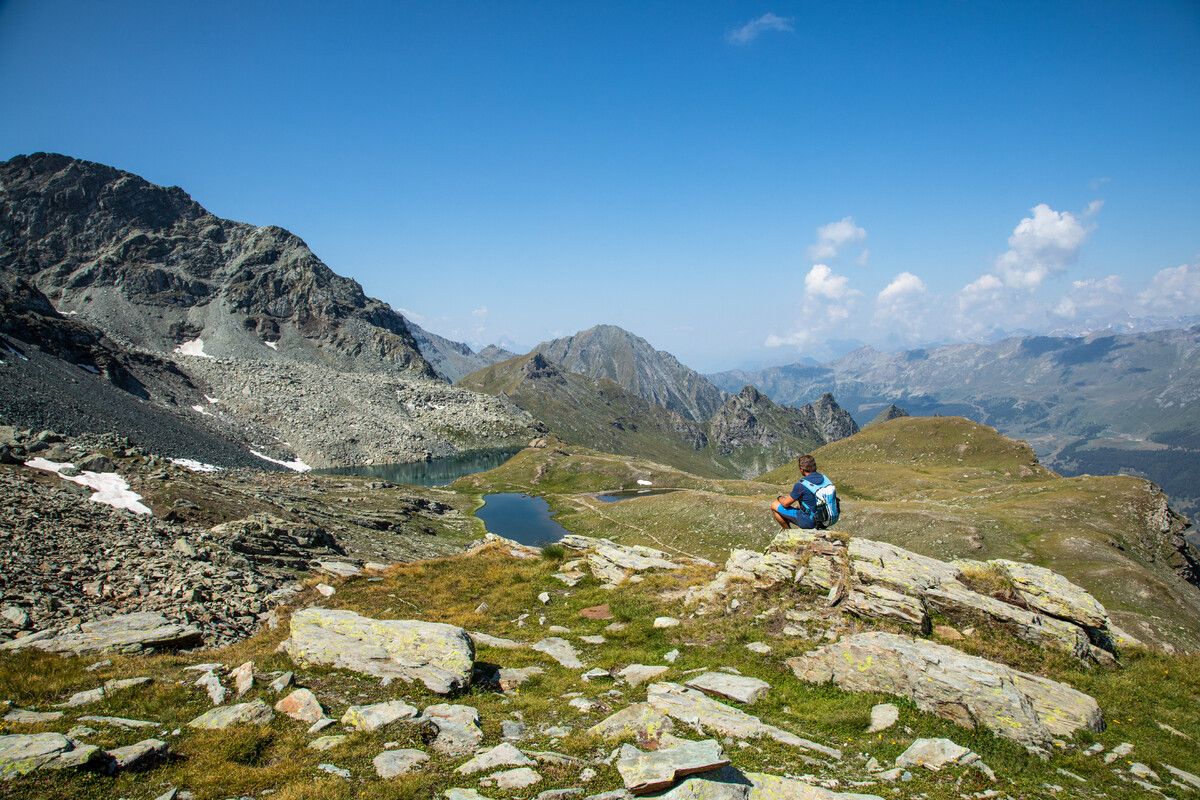
Alta Via n. 1 of the Aosta Valley — a walk among Italian giants
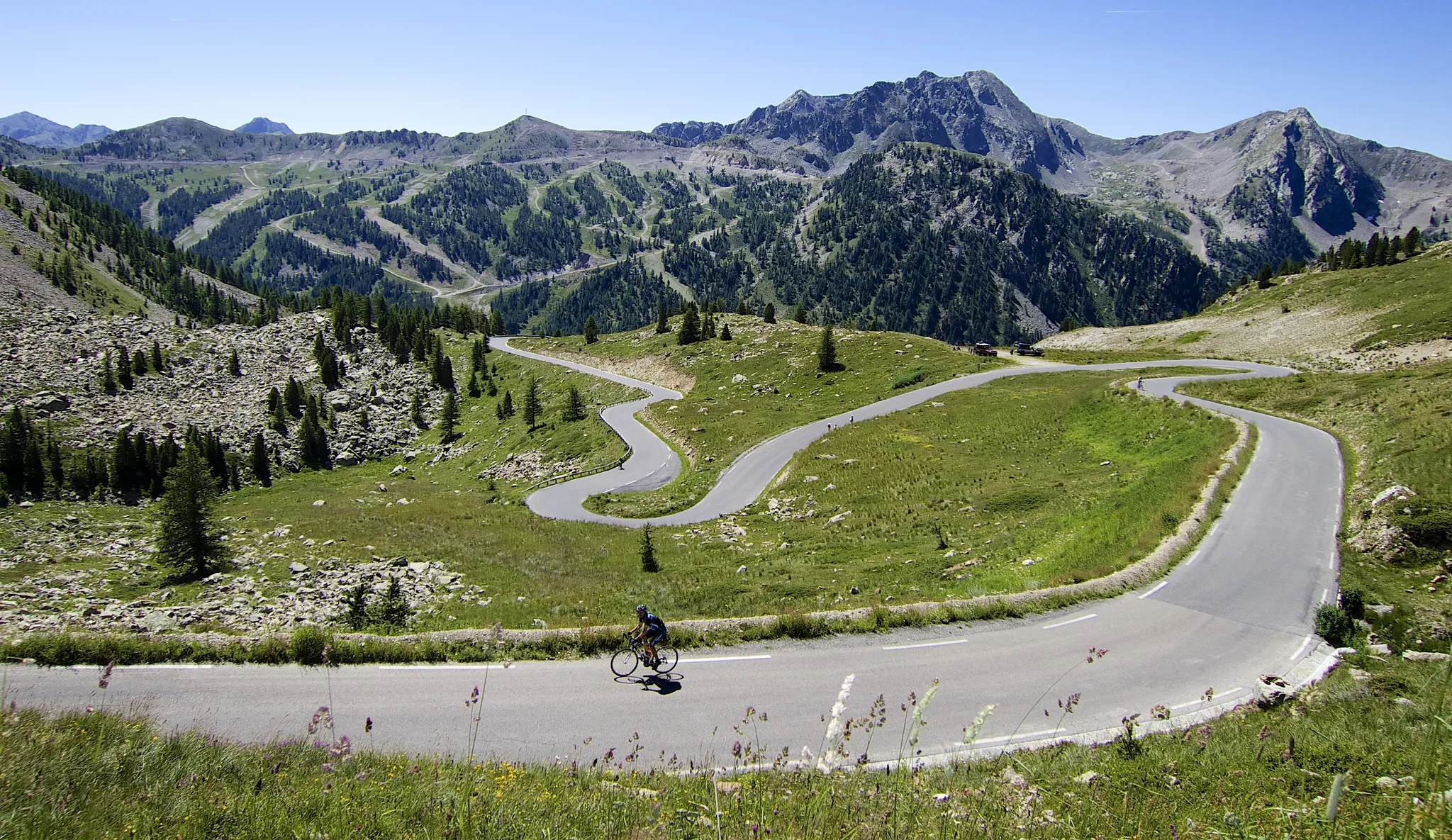
Haute Route Alps 2025 — Assaulting the Alps
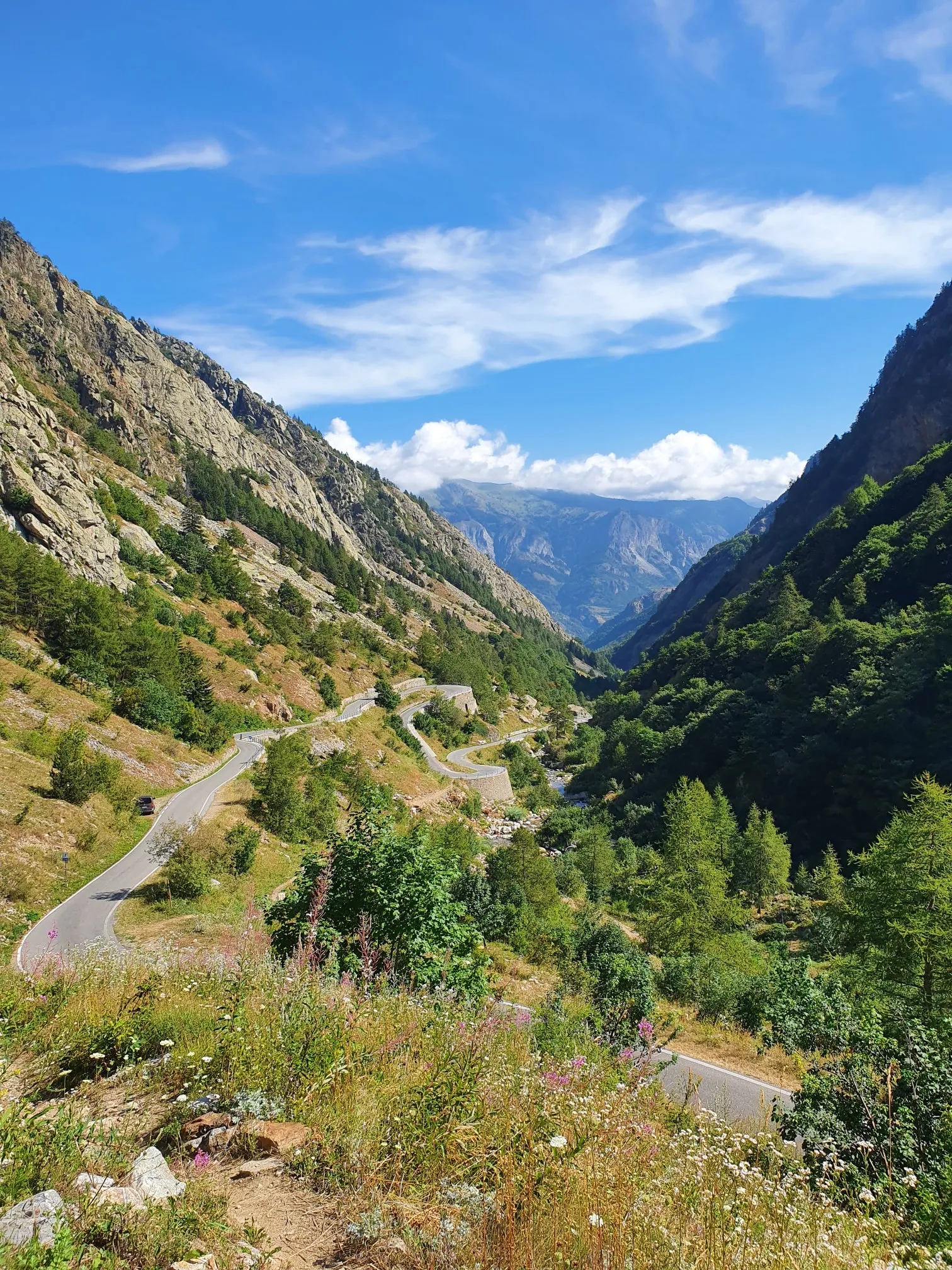
In the footsteps of the pilgrims in Valle Stura
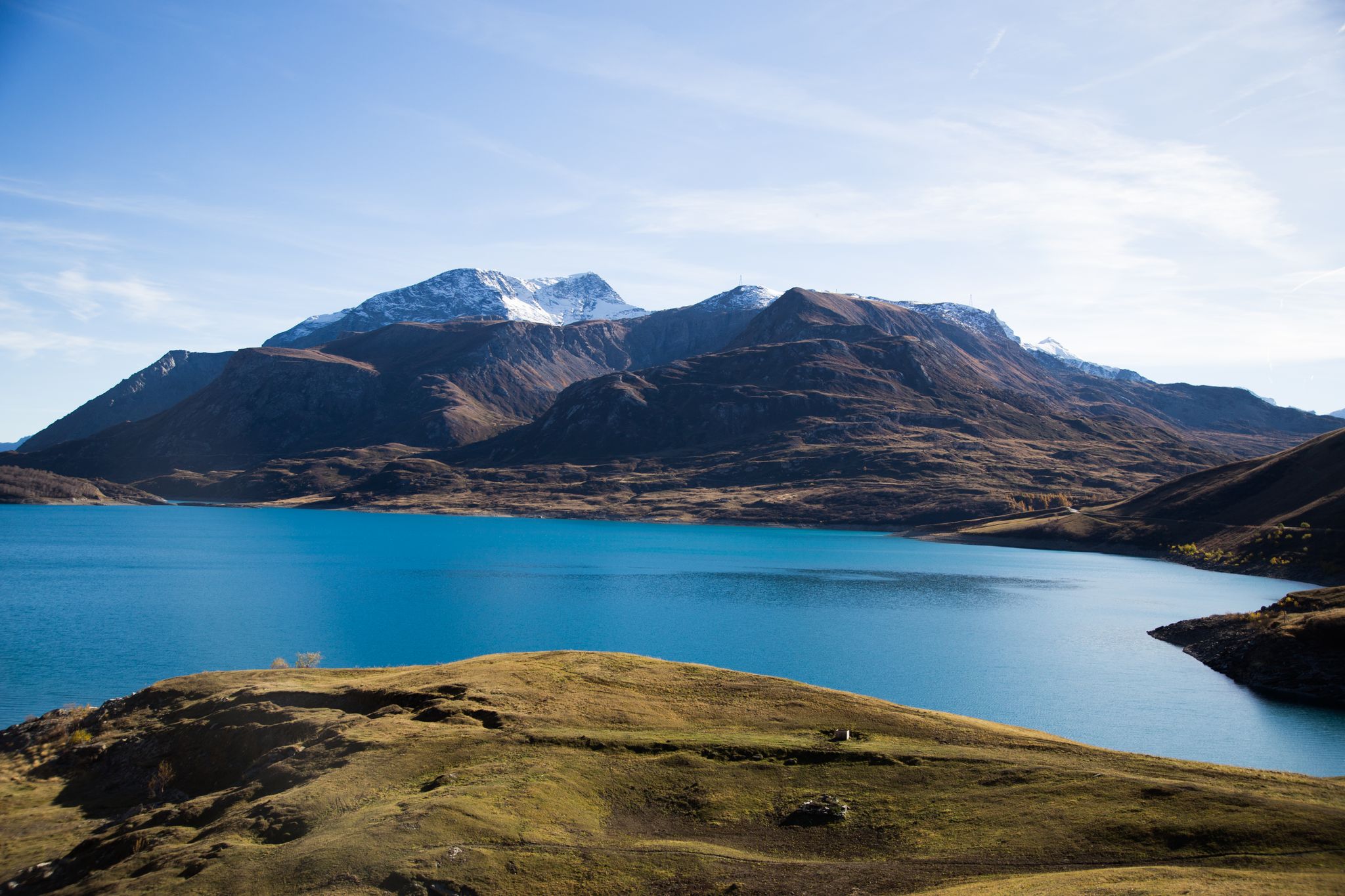
Historic and spiritual trails in the province of Torino
Piemont's Via Francigena
Cammino di Oropa della Serra — Hiking to one of Italy's Holy Mountains
Tour di Viso – Four days around the Stone King from Castello
Tour di Viso – Four days around the Stone King from Meire Dacant

Viso Tour from Castello (variant) – Three days around the Stone King
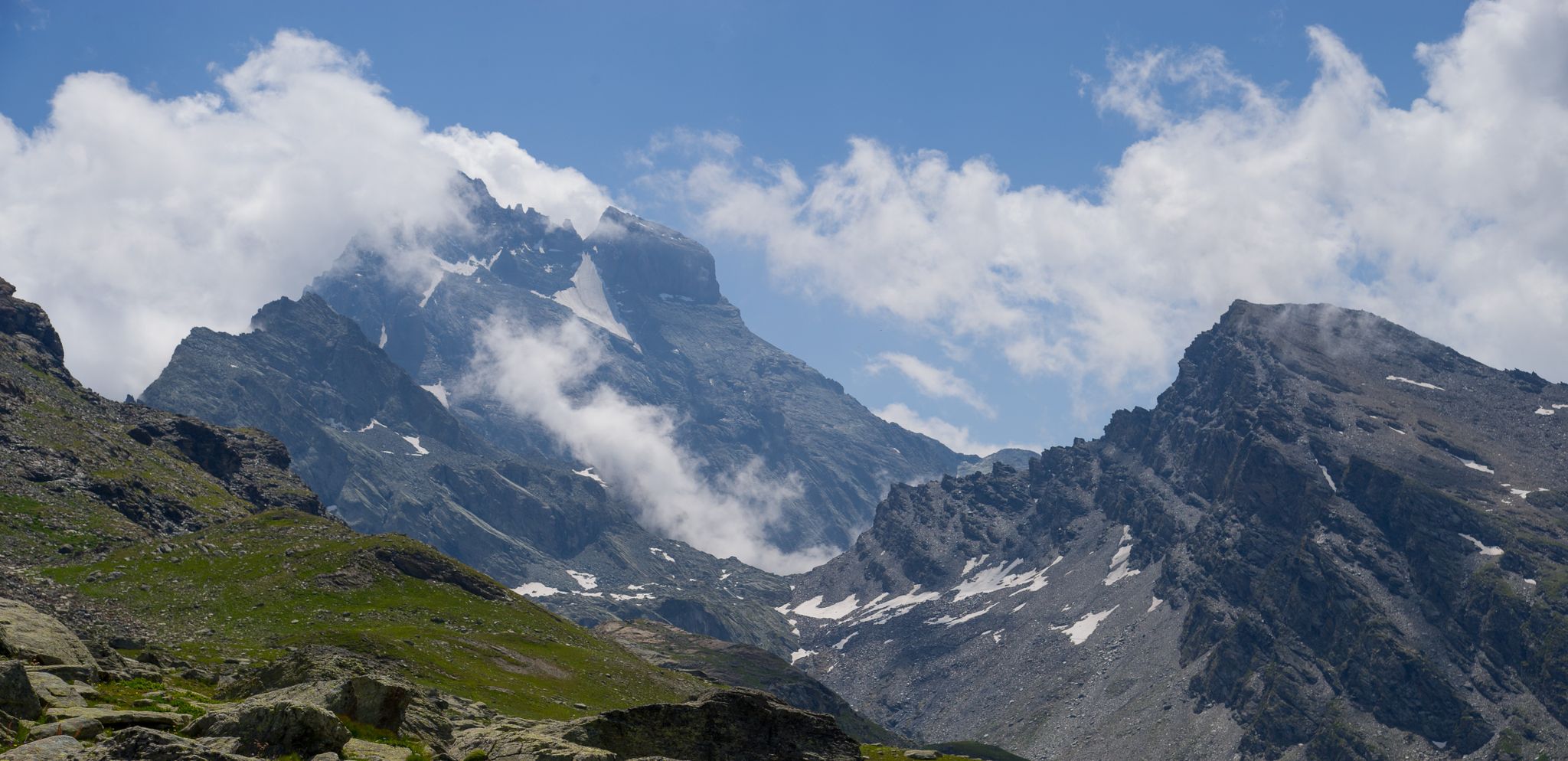
Tour di Viso from Pian del Re – Three days around the Stone King
Other adventures in the Piedmont


Tips from the Community


Barolo, famous for its wine, is a magnificent medieval village
0
0

Even if you don't want to visit the inside, it's worth walking as far as you can. You can then see the wonderful staircases. Unfortunately, the outside is currently partially covered in scaffolding.
7
0
In the middle of the park on the Po lies the replica of the medieval estate.
4
0

Because it is a Savoy residence and has a large attached park
0
0

Easily reachable from the entrance to the Mandria park from Venaria Reale
1
0

last stretch of the road that goes up to Colle Braida, well paved but very crowded, be careful especially when going down. the last 100 meters are paved, to get to the entrance
2
0

The Sacra di San Michele is an abbey perched on the summit of Mount Pirchiriano. From the 12th to the 15th century it experienced its best period becoming one of the main centers of Benedictine spirituality in Italy. Today it can be visited and, after climbing the 243 steps, from its summit you can enjoy a splendid view of the valley.
2
1
Frequently Asked Questions
Are there family-friendly castles to visit in Piedmont?
Yes, several castles in Piedmont are well-suited for families. For instance, the Stupinigi Hunting Lodge offers grand architecture and extensive grounds. The Medieval Village of Valentino provides an immersive historical experience, and the Palazzo Madama, Castle Square, located in Turin, houses the Civic Museum of Ancient Art, which can be engaging for various ages. Many castles also have large gardens or parks for children to explore.
What unique historical or artistic features can I find in Piedmont's castles?
Piedmont's castles offer a rich tapestry of history and art. Palazzo Madama in Turin showcases two millennia of history, from a Roman gate to a royal residence, and now hosts the Civic Museum of Ancient Art. Castello della Manta is renowned for its exceptional fresco cycle, including the 'Nine Worthies and Heroines' and 'The Fountain of Youth'. Rivoli Castle uniquely houses the Rivoli Museum of Contemporary Art, blending historical architecture with modern culture.
Which castles are located in scenic areas, particularly near vineyards?
The Grinzane Cavour Castle is famously nestled in the heart of the Langhe wine region, offering spectacular views amidst vineyards. It also features a regional Enoteca for local wine tasting. The Historic Center of Barolo, known for its wine, also provides a picturesque setting with its castle.
What outdoor activities can I do near Piedmont's castles?
Many castles are situated in areas perfect for outdoor activities. You can find numerous hiking opportunities, such as moderate to difficult trails like 'Between Monte Mottarone and Monte Zughero' or 'Alpeggi above Cicogna'. For cycling enthusiasts, there are gravel biking routes like the 'Assietta gravel ring from Sestriere'. Explore more options in the Hiking in the Piedmont and Gravel biking in the Piedmont guides.
What is the best time of year to visit castles in Piedmont?
The 'Castelli Aperti' (Open Castles) season, typically from spring through autumn, is an excellent time to visit as many castles open their doors to the public. Spring and early autumn offer pleasant weather for exploring both interiors and extensive gardens. While some castles may be open in winter, checking individual opening hours is recommended, as some might have reduced schedules.
Are there any castles in Piedmont that are particularly well-preserved examples of medieval architecture?
Fénis Castle, though geographically in the Aosta Valley, is often considered part of Piedmont's cultural heritage. It stands out with its remarkably well-preserved pentagonal structure, corner towers, and double walls, offering a clear example of noble life and architecture from the Middle Ages. Castello della Manta also provides significant insight into medieval aristocratic culture through its frescoes.
Can I find cafes or restaurants near the castles?
Yes, many castles, especially those in popular tourist areas or towns, have cafes and restaurants nearby. For example, Grinzane Cavour Castle houses a Michelin-starred restaurant and a regional Enoteca. The Historic Center of Barolo is also known for its numerous bars, wineries, and restaurants offering local products and wines.
How long does it typically take to tour a castle in Piedmont?
The duration of a castle tour can vary greatly depending on the size and the extent of exploration you wish to undertake. For smaller castles or those focused on specific exhibits, an hour or two might suffice. Larger royal residences like Stupinigi Hunting Lodge or those with extensive gardens and museums, such as Racconigi Castle, could easily take half a day or more to fully appreciate.
Are there any castles that offer a unique experience beyond typical historical tours?
Absolutely. Rivoli Castle stands out by hosting the Rivoli Museum of Contemporary Art, offering a blend of historical architecture and modern culture. Castello di Tagliolo is uniquely integrated with a medieval village and operates as a winery, allowing visitors to enjoy wine tastings, explore medieval surroundings, and even stay overnight. Racconigi Castle, a UNESCO site, also hosts cultural events and has a Lipu Stork Centre in its garden.
What makes Piedmont's castles distinct from those in other regions?
Piedmont's castles are unique due to their sheer number (over 500), their diverse architectural evolution from medieval fortresses to opulent Baroque royal palaces, and their strong connection to the House of Savoy. Many are UNESCO World Heritage sites, reflecting their historical significance. They also offer varied experiences, from art museums to working wineries, all set within the stunning Piedmontese landscape, including the famous Langhe wine region.
Are there any dog-friendly options for visiting castles or their grounds in Piedmont?
While direct entry into all castle interiors with dogs might be restricted, many castles feature extensive outdoor grounds and parks that are often dog-friendly. For example, the Medieval Village of Valentino is listed as dog-friendly. It's always best to check the specific castle's policy regarding pets for both indoor and outdoor areas before your visit.
Are there options for public transport to reach castles in Piedmont?
Public transport options vary depending on the castle's location. Major castles closer to Turin, like Stupinigi Hunting Lodge or Palazzo Madama, are generally accessible by bus or tram from the city. For castles in more rural areas, such as those in Langhe or Monferrato, public transport might be less frequent or require a combination of train and local bus services. Planning ahead and checking local transport schedules is advisable.
Most popular routes in the Piedmont
Most popular attractions in the Piedmont

Get inspired with the komoot mobile app


Didn’t find what you were looking for?
Explore Piedmont’s best castles region by region:
Explore more
Looking for the best castles somewhere else? Discover other guides in the Piedmont:
