Top 20 Caves in Lombardy
Best caves in Lombardy offer diverse geological formations and historical significance across the region. Lombardy, located in northern Italy, features a landscape ranging from mountainous areas to the plains, providing varied underground environments. These sites include natural karst caves, unique tufa formations, and ancient Roman ruins referred to as grottoes. The region's underground marvels are destinations for explorers and history enthusiasts.
Best caves in Lombardy
- The most popular caves is Sandstone Caves of the Molera Gorges, a cave that…
Last updated: October 4, 2026
Bike path around Lake Iseo
Highlight • Cycleway
Translated by Google •
Tip by

Meria Stream Cave
Highlight • Cave
Translated by Google •
Tip by

Sign up now to discover places like this
Get recommendations on the best single tracks, peaks, & plenty of other exciting outdoor places.
Sanctuary of Madonna del Rio
Highlight • Religious Site
Translated by Google •
Tip by

Sandstone Caves of the Molera Gorges
Highlight • Cave
Translated by Google •
Tip by

Pagani Cave
Highlight • Cave
Translated by Google •
Tip by

San Michele Tunnel
Highlight • Structure
Translated by Google •
Tip by

Valganna Waterfalls and Caves
Highlight • Waterfall
We girls really enjoyed it and it was a bit scary too 😉.
The waterfall comes down like a veil, well worth seeing.
Translated by Google •
Tip by

Selter Ruì (Cold Hole)
Highlight • Structure
The Selter del Ruì is, …
Showing Translation
Tip by

Church of St. Anthony on the Mountain
Highlight • Religious Site
Church of San Antonio sul Monte (Porto Valtravaglia)
The origins of the church can be traced back a long way: the primitive Romanesque structures, …
Translated by Google •
Tip by

San Ponzo Semola: Village, Church, and Caves (Oltrepò Pavese)
Highlight • Settlement
Showing Translation
Tip by

Sign up for free to discover even more caves in Lombardy.
Already have an account?
Start today with a free account
Your next adventure awaits.
Popular around Lombardy
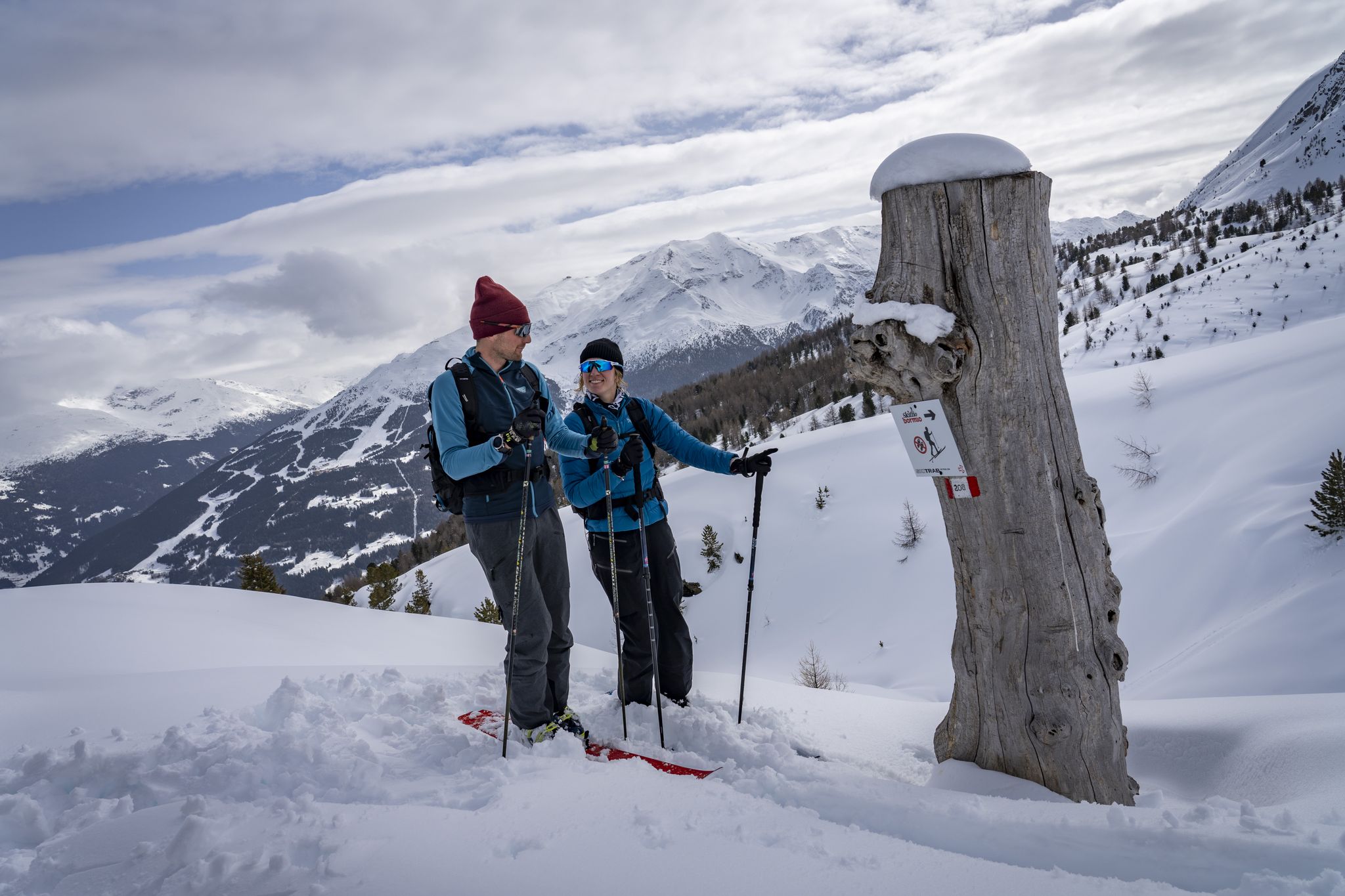
Stelvio Natural Skimo Trails – ski mountaineering adventures in Bormio
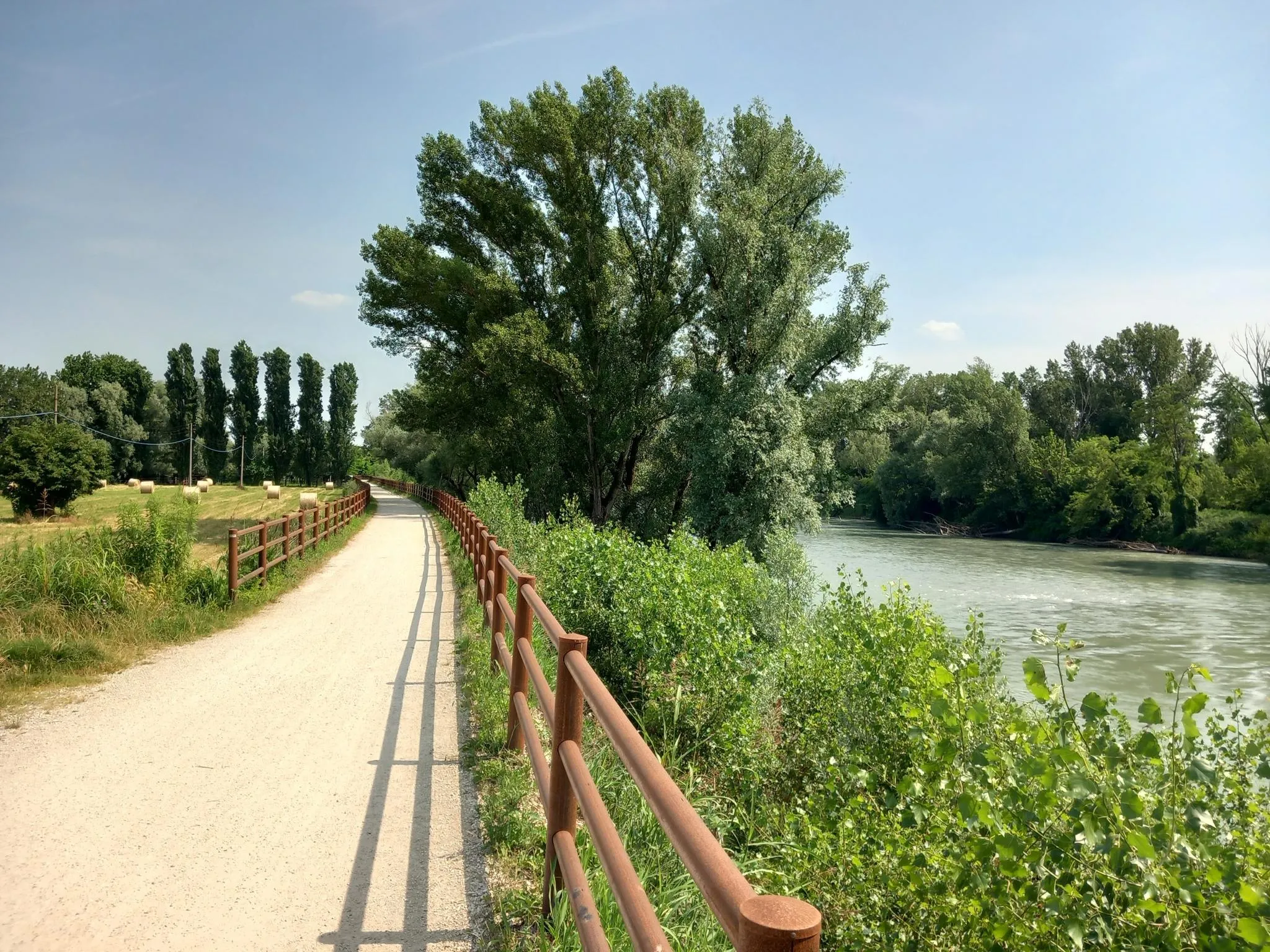
Via Postumia – Hike between the Tyrrhenian and Adriatic seas
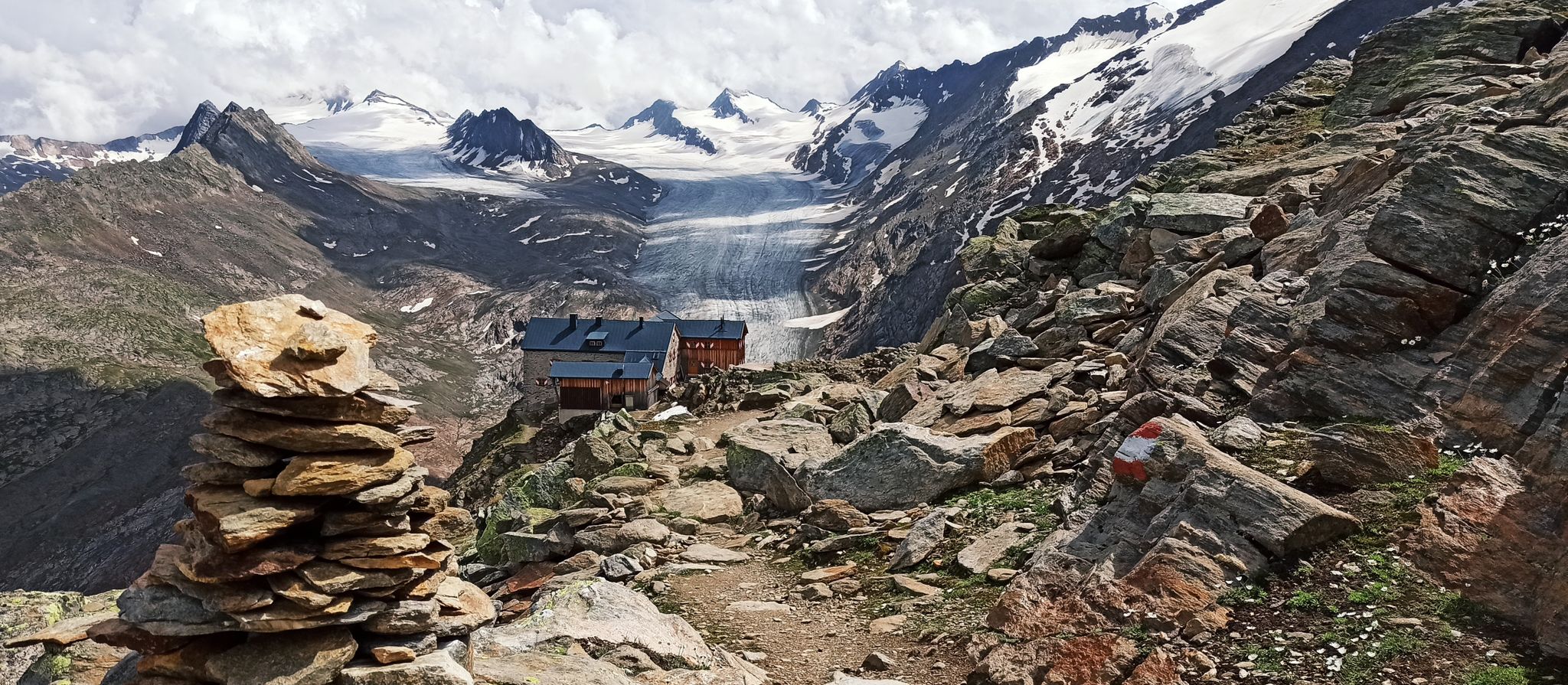
L1 from Garmisch to Brescia – Far from the classic Alpine crossings
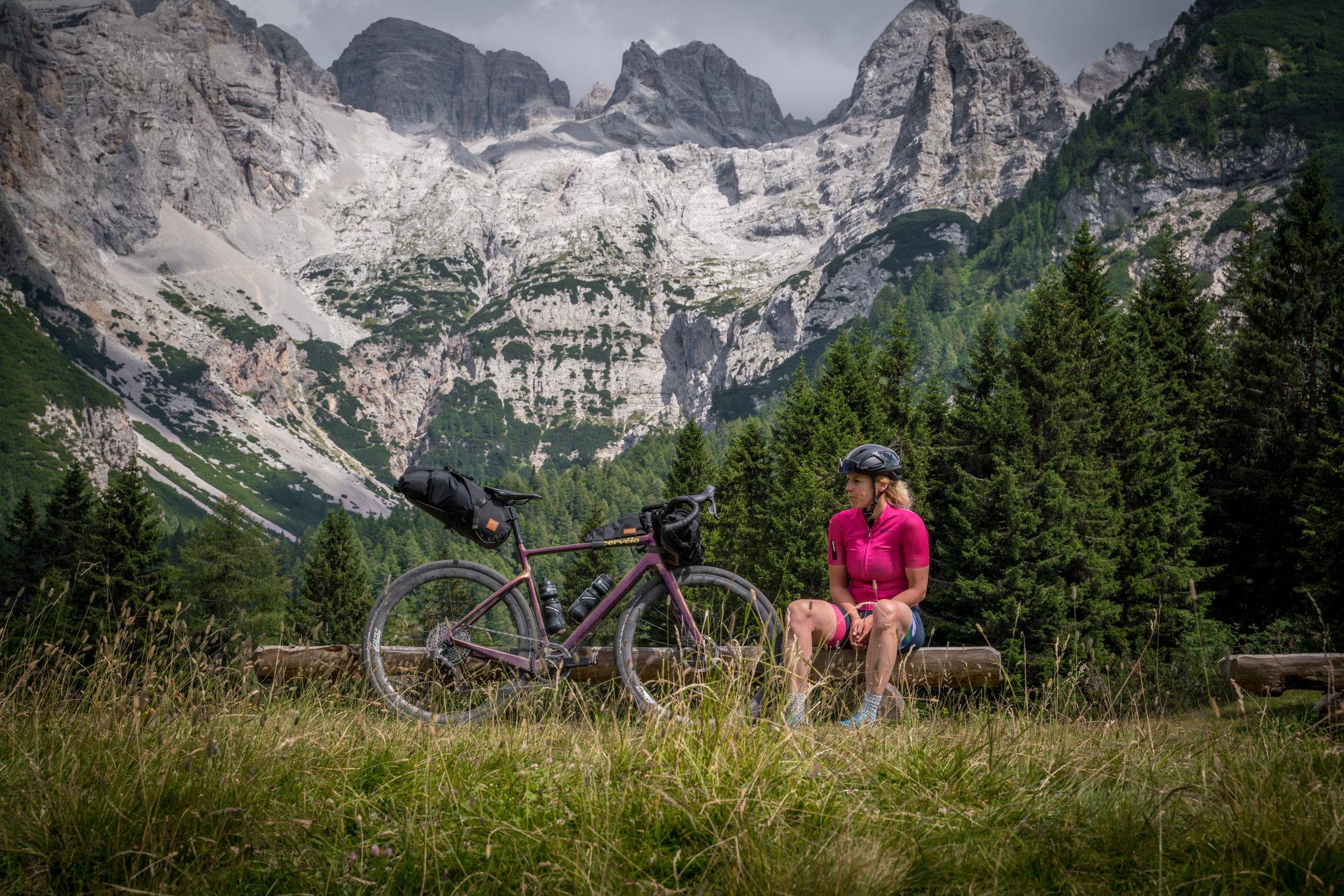
Graun to Riva del Garda — Gravelling across the Alps
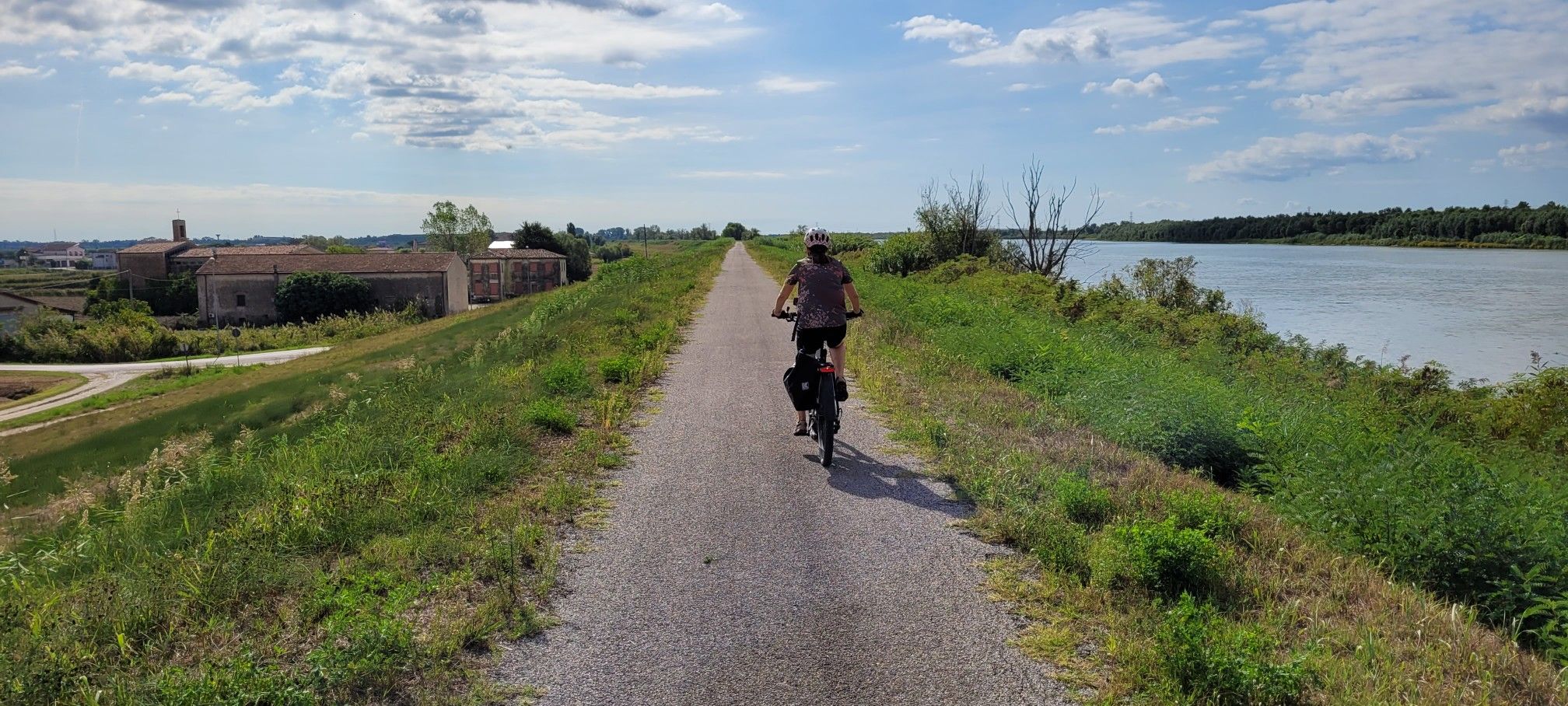
Ciclovie del Po — An all-round experience along Italy's longest river
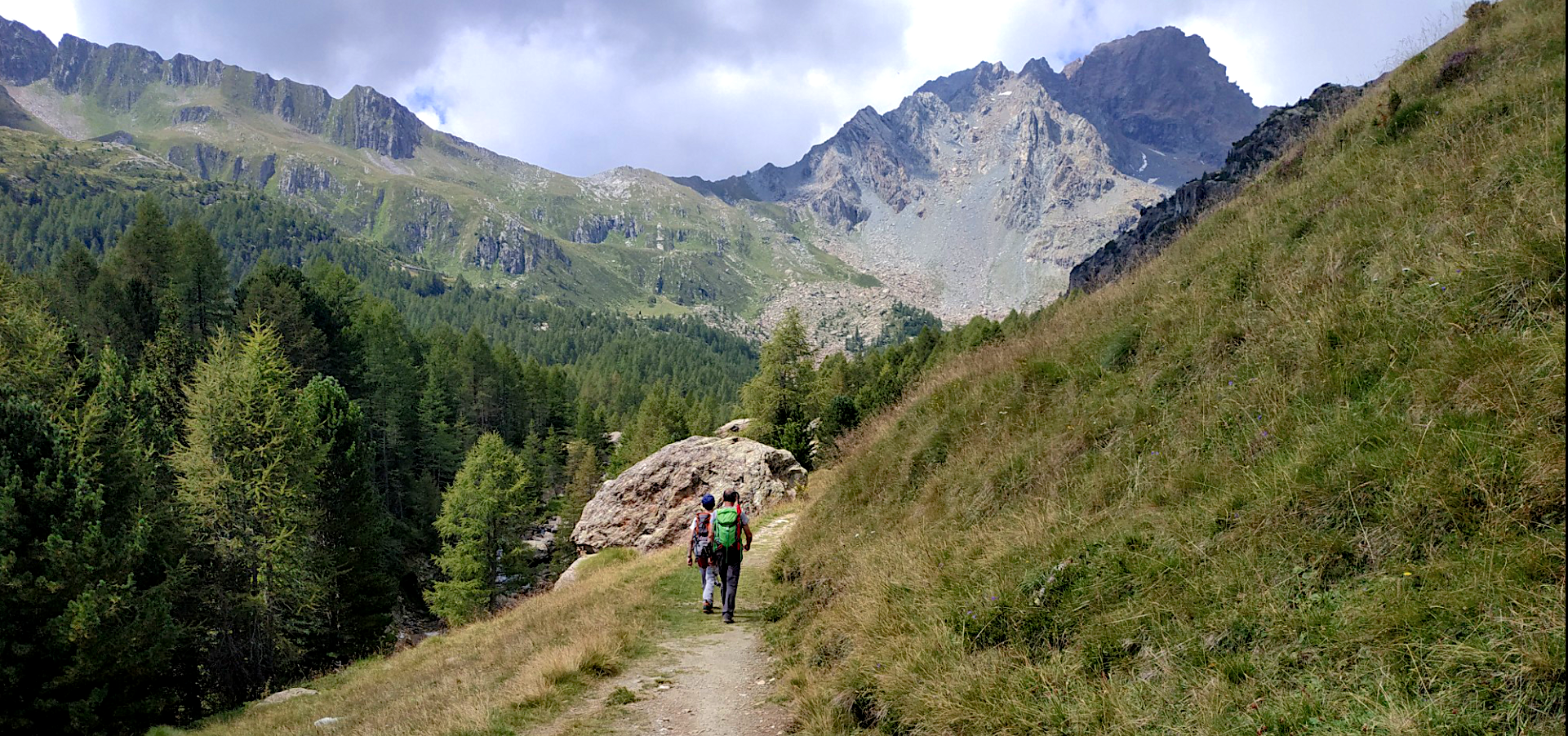
Sentiero Roma — A thrilling trekking adventure at high altitude
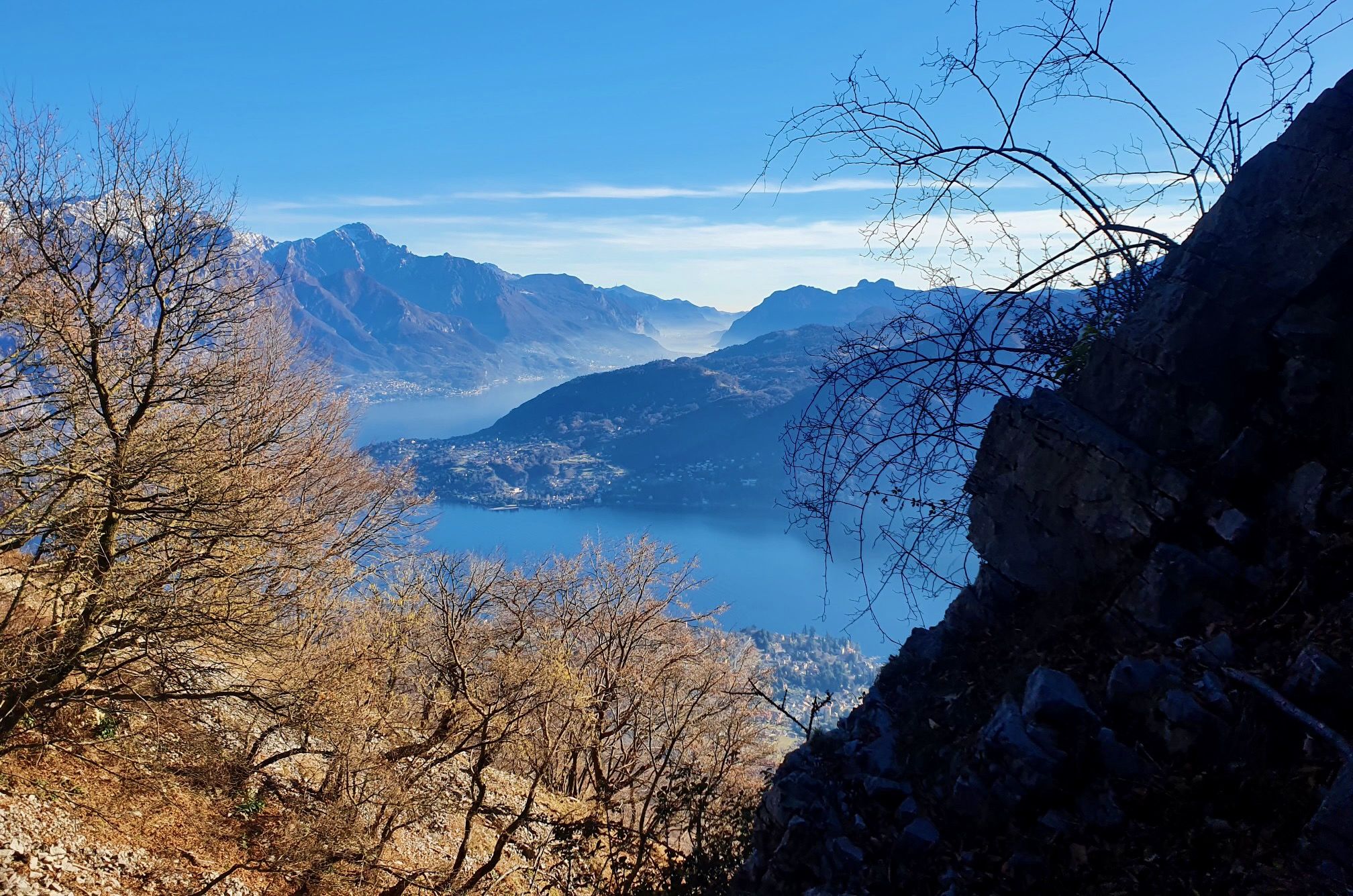
From the Romans to the War — panoramic trails at Italy's Lake Como
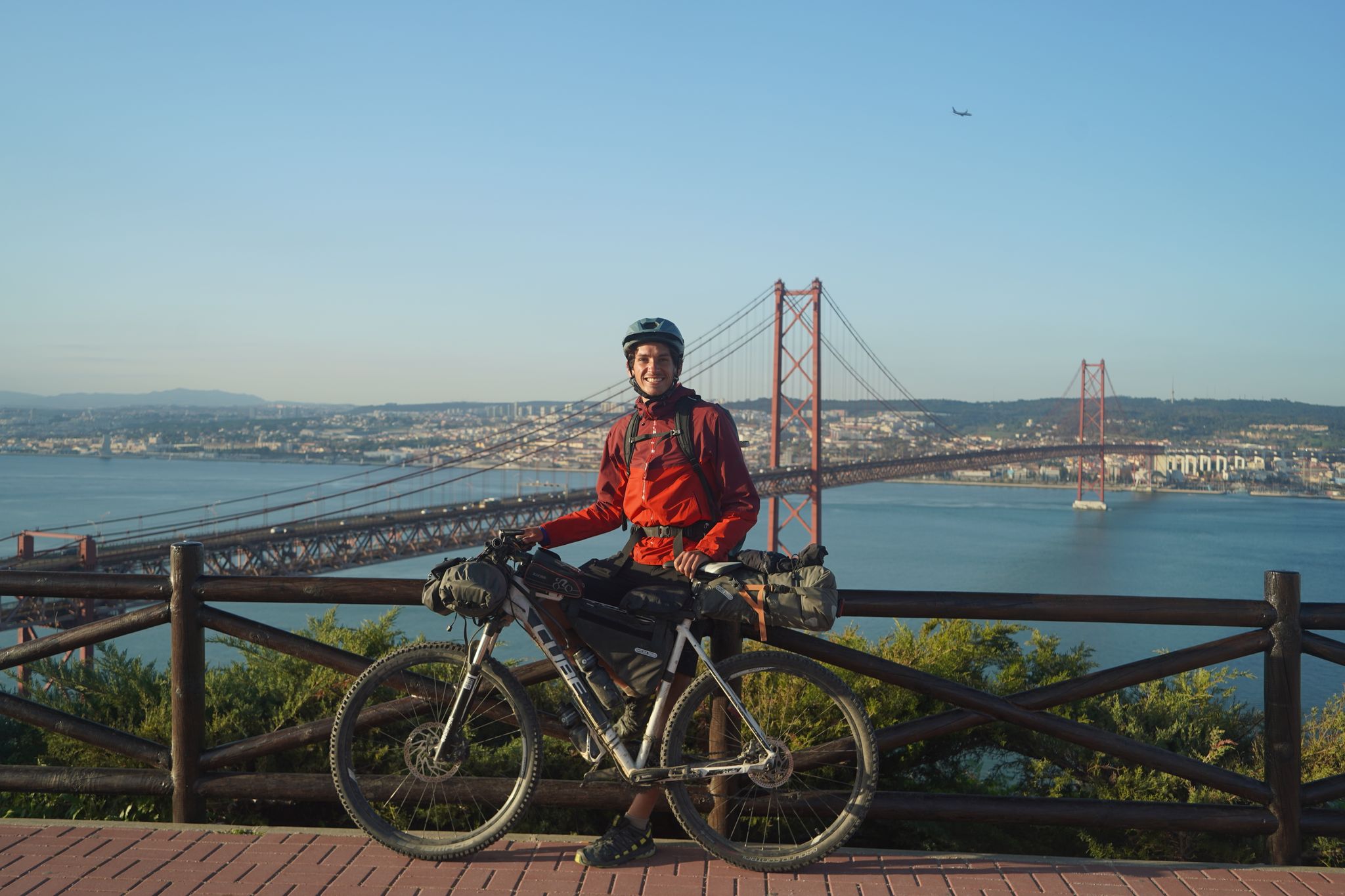
Road to Lisbon – bikepacking the Alps, Pyrenees and Picos de Europa
MTB Transalp Lake Como – From the Zugspitze to Lake Como
Chasing the sun across the Alps — unsupported solo
Other adventures in Lombardy


Tips from the Community

Detail of the stream in the middle of the woods!
0
0

One of the few ancient constructions, found in the Bergamo area, in which dairy products produced at high altitude were stored for aging and conservation. The Selter del Ruì is, in its characteristic stone construction with a vaulted roof covered with earth, a close relative of the more famous Tuscan Burraie. Which, however, have the characteristic of running water in their internal tanks. Here, replaced by a cold flow of air that crosses the small construction.
11
0

A small village nestled in the Staffora Valley, amidst the hills, woods, and quiet roads of Oltrepò Pavese. San Ponzo Semola retains an authentic and evocative atmosphere, dominated by the Romanesque Pieve di San Ponzo and the nearby caves linked to the tradition of the hermit San Ponzo. A secluded and charming corner, perfect for a break during a road bike itinerary through the hills of Pavia.
8
0

This place was undoubtedly the "highlight" of this stage! Already arriving in the valley, you get the impression of entering another world, literally: the Grigne mountains loom, almost vertical, closing off the valley, the steep road descending towards the stream becomes a small path, the vegetation becomes dense... almost a jungle. finally, you arrive at this spectacular cave, a natural bridge, a very cool place where it is mandatory to stop... also because, immediately after, you climb a very steep staircase!
0
0

must visit for hikers and bikers
0
0

natural masonry which has the characteristic of maintaining a cool and constant temperature inside
0
0
interesting work, a stop to read the sign is definitely recommended
0
0

Beautiful pools with crystal clear water. Trail 15b (Lake Trail) repeatedly crosses the stream, often with fixed chains; waterproof boots are highly recommended, especially in the less warm months.
0
1
Frequently Asked Questions
What are some of the most unique geological features found in Lombardy's caves?
Lombardy offers diverse geological formations. The Sandstone Caves of the Molera Gorges are notable for being formed from ancient sea beds 25 million years ago. The Grotte di Rescia are a rare example of tufa caves, formed by travertine deposits, featuring stunning stalactites, stalagmites, and even waterfalls. The Buco del Piombo is a significant karstic complex with immense chambers and intricate concretions.
Are there family-friendly caves to visit in Lombardy?
Yes, several caves are suitable for families. The Grotte di Rescia offer a 500-meter-long pathway with stairs and steel walkways, and the first cave is wheelchair accessible. The Valganna Waterfalls and Caves are also considered family-friendly. Additionally, the Caves of the Dream of San Pellegrino Terme are equipped for visits with aerial trails and illuminated galleries.
Which caves in Lombardy have historical or archaeological significance?
The Buco del Piombo holds significant historical and paleontological value, having served as a refuge during invasions and containing archaeological findings from Neanderthals and remains of *Ursus spelaeus* (cave bears). The Selter Ruì (Cold Hole) and the Church of St. Anthony on the Mountain are also historical sites with cave connections. The Grotte di Catullo, while not natural caves, are the impressive ruins of a grand Roman patrician villa dating back to the Augustan Age.
What kind of tours are available for caves in Lombardy?
Tour options vary by cave. The Grotte di Rescia offer self-guided tours lasting about 40 minutes. The Buco del Piombo provides guided tours, with helmets and headlamps included. The Remeron Cave also offers guided tours. For more challenging caves like Bus di Tàcoi, access is generally limited to speleologists or those with appropriate equipment and experience.
What is the best time of year to visit caves in Lombardy?
Many caves in Lombardy can be visited throughout the warmer months, typically from spring to autumn. Some caves, like the Buco del Piombo, have specific reopening seasons (e.g., summer 2024). For caves with waterfalls or ice formations, visiting in spring after snowmelt or in winter might offer unique sights, though access can be more challenging due to weather conditions.
Are there any religious sites located within caves in Lombardy?
Yes, the Sanctuary of Cornabusa is a notable religious building located inside a natural cave, dedicated to Our Lady of Sorrows. It offers impressive views of the Imagna valley. The Sanctuary of Madonna del Rio also has cave features.
What should I wear when exploring caves in Lombardy?
Even in summer, caves maintain a cool and often humid environment. For example, the Bus di Tàcoi has a constant temperature of 10°C and 100% humidity. It's advisable to wear layers, including a warm jacket, and sturdy, non-slip footwear. For guided tours like at Buco del Piombo, helmets and headlamps are typically provided.
Are there any challenging caving experiences in Lombardy for experienced explorers?
Yes, the Bus di Tàcoi in Val Seriana is considered one of Lombardy's most beautiful karst caves but is very challenging. It requires approximately 6 hours to visit and access is generally limited to speleologists or those with appropriate equipment and experience due to its extreme climate and complex sections like the 'Labyrinth' and 'Profondo'.
What outdoor activities can I do near the caves in Lombardy?
Lombardy offers a variety of outdoor activities near its caves. You can find numerous road cycling routes, including the 'Tour of Lake Iseo' or the challenging 'Ascent to Passo dello Stelvio'. There are also easy hiking trails like the 'Tour of Lake Segrino' or the 'Lake Piano Reserve Trail'. For more options, explore the Road Cycling Routes in Lombardy, Easy hikes in Lombardy, or Cycling in Lombardy guides.
Can I find caves with water features in Lombardy?
Absolutely. The Grotte di Rescia feature a cascading waterfall within the 'Laghetto' room and are near the Santa Giulia waterfall. The Meria Stream Cave is known for a river that flows slowly into a water-dug cave, offering small areas to rest by the stream. The Bus di Tàcoi also contains a small lake with stunning concretions in its deepest sector.
What do visitors enjoy most about exploring caves in Lombardy?
Visitors often highlight the unique geological formations, the sense of discovery, and the historical significance. Many appreciate the surreal atmosphere, the impressive scale of some cave entrances like Buco del Piombo, and the blend of natural beauty with human history. The cool temperatures inside are also a welcome escape during warmer months.
Are there any caves in Lombardy that are not natural formations?
Yes, the Grotte di Catullo in Sirmione are not natural caves but the extensive ruins of a grand Roman patrician villa. They were named 'Grotte' during the Renaissance because their collapsed structures, overgrown with vegetation, resembled natural caverns. This site offers a remarkable insight into ancient Roman architecture and panoramic views of Lake Garda.
Most popular routes in Lombardy
Most popular attractions in Lombardy

Get inspired with the komoot mobile app


Didn’t find what you were looking for?
Discover more caves in Lombardy region by region:
Explore more
Extend your search for the best caves by checking out these guides of the top ones in Lombardy:
