Top 20 Natural Monuments in Corsica
Best natural monuments in Corsica showcase the island's diverse landscapes, from dramatic coastal formations to rugged mountain ranges. Corsica features a variety of unique geological features, including red rock cliffs, granite peaks, and pristine marine ecosystems. These sites offer insights into the island's natural heritage and provide opportunities for exploration. The region is characterized by its distinct blend of land and sea environments.
Best natural monuments in Corsica
- The most popular natural monuments is Piana Calanques via the Old Mule…
Last updated: September 2, 2026
Bavella Pass
Highlight • Mountain Pass
Translated by Google •
Tip by

Monte Cinto
Highlight • Summit
Translated by Google •
Tip by

Sign up now to discover places like this
Get recommendations on the best single tracks, peaks, & plenty of other exciting outdoor places.
Sign up for free
Trou de la Bombe Rock Arch
Highlight • Natural Monument
Translated by Google •
Tip by

Piana Calanques via the Old Mule Track
Highlight (Segment) • Gorge
Translated by Google •
Tip by

Point of the Dead Cow
Highlight • Summit
Translated by Google •
Tip by

Ponte Vecchiu (Fango)
Highlight • Bridge
Translated by Google •
Tip by

Spelunca gorges
Highlight • Gorge
Translated by Google •
Tip by
Bucatoggio Waterfall
Highlight • Waterfall
Translated by Google •
Tip by

Fango River Valley
Highlight (Segment) • River
Translated by Google •
Tip by
Lake Nino
Highlight • Lake
Translated by Google •
Tip by

Sign up for free to discover even more natural monuments in Corsica.
Sign up for free
Already have an account?
Start today with a free account
Your next adventure awaits.
Login or Signup
Popular around Corsica
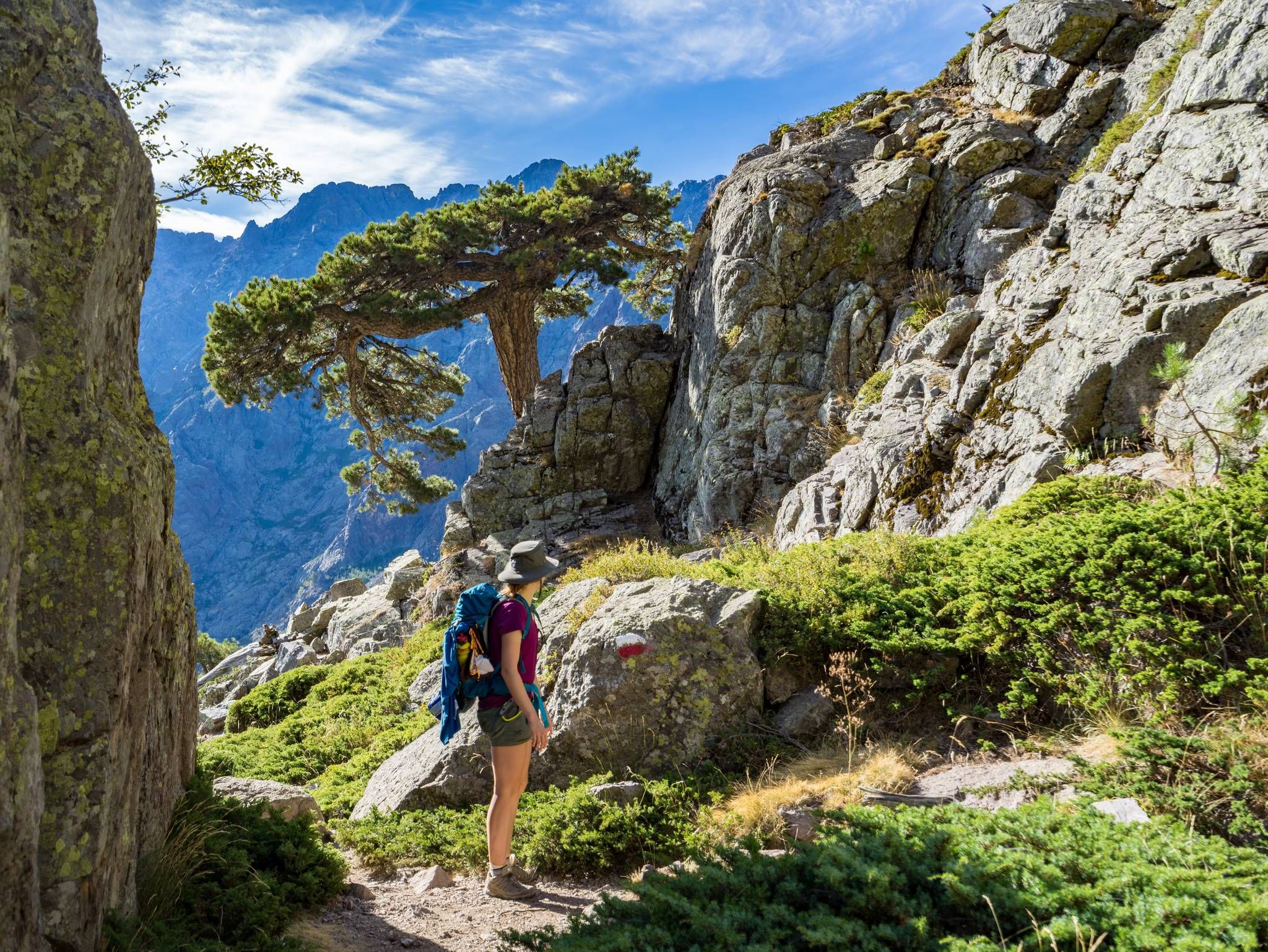
GR20 – Europe's toughest long-distance hiking trail through Corsica
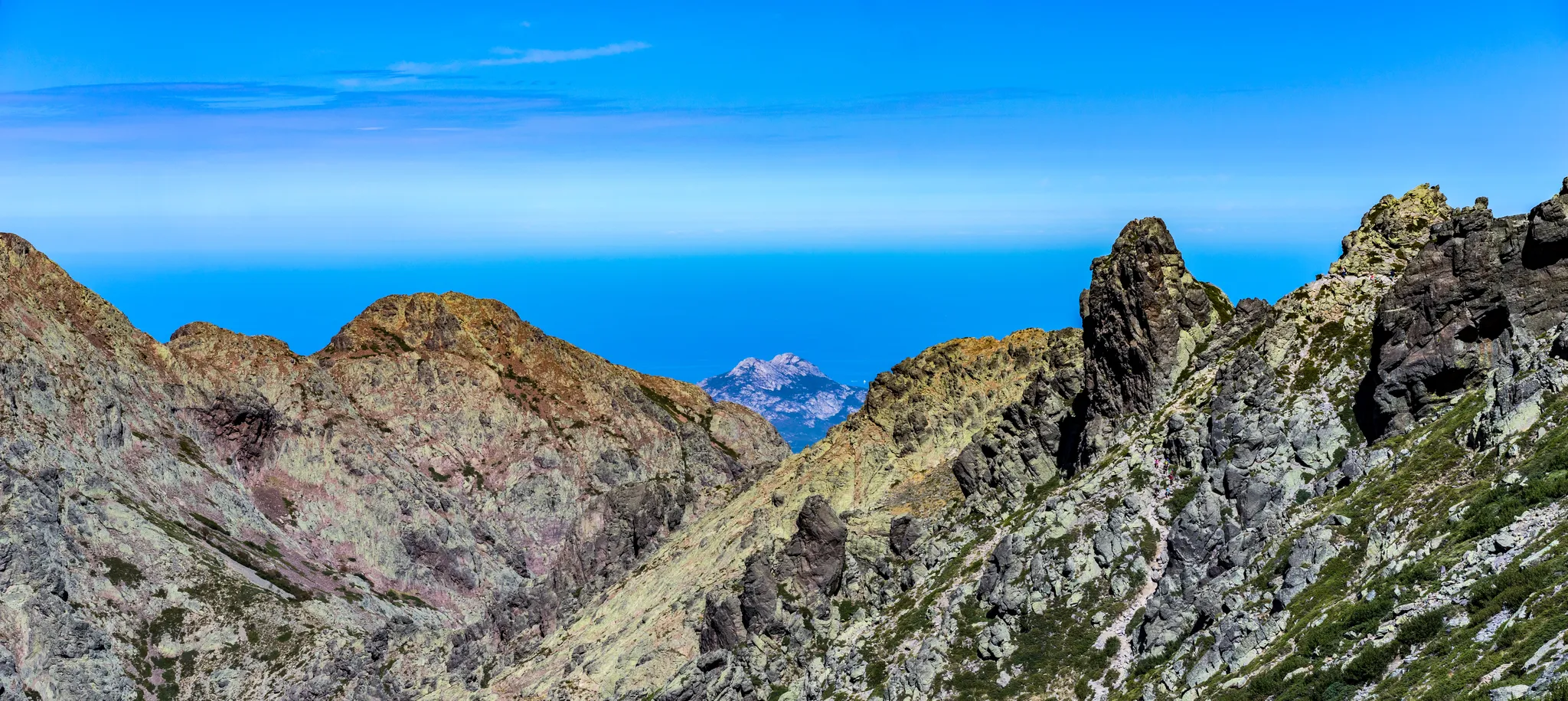
Mare è Monti north – From the mountains to the sea
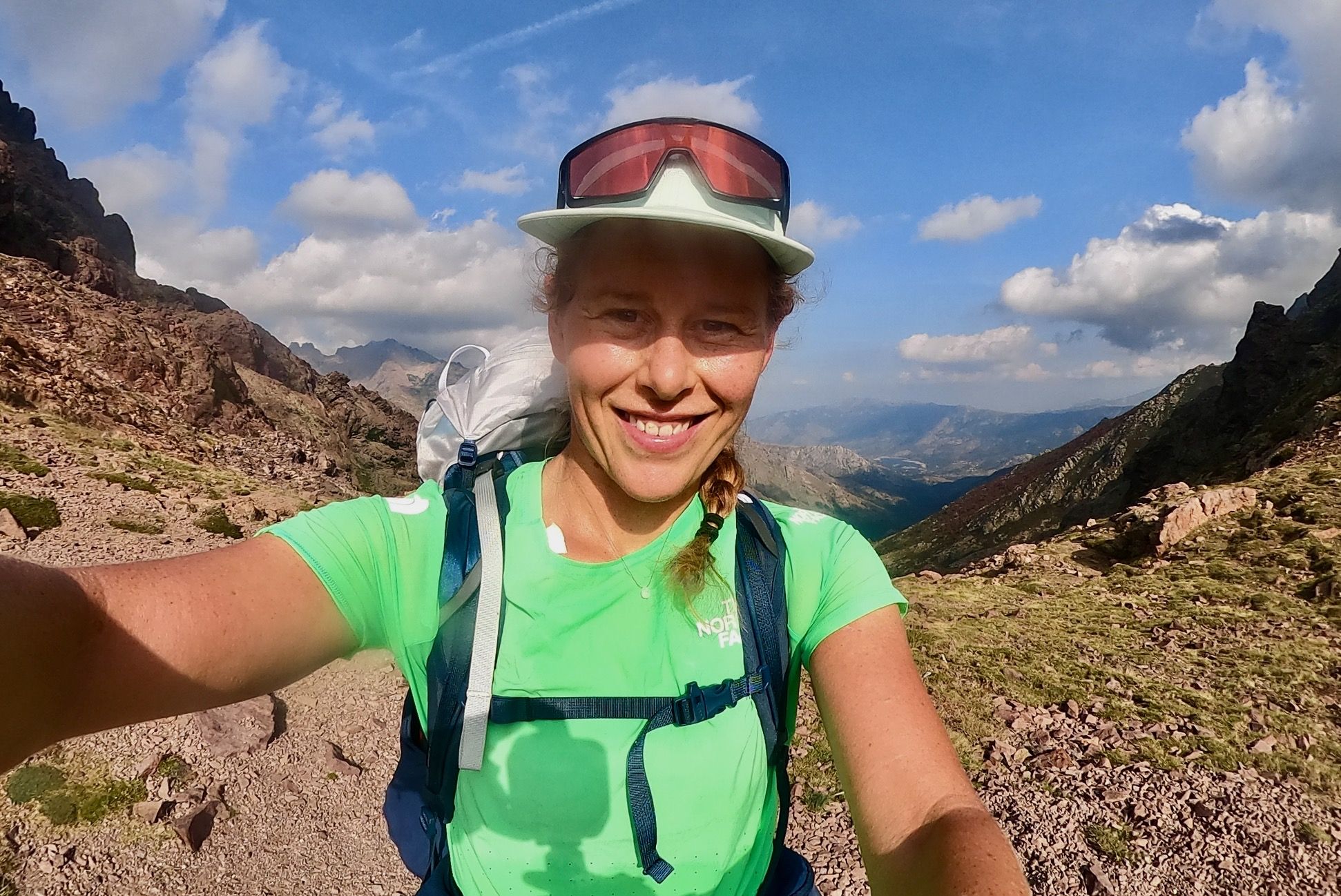
GR 20 – Six days backpacking the peaks and refuges of Corsica
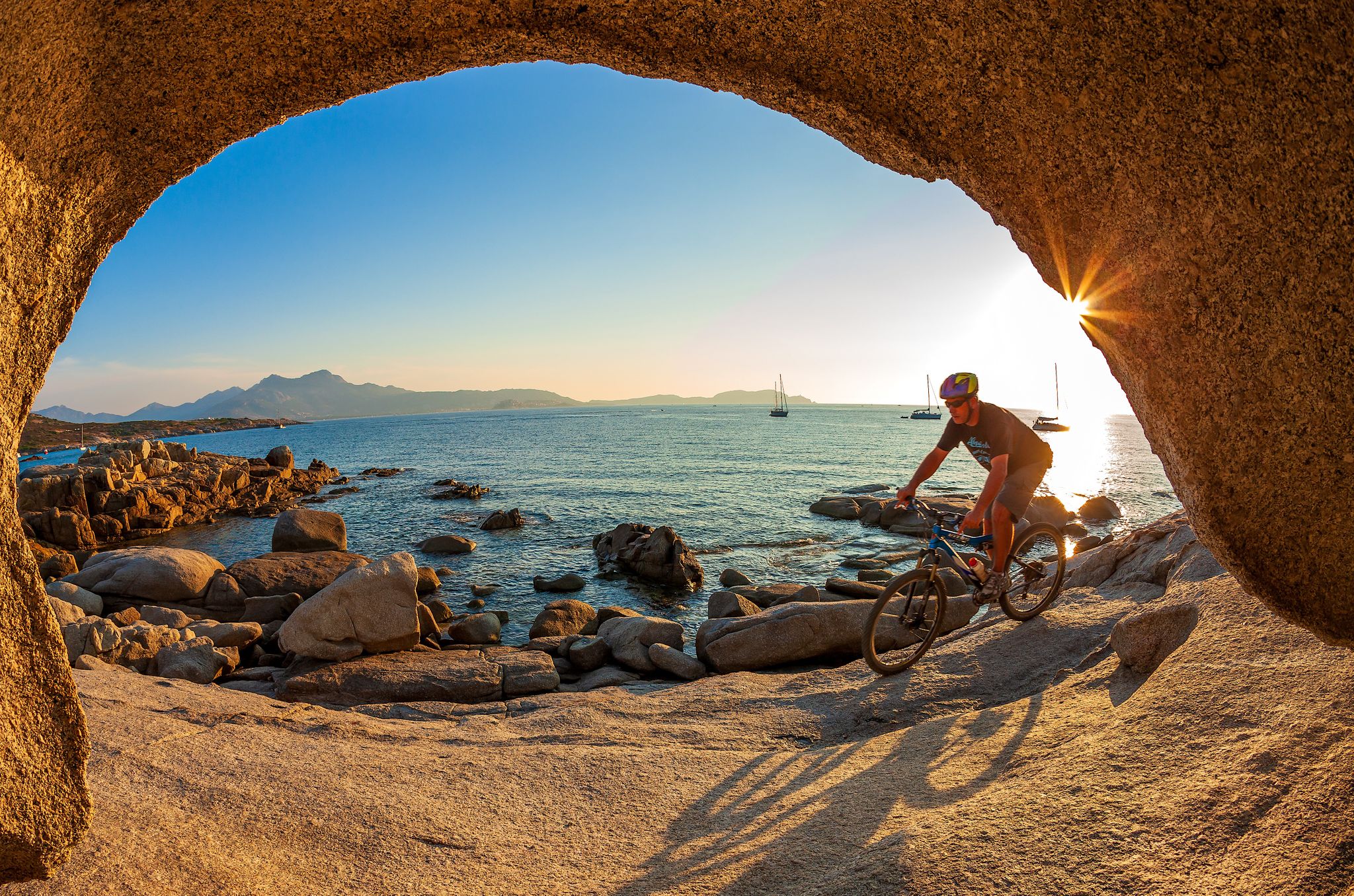
Mountain biking in Corsica – routes between Balagne and Castagniccia
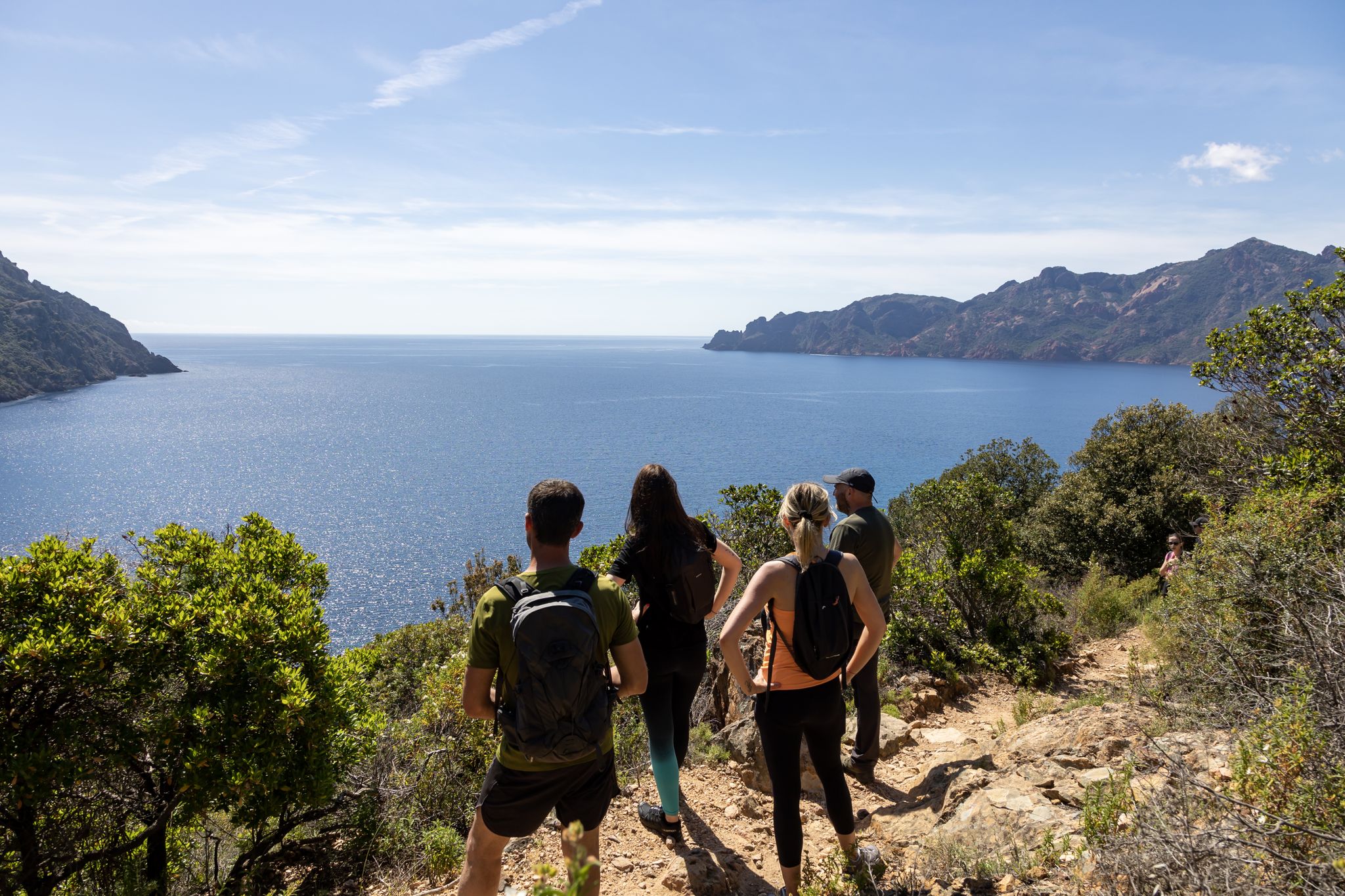
Corsica's discovery hikes — between sea and mountains
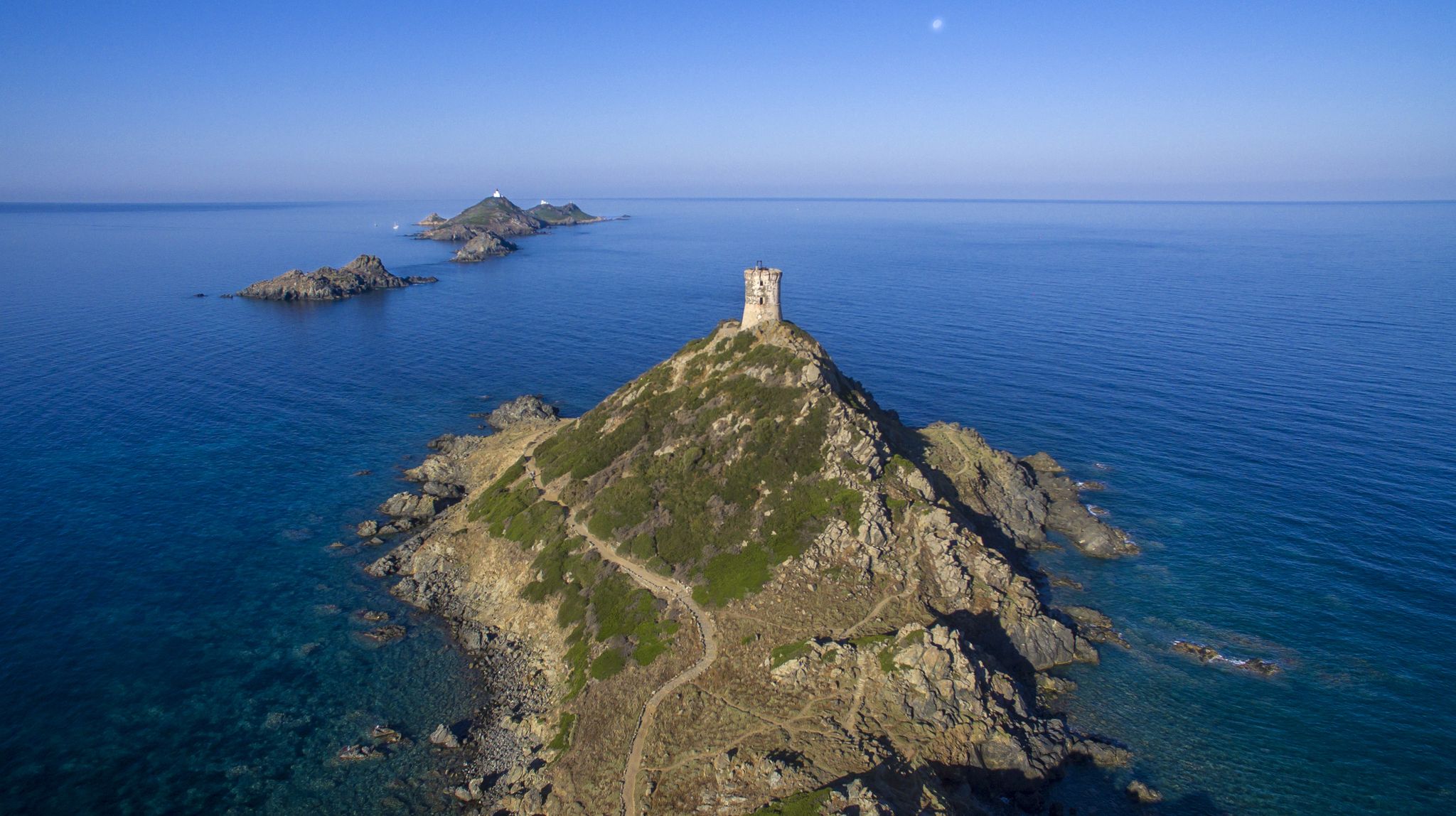
The Ajaccio region on foot and by bike – loops between sea and mountain
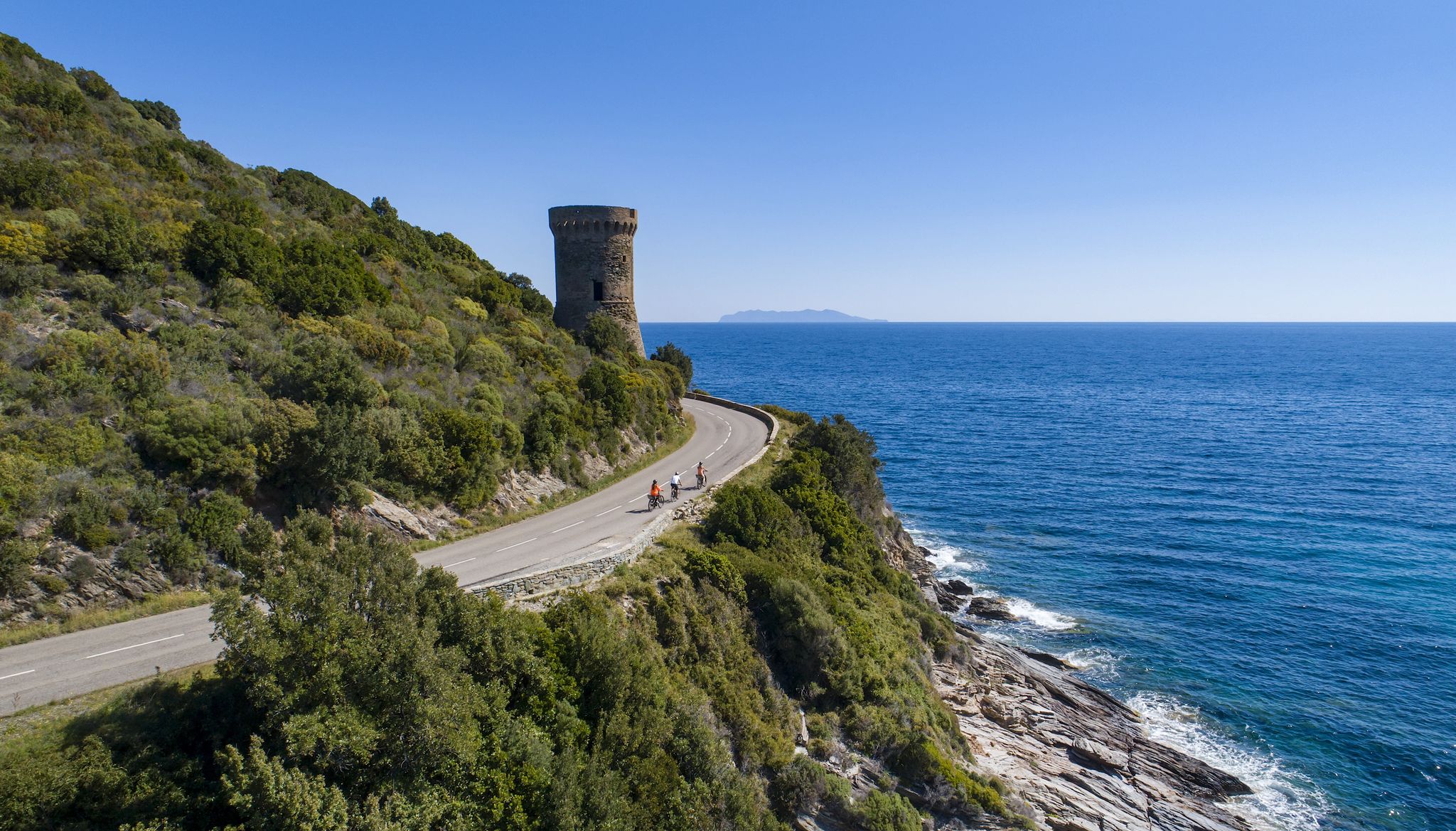
The Great Crossing of Corsica by bike – GT 20
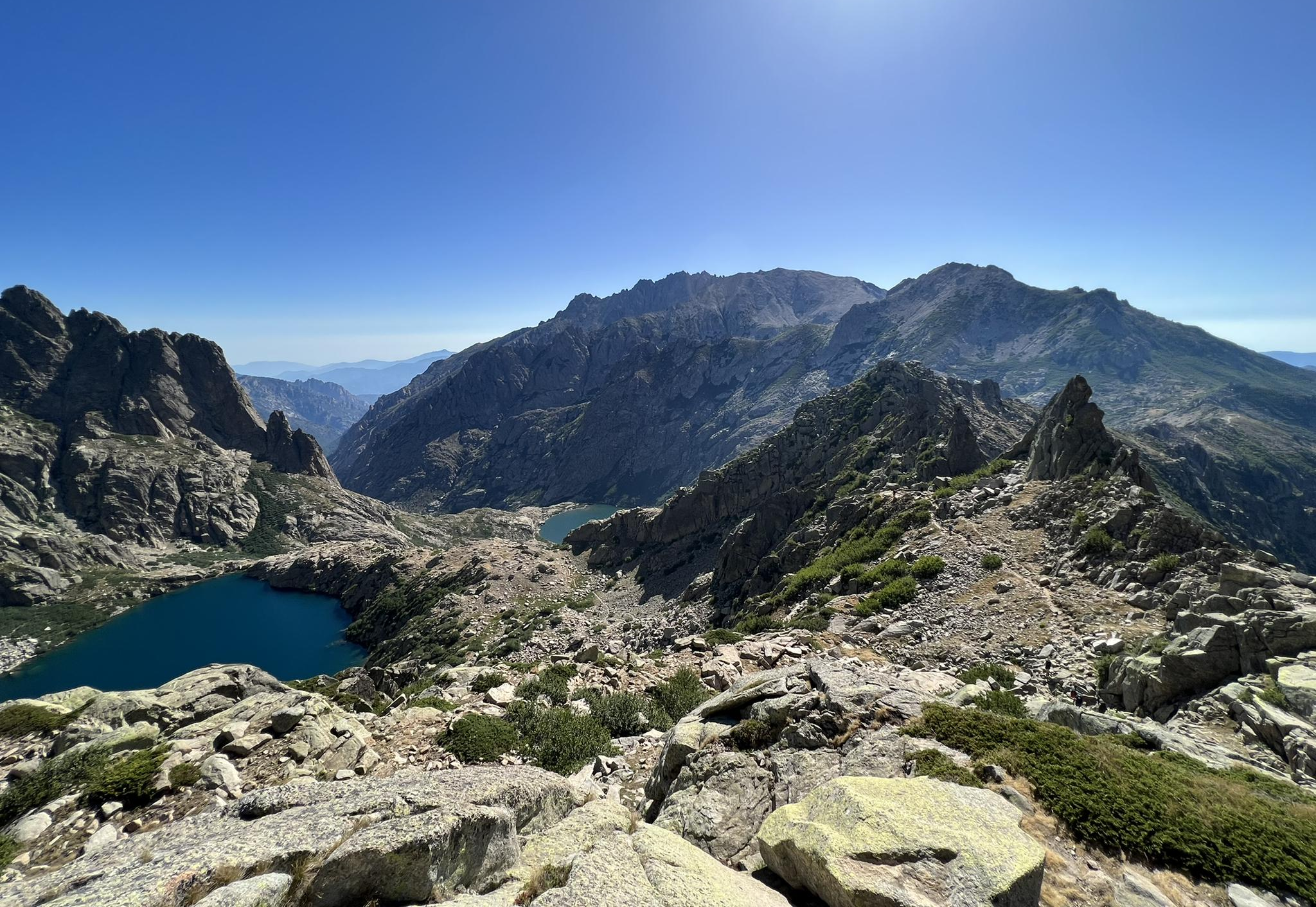
Great hikes of Corsica – Terre de nature
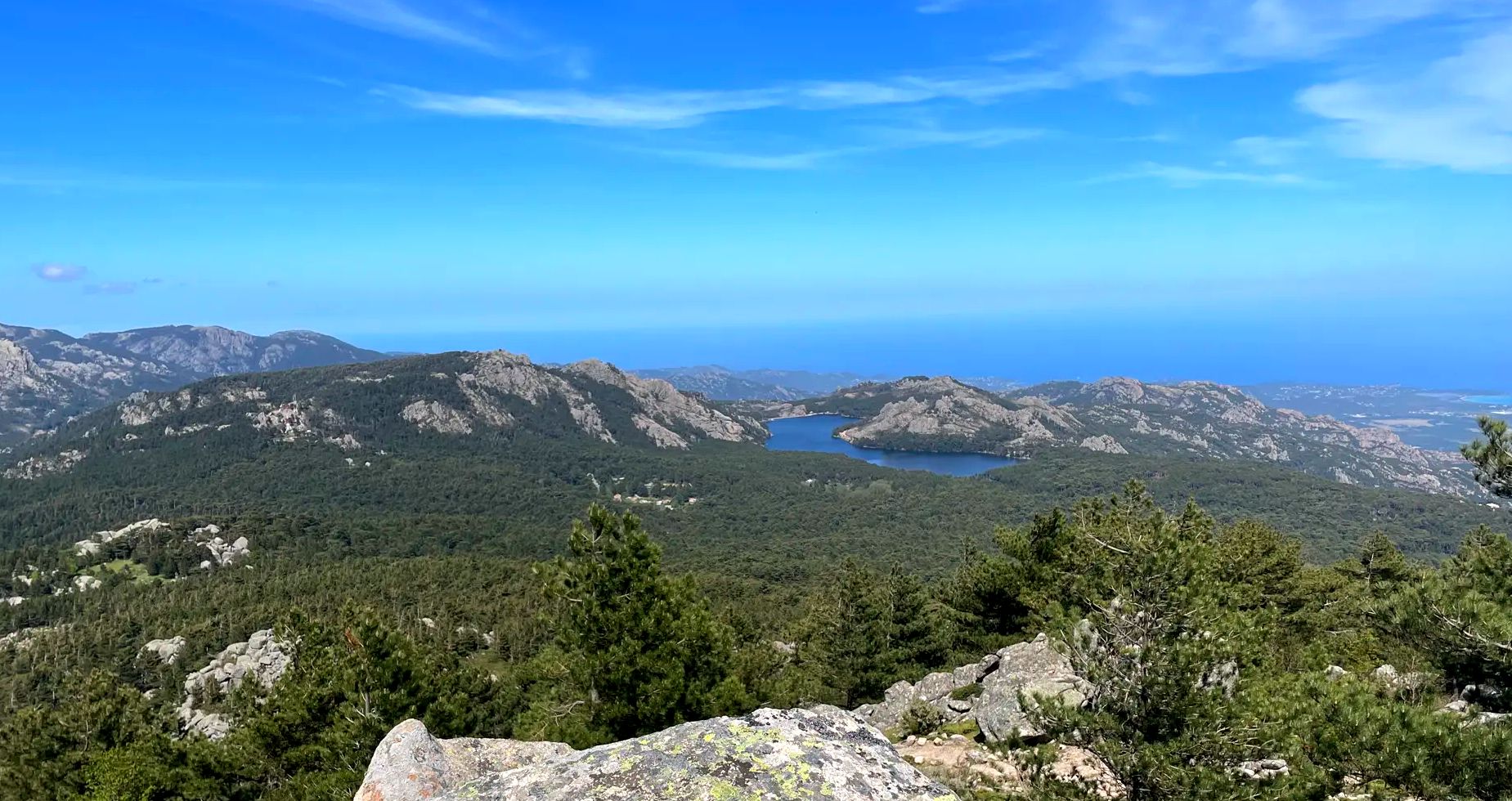
In the heart of the Alta Rocca – Mare a Mare Sud (Corsica)
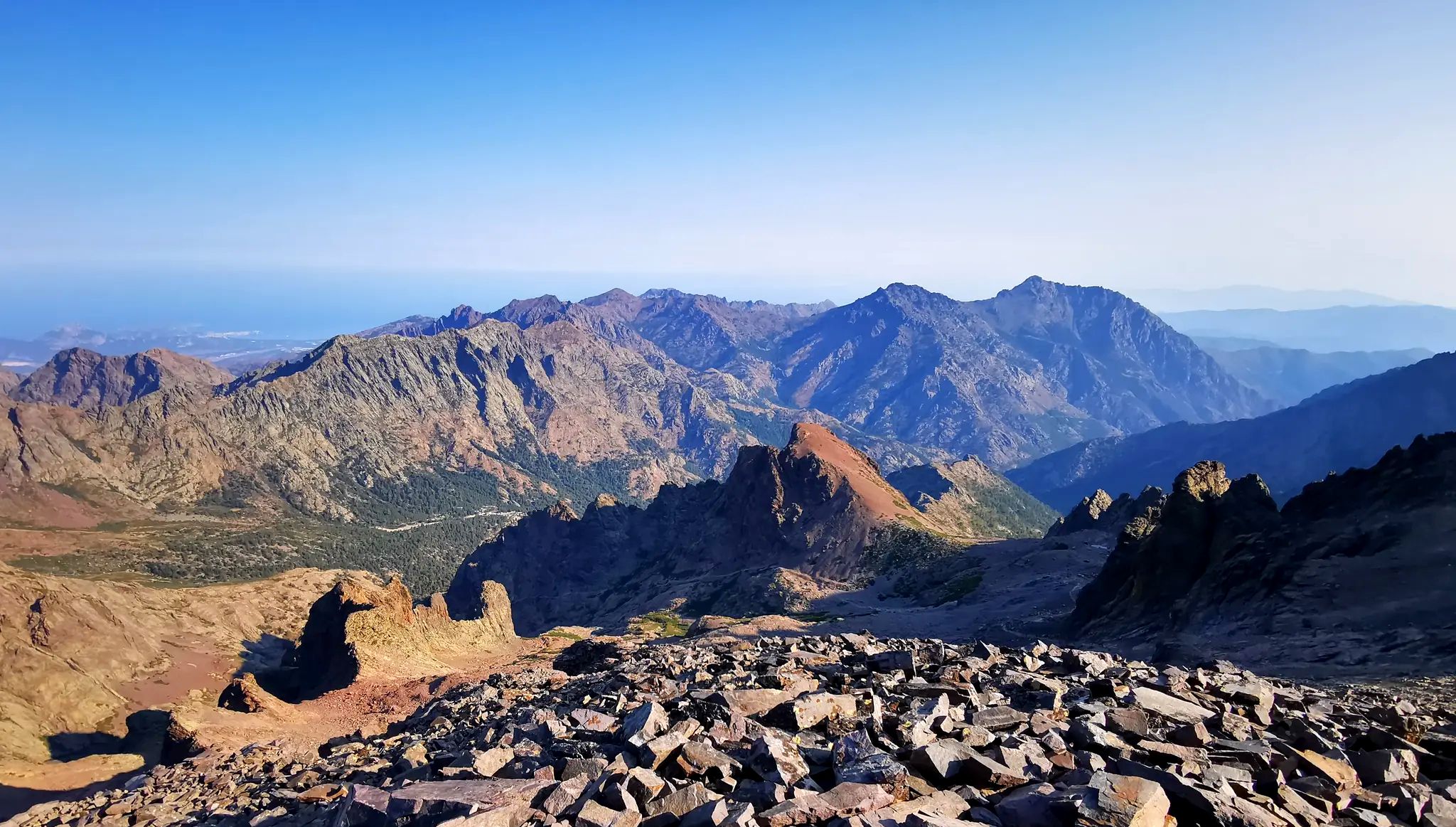
Hiking to the summits – France's highest points
Other adventures in Corsica


Tips from the Community

The gorges of the Spelunca are crossed by the stream of Tavulella which takes the name of Porto port in the Corsican language at the exit of the gorges. In its crossing, the Tavulella is fed by the waters of the Aïtone stream, the point of confluence being located downstream of the Genoese bridge of Zaglia. The gorges offer vertiginous landscapes, dominated by a huge rock at the top of which is said to have existed in the place called U Castellu, the Leca castle destroyed in the 17th century according to local legend.
9
1
We know with what fervor Mary has been venerated in Corsica since the 4th century, according to historians, and much earlier than in the rest of the Christian world. She is officially the protector of the island. The Cunsulta de Corte on January 30, 1735 decreed a national holiday on September 8, the day of the Immaculate Conception.
7
0

Beautiful lake surrounded by pastures and meadows, which can also be circumnavigated on a hike
0
0

Rather without a bike 😉. But rather on foot
1
1

€5 in high season (French school holidays?), free in low season.
1
0

Located south of the Aiguilles de Bavella, the pass is one of the four great passes of Corsica. Emblematic passage of the GR 20, it has many accommodation and catering solutions, but above all exceptional viewpoints!
3
0
Located south of the Aiguilles de Bavella, the pass is one of the four great passes of Corsica. Emblematic passage of the GR 20, it has many accommodation and catering solutions, but above all exceptional viewpoints!
0
0

Frequently Asked Questions
What unique geological features can I expect to see among Corsica's natural monuments?
Corsica's natural monuments showcase a diverse range of geological wonders. You can find dramatic red porphyry cliffs and sculpted peaks at sites like Scandola Nature Reserve and the Piana Calanques via the Old Mule Track. The Bavella Pass features jagged red granite peaks known as the Aiguilles de Bavella. Further south, the Cliffs of Bonifacio are composed of spectacular white limestone, carved by waves into sea caves and arches.
Are there family-friendly natural monuments in Corsica?
Yes, several natural monuments in Corsica are suitable for families. The Fango River Valley, a UNESCO biosphere reserve, offers refreshing natural pools perfect for swimming. Another great option is Ponte Vecchiu (Fango), where you can swim and enjoy the historic bridge. These spots provide easier access and activities for all ages.
What are the best natural monuments for hiking in Corsica?
For hikers, the Aiguilles de Bavella, accessible via the Bavella Pass, offer challenging trails and stunning views, including routes that are part of the GR20. The Spelunca gorges also provide an impressive hiking experience along an old mule track. For high-altitude lakes, the Gorges de la Restonica near Corte are popular. You can find more hiking options in the region by exploring Hiking in Corsica.
Are there natural monuments in Corsica that are also UNESCO World Heritage sites?
Absolutely. Corsica is home to two prominent UNESCO World Heritage sites. The Scandola Nature Reserve, accessible only by sea, is renowned for its dramatic red cliffs and rich biodiversity. The Calanques de Piana, with their strikingly sculpted red rock formations, also hold this prestigious designation.
What is the best time of year to visit Corsica's natural monuments?
The best time to visit Corsica's natural monuments is typically from late spring (May-June) to early autumn (September-October). During these months, the weather is pleasant for outdoor activities like hiking and swimming, and the landscapes are vibrant. Summer (July-August) can be very hot and crowded, especially in popular coastal areas.
Can I find opportunities for wild swimming near Corsica's natural monuments?
Yes, Corsica offers excellent wild swimming opportunities. The Fango River Valley is famous for its many refreshing natural pools. The Gorges de la Restonica also feature clear, emerald-green waters and natural pools perfect for a dip. The Lavezzi Islands, off Bonifacio, are ideal for snorkeling and swimming in crystal-clear turquoise waters.
What outdoor activities, besides hiking, can I do near these natural monuments?
Beyond hiking, Corsica's natural monuments offer various outdoor activities. The Bavella area is popular for canyoning in its natural slides and granite basins. The Lavezzi Islands are excellent for snorkeling and exploring underwater trails. You can also find mountain biking trails in the region, such as those listed in MTB Trails in Corsica, and running routes like those in Running Trails in Corsica.
Are there any natural monuments that offer spectacular panoramic viewpoints?
Many of Corsica's natural monuments provide breathtaking views. From the Point of the Dead Cow summit, you can enjoy a fantastic 360-degree panorama, including the Bavella group, Monte Incudine, and both east and west coasts. The Bavella Pass itself offers unforgettable views of the Alta Rocca and the Tyrrhenian Sea. The Piana Calanques are particularly stunning at sunset, offering vibrant contrasts of orange rocks and blue water.
What do visitors enjoy most about Corsica's natural monuments?
Visitors frequently praise the stunning natural beauty and unique geological formations. The Piana Calanques are loved for their 'bizarre rocky landscapes' and 'views of the deep blue sea'. The Point of the Dead Cow is highlighted for its 'fantastic 360 degree view'. Many also appreciate the refreshing natural pools found in areas like the Fango River Valley.
Are there any challenging natural monuments for experienced adventurers?
For those seeking a challenge, Corsica offers several demanding natural monuments. Monte Cinto, the highest peak in Corsica, provides a strenuous but rewarding ascent. The Trou de la Bombe Rock Arch also involves a challenging climb. The Aiguilles de Bavella are a paradise for experienced hikers and climbers, with trails that are part of the legendary GR20.
How accessible are Corsica's natural monuments by car or public transport?
Accessibility varies greatly. Many sites like the Bavella Pass and the Gorges de la Restonica are accessible by car, often with winding scenic roads. Parking is usually available at trailheads or nearby villages. However, some unique sites like the Scandola Nature Reserve are only accessible by boat. Public transport options can be limited, especially to more remote natural areas, so planning ahead is advisable.
Can I visit natural monuments with historical significance in Corsica?
Yes, some natural monuments in Corsica also hold historical interest. The Ponte Vecchiu (Fango) is a superb stone bridge that is part of an old mule track, offering both natural beauty and historical context. The Spelunca gorges are also traversed by an old mule track and feature the medieval Genoese bridge 'Ponte a Zaglia', adding a historical layer to the dramatic landscapes.
Most popular routes in Corsica
Most popular attractions in Corsica

Get inspired with the komoot mobile app


Didn’t find what you were looking for?
Find even more amazing natural monuments in Corsica by checking out the top Highlights region by region:
Explore more
Extend your search for the best caves by checking out these guides of the top ones in Corsica:
