Top 20 Castles around Linz
Castles around Linz are situated in a city defined by its historical significance and the Danube River. The region features a blend of medieval fortresses and Renaissance architecture, often perched on hills like the Schlossberg. These historical sites provide insights into Upper Austria's past, from Roman origins to imperial residences. The landscape around Linz combines urban settings with natural features, offering diverse exploration opportunities.
Best castles around Linz
- The most popular castles is Linz Castle, a castle that houses the Upper Austrian Provincial Museum. This historical site features a unique blend of ancient and modern architecture, including a striking modern south wing.
- Another must-see spot is Traun Castle, a castle that has been beautifully restored and is used in a variety of ways. Visitors can explore a freely accessible exhibition on the castle's history and the nobility.
- Visitors also love Reichenau Castle Ruins, an old mansion of the marshes. This well-preserved ruin is used for cultural purposes, including summer theater performances.
- Linz is known for historical sites, castle ruins, and castles with museums. The region offers a variety of castles to see and explore, from well-preserved structures to ancient ruins.
- The castles around Linz are appreciated by the komoot community, with more than 290 upvotes and over 400 photos shared.
Last updated: August 17, 2026
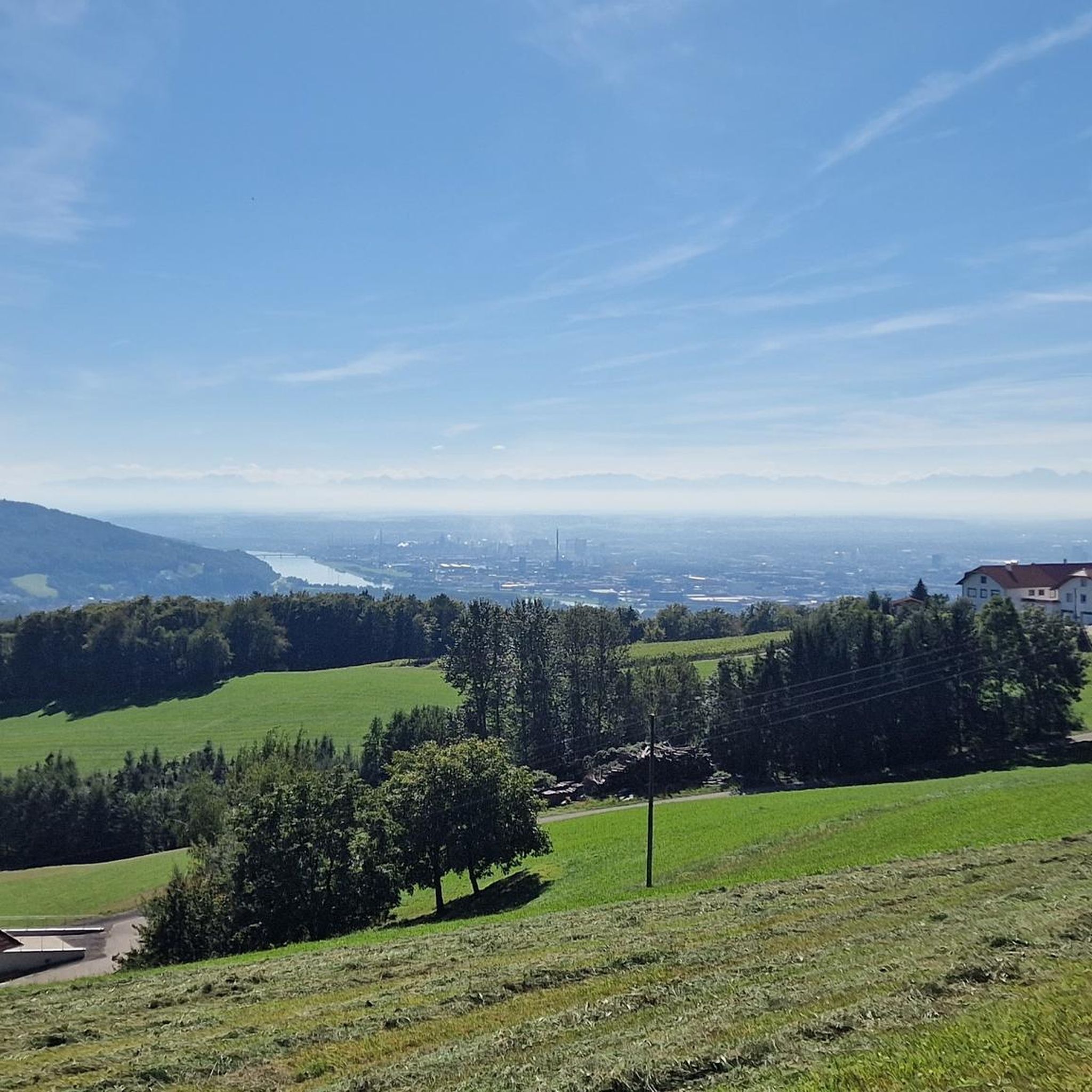
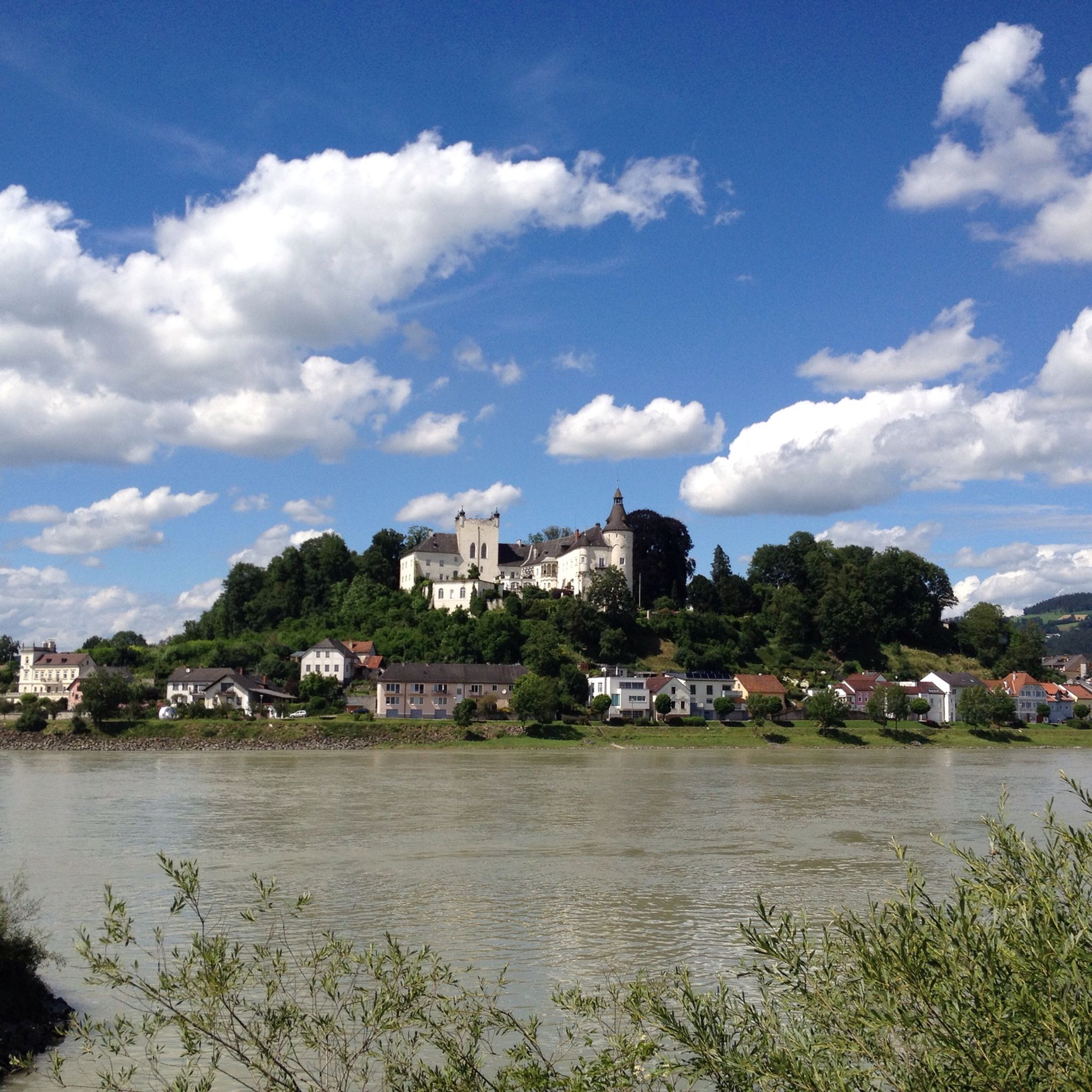
View of Ottensheim and Ottensheim Castle
Highlight • Viewpoint
Translated by Google •
Tip by

Linz Castle
Highlight • Castle
Translated by Google •
Tip by

Sign up now to discover places like this
Get recommendations on the best single tracks, peaks, & plenty of other exciting outdoor places.
Sign up for free
Traun Castle
Highlight • Castle
Translated by Google •
Tip by

Reichenau Castle Ruins
Highlight • Castle
Translated by Google •
Tip by

Spilberg Castle Ruins
Highlight • Castle
Spilberg Castle was once an important moated castle and was originally located on an island in the Danube, which belonged to the municipality of Enns. The castle has always been an important place of refuge and defense throughout its history. The flood of 1796 and the regulation of the Danube in the 19th century changed the course of the river to such an extent that the ruins are now in the floodplain, the Schlossau, near the northern bank of the Danube. In 1997 the area with the northern surrounding area was separated from the municipality of Enns and incorporated into the municipality of Langenstein, Perg district, Upper Austria.
The original name Spilberg later became Spielberg due to the changed spelling. Today the ruin proudly bears its old name again
SPILBERG
but is still referred to differently in many publications.
Translated by Google •
Tip by

Sign up for free to discover even more castles around Linz.
Sign up for free
Already have an account?
Start today with a free account
Your next adventure awaits.
Login or Signup
Popular around Linz
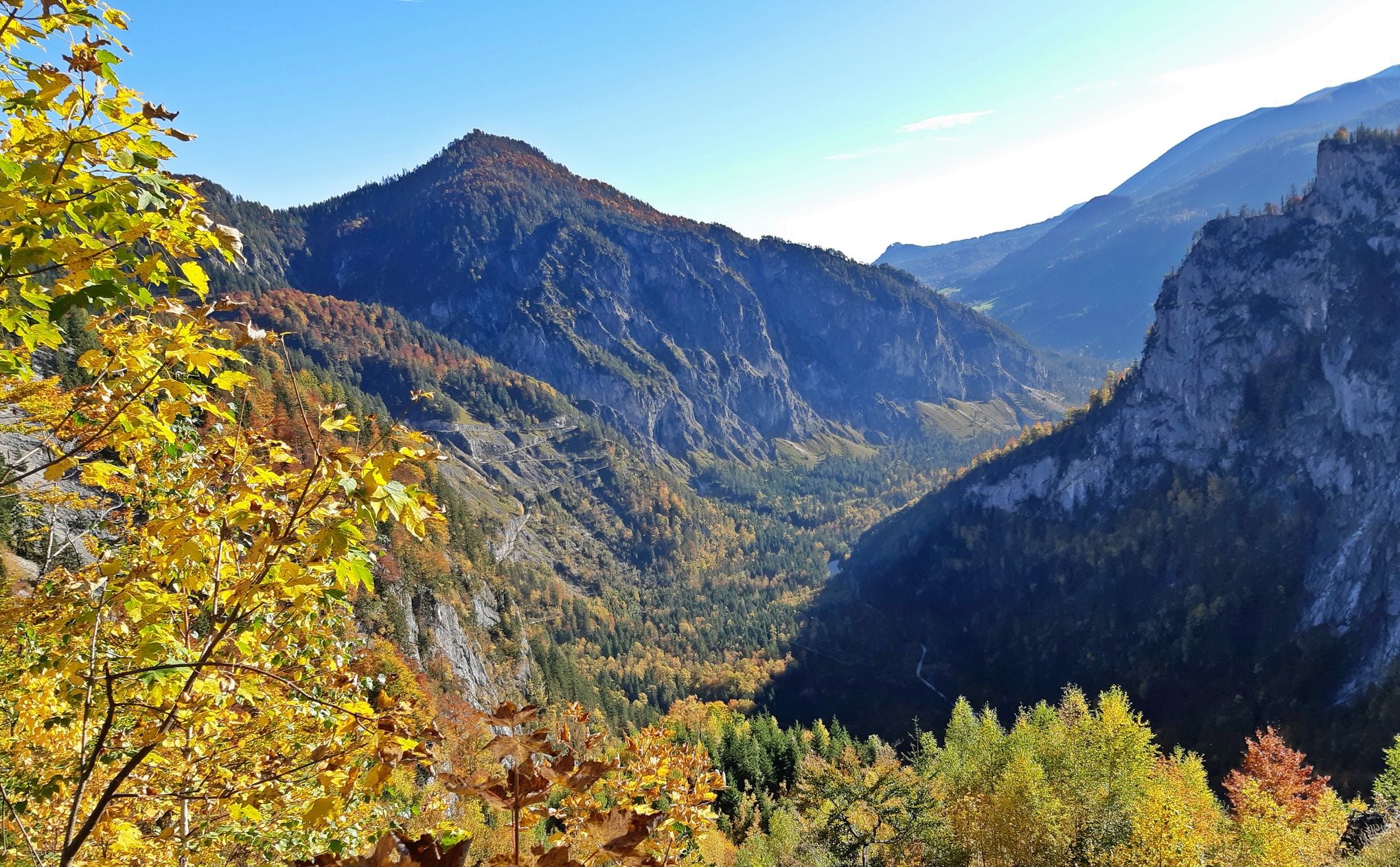
Salt Trail — On old paths through Upper Austria
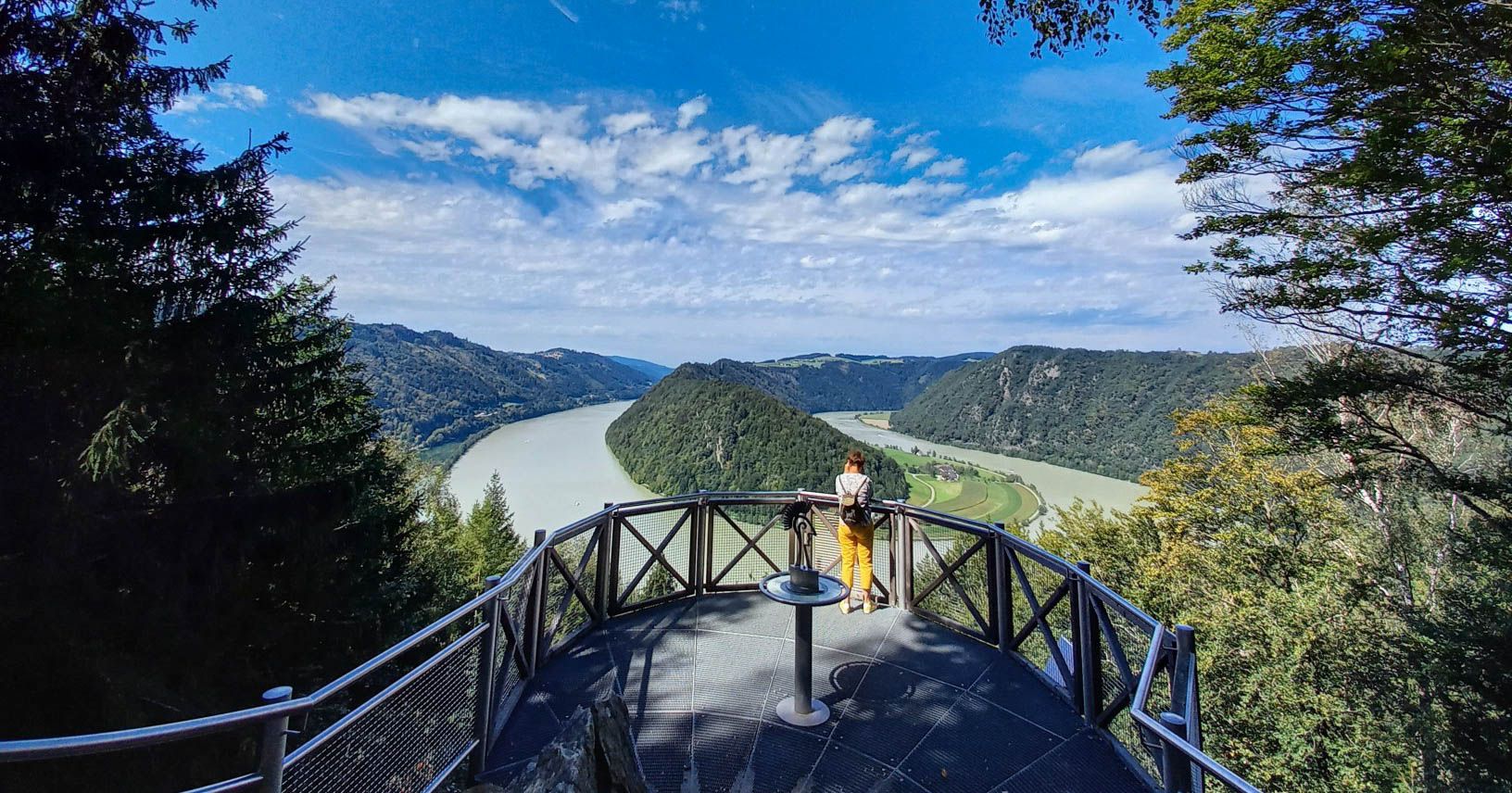
Danube Trail – Legendary long-distance hiking along the Danube River
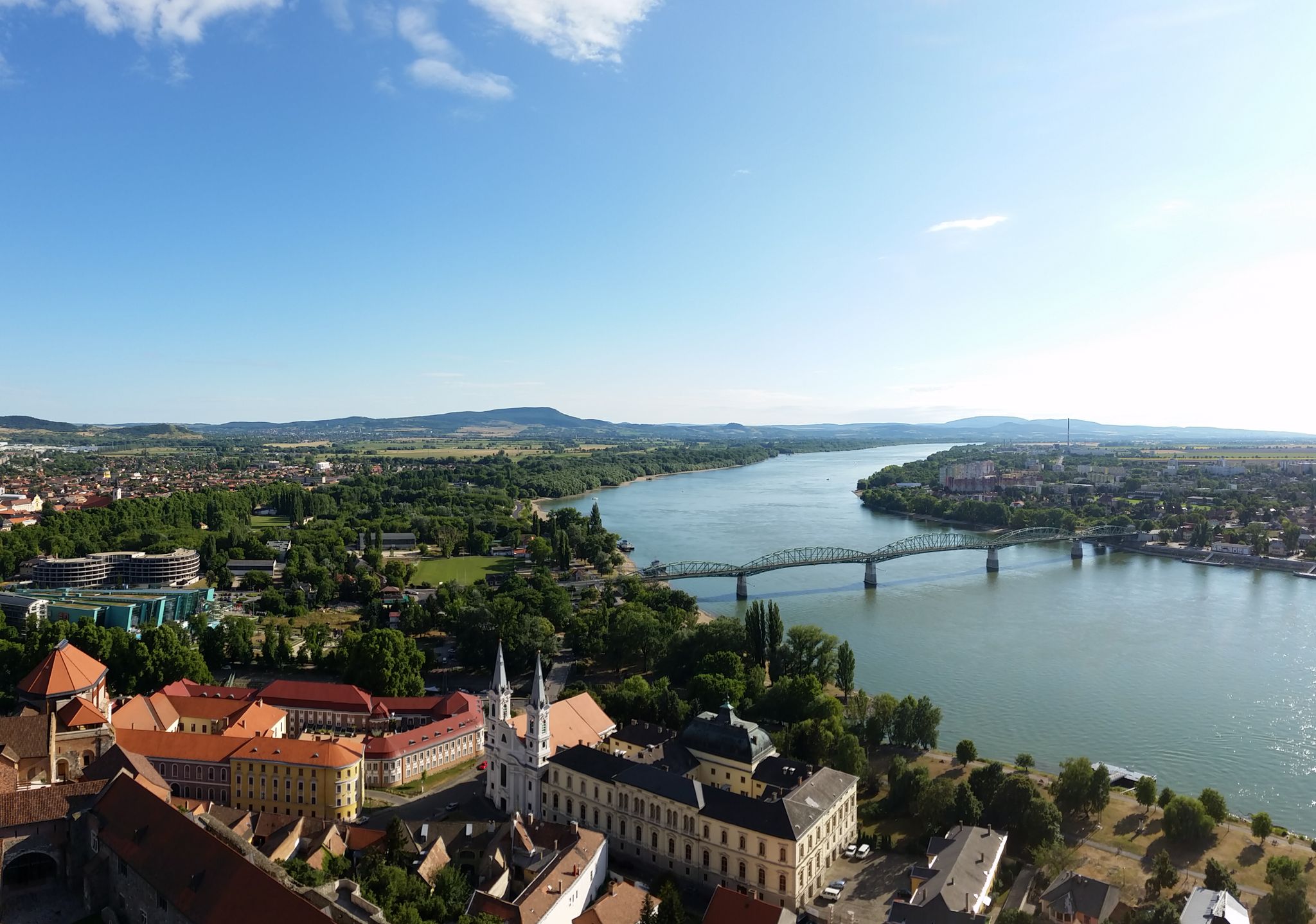
The Danube Cycle Path – From Donaueschingen to Budapest
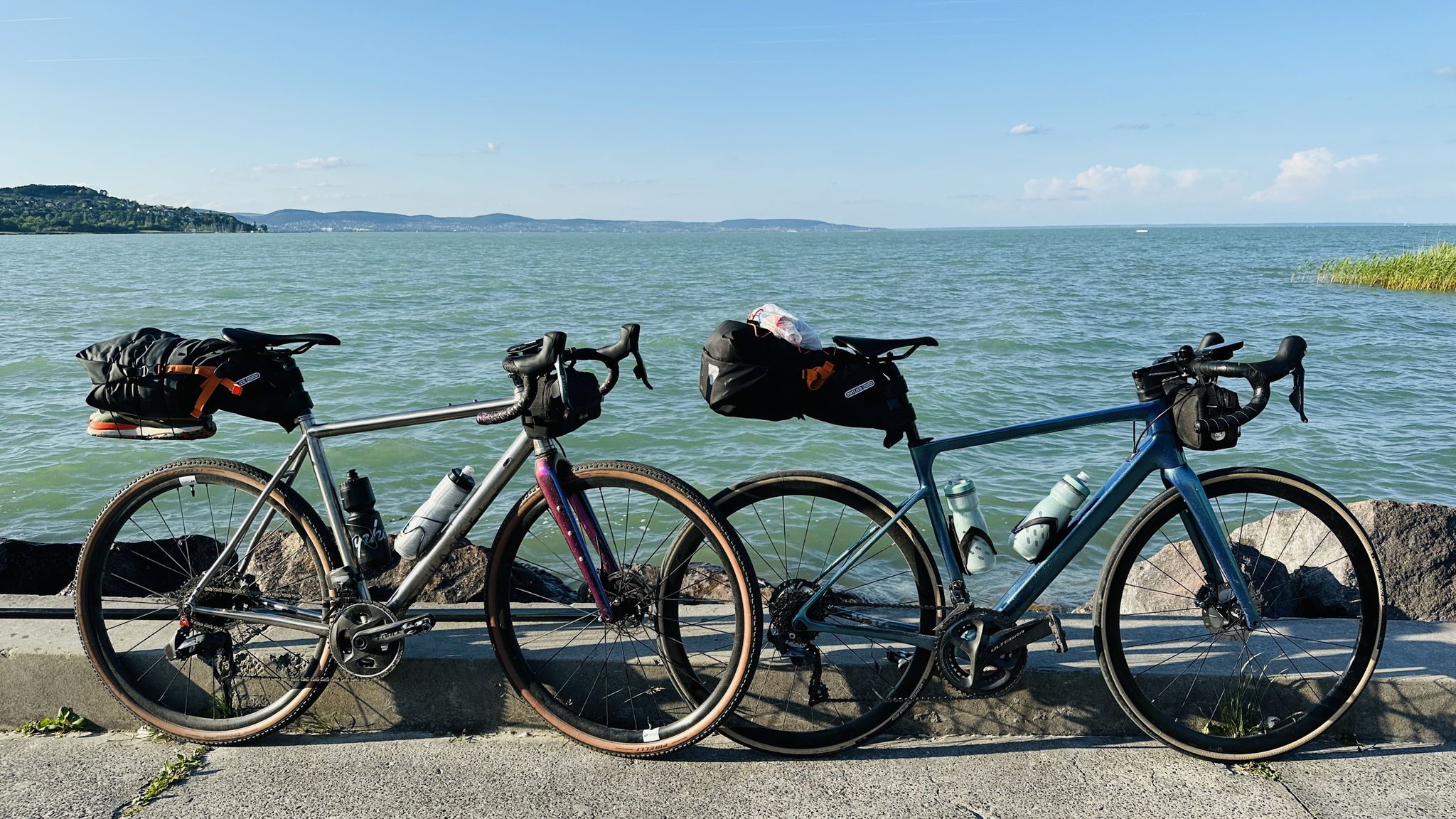
Riding two Koppels through five countries

Mit FESCHD aus der Stadt und rein ins Grüne
Road Cycling Routes around Linz
Running Trails around Linz
Cycling around Linz
Hiking around Linz
MTB Trails around Linz
Other adventures around Linz


Tips from the Community

Ottensheim Castle was founded by the high-free Wilheringers.
8
0

Traun Castle houses a freely accessible exhibition on the history of the castle and the nobility in the ring mantle complex.
8
1

The Linz Castle is located on a hill above the old town district of Linz directly on the Danube.
9
1

A very beautiful old castle in the wonderful Mühlviertel.
1
0

Spilberg Castle Ruins is a historic castle near Langenstein in the Perg district in the Mühlviertel in Upper Austria. The castle is now located in a floodplain landscape, the Schlossau, about 600 meters from the banks of the Danube. The castle was built in the 12th century and was once an important moated castle on an island on the Danube. The castle has a 35 meter high Romanesque crenellated tower and is surrounded by a 16 meter high rampart wall. The Spilberg castle ruins are an interesting excursion destination for history and nature lovers. The “Friends of the Spilberg Castle Ruins” association takes care of the preservation and communication of the castle. You can visit the castle, take guided tours or take part in cultural events such as concerts or theater performances.
1
0

A beautiful water castle, recommended for a break.
3
1
The moated castle was first mentioned around the year 1120 (1111) with B(P)ernhard de Trune. The Trauners were a noble family that was even one of the so-called “apostle families”, but was then relegated to the ministerial status of the Otakare, later the Babenbergs and finally, from 1246, the bishops of Passau. The reason for this is probably the withdrawal of fiefs or a marriage to the “worse hand”, i.e. H. an inappropriate marriage. The brothers Wernhard and Dietrich von Traun were already ministerials. They remained in possession of their ancestral castle until 1630. Then Sigmund Adam von Traun, married to Eva von Pollheim, had to sell his rule to Werner t'Serklaes von Tilly, a nephew of the general Johann T'Serclaes von Tilly, who had already acquired the rule of Tillysburg Castle, because of his Protestant faith. He managed to break the feudal bond and convert Traun into a free property. Sigmund's Catholic son Ernst Graf von Abensperg and Traun (1608–1668) was able to regain possession of the Traun castle and estate in 1664 after a long process. After the imperially confirmed genealogical connection to the Counts of Abensberg and the resulting elevation to the rank of imperial count by Emperor Ferdinand III. Under the name Abensperg and Traun In 1653 the Trauns called themselves Counts of Abensperg and Traun. This family still owns Traun Castle today (Wikipedia).
4
1
Frequently Asked Questions
What is the main historical castle in Linz?
The most prominent historical castle directly within the city is Linz Castle (Linzer Schloss). It stands on the Schlossberg overlooking the old town and the Danube River, with origins dating back to 799 AD.
What can I see and do at Linz Castle?
Linz Castle houses the Schlossmuseum Linz, the Upper Austrian Provincial Museum, which offers extensive exhibitions on the natural, cultural, and technological history of Upper Austria. You can also admire its unique blend of ancient and modern architecture, including the striking new south wing, and enjoy magnificent panoramic views of Linz and the Danube from its terraces.
Are there other notable castles or ruins to visit near Linz?
Beyond Linz Castle, you can explore Traun Castle, which has been beautifully restored and features an exhibition on its history. The Reichenau Castle Ruins offer a well-preserved historical site used for cultural events like summer theater. Additionally, the Spilberg Castle Ruins, once an important moated castle, are located in a floodplain landscape near Langenstein.
What kind of history do the castles around Linz represent?
The castles around Linz showcase a rich history spanning from Roman origins to imperial residences. Linz Castle, for instance, was built on a former Roman fort and served as an imperial residence for emperors like Frederick III and Ferdinand I, evolving through medieval fortress elements and Renaissance palace architecture.
Are the castles around Linz family-friendly?
Yes, several castles are family-friendly. Linz Castle, with its museum and accessible facilities, is suitable for families. Traun Castle also offers a welcoming environment, and the Ebelsberg Castle and Traun Riverside Path is a great option for a family outing combining history with a scenic cycle path.
What is the best time of year to visit castles near Linz?
The best time to visit castles around Linz is generally during the spring, summer, and autumn months. The weather is pleasant for exploring castle grounds and ruins, and many cultural events, like the summer theater at Reichenau Castle Ruins, take place during these seasons. Winter visits can also be charming, especially for indoor attractions like the Schlossmuseum at Linz Castle.
Are there hiking or cycling routes near these castles?
Yes, the region offers various outdoor activities. You can find road cycling routes around Linz, including options that pass by historical sites. For example, the Road Cycling Routes around Linz guide features tours like the 'Traun riverside – Traunuferstraße loop'. The Ebelsberg Castle and Traun Riverside Path is also a popular cycling route.
How accessible is Linz Castle for visitors with mobility challenges?
Linz Castle is generally accessible. The Schlossmuseum Linz is equipped with elevators and ramps to accommodate mobility-challenged visitors, allowing access to its exhibitions and facilities.
Can I find food and drink options near the castles?
Yes, Linz Castle integrates gastronomy, featuring a castle restaurant. Traun Castle also has a restaurant. In the broader Linz area, you'll find numerous cafes, pubs, and restaurants, especially in the city center near Linz Castle.
What are the best viewpoints near the castles?
The Linz Castle, situated on the Schlossberg, offers magnificent panoramic views of Linz, the Danube River, and the Pöstlingberg mountain from its terraces and castle park. This is considered one of the prime viewpoints in the region.
Are there any castles near Linz that are free to enter?
While the Schlossmuseum at Linz Castle typically has an entrance fee, exploring the castle grounds and enjoying the panoramic views from the Schlossberg is often free. Similarly, the Reichenau Castle Ruins and Spilberg Castle Ruins can usually be viewed from the outside without a fee, though specific events or guided tours might incur costs.
What kind of architectural styles can be observed in the castles around Linz?
The castles around Linz display a blend of architectural styles reflecting their long histories. Linz Castle, for example, combines medieval fortress elements with Renaissance palace architecture, and notably, a modern steel and glass south wing from 2009. Other ruins like Spilberg Castle Ruins feature Romanesque elements, such as a 35-meter high crenellated tower.
Most popular routes around Linz
Most popular attractions around Linz

Get inspired with the komoot mobile app


Explore more
Looking for the best castles somewhere else? Discover other guides around Linz:
