Top 15 Castles in Barnim
Castles in Barnim offer a glimpse into the region's history, set within the diverse landscapes of Brandenburg, Germany. The area features historical sites ranging from well-preserved palaces to enigmatic ruins, often surrounded by forests and lakes. These locations provide opportunities to explore architectural heritage and natural environments. Barnim's castles reflect centuries of regional development and cultural significance.
Best castles in Barnim
- The most popular castles is Dammsmühle Castle, a castle that evolved from an electoral hunting lodge to a…
Last updated: October 9, 2026
Dammsmühle Castle
Highlight • Castle
Translated by Google •
Tip by

View of Dammsmühle Castle and the Mühlenteich
Highlight • Viewpoint
Translated by Google •
Tip by

Sign up now to discover places like this
Get recommendations on the best single tracks, peaks, & plenty of other exciting outdoor places.
Bernau Town Wall
Highlight • Monument
Showing Translation
Tip by

Bunker Koralle (Object Koralle)
Highlight • Historical Site
Translated by Google •
Tip by

Steintor and Hungerturm, Bernau near Berlin
Highlight • Historical Site
Translated by Google •
Tip by

Kaiser-Friedrich-Tower Biesenthal
Highlight • Monument
Translated by Google •
Tip by


View of Schloss Lanke
Highlight • Castle
Translated by Google •
Tip by
Lanke Castle
Highlight • Castle
Translated by Google •
Tip by

War Memorial Biesenthal
Highlight • Monument
Translated by Google •
Tip by
Sign up for free to discover even more castles in Barnim.
Already have an account?
Start today with a free account
Your next adventure awaits.
Popular around Barnim
Hike around Germany's Schorfheide – 7 stages through Brandenburg's forest
Tour Brandenburg – Cycle around Berlin in 18 stages
Berlin-Usedom – To the seaside in 4 days
The National Natural Landscapes in Berlin
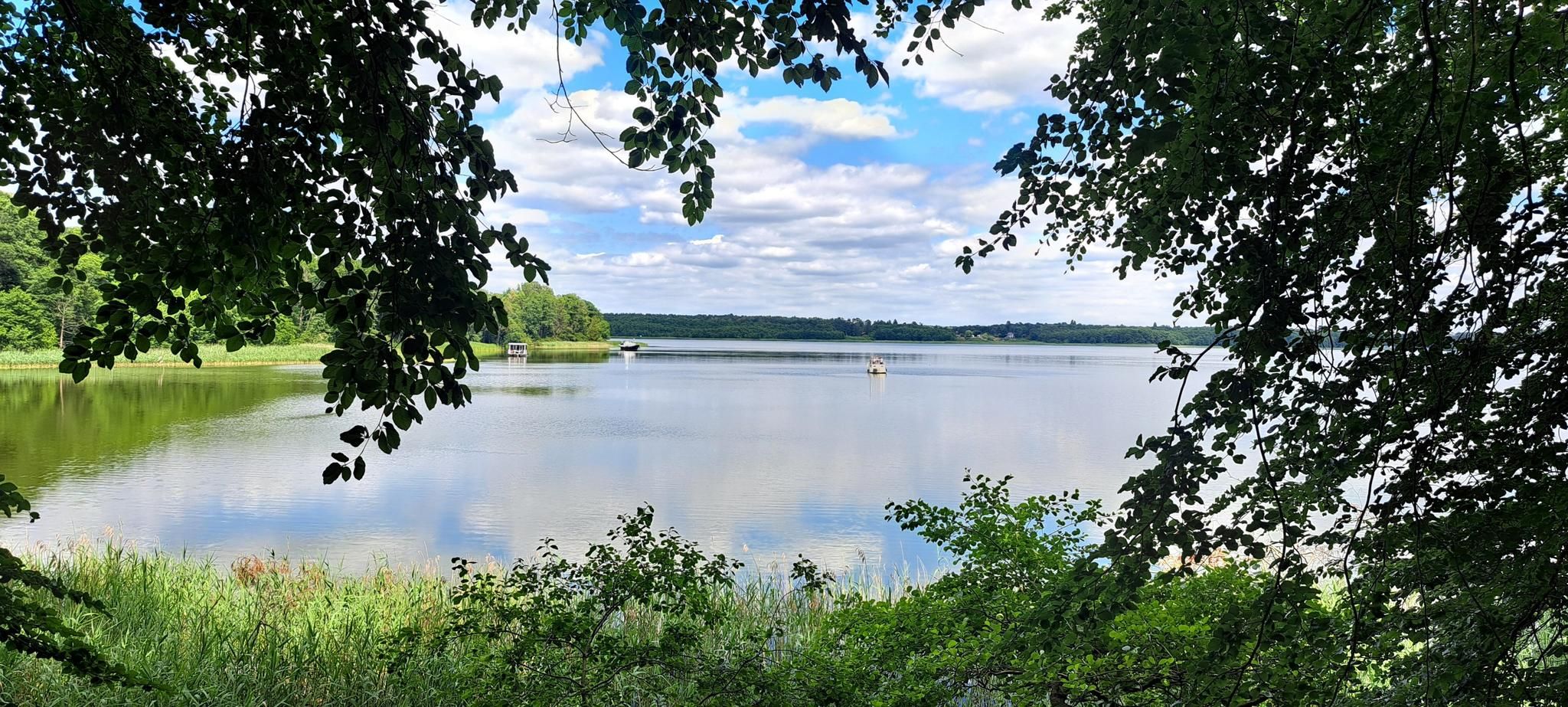
The National Natural Landscapes in Brandenburg
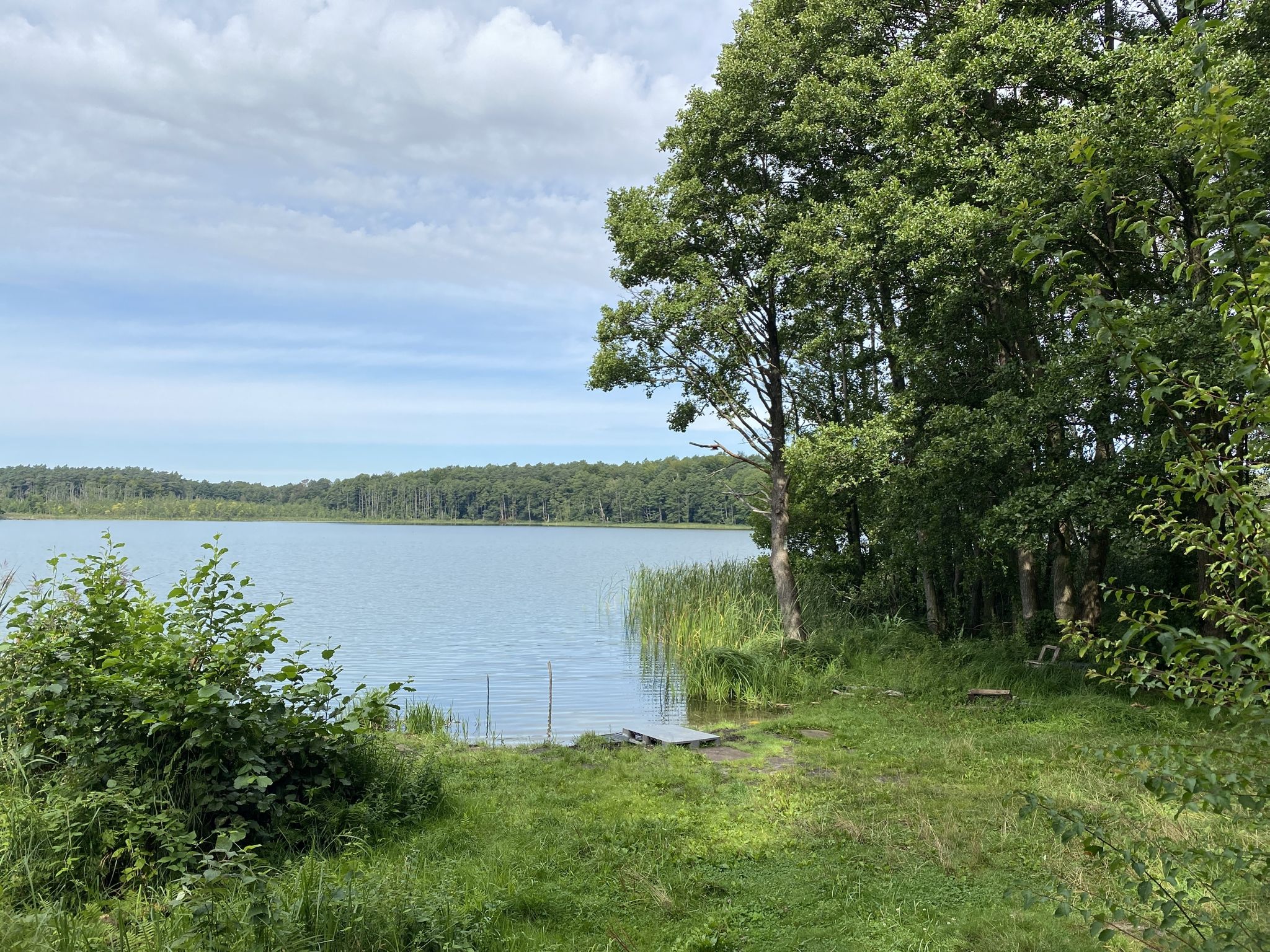
On the move sustainably at Wandlitz Lakes
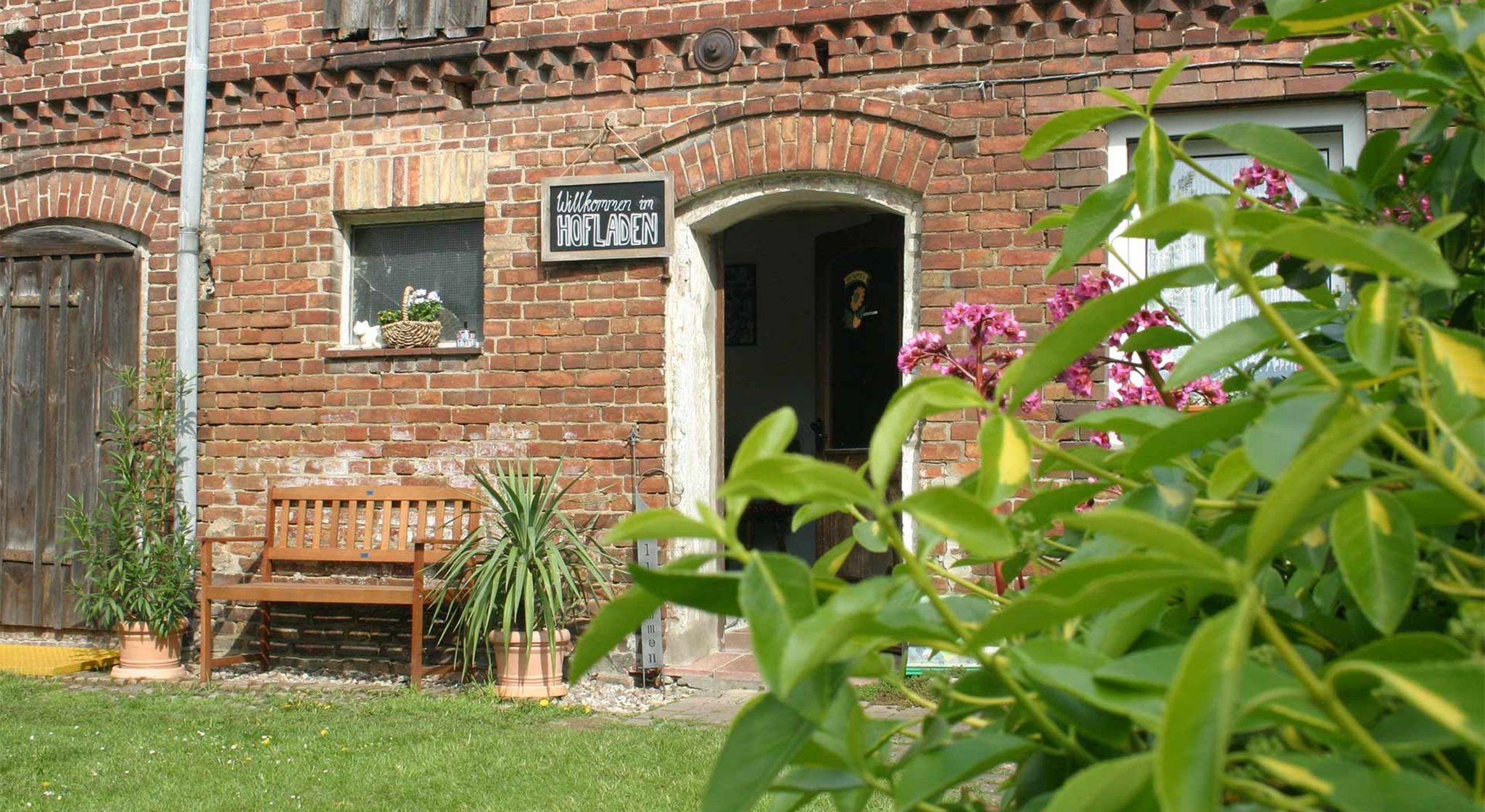
Cycling between producers – Wandlitz, local and sustainable
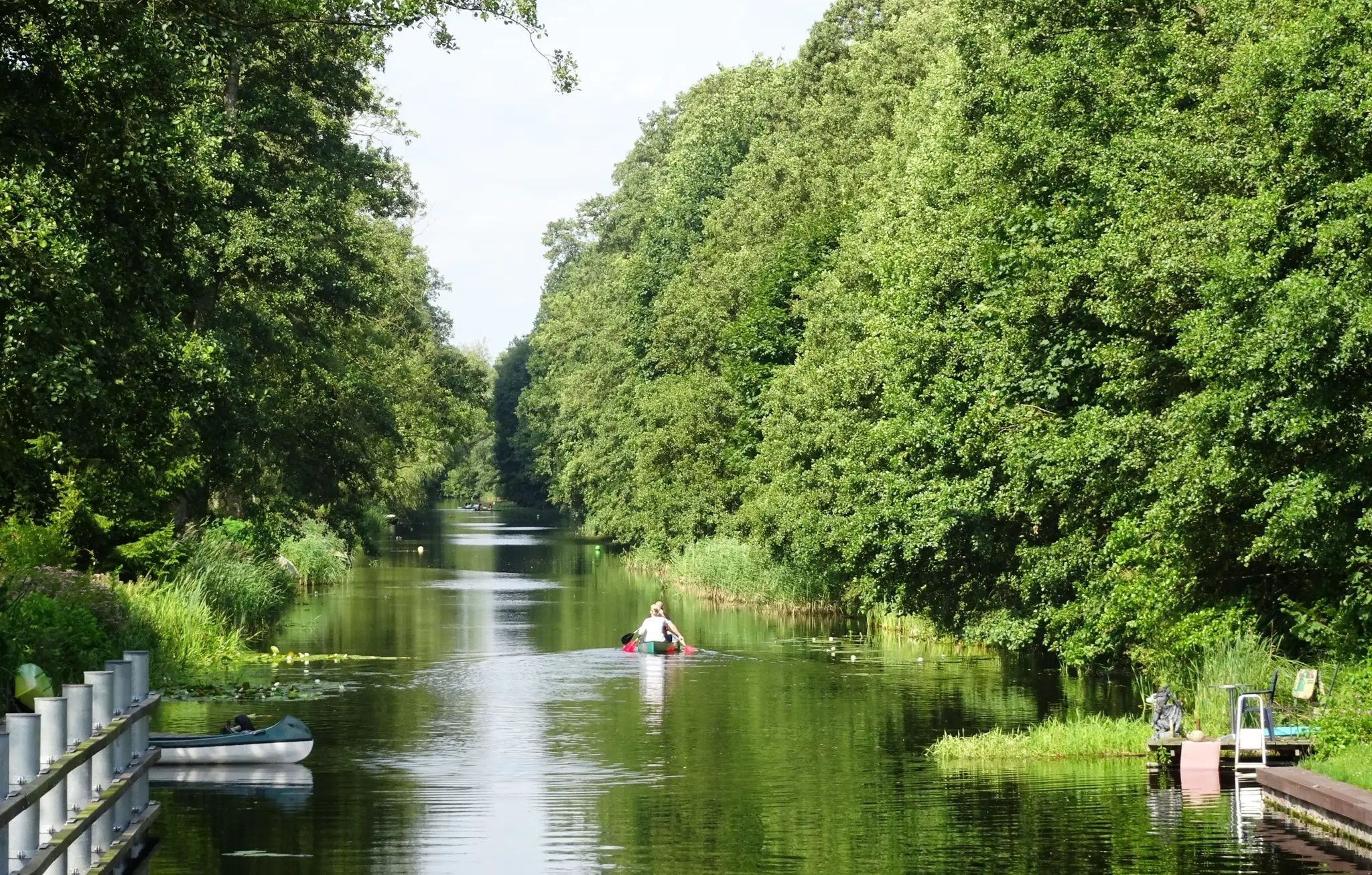
Enjoy and experience – hikes in Wandlitz and surroundings
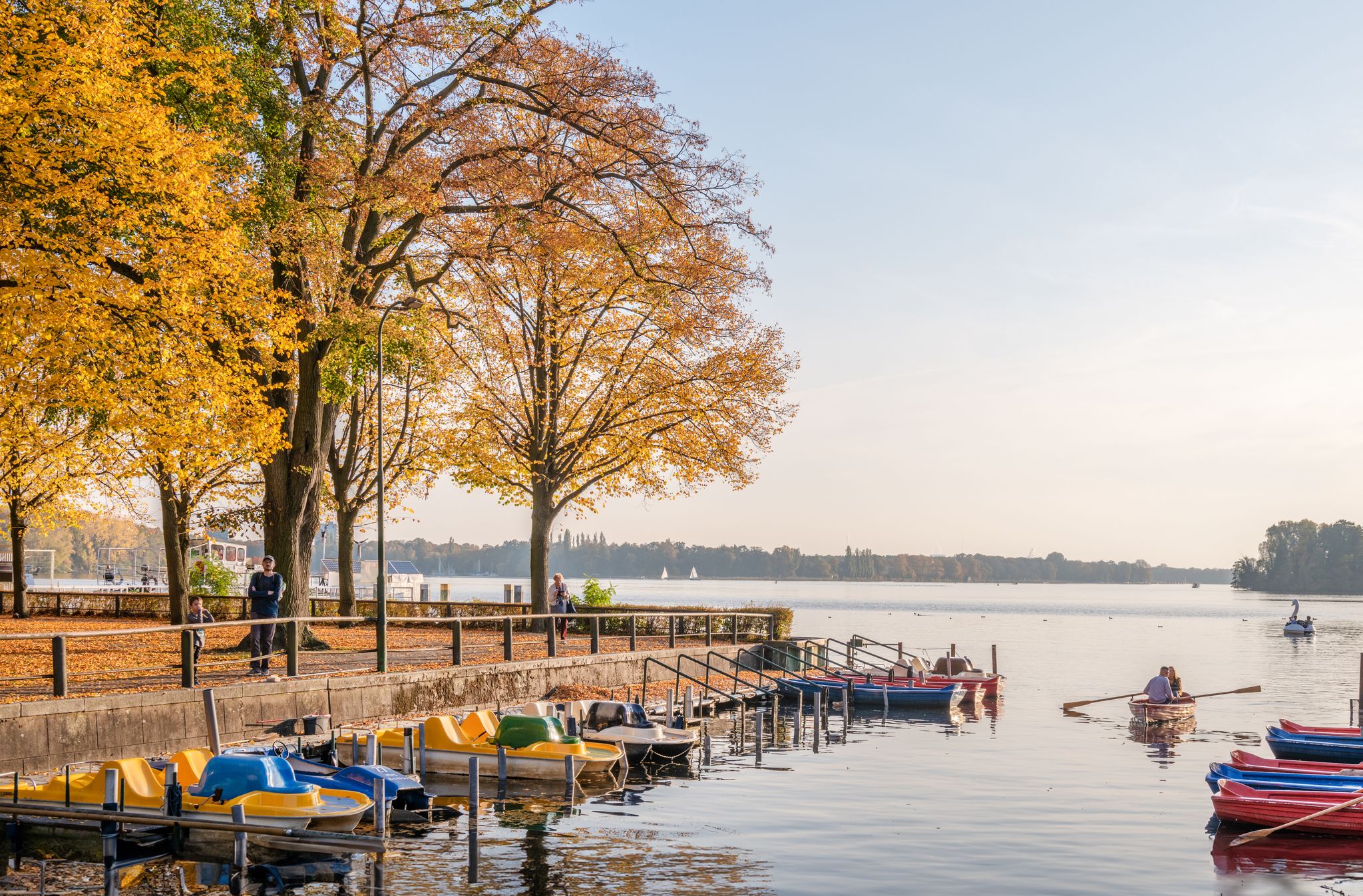
Tranquil waterways and vibrant lakes - autumn hiking in Berlin
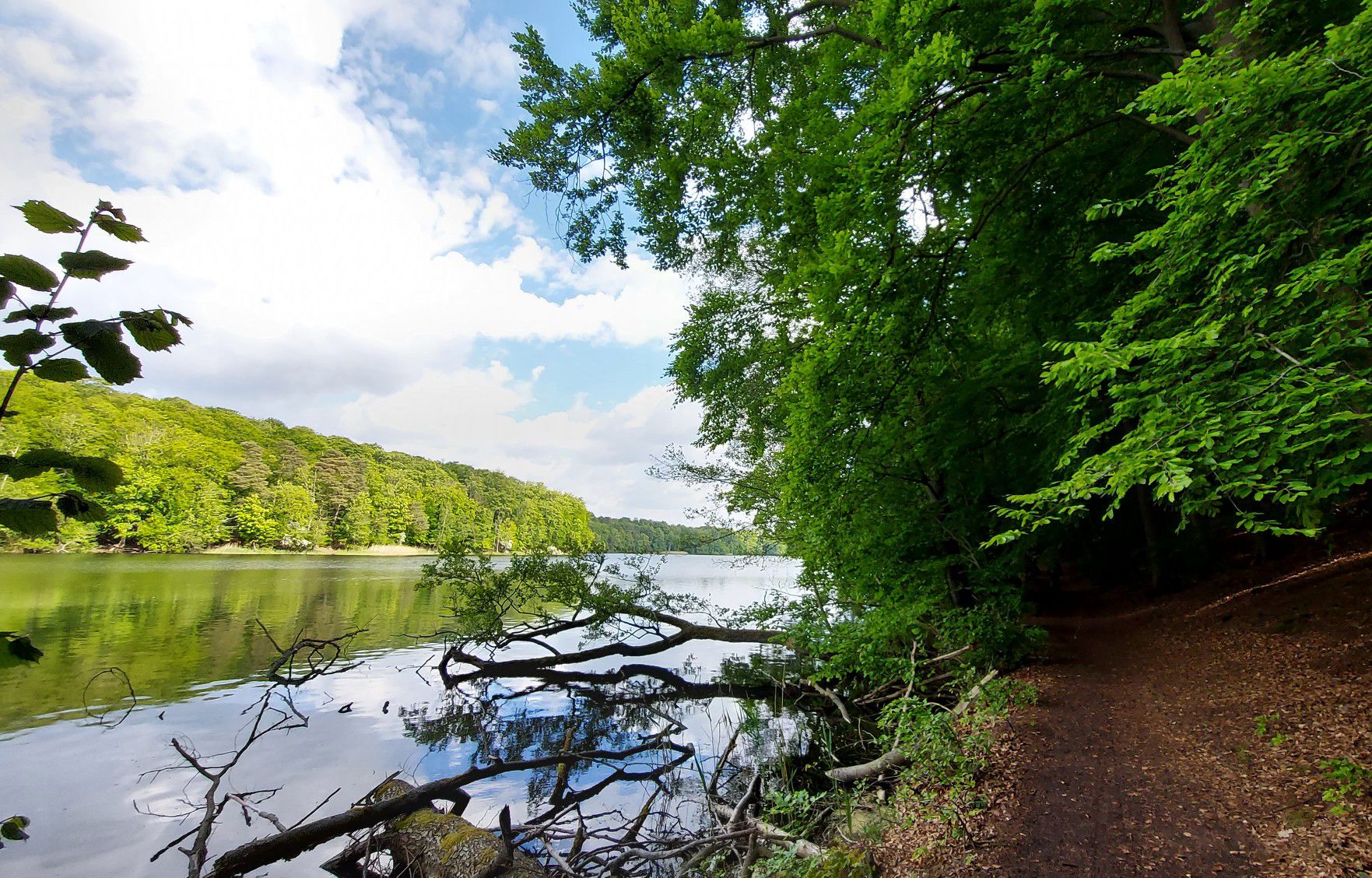
Wandlitz adventure Tours for families and leisure cyclists
Other adventures in Barnim


Tips from the Community

a very beautiful memorial
0
0

Lanke Castle is a former property of the von Redern family in the village of Lanke (municipality of Wandlitz in Brandenburg) near the Hellsee. Based on a baroque country house, it was expanded and redesigned in the mid-19th century by the architect Eduard Knoblauch as a two-storey plastered building in the style of the French Renaissance. After passing into Berlin ownership in 1914 and several changes of use, it has been privately owned again since 2006. The new owner had the building renovated in accordance with the monument protection regulations for private residential purposes, holiday apartments and cultural use between 2011 and 2014 with the support of the Brandenburg Monument Protection Authority. Source Wikipedia
1
0

The facility was initially intended as a naval communications school and was only given the name "Koralle" later. Due to the ever-increasing danger from aerial bombs, it was decided to move the command center of the High Command of the Navy (OKM) from Berlin to a safer area in the middle of the forest. Construction began in 1939. On January 30, 1943, it moved into its headquarters in the Koralle camp. A little later, the main radio station of the Commander of the Submarines (BdU) was also set up on site. This meant that all communications for the submarine war now came into the station's bomb-proof communications bunker. At times, all German naval operations of the Second World War were coordinated here. The bunker was then blown up by the Soviets. Today, the bunker can be visited and many climbers practice on it.
7
0

During the archaeological excavations on the castle grounds, finds were recovered that do not contradict a dating to the 13th or 14th century. The structure was made of limestone and half-timbered.
0
0

Lanke Castle has an eventful history behind it. From the aristocratic residence to its use as a summer residence, as a hospital and nursing home, as well as its vacancy, everything was there. Today the castle houses the private apartments of the owners and their families, there are several holiday apartments and office space that is used as coworking space. Further information about the history can be found at: https://schlosslanke.de/
0
1

The victims of the Franco-Prussian War are commemorated in the middle of the town of Biesenthal. Anyone coming from the direction of Bernau will rather enjoy the descent and the thrill of speed than thinking about history. The memorial is special because it is not dedicated to the victims of either world war.
0
0

Today, the members of the builders' association who have renovated the building since 2010 live in Lanke Castle. In addition to holiday apartments, the beautiful building also has a co-working area and the garden hall and the castle garden are used for weddings, concerts and readings. The stately building, which was expanded into a Renaissance building in the mid-19th century and was used as a hospital from 1951 to the 1990s, now shines again in its old glory.
1
0
Looks nice again now. After an eventful history, the castle, built in the style of the French Renaissance, is now a residential building with twelve apartments, event and office space.
7
0
Frequently Asked Questions
What historical castles or ruins can I explore in Barnim beyond the most popular ones?
Beyond the well-known sites, Barnim offers several fascinating historical locations. You can visit the Ruins of the Oderberg Fortress (Bärenkasten), a 14th-century site with remnants of thick walls and a unique history involving actual bears. Another intriguing spot is the Breydin Castle Ruins, where an information board and an impressive old linden tree mark the location of a former castle. For panoramic views from a historical site, explore the Kaiser-Friedrich-Tower Biesenthal, built on the Schlossberg where a 13th-century castle once stood.
Are there any castles in Barnim that have been extensively restored or repurposed?
Yes, Schloss Lanke is a prime example of successful restoration. Originally a 17th-century baroque manor, it was extended in the French Renaissance style and now serves as private residences, holiday accommodation, and a venue for cultural events. Its adjacent English country park was designed by Peter Joseph Lenné, adding to its charm.
Which castles in Barnim offer good viewpoints or scenic surroundings?
The Kaiser-Friedrich-Tower Biesenthal, located on the historic Schlossberg, provides fantastic panoramic views over the Biesenthal basin, extending all the way to Berlin. Additionally, Dammsmühle Castle, though currently undergoing restoration, is set in a picturesque nature reserve amidst forests and lakes, offering a serene environment for exploration and scenic views of the millpond.
What kind of history can I expect to learn about at Barnim's castles?
Barnim's castles offer a diverse historical journey. At Dammsmühle Castle, you can trace its evolution from an electoral hunting lodge to a palace visited by royalty, later used by Heinrich Himmler during WWII, and then by the Stasi. The Ruins of the Oderberg Fortress (Bärenkasten) reveal medieval defensive strategies and the strategic importance of river trade. The Bernau Town Wall provides insight into medieval urban fortifications, with its preserved Lughaus and city gates.
Are there family-friendly options among the castles in Barnim?
Yes, several sites are suitable for families. The Bernau Town Wall is a great place for families to explore medieval history, with its impressive walls and towers. The Kaiser-Friedrich-Tower Biesenthal offers an engaging climb for views and historical context. Even the Breydin Castle Ruins, with its information board and ancient linden tree, can be an interesting stop for curious families.
What outdoor activities can I do near the castles in Barnim?
The region around Barnim's castles is excellent for outdoor activities. You can find numerous hiking trails, including easy routes like the Green Beech Leaf Trail or the Werbellinsee Loop Trail, which are part of the Easy hikes in Barnim guide. For more challenging options, explore the Waterfall hikes in Barnim guide. Running enthusiasts can also find suitable routes, such as the longer Werbellinsee Loop Trail, detailed in the Running Trails in Barnim guide.
Is it possible to visit Barnim's castles using public transport?
While specific public transport details for each castle vary, many areas in Barnim are accessible by regional trains and buses. It's advisable to check local transport schedules for the specific castle you plan to visit, such as those near Bernau or Biesenthal, to plan your journey effectively.
What is the best season to visit the castles in Barnim?
The best season to visit Barnim's castles largely depends on your preferences. Spring and autumn offer pleasant temperatures for exploring ruins and enjoying the surrounding nature, with vibrant foliage or blooming landscapes. Summer is ideal for combining castle visits with outdoor activities like hiking or cycling. Even winter can be charming for a quiet visit, especially if you enjoy crisp air and potentially snow-dusted historical sites, though some facilities might have reduced hours.
Are there any castles in Barnim that are currently undergoing restoration?
Yes, Dammsmühle Castle is a notable example. This 'Sleeping Beauty' castle has been undergoing significant restoration efforts since around 2018. While it adds to its mystique, visitors can appreciate the ongoing work and imagine its opulent past and diverse architectural influences.
Can I find cafes or restaurants near the castles in Barnim?
Yes, you can often find dining options near the more established castle sites or in nearby towns. For instance, the area around the Steintor and Hungerturm in Bernau features an expansive square with cafes and restaurants. For other locations, checking the nearest towns like Wandlitz, Lanke, or Biesenthal will likely yield several choices for refreshments and meals.
Are there any castles in Barnim that are considered 'hidden gems' or less known?
The Breydin Castle Ruins could be considered a hidden gem. While not much of the original structure is visible, it offers a glimpse into local history with an information board and an impressive old linden tree, appealing to those who enjoy historical detective work and natural surroundings away from the main tourist paths.
Most popular routes in Barnim
Most popular attractions in Barnim

Get inspired with the komoot mobile app


Explore more
Looking for the best castles somewhere else? Discover other guides in Barnim:
