Top 19 Castles in Prignitz
Best castles in Prignitz are found in northwest Brandenburg, Germany, a region characterized by its historical significance and diverse natural landscapes. The area features a mix of forests, rivers, and agricultural lands, providing a scenic backdrop for its numerous historical sites. Prignitz offers a rich history reflected in its castles and manor houses, many of which are open to visitors. These historical landmarks provide insights into centuries of regional heritage.
Best castles in Prignitz
- The most popular castles is Plattenburg…
Last updated: August 16, 2026
Plattenburg
Highlight • Castle
Translated by Google •
Tip by

Historic Old Town of Wittstock/Dosse
Highlight • Historical Site
Translated by Google •
Tip by

Sign up now to discover places like this
Get recommendations on the best single tracks, peaks, & plenty of other exciting outdoor places.
Sign up for free
Wolfshagen Castle Museum
Highlight • Castle
Translated by Google •
Tip by

Lenzen Castle
Highlight • Castle
Translated by Google •
Tip by

Meyenburg Castle Fashion Museum
Highlight • Castle
Translated by Google •
Tip by

Grube Castle
Highlight • Castle
kulturfeste.de/feste/perleberg-lotte-lehmann.html
Translated by Google •
Tip by

Wittstocker Gate and Freyenstein Castle
Highlight • Castle
Translated by Google •
Tip by

Sigrön Castle
Highlight • Castle
1889 owned by the Gans Edle zu Putlitz family, subsequent sale to the von Bredow …
Translated by Google •
Tip by

Rühstädt Castle / Castle Hotel & Castle Garden
Highlight • Castle
Translated by Google •
Tip by

Eldenburg Manor and Quitzow Tower
Highlight • Historical Site
Translated by Google •
Tip by

Sign up for free to discover even more castles in Prignitz.
Sign up for free
Already have an account?
Start today with a free account
Your next adventure awaits.
Login or Signup
Popular around Prignitz
Tour Brandenburg – Cycle around Berlin in 18 stages
Elbe Cycle Route – Ride through Saxony-Anhalt
The Havel Cycle Path – in 6 stages from its source to its mouth
Germany's Elbe Müritz Cycle Path — Ride past rivers and lakes
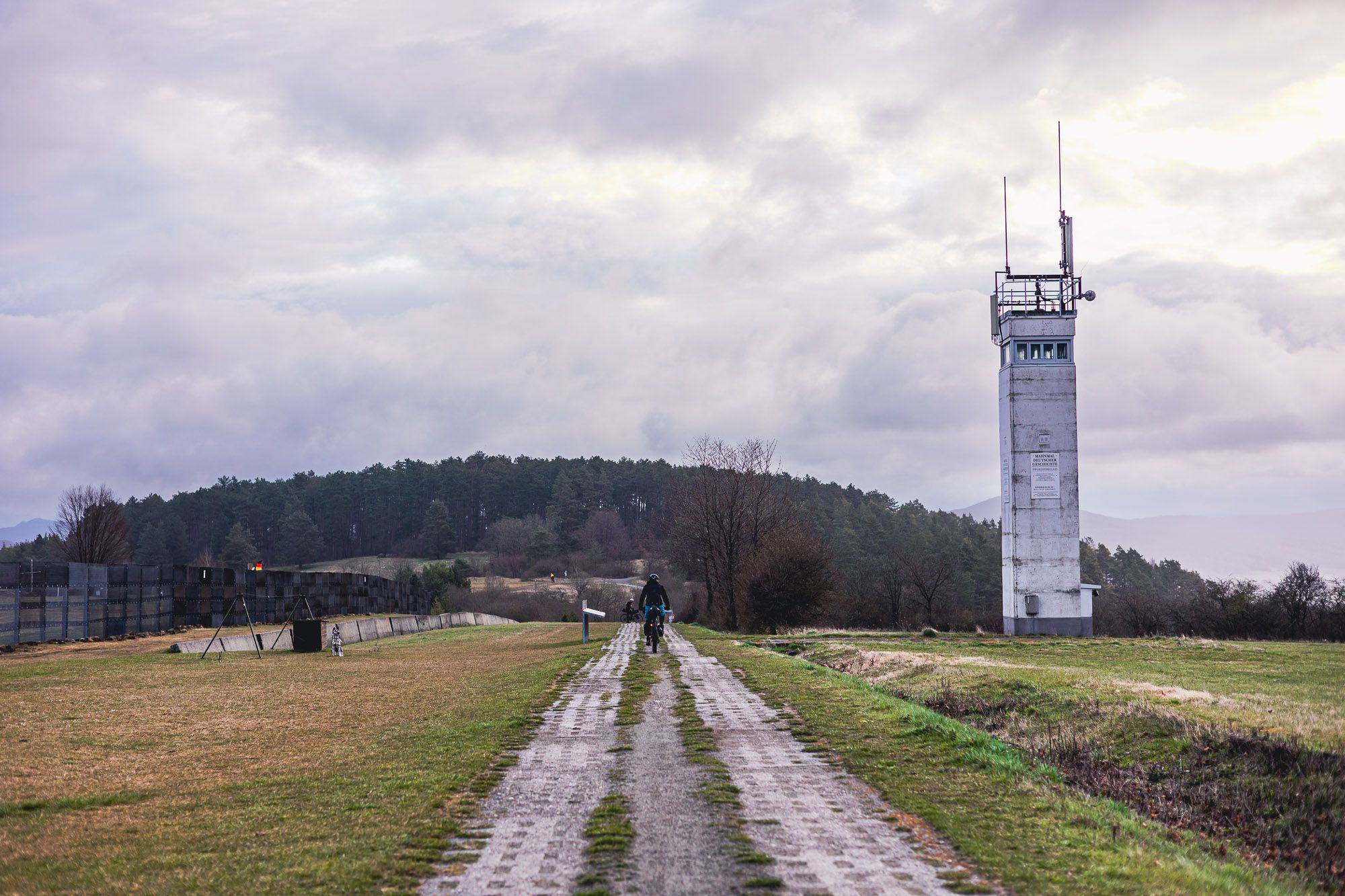
The Baltic Sea to Vogtland – 8 days along Germany's green former border
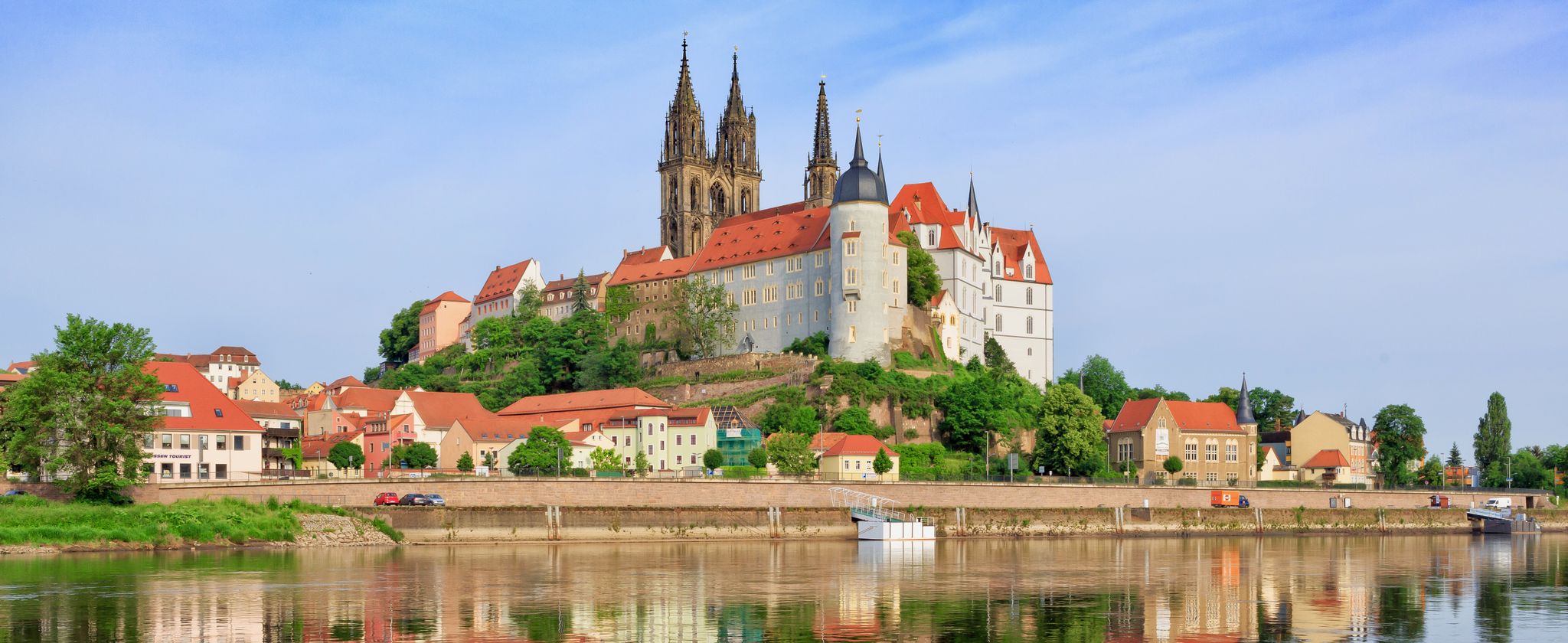
The Elbe Cycle Path — cross-border cycling pleasure
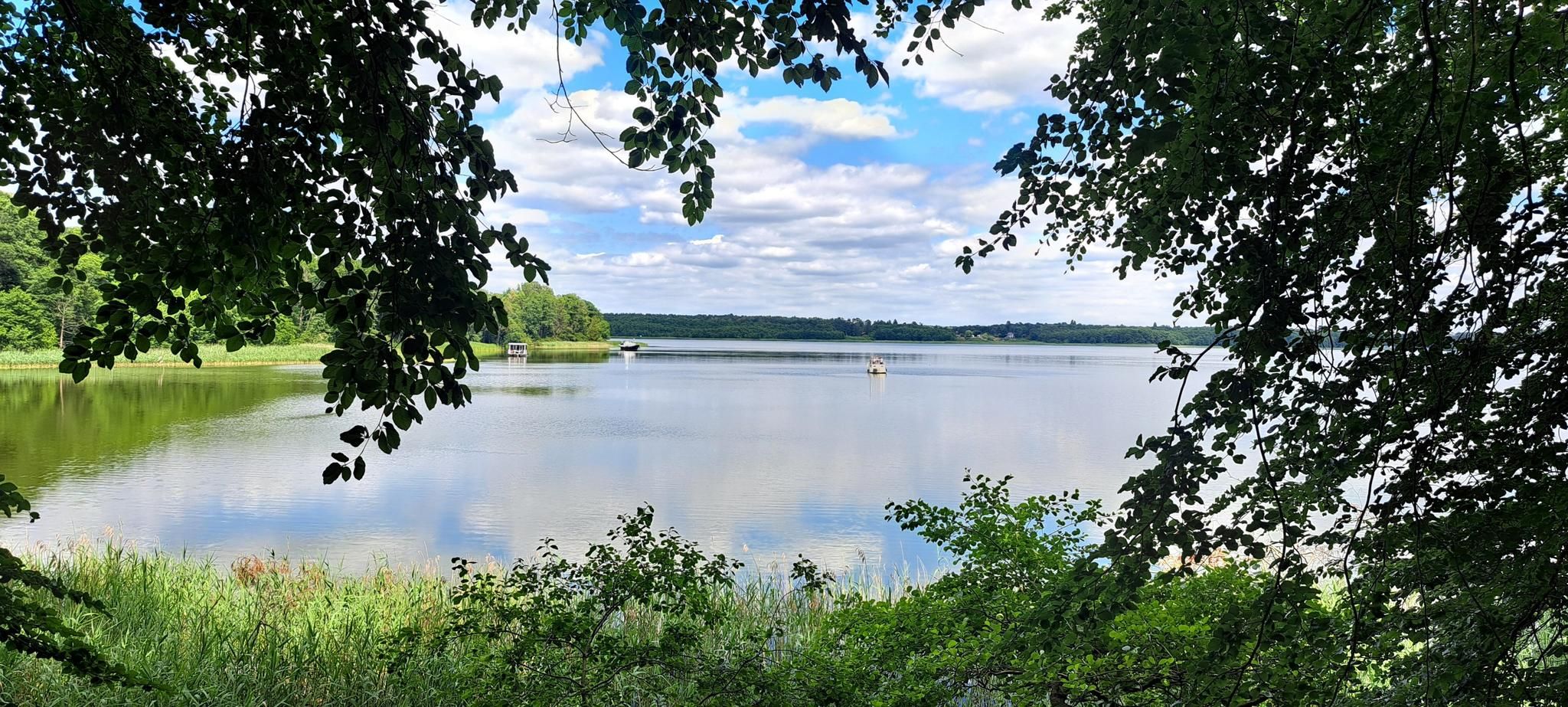
The National Natural Landscapes in Brandenburg
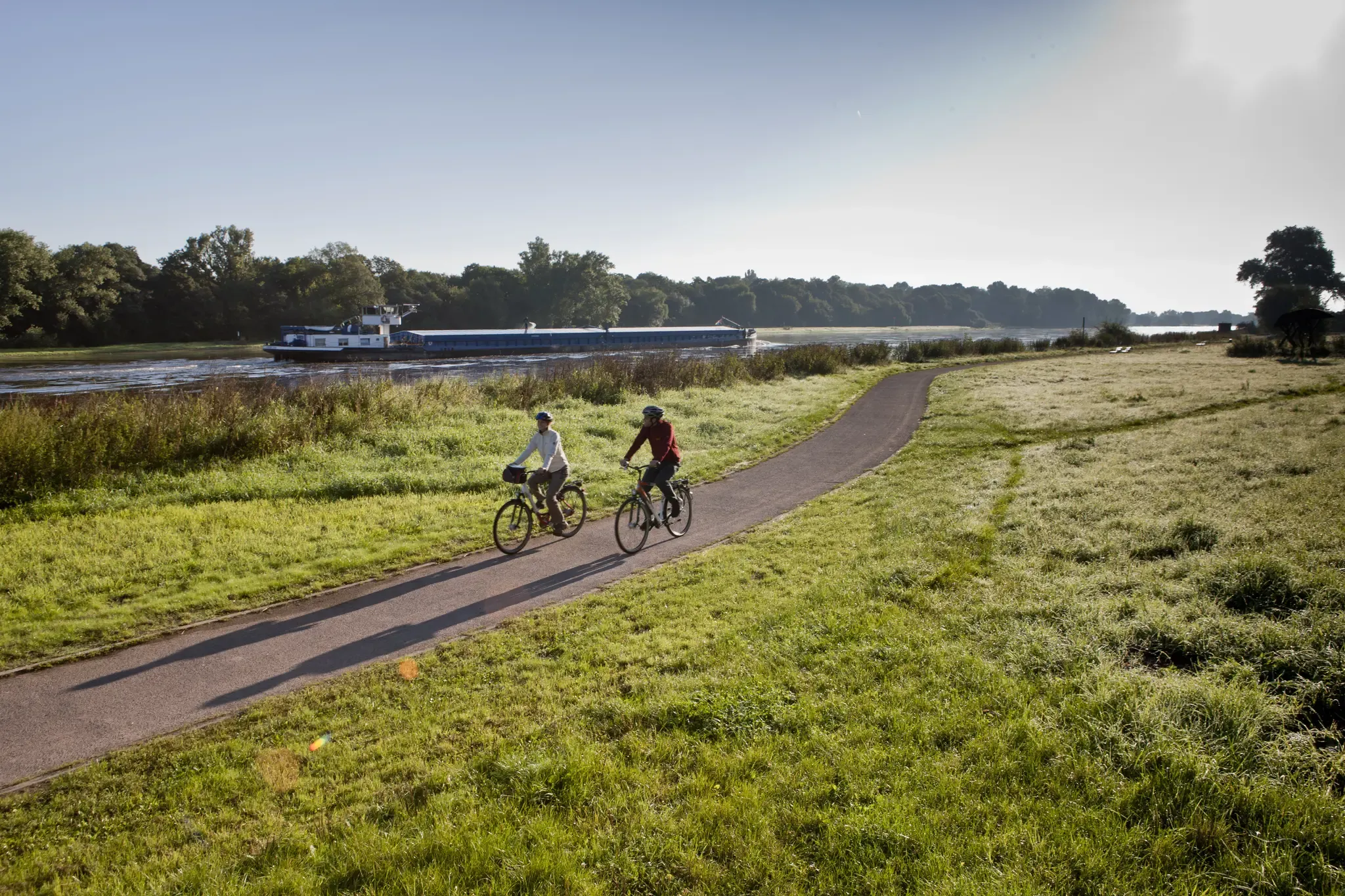
Ride the Elbe Cycle Route through Saxony-Anhalt
Pilgrimage route Berlin ► Bad Wilsnack ► Tangermünde
Northern Germany by bike – Magdeburg to Rostock
Other adventures in Prignitz


Tips from the Community

An inviting place for all who love the luxury of nature. A starting point for beautiful forest trails or bike tours, followed by a stop at the café/restaurant. Absolutely wonderful!
0
0

What a beautifully restored manor house, Grube Castle.
0
0

The Wittstock Gate is integrated into the construction of the "New Castle." The castle tower was built on top of the gate.
0
0

Freyenstein has had town charter since 1287, but today it has only about 800 inhabitants! It was first mentioned in a document as Virgenstene. Freyenstein's special feature is the archaeological park. Also worth mentioning is the Old Castle. It was built in the 16th century and is only partially preserved due to destruction during the Thirty Years' War. The church is a three-aisled hall church, built largely of fieldstone, with a fieldstone tower. Buttresses support the building on the outside, and the interior is topped with groin vaults. The altar, dating from the early 16th century, features a painting of the Transfiguration of Christ.
0
0

Lenzen Castle, the visitor center in the heart of the Elbe-Brandenburg River Landscape Biosphere Reserve, rises picturesquely above the Elbe Valley in Brandenburg. Fascinating natural experiences, as well as restful tranquility and riverside idylls, are the hallmarks of this region on Germany's most popular long-distance cycle route, the Elbe Cycle Route. The visitor center, with various permanent exhibitions and changing special exhibitions, offers interesting insights into the natural and cultural history of the Elbe Valley. Here you will receive tips for exciting exploration tours in one of the last remaining natural river landscapes in Central Europe. You can also experience the Green Belt, a national natural heritage site and monument to German history, up close around Lenzen. More information and opening hours can be found here: https://www.burg-lenzen.de/burg_lenzen/startseite.
2
0

The fashion museum in Meyenburg Castle is a little insider tip! A great collection that goes back to the private collection of Josefine Edle von Krepl and lets you immerse yourself in women's fashion from around 1900 to the 1980s. The collector still leads tours of her collection herself!
0
0

Today, the restored castle houses a museum dedicated to the history of the house and the living culture of the Brandenburg landed gentry, using the example of the Gans Edlen Herren zu Putlitz family. Concerts and civil weddings take place in the castle's beautiful garden hall, and church services are held in the castle chapel, as well as church weddings and baptisms.
2
0

Several friends raved about the fashion museum in Meyenburg Castle. During our visit, we were amazed at how many dresses from different periods from 1900 onwards are on display there. It is the former private collection of Josephine Edle von Krepl, a fashion designer from the former GDR, who ran the museum herself from its founding until her 74th birthday. Only about 10% of the collection is shown in the exhibition. We also liked the historical classification and the completion with photos and accessories from the time. We really liked it. Admission 8 euros, photo permission 2 euros. There is also a cute, authentic café with collectible crockery and a registry office in the castle.
1
0
Frequently Asked Questions
Which castles in Prignitz offer unique museum experiences?
For a distinctive cultural experience, visit Meyenburg Castle Fashion Museum, which houses Germany's first fashion museum, showcasing women's fashion from 1900 to the 1970s. Another notable option is Wolfshagen Castle Museum, offering insights into 19th-century Brandenburg nobility with authentically furnished rooms, a porcelain collection, and even a reconstructed GDR classroom.
Are there any castles in Prignitz where I can stay overnight?
Yes, several castles in Prignitz offer accommodation. Plattenburg provides overnight stays within its historic walls. Rühstädt Castle / Castle Hotel & Castle Garden has been converted into a hotel, and Grube Castle also offers accommodation as part of its cultural venue.
What kind of events can I expect at the castles in Prignitz?
Many castles host cultural events throughout the year. Plattenburg is known for medieval festivals, rock nights, and Christmas markets. Wolfshagen Castle Museum regularly holds concerts, readings, and art exhibitions. Grube Castle also functions as a venue for various cultural events and exhibitions.
Which castles are particularly good for families with children?
Several castles in Prignitz are family-friendly. Plattenburg is a great option, often hosting events suitable for all ages. Meyenburg Castle Fashion Museum can be engaging for older children interested in history and fashion. The surrounding parks of many castles, like Meyenburg and Rühstädt, also provide space for children to explore.
Are there opportunities for hiking or cycling near the castles?
Yes, the Prignitz region offers excellent opportunities for outdoor activities. Near Rühstädt Castle, you'll find a landscape ideal for cycling and hiking along the Elbe. You can explore various routes in the region, including those listed in the Hiking in Prignitz and Running Trails in Prignitz guides.
What is the best time of year to visit the castles in Prignitz?
The castles in Prignitz can be enjoyed year-round, but spring and summer offer pleasant weather for exploring the castle grounds and surrounding parks. Autumn brings beautiful foliage, while winter often features special events like Christmas markets at places like Plattenburg. Always check individual castle opening hours, as they may vary seasonally.
Can I find cafes or restaurants near the castles?
Many castles offer on-site or nearby dining options. Plattenburg has a castle café and a Burgkeller serving local beer. Wolfshagen Castle Museum also includes a café. Additionally, the towns surrounding the castles, such as Meyenburg and Rühstädt, provide various cafes and restaurants for visitors.
Which castle is known for its unique architecture or historical significance?
Plattenburg stands out as one of the oldest surviving water castles in northern Germany, featuring impressive ramparts, moats, and a neo-Gothic red brick tower. Freyenstein Castle's Old Palace is also notable for its unique terracotta ornamentation, making it a significant example of North German Renaissance architecture.
Are there any castles in Prignitz that are particularly dog-friendly?
While specific dog policies can vary, many castle grounds and parks in Prignitz are accessible for dogs on a leash. It's always best to check the individual castle's website or contact them directly regarding their current dog-friendly rules, especially for interior visits. The outdoor areas around castles like Rühstädt Castle, with its extensive park, are generally welcoming for walks with your canine companion.
What natural features or viewpoints can be found near the castles?
The Prignitz region offers scenic natural surroundings. Rühstädt Castle is located in the 'European Stork Village,' offering excellent opportunities for nature observation, especially for birdwatchers. The castle is surrounded by a redesigned landscape park, and the nearby Elbe river provides picturesque views and walking paths. Many castles are set within parks or near rivers like the Stepenitz, offering pleasant natural backdrops.
Is there public transport available to reach the castles in Prignitz?
Public transport options to the castles vary. While some castles might be reachable via regional buses from larger towns, having a car often provides the most flexibility for exploring the Prignitz castles, many of which are in rural settings. It's advisable to check local bus schedules for specific routes to your chosen castle destinations.
What is the significance of Schloss Grube?
Grube Castle is a beautifully restored Baroque manor house, built between 1740 and 1742. It is the last completely preserved manor house of the influential von Quitzow family in Prignitz. Today, it serves as a vibrant venue for art and culture, hosting exhibitions, events, and offering gastronomy and accommodation.
Are there any castles that are particularly well-preserved or restored?
Grube Castle has undergone extensive restoration, earning the Brandenburg Heritage Protection Award in 2010 for its successful blend of historical preservation and modern amenities. Meyenburg Castle was also painstakingly reconstructed and reopened in 2006, with its park extensively redesigned to its original form.
Most popular routes in Prignitz
Most popular attractions in Prignitz

Get inspired with the komoot mobile app


Didn’t find what you were looking for?
Explore Prignitz’s best castles region by region:
Explore more
Looking for the best castles somewhere else? Discover other guides in Prignitz:
