Top 20 Castles in Wittenberg
Best castles in Wittenberg are central to the city's historical narrative, offering a glimpse into the past. The region is home to significant historical castles and architectural complexes. These sites showcase German Renaissance architecture and are closely tied to the Reformation period. Visitors can explore structures that have been preserved and renovated, providing insights into centuries of history.
Best castles in Wittenberg
- The most popular castles is Wittenberg Castle, a castle that underwent significant renovation between 2013 and 2016.…
Last updated: May 9, 2026
Neogothic castle gate at Sieglitzer Berg
Highlight • Monument
Translated by Google •
Tip by

All Saints' Church (Castle Church), Wittenberg
Highlight • Religious Site
Translated by Google •
Tip by

Sign up now to discover places like this
Get recommendations on the best single tracks, peaks, & plenty of other exciting outdoor places.
Sign up for free
Wörlitz Castle
Highlight • Castle
In the region, it is often referred to as the "Little White House."
Translated by Google •
Tip by

Pretzsch Castle
Highlight • Castle
Translated by Google •
Tip by

Wittenberg Castle
Highlight • Castle
Translated by Google •
Tip by

Friederikenberg Castle Gate
Highlight • Monument
Translated by Google •
Tip by

Klöden Castle
Highlight • Castle
Translated by Google •
Tip by

Mosigkau Palace and Gardens
Highlight • Castle
Translated by Google •
Tip by

Reinharz Moated Castle
Highlight • Castle
Heinrich von Löser, Electorate of Saxony's hereditary marshal, had a representative moated castle with a baroque park, castle pond and brewery pond built between 1690 …
Translated by Google •
Tip by

Burgkemnitz Castle
Highlight • Castle
construction time
18th century, 19th century,
1869
Architectural style
Baroque, historicism, neo-renaissance
Builder
Hans Bodo Baron von Bodenhausen (1869)
Builder/architect
–
Condition
The castle in Burgkemnitz is currently …
Translated by Google •
Tip by

Sign up for free to discover even more castles in Wittenberg.
Sign up for free
Already have an account?
Start today with a free account
Your next adventure awaits.
Login or Signup
Popular around Wittenberg
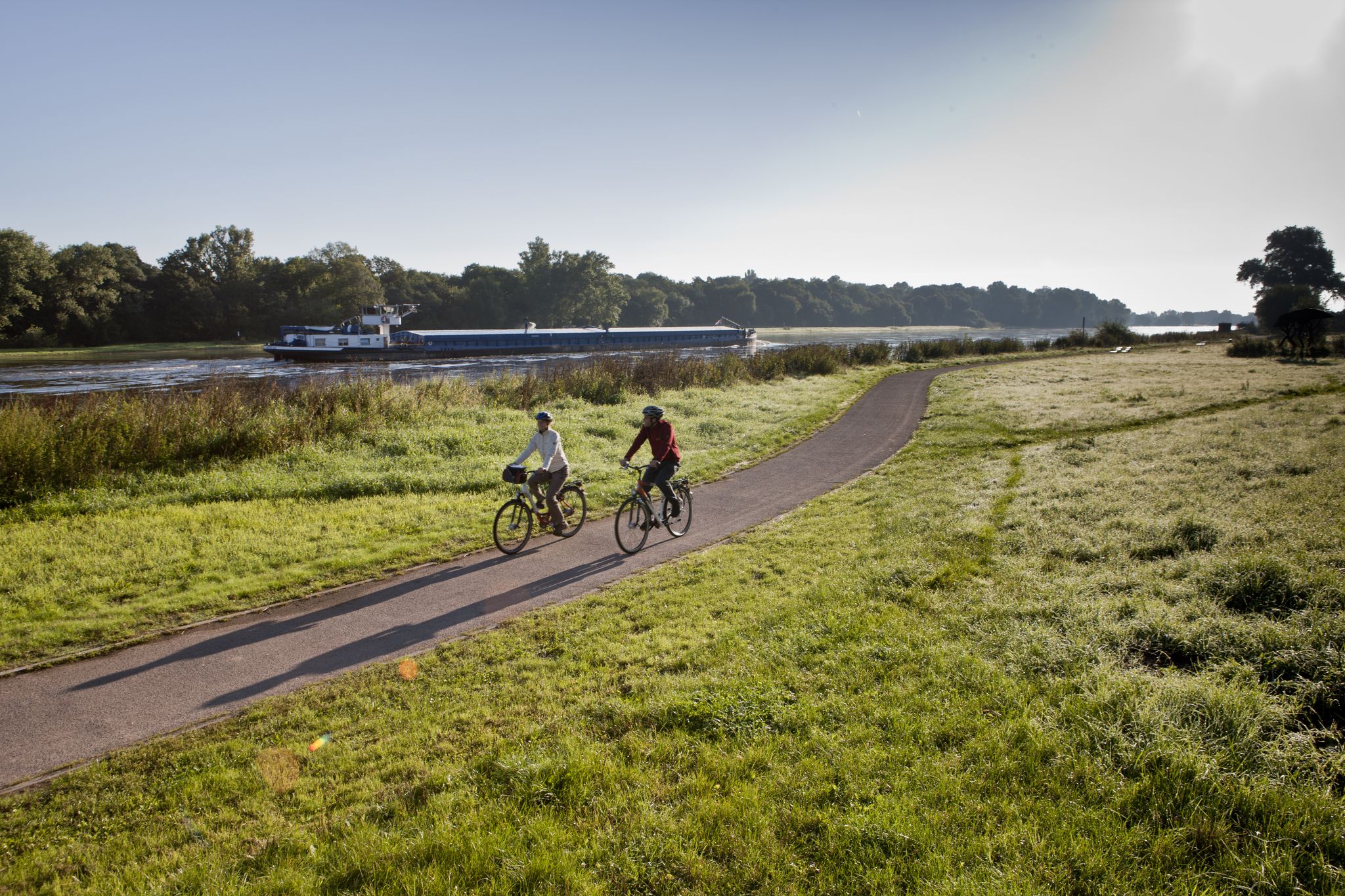
Elbe Cycle Route – Ride through Saxony-Anhalt
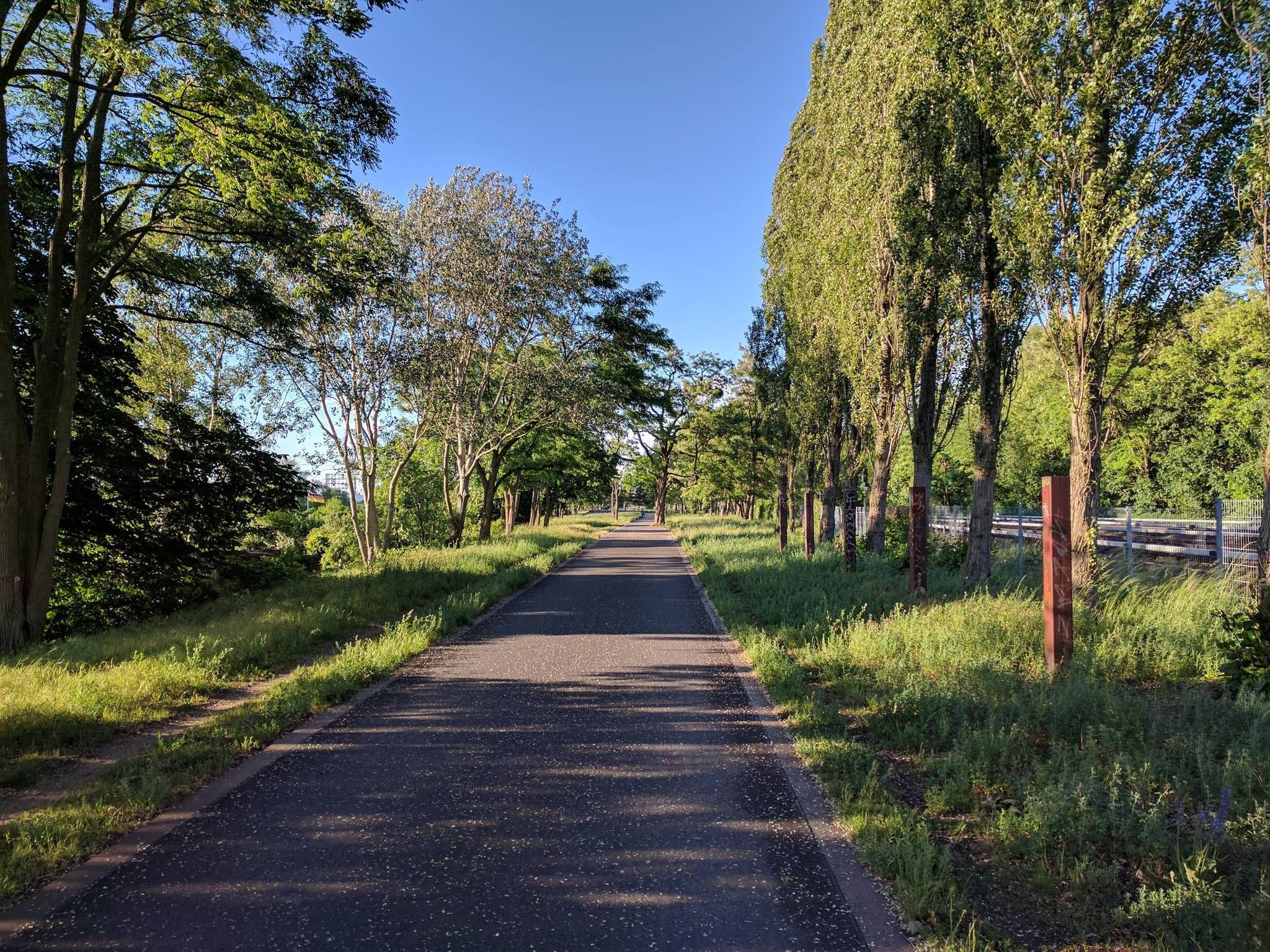
The Berlin Leipzig cycle path – Through the East in five stages
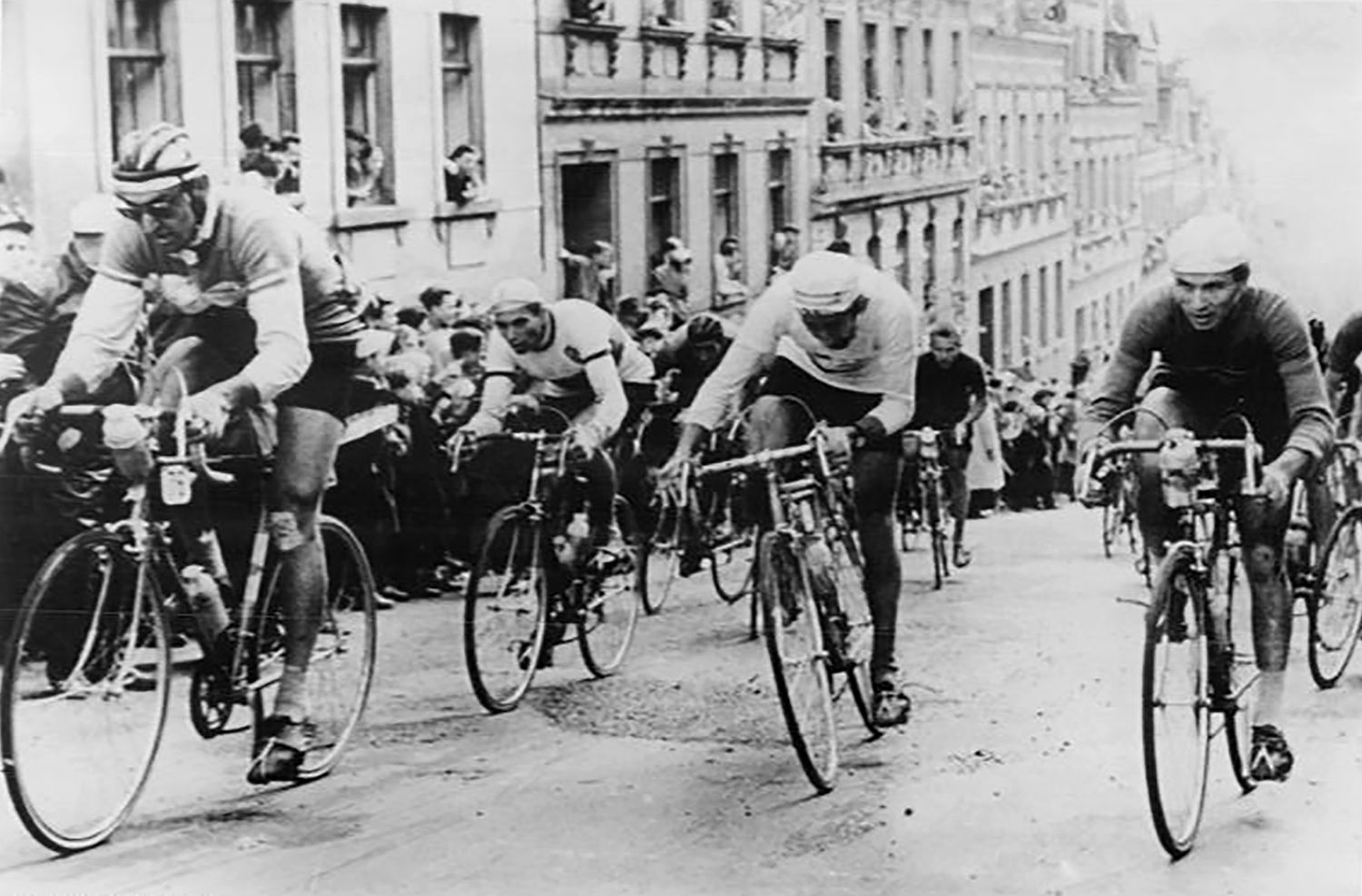
From Berlin to Prague — in the footsteps of the Peace Race part 2
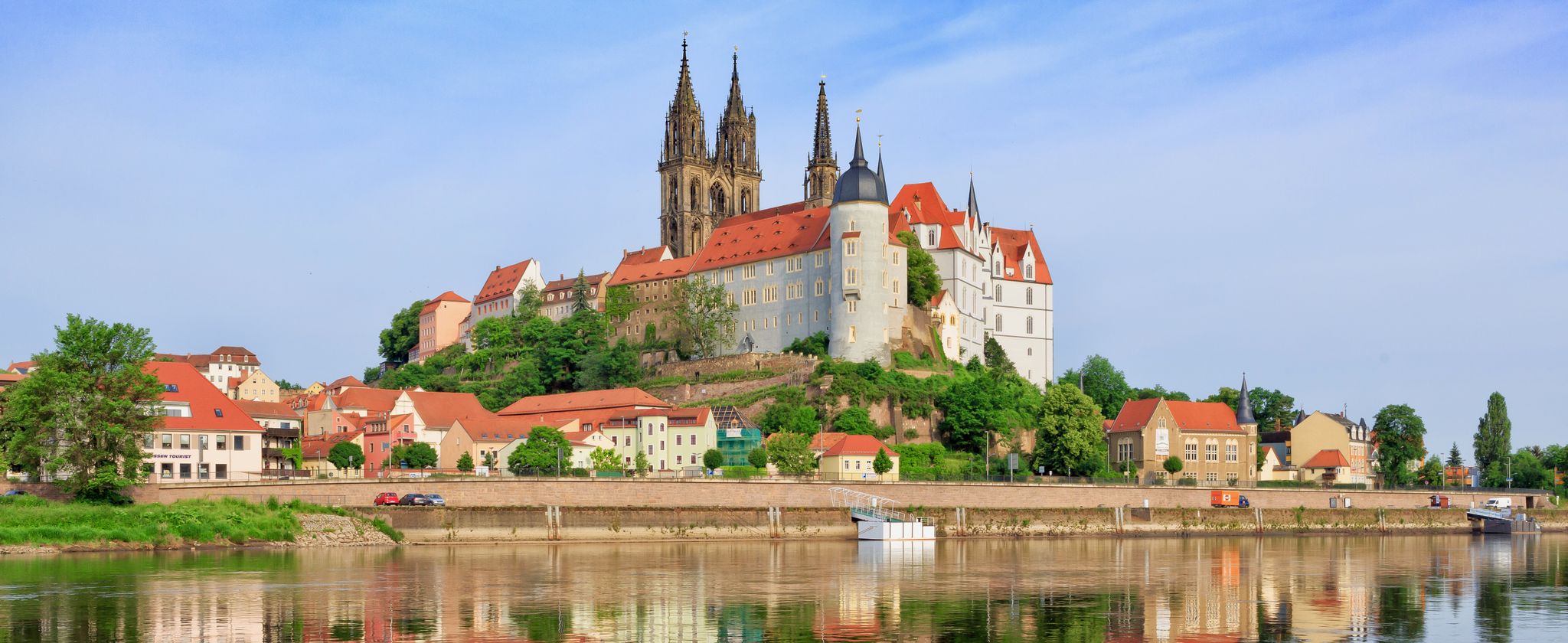
The Elbe Cycle Path — cross-border cycling pleasure

Lake views and fresh air – cycling by the water in the Leipzig region
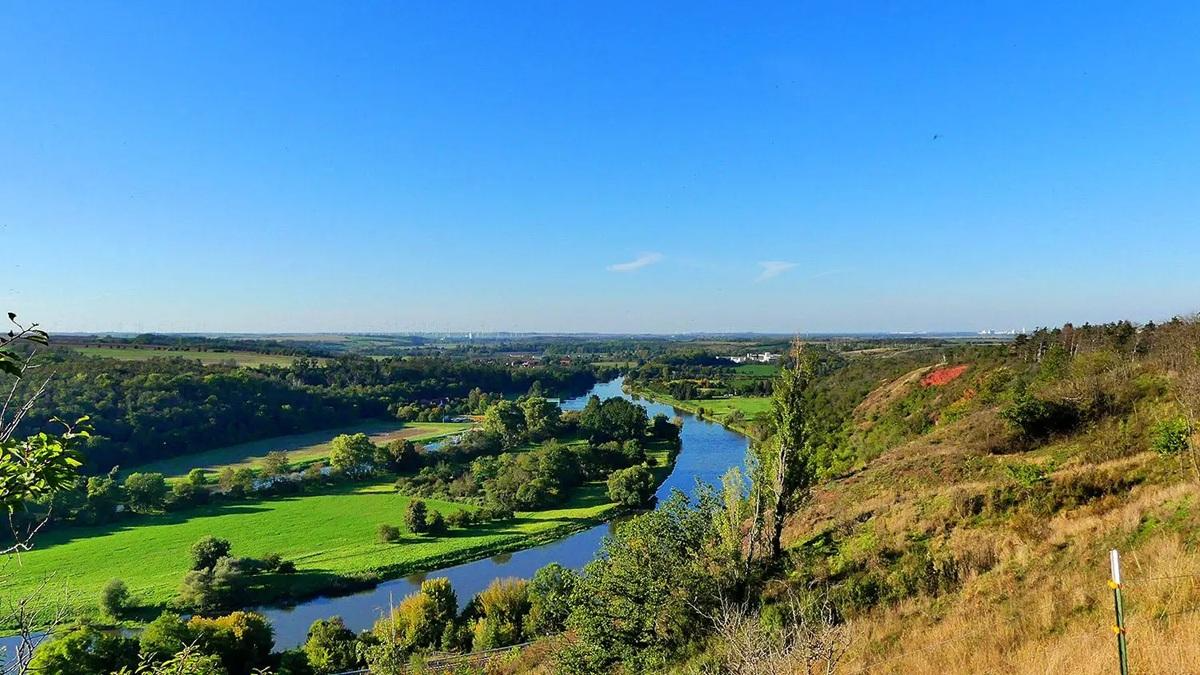
The National Natural Landscapes in Saxony-Anhalt
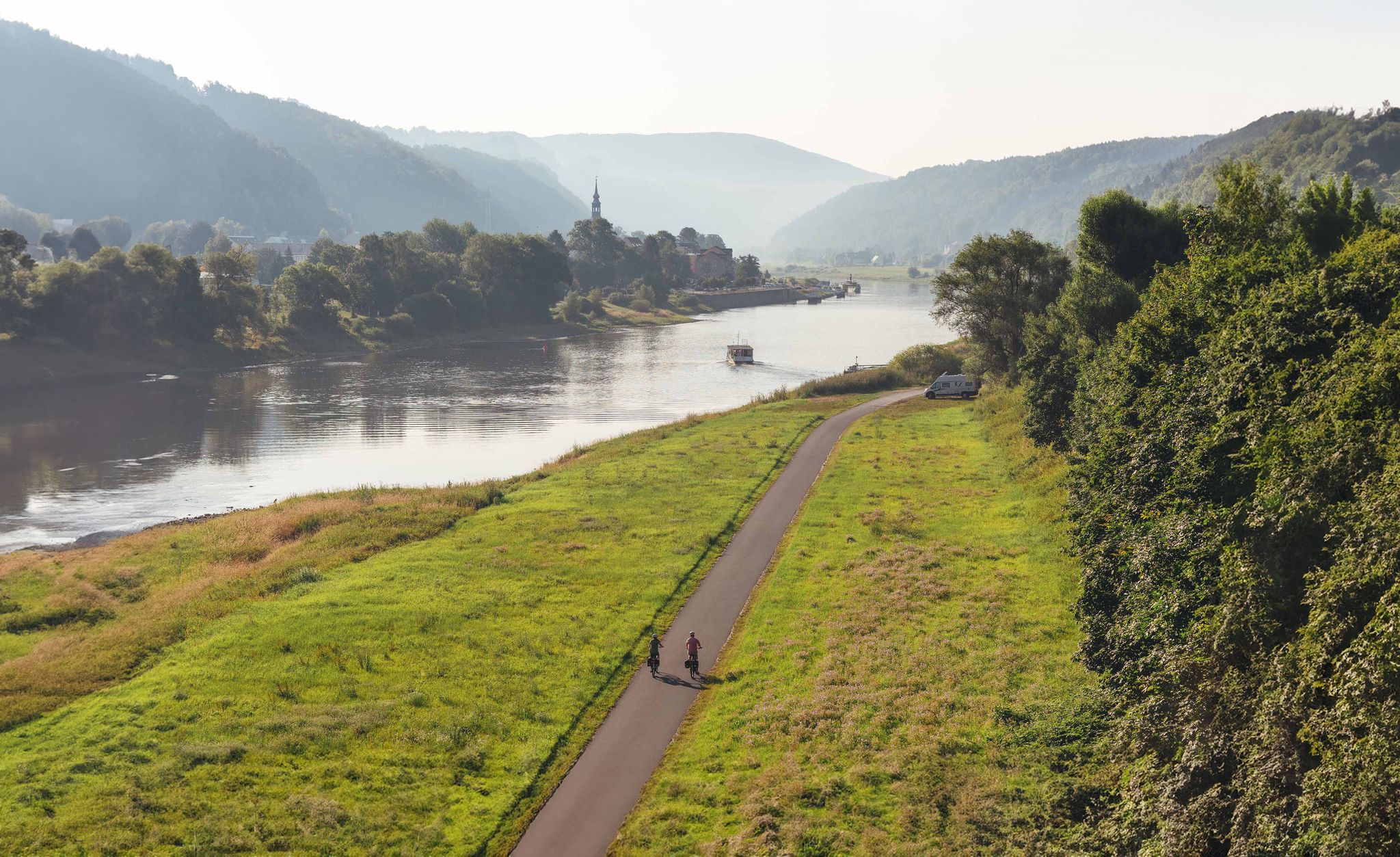
Elbe Cycle Route Classics: between Dessau, Dresden and Bad Schandau
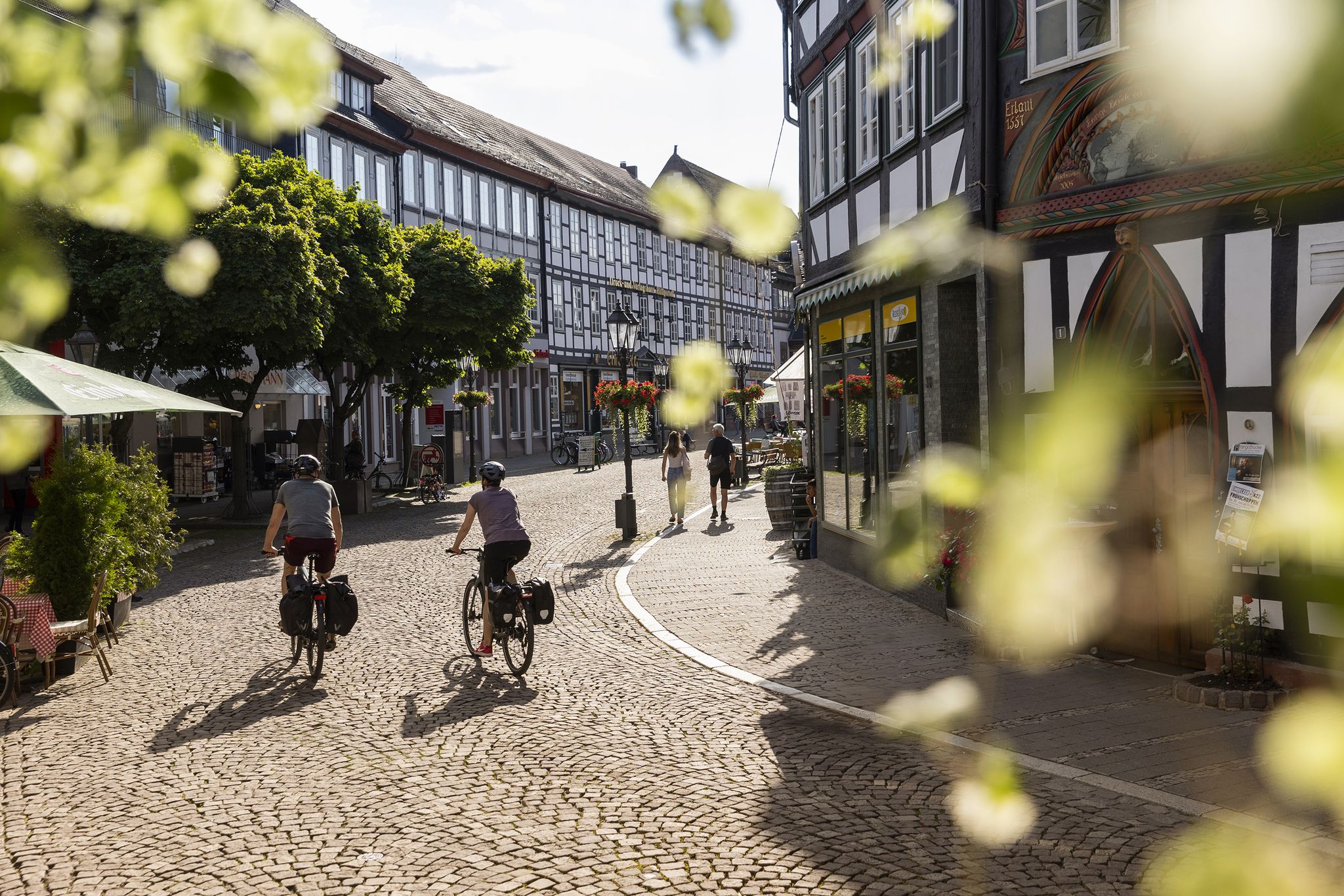
Experience cultural history on D-Route 3 – European Cycle Route R1
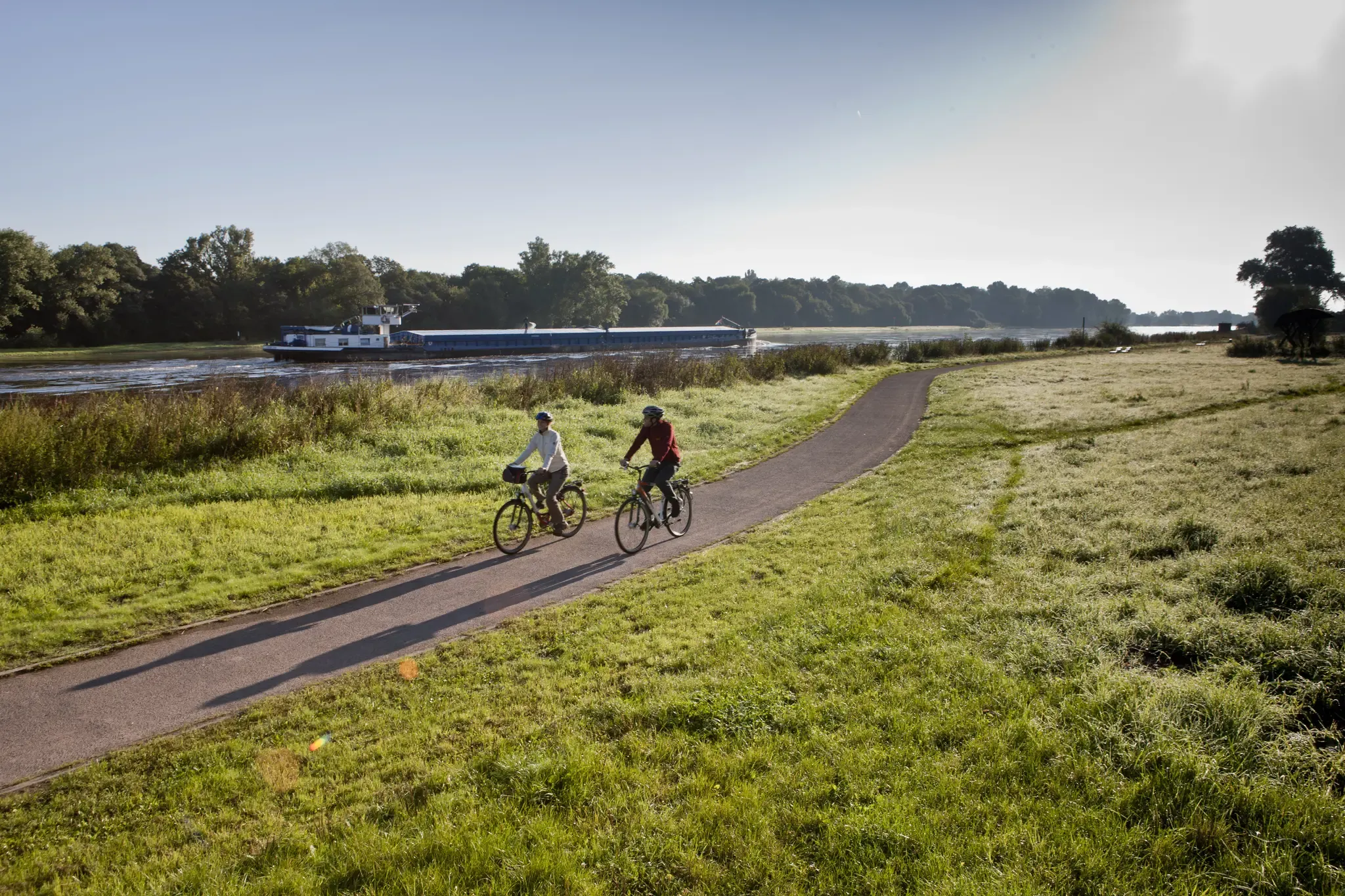
Ride the Elbe Cycle Route through Saxony-Anhalt
#GoFurther – discover the views of Germany!
Other adventures in Wittenberg


Tips from the Community


The Wörlitzer 🏰 was built between 1769 and 1773 by Friedrich Wilhelm von Erdmannsdorff. In the region, it is often referred to as the "Little White House."
21
0

a mystical place in the forest
4
0
Reinharz Moated Castle, nestled in forests, resembles a legendary fairytale castle. The castle park and surrounding water features, with their rare trees, invite you to linger. Heinrich von Löser, Electoral Marshal of Saxony, had this impressive moated castle built between 1690 and 1701, featuring a baroque park, a castle pond, and a brewery pond, to provide appropriate accommodation for the nobility during their hunts in the Düben Heath. Source: https://www.anhalt-dessau-wittenberg.de/staedte-sehenswuerdigkeiten-landschaften/wasserschloss-reinharz
3
0
Burgkemnitz Castle with beautiful park
3
0

Finally, the sanctuary, the center of the Protestant church. Entry to the Castle Church is free. Access to the Castle Tower is available; climb the steep spiral staircase. Admission is €3 with a token, which can be purchased at Wittenberg Information, 40 meters opposite.
1
0

Reinharz Castle and Castle Park Heinrich von Löser, Electorate of Saxony's hereditary marshal, had a representative moated castle with a baroque park, castle pond and brewery pond built between 1690 and 1701 in order to provide appropriate accommodation for the nobles during their hunts in the Düben Heath. Löser based the three-story, horseshoe-shaped building on the annual division: the facade is divided into 365 windows, and the castle has 52 doors and 12 rooms. The 68 m high tower was used as an observatory in the 18th century. Valuable scientific equipment was created in the mechanical-optical workshop, including telescopes, reflecting telescopes and sundials. 15 of these are on display in the Mathematical-Physical Salon of the Dresden Zwinger. The formally designed garden was probably completed in the first half of the 18th century under the direction of Hans von Löser. In 1837, the castle, including the farm buildings and park, was sold to the bourgeois Hertwig family, who had the park landscaped after 1850. The northern embroidery parterre with the strictly axial path system was removed. In addition, a connected meadow area, the "castle meadow", was created with many, sometimes rare, individual trees and groups of trees. Today, they characterize the striking old trees. In the southern section of the park, the main path system has largely been preserved. Between 1947 and 1990, the castle and park were used as a spa complex. The complex has been privately owned since 1998. Source: display board
10
1
The Castle Church is located in the west of the old town of Wittenberg at the end of the Castle Street coming from the market. It is structurally connected to Wittenberg Castle and forms the northern side wing of the castle's three-wing complex, which is open to the east. Access to the church is via its north side. The church is not strictly oriented towards the east. Its longitudinal axis deviates from the east direction by about 14 degrees to the south. Source https://de.wikipedia.org/wiki/Schlosskirche_(Lutherstadt_Wittenberg)
7
0
Frequently Asked Questions
What historical significance do the castles in Wittenberg hold?
Wittenberg's castles are deeply intertwined with the city's history, particularly the Reformation. Wittenberg Castle, with its adjacent Castle Church, is a UNESCO World Heritage Site where Martin Luther famously posted his 95 theses. The castle itself was once a residence of Saxon electors and showcases German Renaissance architecture. Other sites like the Cranach-Höfe also offer insights into the Renaissance and the life of Lucas Cranach the Elder.
Which castles are particularly family-friendly in Wittenberg?
Many castles in Wittenberg are suitable for families. Wittenberg Castle and the Castle Church offer engaging historical experiences. Further afield, Wörlitz Castle and Mosigkau Palace and Gardens are also listed as family-friendly, providing beautiful grounds and historical insights for all ages.
Are there any castles near Wittenberg that offer unique architectural styles?
Yes, Wörlitz Castle stands out as the first classical castle in Germany, built between 1769 and 1773. Its fully preserved interior reflects Prince Franz's travels and the art of antiquity. Wittenberg Castle itself is a magnificent example of German Renaissance architecture, especially after its significant renovations.
What outdoor activities can I do near the castles in Wittenberg?
The region around Wittenberg's castles offers various outdoor activities. You can find numerous routes for running, road cycling, and gravel biking. For example, there are moderate to difficult running trails around Ludwigsee and Lake Goitzsche. Road cyclists can explore routes like the 'Großer Goitzschesee loop' from Bitterfeld, and gravel bikers have options such as the 'View of Neuhauser Lake – View of Lake Goitzsche loop'. You can find more details on these activities in the Running Trails in Wittenberg, Road Cycling Routes in Wittenberg, and Gravel biking in Wittenberg guides.
Where can I find good viewpoints around Wittenberg's castles?
Climbing the tower of Wittenberg Castle offers a unique view over Wittenberg and the surrounding nature parks. The Castle Church tower, with its 88-meter height, also provides extensive views and can be seen from afar.
Are there any lesser-known castles worth visiting near Wittenberg?
Beyond the main attractions, you might consider Pretzsch Castle, which is a charming castle with a cafe. Another option is Klöden Castle, which features a restaurant and a museum, including a 'Hexenkeller' (Witches' Cellar) with free entry, offering a glimpse into local history.
What is the best time of year to visit the castles in Wittenberg?
The spring and autumn months generally offer pleasant weather for exploring the castles and their surroundings. During these seasons, the temperatures are mild, and the natural landscapes are particularly scenic. Visiting in winter can also be charming, especially if you enjoy fewer crowds, but some outdoor activities might be limited by weather conditions.
Are there cafes or restaurants near the castles in Wittenberg?
Yes, you'll find dining options near several castles. Pretzsch Castle has a cafe. Klöden Castle features a recommended restaurant and a small beer garden in its courtyard. The Cranach-Höfe also include a café and hostelry, inviting visitors to linger.
What can I expect to see at the Cranach-Höfe in Wittenberg?
The Cranach-Höfe are historically significant properties that were the residences and workshops of artist Lucas Cranach the Elder. You can explore the permanent exhibition 'Cranachs Welt' (Cranach's World) at Markt 4, offering insights into the family's life and work. At Schlossstraße 1, you can see a historical printing press, providing a look into old printing techniques. These sites are considered architecturally interesting Renaissance monuments.
What are some notable natural features or parks near Wittenberg's castles?
While the castles themselves are historical monuments, the region offers natural beauty. Climbing the tower of Wittenberg Castle provides views over surrounding nature parks. Additionally, Reinharz Moated Castle is situated near a lake, offering a scenic setting. The Wörlitz Garden Realm, home to Wörlitz Castle, is a UNESCO World Heritage site known for its extensive landscaped parks.
Is it possible to visit Wittenberg Castle and the Castle Church on the same day?
Yes, Wittenberg Castle and the Castle Church are adjacent and historically connected, making it very convenient to visit both on the same day. The Castle Church originally formed a wing of the castle, and the renovated castle now serves as a meeting and information center for visitors to both sites.
Most popular routes in Wittenberg
Most popular attractions in Wittenberg

Get inspired with the komoot mobile app


Didn’t find what you were looking for?
Explore Wittenberg’s best castles region by region:
Explore more
Looking for the best castles somewhere else? Discover other guides in Wittenberg:
