Top 20 Castles in the Lahntal
Best castles in the Lahntal region of Germany offer a journey through centuries of history and architectural evolution. Many of these structures are strategically positioned on basalt rocks or steep river banks, providing commanding views of the Lahn River and surrounding landscapes. The region's castles range from medieval fortresses to neo-Gothic palaces, reflecting diverse historical periods. They represent significant cultural landmarks within the natural setting of the Lahn valley.
Best castles in the Lahntal
- The most popular castles is Braunfels…
Last updated: July 6, 2026
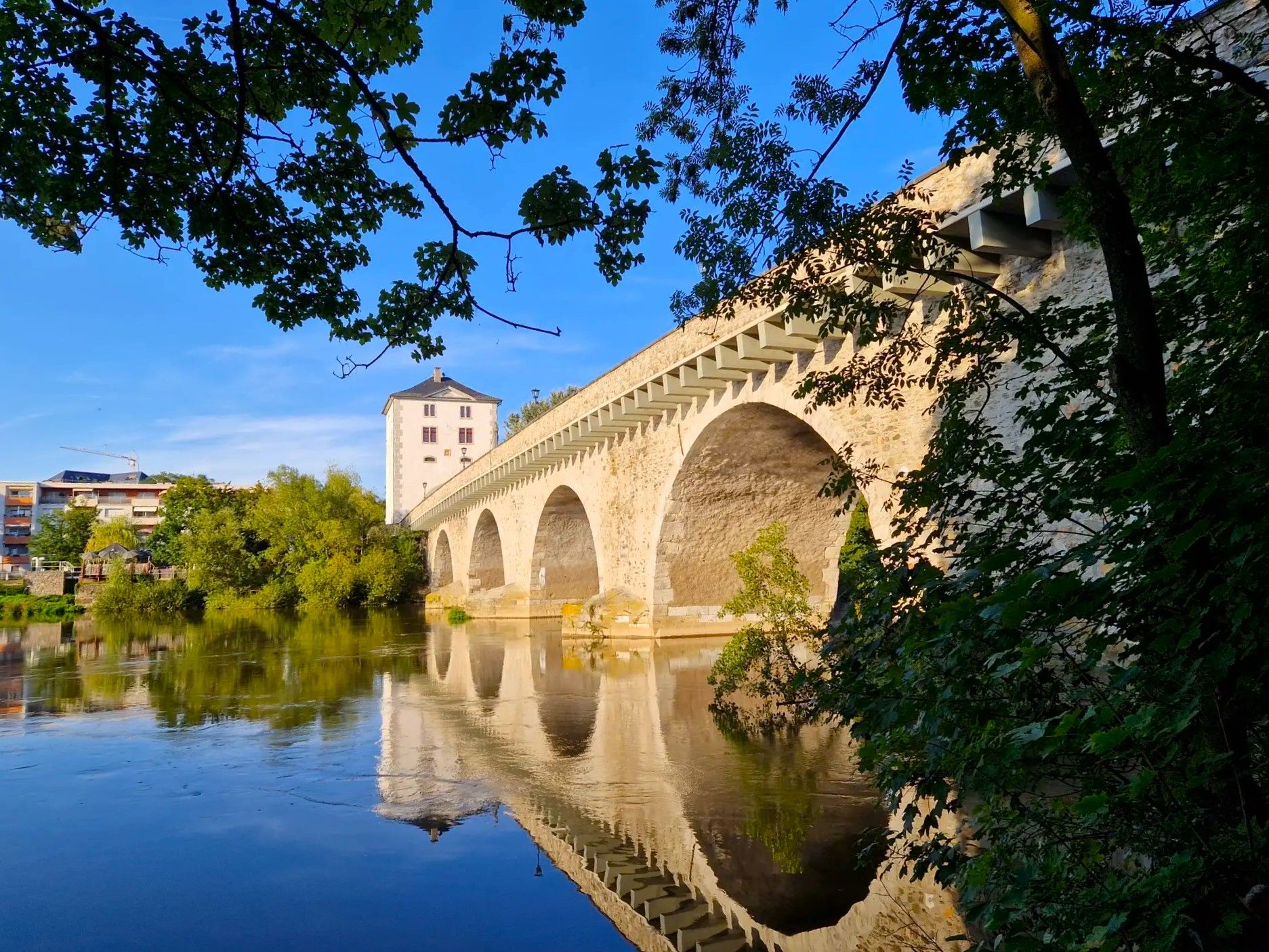
Old Lahn bridge with castle view
Highlight • Bridge
Translated by Google •
Tip by

View of Marburg Castle and the Old Town
Highlight • Viewpoint
Showing Translation
Tip by

Sign up now to discover places like this
Get recommendations on the best single tracks, peaks, & plenty of other exciting outdoor places.
Sign up for free
View of Stolzenfels Castle
Highlight • Viewpoint
Translated by Google •
Tip by

Old Lahn Bridge, Diez
Highlight • Bridge
!! Attention when driving over !! The white lines mark an edge that is easily overlooked in backlight or dusk. As a cyclist, you can quickly stumble here (own experience).
Translated by Google •
Tip by

View of the Lahn River, Allerheiligenberg Monastery, and Lahneck Castle
Highlight • Viewpoint
Translated by Google •
Tip by

View of Balduinstein
Highlight • Viewpoint
Translated by Google •
Tip by

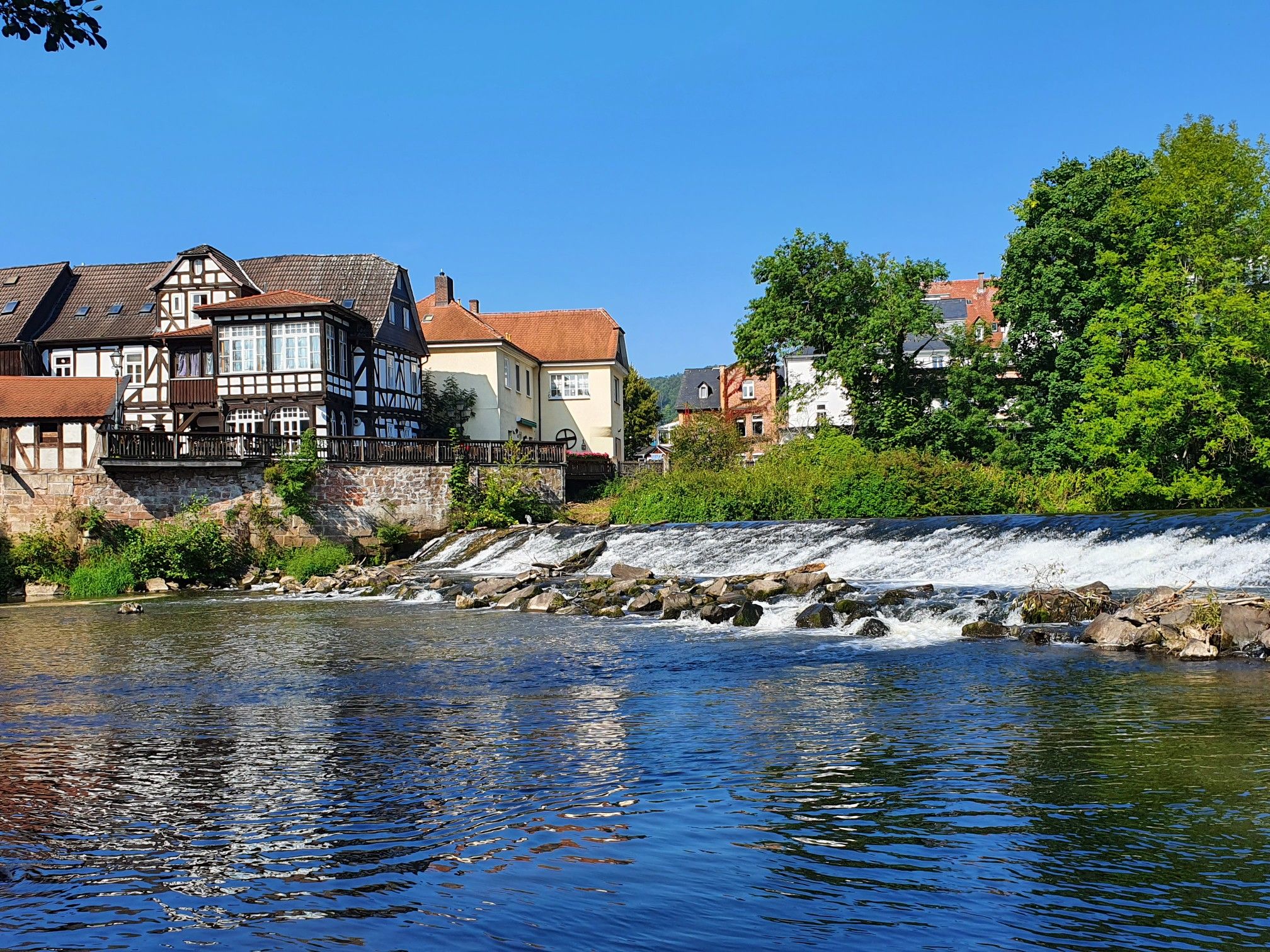
View of the Grüner Wehr and Marburg Castle
Highlight • Viewpoint
Translated by Google •
Tip by

Landgrave's Castle, Marburg
Highlight • Castle
Showing Translation
Tip by

Runkel Castle
Highlight • Castle
Translated by Google •
Tip by

Braunfels Market Square
Highlight • Historical Site
Translated by Google •
Tip by

Sign up for free to discover even more castles in the Lahntal.
Sign up for free
Already have an account?
Start today with a free account
Your next adventure awaits.
Login or Signup
Popular around Lahntal
Lahnwanderweg Trail – The Lahn from its source to the estuary
11 Hessen trails – criss-cross through the countryside
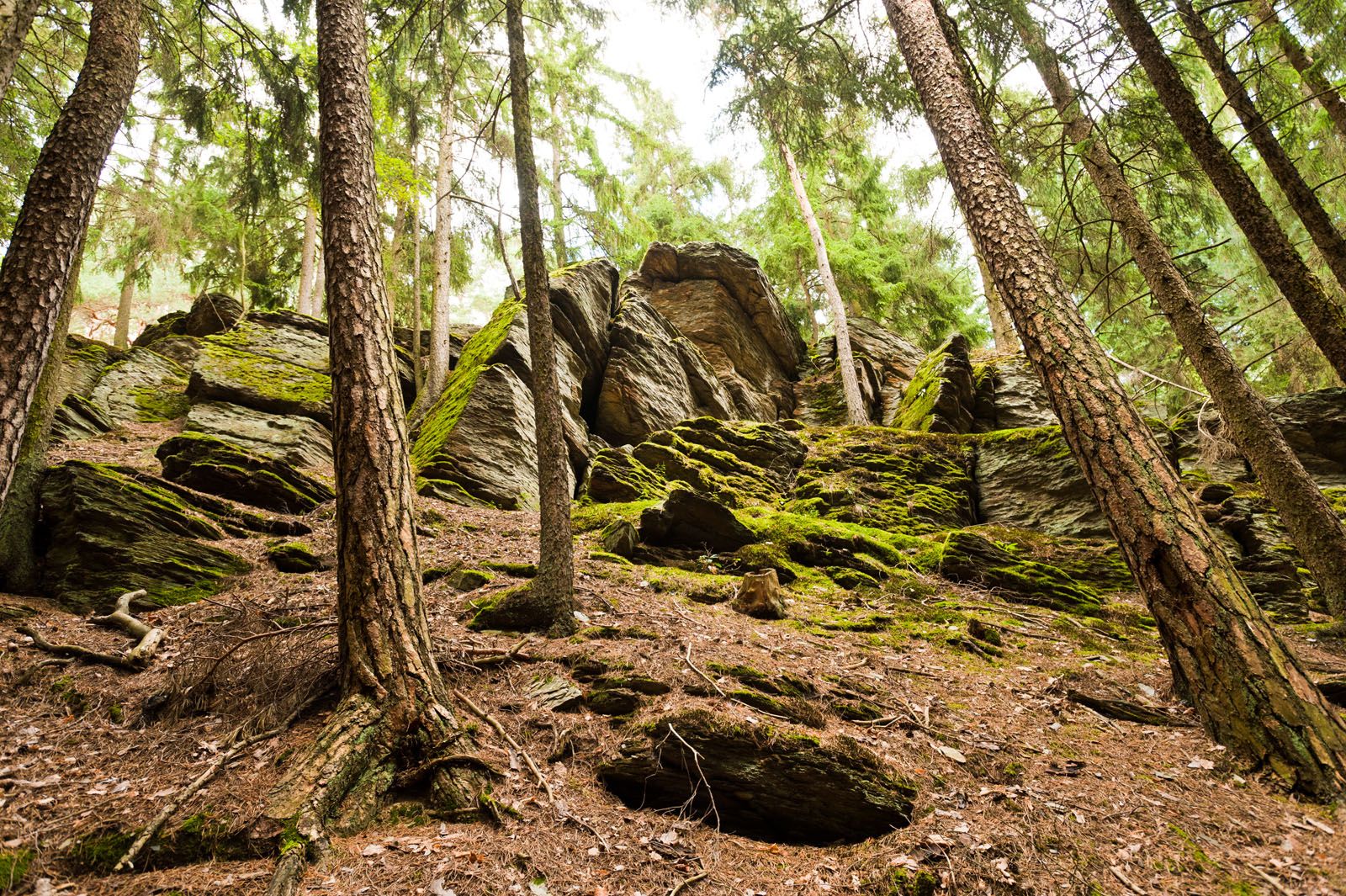
Lahn-Dill-Bergland-Pfad – Hiking trail
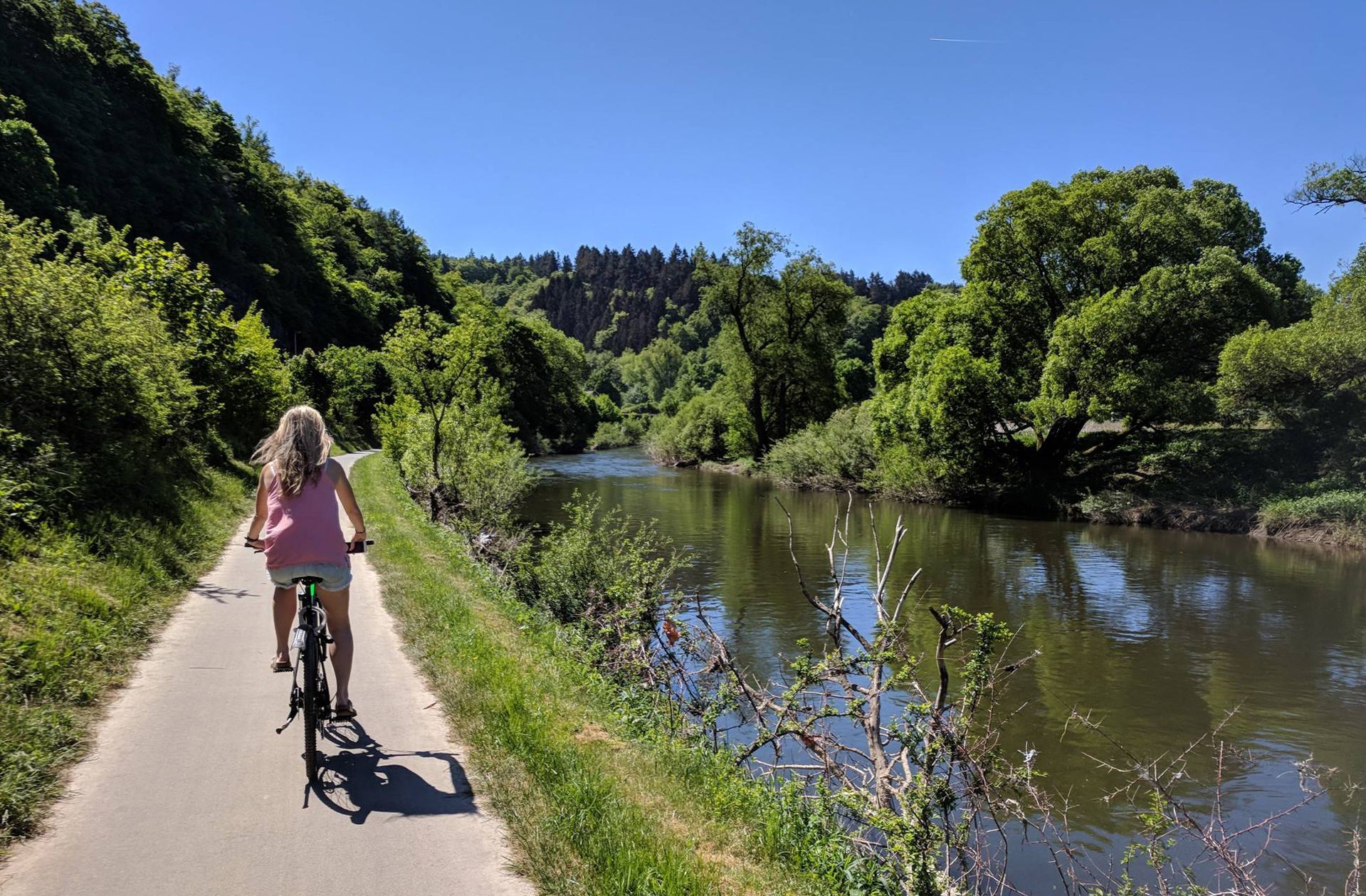
Lahn Cycle Path — from the Rothaar Mountains to the Rhine
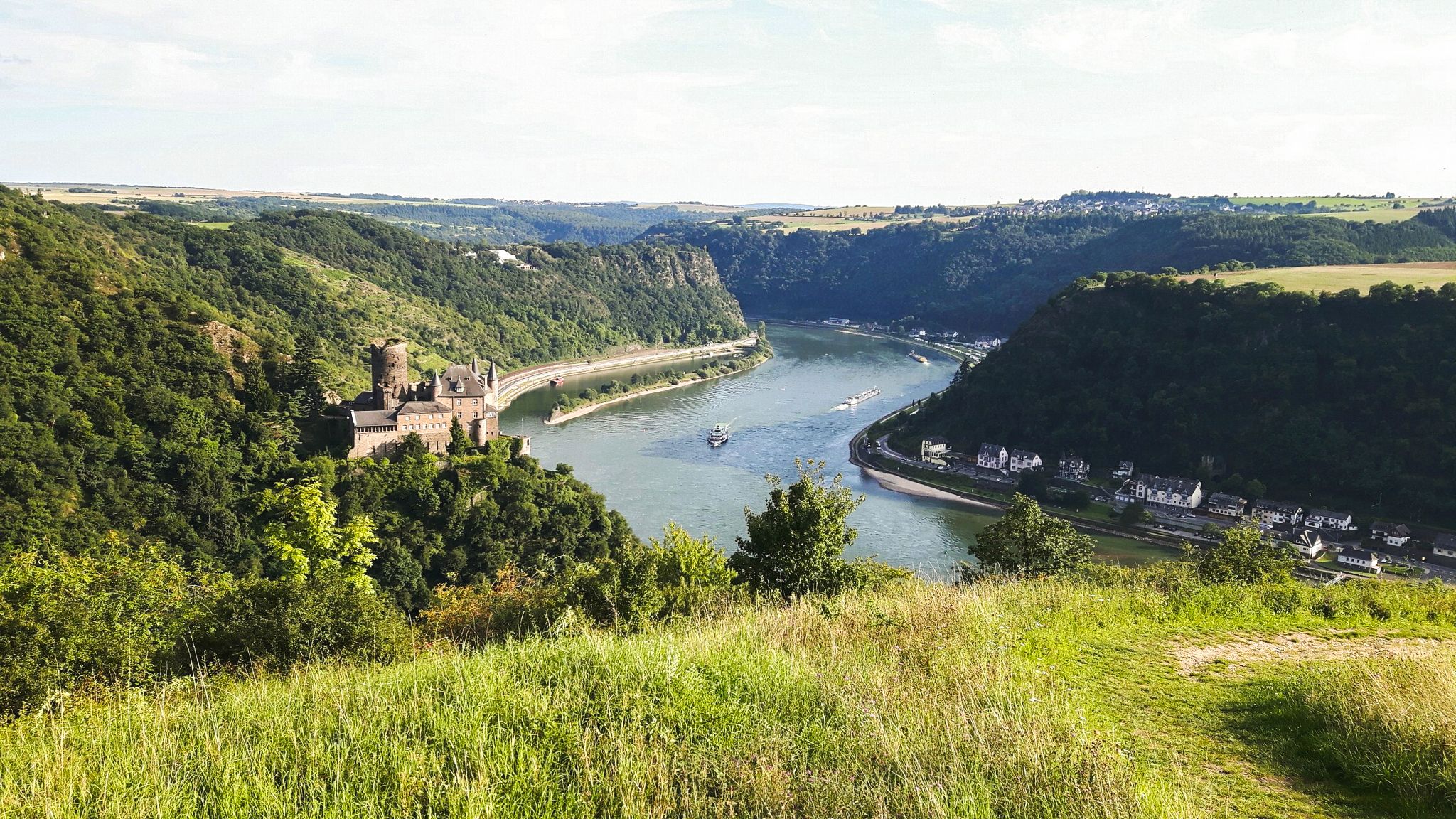
Rheinsteig Trail – The 21 stages along the Rhine
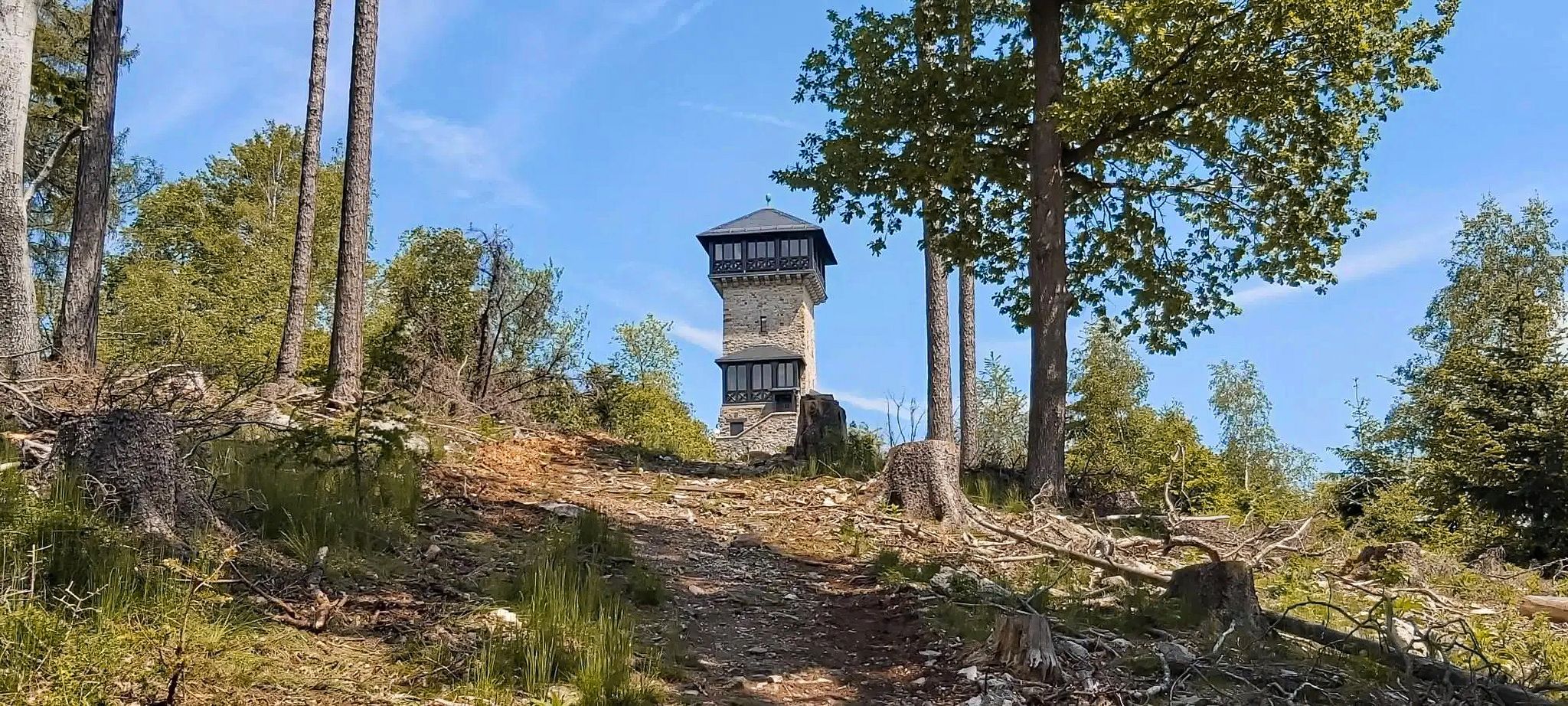
Autumn views: to the most beautiful vantage points in the RMV area
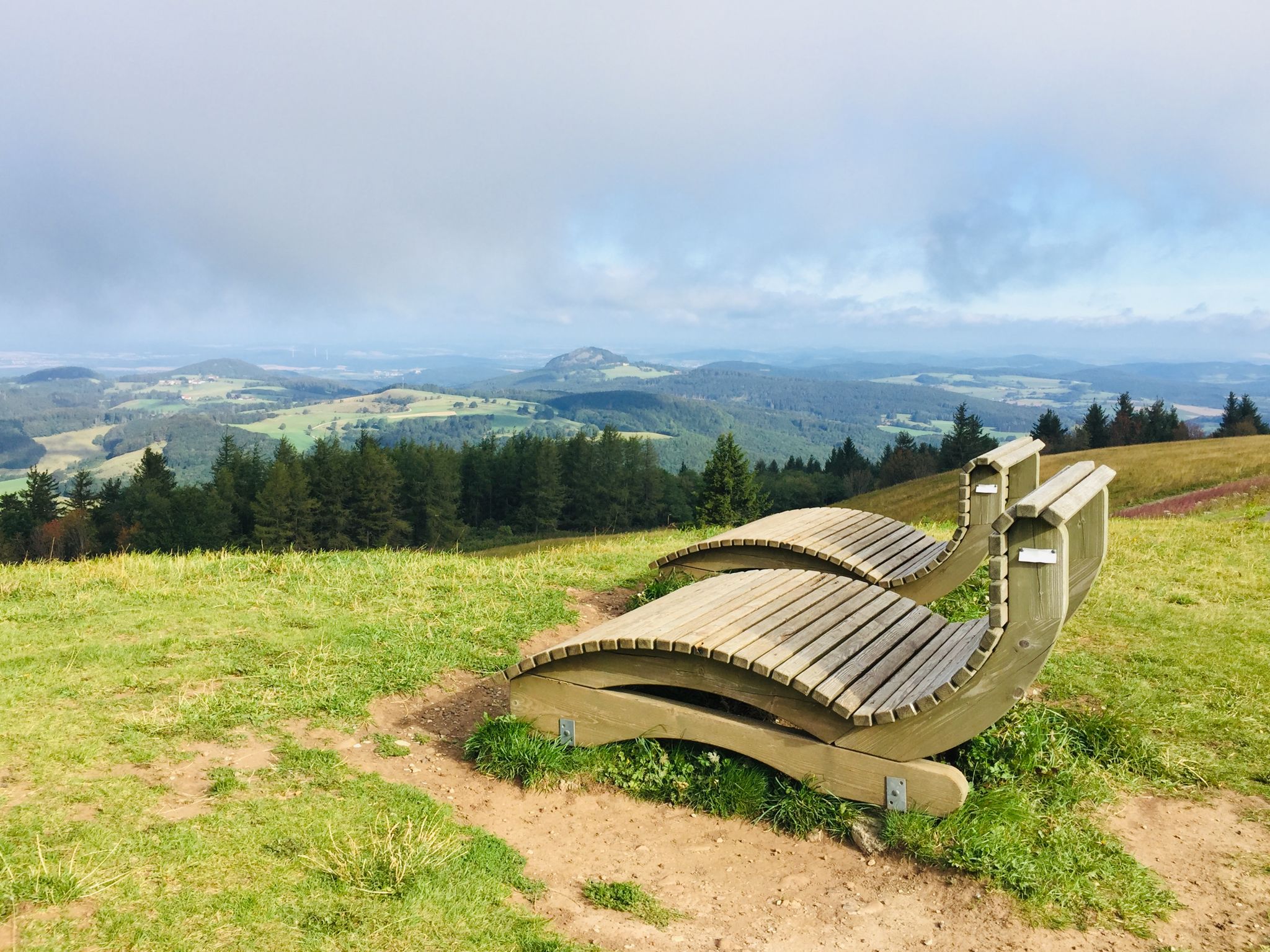
The National Natural Landscapes in Hessen
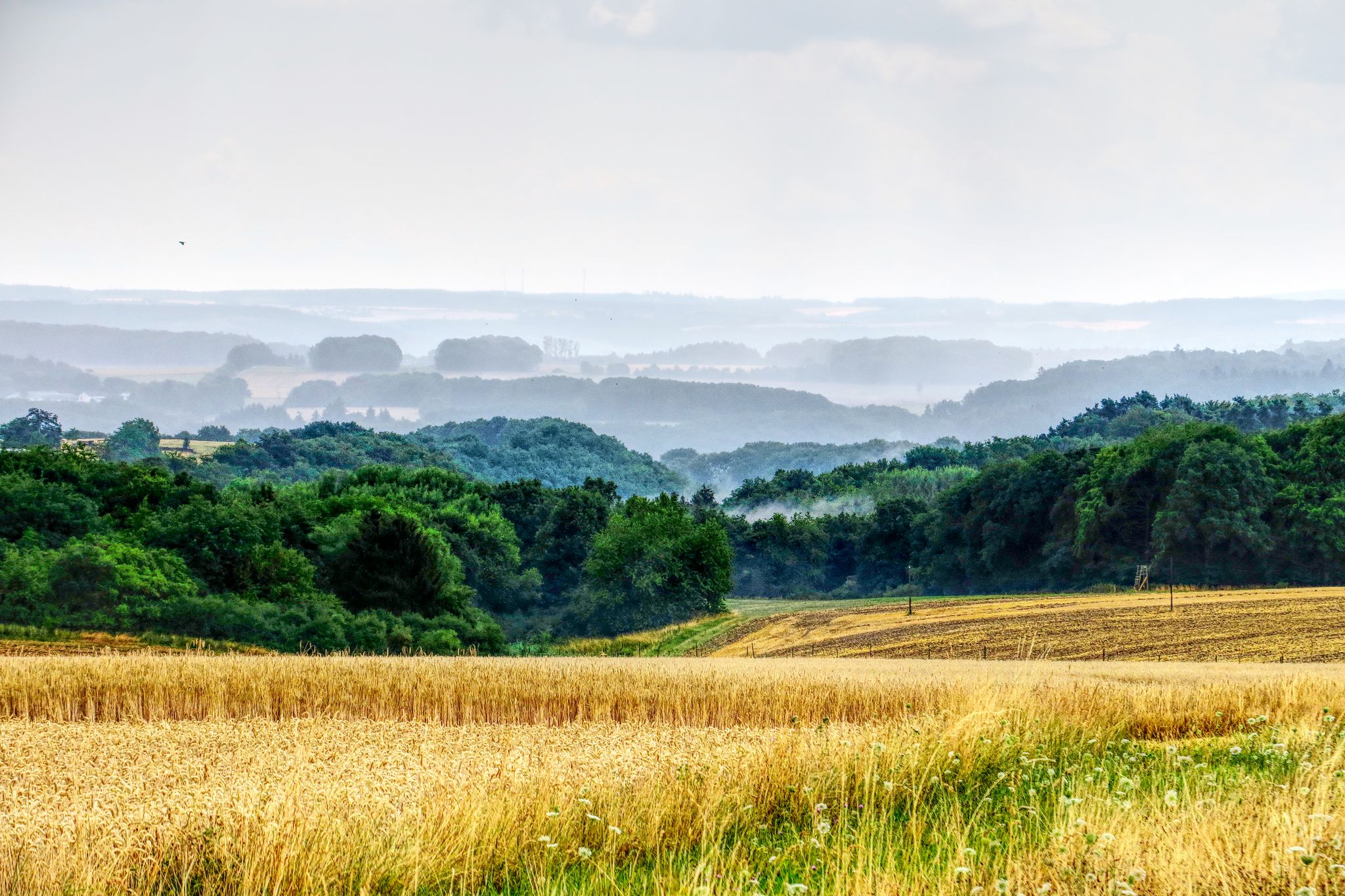
The National Natural Landscapes in Rheinland-Pfalz
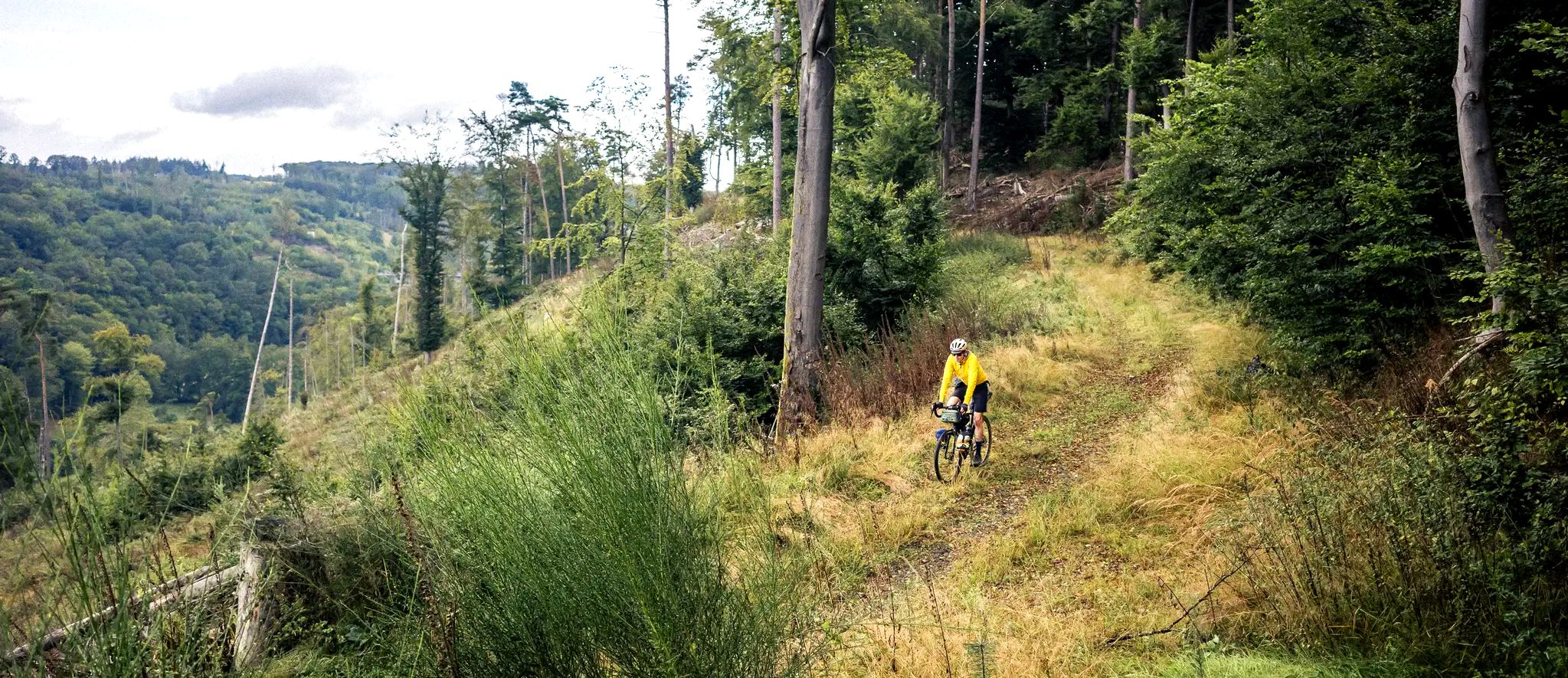
Forests, valleys and picturesque villages – the Westerwald by gravel bike
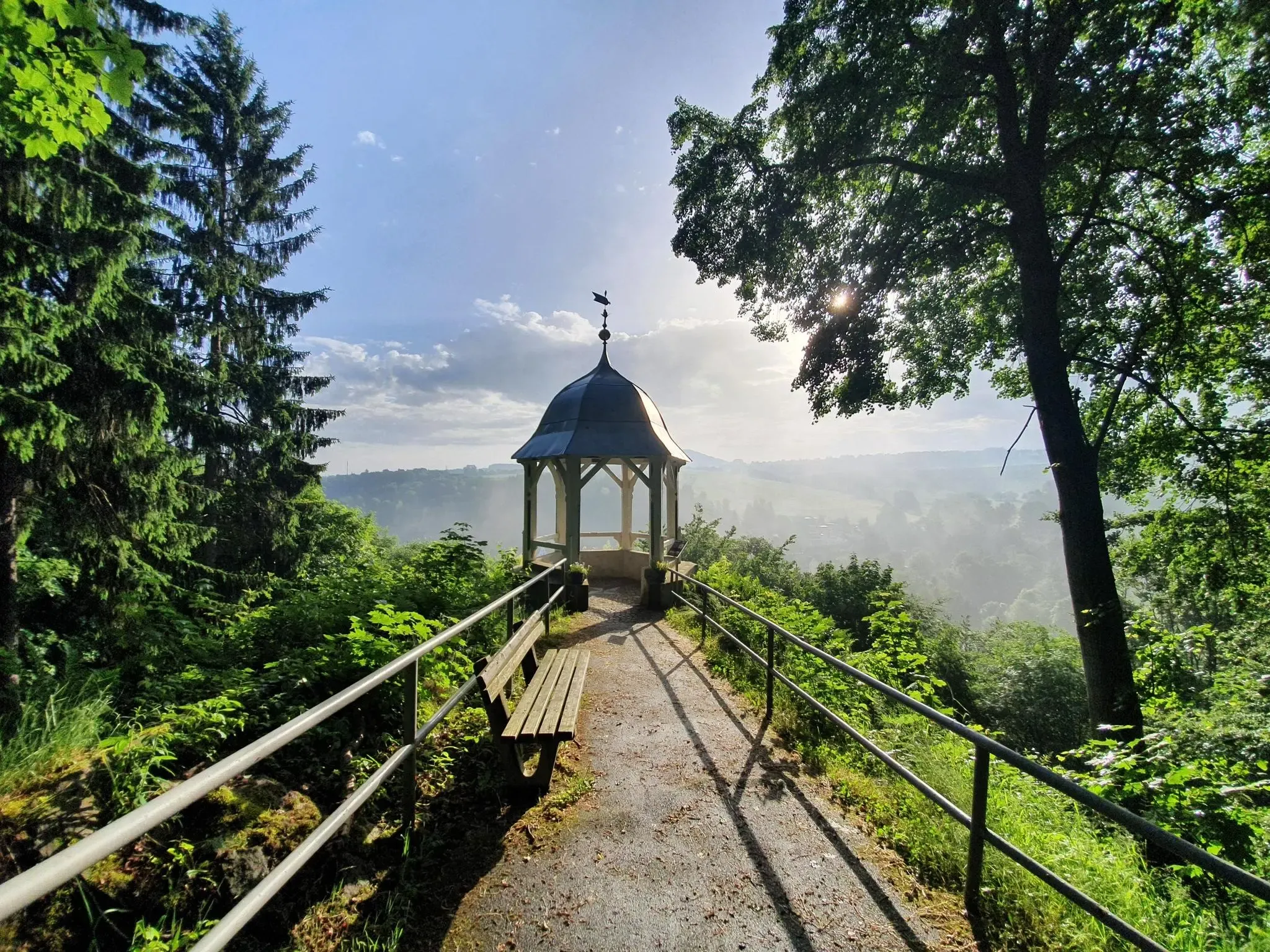
#GoFurther – discover the views of Germany!
Other adventures in the Lahntal


Tips from the Community

From the Lahn you can get a view of the castle and the old town of Marburg. Hopefully, this will make you want to take a closer look at the alleys and half-timbered houses of this beautiful city.
0
0

The Lahn rises at the Lahntopf near Lahnhof in the southeastern Rothaar Mountains at an altitude of 625 m and flows into the Rhine in Lahnstein at an altitude of about 69 m at Rhine kilometer 585.7. The right or eastern tributary of the Rhine has a length of 245.6 km.
1
0

Our beautiful Marburg Castle is beautiful in every season and in every weather, but especially now in summer it is a great pleasure to walk around the castle and enjoy the view of the castle, the old town with the parish church, the Elisabeth Church, the Lahn Mountains with the Spiegelslust Tower and the surrounding countryside.
15
0
From the "Hirsefeldsteg" you have a wonderful view of the "Green Weir", the beautiful old houses on the Lahn and the old town with the castle. I am still happy every time I am here that the weir was not spoiled by concrete a few years ago.
6
0

Stolzenfels Castle is a feast for the eyes.
1
0

A visit to this new palace and its gardens is also well worth it.
1
0
From here you have a wonderful view of the Lahn, the beautiful houses on the Lahn and Marburg Castle. There was a bitter fight over the "Green Weir" several years ago because the weir was to be renovated with a lot of concrete and provided with boat steps and the like. Some of the trees and bushes on the bank should also have given way. It's good that it didn't turn out that way and that the many signatures were of some use!!! The “small repair” was completely sufficient. The old "Hirsefeld - Steg" was also repaired a few years ago. In my opinion this worked well.
10
0

A very nice weir on the Lahn. There are many opportunities for a rest here
9
0
Frequently Asked Questions
What kind of historical significance do the castles in the Lahntal hold?
The castles in the Lahntal region offer a deep dive into centuries of history. Many, like Marburg Landgrave's Castle, served as royal seats and hosted pivotal historical events. Others, such as Braunfels Castle, have been continuously inhabited by noble families for over 800 years, evolving from defensive fortresses to magnificent palaces. You'll find structures ranging from medieval strongholds like Runkel Castle to 19th-century Gothic Revival masterpieces like Stolzenfels Castle, each telling a unique story of architectural evolution and regional power.
Are there family-friendly castles or activities for children in the Lahntal?
Yes, many castles in the Lahntal are suitable for families. Braunfels Castle offers engaging castle tours that bring history to life, including a Knight's Hall. The tips for Braunfels Market Square also mention it as a family-friendly spot with cafes. Additionally, many viewpoints like Old Lahn bridge with castle view and View of Stolzenfels Castle are categorized as family-friendly, offering accessible scenic spots.
What outdoor activities can I do near the castles in the Lahntal?
The Lahntal region is excellent for outdoor activities. You can find numerous hiking and cycling routes that often pass by or offer views of the castles. For instance, there are several hiking trails like the 'Two Castles Tour' or the 'Postal Robbery Route' in the Hiking in the Lahntal guide. If you prefer easier walks, the Easy hikes in the Lahntal guide includes routes like the 'Vetzberg Castle Ruins' loop. For cyclists, the Road Cycling Routes in the Lahntal guide offers scenic rides, such as the 'Old Lahn Bridge' loop.
Where can I find the best scenic viewpoints of the castles and the Lahn River?
The Lahntal is rich with scenic viewpoints. For a classic perspective, the Old Lahn bridge with castle view offers a great vantage point of Runkel Castle. You can also get an impressive view of Marburg Landgrave's Castle and the old town from the View of Marburg Castle and the Old Town. For Stolzenfels Castle, the dedicated View of Stolzenfels Castle highlight provides a clear perspective of its powerful presence over the Rhine.
What is the best time of year to visit the castles in the Lahntal?
While castles can be visited year-round, spring and autumn are particularly recommended. Spring offers pleasant temperatures and blooming landscapes, while autumn provides stunning foliage, especially along the Lahn River, enhancing the romantic appeal of the castles. Many castles, like Braunfels Castle, are still inhabited or have museums, making them suitable for visits even on cooler days.
Are there any less-known or 'hidden gem' castles worth exploring?
While not entirely hidden, Dianaburg is a charming former hunting lodge of Prince Ferdinand von Solms-Braunfels. It's described as very idyllic and well-preserved, standing somewhat in the middle of nowhere. Although not always accessible inside, its picturesque setting in the forest makes it a unique discovery for those looking beyond the most prominent castles.
What kind of architectural styles can I expect to see among the Lahntal castles?
The castles in the Lahntal showcase a diverse range of architectural styles, reflecting their long histories. You'll find original 13th-century defensive fortresses, Gothic complexes with Renaissance extensions like Marburg Landgrave's Castle, and raw medieval strongholds such as Runkel Castle. There are also striking examples of 19th-century Gothic Revival, like Stolzenfels Castle, which was rebuilt as a royal summer residence, and neo-Gothic elements in castles like Lahneck Castle.
What do visitors enjoy most about the castles in the Lahntal?
Visitors frequently praise the fairytale-like appearance of castles such as Braunfels Castle, noting its romantic atmosphere and interesting guided tours. The historical significance and well-preserved nature of these sites are also highly appreciated. Many enjoy the stunning views from castle ramparts or nearby viewpoints, especially those overlooking the Lahn and Rhine rivers, and the opportunity to combine castle visits with hiking or cycling along the river.
Can I visit castles that are still inhabited or have museums?
Yes, you can. Braunfels Castle is a prime example, continuously owned by the same noble family for over 800 years and still inhabited. It features a museum, a Knight's Hall, and extensive collections. Marburg Landgrave's Castle also functions as a cultural education center with a museum offering tours of its historic rooms and exhibitions.
Are there any castles that offer unique architectural features?
Lahneck Castle stands out with its rare pentagon-shaped bergfried (central keep), which is over 30 meters high. This unique design is not commonly found in German castles. Marburg Landgrave's Castle also features the Fürstensaal (Princes' Hall), renowned as one of Germany's largest Gothic secular halls, and transparent floor sections revealing earlier structures.
How long should I plan for a visit to a Lahntal castle?
The duration of a visit can vary depending on the castle and your interest. For a comprehensive experience including a guided tour and exploring museum collections, such as at Braunfels Castle or Marburg Landgrave's Castle, you might want to allocate 2-3 hours. For smaller castles or those primarily offering exterior views and ramparts, like Runkel Castle, 1-2 hours might suffice. Many visitors combine castle visits with exploring nearby towns or hiking trails.
Most popular routes in the Lahntal
Most popular attractions in the Lahntal

Get inspired with the komoot mobile app


Didn’t find what you were looking for?
Explore Lahntal’s best castles region by region:
Explore more
Looking for the best castles somewhere else? Discover other guides in the Lahntal:
