Attractions and Places To See around Landkreis Weimarer Land - Top 20
Best attractions and places to see around Landkreis Weimarer Land include a blend of historical landmarks, natural features, and cultural sites. This district in Thuringia, Germany, is characterized by its rich history, diverse landscapes, and cultural heritage. The region encompasses the scenic Ilm Valley, parts of the Thuringian Forest Hills, and the Saale-Unstrut wine region. Visitors can explore castles, museums, and natural monuments, reflecting the area's historical and geographical significance.
Best attractions and places to see around Landkreis Weimarer Land
…Last updated: October 9, 2026
Vines on the Saalberge
Highlight • Natural
Showing Translation
Tip by

Kunitz House Bridge
Highlight • Bridge
Translated by Google •
Tip by

Sign up now to discover places like this
Get recommendations on the best single tracks, peaks, & plenty of other exciting outdoor places.
Krämerbrücke, Erfurt
Highlight • Bridge
Translated by Google •
Tip by

Erfurt Fish Market
Highlight • Historical Site
Translated by Google •
Tip by
Fuchsturm, Jena
Highlight • Monument
Translated by Google •
Tip by

Sign up for free to discover even more attractions around Landkreis Weimarer Land.
Already have an account?
Start today with a free account
Your next adventure awaits.
Popular around Landkreis Weimarer Land
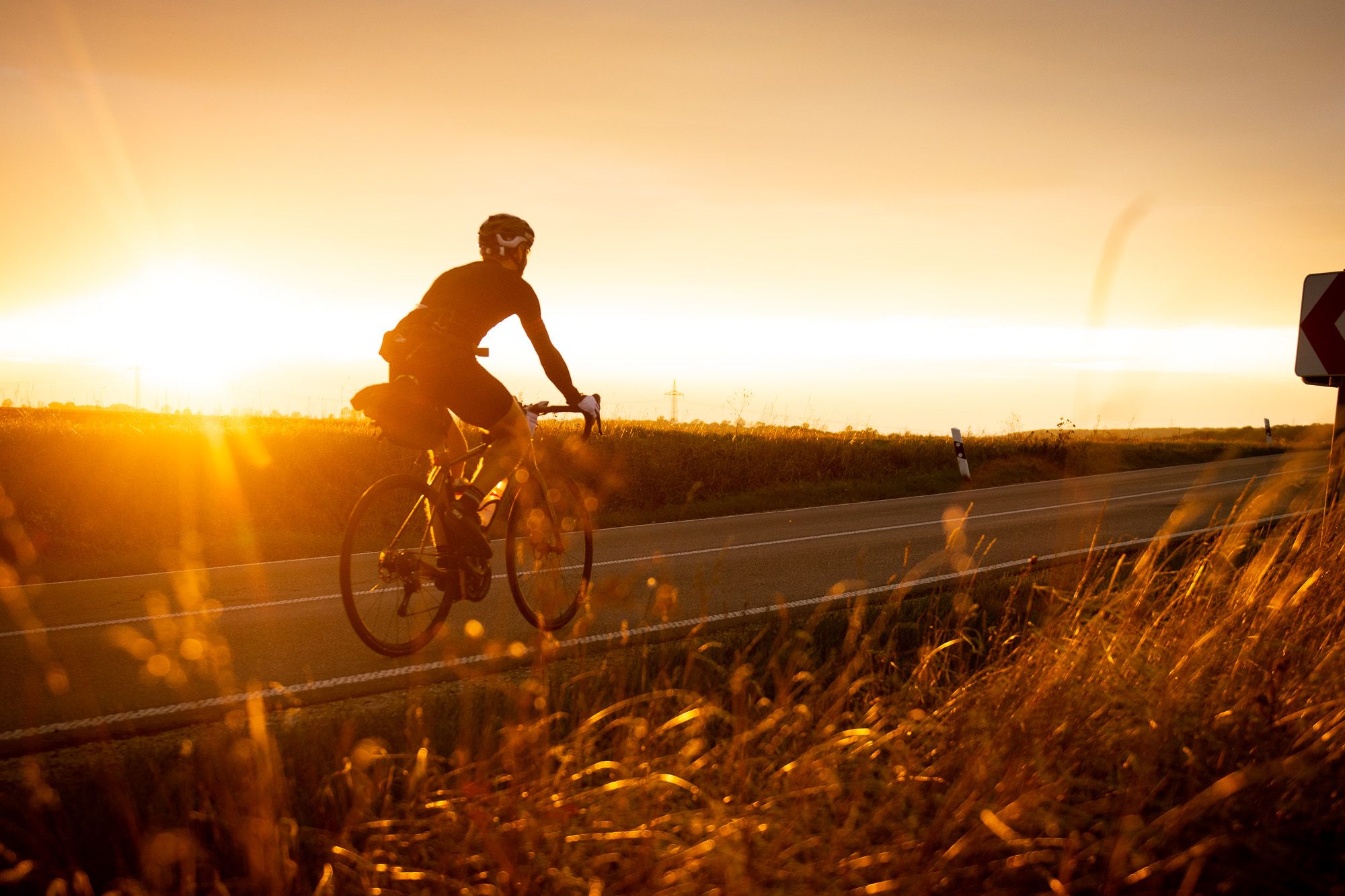
Around Thuringia — 7 stages through Germany's green heart
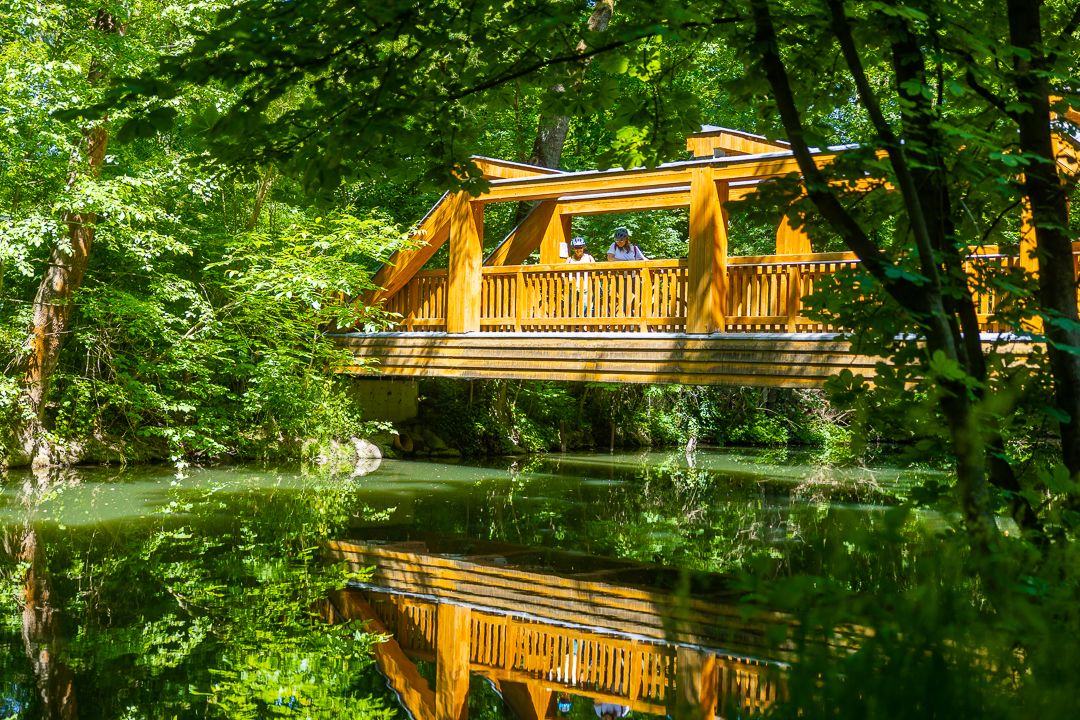
Ilm Valley cycle path – 4 stages through Thuringia
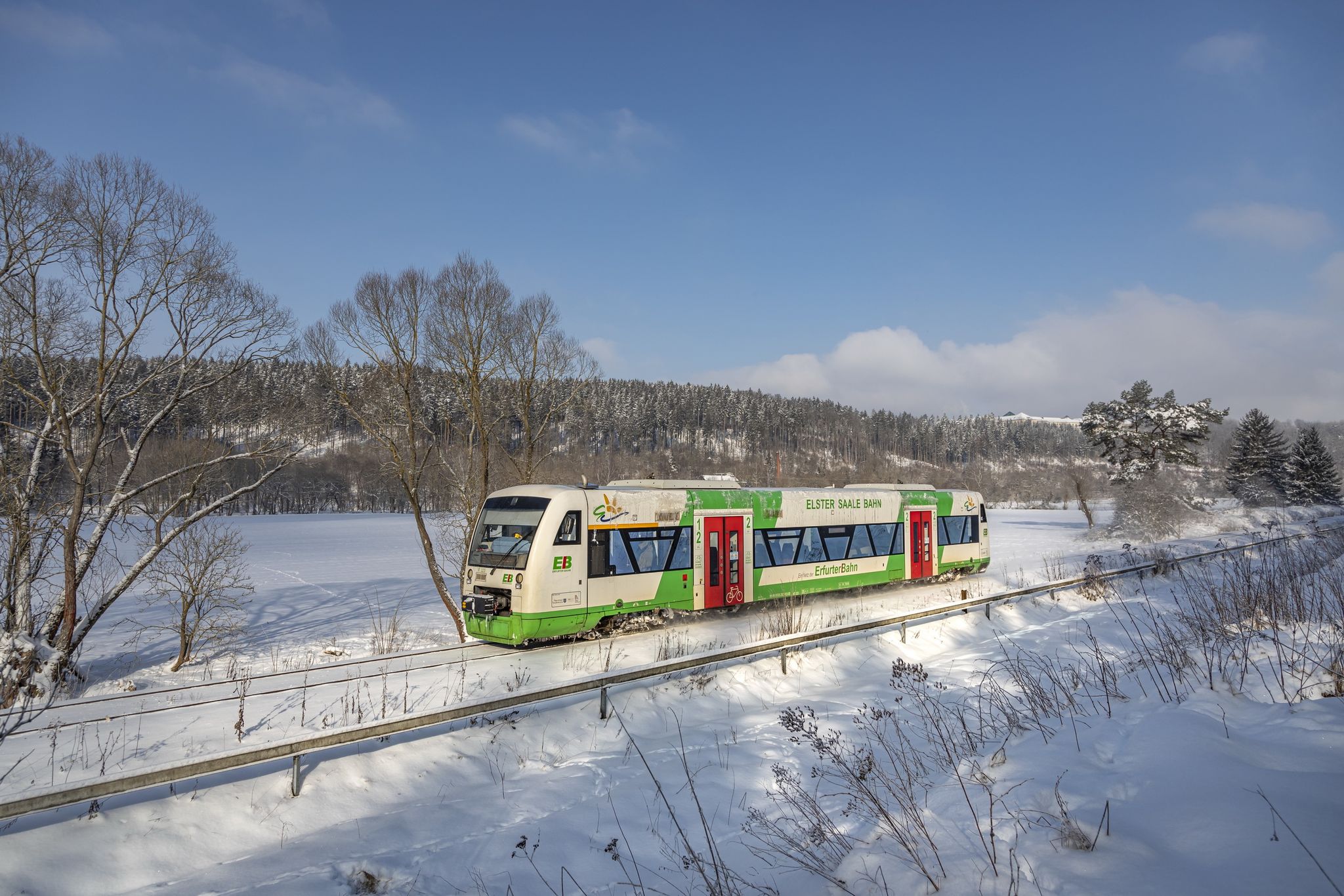
Discover Thuringia – winter hiking with the Erfurter Bahn
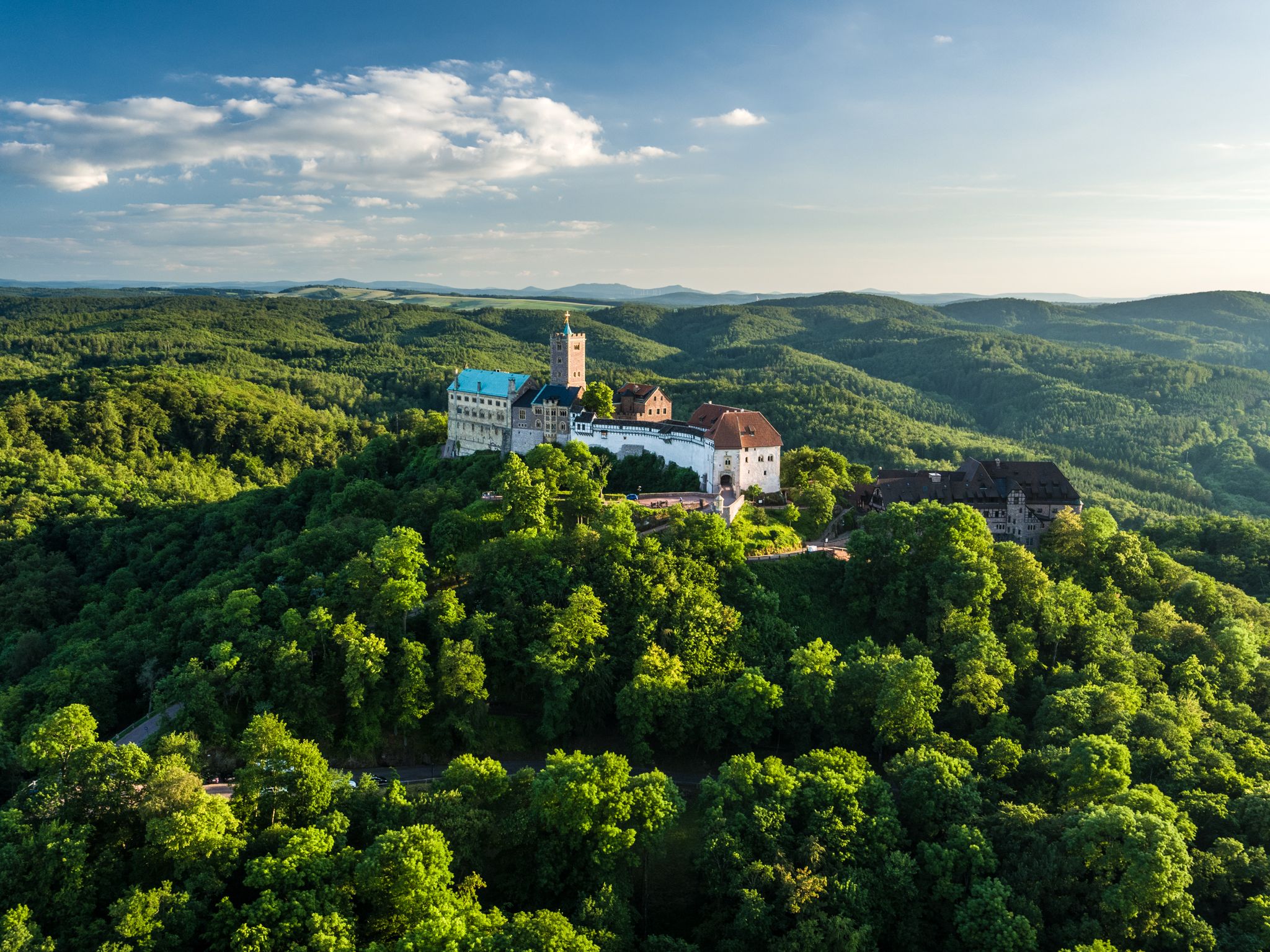
Thuringia CultureRoutes: hiking through history and nature
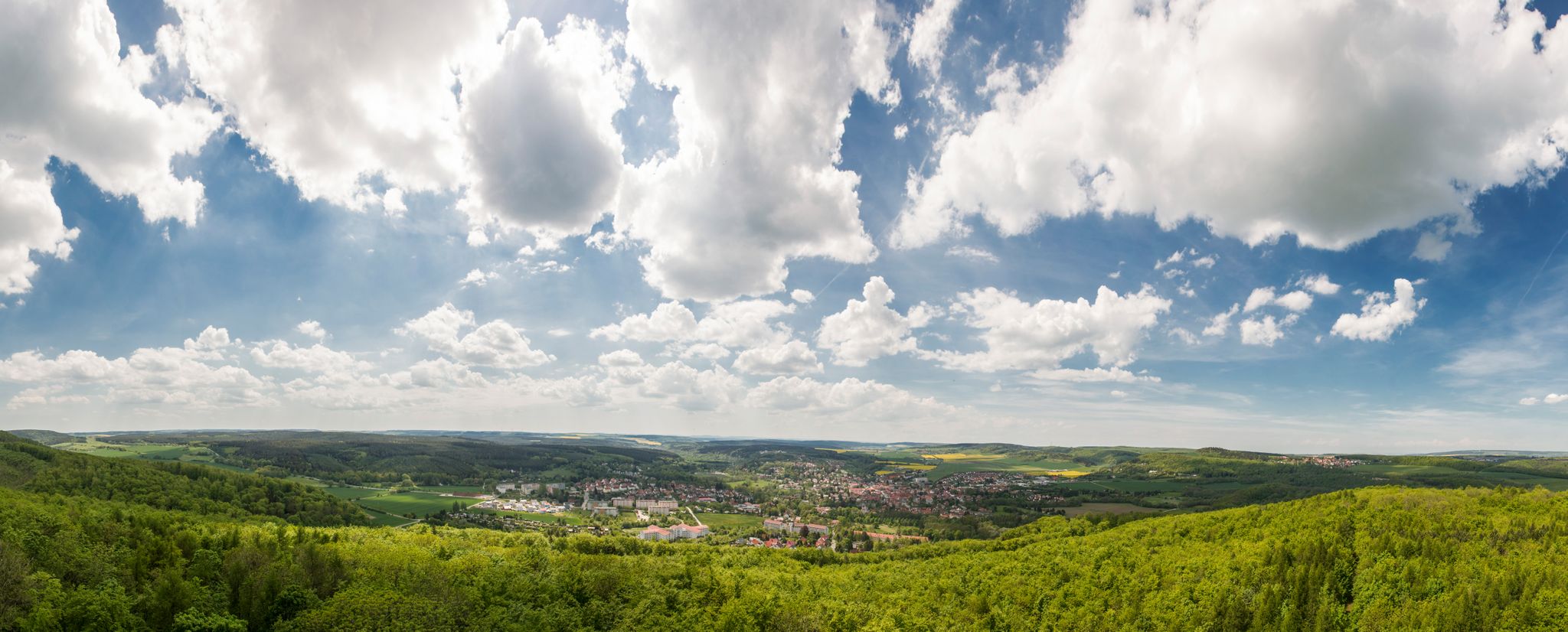
Beautifully varied hikes around Bad Berka
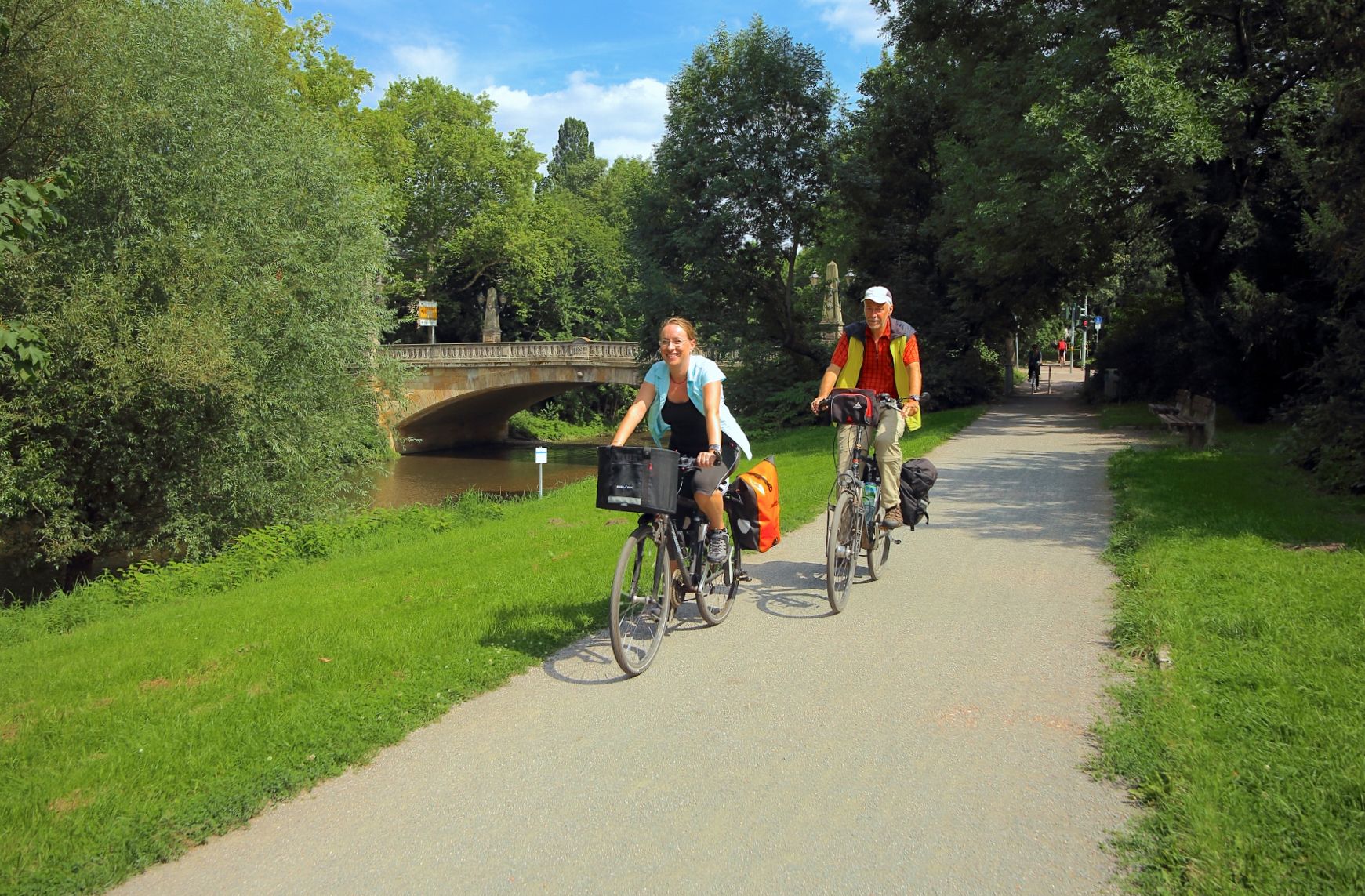
Thüringens Kulturperlen – The Städtekette from Eisenach to Altenburg
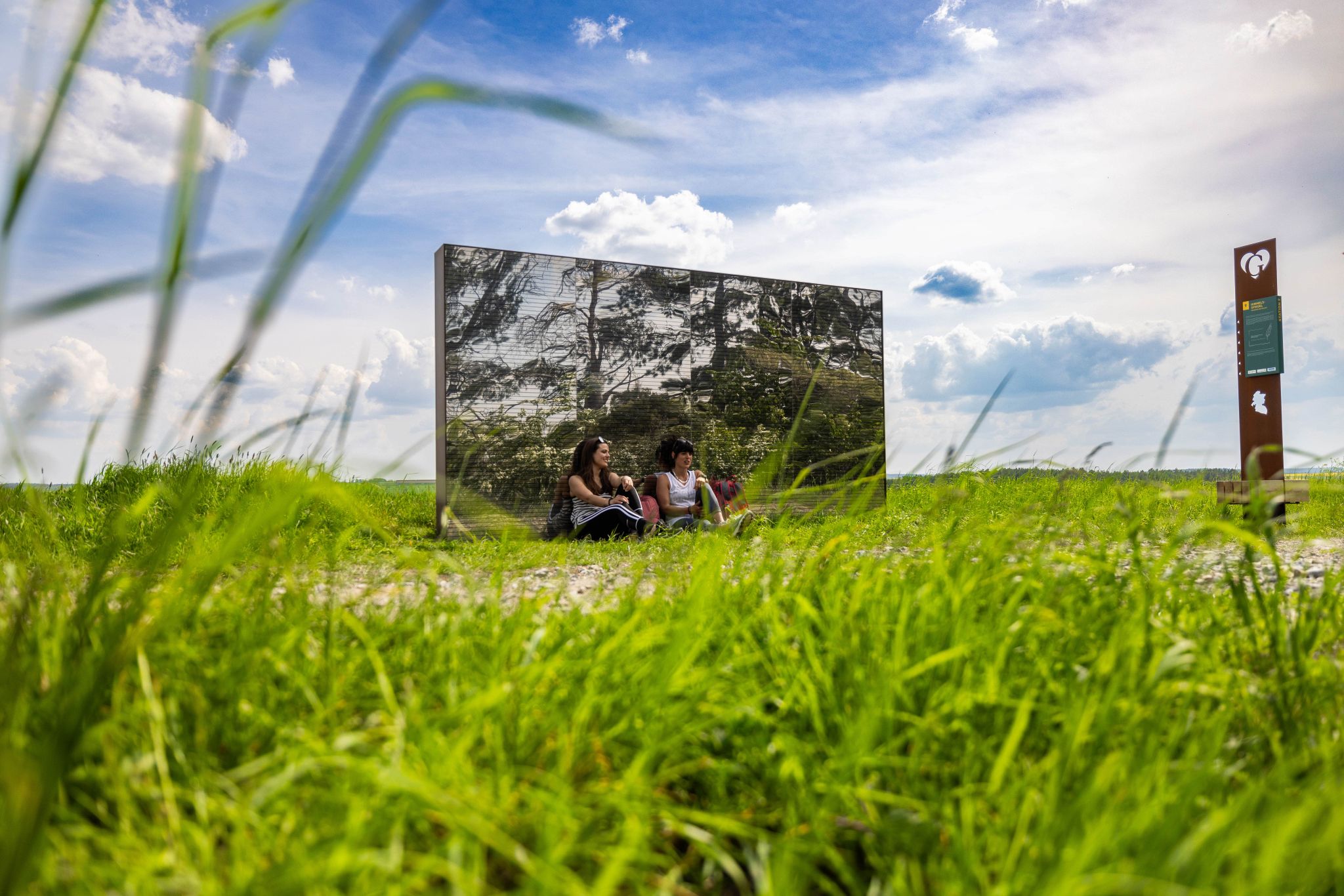
On the Goethe Adventure Trail through Germany’s Weimarer Land
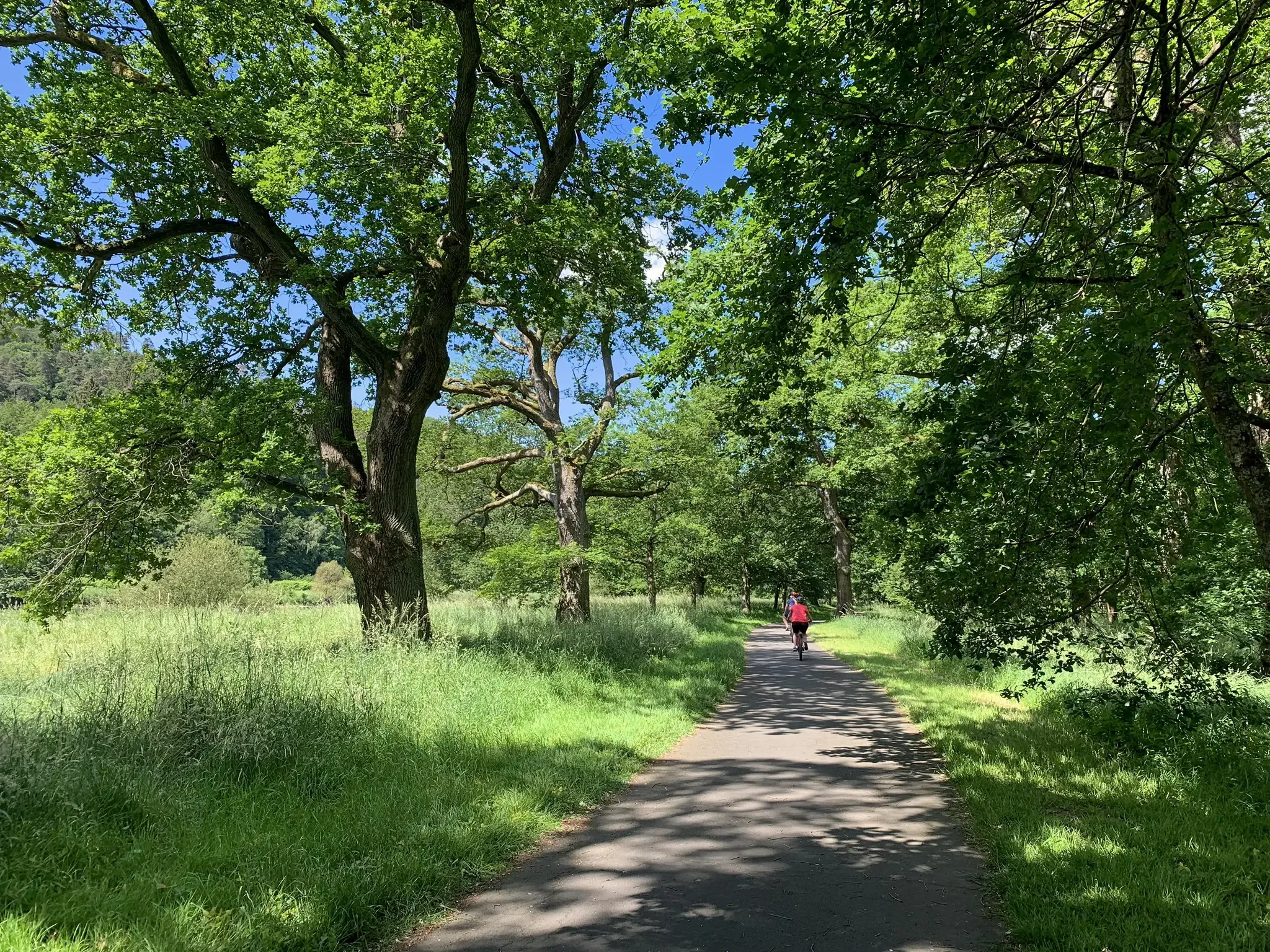
D-Route 4: Mittelland Route
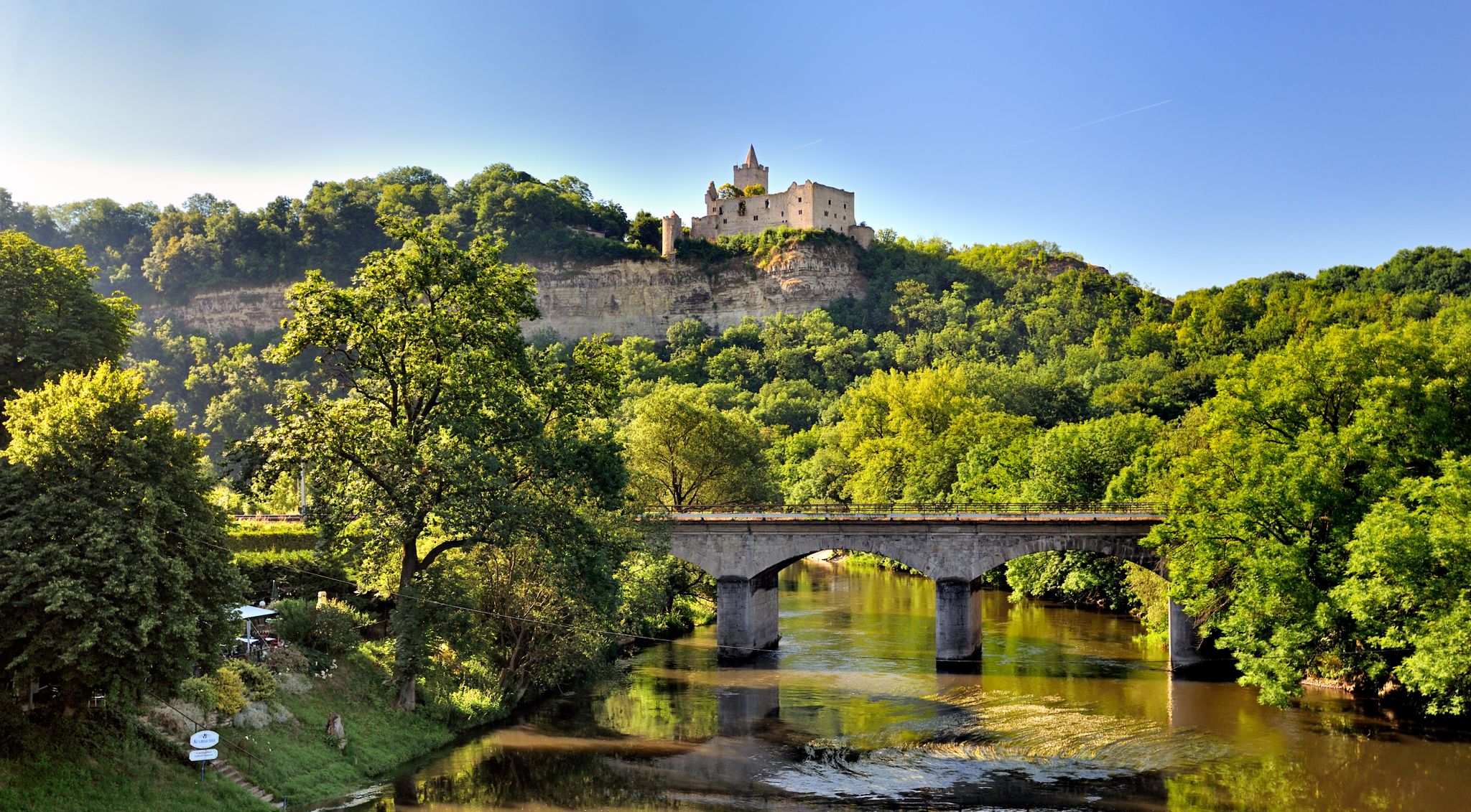
The 10 most beautiful hikes between Germany’s Saale and Unstrut rivers
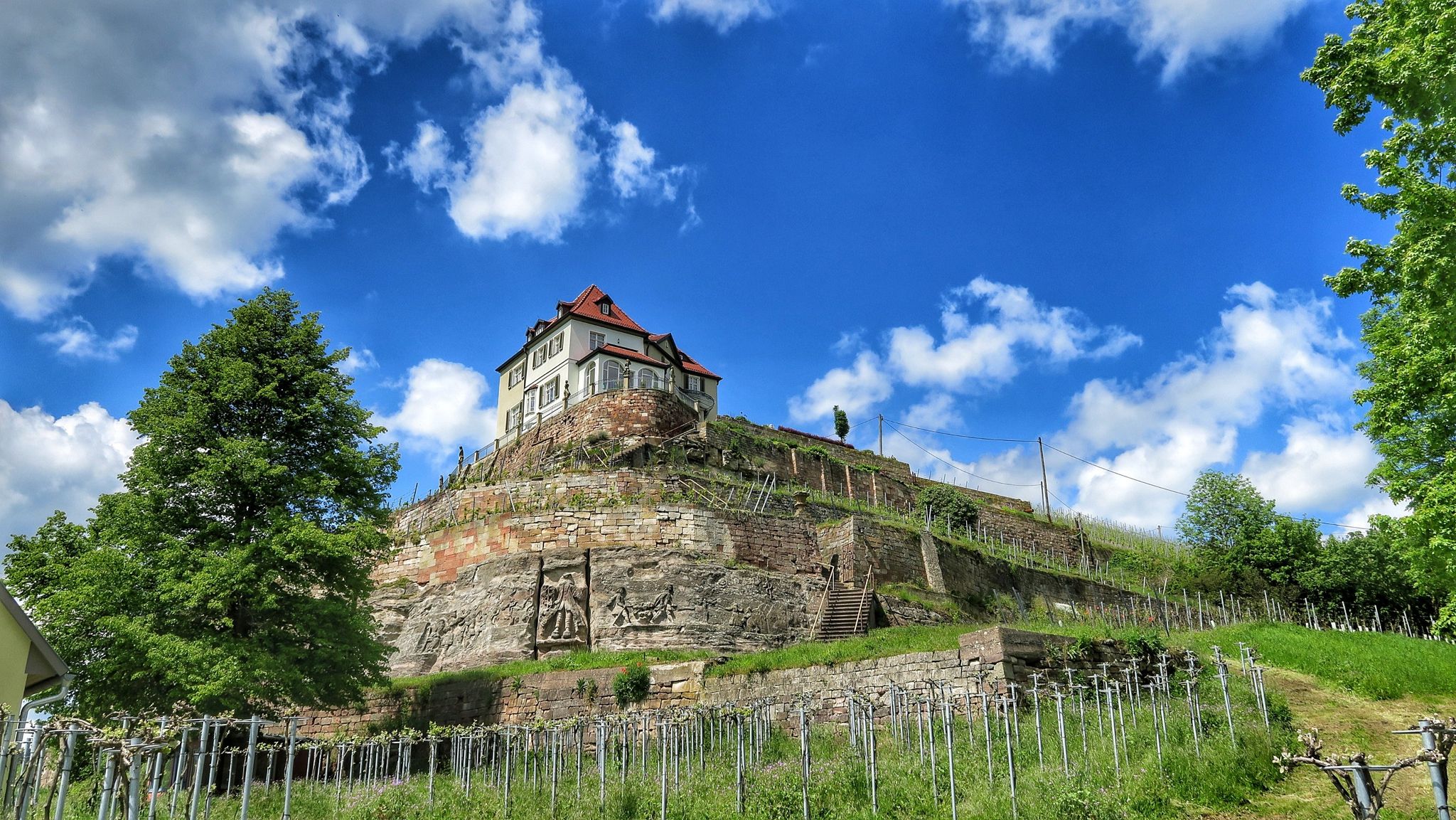
Ilmtal and Unstrut cycle paths – discover Thuringia in Germany by bike
Other adventures around Landkreis Weimarer Land


Tips from the Community

The historic Fuchsturm House was built by the Fuchsturm members in 1868 on shell limestone and expanded several times. The gatehouse extension is showing cracks, and the road leading from the gate to the tower forecourt urgently needs to be reinforced. Bored piles will stabilize the slope, the gatehouse will be given a concrete anchor, and the road will be resurfaced. The project sponsor is the Fuchsturm Society. Work is in full swing, and the reinforcements are making progress, marking another step toward preserving one of Jena's "7 Wonders" and the beloved tourist restaurant on the local hill.
10
0

the loving restoration of the houses on the fish market is fascinating
33
3

Central square between Domplatz and Anger
30
5

This is where the good drop grows. The Saale-Unstrut wine-growing region is the fifth smallest and northernmost German wine-growing region with just 798 hectares of vineyards - the meager, albeit slightly increasing remnant of a thousand-year-old, once important viticulture since the beginning of the 1990s.
8
0

beautiful old wooden bridge to cross the Saale
12
1
The grape varieties are also explained here on information boards! Nice rest areas to linger
9
0
The absolutely most beautiful vineyard on Saale - Unstrut. The lettering is the trademark of the region.
14
0
Frequently Asked Questions
What historical sites can I explore in Landkreis Weimarer Land?
The region is rich in history. You can visit several castles and estates such as Schloss Ettersburg, Schloss and Park Tiefurt, Wielandgut Oßmannstedt, and Schloss Kromsdorf. Other notable historical sites include Oberschloss Kranichfeld and Wasserburg Kapellendorf. Don't miss the beautifully restored Kunitz House Bridge, which features an information panel about its history.
Are there any unique cultural attractions or museums in the area?
Yes, Landkreis Weimarer Land offers several unique cultural experiences. You can explore the Kunsthaus Apolda, an art museum in the 'Bell City' of Apolda. For a taste of local culinary heritage, visit the Thüringer Kloßwelt Heichelheim, dedicated to the Thuringian dumpling. The Thüringer Freilichtmuseum Hohenfelden (Open-Air Museum) provides insights into traditional rural life, while the Kutschenmuseum Auerstedt and Apothekenmuseum Blankenhain offer specialized historical collections.
What natural attractions and scenic views can I find?
The region boasts diverse natural beauty. The Ilm Valley Cycle Path offers scenic routes along the Ilm river. You can also explore the Thuringian Forest Hills, with Riechheimer Berg being the highest elevation. For unique views, consider climbing the Fuchsturm, Jena, which offers excellent panoramas of Jena. The Vines on the Saalberge also provide picturesque landscapes and mark the beginning of a small wine route.
What outdoor activities are popular around Landkreis Weimarer Land?
Landkreis Weimarer Land is excellent for outdoor enthusiasts. You can enjoy cycling along the Ilm Valley Cycle Path or explore the Saale-Unstrut Wine Route. There are numerous hiking opportunities, including sections of the Thüringenweg and Feengrotten-Kyffhäuser-Weg. For more structured routes, consider exploring the various gravel biking, road cycling, or running trails available in the region.
Are there family-friendly attractions in Landkreis Weimarer Land?
Absolutely! Families can enjoy a visit to the Freibad Oßmannstedt, an outdoor swimming pool. The Freizeitspass Eckartsberga is a leisure park offering activities like a maze, ghost house, and mini-golf. Many historical sites and natural areas, such as the Kunitz House Bridge and Fuchsturm, Jena, are also suitable for family outings.
When is the best time to visit Landkreis Weimarer Land?
The region offers attractions year-round. Spring and autumn are ideal for hiking and cycling, with pleasant temperatures and beautiful scenery, especially along the Saale-Unstrut Wine Route. Summer is perfect for enjoying outdoor activities and thermal baths like Toskana Therme. Even in winter, there are opportunities to explore historical sites and enjoy the festive atmosphere.
What is the 'Tuscany of the East' and where can I experience it?
Landkreis Weimarer Land is often referred to as the 'Tuscany of the East' due to its picturesque landscapes, rolling hills, and viticulture. You can best experience this charm along the Saale-Unstrut Wine Route, which starts near Bad Sulza, or by visiting the vineyards on the Saalberge, where you can enjoy local wines and scenic views.
Are there any thermal baths or wellness facilities in the area?
Yes, the Toskana Therme in Bad Sulza is a renowned thermal bath famous for its 'liquid salt springs' and unique therapeutic experiences. It's a perfect spot for relaxation and wellness.
What is special about Apolda, the administrative seat of Landkreis Weimarer Land?
Apolda is known as the 'Bell City' due to its historic bell foundries. It offers a blend of industrial heritage and natural beauty. Besides the Kunsthaus Apolda, you can explore the town's unique character and learn about its bell-making tradition.
Can I find wheelchair-accessible attractions in Landkreis Weimarer Land?
Yes, some attractions are wheelchair-accessible. For example, the Krämerbrücke, Erfurt, and the Erfurt Fish Market are noted as wheelchair-friendly. The Kunitz House Bridge is also accessible. It's always advisable to check specific accessibility details for other sites before your visit.
What do visitors enjoy most about the attractions in Landkreis Weimarer Land?
Visitors frequently praise the blend of history, culture, and nature. They particularly enjoy the well-preserved historical sites like castles and bridges, the scenic beauty of the Ilm Valley and vineyards, and the unique cultural experiences offered by museums. The opportunity for outdoor activities like hiking and cycling, combined with charming towns, also receives high acclaim.
Most popular routes around Landkreis Weimarer Land
Most popular attractions around Landkreis Weimarer Land

Get inspired with the komoot mobile app


Explore more
Still not found the Highlight you’re looking for? See guides of the top attractions in other regions:
