Top 20 Caves around Landkreis Weimarer Land
Best caves around Landkreis Weimarer Land are found in a region characterized by its diverse natural landscape, including river valleys like the Ilm and Saale, and distinctive geological formations such as shell limestone cliffs. This area in Thuringia is known for its historical significance, with connections to figures like Goethe, and features a mix of natural and historically modified caves. The landscape offers opportunities to explore ancient rock formations and unique underground environments.
Best caves around Landkreis Weimarer Land
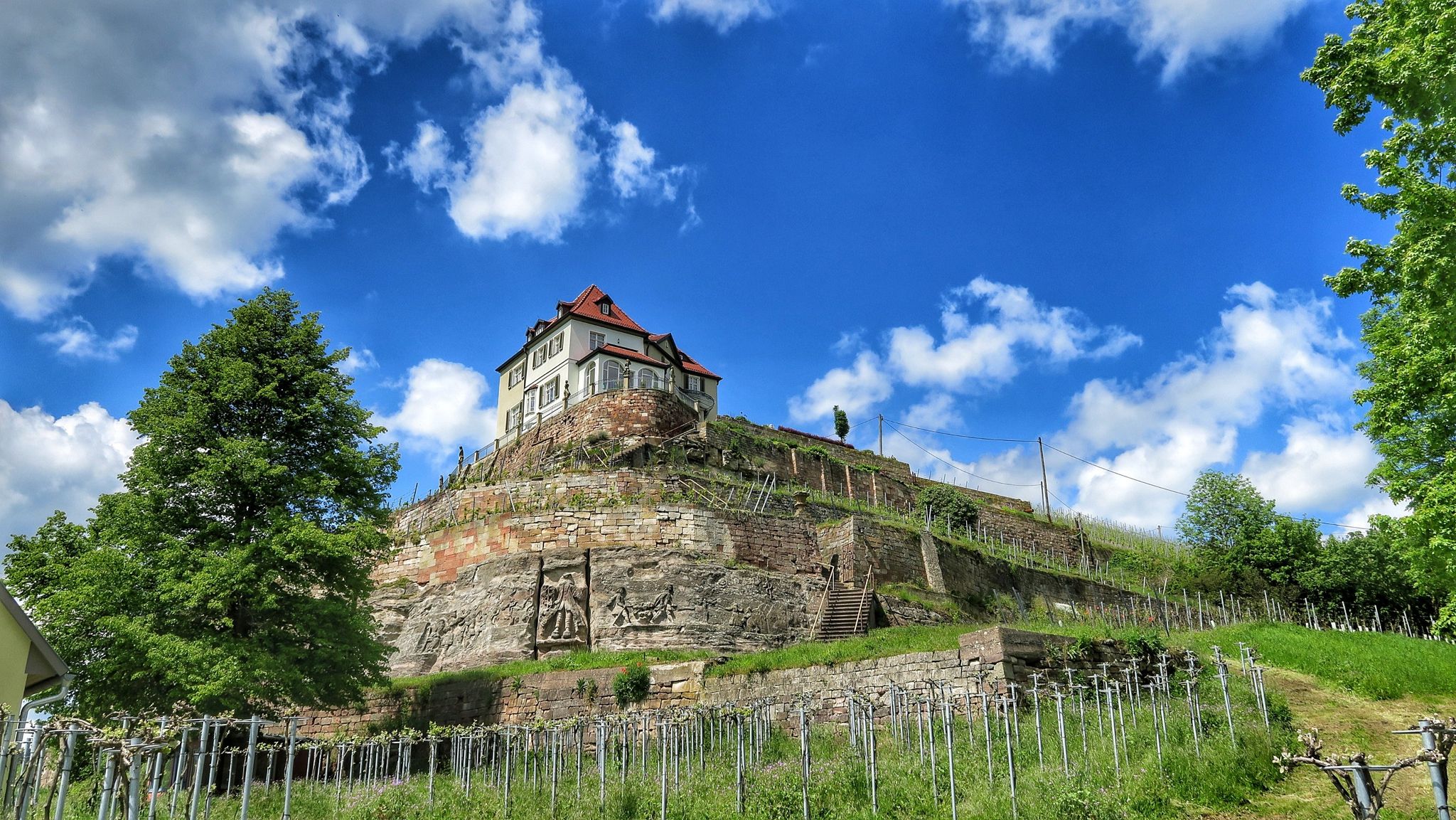
- The most popular caves is Rock Castle, a cave castle that offered villagers protection from attackers in its heyday. This facility is considered a special feature in the Thuringian castle landscape, located within a mighty shell limestone cliff.
- Another must-see spot is Park Cave and the Nadelöhr in the Park on the Ilm, a cave featuring a natural bridge and the "eye of the needle" formation. Visitors can enjoy a view of Johann Wolfgang von Goethe's garden house from this location.
- Visitors also love Teufelslöcher Caves (Jena), which are among the oldest known karst caves in Germany. These caves were well known by historical figures such as Alexander von Humboldt and J.W. Goethe, and are now part of a natural reserve.
- Landkreis Weimarer Land is known for its karst formations, rock shelters, and historical cave dwellings. The region offers a variety of caves to see and explore, from ancient protective structures to natural reserves.
- The caves around Landkreis Weimarer Land are appreciated by the komoot community, with nearly 600 upvotes and over 180 photos shared by users.
Last updated: May 4, 2026
Park Cave and the Nadelöhr in the Park on the Ilm
Highlight • Cave
There are a few other highlights above on the side facing away from the Ilm:
the "eye of the needle", the bark house, the temple lord's house etc..
Translated by Google •
Tip by

Rock Castle
Highlight • Castle
Translated by Google •
Tip by

Sign up now to discover places like this
Get recommendations on the best single tracks, peaks, & plenty of other exciting outdoor places.
Sign up for free
Teufelslöcher Caves (Jena)
Highlight • Cave
You can find more information here: entdecke-jena.de/jena/teufelsloecher.htm.
Translated by Google •
Tip by

Rothenstein Rock Caves
Highlight • Cave
Above them is the Bastei viewing point with the Trompeterfelsen.
Translated by Google •
Tip by

Klausloch Cave on the Saale
Highlight (Segment) • Cave
Translated by Google •
Tip by

Sign up for free to discover even more caves around Landkreis Weimarer Land.
Sign up for free
Already have an account?
Start today with a free account
Your next adventure awaits.
Login or Signup
Popular around Landkreis Weimarer Land

Around Thuringia — 7 stages through Germany's green heart
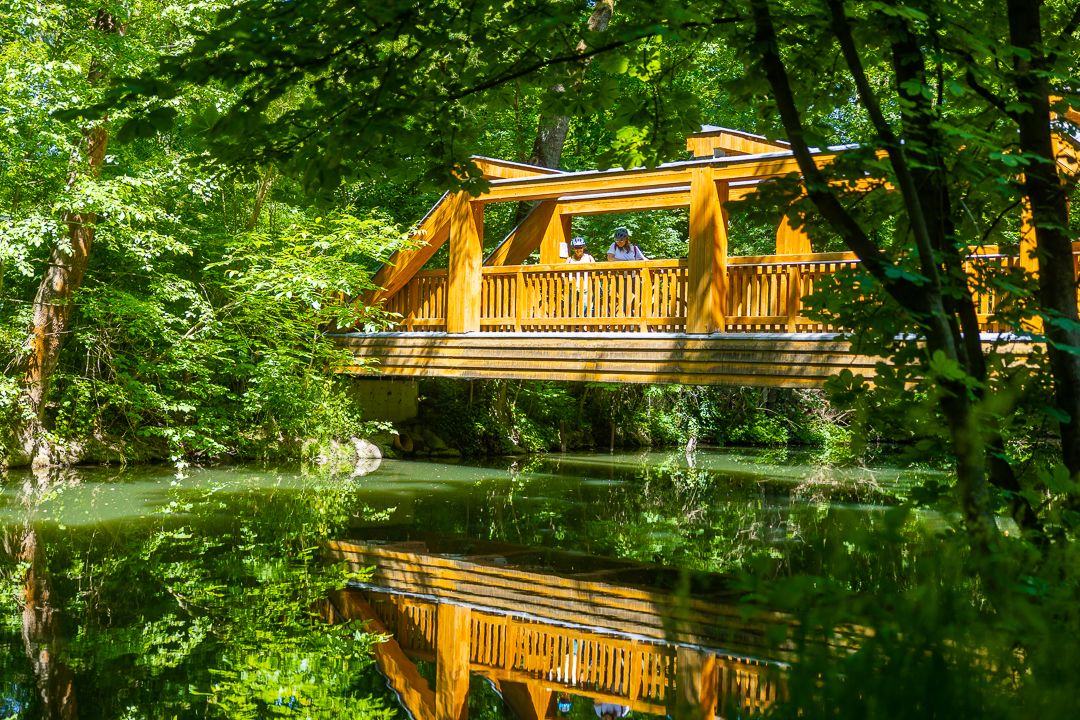
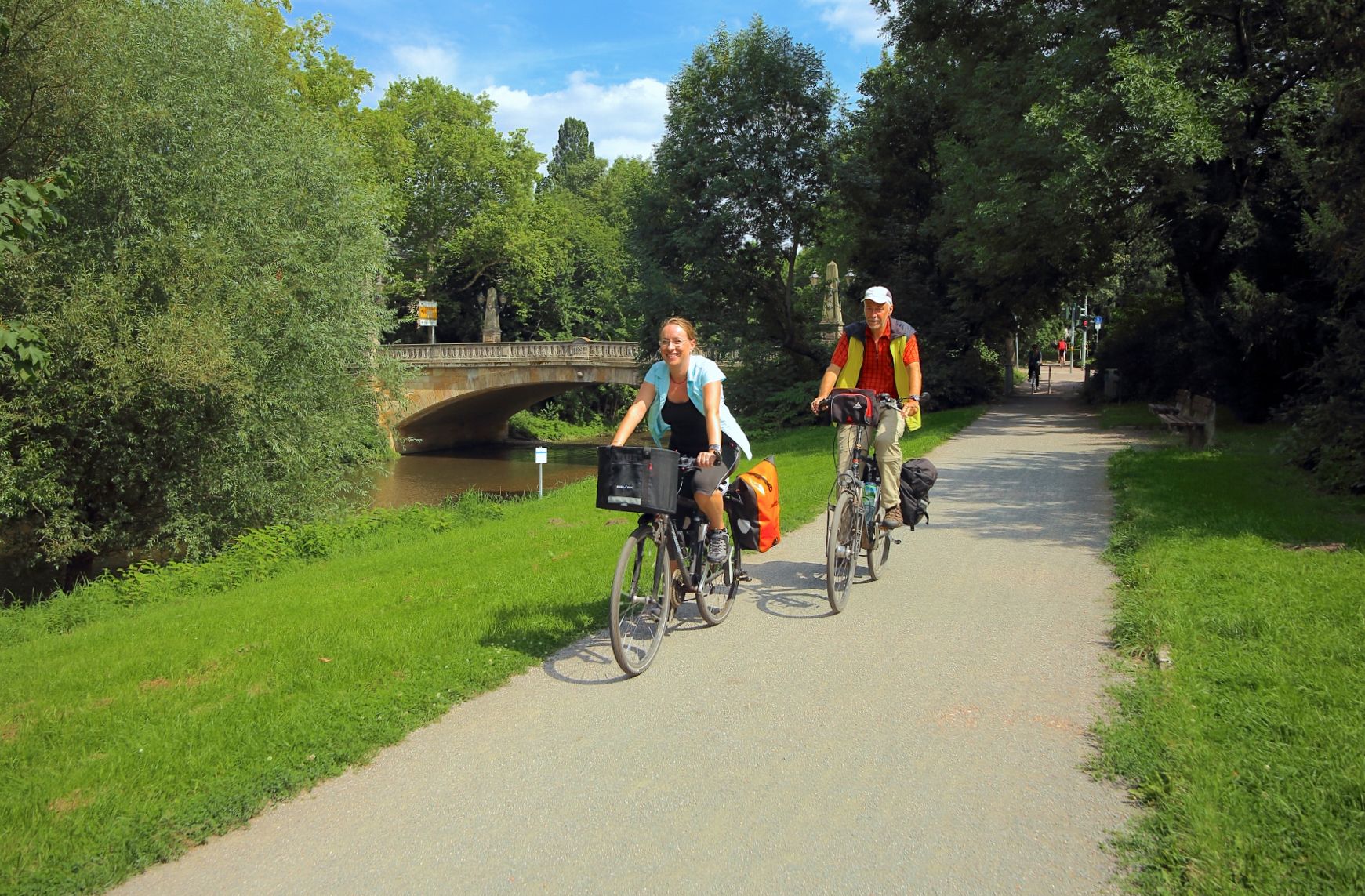
Ilm Valley cycle path – 4 stages through Thuringia
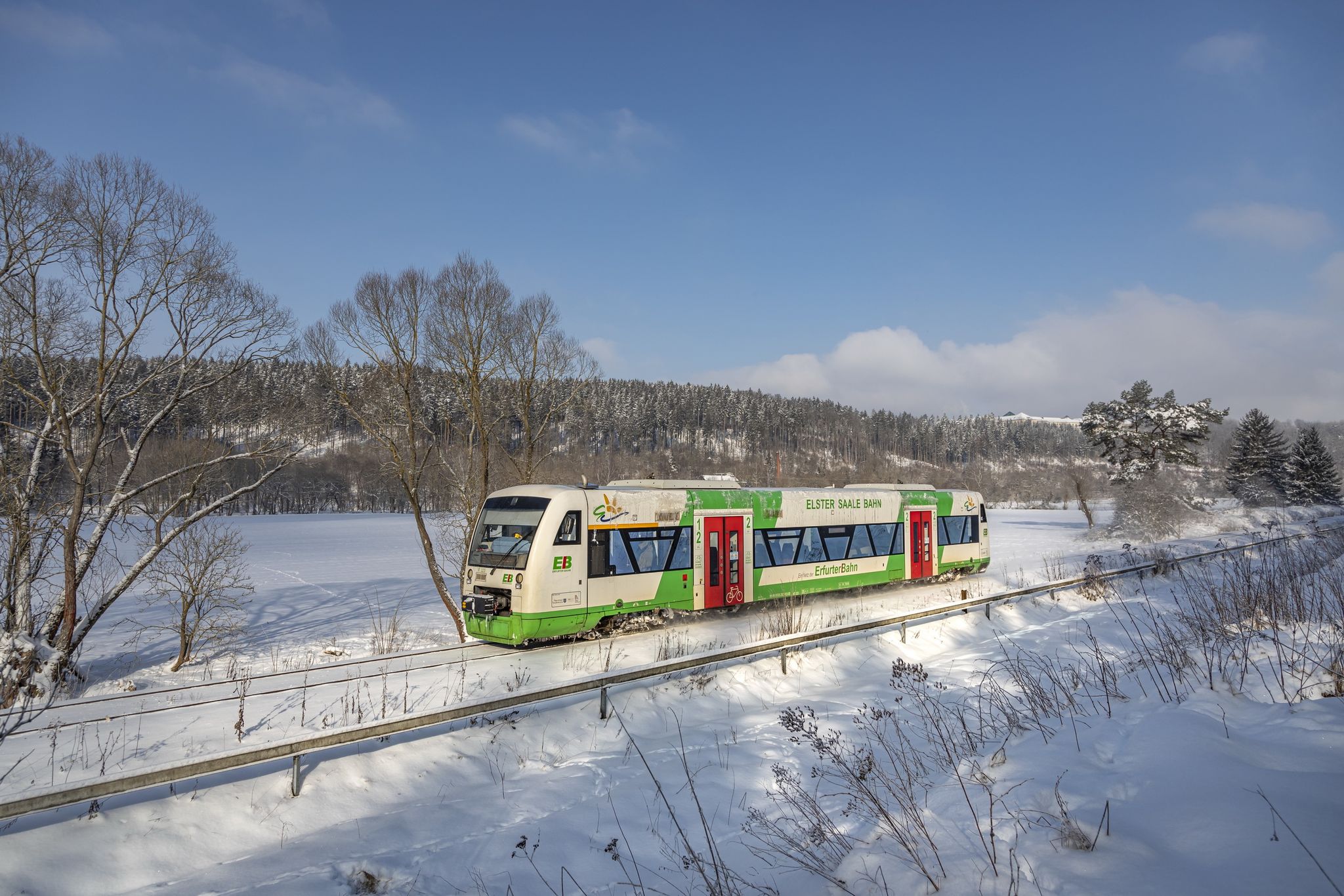
Discover Thuringia – winter hiking with the Erfurter Bahn
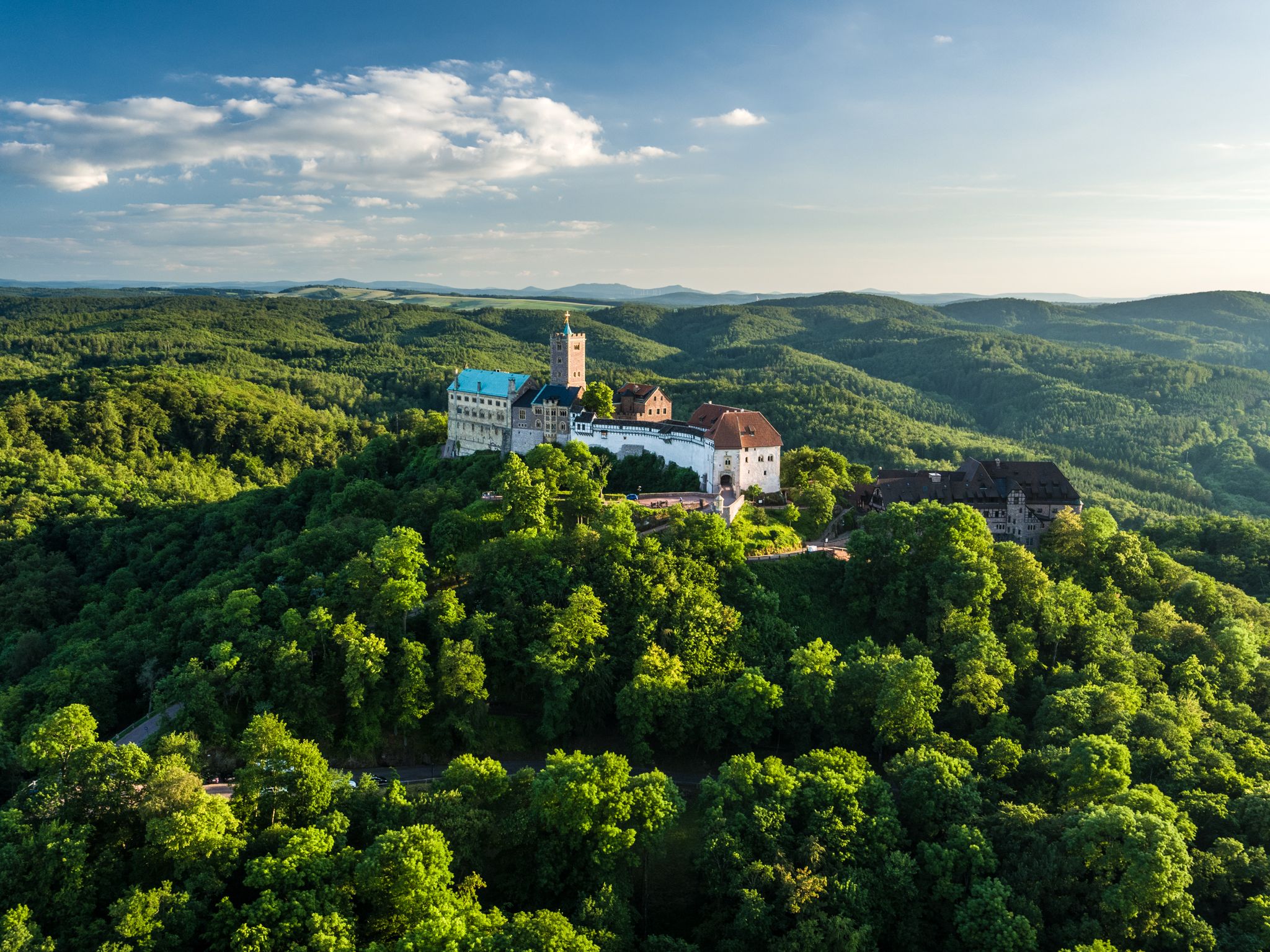
Thuringia CultureRoutes: hiking through history and nature
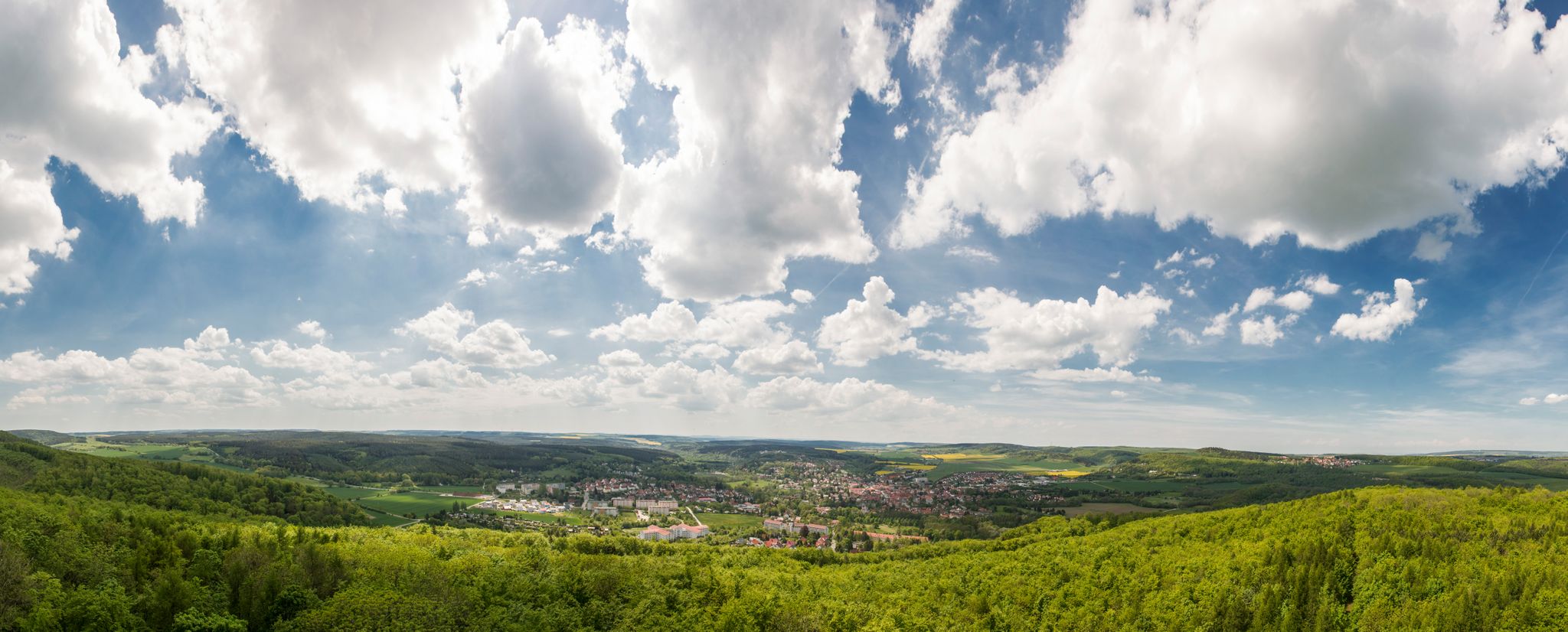
Beautifully varied hikes around Bad Berka
Thüringens Kulturperlen – The Städtekette from Eisenach to Altenburg
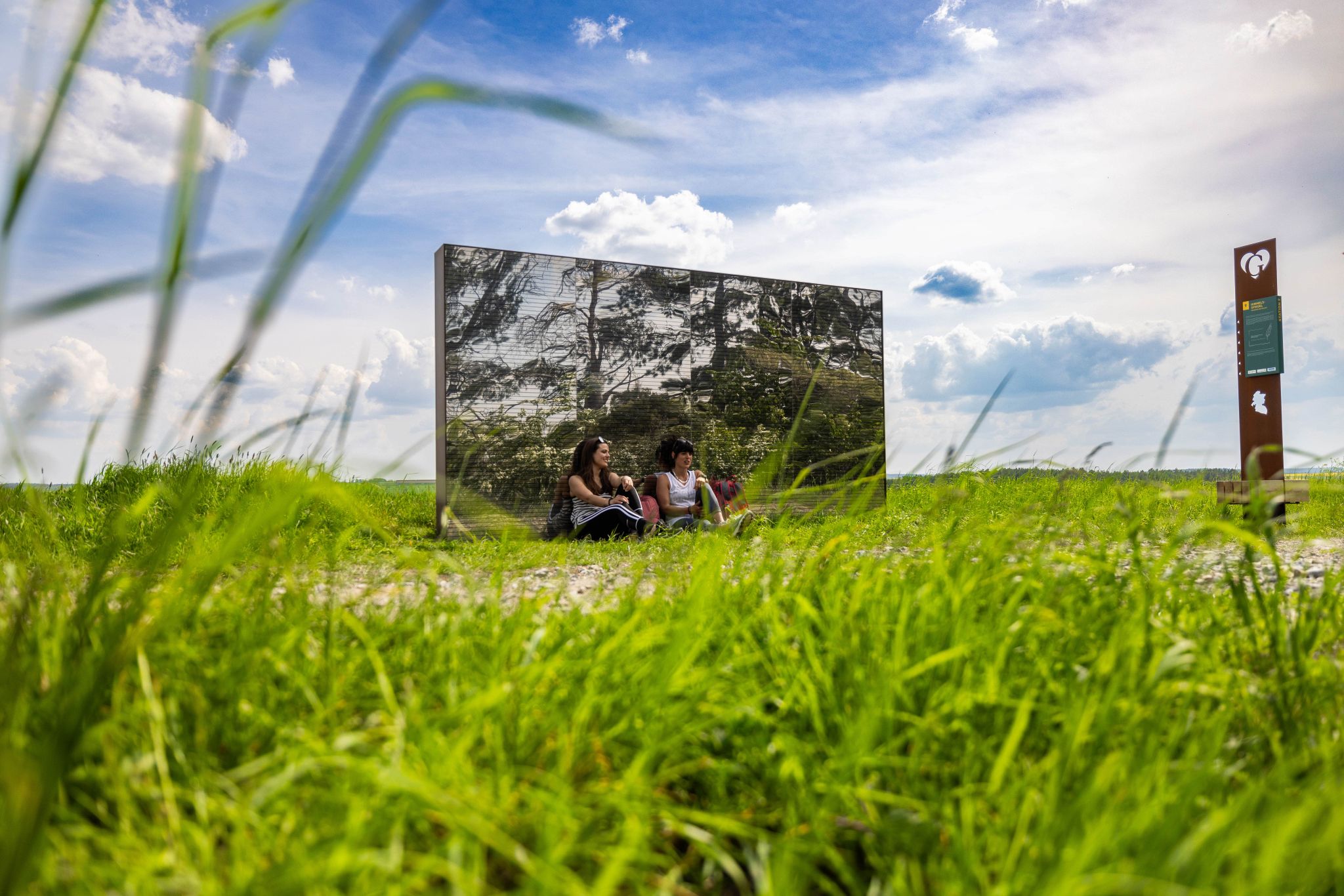
On the Goethe Adventure Trail through Germany’s Weimarer Land
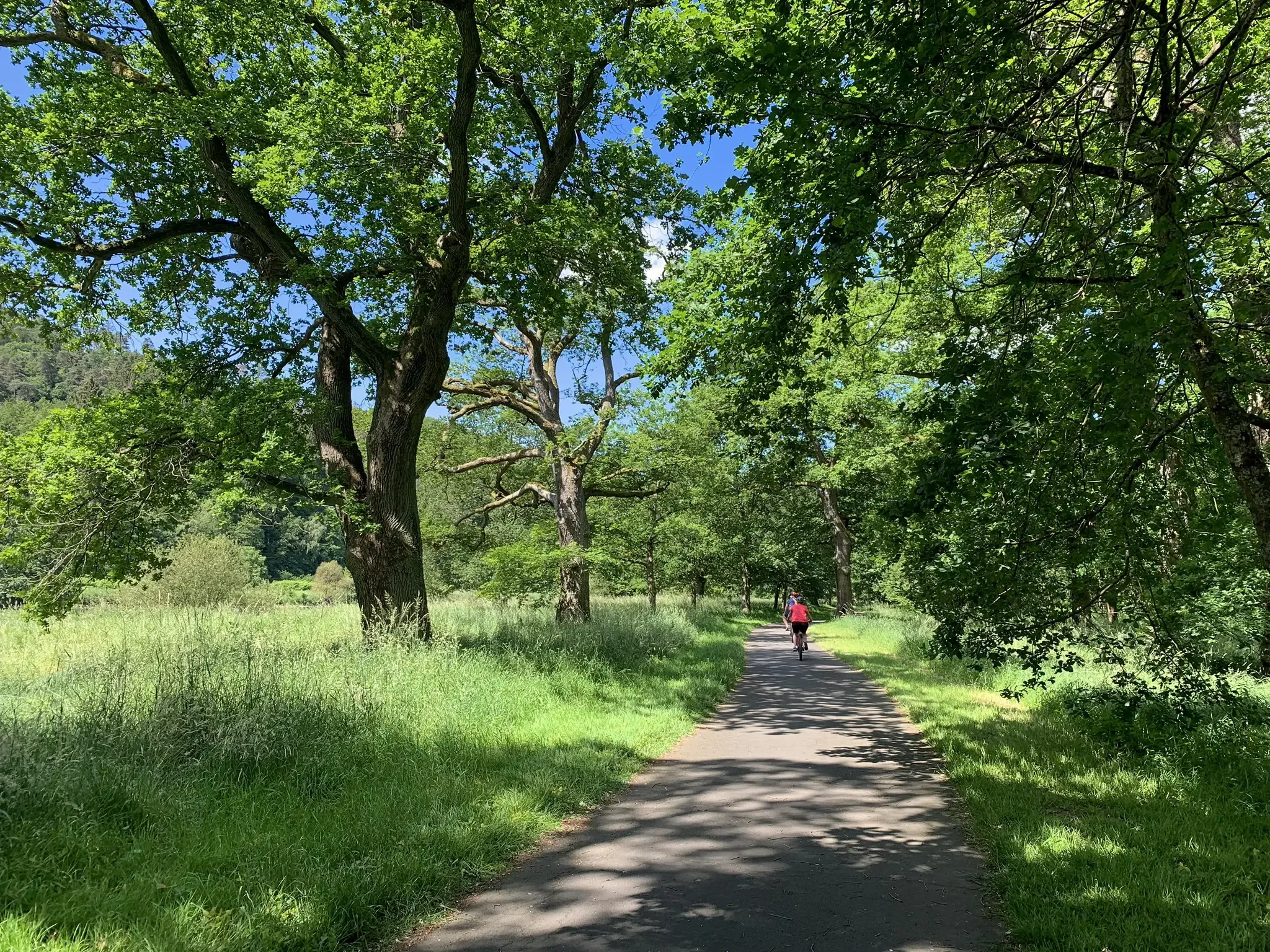
D-Route 4: Mittelland Route
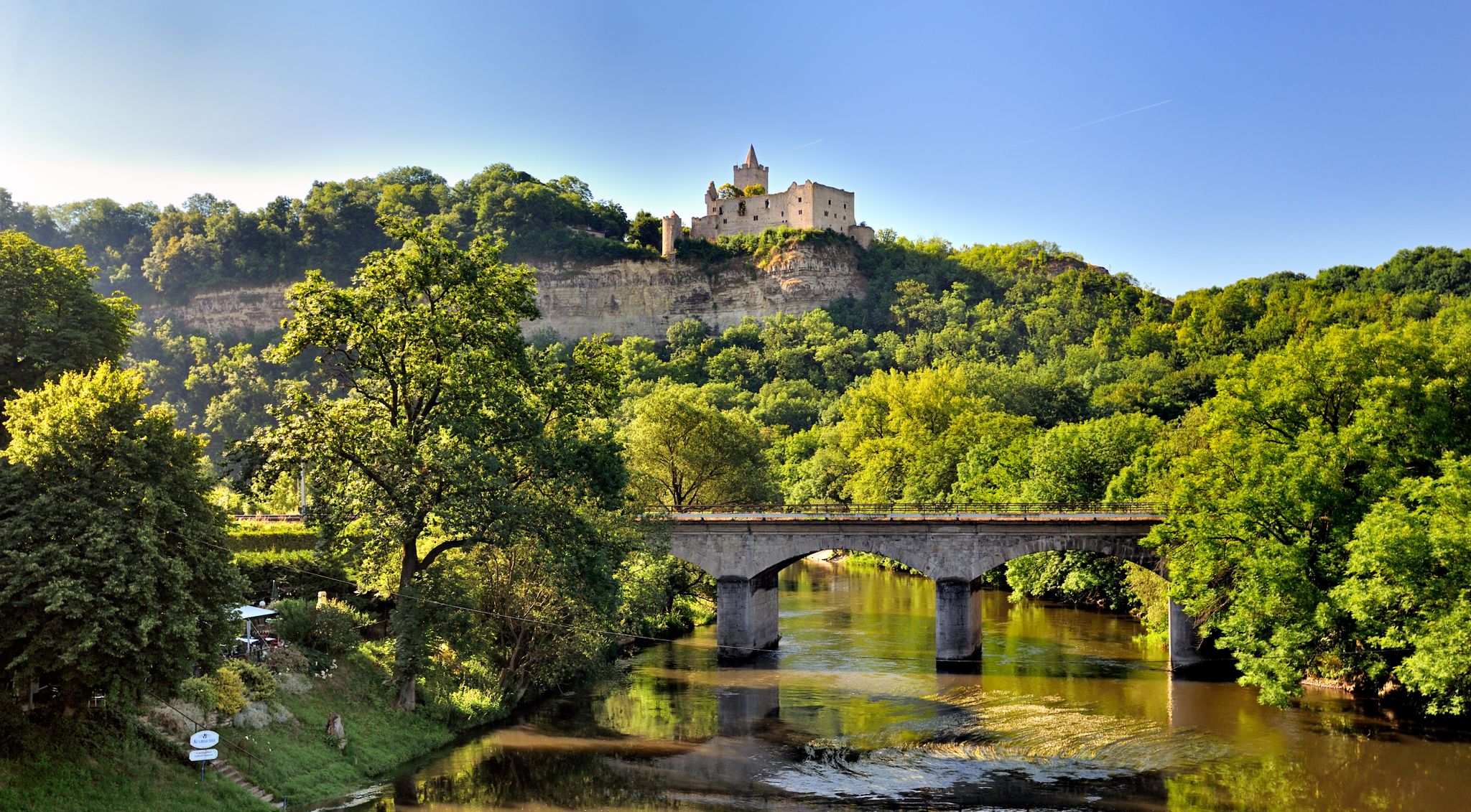
The 10 most beautiful hikes between Germany’s Saale and Unstrut rivers
Ilmtal and Unstrut cycle paths – discover Thuringia in Germany by bike
Other adventures around Landkreis Weimarer Land


Tips from the Community

First mentioned in the early 14th century, the Teufelslöcher (Devil's Holes) are among the oldest documented caves in Germany. These are karst caves that have since been sealed. Several benches are located at the Teufelslöcher, and Jena's local history trail begins here, leading from here across the central Kernberg horizontal. You can find more information here: https://www.entdecke-jena.de/jena/teufelsloecher.htm.
3
0

A look inside would be interesting, the mighty shell limestone cliff immediately captivates you.
9
0
There are two beautiful caves to admire here. Above them is the Bastei viewing point with the Trompeterfelsen.
22
0

The white sand extracted from the caves was used as grit in the living rooms of the Middle Ages and was later used industrially.
8
0

Very nice path through the park.
4
0
Very nicely made bridge.
5
0

Beautiful bridge in the park over the Ilm. Style goes well with the park
5
0

Far from cars, you can unwind here. Either sit on one of the benches or on the grass and take a leisurely walk. Personally, I would refrain from riding my bike because the cyclists bothered me more in this case :)
6
0
Frequently Asked Questions
Are there family-friendly caves to explore in Landkreis Weimarer Land?
Yes, several caves in the region are suitable for families. For instance, Park Cave and the Nadelöhr in the Park on the Ilm offers a natural bridge and is categorized as family-friendly. The Teufelslöcher Caves (Jena) and Rothenstein Rock Caves are also noted as family-friendly options.
Which caves in the region are historically significant?
Landkreis Weimarer Land boasts several caves with rich history. The Rock Castle is a unique cave castle that provided protection in the Middle Ages. The Teufelslöcher Caves (Jena) are among Germany's oldest known karst caves, visited by historical figures like Goethe and Alexander von Humboldt. The Klausloch Cave on the Saale is known for a hermit who once lived there, creating a small chapel.
Can I bring my dog to any of the caves?
The Klausloch Cave on the Saale is listed as dog-friendly, offering an imposing rocky path along the Saale river that you can explore with your pet.
What kind of natural formations can I expect to see in these caves?
The region is characterized by diverse geological formations, particularly shell limestone cliffs. You can observe natural bridges, such as the one at Park Cave and the Nadelöhr in the Park on the Ilm, and the distinctive 'eye of the needle' formation. The Teufelslöcher Caves (Jena) are ancient karst caves, and the Rock Castle is carved into a mighty shell limestone cliff.
Are there any less crowded or 'hidden gem' caves in the area?
While specific crowd levels vary, the Rothenstein Rock Caves offer a glimpse into the region's industrial past, where fine sand was extracted. They provide a unique historical context beyond typical cave exploration, potentially offering a different experience away from the most popular spots.
What outdoor activities can I do near the caves in Landkreis Weimarer Land?
The area around the caves offers various outdoor activities. You can find numerous hiking trails, such as the 'Kneipp Loop' or the 'Nature Adventure Trail from Bad Berka to Blankenhain'. There are also running trails and road cycling routes available. For more details on routes, visit the Hiking around Landkreis Weimarer Land guide.
What should I wear when visiting caves in Landkreis Weimarer Land?
Caves generally maintain a cool, consistent temperature year-round, regardless of the outside weather. It's advisable to wear layers, including a light jacket or sweater. Sturdy, closed-toe shoes with good grip are essential, as surfaces can be uneven and potentially slippery, especially in wet conditions as noted for Park Cave and the Nadelöhr in the Park on the Ilm.
Are there any caves that are easy to access for beginners or those looking for a less challenging experience?
Many of the caves in Landkreis Weimarer Land are accessible for general exploration, though some, like Rock Castle, are rated as challenging due to erosion. For a more moderate experience, highlights like Park Cave and the Nadelöhr in the Park on the Ilm and Teufelslöcher Caves (Jena) are rated as intermediate, suggesting they are suitable for most visitors without specialized caving experience.
What is the best time of year to visit the caves in Landkreis Weimarer Land?
Caves maintain a relatively constant temperature, making them suitable for visiting year-round. However, the surrounding natural areas, such as the Park on the Ilm or the trails leading to the caves, are most enjoyable during spring, summer, and autumn. Winter visits are possible, but be aware that paths can be very slippery in wet and snowy conditions, as mentioned for Park Cave and the Nadelöhr in the Park on the Ilm.
Are there any stalactite or dripstone caves in the region?
While the region is known for its karst formations and shell limestone cliffs, the provided information does not specifically mention active stalactite or dripstone caves. The Teufelslöcher Caves (Jena) are described as karst caves, which are formed by the dissolution of soluble rocks like limestone, but their current state as 'closed karst caves' suggests active dripstone formation may not be a prominent feature.
What do visitors enjoy most about the caves in Landkreis Weimarer Land?
Visitors appreciate the unique blend of natural beauty and historical significance. The impressive shell limestone cliffs, natural bridges, and formations like the 'eye of the needle' are highly regarded. The historical context, from ancient protective structures like Rock Castle to caves visited by Goethe, adds a rich cultural layer to the exploration. The scenic views, such as the one of Goethe's garden house from Park Cave and the Nadelöhr in the Park on the Ilm, are also a major draw.
Most popular routes around Landkreis Weimarer Land
Most popular attractions around Landkreis Weimarer Land

Get inspired with the komoot mobile app


Explore more
Extend your search for the best caves by checking out these guides of the top ones around Landkreis Weimarer Land:
