Top 20 Castles in Cham
Best castles in Cham are found within a historic region of Bavaria, Germany, known for its diverse natural landscape. The district features numerous historic castles and castle ruins, many situated on elevated positions. These sites offer insights into the area's past and provide viewpoints over the surrounding valleys and forests. The region combines historical exploration with opportunities for outdoor activities.
Best castles in Cham
- The most popular castles is Kürnburg Castle Ruins, a castle that is one of the…
Last updated: November 19, 2026
Schwarzenburg Castle Ruins
Highlight • Castle
Translated by Google •
Tip by

Kürnburg Castle Ruins
Highlight • Castle
Translated by Google •
Tip by

Sign up now to discover places like this
Get recommendations on the best single tracks, peaks, & plenty of other exciting outdoor places.
Lichteneck Castle Ruins
Highlight • Castle
According to a local story, the lords of the castle at Lichteneck are supposed to have defeated their worst enemies, …
Translated by Google •
Tip by

Schwarzenburg Castle Ruins
Highlight • Castle
Translated by Google •
Tip by

Wetterfeld Castle Ruins
Highlight • Castle
Translated by Google •
Tip by

Lobenstein Castle Ruins
Highlight • Castle
Translated by Google •
Tip by
Runding Castle Ruins
Highlight • Castle
Translated by Google •
Tip by

Sengersberg Castle Ruins
Highlight • Castle
Translated by Google •
Tip by

Buchberg Castle Ruins
Highlight (Segment) • Castle
The first representative of the Puchbergs, who can certainly be referred to this place, was Otto I, first mentioned in 1196. The family originally belonged to the …
Translated by Google •
Tip by

Falkenstein – Castle Park, Ruins, and Knight’s Feast
Highlight • Castle
Translated by Google •
Tip by
Sign up for free to discover even more castles in Cham.
Already have an account?
Start today with a free account
Your next adventure awaits.
Popular around Cham
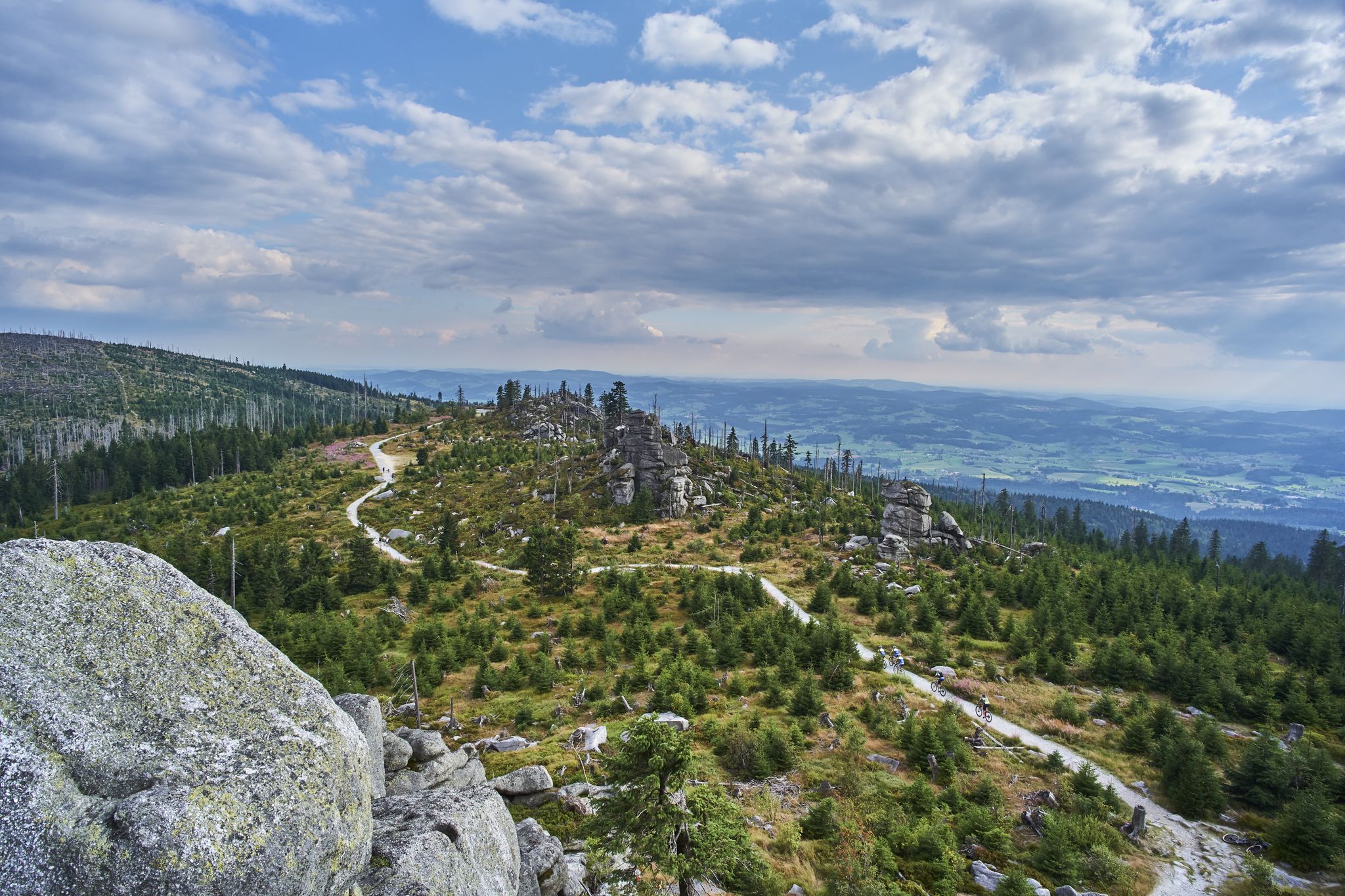
Trans Bayerwald – A mountain bike adventure through Bavaria's finest nature
The Goldsteig – 38 stages between Upper Palatinate and Passau
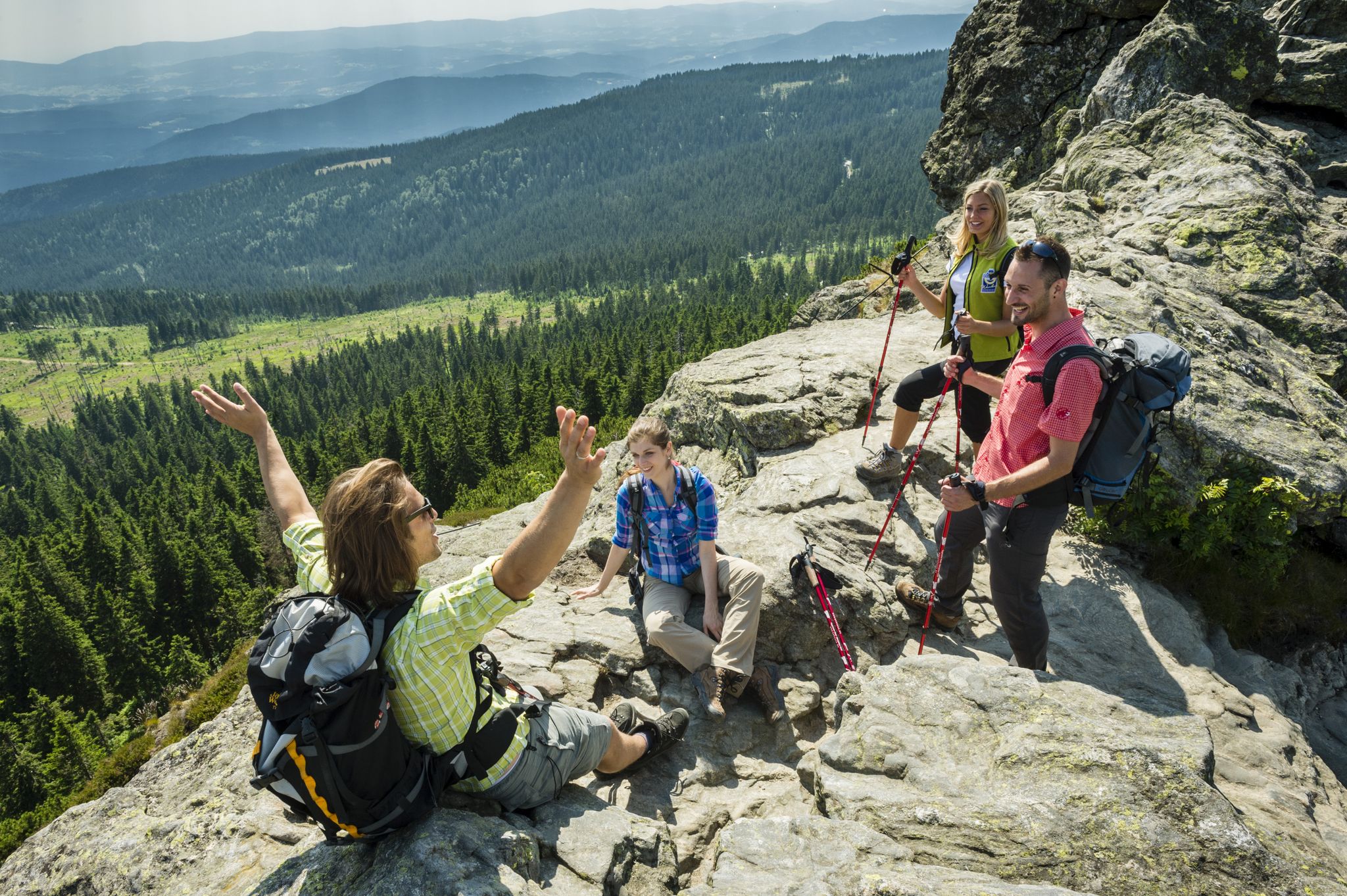
Goldsteig — The best routes for long distance hiking in Eastern Bavaria
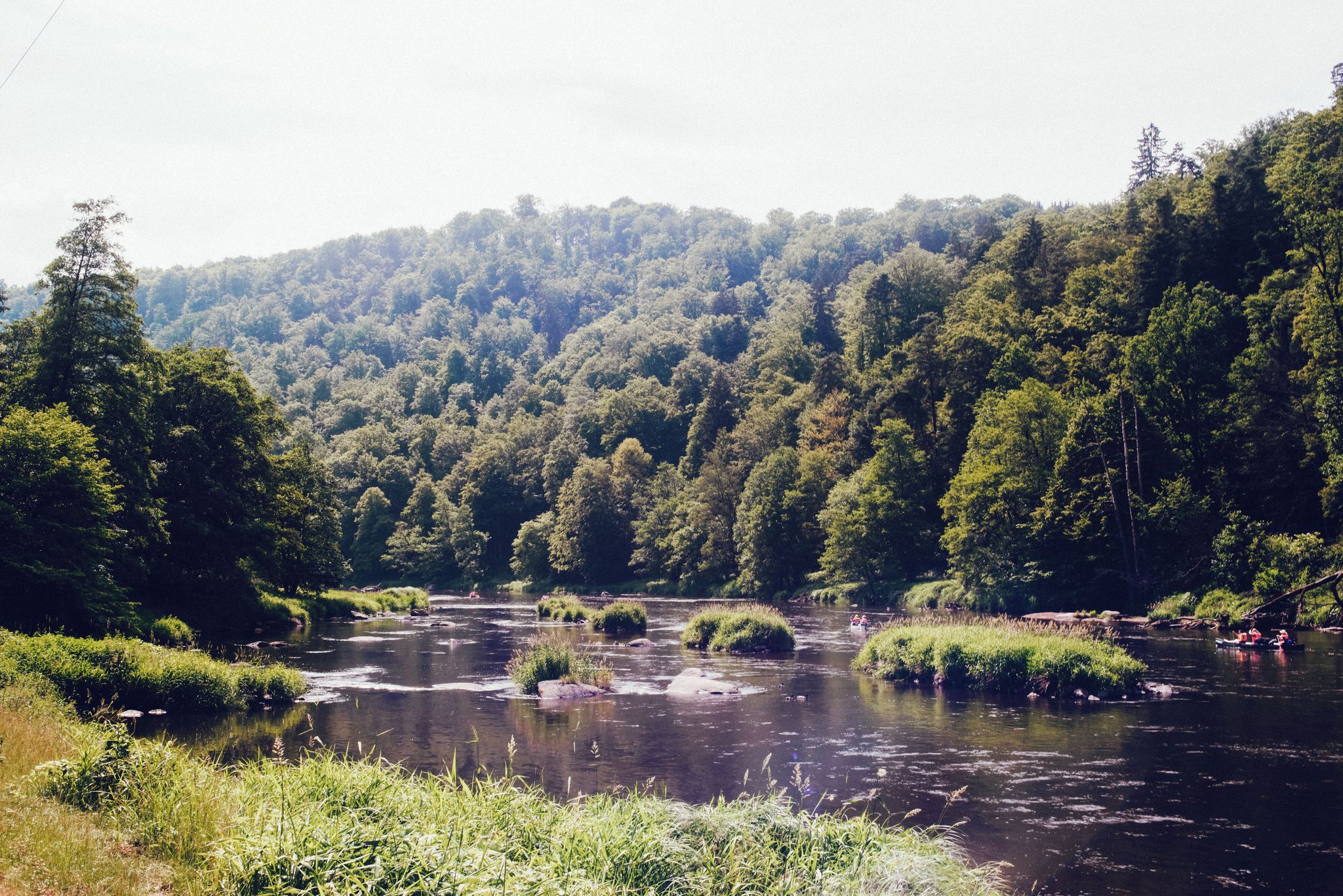
The Rain valley cycle path — 4 days through the Bavarian Forest
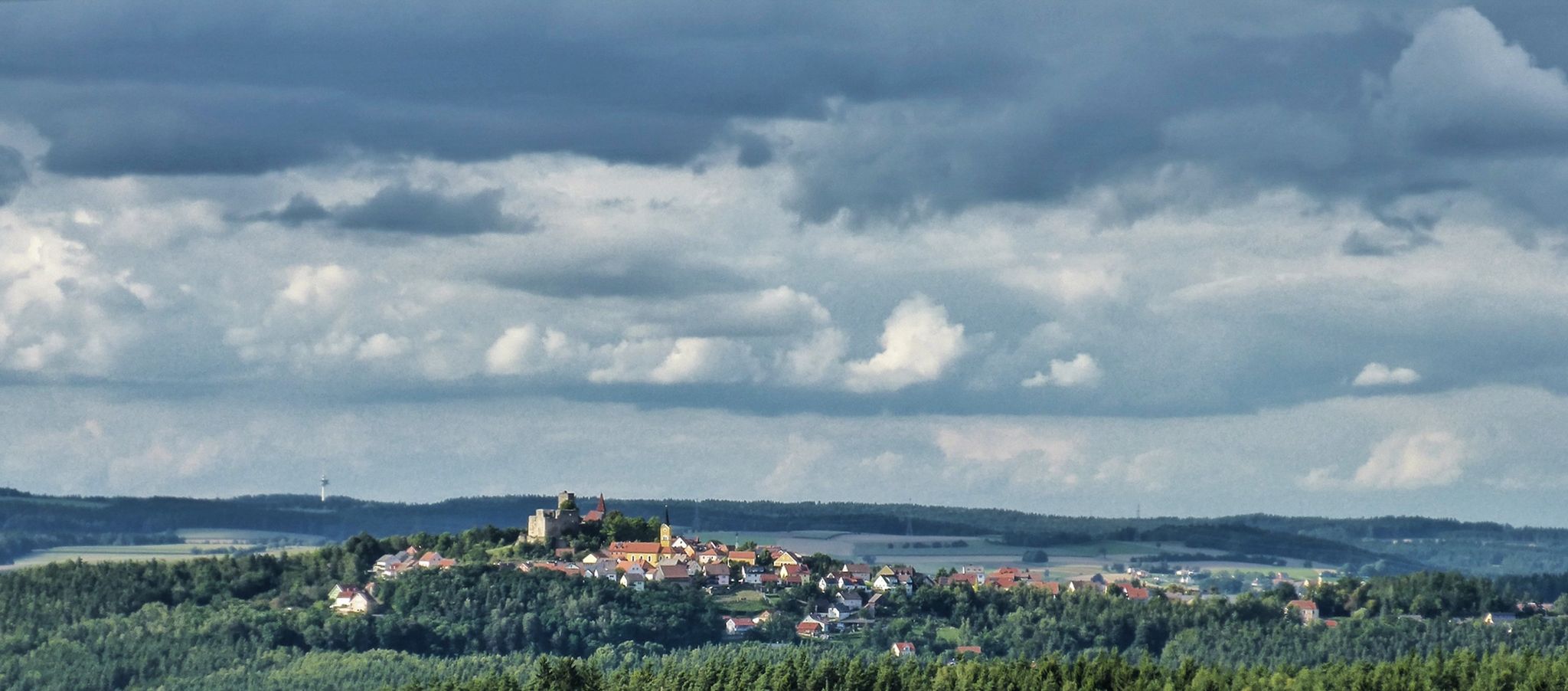
The Upper Palatinate Castle Trail — 9 days in picturesque northern Bavaria
Blue Gravel Bavaria – gravel biking along rivers and lakes
The National Natural Landscapes in Bavaria

Exciting cycle and (e)-mountain bike Tours in the Bavarian Forest
Hiking tips for the Bavarian Forest
Six wonderful hikes around Bavaria’s Großer Arber


Tips from the Community

Let's head up to the Schlossberg in Runding, where a truly impressive ruin complex and Bavaria's largest archaeological open-air museum await you. This used to be the largest castle in the Bavarian Forest. The entire complex covered approximately 18,000 square meters, and the accessible rampart stretches almost 400 meters around the mountain. You can visit the castle ruins all year round and take an exciting journey through more than 900 years of history. While enjoying a leisurely hike, you will discover old wall remains, fascinating sites, and some surprising insights into medieval castle life. Once at the top, you will also be rewarded with magnificent views of the landscape. So, pack your hiking boots, take some time for yourself, and explore the Schlossberg at your own pace. There is history, nature, and views all in one—it's truly a lovely excursion for the whole family.
1
0
Let’s head up to the Schlossberg in Runding, where a truly impressive ruin complex and Bavaria’s largest open-air archaeological museum await you. This used to be the largest castle in the Bavarian Forest. The entire complex covered approximately 18,000 square meters, and the accessible rampart stretches almost 400 meters around the mountain. You can visit the castle ruins all year round and take an exciting journey through more than 900 years of history. While enjoying a leisurely hike, you will discover old wall remains, fascinating sites, and some surprising insights into medieval castle life. Once at the top, you will also be rewarded with magnificent views over the landscape. So, pack your hiking boots, take a little time, and explore the Schlossberg at your own pace. With history, nature, and views all in one, it’s a truly wonderful excursion for the whole family.
0
1

Wetterfeld Castle Ruins As early as 1118, Gottfried von Wetterfeld appears as an influential ministerialis (unfree knight) of the Diepoldings, the powerful Margraves of Cham and Vohburg. He seems to have maintained good relations with many monasteries, especially Reichenbach Abbey—no wonder, since Abbot Reginboto was his brother. Numerous donations to various monasteries by Gottfried are documented, a widespread practice among knights to secure their salvation. In a donation from 1155, Heinrich is even mentioned as an imperial ministerialis, which demonstrates the family's rapid political rise. In 1179, Karl and Heinrich "de Weterinfeld" appear, after which the family disappears from the historical record. It is not until 1268 that we hear of a Deinhardus, who is now subject to the Bavarian dukes; perhaps they lost their independence with the inheritance of the Hohenstaufen dynasty. From 1283 onward, the Wittelsbachs sent judges to Wetterfeld. Ducal ministeriales from the surrounding area succeeded in office: Hauzendorfer, Katzdorfer, Zenger, and others. In 1322, it was pledged to the Chamerau family. In 1329, Wetterfeld came under the control of the Palatine line of the Wittelsbachs, who also appointed judges. In 1410, it passed to the sub-principality of Neumarkt-Neunburg, with the Degenberger, Nothaft, and Zenger families, among others, serving as administrators. During the Hussite raids of 1428 and 1433, the castle was destroyed and subsequently rebuilt. A unique feature of Wetterfeld is the four "castle guards"—four legally independent building complexes within the castle, which were granted separately—making the ownership situation quite complex. In 1621, during the Thirty Years' War, the Upper Palatinate, including Wetterfeld, came under the rule of Duke Maximilian of Bavaria. Later in the war, Wetterfeld was destroyed twice by the Swedes and subsequently rebuilt. But the castle and its buildings continued to deteriorate, and the administrators increasingly relocated their offices outside the castle. In 1812, the administrative office was moved to Roding, the castle grounds were subdivided, and private houses were built over. Wetterfeld is a moated castle—a branch of the Regen River bordered the complex to the northeast. The still clearly visible, deep, walled moat could be filled with sluice gates in case of attack. Essentially, only the large gate tower, built of rubble stone with corner quoins, remains. Its upper, habitable floors make it a variation of the late medieval residential tower. Source: www.burgenseite.de
1
0

The destination isn't worthwhile. The remains of the ruins are completely overgrown. Therefore, you don't get a complete overview and have no long-distance view.
0
0

Great place, in some places you can still see castle walls.
0
0


Magnificent view from up there. Definitely worth a detour.
1
1

This is a fantastic castle ruin with a great view. The ruin is very impressive and has lots of information boards. There are several hiking trails to this ruin, short or long, anything is possible! In the ruin there are several comfortable places to sit and take a break. There is also a wonderful viewing point with a bench. Access is always possible and free!
1
1
Frequently Asked Questions
Which castles in Cham offer the best panoramic views?
For breathtaking panoramic views, consider visiting the Schwarzenburg Castle Ruins, perched on the 706-meter high Schwarzwihrberg. Its renovated keep provides a unique panorama of the surrounding hills. Another excellent option is Kürnburg Castle Ruins, where a walk-in observation tower offers fantastic views over the Regental valley.
Are there family-friendly castles to visit in the Cham region?
Yes, several castles in Cham are suitable for families. Kürnburg Castle Ruins and Schwarzenburg Castle Ruins are both highlighted as family-friendly. Falkenstein Castle also offers a castle park and hosts an annual festival, making it an engaging destination for all ages.
What kind of historical insights can I gain from visiting Cham's castles?
Cham's castles offer a deep dive into the region's history. For example, Wetterfeld Castle Ruins, first mentioned in 1118, showcases a unique historical composition of four independent building complexes and its destruction during the Thirty Years' War. The Ödenturm (Ruins of Chameregg Castle), with its restored keep and visible vaulted ceilings, provides a glimpse into medieval architecture and defense.
Are there hiking opportunities near the castles in Cham?
Absolutely. Many castles are integrated into scenic hiking routes. The Schwarzenburg Castle Ruins are an ideal spot for hikers seeking scenic vistas. You can also combine a visit to Lobenstein Castle Ruins with a hike. For more extensive hiking options, explore the various routes in the region, such as those found in the Hiking in Cham guide.
Which castles are freely accessible to visitors?
Many of Cham's castle ruins are freely accessible. Both Kürnburg Castle Ruins and Ödenturm (Ruins of Chameregg Castle) can be visited without an entrance fee. The exterior of Lobenstein Castle Ruins is also freely accessible, though internal visits might require prior arrangement.
Are there any castles in Cham that offer accommodation or dining options?
Yes, Falkenstein Castle not only houses a museum but also a youth hostel, offering accommodation. It also features a rustic Knight's Hall where visitors can enjoy a hearty knight's dinner. Near the Ödenturm (Ruins of Chameregg Castle), you'll find the restaurant 'Zum Ödenturm' for refreshments. The Schwarzenburg Castle Ruins also have a cozy mountain lodge operating in the upper courtyard on specific days.
What is the best time of year to visit the castles in Cham?
The spring and autumn months are generally ideal for visiting Cham's castles, offering pleasant weather for exploring the ruins and surrounding hiking trails. The mountain lodge at Schwarzenburg Castle Ruins, for example, is open from April to October. Summer also provides good conditions, especially for events like Falkenstein Castle's annual festival.
Can I find challenging hikes to castle ruins in the Cham area?
For those seeking a more challenging adventure, the Sengersberg Castle Ruins offer an adventurous hike, particularly the final ascent to the prominent summit cross, which includes securely fastened chains to aid in the climb. This provides a unique and strenuous connection to the Bavarian countryside.
Are there any castles that are particularly good for history beginners?
For those new to exploring historical sites, Kürnburg Castle Ruins is an excellent choice. Its extensive wall remains, including the gate tower, battery tower, and chapel, are well-preserved and provide a clear visual understanding of a medieval castle's layout. Falkenstein Castle, with its museum, also offers structured historical insights.
What kind of natural features can I expect to see around Cham's castles?
Many castles are situated amidst beautiful natural landscapes. The Schwarzenburg Castle Ruins offer panoramic views of surrounding hills and forests. Kürnburg Castle Ruins are located on a wooded hill with views over the Regental valley. Falkenstein Castle is surrounded by a castle park, and the area provides opportunities for hiking and cycling through nature.
Are there any lesser-known or 'hidden gem' castle ruins worth exploring?
While popular, Buchberg Castle Ruins, also known as Schlossberg, offers a historical hiking destination with remnants of a 12th-century castle. Though only the stump of the keep and some walls remain, it provides a quiet, reflective experience away from more crowded sites, perfect for those who appreciate historical context in a natural setting.
Most popular routes in Cham
Most popular attractions in Cham

Get inspired with the komoot mobile app


Didn’t find what you were looking for?
Explore Cham’s best castles region by region:
Explore more
Looking for the best castles somewhere else? Discover other guides in Cham:
