Top 15 Lakes in Nature Park Tiroler Lech
Best lakes in Nature Park Tiroler Lech are found within a region celebrated for its pristine wild river landscape and rich biodiversity. This area is home to the last wild river of Europe, the Lech, and features vast alluvial forests. The clear spring lakes contribute significantly to the region's ecological value. Visitors can experience diverse natural features and a wide array of plant and animal species.
Best lakes in Nature Park Tiroler Lech
- The most popular lakes is Kogelsee,…
Last updated: July 7, 2026
Juniper Tree Natural Monument at the Urden Canal
Highlight • Natural Monument
Common juniper
The common juniper (Juniperus communis) is known primarily as a juniper bush. As a type of cypress, it is found primarily on dry, rather …
Translated by Google •
Tip by

Badino Natural Swimming Pond, Vorderhornbach
Highlight • Lake
The quiet, sunny location of Vorderhornbach …
Translated by Google •
Tip by

Sign up now to discover places like this
Get recommendations on the best single tracks, peaks, & plenty of other exciting outdoor places.
Sign up for free
Kogelsee
Highlight • Lake
Translated by Google •
Tip by

Lahnerkopf
Highlight • Summit
Translated by Google •
Tip by

Hermannskar Lake
Highlight • Lake
Translated by Google •
Tip by

Sign up for free to discover even more lakes in Nature Park Tiroler Lech.
Sign up for free
Already have an account?
Start today with a free account
Your next adventure awaits.
Login or Signup
Popular around Nature Park Tiroler Lech
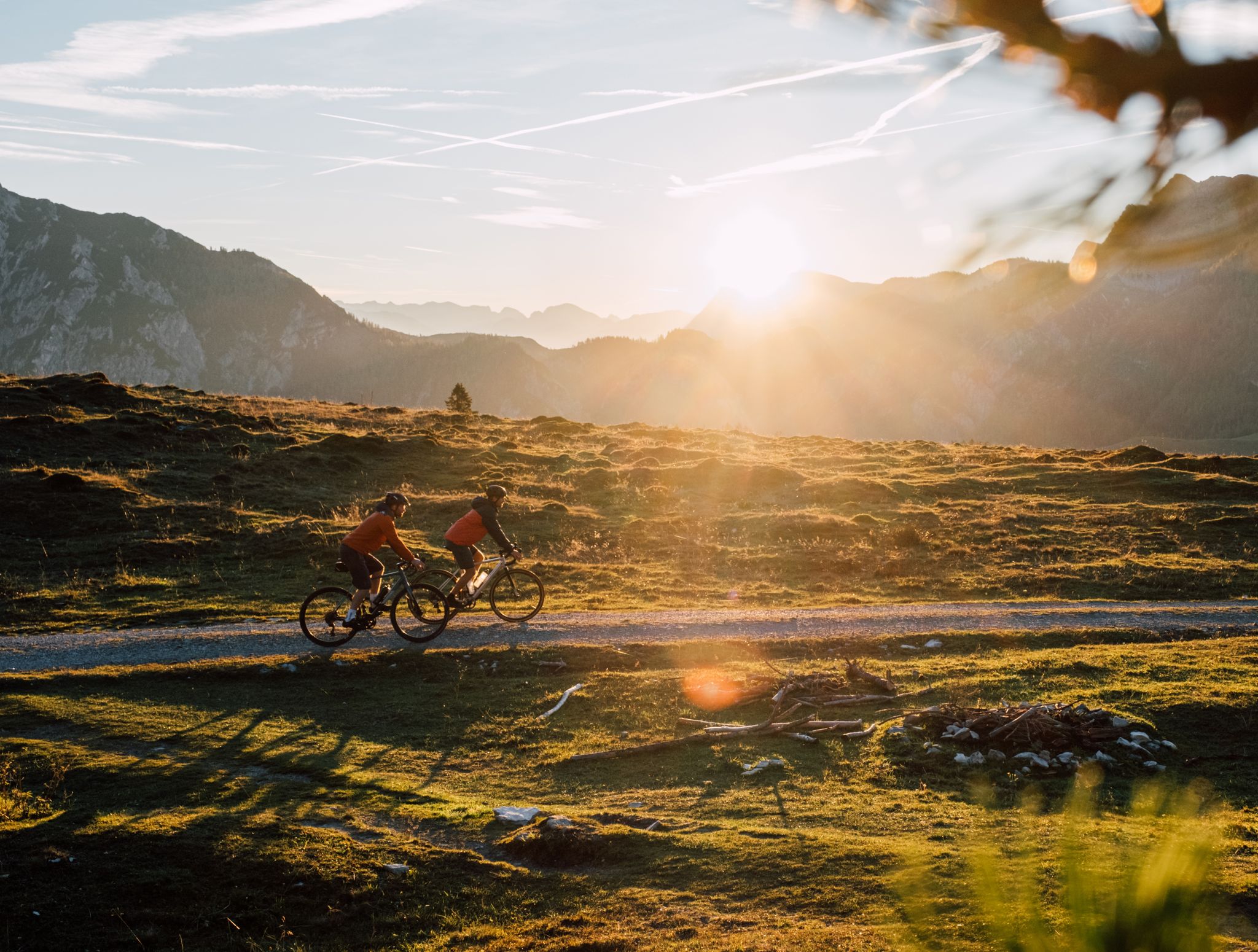
Beyond the pavement – explore Austria's wild nature on a gravel bike
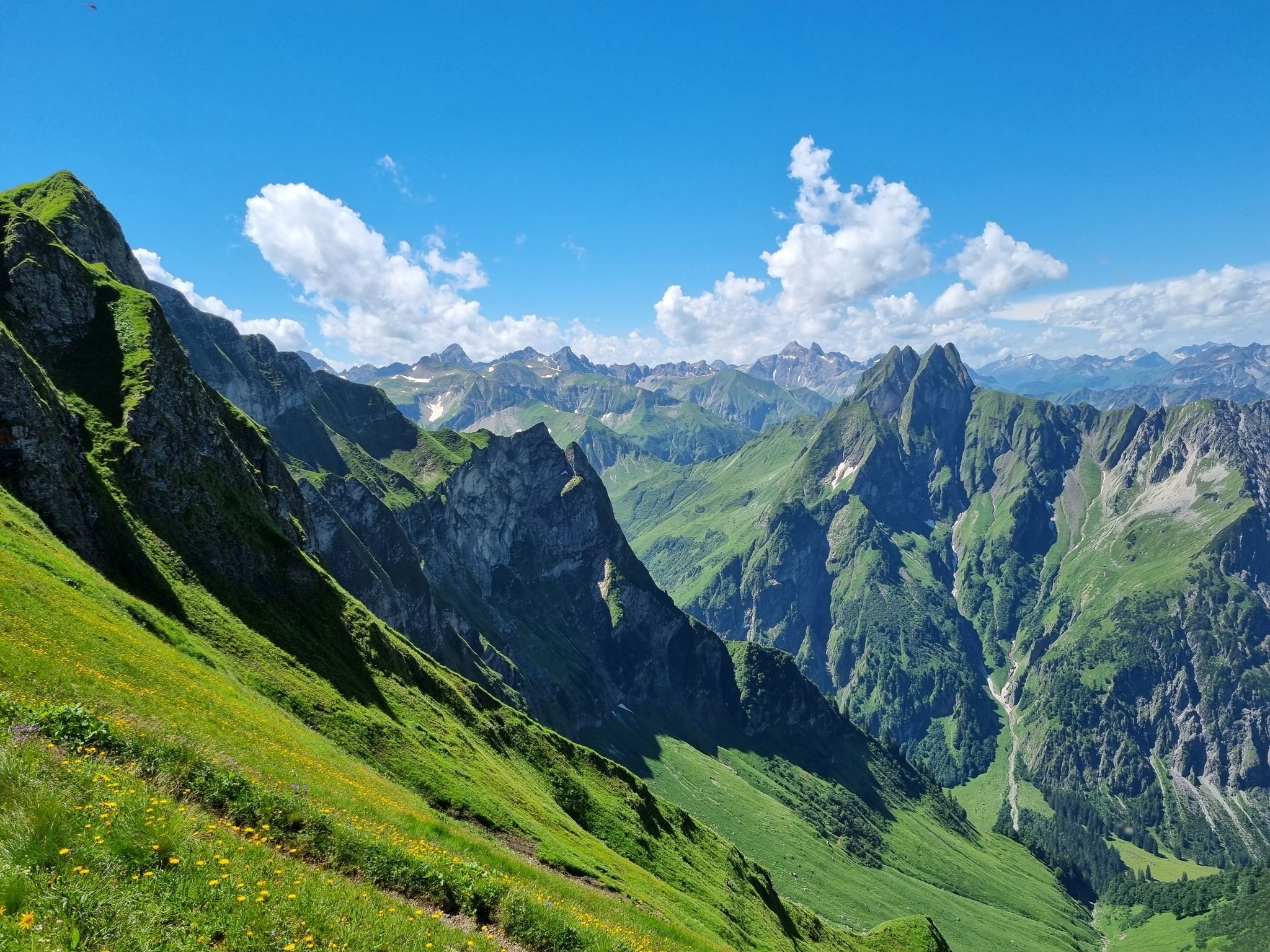
Ibex Tour extended – Crossing the Allgäu Alps
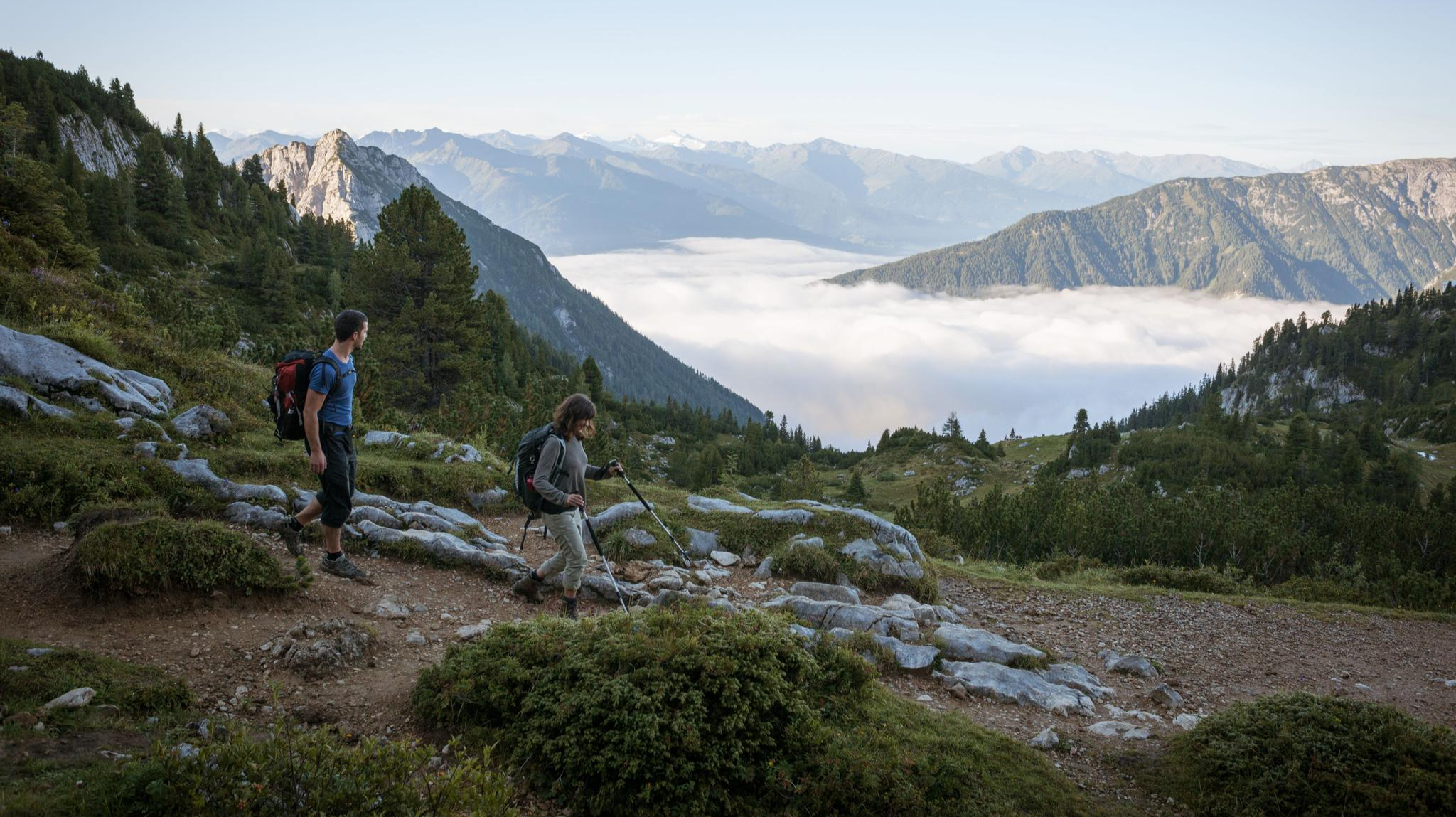
Eagle Walk – Majestic hiking along Tirol's trail
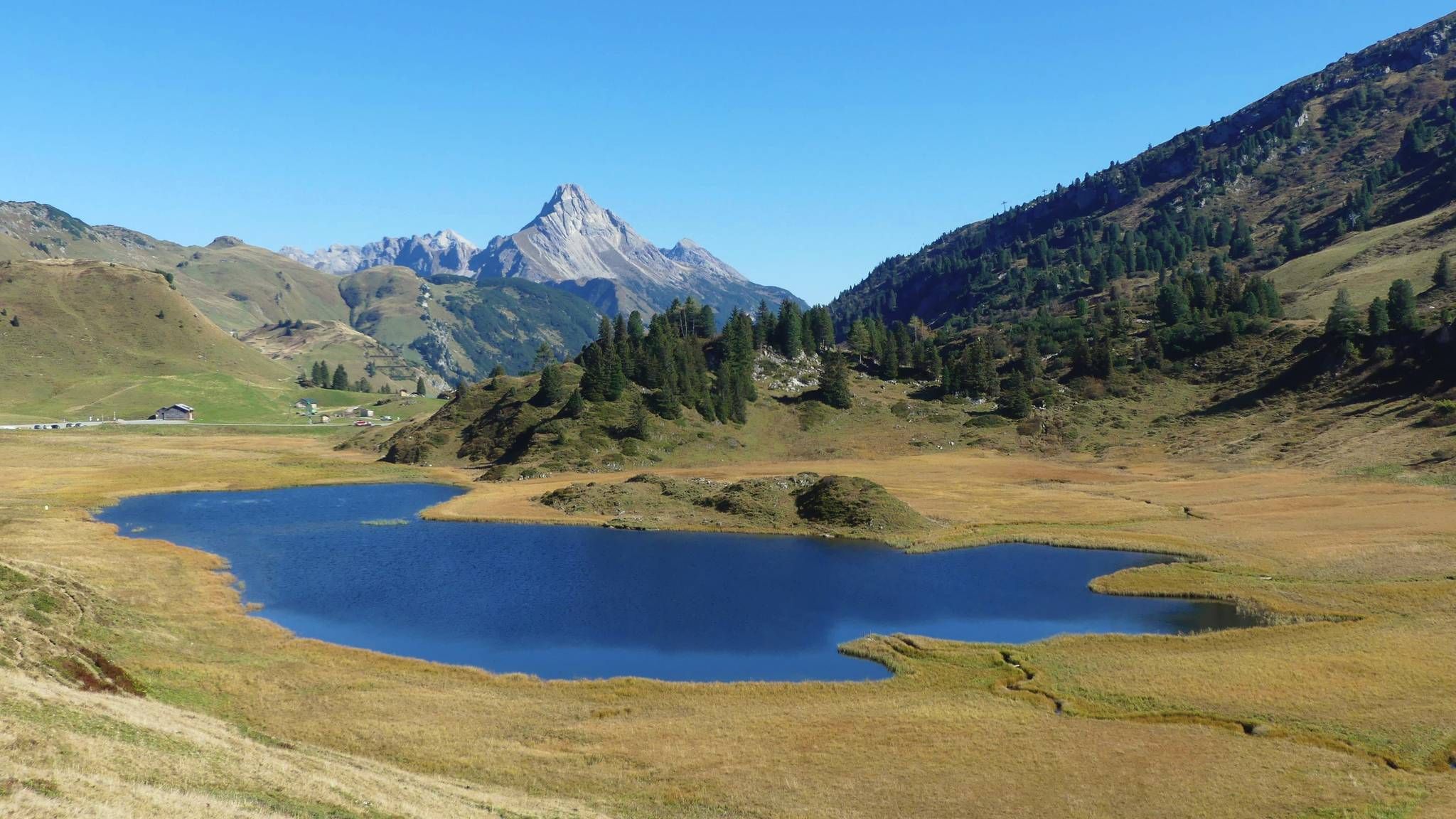
Min Weag long-distance hiking trail – From Lake Constance to the Alps
The Lechweg — eight days on Austria's wildest river
Lechloops – wonderful hiking along the wild Lech
Scenic Winter Hikes around Austria
Cycling in the Tyrolean Lech Valley – 10 varied routes along the wild Lech river
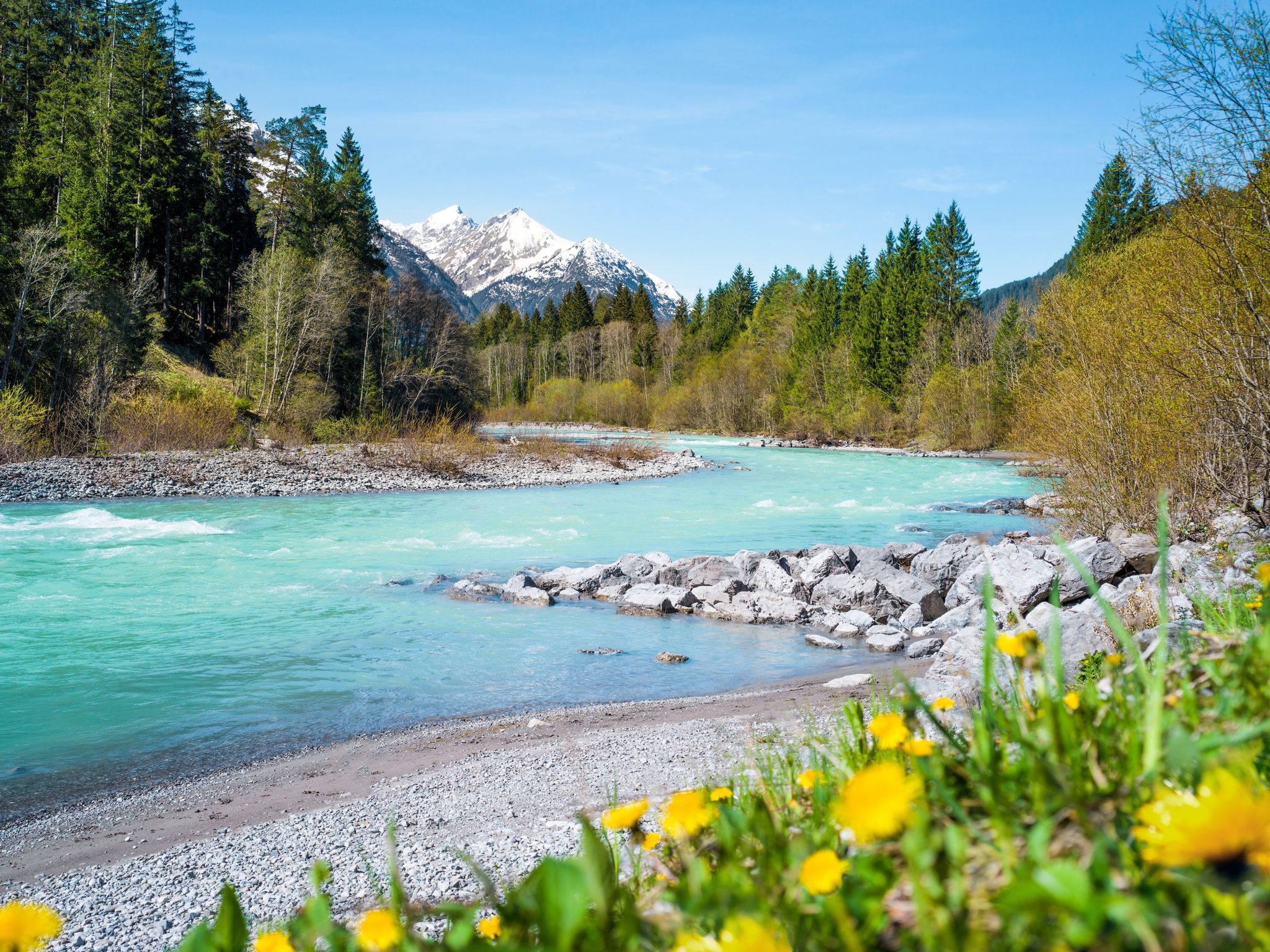
Multi-day hiking against the flow – the Lechweg in reverse
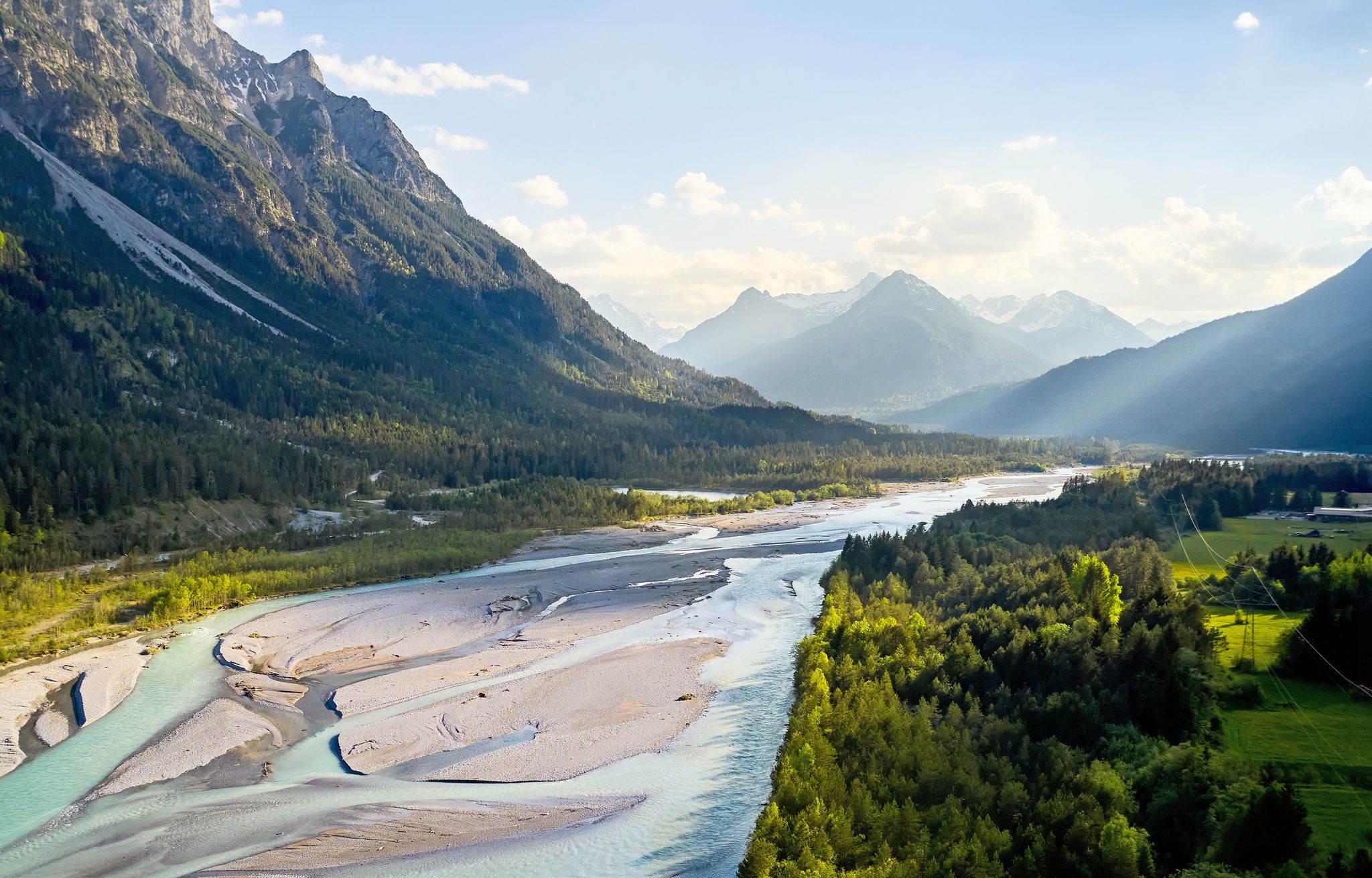
Lechweg – follow the wild river through the mountains
Other adventures in Nature Park Tiroler Lech


Tips from the Community


You never stop learning, I only knew it from Madeira until now.
0
0

A trip to the Lech is always worthwhile.
0
0

Great little lake that's worth cooling off in.
1
0

Beautiful mountain lake with cotton grass on the lake shore.
0
0

Juniper tree Natural monument Common juniper The common juniper (Juniperus communis) is known primarily as a juniper bush. As a type of cypress, it is found primarily on dry, rather nutrient-poor, calcareous soils. The pungent leaves of the common juniper are needle-shaped and up to 15 mm long. The spherical, round fruits are berry cones. Initially greenish, they later turn blue-black and ripen in the 2nd year or even in the 3rd year after fertilization. Even in earlier times, people knew about its healing power, which is due to the essential oils and tannins in its fruits. Today, it is still often found next to graves as a "guardian". Popular belief says that it makes it easier for the souls of the deceased to pass into the afterlife. The common juniper is widespread in the dry pine forests on the Lech. Here it also occurs as a tree with a height of up to 8 m. In the rest of Tyrol, tree-shaped junipers are only known in three other locations. In 1960, these stands were declared a natural monument by the Tyrolean Nature Conservation Act (= a natural structure that should be preserved due to its rarity, uniqueness or beauty or because of its scientific, historical or cultural significance as well as because of the special character it gives to the landscape. If there is a public interest in this, the district administrative authority can declare a natural monument by notice. - Tyrolean Nature Conservation Act 2005) and placed under protection. Text / Source: Tiroler Lech Nature Park Association, Klimm 2, 6644 Elmen https://www.naturpark-tiroler-lech.at/naturpark_entdecken/gemeiner-wacholder/
11
0

Unfortunately, the point is wrong, it should be further to the west. The view from the summit is truly magnificent.
1
1
From the Lahnerscharte at an altitude of 2,121 m you have a great view of the Schecksee and the Allgäu high Alps, as well as the Hintersteiner valley. There are a number of routes leading up here, but finding one can be tricky as none of them follow the marked ones.
1
0
Frequently Asked Questions
What are some of the most scenic lakes in Nature Park Tiroler Lech?
The region boasts several picturesque lakes. Kogelsee offers a fantastic panoramic view after a strenuous ascent. Körbersee, often called one of Austria's most beautiful places, is known for its clear blue waters and the reflection of the Widderstein landmark. Kalbelesee also provides scenic views and is easily accessible.
Are there any particularly unique or ecologically significant lakes in the region?
Yes, Rieden Lake (Riedener See) is notable for its crystal-clear, calcareous water fed by underground springs, preventing it from freezing in winter. It's a significant habitat for nature lovers, home to rare species like Bilek's Azurjungfer, an extremely rare dragonfly, and is described as a 'lime spring bog.' A nature trail encircles the lake, explaining its unique features.
What kind of outdoor activities can I do near the lakes in Nature Park Tiroler Lech?
Beyond enjoying the lakes themselves, the area offers diverse outdoor activities. You can find numerous hiking trails, including easy walks and more challenging routes. For cyclists, there are options for road cycling routes and MTB trails that explore the surrounding landscapes.
Are there family-friendly lakes or activities suitable for children?
Absolutely. The Badino Natural Swimming Pond in Vorderhornbach is a great option, offering tranquility and natural beauty. Körbersee also has family-friendly walks around its perimeter, and the nature trail around Rieden Lake is suitable for all ages, providing educational insights into the local ecosystem.
What is the best time to visit the lakes in Nature Park Tiroler Lech?
The best time to visit is generally from late spring to early autumn. Between June and July, the alpine roses around Körbersee are in full bloom, adding to the scenic beauty. Summer offers pleasant temperatures for hiking and enjoying the water, while the spring and autumn months provide quieter experiences with vibrant natural colors.
Are there easy walks around the lakes for beginners or those seeking a relaxed experience?
Yes, there are several easy options. A well-developed hiking trail, approximately one kilometer long, encircles Körbersee. Rieden Lake also features a nature trail that is accessible and provides explanations of its unique features. For more general easy hikes in the region, you can explore the Easy Hikes in Nature Park Tiroler Lech guide.
Can I swim in the lakes in Nature Park Tiroler Lech?
While some lakes are suitable for swimming, such as the Badino Natural Swimming Pond in Vorderhornbach, others like Schänzlesee offer a refreshing change in midsummer. Always check local regulations and water conditions before entering any natural body of water.
What natural features can I expect to see around the lakes?
The lakes are set within the Nature Park Tiroler Lech, known for its wild river dynamics, vast alluvial forests, and rich biodiversity. You'll encounter clear spring lakes, mountain panoramas, and a wide array of plant and animal species. The area around Körbersee, for instance, is a nature and plant conservation zone, boasting beautiful alpine flowers.
Are there any long-distance hiking trails that pass by or originate near these lakes?
Yes, the Lechweg, a renowned long-distance hiking trail, traces its origins to the source of the Lech River near Lake Formarin. This trail offers a unique opportunity to follow the 'last wild river of Europe' through alpine valleys, over suspension bridges, and past rapids.
What do visitors appreciate most about the lakes in Nature Park Tiroler Lech?
Visitors highly value the absolute tranquility and original natural landscape. The stunning mountain panoramas, clear waters, and the opportunity for 'forest bathing' are frequently mentioned. The region's rich alpine flora and fauna also provide wonderful motifs for nature lovers and photographers.
Is it possible to combine a lake visit with a stop at a mountain hut or refreshment point?
Yes, for example, a short circular hike around Formarinsee offers the opportunity for refreshments at the Freiburger Hütte. The area around Körbersee also features the Berghotel Körbersee, providing a convenient stop for hikers.
Most popular routes in Nature Park Tiroler Lech
Most popular attractions in Nature Park Tiroler Lech

Get inspired with the komoot mobile app


Explore more
Still not found your perfect lake in Nature Park Tiroler Lech? Check out the guides of these regions to see even more beautiful places.
