Top 20 Natural Monuments in Apulia
Best natural monuments in Apulia include a diverse range of geological formations and protected areas. The region features extensive karst cave systems, dramatic canyons, ancient olive groves, and significant coastal and marine reserves. These sites offer insights into Apulia's natural history and ecological importance. The landscape provides varied opportunities for outdoor exploration and observation.
Best natural monuments in Apulia
- The most popular natural monuments is The Two Sisters, a natural monument that consists of two sea stacks visible from…
Last updated: August 19, 2026
Umbra Pond
Highlight • Lake
Translated by Google •
Tip by

Bauxite Lake, Otranto
Highlight • Lake
Tip by

Sign up now to discover places like this
Get recommendations on the best single tracks, peaks, & plenty of other exciting outdoor places.
Sign up for free
Ciolo Bridge
Highlight • Bridge
Translated by Google •
Tip by

The Two Sisters
Highlight • Natural Monument
Translated by Google •
Tip by

Punta Palascia Lighthouse
Highlight • Monument
Translated by Google •
Tip by
Bosco Selva Nature Reserve
Highlight • Forest
Translated by Google •
Tip by

Vignanotica Beach
Highlight • Beach
Translated by Google •
Tip by

Porto Badisco Bay
Highlight • Beach
Translated by Google •
Tip by

Le Cesine Nature Reserve
Highlight • Natural Monument
Translated by Google •
Tip by

Salina dei Monaci Nature Reserve
Highlight • Natural
Translated by Google •
Tip by

Sign up for free to discover even more natural monuments in Apulia.
Sign up for free
Already have an account?
Start today with a free account
Your next adventure awaits.
Login or Signup
Popular around Apulia
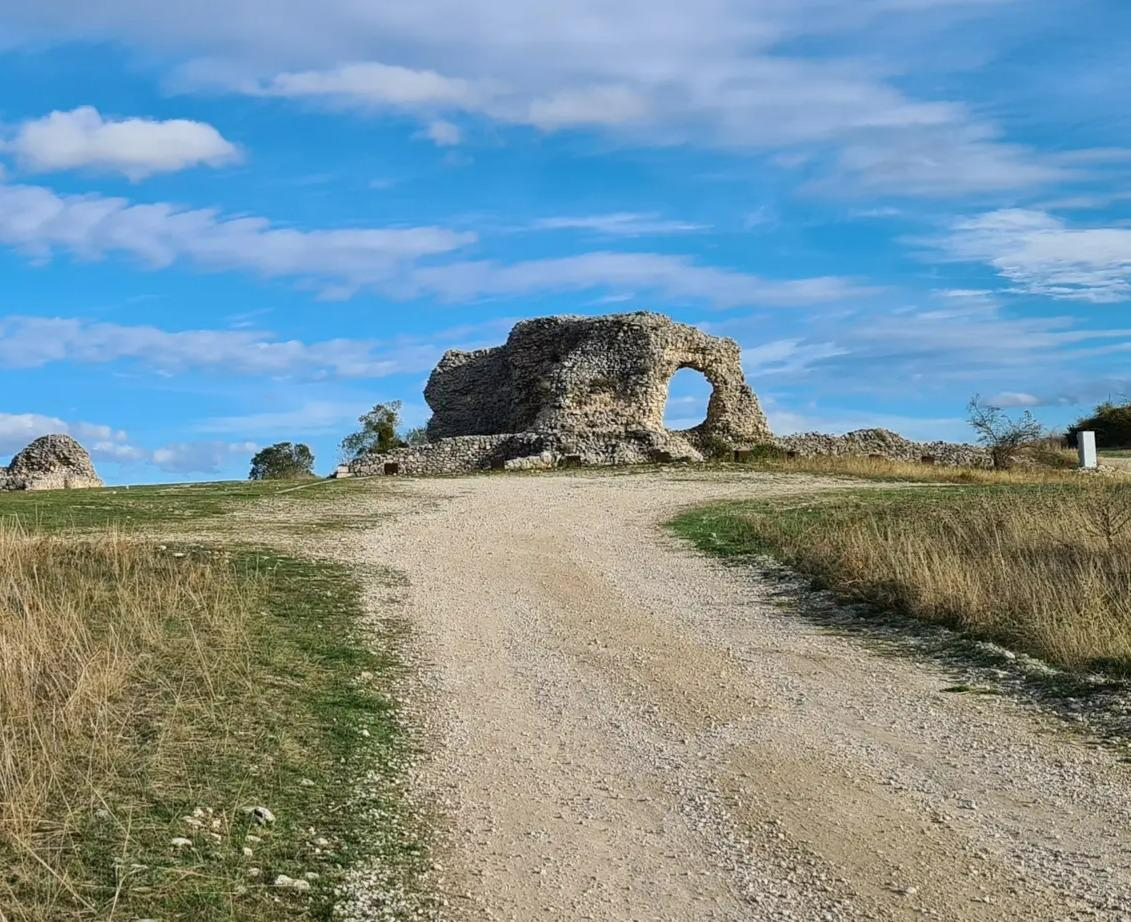
Tratturo Magno – On the roads of transhumance
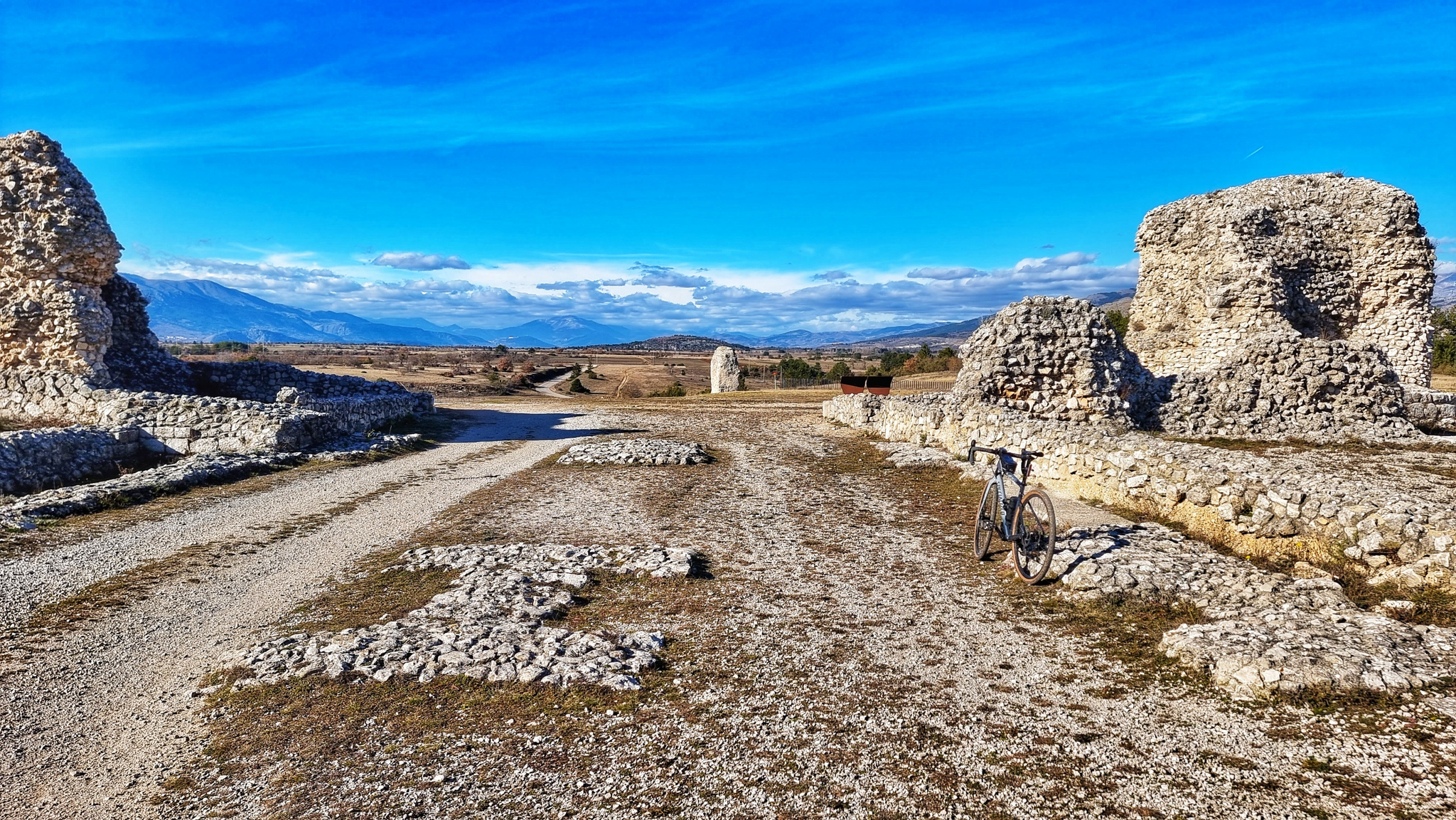
The Tratturo Magno – From the Apennines to the TavoIiere, 300 kilometers
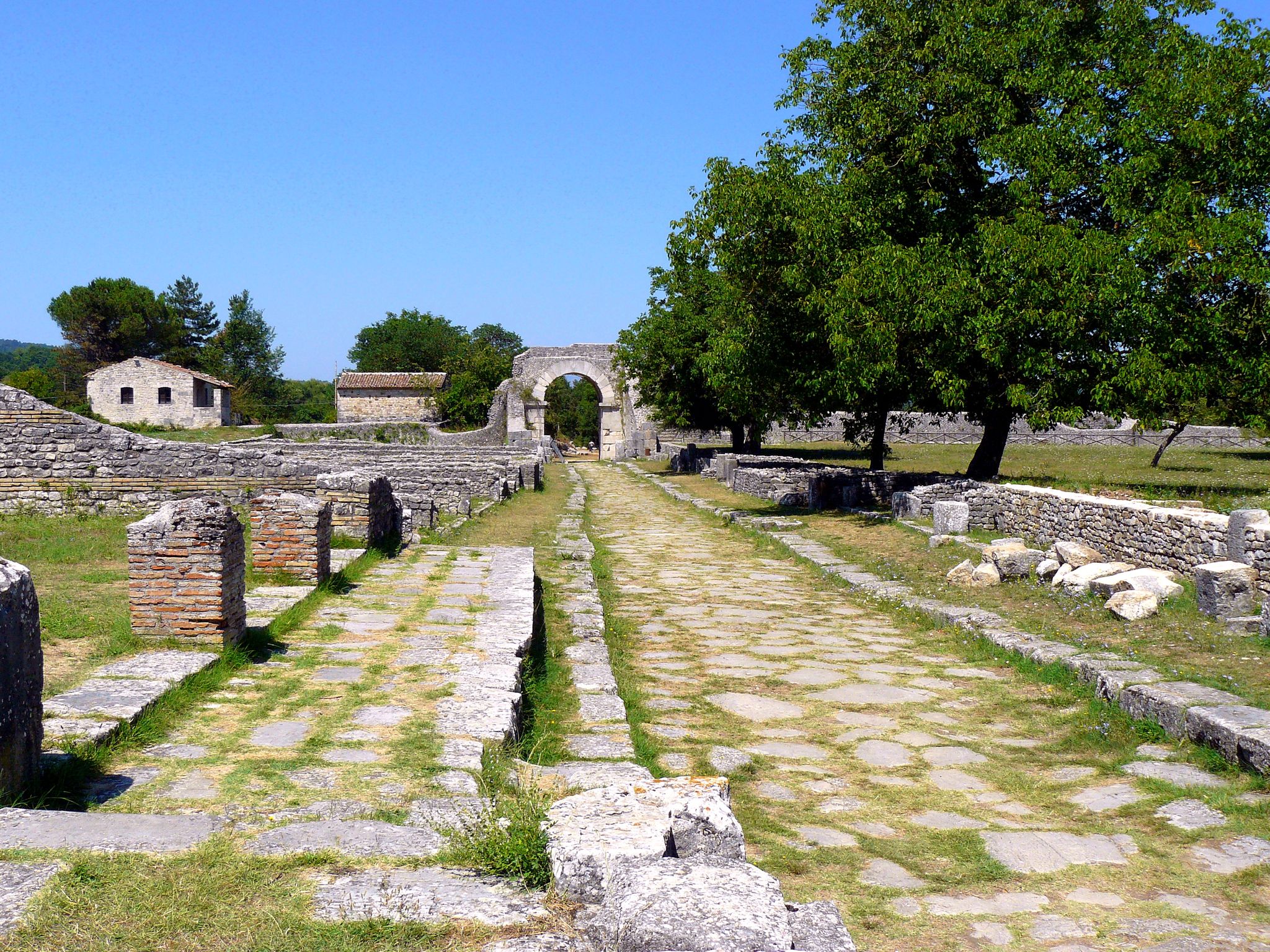
Sentiero Italia – On the tracks of the Samnites and Romans in Molise
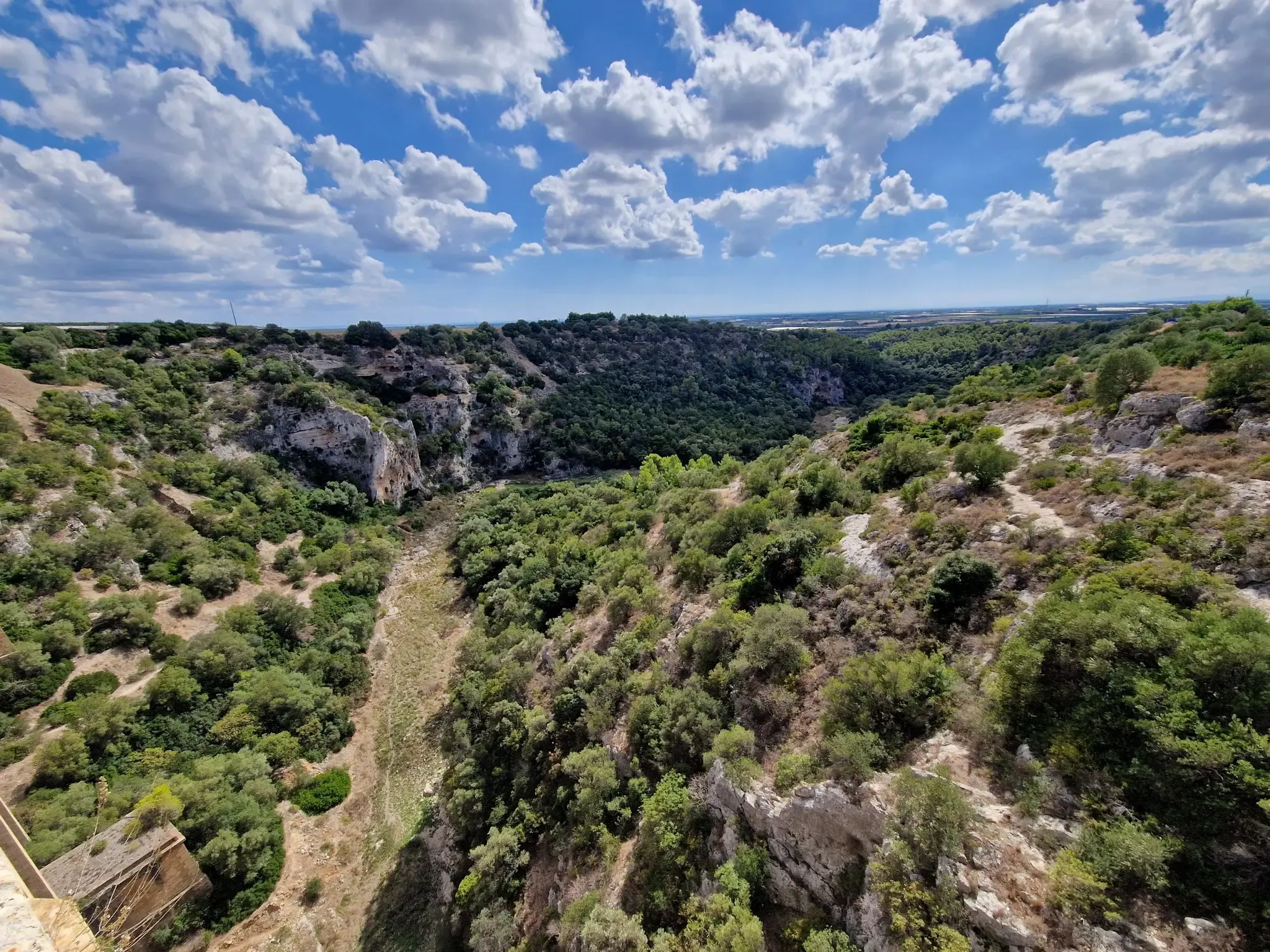
Discovering Puglia by bike – essential rides
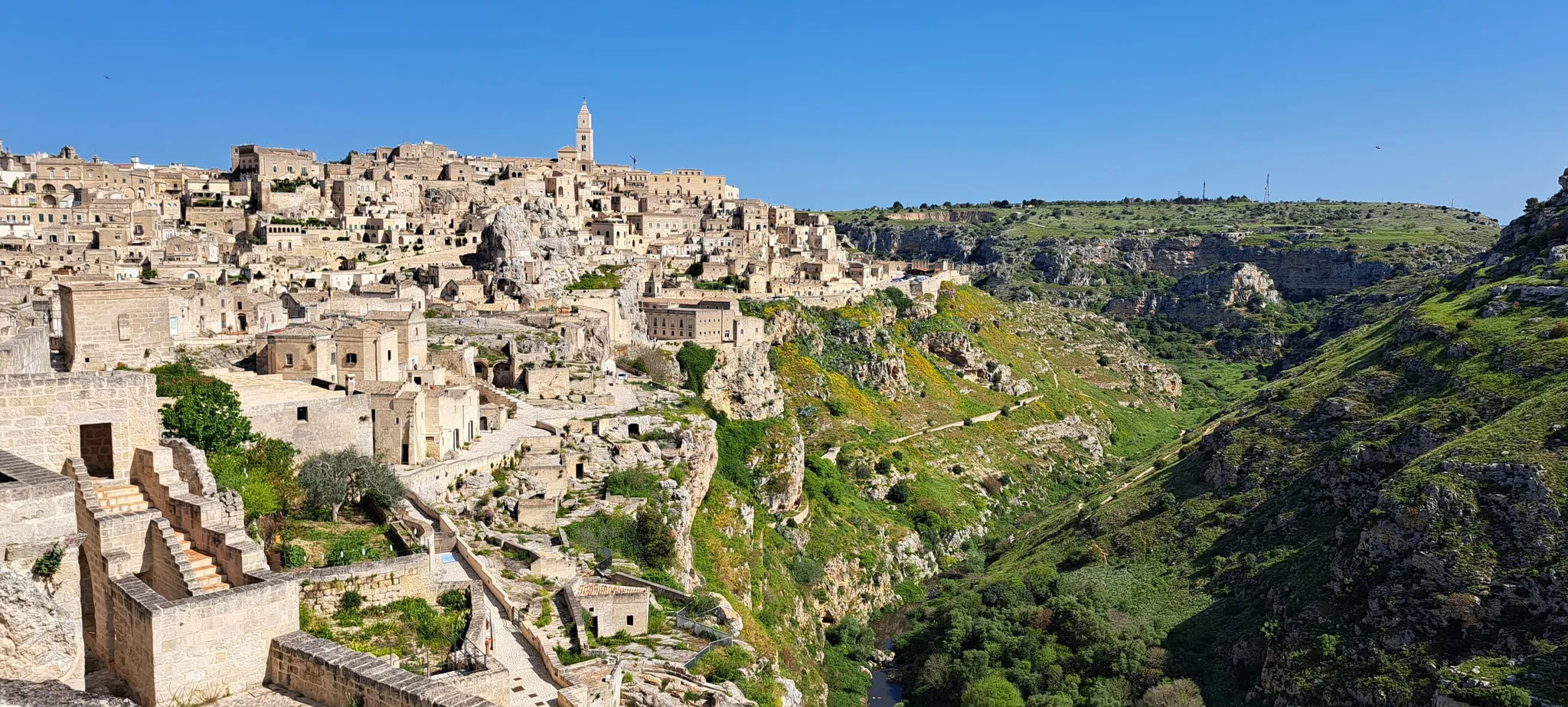
Among olive trees and white stone - Via Peuceta
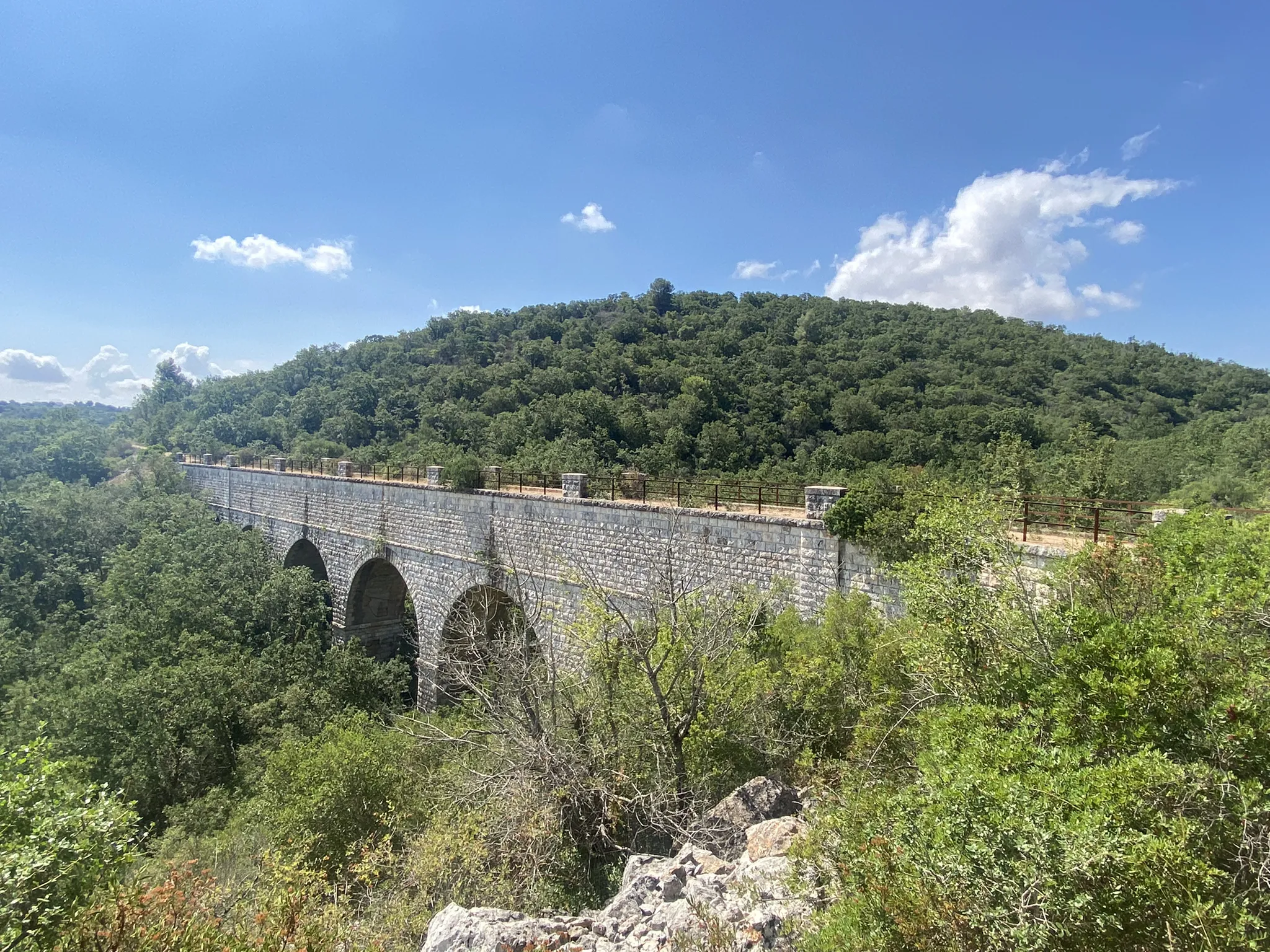
Caposele to Santa Maria di Leuca – Apulian Aqueduct Cycle Route
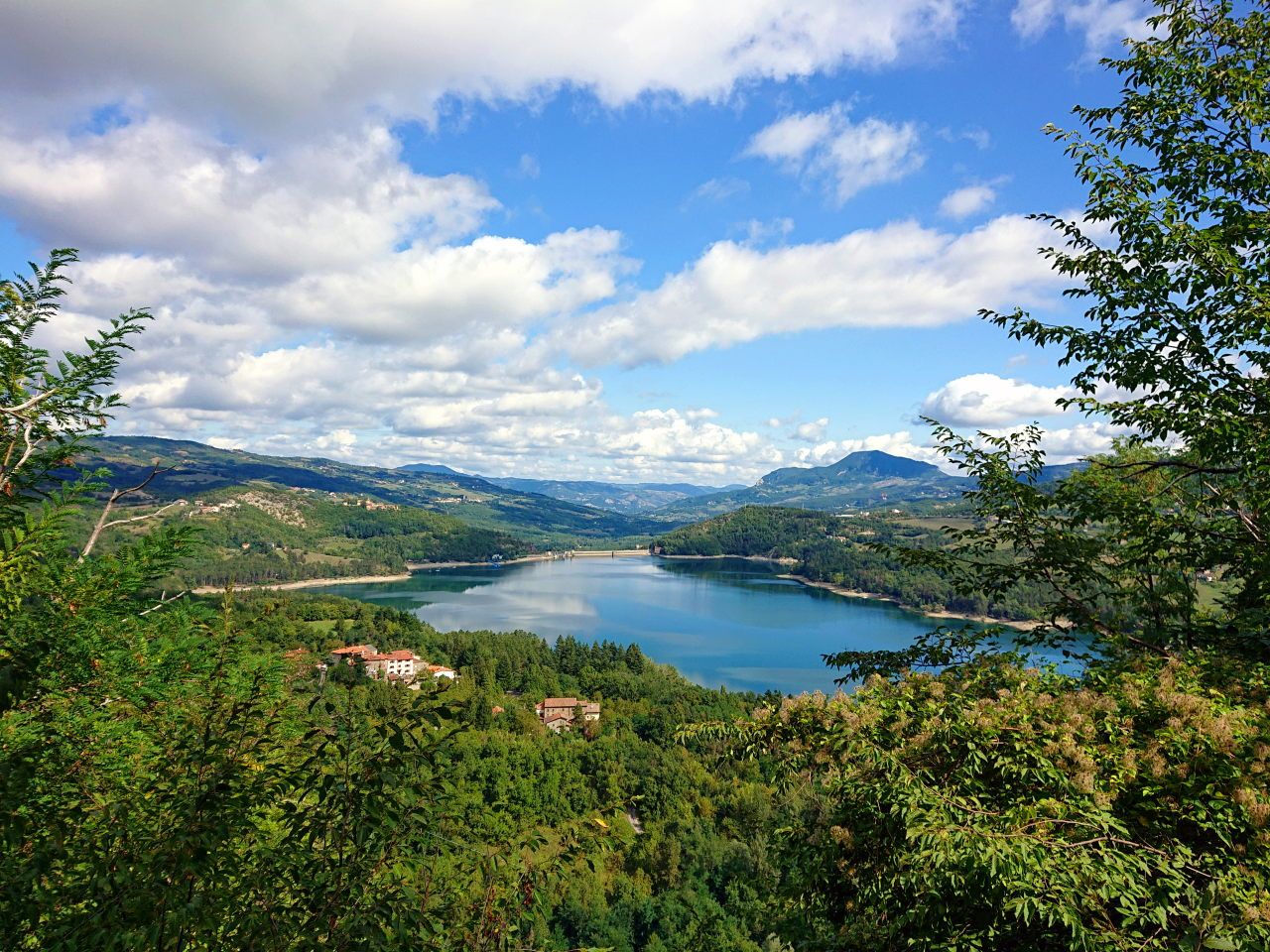
Interiora - A Journey into the Remote Areas of Italy
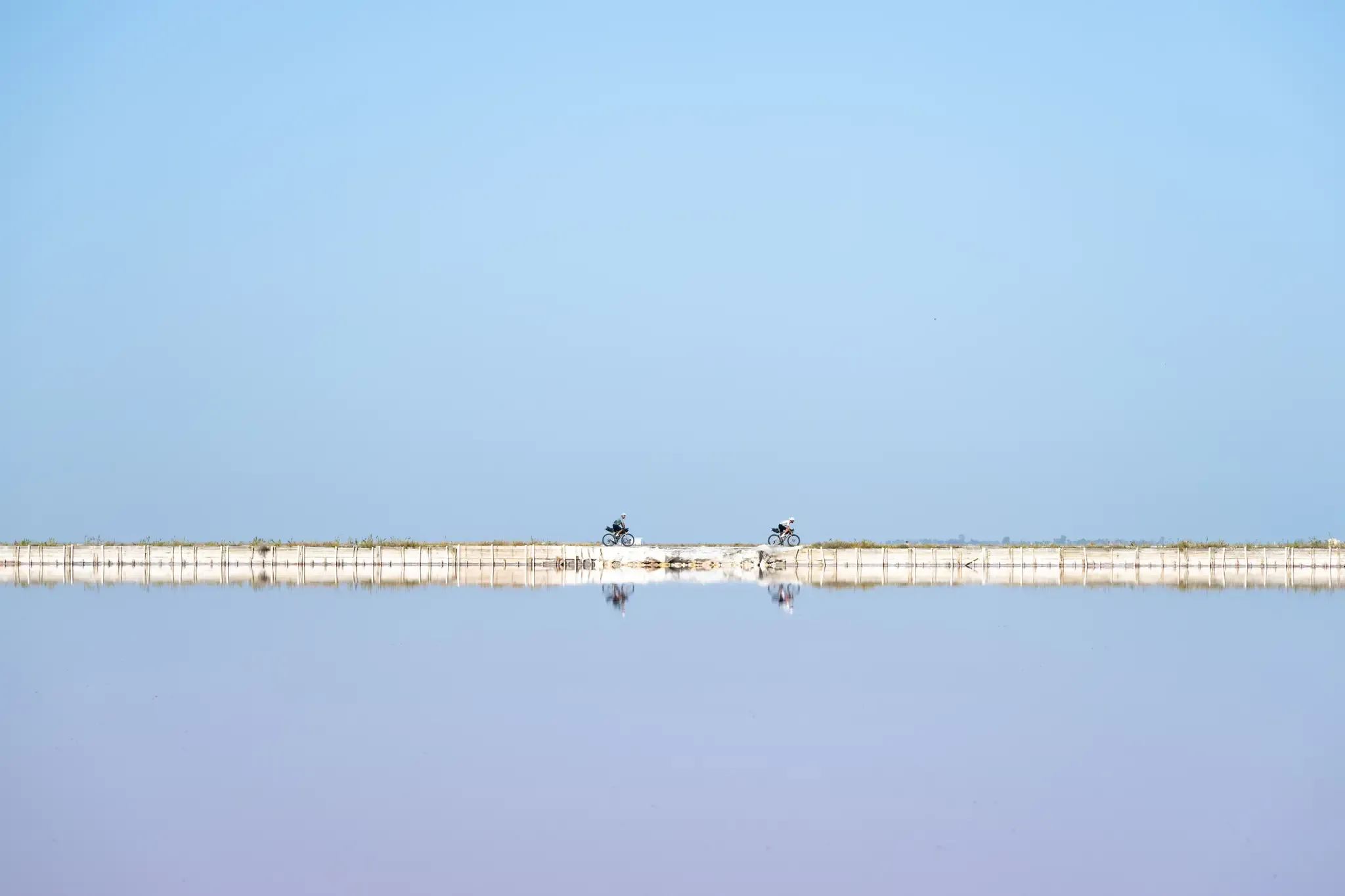
Trieste to Santa Maria di Leuca – the Adriatic Cycle Route
Pedalling in Italy’s far south – Ciclovia dei Borbone
Triangle of Wonders – Salento Ring from Gallipoli
Other adventures in Apulia


Tips from the Community


Wonderful tourist destination. One of the most beautiful and renowned bays in Italy. In Vignanotica there is a campsite (camping vignanotica) and a residence (vignanotica beach apartment) www.vignanotica.it In the immediate vicinity there is the 3 km nature trail "sentiero dell'amore" (path of love) which is beautiful to do both on foot and by bike. It is possible to stay in both the campsite and apartments. In the immediate vicinity there are markets, small restaurants and equipped beach clubs. There is also the possibility to rent canoes to see the most beautiful caves of the Gargano!
0
0

A wonderful hike along the sea. The view is breathtaking. Highly recommended. Ideal in the early morning hours when it's not so warm in summer.
0
0


The Laghetto d'Umbra is a rainwater-fed lake. The turtles living here were released, but they seem to thrive here.
2
0

In some parts the sand on the trail is quite thick: if you are travelling with a very heavy bike it might be better to push it.
0
0

The Salina dei monaci of Torre Colimena is a small earthly paradise located on the Ionian coast of Salento a few kilometers from Porto Cesareo
0
0

singletrack from Punta Palascua
0
0
Frequently Asked Questions
What types of natural monuments can I explore in Apulia?
Apulia offers a diverse range of natural monuments, from extensive karst cave systems like the Grotte di Castellana and Zinzulusa Cave, to dramatic canyons such as the Gravina di Laterza and the Pulo of Altamura. You can also find millennia-old olive groves, significant coastal and marine reserves like the Torre Guaceto Natural Reserve, and unique geological formations like the Two Sisters sea stacks.
Are there family-friendly natural monuments in Apulia?
Yes, several natural monuments in Apulia are suitable for families. For instance, the Umbra Pond and Bosco Selva Nature Reserve offer pleasant forest environments. Coastal areas like Porto Badisco Bay, Pizzomunno Rock, Vieste Beach, and the Mouth of the Idume River at Torre Chianca are also great for families, often featuring beaches and easy access.
What are some popular hiking opportunities near Apulia's natural monuments?
Many natural monuments are excellent starting points for hikes. The Gravina di Laterza offers numerous opportunities for hiking along its canyon's edge. Within the Gargano National Park, you can explore diverse landscapes, including the ancient Foresta Umbra. For more specific routes, you can find various options in the Easy hikes in Apulia guide, such as the 'Lago d'Umbra - Falascone Loop'.
Which natural monuments are best for birdwatching or wildlife observation?
The Gravina di Laterza is a significant biodiversity hotspot, providing a haven for diverse flora, fauna, and especially birds of prey. The Margherita di Savoia Salt Flats are a crucial natural reserve and a significant stop for migratory birds, including pink flamingos, making it an extraordinary spot for birdwatching. The Torre Guaceto Natural Reserve also boasts rich marine biodiversity and Mediterranean bush, ideal for observing local wildlife.
Are there any unique geological formations to see?
Absolutely. The Grotte di Castellana are extensive karst caves featuring incredible stalactites and stalagmites, including the dazzling White Cave. The Pulo of Altamura is a remarkable bowl-shaped karst sinkhole. Along the coast, you can admire dramatic sea stacks like The Two Sisters in Torre dell'Orso bay and the imposing Pizzomunno Rock in Vieste.
Can I find historical or archaeological sites within Apulia's natural monuments?
Yes, several natural monuments have historical significance. The Porto Badisco Bay has archaeological evidence of ancient human presence, with the Grotta dei Cervi containing Paleolithic wall paintings. The Pulo of Altamura's steep walls contain caves and ravines that hold significant archaeological heritage, having been inhabited since prehistoric times. The millennia-old olive trees also tell tales of ancient history and agricultural heritage.
What are some cycling opportunities near Apulia's natural monuments?
Apulia offers excellent cycling routes that pass by or through natural monuments. The Gargano National Park is ideal for biking, and you can find routes like 'Peschici - Foresta Umbra Loop' in the Road Cycling Routes in Apulia guide. The Bosco Selva Nature Reserve also has paths suitable for mountain biking. For longer tours, consider options from the Cycling in Apulia guide, such as the 'Itria Valley Trulli and Aqueduct Loop'.
Where can I see unique colored landscapes?
The Bauxite Lake, Otranto is a must-see for its distinctive colors, ranging from red to emerald green, resulting from mineral deposits. The Margherita di Savoia Salt Flats also offer unique panoramas created by the evaporation basins, especially during sunrise and sunset. The Bauxite Quarry in Spinazzola presents a unique setting with its red rocks, sometimes compared to Mars.
What is the best time of year to visit Apulia's natural monuments?
Apulia's natural monuments can be enjoyed year-round. The Grotte di Castellana maintain a constant temperature of 16-18 degrees Celsius, making them comfortable at any time. Coastal areas are particularly pleasant in spring and autumn, avoiding the peak summer heat, while forests like the Foresta Umbra in Gargano National Park offer shade and beauty throughout the warmer months.
Are there any natural reserves or protected areas worth visiting?
Apulia is home to several important natural reserves. The Gargano National Park offers a wide variety of unique ecosystems. The Torre Guaceto Natural Reserve is a protected marine area with crystal-clear waters and rich seabeds. The Bosco Selva Nature Reserve is known for its biodiversity, and Le Cesine Nature Reserve also provides a protected natural environment.
Can I explore underground caves in Apulia?
Yes, Apulia is famous for its impressive cave systems. The Grotte di Castellana offer extensive tours through incredible stalactite and stalagmite formations. The Zinzulusa Cave, located on the coast, is another beautiful option, known for its surreal limestone formations and crystal-clear lakes. The Pulo of Altamura also features caves and ravines along its steep walls.
What are some coastal natural monuments ideal for swimming or snorkeling?
For crystal-clear waters and marine exploration, the Torre Guaceto Natural Reserve is excellent for snorkeling and diving. Porto Badisco Bay is known for its beautiful bay with clear waters. The Tremiti Islands, part of the Gargano National Park, also offer paradisiacal conditions for sea lovers.
Most popular routes in Apulia
Most popular attractions in Apulia

Get inspired with the komoot mobile app


Didn’t find what you were looking for?
Find even more amazing natural monuments in Apulia by checking out the top Highlights region by region:
Explore more
Extend your search for the best caves by checking out these guides of the top ones in Apulia:
