Top 20 Castles in Apulia
Castles in Apulia showcase the region's strategic importance and diverse cultural influences throughout history. Located in southern Italy, Apulia features a landscape marked by coastal areas and the Murgia plateau. Its rich collection of historic castles provides insights into medieval military architecture and local history. These structures reflect centuries of varied dominations, from Norman and Swabian to Aragonese.
Best castles in Apulia
- The most popular castles is Castel del Monte, a castle renowned for its distinctive octagonal plan and eight octagonal towers. Constructed in the 13th century by Emperor Frederick II, it is a UNESCO World Heritage site.
- Another must-see spot is Acaya Castle, a castle built to protect a fortified citadel. It was transformed into a Renaissance fortress between 1521 and 1535.
- Visitors also love Villanova Harbour and Castle, a castle located near the coast. This site combines historical architecture with a harbor setting.
- Apulia is known for its Norman, Swabian, and Aragonese castles. These structures range from imposing coastal fortresses to inland hunting lodges, offering a variety of historical exploration.
- The castles in Apulia are appreciated by the komoot community, with more than 300 upvotes and over 200 photos shared across 121 highlights.
Last updated: June 24, 2026
Acaya Castle
Highlight • Castle
Translated by Google •
Tip by

Castel del Monte
Highlight • Castle
Translated by Google •
Tip by

Sign up now to discover places like this
Get recommendations on the best single tracks, peaks, & plenty of other exciting outdoor places.
Sign up for free
Historic Center of Monopoli
Highlight • Historical Site
Here the seafaring tradition is alive and present in the historic fishing boats, in the port with its "gozzi" (the small boats of fishermen), in the calloused hands of shipwrights and shipbuilding craftsmen, in the infinite gazes of fishermen, but above all in that sense of community that is found and renewed in the maritime roots. The port, integrated into the urban fabric, acts as a link between the ancient center and the city. It is a multi-purpose port, as it is dedicated to both commercial traffic (fishing and various materials) and tourism. There are also shipyards in the port area, so it is easy to come across the construction of small and medium-sized hulls. Ancient crafts such as that of the shipwright coexist with a design and construction structure in step with technology.
Translated by Google •
Tip by
Norman-Swabian Castle of Bari
Highlight • Castle
Translated by Google •
Tip by

Aragonese Castle, Taranto
Highlight • Castle
Translated by Google •
Tip by

Aragonese Castle of Taranto
Highlight • Castle
Translated by Google •
Tip by

Carlo V Castle of Monopoli
Highlight • Castle
Translated by Google •
Tip by
Villanova Harbour and Castle
Highlight • Castle
Translated by Google •
Tip by

Casale di Zappino
Highlight • Historical Site
Translated by Google •
Tip by

Monte Sant'Angelo Castle
Highlight • Castle
Translated by Google •
Tip by

Sign up for free to discover even more castles in Apulia.
Sign up for free
Already have an account?
Start today with a free account
Your next adventure awaits.
Login or Signup
Popular around Apulia
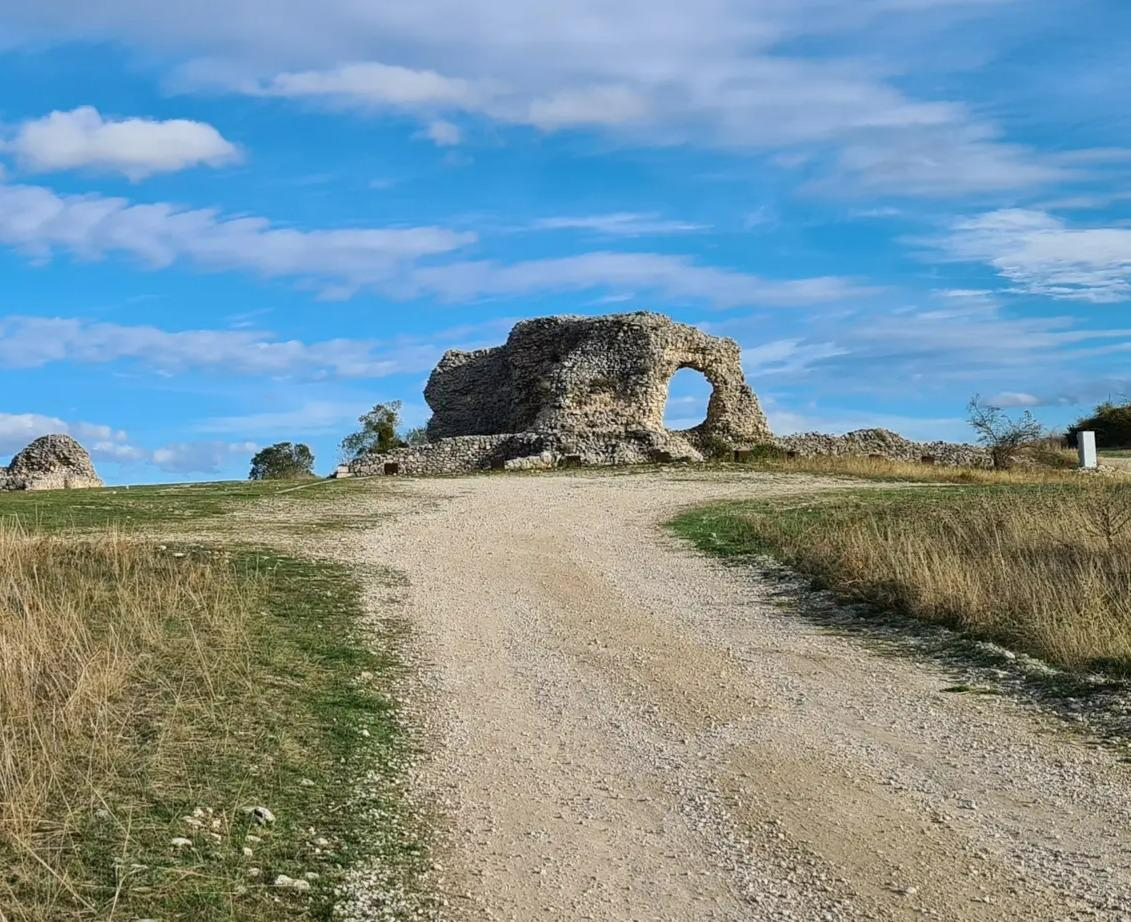
Tratturo Magno – On the roads of transhumance
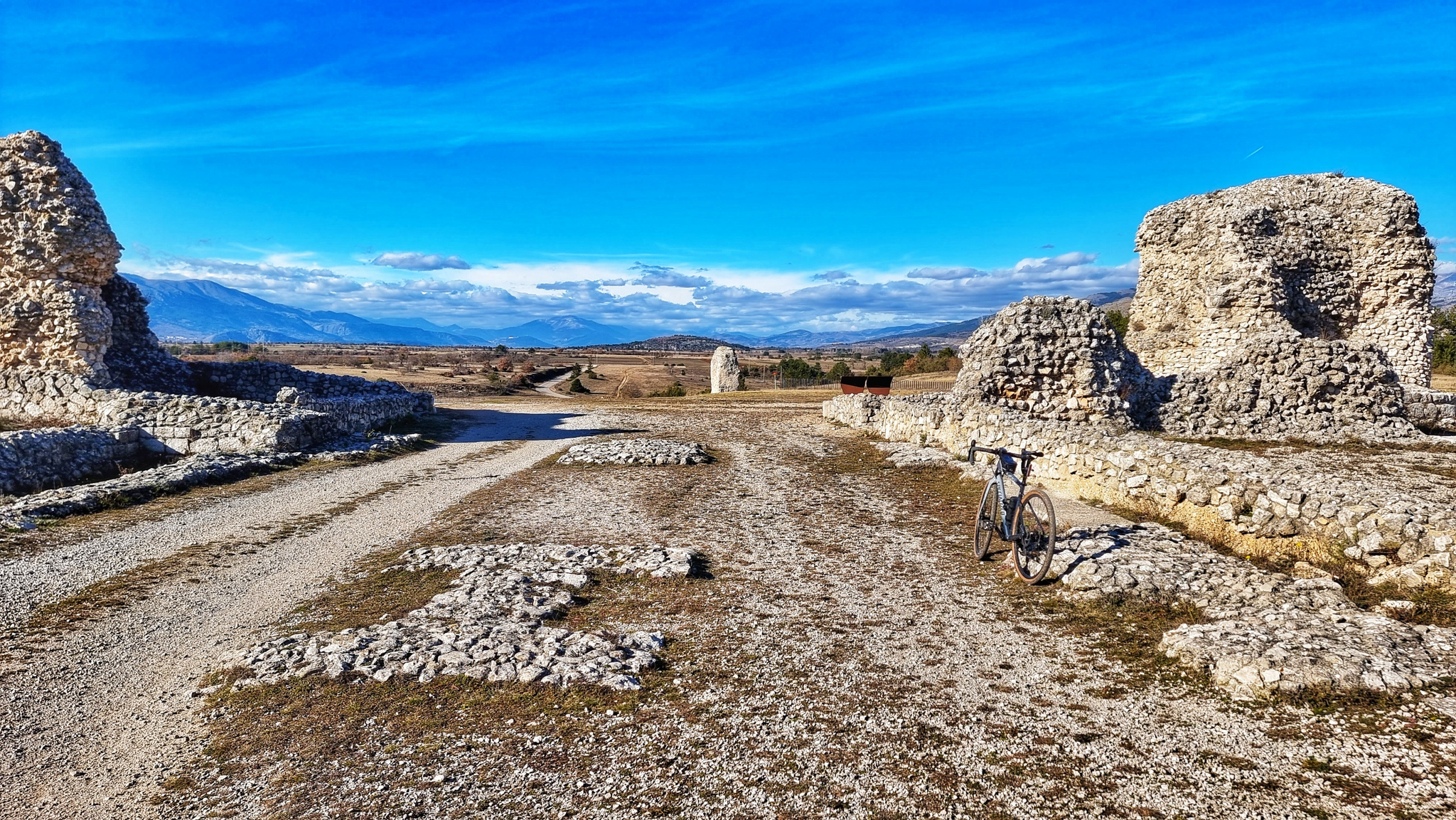
The Tratturo Magno – From the Apennines to the TavoIiere, 300 kilometers
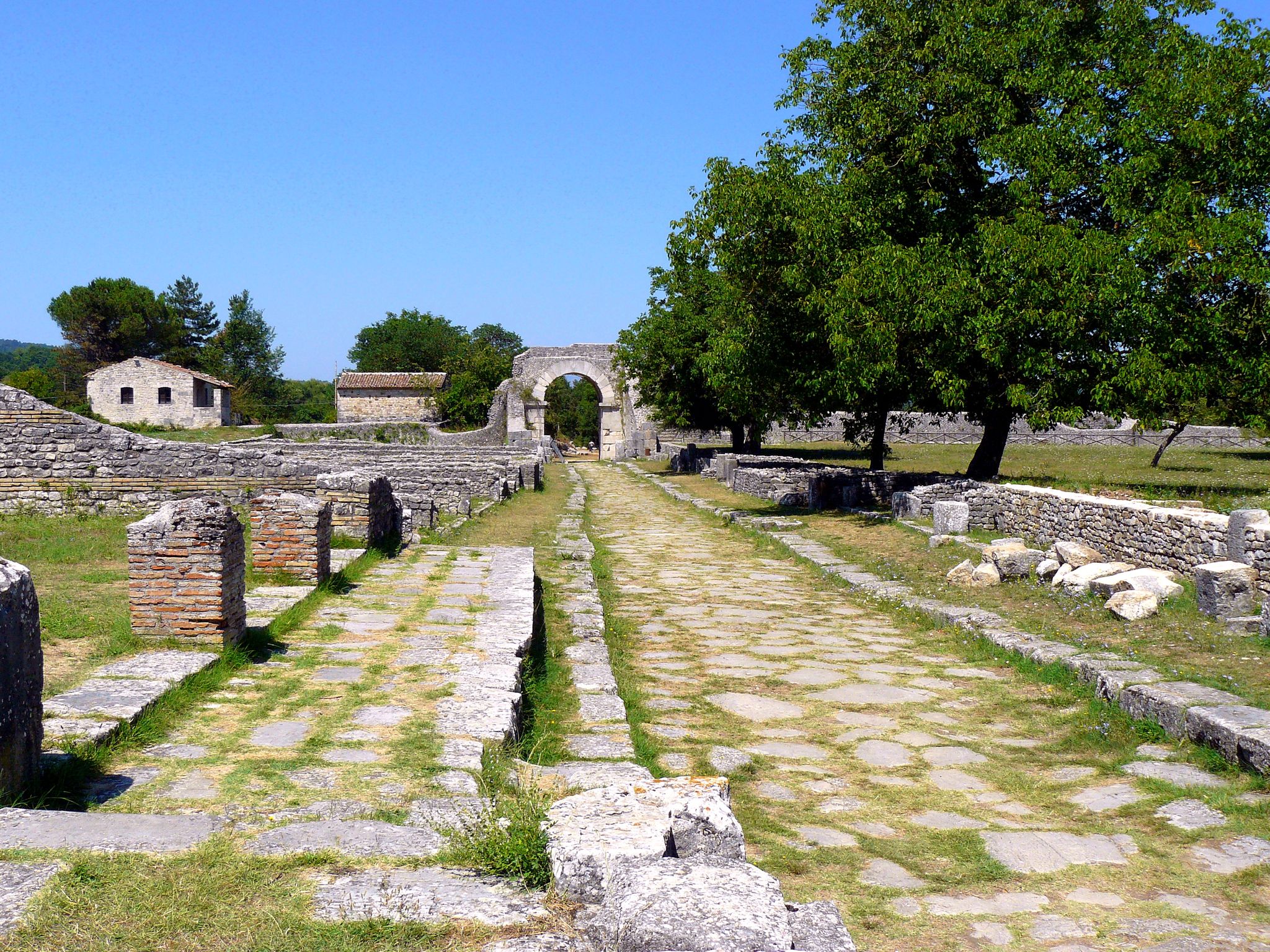
Sentiero Italia – On the tracks of the Samnites and Romans in Molise
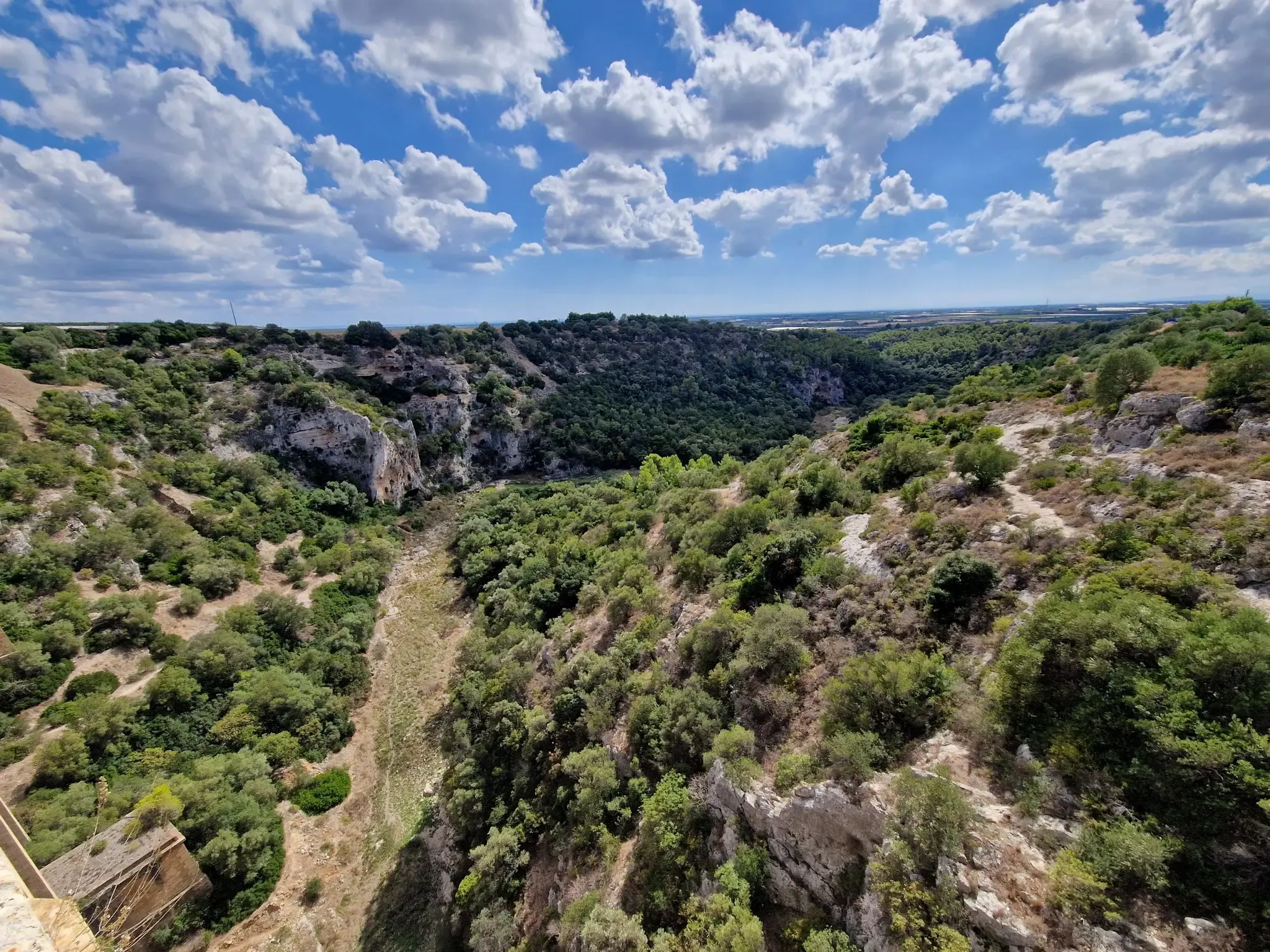
Discovering Puglia by bike – essential rides
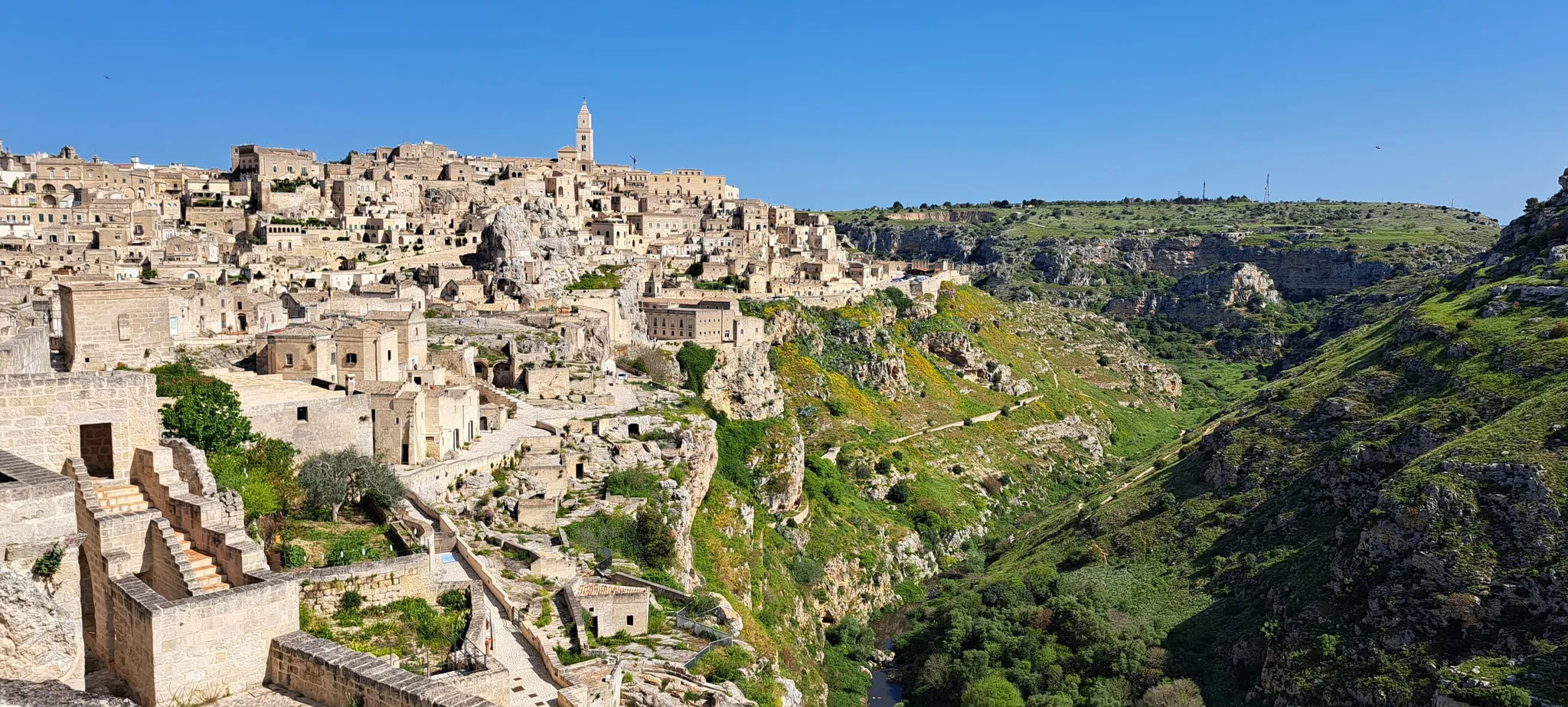
Among olive trees and white stone - Via Peuceta
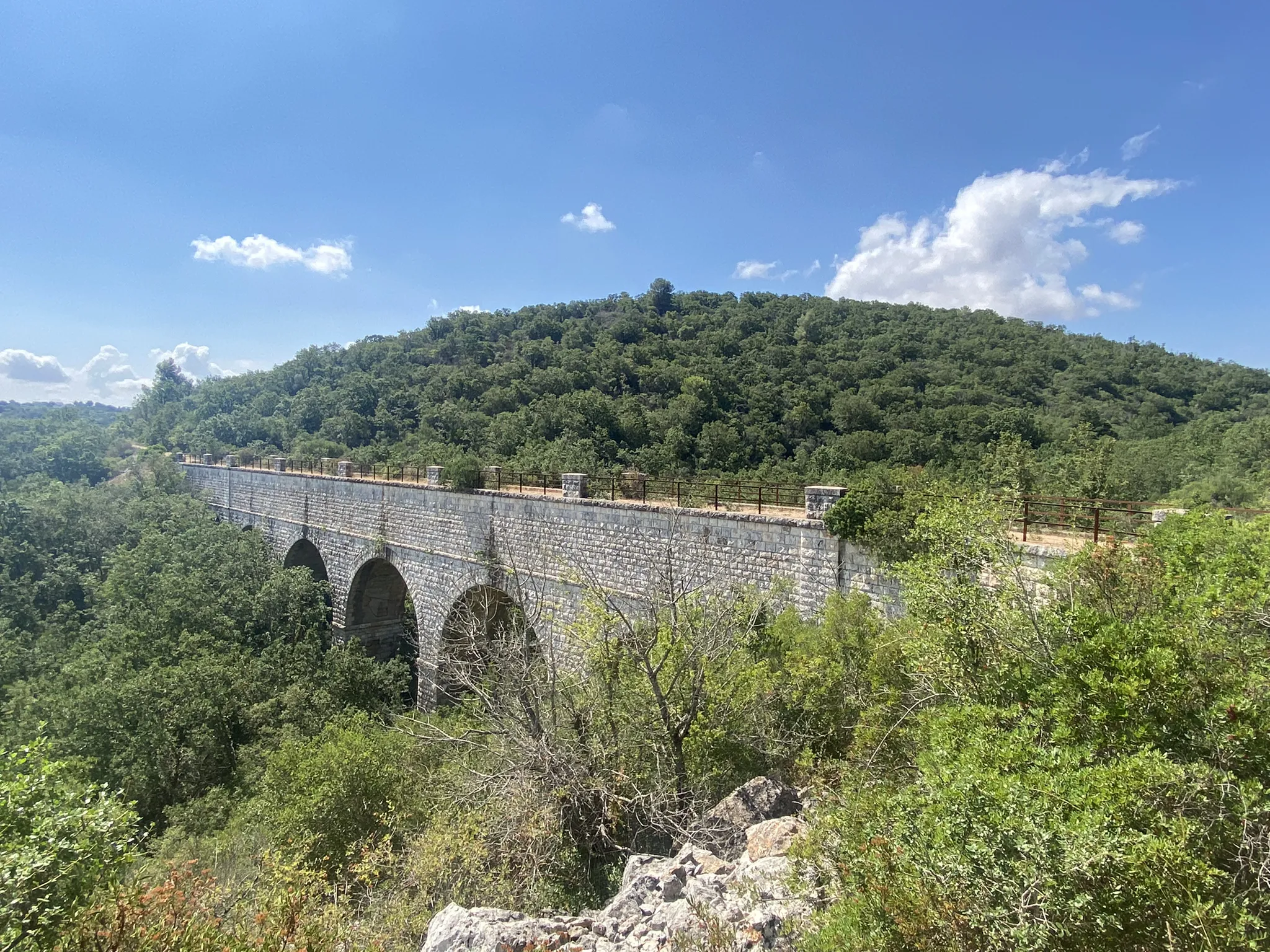
Caposele to Santa Maria di Leuca – Apulian Aqueduct Cycle Route
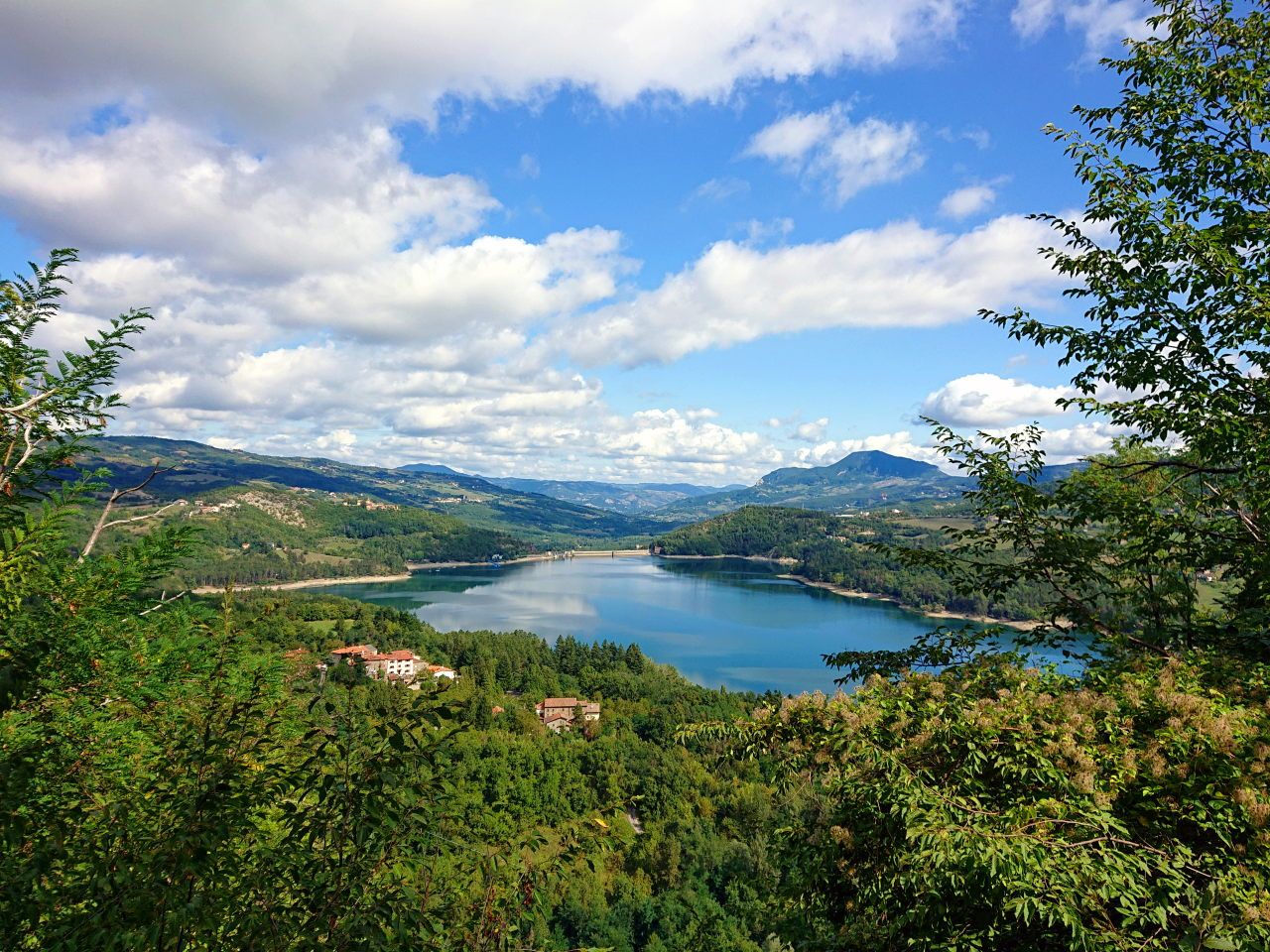
Interiora - A Journey into the Remote Areas of Italy
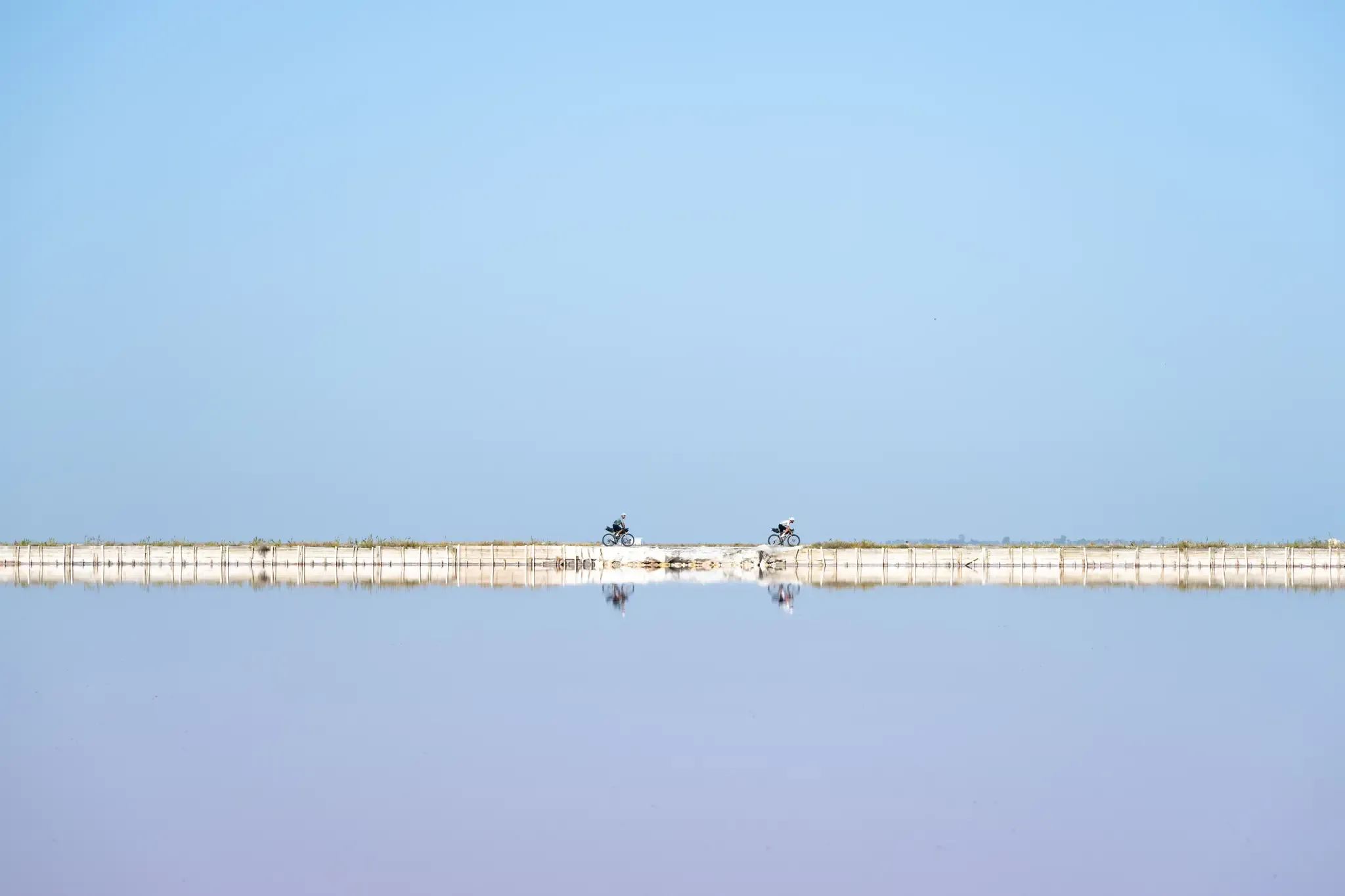
Trieste to Santa Maria di Leuca – the Adriatic Cycle Route
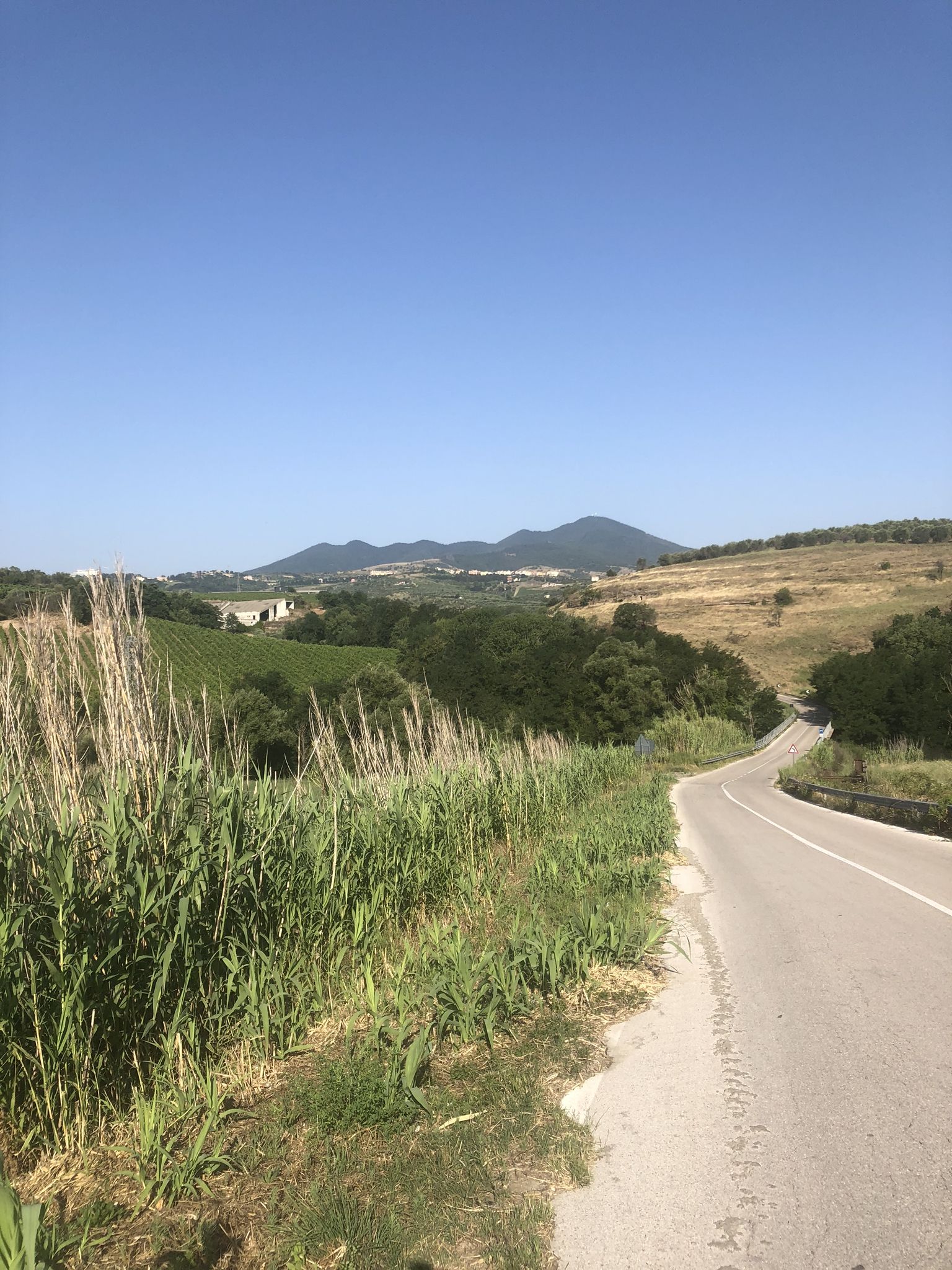
Pedalling in Italy’s far south – Ciclovia dei Borbone
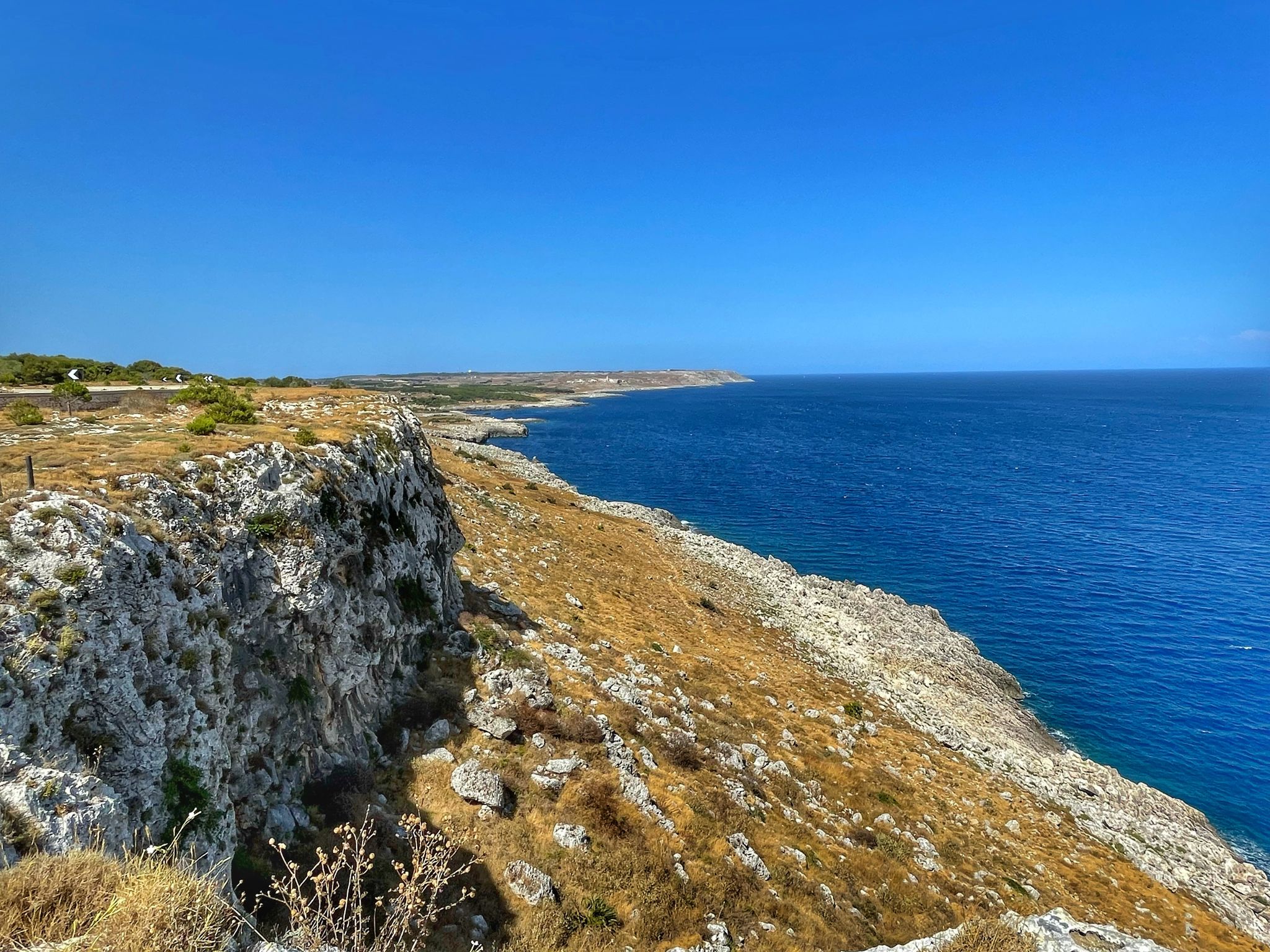
Triangle of Wonders – Salento Ring from Gallipoli
Other adventures in Apulia


Tips from the Community

A suggestive panoramic point from which to admire the Aragonese Castle, the navigable canal and the Swing Bridge
0
0

I came to hang around while waiting for the boat to Albania
0
0

A stroll along the seafront in the center of the Villanova marina
1
0

The origins of the fortress of Taranto date back to Byzantine times. The current appearance of the complex dates back to Ferdinand of Aragon, who had the outdated castle converted into a modern fortress at the end of the 15th century. The fortifications were further reinforced by the Spanish in the 16th century. At the end of the 19th century, the Aragonese Castle passed to the Italian Navy, which still owns the complex today.
14
0

In 2011, the pilgrimage site of Monte Sant'Angelo was added to the UNESCO World Heritage List as one of the seven components of the Lombard site in Italy, Places of Power (568 to 774 AD). The historic site and its surroundings are also protected by the Gargano National Park. The sights are well described in the following link: https://de.m.wikipedia.org/wiki/Monte_Sant%E2%80%99Angelo
2
0

In 1278 the walls of Villanova were built, and about 20 years later the castle was built by the Angevins, who took over the domination of Ostuni from the Swabian-Normans, who were responsible for the intensification of olive cultivation. From surviving documents, demonstrating its strategic importance, it appears that around the 15th century the castle was a fully active defensive structure. In fact, the city of Ostuni under Aragonese domination, thanks also to the castle and the small port of Villanova, managed to maintain the status of a state city, therefore free from feudal duties. Due to the various destructions over time, little remains of the original 14th-century construction. Currently the castle is made up of three bodies that act as square towers with a sloped base. Around the building, at the height of the first floor, runs a tubular torus and from the roof of the building rises a turret modeled on the prototype of a lighthouse. Ref. https://fondoambiente.it/luoghi/castello-del-porto-turistico-di-villanova-ostuni
4
0
it is a tourist port protected by two piers: the eastern pier 70 m long with quayside and bollards and the western pier 280 m long. Inside the dock there are some docks reserved for pleasure boats
4
0

iconic place of taranto, the navigable canal, with the aragonese castle, the swing bridge and the monument to the sailor
1
0
Frequently Asked Questions
Which castles in Apulia are particularly family-friendly?
Several castles in Apulia are great for families. Castel del Monte, with its unique octagonal design, is a fascinating historical site for all ages. Other family-friendly options include Acaya Castle, Gallipoli Castle and the Ravelin, and the Norman-Swabian Castle of Bari, all offering engaging historical experiences.
What are the best times to visit Apulian castles to avoid crowds or extreme weather?
The best times to visit Apulian castles are typically spring (April-May) and autumn (September-October). During these seasons, the weather is pleasant for exploring, and you can avoid the peak summer heat and larger crowds. Summer (July-August) can be very hot, so if visiting then, plan your visits for early mornings or late afternoons.
Are there any castles in Apulia that offer significant viewpoints or natural features nearby?
Yes, many castles in Apulia are situated in scenic locations. Castel del Monte is located on a hill within the Alta Murgia National Park, offering panoramic views of the surrounding landscape. The Swabian Castle of Trani, though not in our highlights, is directly on the Adriatic Sea, providing picturesque coastal views. Villanova Harbour and Castle also combines historical architecture with a harbor setting and coastal views.
Which castles in Apulia are known for their unique architectural styles or historical significance?
Castel del Monte is a UNESCO World Heritage site, renowned for its distinctive octagonal plan and 13th-century design by Emperor Frederick II. The Swabian Castle of Trani, also built by Frederick II, is notable for its quadrangular plan and seaside location. Otranto Castle, with its pentagonal shape and robust fortifications, reflects 16th-century modifications and is famous as the setting for the first Gothic novel.
What kind of outdoor activities can I do near Apulian castles?
Many castles are close to areas suitable for outdoor activities. Near Castel del Monte, you can find hiking and running trails within the Alta Murgia National Park. For example, there's an easy hike called 'Castel del Monte from Masseria del Castello' and a more challenging 'Trail Castel del Monte – loop in nature'. You can find more routes in the Hiking in Apulia and Running Trails in Apulia guides.
Are there any castles in Apulia that are easily accessible by public transport or have good parking options?
While specific public transport routes can vary, many major castles are generally accessible. For Castel del Monte, it's advisable to check local bus services from nearby towns like Andria. For coastal castles like Otranto Castle or the Swabian Castle of Trani, parking is often available in or near the respective towns, though it can be busy during peak season. It's recommended to check local municipality websites for current parking information.
Which castles in Apulia are particularly well-preserved or have undergone extensive restoration?
Castel del Monte is remarkably well-preserved in its original form. The Swabian Castle of Trani has been extensively restored and now functions as a museum and cultural venue. Barletta Castle, with its long history of modifications under various rulers, also stands as an impressive and well-maintained example of medieval military architecture.
Can I find any 'hidden gem' castles in Apulia that are less frequented by tourists?
While not as widely known as Castel del Monte, castles like Acaya Castle offer a rich historical experience in a less crowded setting. This Renaissance fortress, built to protect a fortified citadel, provides a glimpse into 16th-century defensive architecture without the large crowds of more famous sites.
What kind of historical periods do Apulian castles represent?
Apulian castles showcase a wide range of historical periods, primarily from the medieval era through the Renaissance. You'll find structures from Norman, Swabian (Frederick II's reign), and Aragonese periods. Examples include the 13th-century Castel del Monte, the 16th-century modifications seen in Otranto Castle, and the Norman-Swabian origins of Barletta Castle.
Are there any castles in Apulia that are suitable for visitors with mobility challenges?
Accessibility can vary significantly between castles due to their historical nature. While some modern facilities might offer partial access, many older structures with stairs, uneven terrain, and narrow passages may present challenges. It's best to check the official websites of individual castles for specific accessibility information before planning your visit. For example, the UNESCO page for Castel del Monte might offer some details, but direct contact with the site is recommended.
What are some notable landmarks or historical sites near the castles in Apulia?
Beyond the castles themselves, Apulia is rich in history. Near Castel del Monte, you are in the Alta Murgia National Park, which features dry stone buildings and ancient farms. The Historic Center of Monopoli, with its medieval churches and port, offers a vibrant historical atmosphere alongside its castle. Many towns hosting castles, like Trani and Otranto, also have beautiful cathedrals and old town centers worth exploring.
Can I find amenities like cafes or restaurants near Apulian castles?
Yes, most castles are located in or near towns and cities where you can find various amenities. For example, the Historic Center of Monopoli offers numerous cafes and restaurants. Similarly, castles in larger towns like Trani, Otranto, and Barletta will have dining options within walking distance or a short drive. Acaya Castle is part of a small village, offering local charm.
Most popular routes in Apulia
Most popular attractions in Apulia

Get inspired with the komoot mobile app


Didn’t find what you were looking for?
Explore Apulia’s best castles region by region:
Explore more
Looking for the best castles somewhere else? Discover other guides in Apulia:
