Attractions and Places To See in Emilia-Romagna - Top 20
Best attractions and places to see in Emilia-Romagna include a diverse array of historical sites, cultural centers, and natural landscapes across northern Italy. The region features the Adriatic coastline to the east, the Apennine Mountains to the south, and the Po Delta in the north. Visitors can explore ancient cities, admire Byzantine mosaics, and experience the unique environment of the Po Delta.
Best attractions and places to see in Emilia-Romagna
- The most popular attractions is Shrine of Our Lady of St. Luke, a religious_building that offers 360° views of the surrounding landscape, extending from the Alps to the Adriatic. It is the destination of the Portico di San Luca, the world's longest portico.
- Another must-see spot is Flamingos in the Comacchio Valleys, a lake and wildlife area. This location provides opportunities to observe large groups of flamingos along a dirt path that runs alongside the Reno river.
- Visitors also love Comacchio – Trepponti Bridge, Canals, and Lagoon with Flamingos, a settlement known for its historical bridge and canals. This area is often referred to as "little Venice" due to its waterways and the presence of flamingos in the lagoon.
- Emilia-Romagna is known for its historical landmarks, natural parks, and cultural sites. The region offers a variety of attractions, from ancient Roman architecture and medieval castles to expansive natural areas like the Po Delta and the Apennine Mountains.
- The attractions in Emilia-Romagna are appreciated by the komoot community, with over 1500 upvotes and 775 photos shared by visitors.
Last updated: October 9, 2026
Shrine of Our Lady of St. Luke
Highlight • Religious Site
From via di Casaglia and via Monte Albanoa the climb is feasible, albeit challenging in some sections, while it is very hard from via di San Luca, with a 20% gradient at the legendary Orfanelle curve.
Translated by Google •
Tip by

Flamingos in the Comacchio Valleys
Highlight • Lake
Translated by Google •
Tip by

Sign up now to discover places like this
Get recommendations on the best single tracks, peaks, & plenty of other exciting outdoor places.
Argine degli Angeli
Highlight • Trail
Translated by Google •
Tip by

Meloncello Arch
Highlight • Monument
Translated by Google •
Tip by

Argine degli Angeli – Comacchio Lagoons
Highlight • Cycleway
It has just been inaugurated and there is a speed limit of 15 km/h with regulation in different time slots for accessing the route.
Translated by Google •
Tip by

Piazza Maggiore
Highlight • Historical Site
The square is framed by buildings (including the imposing Basilica of San Petronio and the Palazzo Re Enzo, seat of the town hall) and the typical porticoes.
Various paths start from here including the Via degli Dei and the Piccola Cassia.
Translated by Google •
Tip by

Monte Adone summit
Highlight • Summit
Translated by Google •
Tip by

Basilica of San Petronio
Highlight • Religious Site
Translated by Google •
Tip by

Comacchio – Trepponti Bridge, Canals, and Lagoon with Flamingos
Highlight • Settlement
Translated by Google •
Tip by
Lake Scaffaiolo
Highlight • Lake
Translated by Google •
Tip by

Sign up for free to discover even more attractions in Emilia-Romagna.
Already have an account?
Start today with a free account
Your next adventure awaits.
Popular around Emilia-Romagna
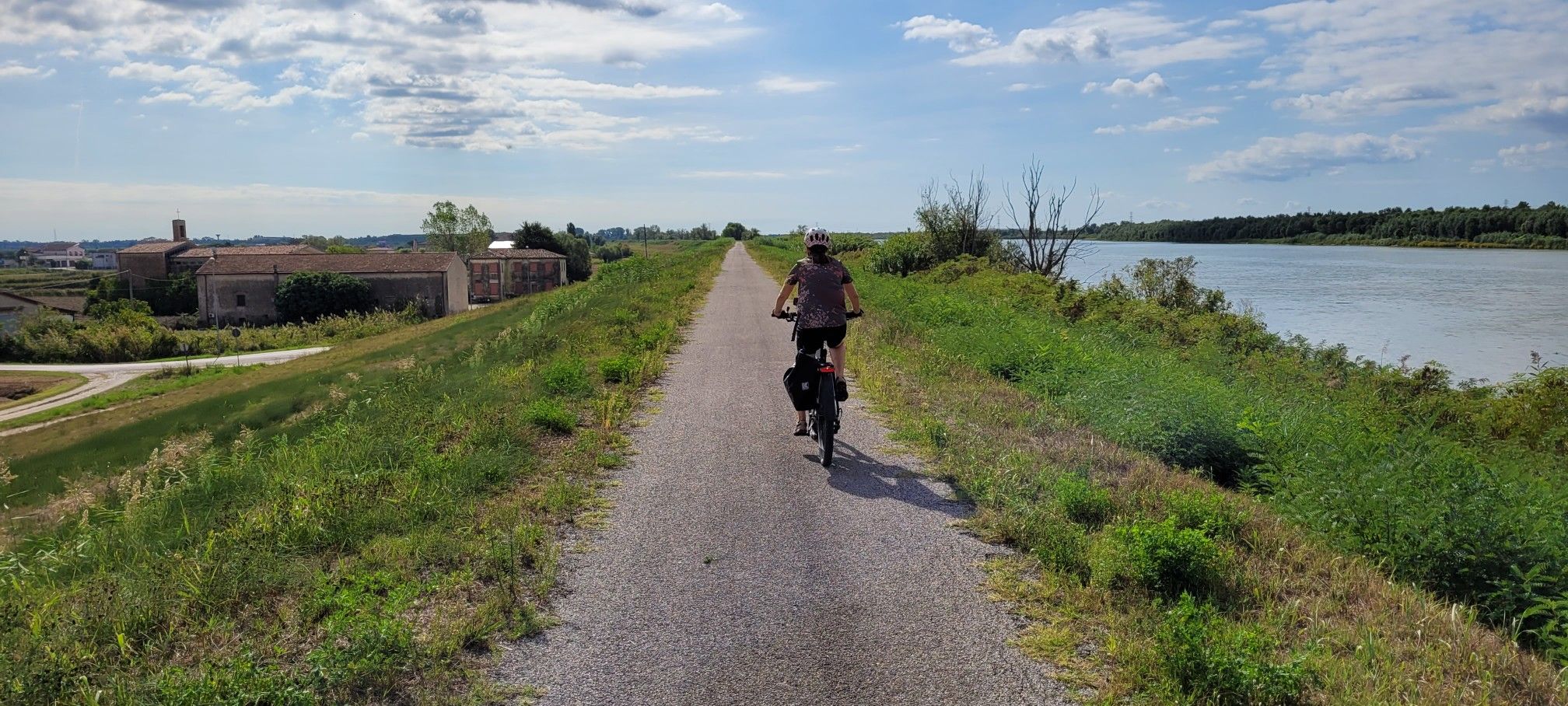
Ciclovie del Po — An all-round experience along Italy's longest river
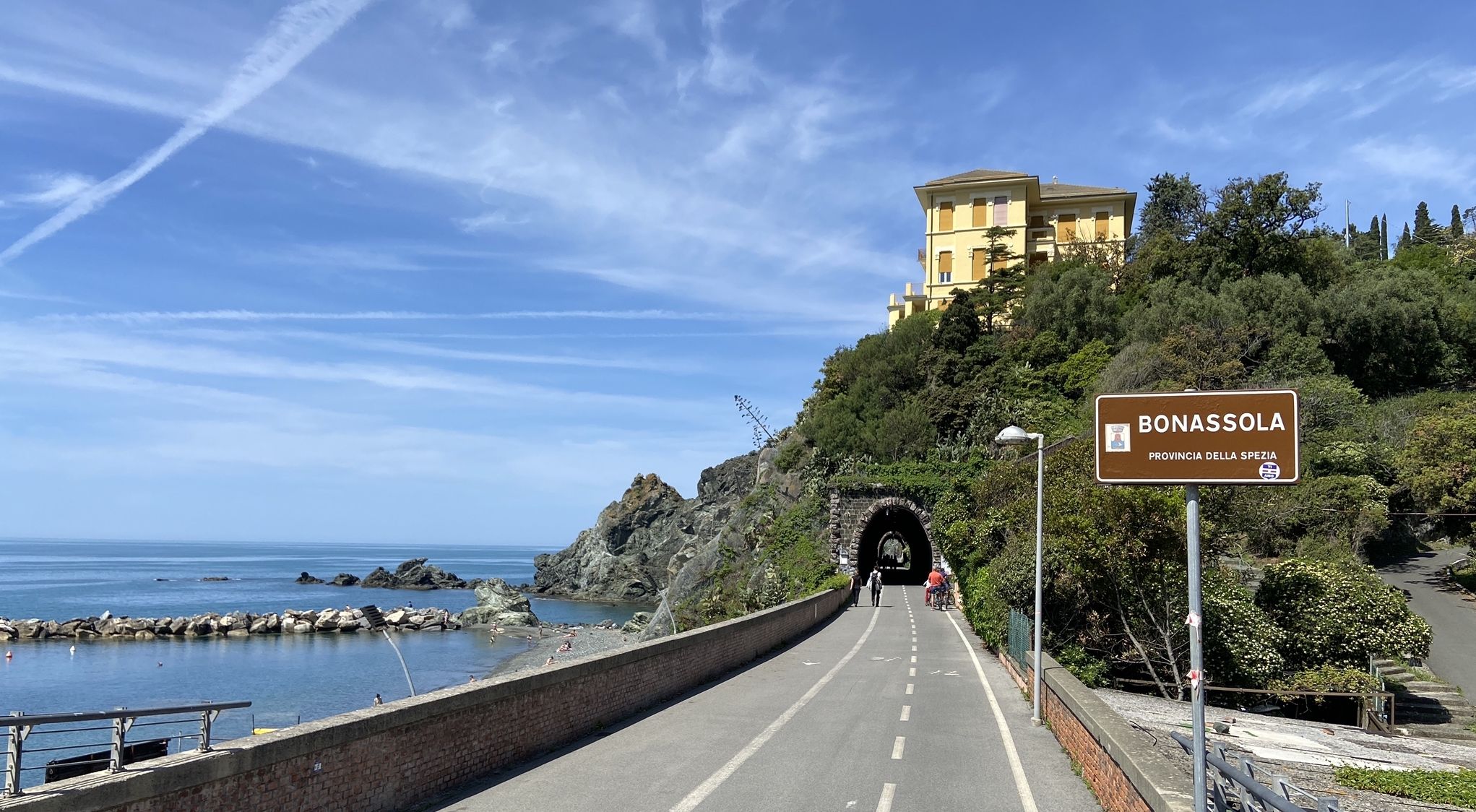
Pedalling to Portofino and the Cinque Terre — sea and mountains
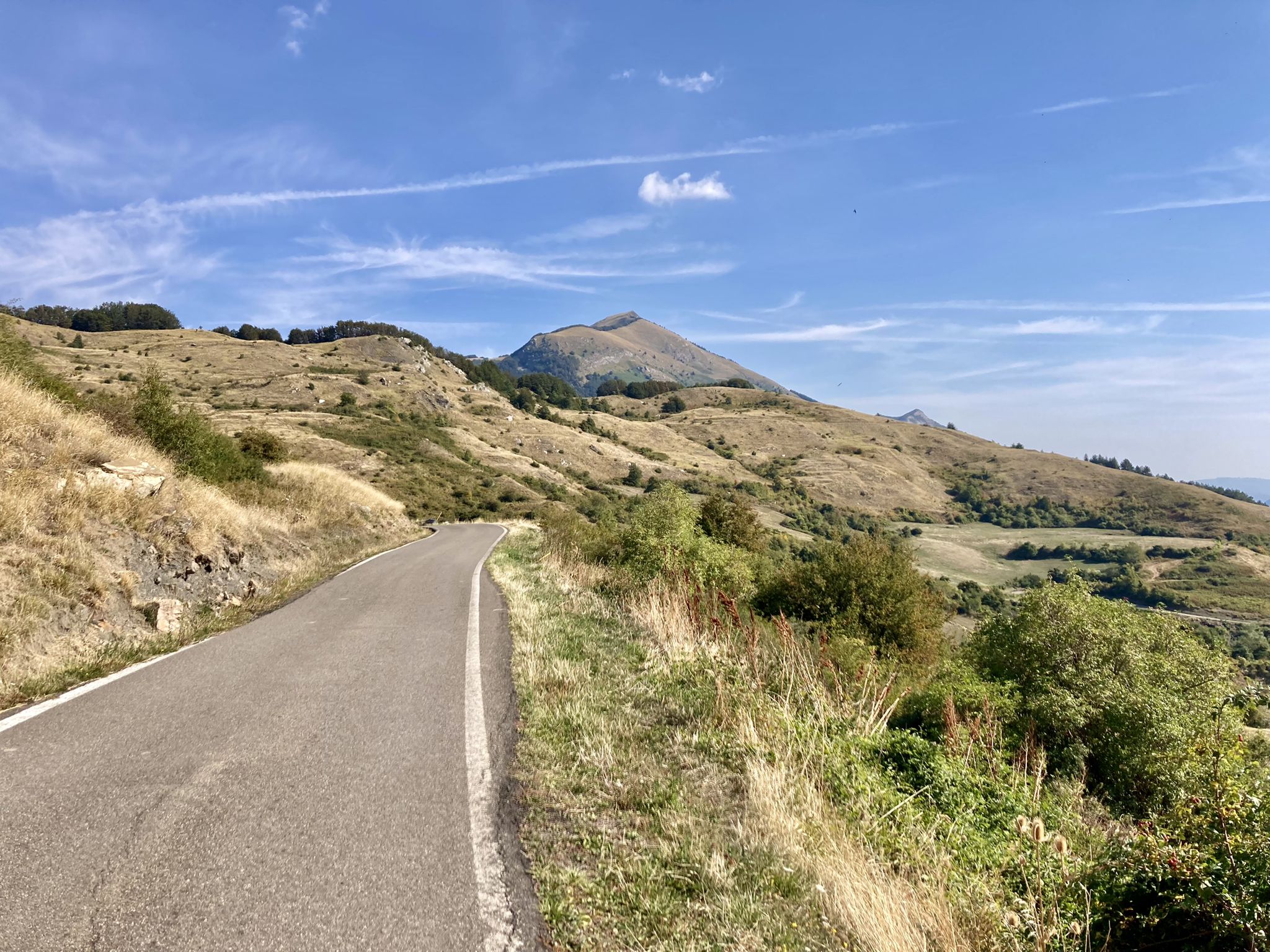
Apperò l'Appennino – five days of Italy's Emilian climbs
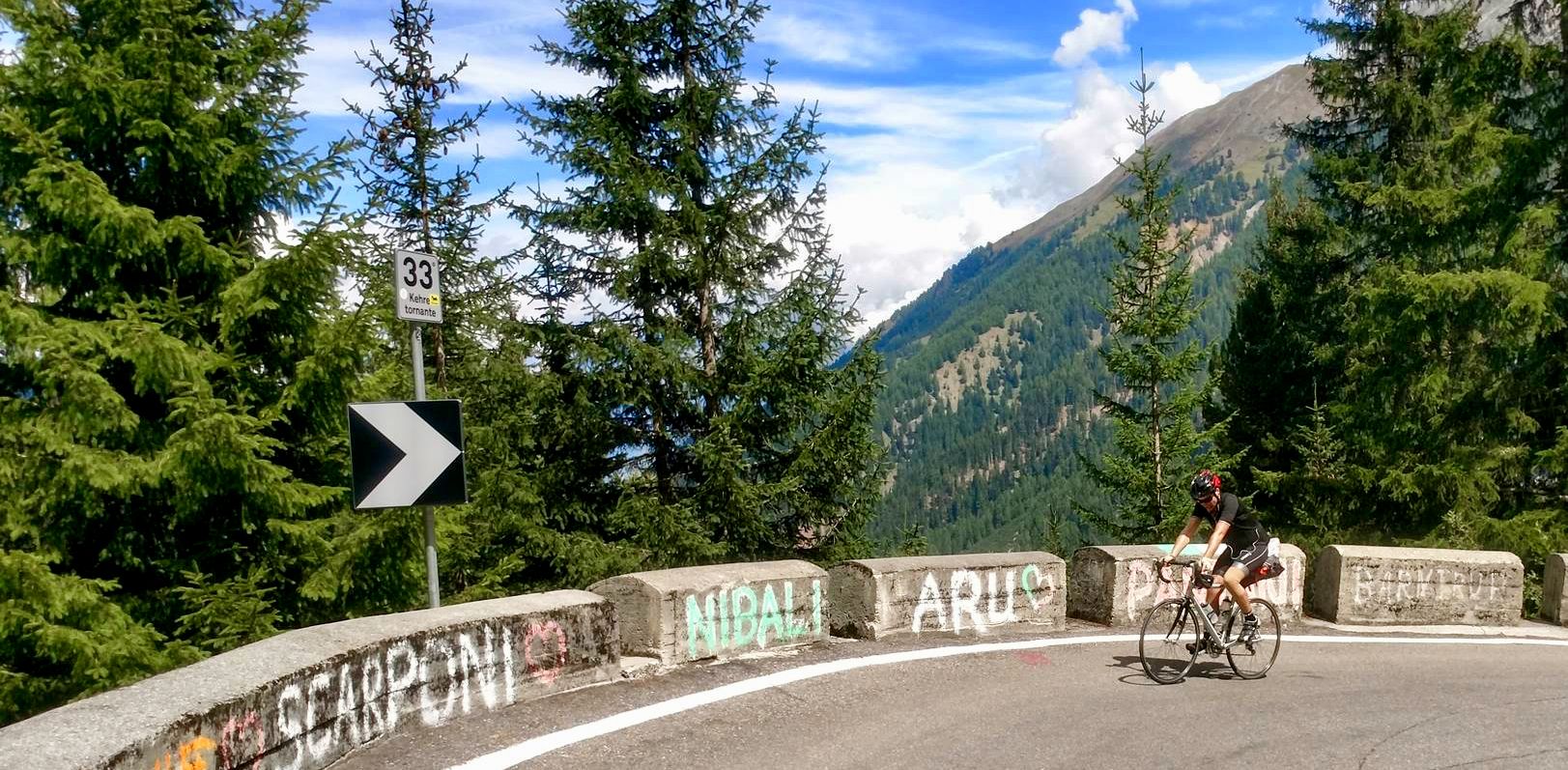
From the mountains to the sea — road cycling in Northern Italy
Road to BAM! 2026 – Condividi la strada
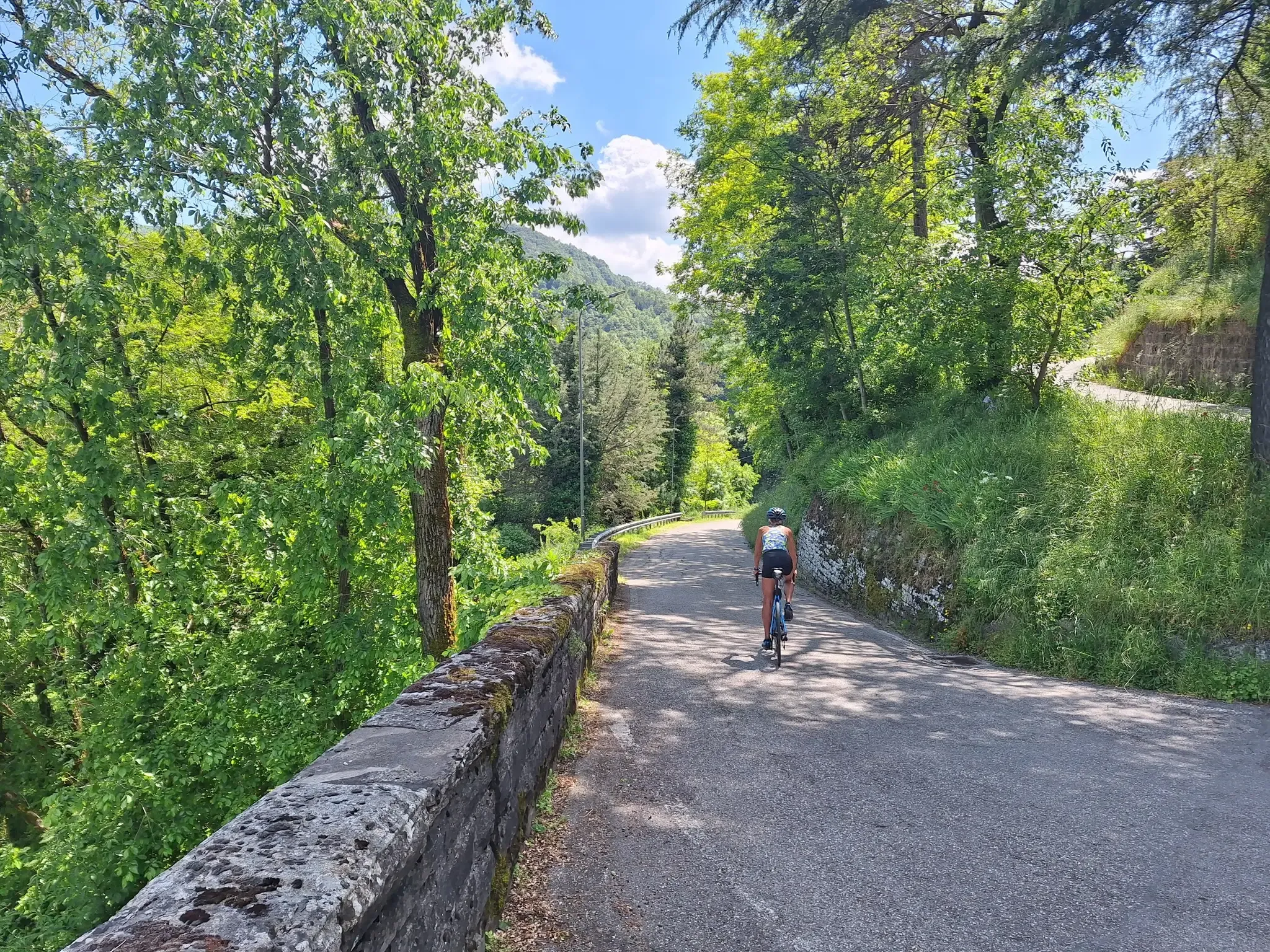
Emilia-Romagna by bike – rides between the plains and the Apennines
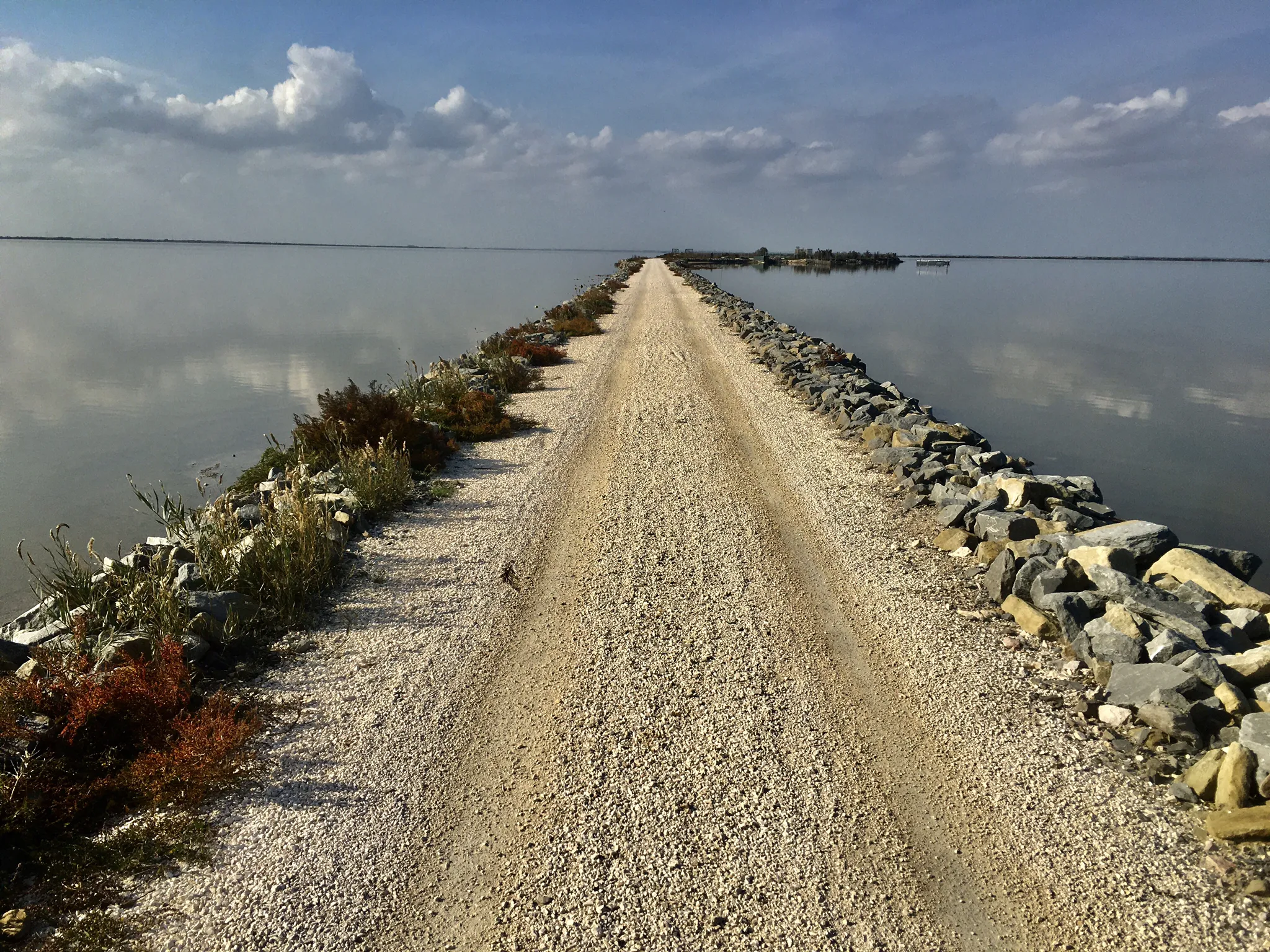
Sea, Lagoon and Nature - Discover the Po Delta
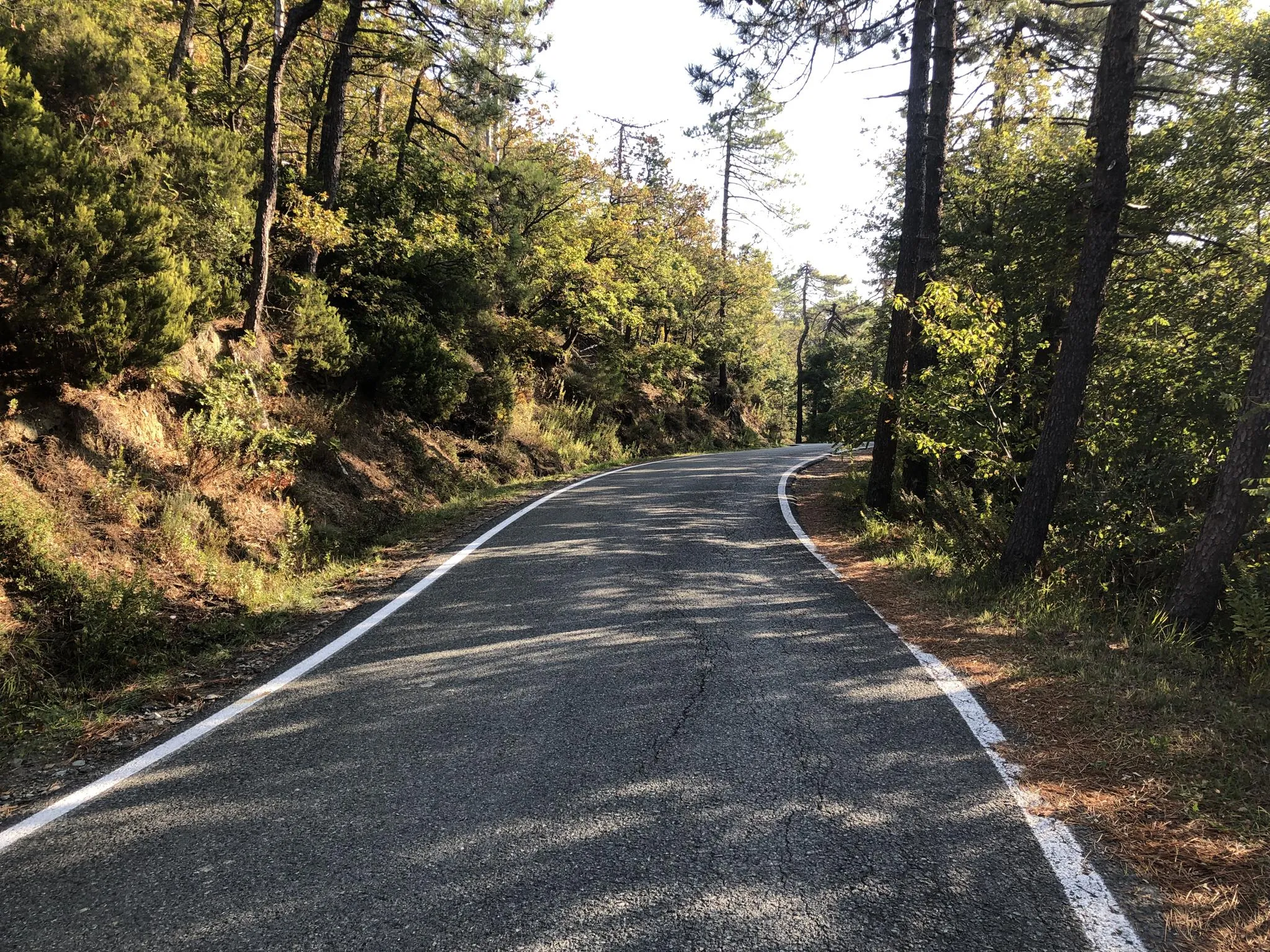
Apennine Cycle Route (Part 1) - From Liguria to Umbria
In the footsteps of St. Francis - Cammino di Assisi
All roads lead to Rome – Romea Tiberina Cycleway
Other adventures in Emilia-Romagna


Tips from the Community

Very beautiful but not suitable for wheelchair users, and the bikes have to be carried up by hand.
1
0

The flamingos were beautiful, I saw them for the first time, but they were all white because I did the tour in August.
1
0

A trip is definitely worth it 🤩
1
0

Beautiful bridge, symbol of Comacchio
2
0

The Pallotta bridge known as Trepponti is unique in its kind, spanning three canals and in the past it served as a fortified gateway to the city.
2
0

From here, the path continues uphill for about 2 km to the Church of San Luca. On hot days, be sure to bring water.
4
0

Beautiful city and beautiful setting
2
0

The ancient and beautiful heart of Comacchio
2
0
Frequently Asked Questions
What are some must-see historical landmarks in Emilia-Romagna?
Emilia-Romagna is rich in history. In Bologna, don't miss Piazza Maggiore, the main square, and the impressive Basilica of San Petronio. Ferrara boasts the majestic Castello Estense, while Modena's Duomo and Torre Civica (Ghirlandina) are UNESCO World Heritage sites. Ravenna is renowned for its early Christian monuments with intricate mosaics, such as the Basilica of San Vitale and the Mausoleum of Galla Placidia. In Rimini, you can see the ancient Arch of Augustus and Ponte di Tiberio.
Where can I experience the unique natural beauty of Emilia-Romagna?
For unique natural beauty, explore the Po Delta Regional Park, a biodiverse habitat with dunes, pine forests, and wetlands. The Comacchio Valleys, part of the Po Delta, are famous for their salt waters and flamingos, often called 'little Venice'. The Apennine Mountains in the south offer stunning landscapes, with peaks like Monte Cimone and Monte Cusna, and numerous regional parks including the Tuscan-Emilian Apennines National Park.
Are there any family-friendly attractions in Emilia-Romagna?
Yes, many attractions are suitable for families. The Shrine of Our Lady of St. Luke in Bologna, accessible via the world's longest portico, offers panoramic views that children and adults can enjoy. Observing flamingos in the Comacchio Valleys is a memorable experience. The Path of the Gnomes in Bagno di Romagna is a delightful forest trail with wooden fantasy creatures, perfect for younger visitors.
What cultural experiences can I find in Emilia-Romagna beyond historical sites?
Beyond historical sites, you can immerse yourself in unique cultural experiences. Visit Dozza, a charming hilltop village known as an open-air art gallery, where artists paint designs on the village walls. Explore the network of Duchy of Parma and Piacenza Castles, showcasing diverse architecture from medieval to Belle Époque. Bologna's porticos, a UNESCO World Heritage site, offer a unique architectural and social experience as you stroll through the city.
What are some unique attractions related to Emilia-Romagna's 'Motor Valley'?
Emilia-Romagna is famously known as 'Motor Valley'. A must-visit for motorsports enthusiasts is the Ferrari Maranello Museum, offering exhibitions of racing cars and driving simulators. The region is home to several luxury Italian car and motorcycle manufacturers, making it a prime destination for those interested in automotive history and innovation.
What is the best time of year to visit Emilia-Romagna for sightseeing?
The best time to visit Emilia-Romagna for sightseeing is generally during spring (April-May) and autumn (September-October). The weather is pleasant, ideal for exploring cities, historical sites, and natural parks. These seasons also avoid the intense heat of summer and the cooler temperatures of winter, making outdoor activities more enjoyable.
Are there any attractions in Emilia-Romagna that are wheelchair accessible?
While accessibility can vary, Piazza Maggiore in Bologna is generally considered wheelchair accessible, allowing visitors to experience the heart of the city. Many modern museums and public spaces are also improving their accessibility. It's always recommended to check specific venue websites for detailed accessibility information before your visit.
Where can I find the famous Byzantine mosaics in Emilia-Romagna?
The most famous Byzantine mosaics in Emilia-Romagna are found in Ravenna. This city is a UNESCO World Heritage site specifically for its early Christian monuments. You can admire stunning mosaics from the 5th and 6th centuries at the Basilica of San Vitale, the Mausoleum of Galla Placidia, the Basilica of Sant'Apollinare Nuovo, Sant'Apollinare in Classe, and the Neonian Baptistery.
What kind of cycling routes can I find in Emilia-Romagna?
Emilia-Romagna offers diverse cycling opportunities. You can find gravel biking routes, such as those featured in the Gravel biking in Emilia-Romagna guide, with options like the 'Mesola, Goro, and Pomposa Loop'. There are also dedicated MTB trails, including routes in the Comacchio Valleys, as detailed in the MTB Trails in Emilia-Romagna guide.
Are there opportunities for hiking to waterfalls in Emilia-Romagna?
Yes, Emilia-Romagna has beautiful waterfall hikes, particularly in its more mountainous areas. You can explore trails like the 'Anello dell’Acquacheta' or the 'Sentiero delle Cascate (Six Waterfalls Trail)'. For more options and details, refer to the Waterfall hikes in Emilia-Romagna guide.
What do visitors enjoy most about the natural areas in Emilia-Romagna?
Visitors particularly enjoy the sense of tranquility and the stunning views in Emilia-Romagna's natural areas. For example, the Argine degli Angeli – Comacchio Lagoons offers a unique experience of cycling with water on both sides, creating a feeling of 'pedaling towards infinity'. The opportunity to spot flamingos in the Comacchio Valleys is also a highlight for many.
Can I find hidden gems or less-known attractions in Emilia-Romagna?
Beyond the main tourist spots, Emilia-Romagna holds many hidden gems. The delightful village of Dozza, with its painted houses, offers a unique artistic experience. The Malatesta Library in Cesena is a UNESCO World Heritage site and a remarkable example of a humanist library. Exploring the various castles of the Duchy of Parma and Piacenza, such as Torrechiara Castle, can also lead to charming discoveries away from the crowds.
Most popular routes in Emilia-Romagna
Most popular attractions in Emilia-Romagna

Get inspired with the komoot mobile app


Didn’t find what you were looking for?
Are you keen on exploring more awesome places nearby? Browse our guides:
Explore more
Still not found the Highlight you’re looking for? See guides of the top attractions in other regions:
