Top 20 Mountain Passes in Emilia-Romagna
Best mountain passes in Emilia-Romagna are found within the Apennine range, offering diverse terrain and historical routes. This region, known for its rich history, features mountain passes that connect different valleys and provinces. The passes provide access to natural landscapes, including national parks and forests. They serve as crucial historical links and offer varied experiences for outdoor enthusiasts.
Best mountain passes in Emilia-Romagna
- The most popular mountain passes is Passo della Cisa, a mountain pass that features gentle slopes…
Last updated: September 29, 2026
World War II Memorial at Croce Arcana
Highlight • Monument
Translated by Google •
Tip by

Passo della Cisa
Highlight • Mountain Pass
Translated by Google •
Tip by
Sign up now to discover places like this
Get recommendations on the best single tracks, peaks, & plenty of other exciting outdoor places.
World War II Memorial Cannons at Passo della Croce Arcana
Highlight • Historical Site
Translated by Google •
Tip by

Colle del Barbotto Summit
Highlight • Summit
Translated by Google •
Tip by
Calla Pass
Highlight • Mountain Pass
Translated by Google •
Tip by

Lama Lite Pass
Highlight • Mountain Pass
Translated by Google •
Tip by

Prato alla Penna
Highlight • Mountain Pass
Translated by Google •
Tip by

Croce Arcana Pass
Highlight • Mountain Pass
Translated by Google •
Tip by

Cisa Pass
Highlight • Mountain Pass
Translated by Google •
Tip by

Incisa Pass
Highlight • Mountain Pass
The history of this place seems to be linked to …
Translated by Google •
Tip by

Sign up for free to discover even more mountain passes in Emilia-Romagna.
Already have an account?
Start today with a free account
Your next adventure awaits.
Popular around Emilia-Romagna
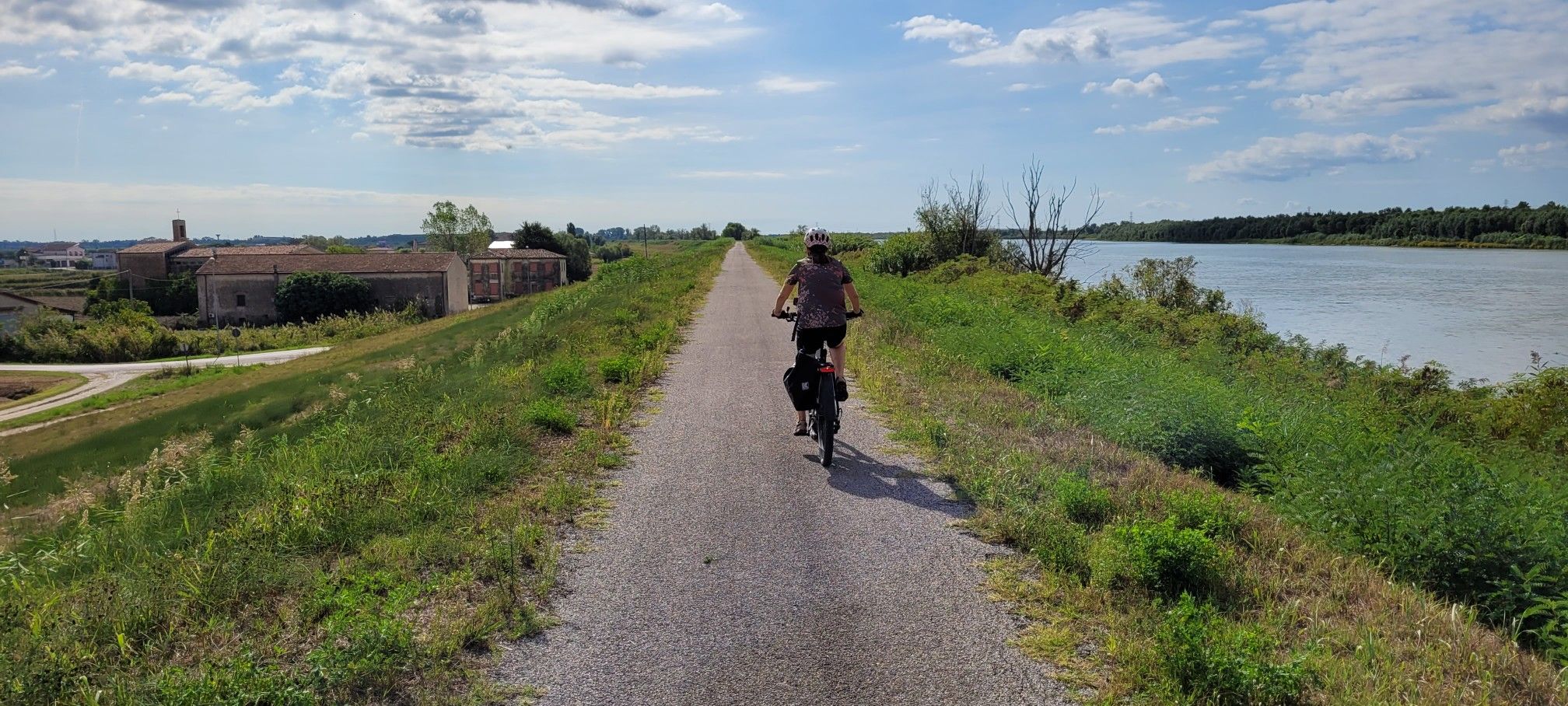
Ciclovie del Po — An all-round experience along Italy's longest river
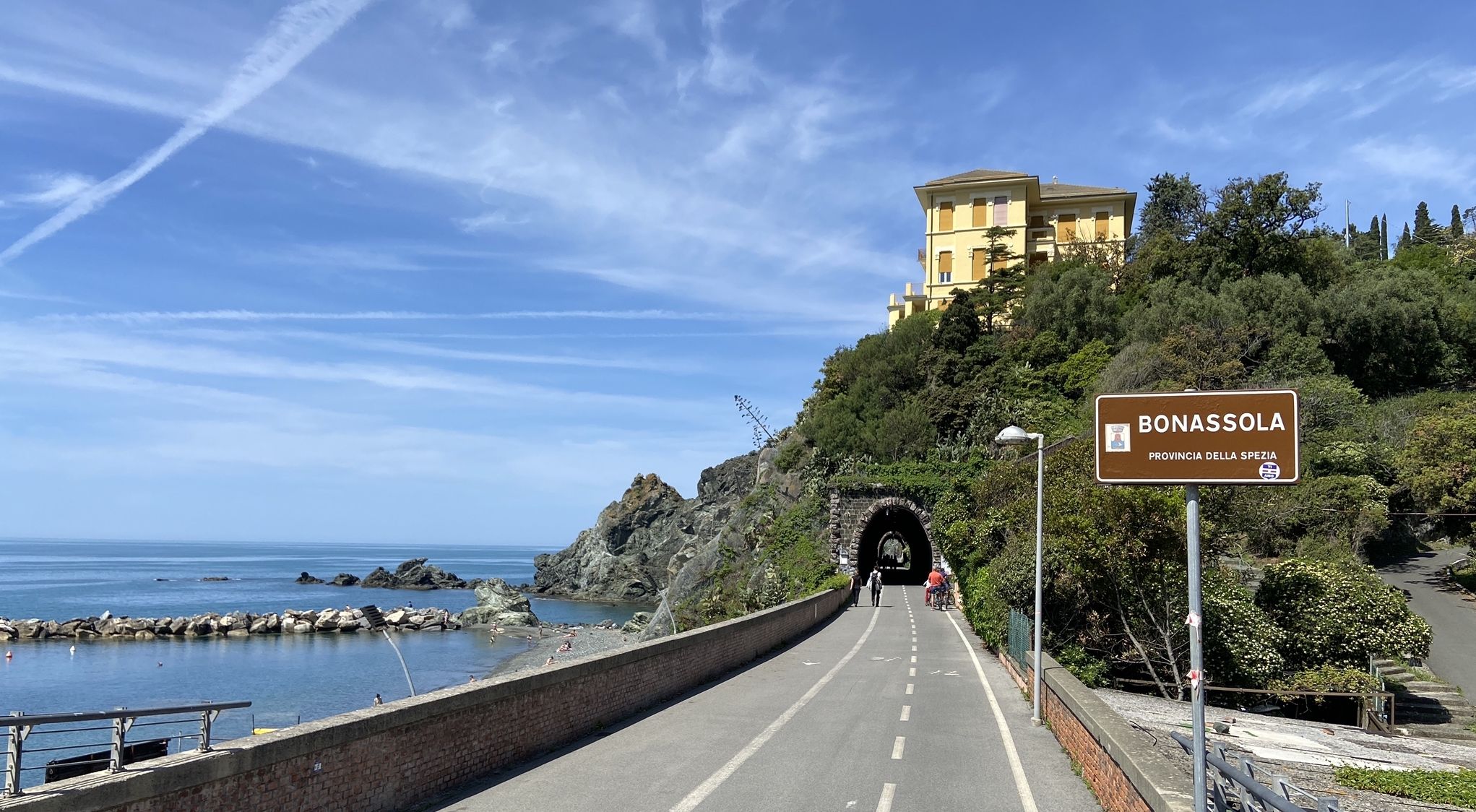
Pedalling to Portofino and the Cinque Terre — sea and mountains
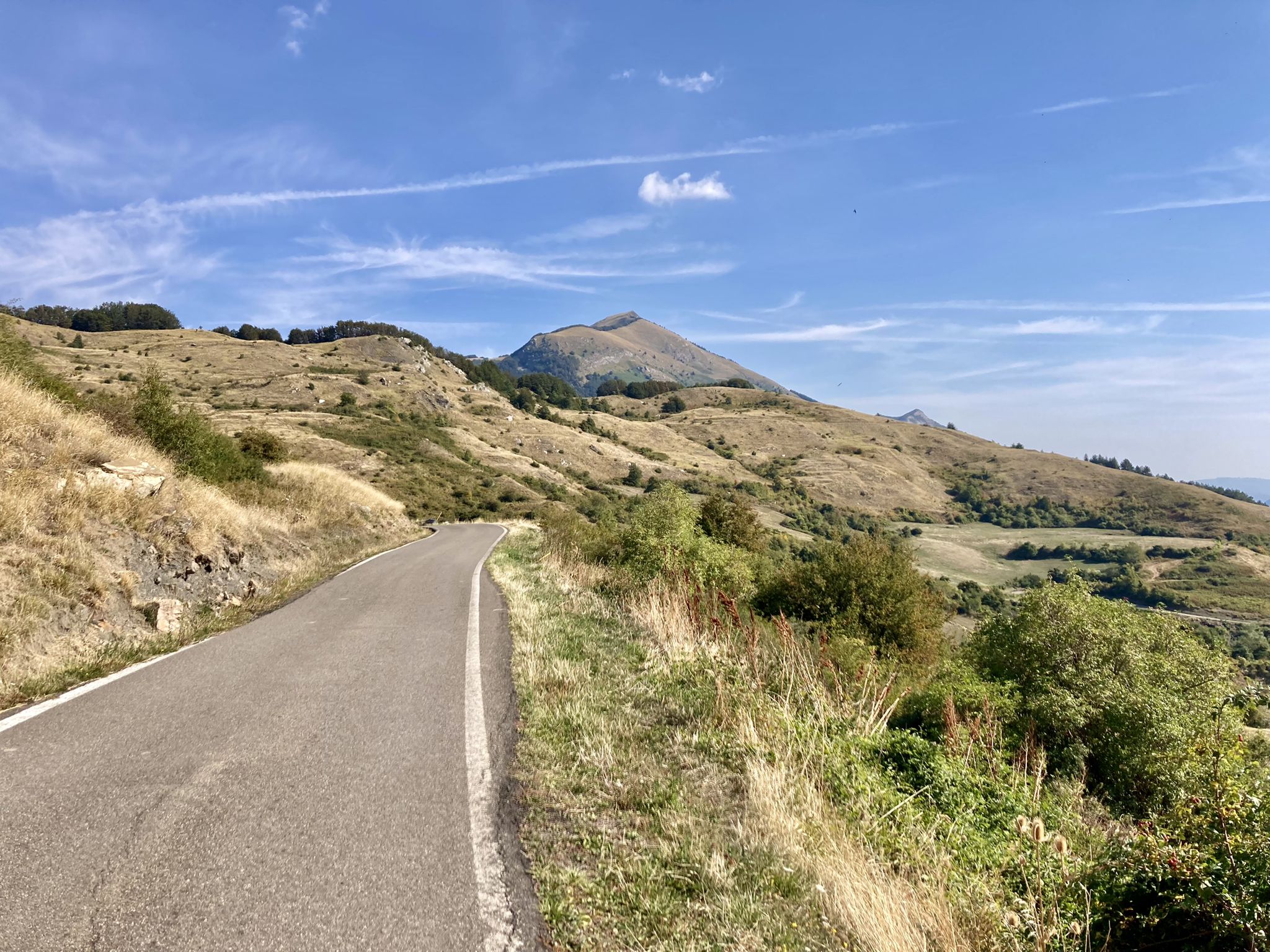
Apperò l'Appennino – five days of Italy's Emilian climbs
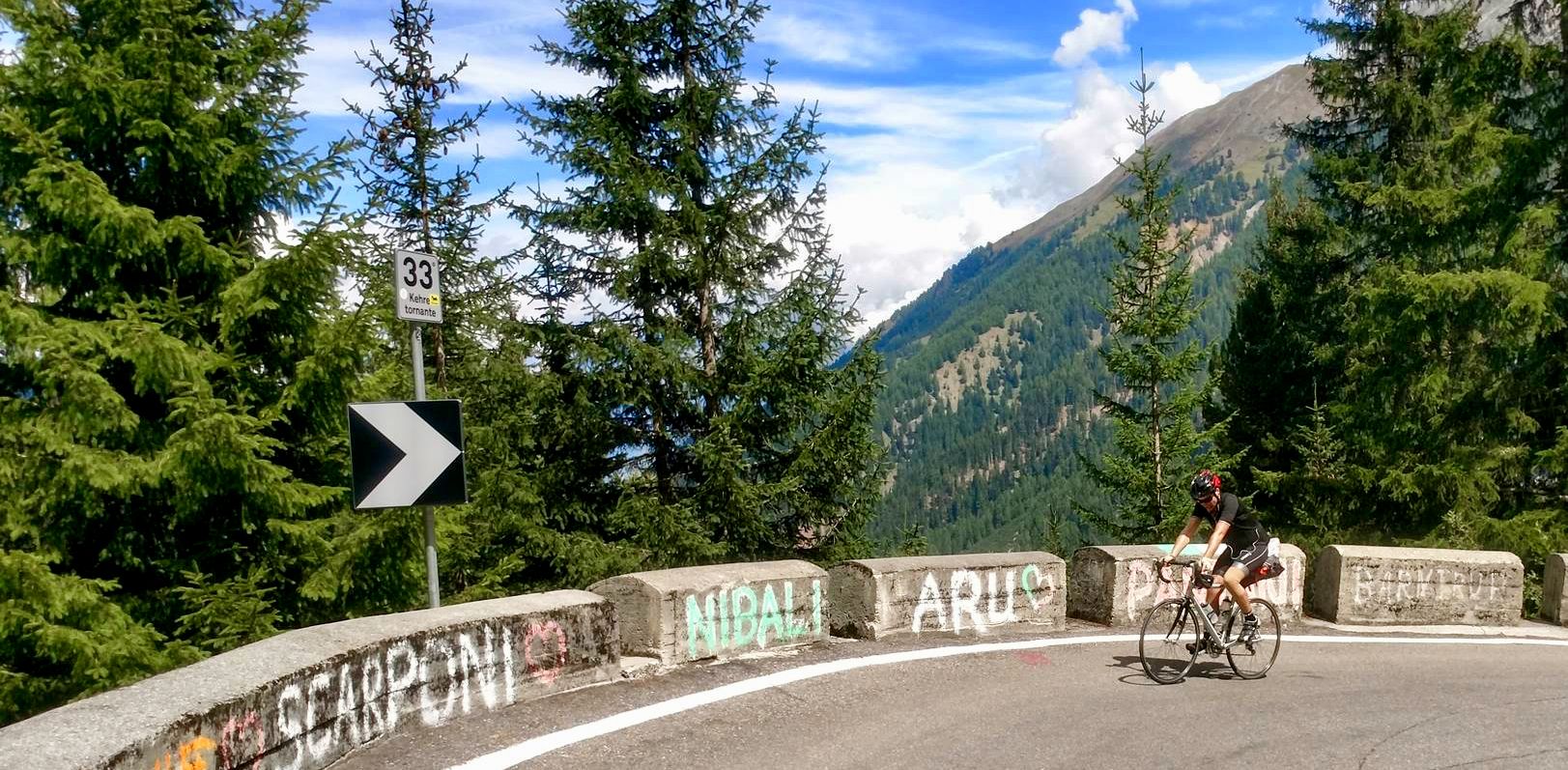
From the mountains to the sea — road cycling in Northern Italy
Road to BAM! 2026 – Condividi la strada
Emilia-Romagna by bike – rides between the plains and the Apennines
Sea, Lagoon and Nature - Discover the Po Delta
Apennine Cycle Route (Part 1) - From Liguria to Umbria
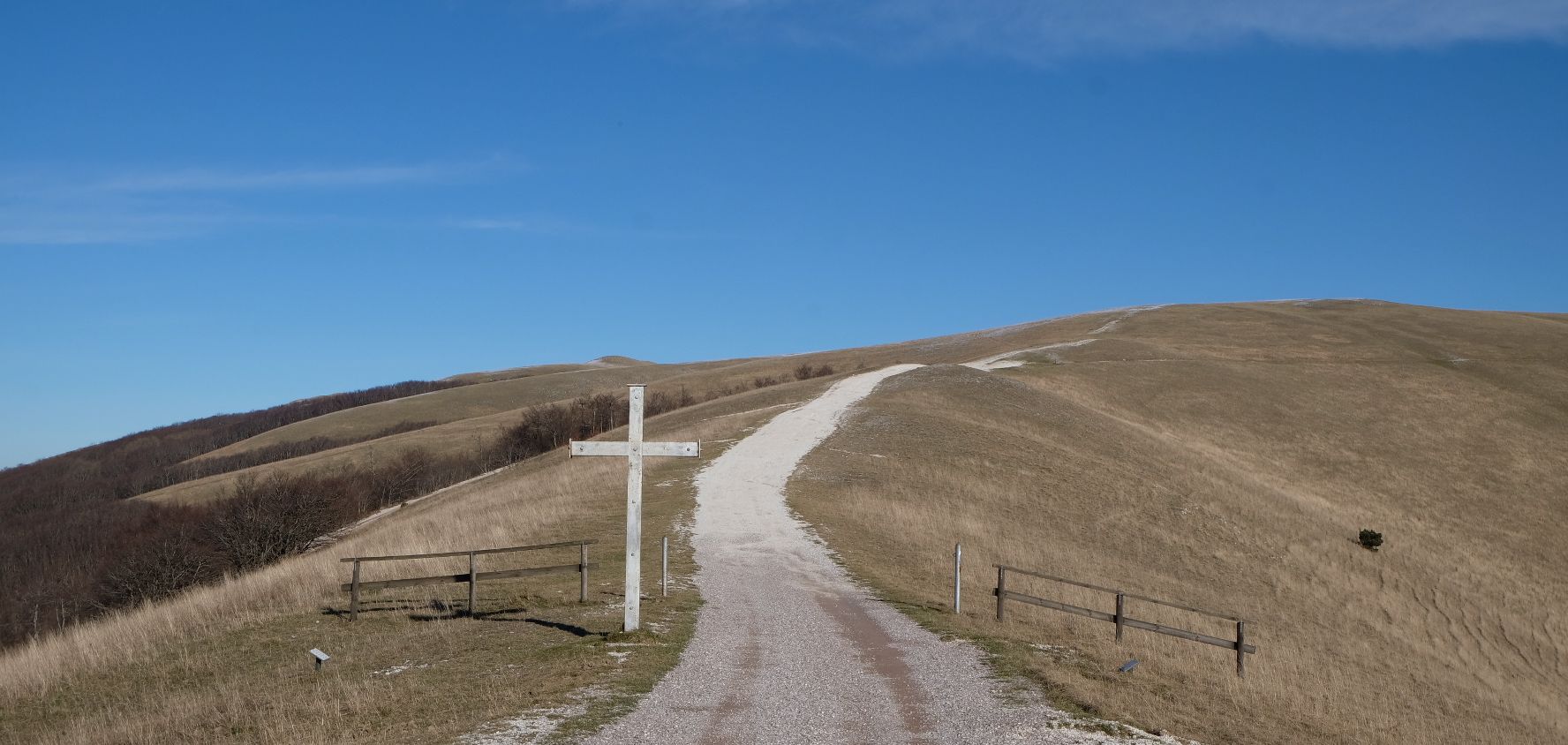
In the footsteps of St. Francis - Cammino di Assisi
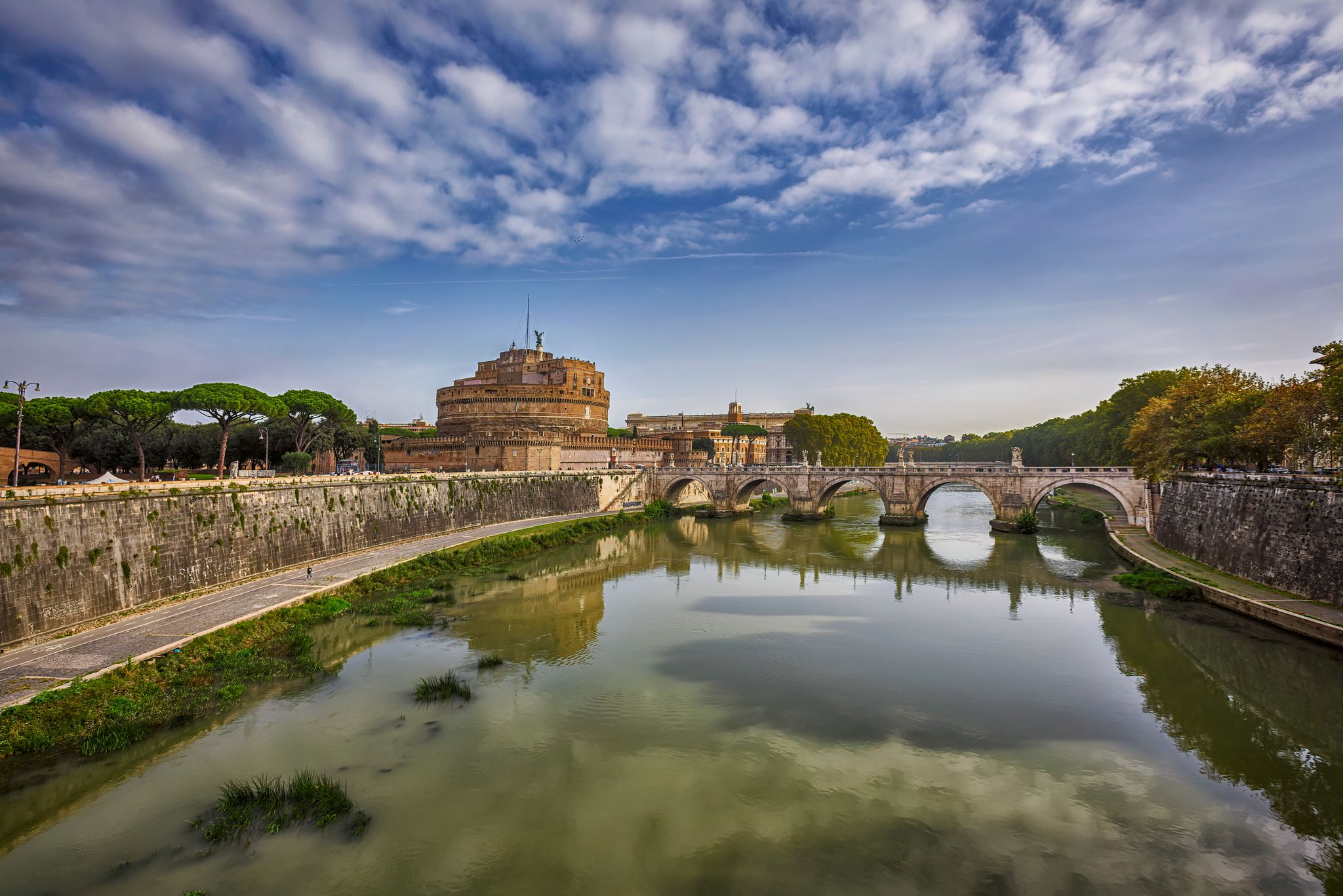
All roads lead to Rome – Romea Tiberina Cycleway
Other adventures in Emilia-Romagna


Tips from the Community

The Passo di Lama Lite is a very important hiking junction and mountain pass located at an altitude of 1,749 meters in the Alto Appennino Reggiano, right on the border with Tuscany. It is situated at the foot of Monte Prado and Monte Cusna, within the Tuscan-Emilian Apennine National Park.
0
0

Gothic Line Tuscan-Emilian Watershed
0
0

The Passo di Lama Lite is a very important mountain pass located at an altitude of 1,749 meters in the Alto Appennino Reggiano, on the border between Emilia-Romagna and Tuscany. It is located in the heart of the Tuscan-Emilian Apennine National Park. This pass serves as a fundamental watershed between the valley of the Dolo stream and the valley of the Ozola stream, positioned at the foot of the Monte Prado massif and offering a splendid view of Monte Cusna.
0
0

In one of the – wonderfully told and far beyond the borders of Italy popular – short stories that Giovanni Guareschi (1908 to 1968) tells about the two protagonists he invented, "Don Camillo" and "Peppone", bears the title "AUTUMN". Even though most of his stories have a humorous background, this time it is about a serious topic, namely the national commemoration of the fallen on the occasion of November 4th. The communist mayor Peppone expresses himself in the heated discussion with the priest as follows: » "The people are fed up with all these wars and victories. The people know very well what a war is and do not need speeches and calls that glorify it." Don Camillo shook his head. "You are on the wrong path, Peppone. Nobody wants to glorify war. It is only about paying homage and gratitude to all those who suffered in this war and lost their lives in the process." « (G. Guareschi)
0
0

Beautiful pass of the Ligurian Apennines located at 1,468 meters. Strategic point that offers various alternatives to start a walk or a long hike.
0
0
Beautiful place for a stop, there are covered tables and a large BBQ. A short walk away there is an excellent spring with very fresh water.
1
0

A strategic junction of several routes, usually the beginning of the descending phase of a long climb
1
0

junction point between the northern slope towards Ligonchio and the southern area towards Febbio.
1
0
Frequently Asked Questions
What are some historically significant mountain passes in Emilia-Romagna?
Emilia-Romagna's mountain passes are rich in history. The Passo della Futa, for instance, was a crucial access point between Tuscany and the Santerno and Senio valleys, and played a significant role as part of the Gothic Line during World War II, housing a German military cemetery. Another notable historical site is the World War II Memorial at Croce Arcana, located at 1669 meters above sea level, which features a memorial to the victims of the Second World War.
Which mountain passes offer the best panoramic views and natural beauty?
Many passes in Emilia-Romagna boast breathtaking scenery. The Passo delle Radici, at 1,529 meters, is praised for its pristine nature and panoramic views, serving as a starting point for various hiking trails. Similarly, the Passo del Cerreto, located within the Tuscan-Emilian Apennine National Park, offers stunning panoramic views and a serene atmosphere amidst forests of chestnut, beech, and fir trees. The Prato alla Penna pass also offers beautiful views, especially in winter when the landscape is covered in snow.
Are there challenging mountain passes for experienced cyclists or motorcyclists?
Absolutely. The Passo del Muraglione is particularly famous among motorcyclists for its tight and technical climbs and beautifully maintained roads. For cyclists, the Colle del Barbotto is known as one of Romagna's most famous and challenging climbs, decisive in the Giro Donne and a key part of the Nove Colli gran Fondo. The San Luca Climb and Portico near Bologna also presents a challenging ascent.
What kind of outdoor activities can I do near the mountain passes in Emilia-Romagna?
The mountain passes in Emilia-Romagna are gateways to a variety of outdoor adventures. You can find numerous routes for cycling, including challenging road cycling tours like the 'Nove Colli' routes or the 'Tour of the Three Passes' mentioned in the Road Cycling Routes in Emilia-Romagna guide. For hikers, passes like Passo delle Radici and Calla Pass serve as excellent starting points for trails, including segments of the Alta Via dei Parchi. Winter sports like skiing and snowboarding are also available near passes like Passo delle Radici and Passo del Cerreto.
Are there family-friendly options among the mountain passes?
Yes, some passes offer more accessible experiences. The Incisa Pass is categorized as family-friendly, offering forest trails and viewpoints suitable for a wider range of visitors. Many areas around the passes also feature charming mountain villages where families can experience authentic Italian culture and cuisine.
What is the best time to visit the mountain passes in Emilia-Romagna?
The best time to visit largely depends on your planned activities. Spring and autumn offer pleasant temperatures for cycling and hiking, with vibrant foliage or blooming wildflowers. Summer is ideal for higher altitude passes and enjoying the full range of outdoor activities. For winter sports, passes like Passo delle Radici and Passo del Cerreto become popular destinations, though weather conditions can change rapidly at higher elevations, with fog, humidity, and strong winds possible.
Can I find amenities like cafes or accommodation near the mountain passes?
Yes, many mountain passes, especially the more popular ones, have amenities nearby. Passes like Passo del Muraglione are popular meeting points for bikers and often have cafes or restaurants. The Passo della Cisa also features the sanctuary of the Madonna della Guardia at its brow point, and surrounding villages offer various services. The Colle del Barbotto Summit also has a cafe.
Are there any unique geological features or landmarks to look out for?
Beyond the passes themselves, the region offers interesting natural formations. The Mandrioli Pass, for example, provides views of 'Scalacce,' which are unique geological formations. The Apennine range itself, where these passes are located, features a rich diversity of flora and fauna, extensive forests, and high peaks.
What are the typical elevations and terrain of Emilia-Romagna's mountain passes?
The mountain passes in Emilia-Romagna vary significantly in elevation and terrain. They range from around 900 meters, like the Passo del Muraglione (907m) and Passo della Futa (903m), to higher altitudes such as the Passo delle Radici (1,529m) and Croce Arcana Pass (1,669m). The terrain can include gentle slopes and wide curves, as seen at Passo della Cisa, to tight, technical climbs and winding roads, often passing through rural villages and dense forests.
Are there any permits required for hiking in the Emilia-Romagna Apennines?
Generally, permits are not required for hiking on established trails in the Emilia-Romagna Apennines, including those accessible from mountain passes. However, if you plan to engage in specific activities or enter certain protected areas or private lands, it's always advisable to check local regulations or park authority guidelines. National parks like the Tuscan-Emilian Apennine National Park, which encompasses areas around passes like Passo del Cerreto, have rules to protect the natural environment.
What is the significance of the Passo del Muraglione?
The Passo del Muraglione is a well-known pass at 907 meters on the Tuscan-Romagnol Apennines, historically connecting Tuscany and Romagna. It's particularly famous among motorcyclists for its challenging roads and is characterized by a distinctive stone wall, built in the mid-1800s by Grand Duke Leopold II of Tuscany, to offer travelers shelter from strong winds. It also serves as a gateway to the Casentino Forests National Park.
Most popular routes in Emilia-Romagna
Most popular attractions in Emilia-Romagna

Get inspired with the komoot mobile app


Didn’t find what you were looking for?
Find even more amazing mountain passes in Emilia-Romagna organized by region:
Explore more
See even more epic mountain passes by checking out these guides in Emilia-Romagna:
