The 20 Most Amazing Peaks in Molise
Best mountain peaks in Molise are found within the Apennines, a mountain range that covers 55% of the region. This area offers a mountainous landscape with diverse ecosystems and a tranquil environment. Molise's mountains are part of significant chains like the Matese Massif and Monti delle Mainarde, providing a range of natural features for exploration. The region is characterized by its rugged nature and rich biodiversity.
Best mountain peaks in Molise
- The most popular mountain peaks is Monte Miletto Summit, a summit that is the highest point of the Matese Mountains. From its summit at 2,050 meters, views can extend to both the Adriatic and Tyrrhenian Seas, and on clear days, Mount Vesuvius and the island of Capri are visible.
- Another must-see spot is Monte Marrone, a summit. This mountain is located in the National Park of Abruzzo, Lazio and Molise and holds historical significance as a World War II battle site, marked by an iron cross at its top.
- Visitors also love La Gallinola Summit, a summit. Part of the Matese massif, this peak reaches 1,923 meters and offers extensive panoramas.
- Molise is known for its Apennine peaks, including the Matese Massif and Monti delle Mainarde. The region offers a variety of mountain peaks to see and explore, from high summits with expansive views to areas with karst phenomena and dense beech forests.
- The mountain peaks in Molise are appreciated by the komoot community. The guide features 20 highlights, with 42 upvotes and 57 photos contributed by users.
Last updated: July 1, 2026
Monte Miletto Summit
Highlight • Summit
Translated by Google •
Tip by

Monte Marrone
Highlight • Summit
Translated by Google •
Tip by

Sign up now to discover places like this
Get recommendations on the best single tracks, peaks, & plenty of other exciting outdoor places.
Sign up for free
La Gallinola Summit
Highlight • Summit
Translated by Google •
Tip by

Mount Mutria
Highlight • Summit
Translated by Google •
Tip by
Monte Campo Ridge Crossing
Highlight • Trail
Translated by Google •
Tip by

Hermitage of San Michele at Foce
Highlight • Religious Site
Translated by Google •
Tip by
Punta Giulia (Anticima della Gallinola)
Highlight • Summit
Translated by Google •
Tip by
Monte Patalecchia
Highlight • Summit
Translated by Google •
Tip by
Campanariello di Valle
Highlight • Summit
Translated by Google •
Tip by
Monte Pagano
Highlight • Summit
Translated by Google •
Tip by

Sign up for free to discover even more peaks in Molise.
Sign up for free
Already have an account?
Start today with a free account
Your next adventure awaits.
Login or Signup
Popular around Molise
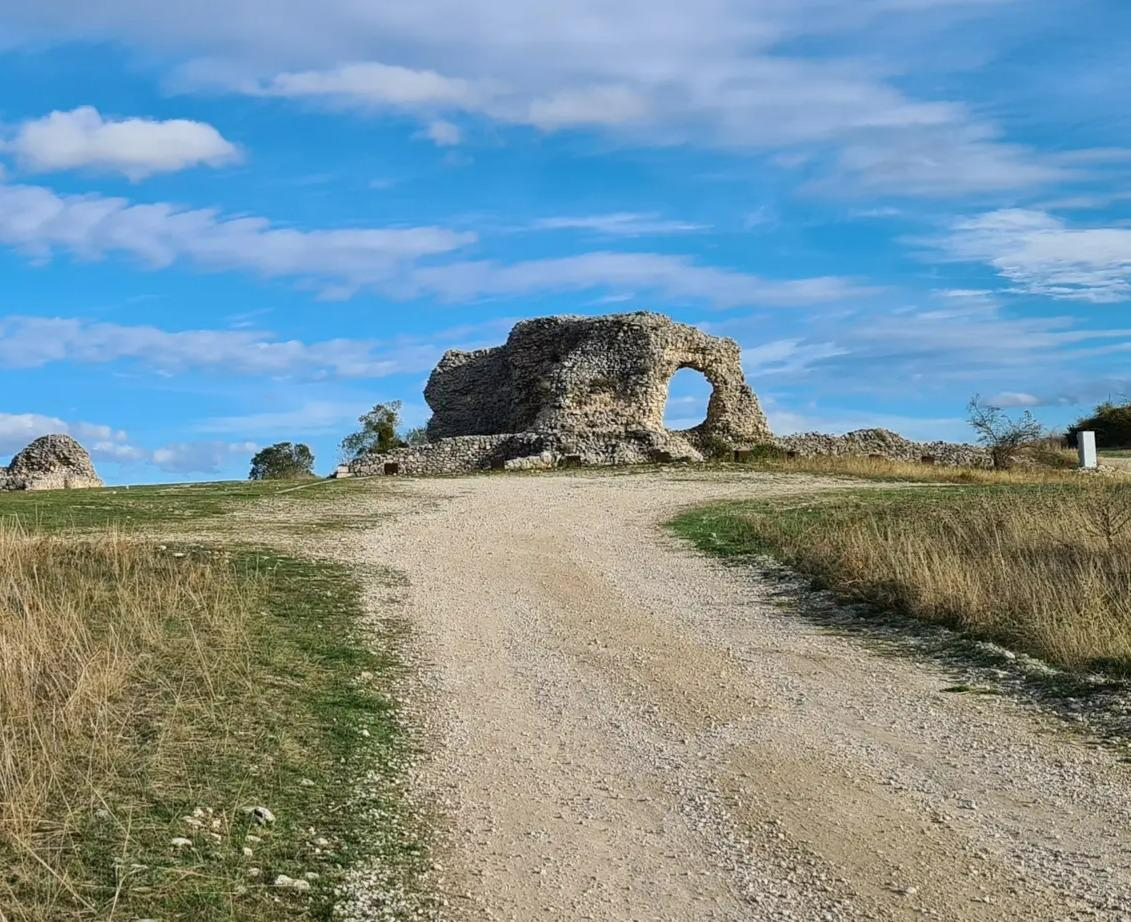
Tratturo Magno – On the roads of transhumance
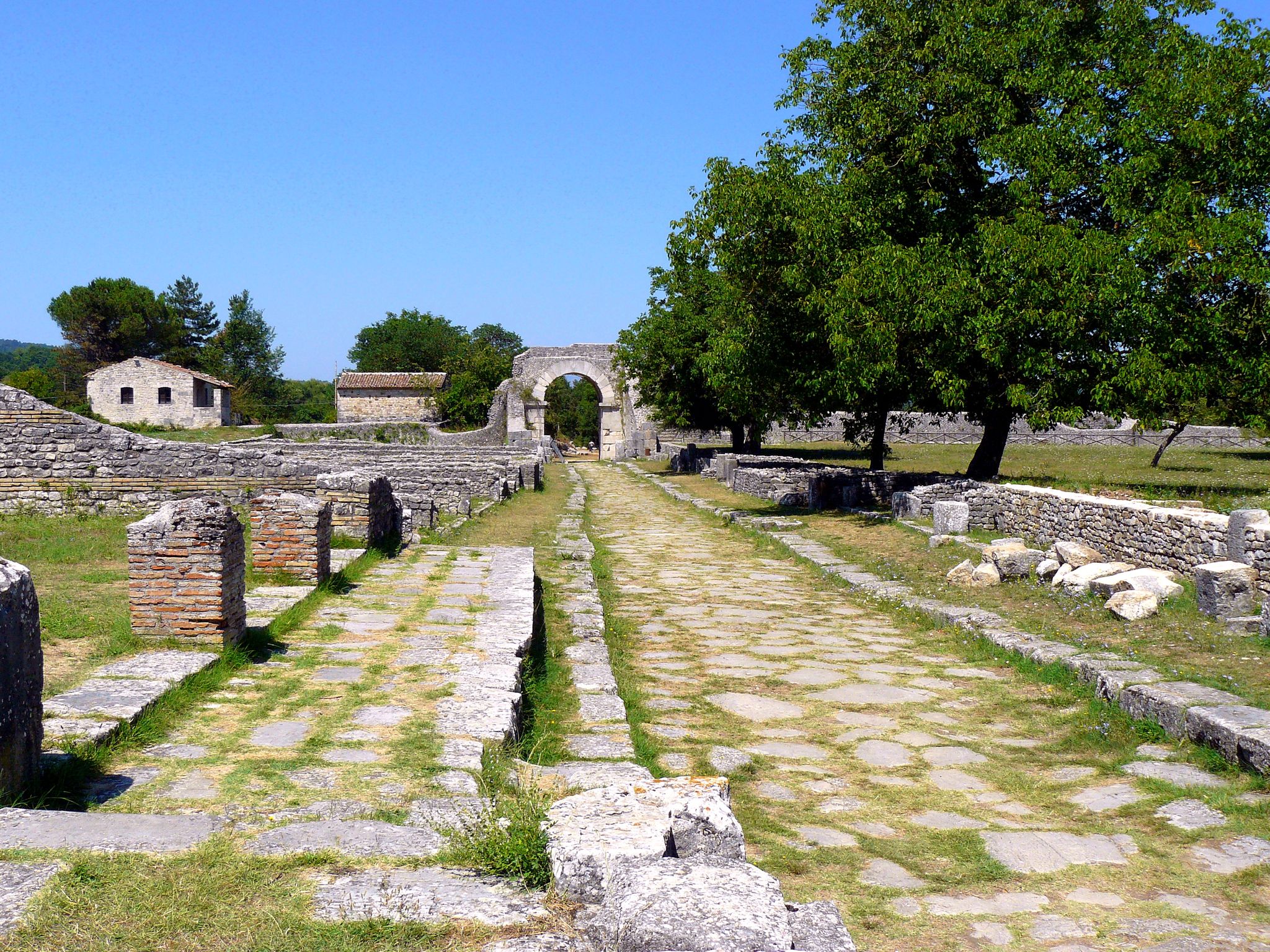
Sentiero Italia – On the tracks of the Samnites and Romans in Molise
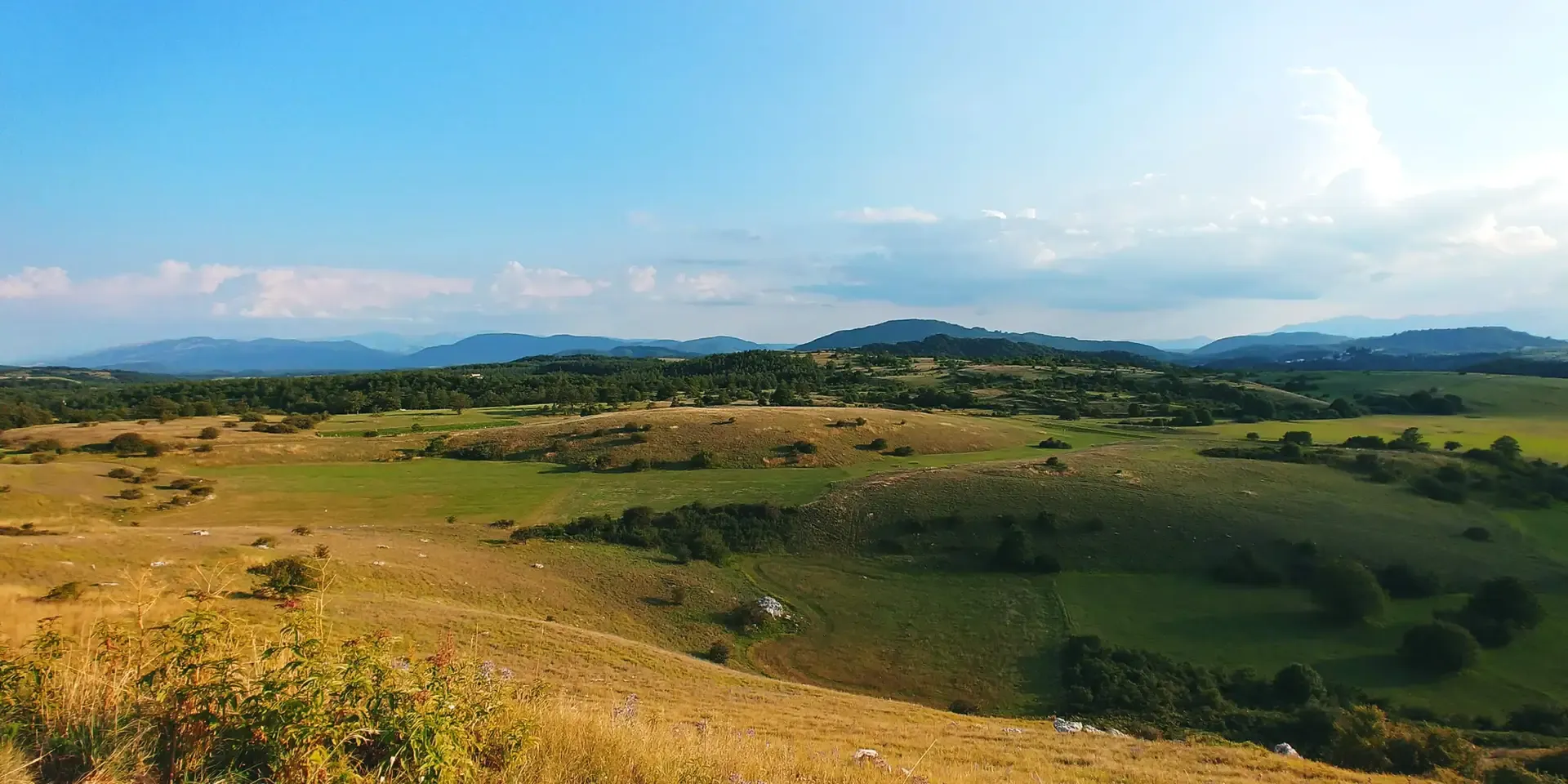
Molise by bike – unspoiled natural beauty and medieval villages
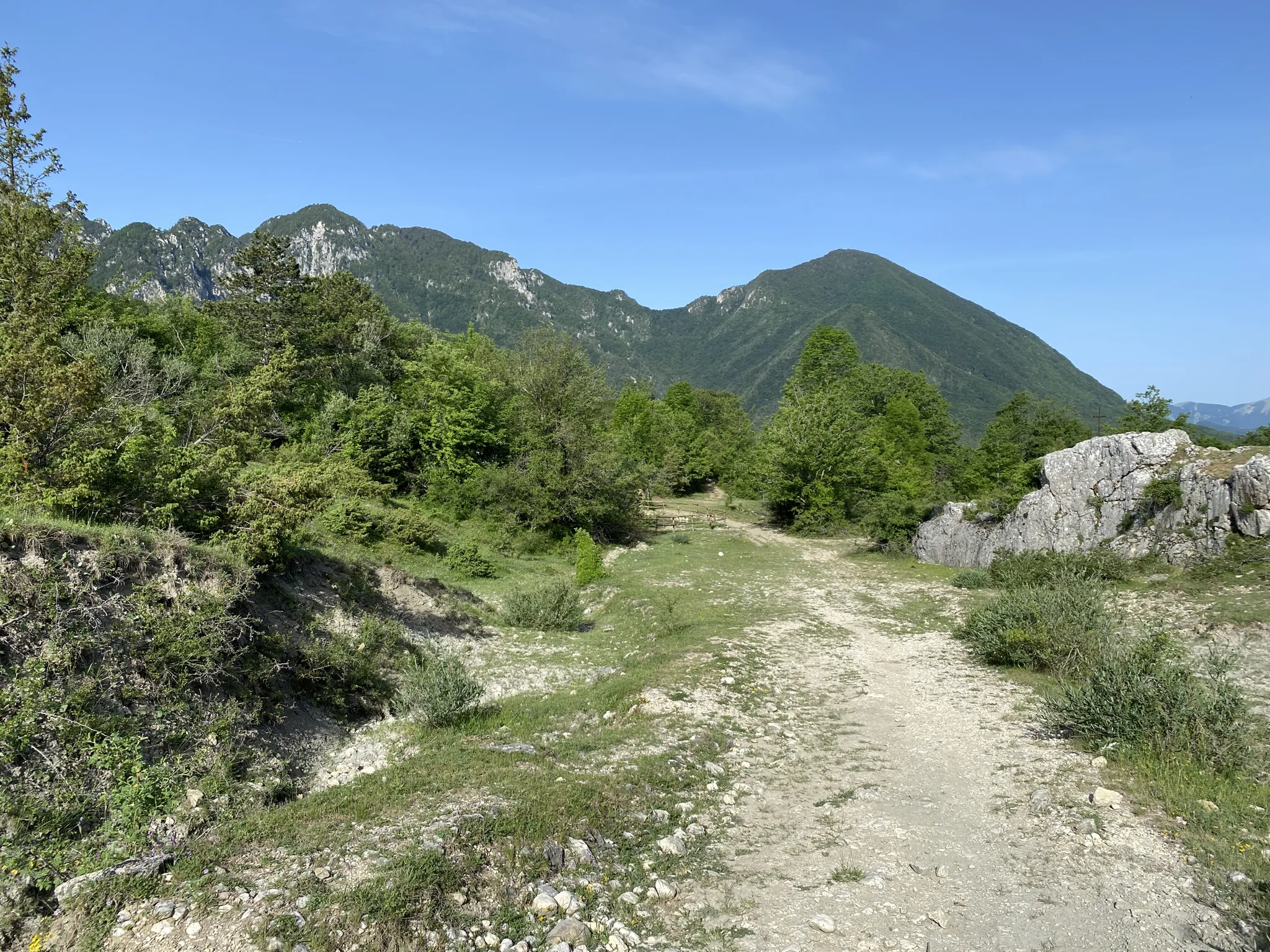
Hike along shepherds tracks in Italy – Via del Tratturo
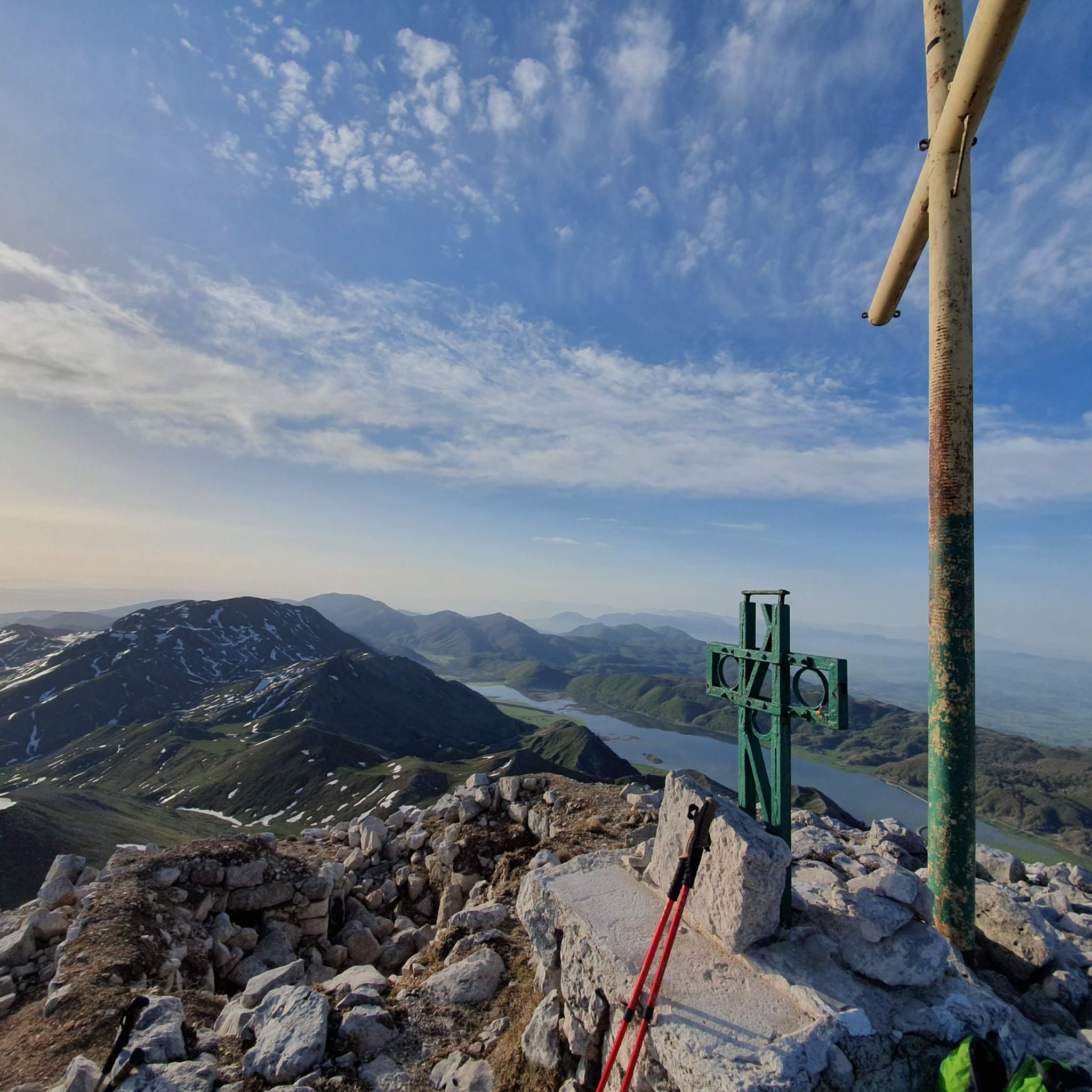
Hiking in Molise
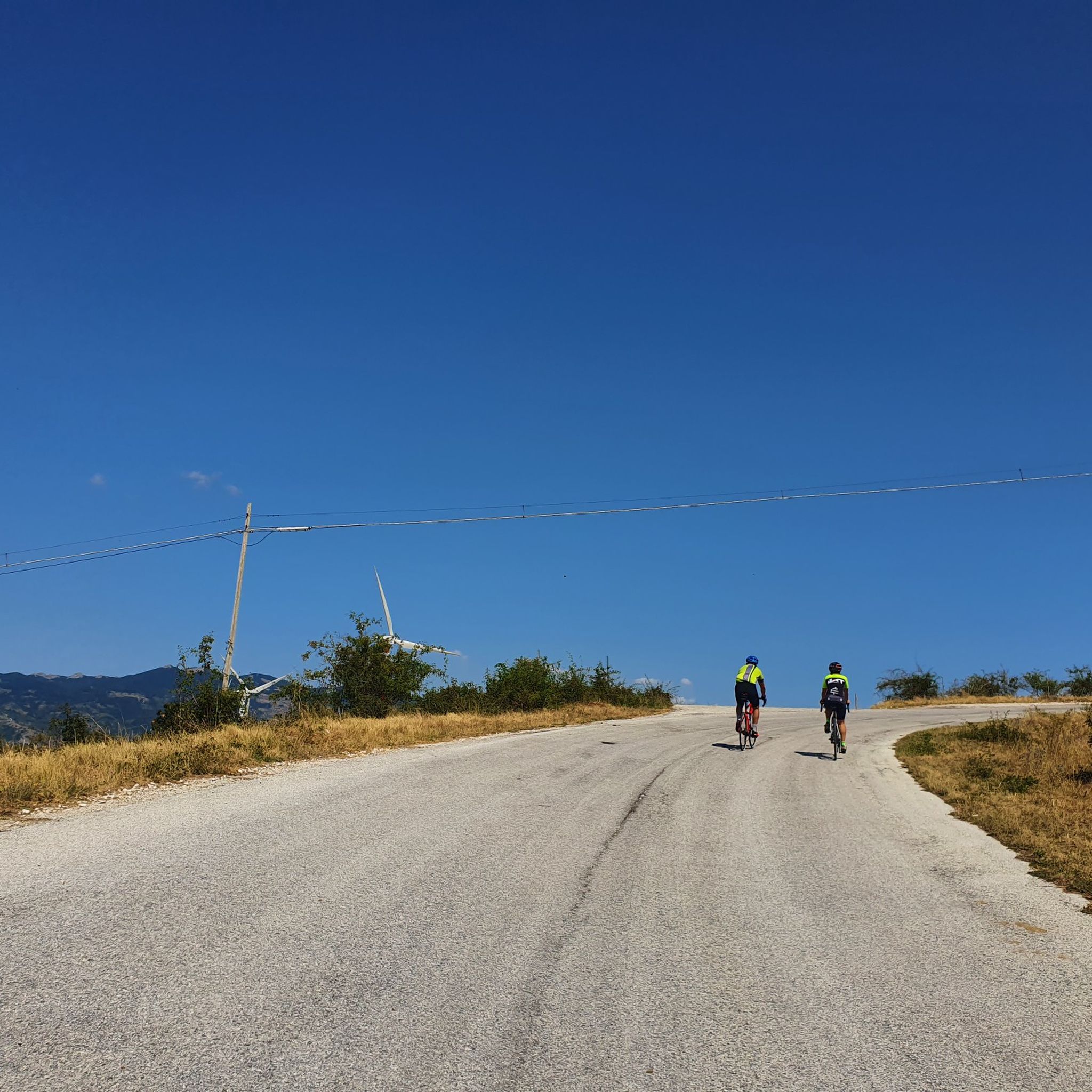
Road Cycling Routes in Molise
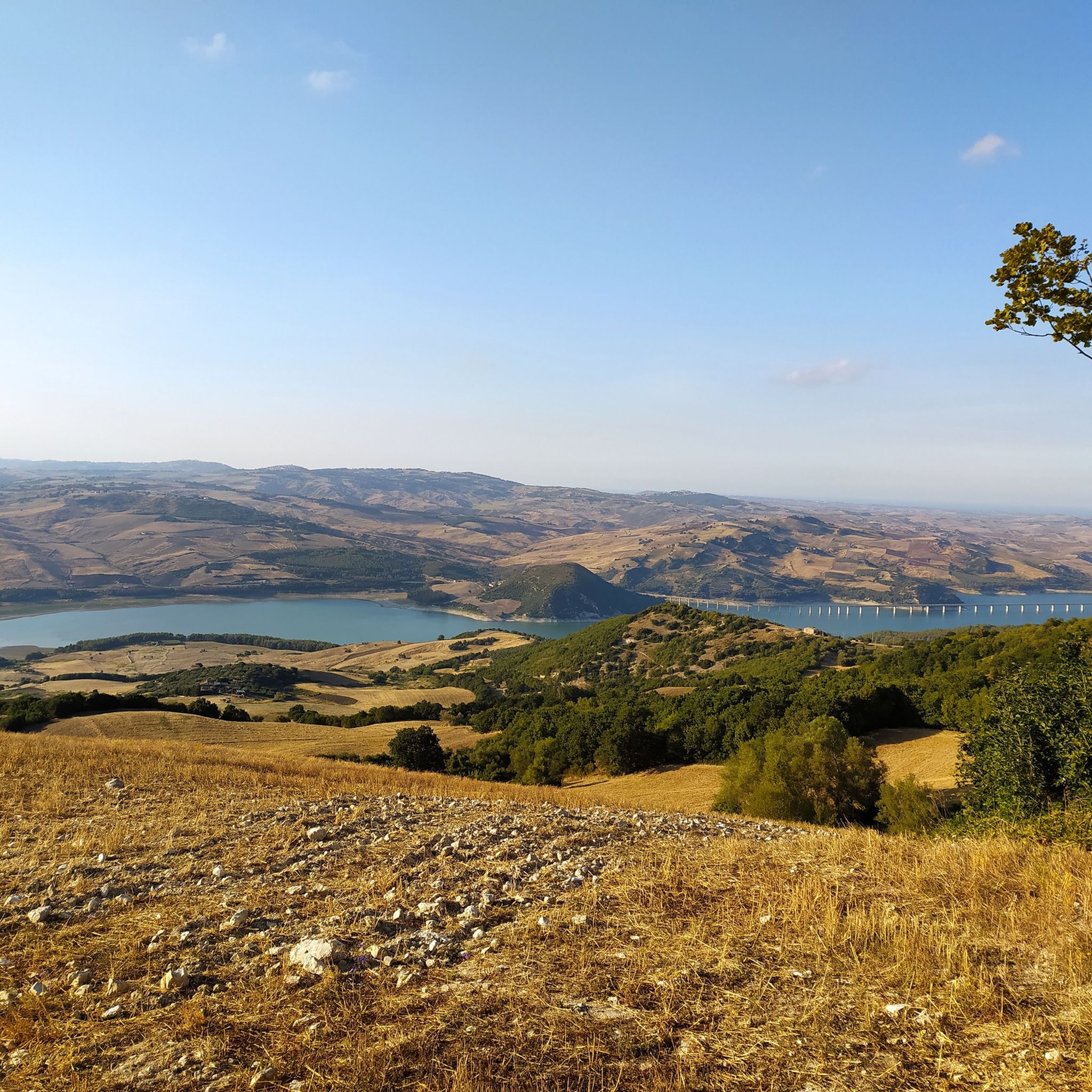
Cycling in Molise
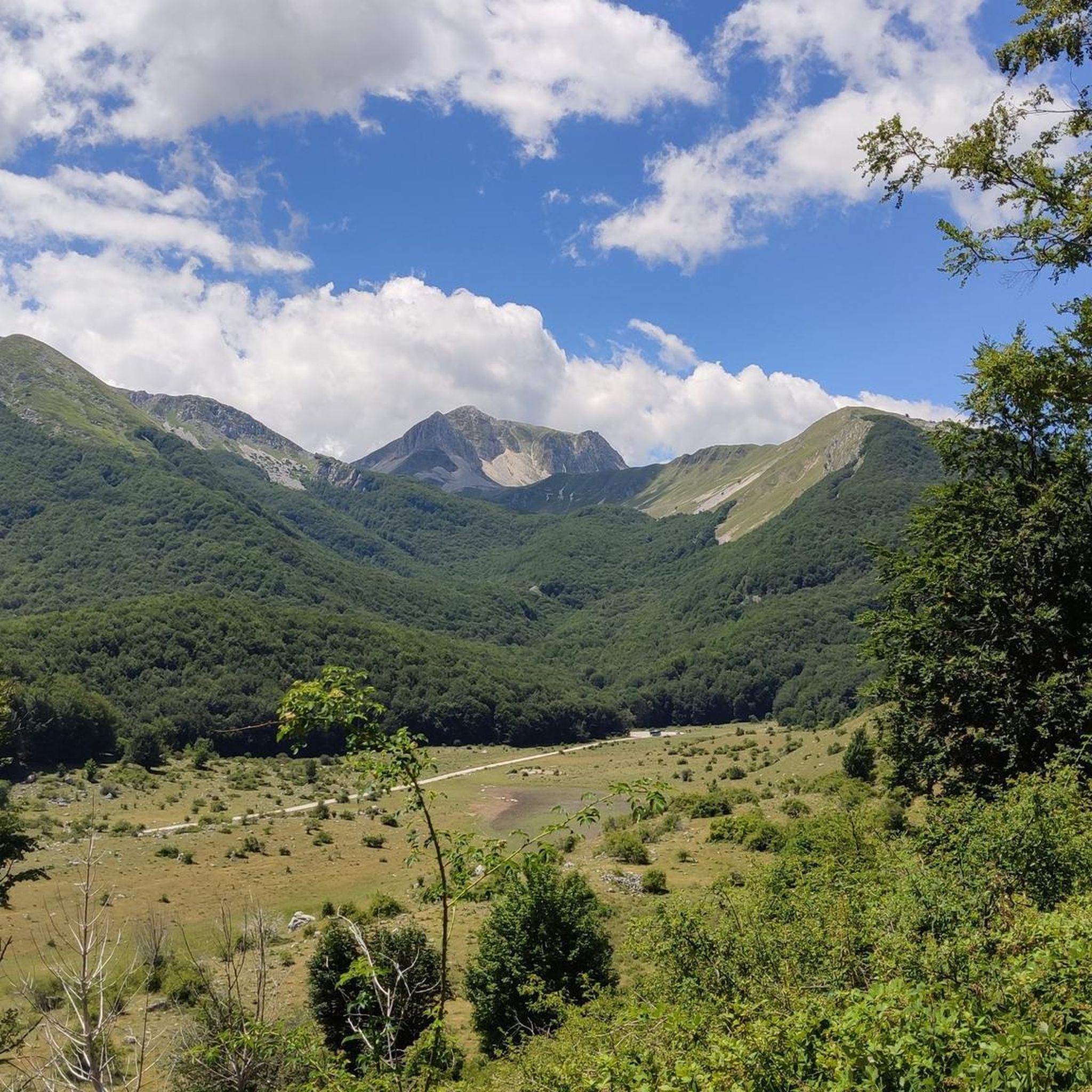
MTB Trails in Molise
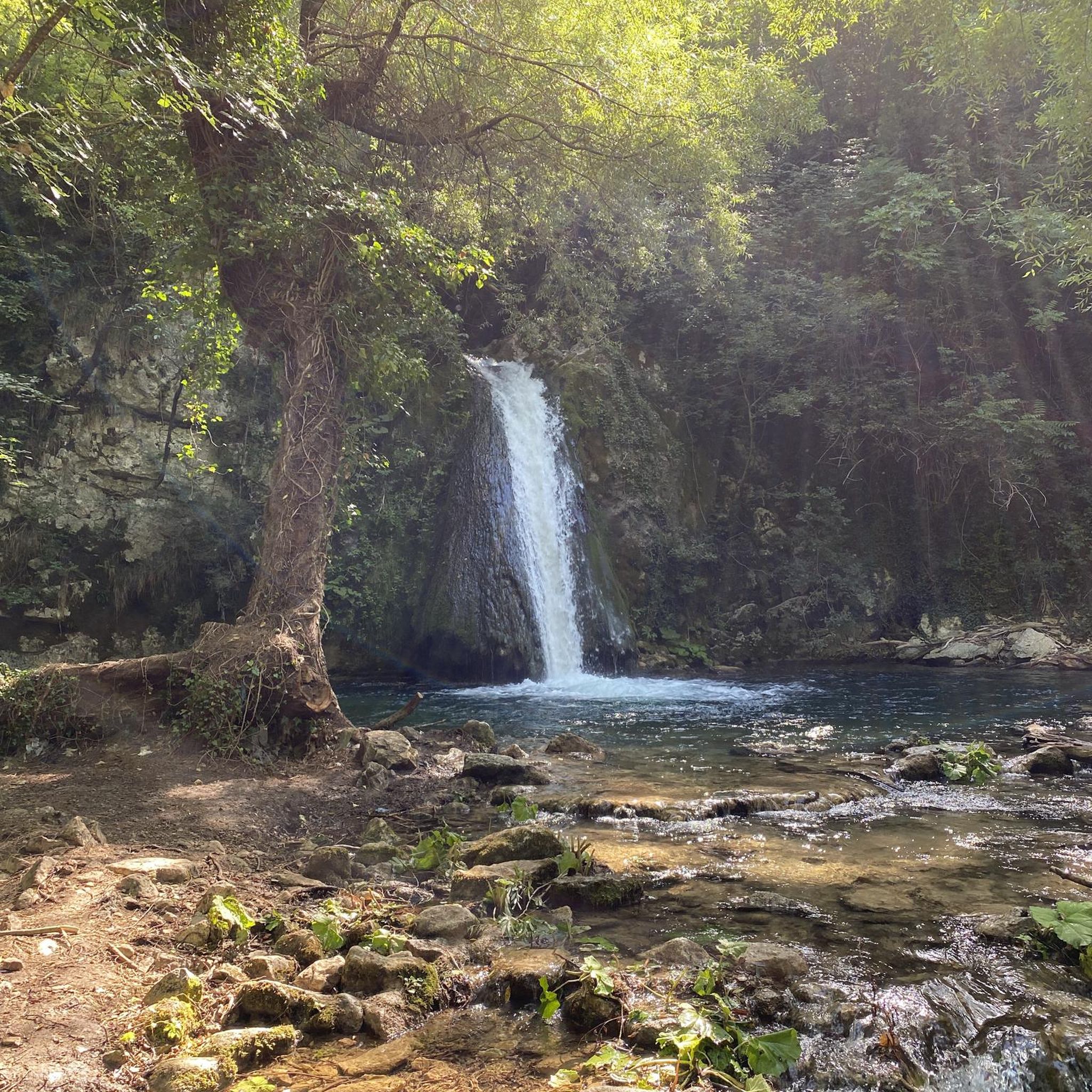
Running Trails in Molise
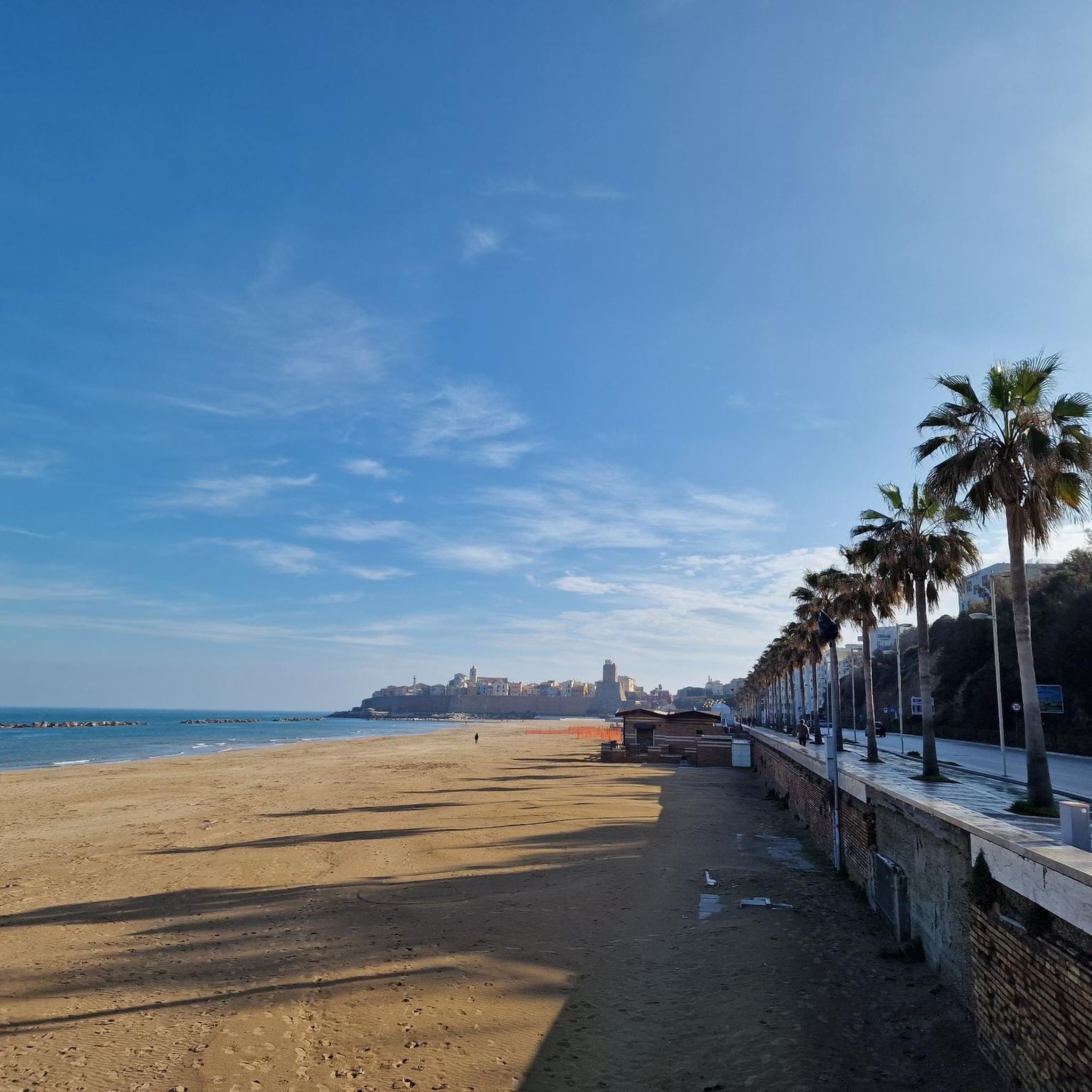
Gravel biking in Molise
Other adventures in Molise


Tips from the Community

La Vista sul Mare: On clearer summer or autumn days, the ridge and summit offer a 360-degree view of the Central Apennines (Majella, Matese, Mainarde), reaching to clearly show the blue line of the Adriatic Sea in the distance.
0
0

Gallinola (1,923 m above sea level) is the second highest peak in the Matese range and is located in Molise. It can be reached from Campitello Matese via a 5.5 km hike and an elevation gain of just under 500 meters. The view from the summit is spectacular, stretching from the Maiella to the Tyrrhenian Sea, clearly visible in good weather.
1
0

A short hike with no particular difficulties. The trailhead from Campitello Matese is unmarked and difficult to identify. The trail itself is poorly marked. For those like me who'd never done it, it's essential to follow the trail on an app or similar. The descent was made by descending from the chairlift side (which doesn't operate and doesn't appear to be in operation anymore), then descending along the ski slope, which halfway through features a barbed wire barrier (!) that I had to cross.
0
0

Challenging route with a difference in altitude of about 600m, starting from the Ecocamous refuge located in the Santa Maria valley. During the route you will encounter woods, valleys and a beautiful view of Lake Matese. The route leads to the highest peak in Campania, La Gallinola (1923m)
0
0

Getting there from the Santa Maria refuge was a slog but when you admire the view you understand that it's worth it
3
0

On the Molise / Abruzzo border from Montalto di Rionero Sannitico once you reach the top of Monte Pagano you can enjoy a beautiful panorama and you can make a beautiful descent towards Castel di Sangro.
2
0

Mount Miletto (2,050 meters above sea level) straddles Campania and Molise and offers a 360° view of the Apennines, Lake Matese and the Mediterranean Sea in the distance.
0
0

From the summit 2050 MT. you can sense the curvature of blue ozone 🌍
0
0
Frequently Asked Questions
Which mountain peaks in Molise offer the most expansive views?
For truly breathtaking panoramas, Monte Miletto Summit is highly recommended. As the highest point of the Matese Mountains, its summit at 2,050 meters provides views that can extend to both the Adriatic and Tyrrhenian Seas, and on clear days, even Mount Vesuvius and the island of Capri are visible. Another excellent choice is La Gallinola Summit, which offers extensive panoramas stretching from the Maiella mountain range to the Tyrrhenian Sea.
Are there any mountain peaks in Molise with historical significance?
Yes, Monte Marrone holds significant historical importance. Located within the National Park of Abruzzo, Lazio and Molise, it was the scene of a battle between the Alpini and German forces during World War II. An iron cross adorned with a bronze eagle marks its top, commemorating the Alpini Battalion.
What kind of natural features can I expect to see on Molise's mountain peaks?
Molise's mountain peaks, particularly in the Matese Massif, feature diverse natural elements. You can find alpine landscapes, glacial lakes, and alpine meadows. The region is also known for its karst phenomena, including caves and cavities, and scenic spots like the Quirino torrent canyon and San Nicola waterfall. Peaks like Monte Capraro and Monte Campo are characterized by rocky terrain and lush beech forests.
What are some challenging trekking routes available in the Molise mountains?
For challenging treks, consider routes that lead to the higher peaks. The trails to Monte Miletto Summit, accessible from San Massimo and Campitello Matese, are considered medium-to-high difficulty. Another challenging route is the ascent to La Gallinola Summit, which involves a significant elevation gain from Campitello Matese. You can find more difficult routes, such as the 'Pianellone and Gallinola from the long lake of Matese' loop tour, on the Waterfall hikes in Molise guide.
Are there any family-friendly or easy hiking options near the Molise mountain peaks?
While many peaks offer challenging ascents, there are easier options in the surrounding areas. For family-friendly walks, look for trails with less elevation gain. The Easy hikes in Molise guide features routes like 'The Carpinone waterfalls and the historic village – loop tour' or 'In the Collemeluccio Nature Reserve – loop tour', which are rated as easy and suitable for a more relaxed experience.
What wildlife can be observed in the Molise mountains?
The Molise mountains are a biodiversity hotspot. In areas like the Matese Massif, you might spot mountain flora such as gentians and edelweiss. The region is also a habitat for various wildlife, including majestic Golden Eagles and Chamois, particularly in the more remote and higher altitude areas.
What is the highest mountain peak in Molise?
Monte Miletto, at approximately 2,050 meters above sea level, is often cited as the highest point in Molise and the Matese Mountains. Its prominence offers unparalleled views across the region.
Are there any unique landmarks or structures on the Molise peaks?
Yes, several peaks feature notable landmarks. On Monte Marrone, you'll find an iron cross with a bronze eagle, commemorating its World War II history. Near the summit of Monte Mutria, there is a chapel dedicated to Sant'Antonio, which is a destination for summer pilgrimages. Additionally, Monte Patalecchia has a distinct profile due to various repeaters and antennas located nearby.
What is the best time of year to hike in the Molise mountains?
The Molise mountains are generally best explored from late spring through early autumn (May to October) when the weather is milder and trails are clear of snow. This period allows for comfortable hiking and offers the best chances for clear views. Some trails may be accessible in winter for experienced hikers with appropriate gear, but conditions can be challenging.
Where can I find more hiking routes near the Molise mountain peaks?
Komoot offers several guides with hiking routes in Molise. You can explore the Hiking in Molise guide for a comprehensive selection, including routes like 'Monte Miletto and the glacial cirques in the Matese Regional Park' or 'Loop tour in the Mainarde, Monte Marrone and Monte Ferruccia'. For specific interests, check out the Waterfall hikes in Molise guide.
What makes the Molise mountains a 'hidden gem' for outdoor enthusiasts?
Molise's mountains are considered a hidden gem due to their authentic and tranquil Italian experience, away from mass tourism. The region offers a rugged and wild nature, rich biodiversity, and well-preserved rural traditions. This provides a unique opportunity for exploration and a peaceful escape into nature, with diverse ecosystems and breathtaking vistas.
Are there any mountain peaks in Molise that are part of a larger national park?
Yes, Monte Marrone is located within the National Park of Abruzzo, Lazio and Molise. This park is renowned for its conservation efforts and offers a protected environment for both its natural landscapes and wildlife.
Most popular routes in Molise
Most popular attractions in Molise

Get inspired with the komoot mobile app


Didn’t find what you were looking for?
Discover Molise’s best peaks and summits by region:
Explore more
See even more amazing summits in Molise with these guides:
