Top 20 Gorges in Friuli Venezia Giulia
Best canyons in Friuli Venezia Giulia are found in a region characterized by diverse landscapes, from the Adriatic coast to the Julian Alps. This northeastern Italian area features numerous geological formations, including deep gorges and river-carved canyons. These natural features offer opportunities for exploration and provide varied natural scenery. The region's unique karst topography also contributes to a complex network of canyons, caves, and cliffs.
Best canyons in Friuli Venezia Giulia
- The most popular canyons is Slizza Gorge, a gorge known for its beautiful turquoise waters. The path through the gorge follows a circular route, suitable for various ages, and offers crystal clear water views.
- Another must-see spot is First Viewpoint (Skywalk del Dint), a viewpoint featuring a metal walkway with transparent glass sections. This skywalk provides panoramic views of Lake Barcis and the Cellina gorge.
- Visitors also love Rosandra Valley, a natural park with cliffs, scree, and overhanging walls. It features a stream with waterfalls and gorges, along with numerous caves, making it a destination for caving and rock climbing.
- Friuli Venezia Giulia is known for river-carved gorges, deep canyons, and karst formations. The region offers a variety of canyons to see and explore, from those with accessible paths to those requiring more technical exploration.
- The canyons in Friuli Venezia Giulia are appreciated by the komoot community, with more than 230 upvotes and over 180 photos shared by visitors.
Last updated: September 27, 2026
Belepeit River Waterfall
Highlight • Waterfall
Translated by Google •
Tip by

Slizza Gorge
Highlight • Gorge
Translated by Google •
Tip by

Sign up now to discover places like this
Get recommendations on the best single tracks, peaks, & plenty of other exciting outdoor places.
Slizza Gorge Bridge
Highlight • Bridge
More information: achim-bartoschek.de/bahneur_it.htm#it06_01 and achim-bartoschek.de/bahneur_si.htm#si01
Translated by Google •
Tip by

First Viewpoint (Skywalk del Dint)
Highlight • Viewpoint
From up there the view of Lake Barcis is truly wonderful and vast.
Translated by Google •
Tip by

Rosandra Valley
Highlight • Gorge
Translated by Google •
Tip by

Gor Nature Trail
Highlight (Segment) • Trail
Translated by Google •
Tip by

Old Val Colvera Road
Highlight • Trail
Translated by Google •
Tip by
Grotta Nera
Highlight • Cave
Translated by Google •
Tip by

Grotte di Pradis
Highlight • Cave
More information at: grottedipradis.it
Translated by Google •
Tip by
Gravel Section Along the Judrio
Highlight (Segment) • Cycleway
Tip by

Sign up for free to discover even more gorges in Friuli Venezia Giulia.
Already have an account?
Start today with a free account
Your next adventure awaits.
Popular around Friuli Venezia Giulia
Sneak Peaks ADVENTURE 🥇
Via Postumia – Hike between the Tyrrhenian and Adriatic seas
From Bavaria to the Adriatic - My Bikepacking Adventure to Croatia 2023
EuroVelo 9 – The Amber Route from the Baltic to Adriatic Sea
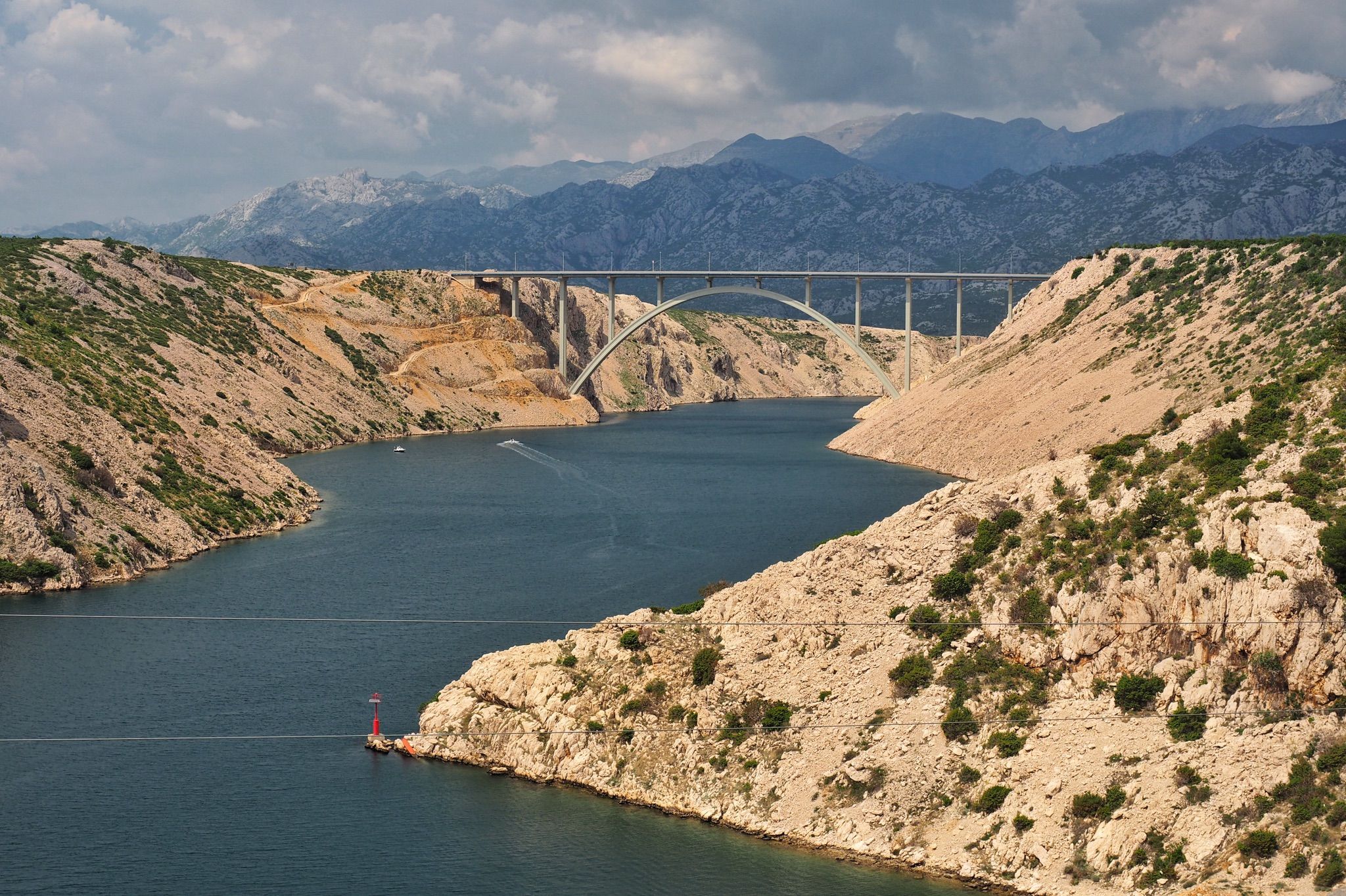
The Dinaric Alps – explore the Adriatic Sea in a different way
Southern Alpine Trail – Styrian vineyards and the Carnic Alps in Austria
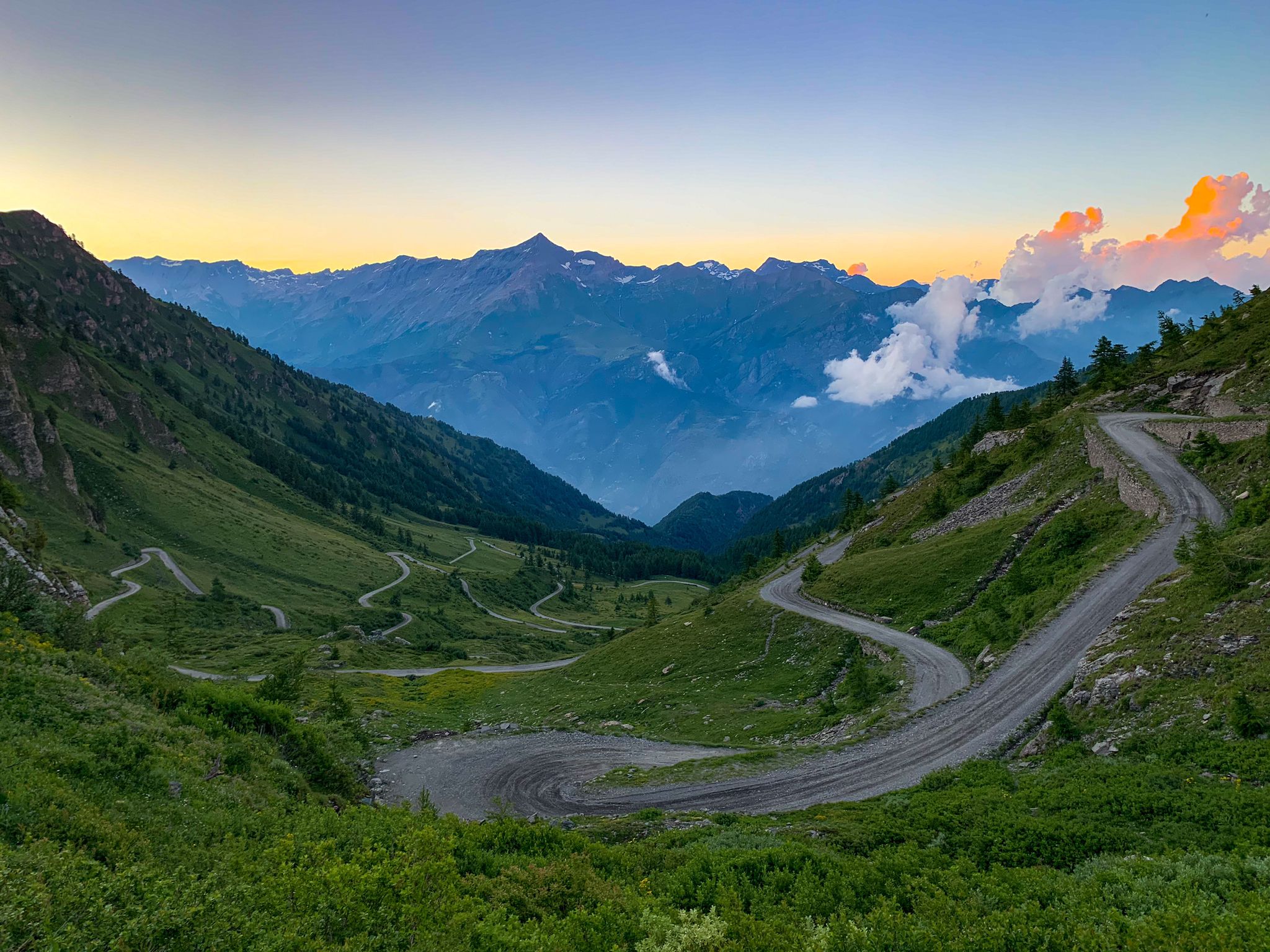
Chasing the sun across the Alps — unsupported solo
Alpe-Adria-Trail: My long-distance hike from the glacier to the sea
Alpe Adria – MTB Transalp through Slovenia to the Mediterranean Sea
The Milky Way on the Carnic High Route – hiking the alpine cheese dairies
Other adventures in Friuli Venezia Giulia


Tips from the Community

Along the railway line of the former Jesenice-Tarvis railway line, there are some well-preserved, original railway bridges. They are part of the official cycle path.
1
0

Wonderful route, but, as of today, the old road of the Colvera valley is completely closed to traffic due to maintenance work on the bridge over the Colvera stream. I suggest checking carefully before planning routes.
0
0

Beautiful dirt section always in excellent condition that follows the Judrio river, which here marks the border between Italy and Slovenia. Be aware that in Slovenia, on dirt roads, if not expressly forbidden, car and motorcycle traffic is absolutely permitted.
0
0

Located behind Trieste, Val Rosandra is a unique nature reserve where the homonymous stream has carved the only deeply incised valley of the Trieste Karst. The landscape is dominated by rugged limestone cliffs, white scree slopes, and vegetation that blends Mediterranean and continental species. Famous for its 36-meter-high waterfall, the valley is a sanctuary of biodiversity and history: it hosts the remains of a 1st-century AD Roman aqueduct and the ancient church of Santa Maria in Siaris. A prime location for Trieste's mountaineering, its cliffs were the school of Emilio Comici. Between arduous trails and views of the Gulf, Val Rosandra represents a concentration of wild nature and millennia-old testimonies, suspended between the Karst plateau and the Adriatic Sea.
0
0

In Val Colvera, nature reigns supreme
0
0

A fantastic, well-maintained and well-maintained gravel road through the Judrio Valley on the Slovenian side. Solid surface, very few eroded patches, no potholes, no gutters, paved in exposed areas such as stream crossings and equipped with small bridges. The gradient is extremely gentle, and the gorge-like valley with steep and rugged rock faces along the route adds a touch of adventure. Highly recommended!
0
0
A fantastic, well-maintained and well-maintained gravel road through the Judrio Valley. Its surface is solid, with very few eroded patches, no potholes, and no gutters. It's paved in exposed areas such as stream crossings and equipped with small bridges. The gradient is extremely gentle, and the gorge-like valley with steep and rugged rock faces along the route adds a touch of adventure. Highly recommended!
0
0
Frequently Asked Questions
What unique natural features can I expect to see in the canyons of Friuli Venezia Giulia?
Friuli Venezia Giulia's canyons showcase diverse natural features, including deep erosion potholes, polished rocks, and numerous waterfalls, such as those found in the Stretta di Fleons. The region is also characterized by its unique karst topography, which includes a complex network of gorges, caves, and cliffs. You can also find vibrant turquoise waters, notably at Slizza Gorge, and lush forest environments, like those surrounding the Gor Nature Trail.
Are there any canyons with historical significance in Friuli Venezia Giulia?
Yes, some canyons in Friuli Venezia Giulia hold historical significance. For instance, the Stretta di Fleons features visible remains of defensive posts and trenches from the First World War along its gorge walls. Additionally, the Vinadia Gorge is associated with local folklore, with a legend about a Carni queen who threw herself into the precipice to avoid Roman subjugation.
What are some of the most scenic viewpoints overlooking the gorges in Friuli Venezia Giulia?
For breathtaking views, visit the First Viewpoint (Skywalk del Dint), which offers a metal walkway with transparent glass sections providing panoramic views of Lake Barcis and the Cellina Gorge. The Slizza Gorge Bridge also provides picturesque views of the vibrant turquoise waters below. The Rosandra Valley natural park also offers wonderful panoramic views from its cliffs and trails.
Which canyons are known for their distinctive water colors?
The Slizza Gorge is particularly celebrated for its beautiful turquoise waters, which visitors describe as wonderfully crystal clear. The Torrente Colvera, visible from the Old Val Colvera Road, also features striking turquoise waters.
What outdoor activities are popular near the canyons in Friuli Venezia Giulia?
The canyons in Friuli Venezia Giulia are excellent for various outdoor activities. Canyoning is highly recommended for those seeking adventure, offering opportunities for abseiling, climbing, and diving into cool waters, especially in areas like the Butines Waterfalls in Val Cosa and Rio Lavarie. Hiking is also popular, with trails like the Gor Nature Trail. Additionally, cycling routes, such as the Alpe-Adria-Radweg FVG1, cross scenic gorges like the Slizza Gorge. For more hiking options, explore routes in the Hiking in Friuli Venezia Giulia guide, or for gravel biking, check the Gravel biking in Friuli Venezia Giulia guide.
Are there specific hiking trails associated with the gorges in the region?
Yes, several trails offer access to the region's gorges. The Gor Nature Trail, for example, is a naturalistic-didactic route that winds through a humid gorge environment with waterfalls and water jumps. The Rosandra Valley also features numerous paths for hikers. You can also find many other hiking opportunities in the broader Hiking in Friuli Venezia Giulia guide.
Can I go canyoning in Friuli Venezia Giulia, and are there options for different skill levels?
Canyoning is a highly recommended activity throughout Friuli Venezia Giulia, offering a unique way to explore the natural wonders. Areas like the Butines Waterfalls in Val Cosa are highlighted as special locations for canyoning. Rio Lavarie is described as a 'discretely technical' canyon, suggesting options for those seeking a challenge, while the general region offers opportunities for various skill levels, including abseiling, climbing, and diving.
Are there family-friendly canyons or accessible viewpoints in Friuli Venezia Giulia?
Yes, there are family-friendly options. The path through the Slizza Gorge follows a circular route suitable for all ages. The First Viewpoint (Skywalk del Dint) offers an accessible way to appreciate the Cellina Gorge from above, though it might not be suitable for those with vertigo due to its transparent glass sections. The Grotte di Pradis are also listed as family-friendly.
When is the best time to visit the canyons in Friuli Venezia Giulia?
The best time to visit the canyons in Friuli Venezia Giulia generally aligns with pleasant weather for outdoor activities. Summer is particularly popular for canyoning, as the region offers opportunities for diving into cool waters. For hiking and exploring, spring and autumn provide milder temperatures and beautiful scenery.
What geological features are characteristic of the canyons in Friuli Venezia Giulia?
The canyons in Friuli Venezia Giulia are primarily characterized by river-carved gorges and deep canyons, often showcasing impressive erosion potholes and rocks polished by flowing water. The broader Karst region, which includes many of these canyons, is known for its complex geological formations, including dolines, caves, and cliffs that descend towards the Adriatic Sea.
Are there any caves or grottoes near the canyons in Friuli Venezia Giulia?
Yes, the region's karst topography means caves are often found near canyons. The Rosandra Valley, for instance, features a large number of caves, making it a destination for caving. The Butines Waterfalls in Val Cosa are situated between the Pontic Gorge and the Pradis Caves. Other notable caves include Grotta Nera and Grotta Gigante.
What do visitors enjoy most about the canyons in Friuli Venezia Giulia?
Visitors frequently praise the stunning natural beauty, particularly the crystal-clear, turquoise waters found in gorges like Slizza Gorge. The panoramic views from viewpoints like the Skywalk del Dint are also highly appreciated. Many enjoy the wild and untamed aspect of areas like the Rosandra Valley and the unique experience of exploring raw natural power, as offered by the Stretta di Fleons.
Most popular routes in Friuli Venezia Giulia
Most popular attractions in Friuli Venezia Giulia

Get inspired with the komoot mobile app


Didn’t find what you were looking for?
Want to see even more gorges? See the best ones in Friuli Venezia Giulia region by region:
Explore more
Already discovered everything in this region? See additional gorges in Friuli Venezia Giulia for your next adventure:
