Top 20 Castles in Friuli Venezia Giulia
Best castles in Friuli Venezia Giulia are found in a region known for its diverse landscapes and rich history. From dramatic seaside fortresses to ancient hill-top strongholds, these architectural treasures offer glimpses into the past. The region features a collection of castles with historical significance and captivating stories. Many are situated on strategic hills or overlooking the Adriatic Sea, providing panoramic views.
Best castles in Friuli Venezia Giulia
- The most popular castles is San Giusto Castle and the Roman Ruins of Trieste, a castle that dominates the city from its hilltop location. It now houses a museum where visitors can admire period rooms and an armory with a rich collection of weaponry.
- Another must-see spot is Miramare Castle, a castle located on a small promontory with a spectacular view of Trieste. The castle is celebrated for its imaginative architectural style and still contains much of its original 19th-century furniture.
- Visitors also love Pinzano Castle and View of the Tagliamento River, a castle first mentioned in the 12th century. From the hill, visitors can enjoy a 360° view of the surrounding area.
- Friuli Venezia Giulia is known for medieval manors, seaside fortresses, and hill-top strongholds. The region offers a variety of castles to see and explore, from ruins with historical charm to well-preserved structures housing museums.
- The castles in Friuli Venezia Giulia are appreciated by the komoot community, with over 1100 upvotes and more than 800 photos shared across 97 highlights.
Last updated: July 20, 2026
Liberty Square, Udine
Highlight • Historical Site
Translated by Google •
Tip by

Duino Castle
Highlight • Castle
Translated by Google •
Tip by

Sign up now to discover places like this
Get recommendations on the best single tracks, peaks, & plenty of other exciting outdoor places.
Sign up for free
San Giusto Castle and the Roman Ruins of Trieste
Highlight • Castle
Translated by Google •
Tip by

Strassoldo Medieval Village and Watermills
Highlight • Historical Site
Translated by Google •
Tip by

Miramare Castle
Highlight • Castle
Translated by Google •
Tip by
Pinzano Castle and View of the Tagliamento River
Highlight • Castle
Translated by Google •
Tip by
Villa Manin
Highlight • Historical Site
Translated by Google •
Tip by
Gate of Sesto al Reghena
Highlight • Monument
it.m.wikipedia.org/wiki/Sesto_al_Reghena
Translated by Google •
Tip by

Castelmonte Sanctuary
Highlight • Religious Site
Translated by Google •
Tip by

Fagagna Castle
Highlight • Castle
Translated by Google •
Tip by

Sign up for free to discover even more castles in Friuli Venezia Giulia.
Sign up for free
Already have an account?
Start today with a free account
Your next adventure awaits.
Login or Signup
Popular around Friuli Venezia Giulia

Sneak Peaks ADVENTURE 🥇
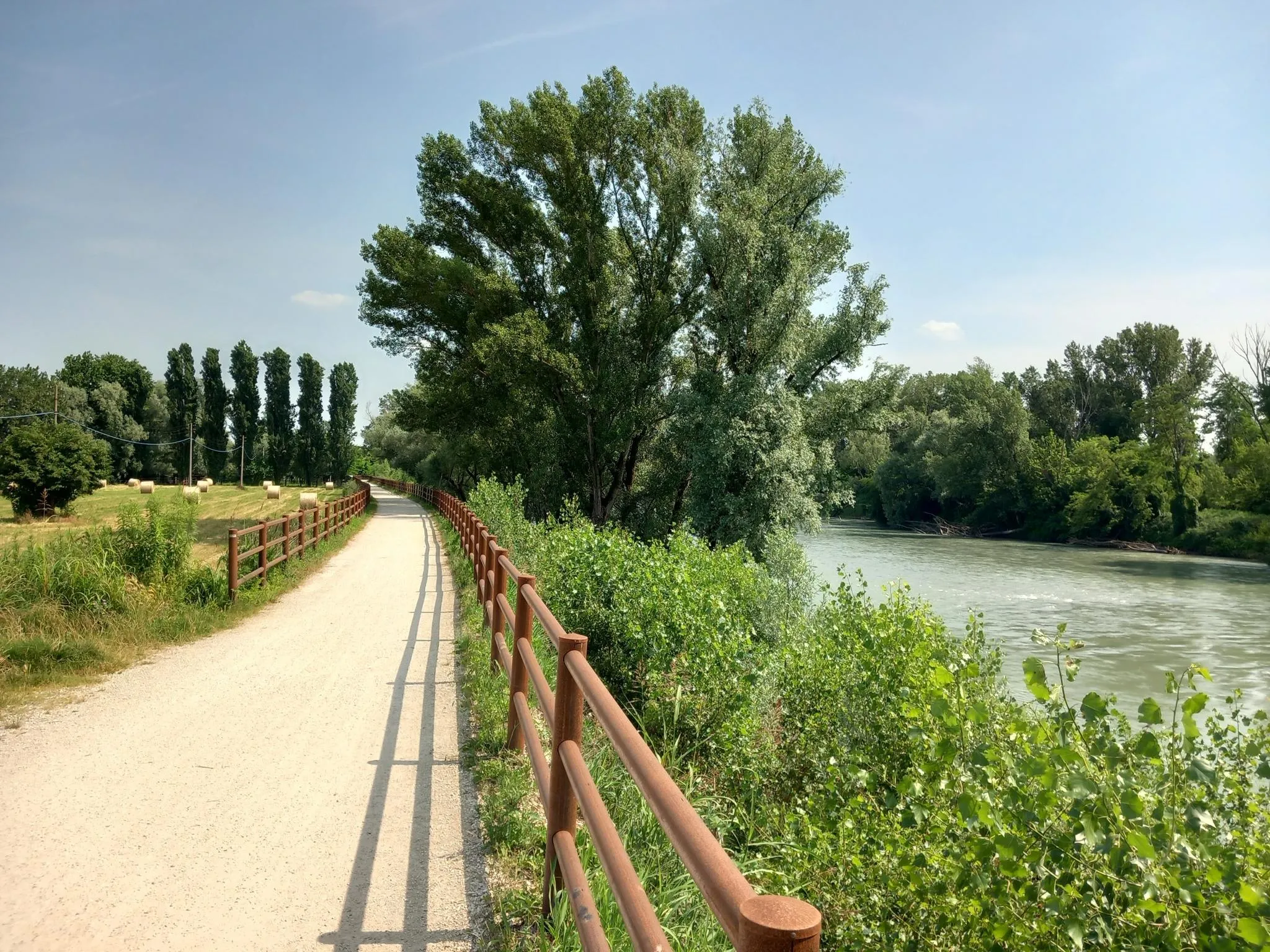
Via Postumia – Hike between the Tyrrhenian and Adriatic seas
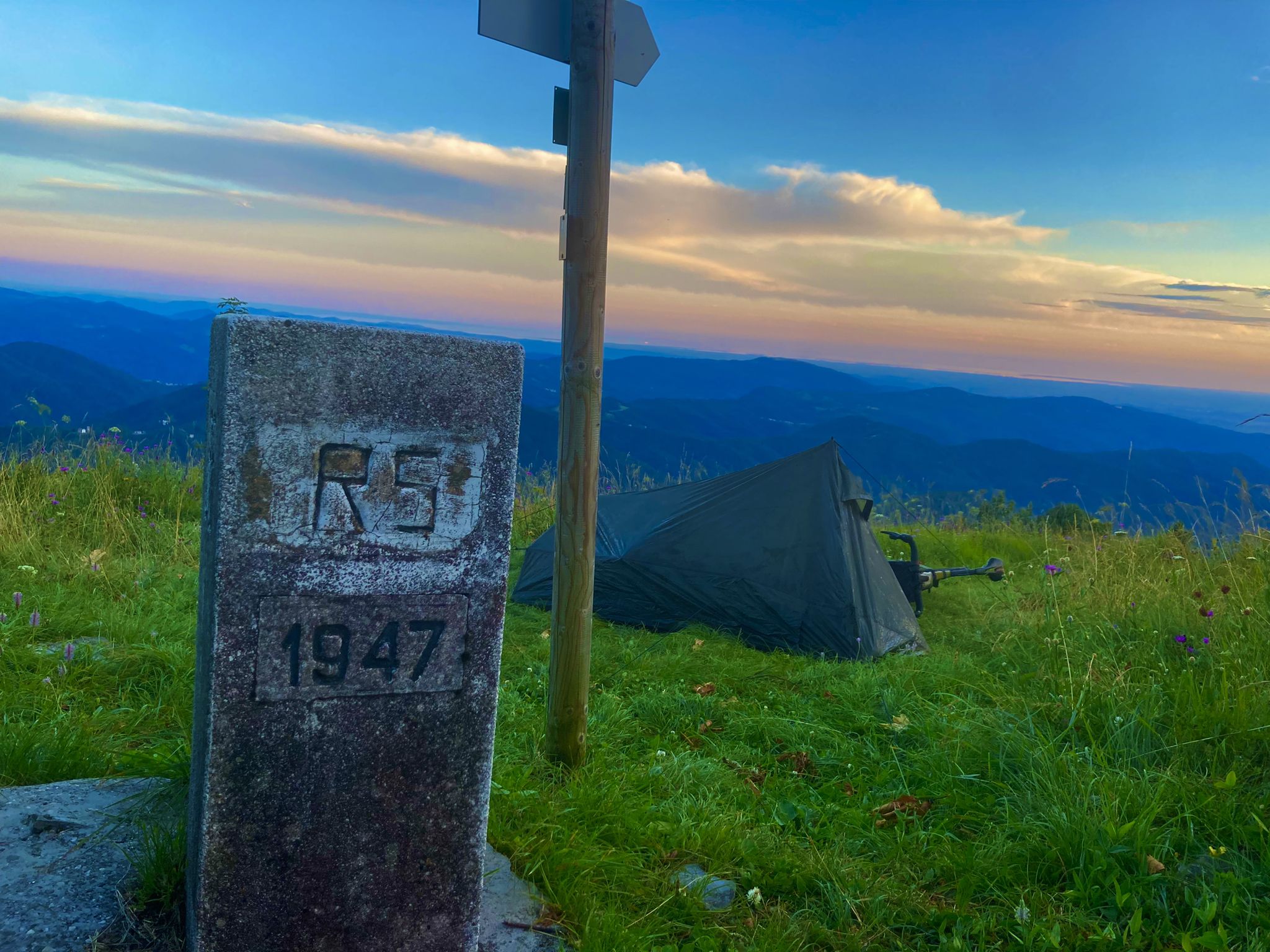
From Bavaria to the Adriatic - My Bikepacking Adventure to Croatia 2023
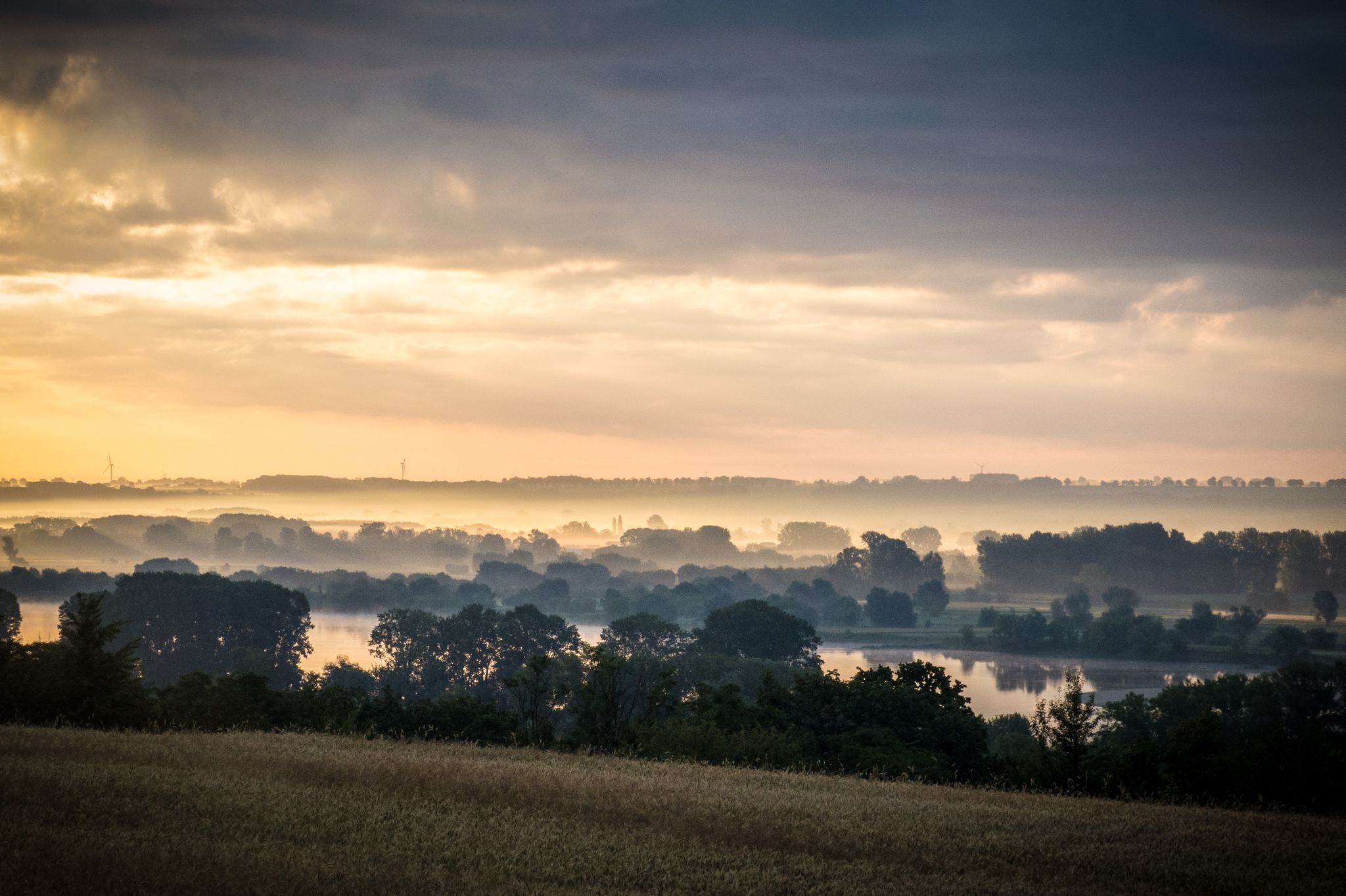
EuroVelo 9 – The Amber Route from the Baltic to Adriatic Sea
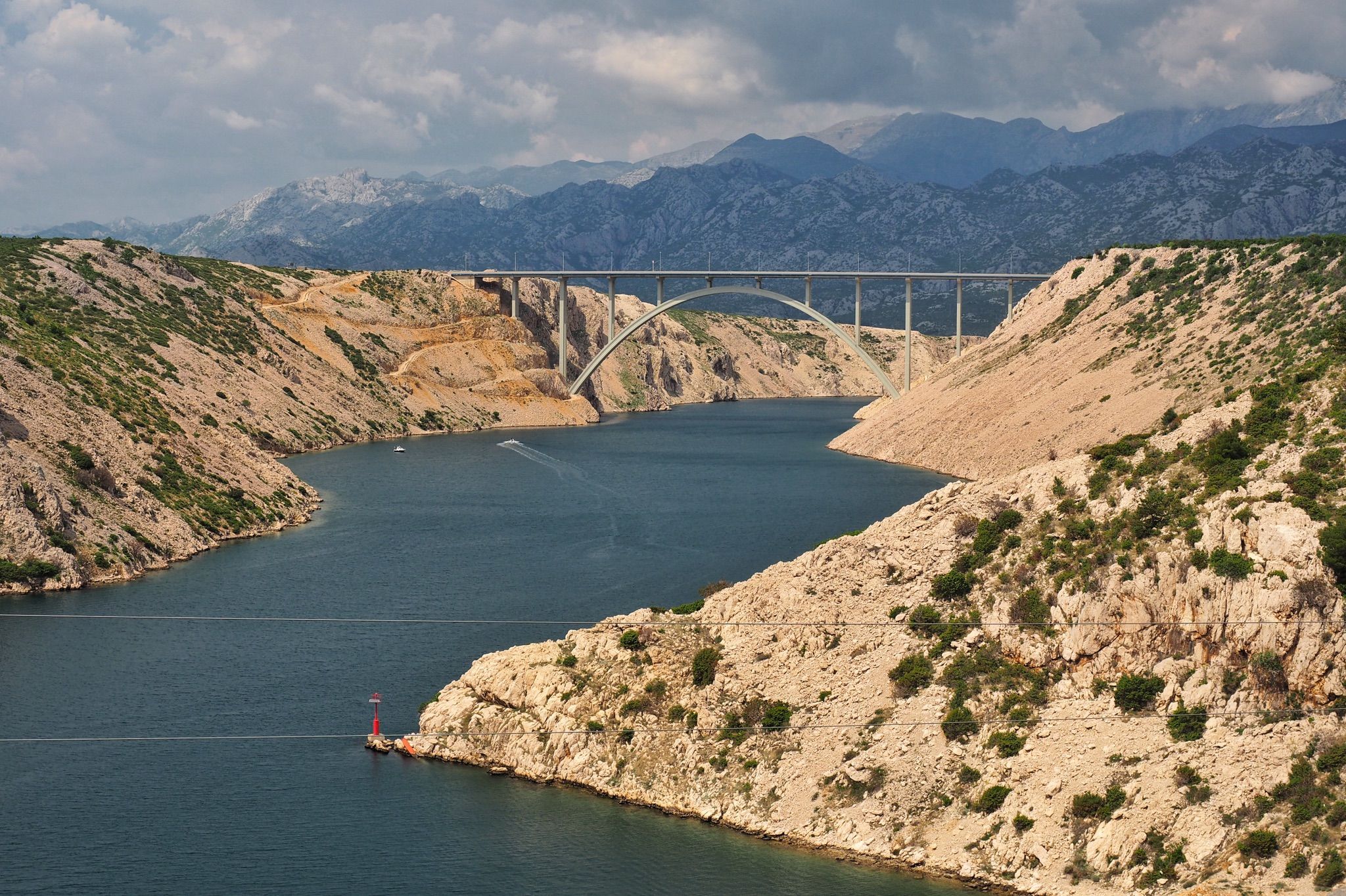
The Dinaric Alps – explore the Adriatic Sea in a different way
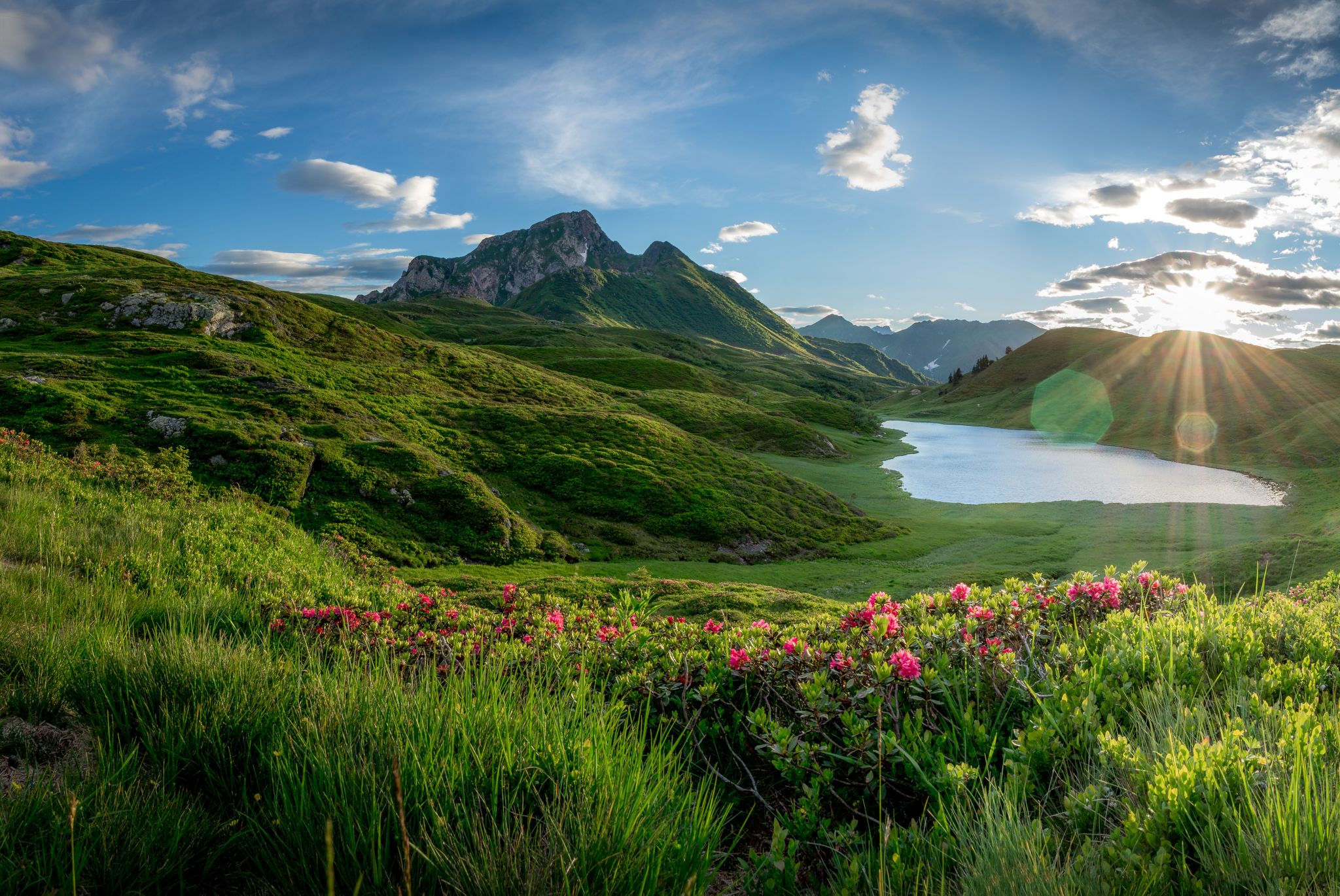
Southern Alpine Trail – Styrian vineyards and the Carnic Alps in Austria
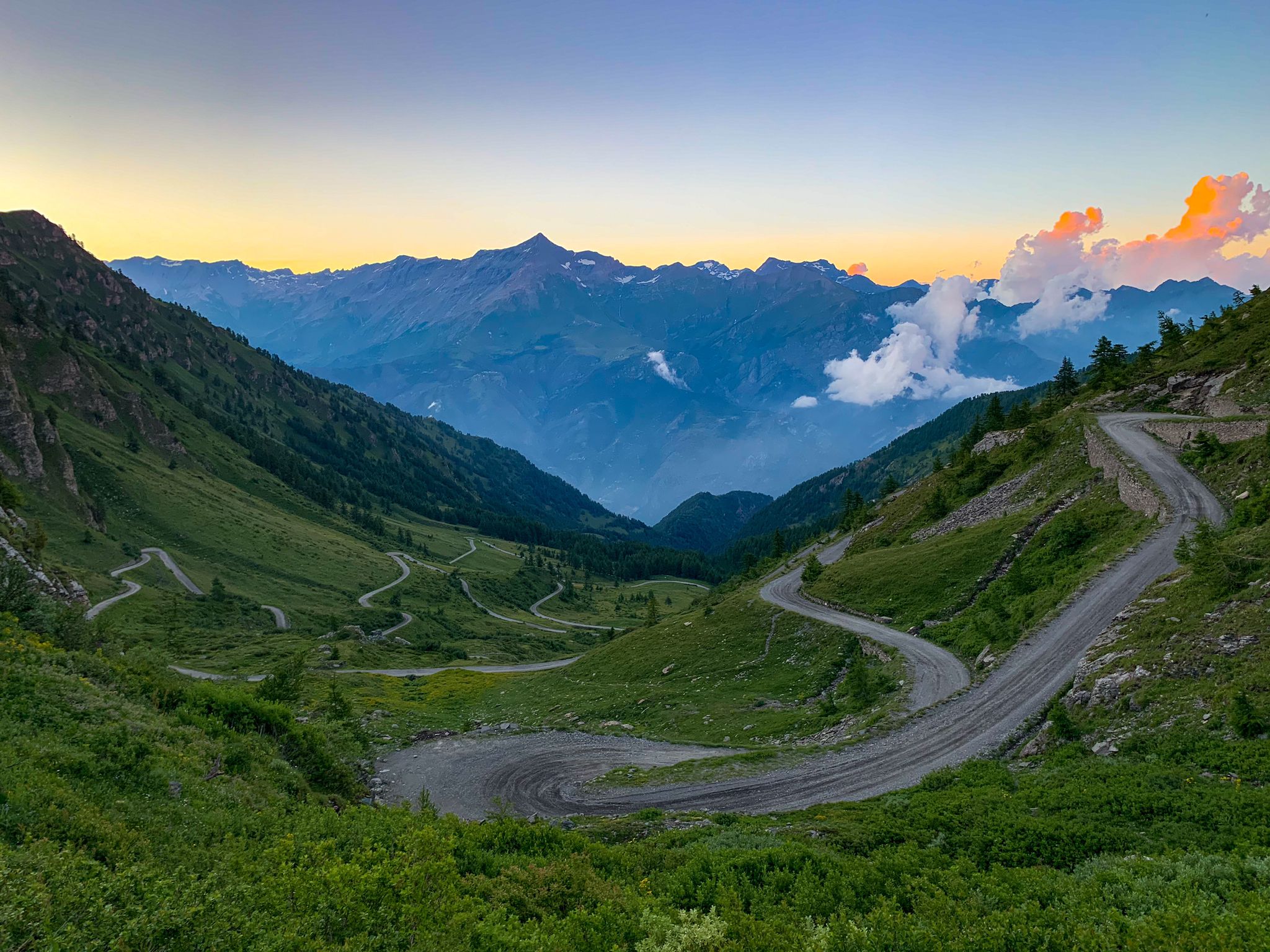
Chasing the sun across the Alps — unsupported solo

Alpe-Adria-Trail: My long-distance hike from the glacier to the sea
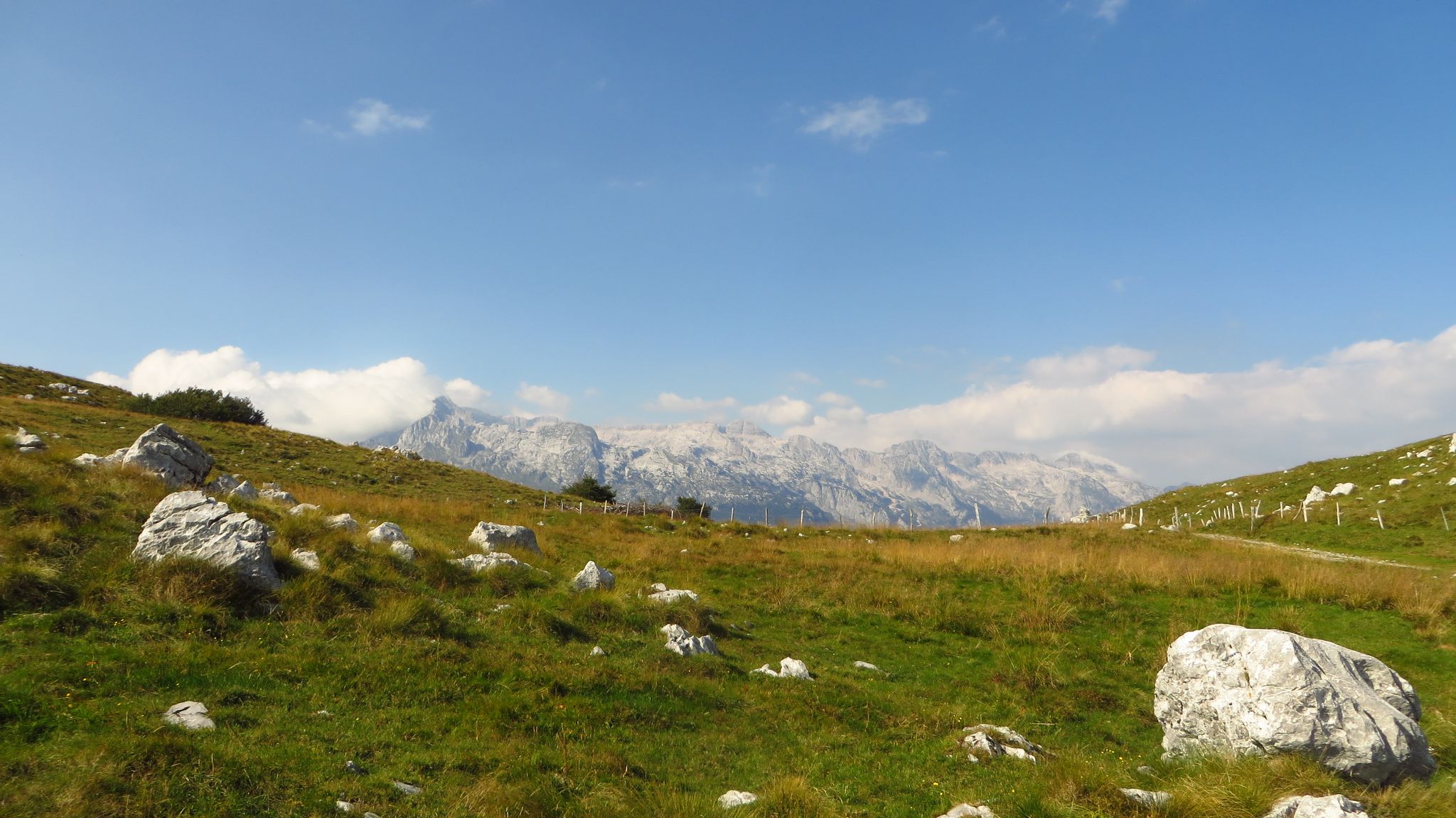
Alpe Adria – MTB Transalp through Slovenia to the Mediterranean Sea

The Milky Way on the Carnic High Route – hiking the alpine cheese dairies
Other adventures in Friuli Venezia Giulia


Tips from the Community

Wonderful all-round view
0
0

An ancient medieval village between Palmanova and Cervignano, crossed by the Taglio River. Here, time seems to have stood still. It's worth a stop.
0
0

Small ancient village, really interesting. Worth a stop
1
0

Abbey and village absolutely worth visiting for the historical importance and the charm of the small village.
15
0

Founded in 730-735, it belonged to the Benedictines from 762. In 899 the Hungarians ruined it, but the abbey rose again in the 10th century and was fortified. From 1441 to 1786 it was a commendation and returned to being an abbey in 1921. The abbey church took shape between the 12th and 13th centuries, to be substantially restructured in the 15th century; in the 20th century it underwent a series of restorations (1905-1914, 1932 and 1981). The vestibule is completely frescoed with the Inferno Cycle, the Paradise Cycle and the San Michele Cycle, works dating back to around 1450 and which are attributed to the workshop of Antonio da Firenze. From the vestibule you pass into the atrium, with three Romanesque naves, characterized by a massive 15th-century ceiling and 13th-century frescoes. Wikipedia
18
0
Piazza Castello in the village of Sesto al Reghena with the town hall.
15
0
Some corners of the beautiful city of Sesto al Reghena, in the province of Pordenone. https://it.m.wikipedia.org/wiki/Sesto_al_Reghena
20
0
Frequently Asked Questions
What are some historically significant castles in Friuli Venezia Giulia?
Friuli Venezia Giulia is rich in history. You can explore the ancient San Giusto Castle and the Roman Ruins of Trieste, which dates back to a Roman fortified settlement and was rebuilt by the Austro-Hungarian Empire. Another significant site is Gorizia Castle, existing since the 11th century and now housing the Museo del Medioevo Goriziano. Udine Castle, built after an earthquake in 1517, has served as a residence for the Patriarch of Aquileia and the Venetian military.
Which castles offer the best panoramic views?
Many castles in the region boast stunning views due to their strategic locations. Miramare Castle offers picturesque views of the Adriatic and the Slovenian coastline. From the ramparts of Gorizia Castle, you can enjoy beautiful views of Gorizia and nearby Slovenia. Udine Castle provides excellent views of the city and surrounding mountains, while Pinzano Castle and View of the Tagliamento River offers a 360° panorama of the surrounding area.
Are there family-friendly castles to visit in the region?
Yes, several castles are great for families. Miramare Castle, with its large botanical garden, is a popular choice. The castle grounds are perfect for a relaxing walk. Strassoldo Medieval Village and Watermills and Villa Manin are also listed as family-friendly highlights, offering historical exploration in a welcoming environment.
What outdoor activities can I do near the castles in Friuli Venezia Giulia?
The region offers various outdoor activities near its castles. You can find numerous hiking trails, such as the easy Rilke Path near Duino Castle, or more challenging routes like the Pilgrim's Trail to Monte Lussari. For cyclists, there are gravel biking routes like the Tagliamento Cycle Path, and road cycling routes including challenging loops through the Predil Pass. You can explore more options on the Hiking in Friuli Venezia Giulia, Gravel biking in Friuli Venezia Giulia, and Road Cycling Routes in Friuli Venezia Giulia guides.
When is the best time of year to visit the castles?
Many castles in Friuli Venezia Giulia are open all year, such as Miramare and Duino Castle. Spring and autumn are particularly pleasant for visiting, as the weather is mild and the landscapes are beautiful. These seasons also often feature 'Castelli Aperti' events, where many castles open their doors to the public. Always check specific castle opening hours, especially during winter.
Are there castles with unique architectural styles or features?
Absolutely. Miramare Castle is celebrated for its imaginative 19th-century architectural style, often described as a 'white fairytale castle,' and still contains much of its original furniture. Valvasone Castle is unique for its original circular layout, inner courtyard well, frescoed rooms, and even an 18th-century small theater.
Can I find castles with gardens or parks?
Yes, several castles are known for their beautiful surrounding green spaces. Miramare Castle is surrounded by a large botanical garden with plants from around the world. Duino Castle also features lush gardens and scenic pathways overlooking the Adriatic Sea. Miramare Park is particularly noted for its beautiful layout and idyllic paths.
What kind of museums can I find within the castles?
Many castles in the region house museums that offer insights into their history and the local culture. Gorizia Castle is home to the Museo del Medioevo Goriziano, featuring original medieval pieces, antique musical instruments, and ancient weapons. Udine Castle hosts a complex of four museums, including the Museum of Archeology and the Gallery of Ancient Art. San Giusto Castle also has a museum with period rooms and an armory.
Are there any castles that offer an immersive medieval experience?
Valvasone Castle is particularly known for its immersive medieval atmosphere. The castle is part of a village that faithfully reconstructs medieval times during historical re-enactments, allowing visitors to step back in time. Villalta Castle, with its fortified layout, towers, and crenellated walls, also provides an authentic medieval experience, especially when visited by reservation.
How can I access the castles, particularly regarding parking or public transport?
Access varies by castle. For example, Udine Castle is situated on a hill accessible by a cobblestone path from Piazza della Libertà. While some castles like Villa Manin have parking facilities, parking can be limited at popular sites like Miramare Park. Public transport options are available for major cities like Trieste and Udine, from which you can often reach nearby castles. It's advisable to check specific transport and parking details for each castle you plan to visit.
What do visitors particularly enjoy about the castles in Friuli Venezia Giulia?
Visitors frequently praise the stunning views, the rich historical context, and the well-maintained grounds of the castles. Many appreciate the opportunity to explore original 19th-century furniture at Miramare, or the extensive collections at the museums within castles like Gorizia and Udine. The blend of history, architecture, and natural beauty, especially the seaside locations, is a common highlight for those exploring the region's castles.
What is the difference between Miramare Castle and Duino Castle?
Both Miramare Castle and Duino Castle are iconic seaside fortresses near Trieste, but they offer distinct experiences. Miramare is a 19th-century 'fairytale castle' built for Archduke Maximilian, known for its imaginative architecture, original furnishings, and extensive botanical garden. Duino Castle, on the other hand, has a much longer history, with parts dating back 800 years, and was home to the royal Thurn und Taxis family. It's known for its dramatic cliffside location, the legend of 'la dama bianca,' and its cultural significance, having hosted poet Rainer Maria Rilke.
Most popular routes in Friuli Venezia Giulia
Most popular attractions in Friuli Venezia Giulia

Get inspired with the komoot mobile app


Didn’t find what you were looking for?
Explore Friuli Venezia Giulia’s best castles region by region:
Explore more
Looking for the best castles somewhere else? Discover other guides in Friuli Venezia Giulia:
