Top 20 Caves in the Dolomites
Best caves in the Dolomites offer a diverse underground world, ranging from extensive natural karst systems to historical tunnels carved during World War I. This mountainous region, known for its dramatic landscapes, also features unique geological formations within its caves. Visitors can explore sites that provide insights into both natural history and significant past events. The subterranean environments present distinct features and reasons for exploration, appealing to various interests.
Best caves in the Dolomites
- The most popular caves is Lagazuoi Tunnels, a cave created by Italian soldiers during World War I. This route is now open to visitors as a beginner via ferrata, equipped with ropes and gear for passage through the dark, rocky terrain.
- Another must-see spot is Kaiserjägersteig Trail, a historical trail that includes tunnels used as a connecting route during the First World War. Visitors can explore these tunnels, which were vital for transporting supplies to Austrian high mountain posts.
- Visitors also love Goiginger Tunnel, a historical cave that crosses almost the entire east wall of the Hexenstein horizontally. This tunnel, approximately 500 meters long, can be visited with appropriate equipment like headlamps.
- Dolomites is known for historical war tunnels, natural karst systems, and unique geological caves formed in dolomite rock. The region offers a variety of subterranean experiences, from beginner-friendly routes to more extensive systems.
- The caves in the Dolomites are appreciated by the komoot community, with more than 240 photos shared and over 190 upvotes across 43 highlights.
Last updated: October 4, 2026
Kaiserjägersteig Trail
Highlight (Segment) • Trail
Tip by

Cengia Martini
Highlight • Cave
Descend better in the tunnel and choose a different route for ascent over the (quite simple) via ferrata
Translated by Google •
Tip by

Sign up now to discover places like this
Get recommendations on the best single tracks, peaks, & plenty of other exciting outdoor places.
Forcella Col dei Bos and World War I ruins
Highlight (Segment) • Historical Site
Translated by Google •
Tip by

Snow Cave
Highlight • Cave
Translated by Google •
Tip by

Cengia Martini World War I Outpost
Highlight • Historical Site
Translated by Google •
Tip by

Goiginger Tunnel
Highlight (Segment) • Cave
Some sections of the tunnel are pitch dark, the darkness is occasionally interrupted by a series of identical windows that open onto the mountainside. In the tunnel you can see the remains of a generator base and the supports of the electrical line.
If you continue from the tunnel exit towards the summit, you will reach the saddle and the tip of the Hexenstein, i.e. the Goiginger position.
Here you can see the remains of the Austrian bolt position with a system of trenches and trenches, remains of buildings and barracks, caves, material stores and kitchens.
Source: lagazuoi.it/DE/percorso27-Der-GoigingerStollen
Translated by Google •
Tip by

Forte Monte Ricco
Highlight • Cave
The Fort was built in the pre-Roman era with a defensive function, maintained also in Roman and medieval times. Before the year 1000, it was the seat of an important castle represented in the coat of arms of Cadore. From 1420 it became the seat of the Captain of Venice, but declined in the 17th century. During the Kingdom of Italy, two fortifications were built as part of the defensive system against Austria-Hungary. During the First World War, the Fort was relegated to a warehouse and logistics. Abandoned after 1918, restoration began in 2007 on the initiative of the Municipality of Pieve di Cadore, concluding in 2017.
Showing Translation
Tip by

Paternkofel Via Ferrata - De Luca Route
Highlight • Climb
Translated by Google •
Tip by

World War I Caves
Highlight • Cave
Translated by Google •
Tip by

World War I Trenches and Tunnels on Sas de Stria
Highlight (Segment) • Historical Site
Translated by Google •
Tip by
Sign up for free to discover even more caves in the Dolomites.
Already have an account?
Start today with a free account
Your next adventure awaits.
Popular around Dolomites
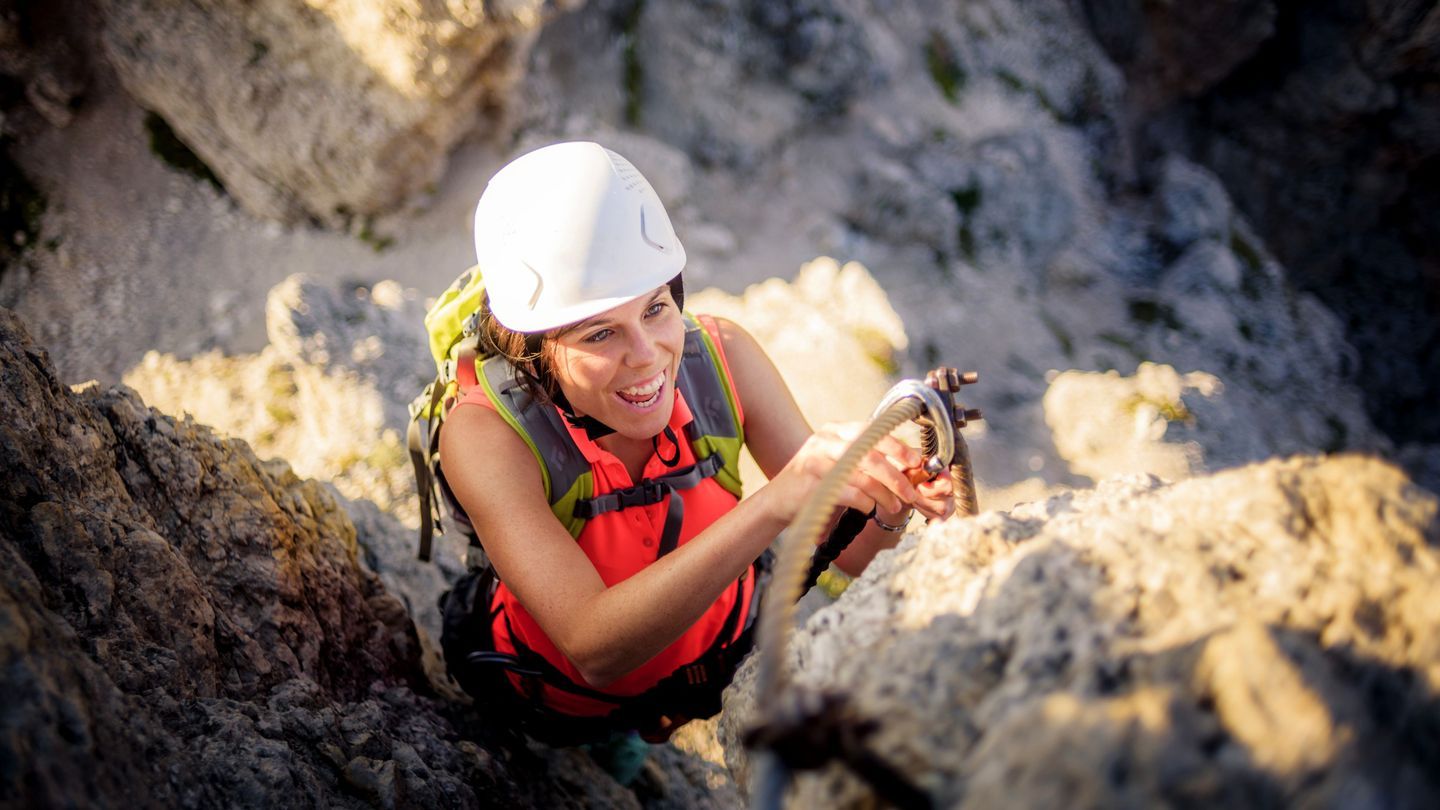
Via ferratas in Val Gardena – Dolomites
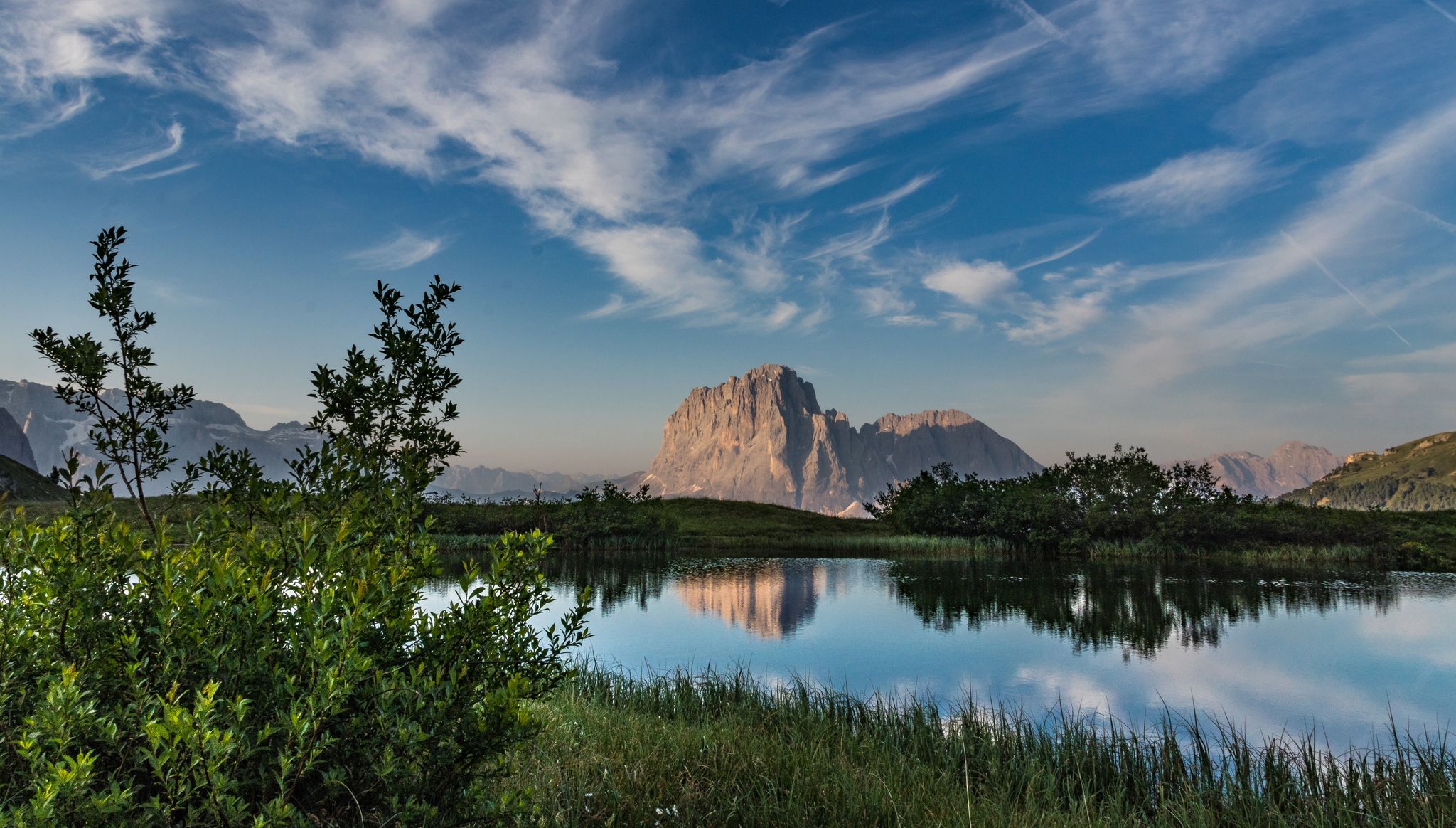
Secret Dolomites - beautiful spring in Val Gardena
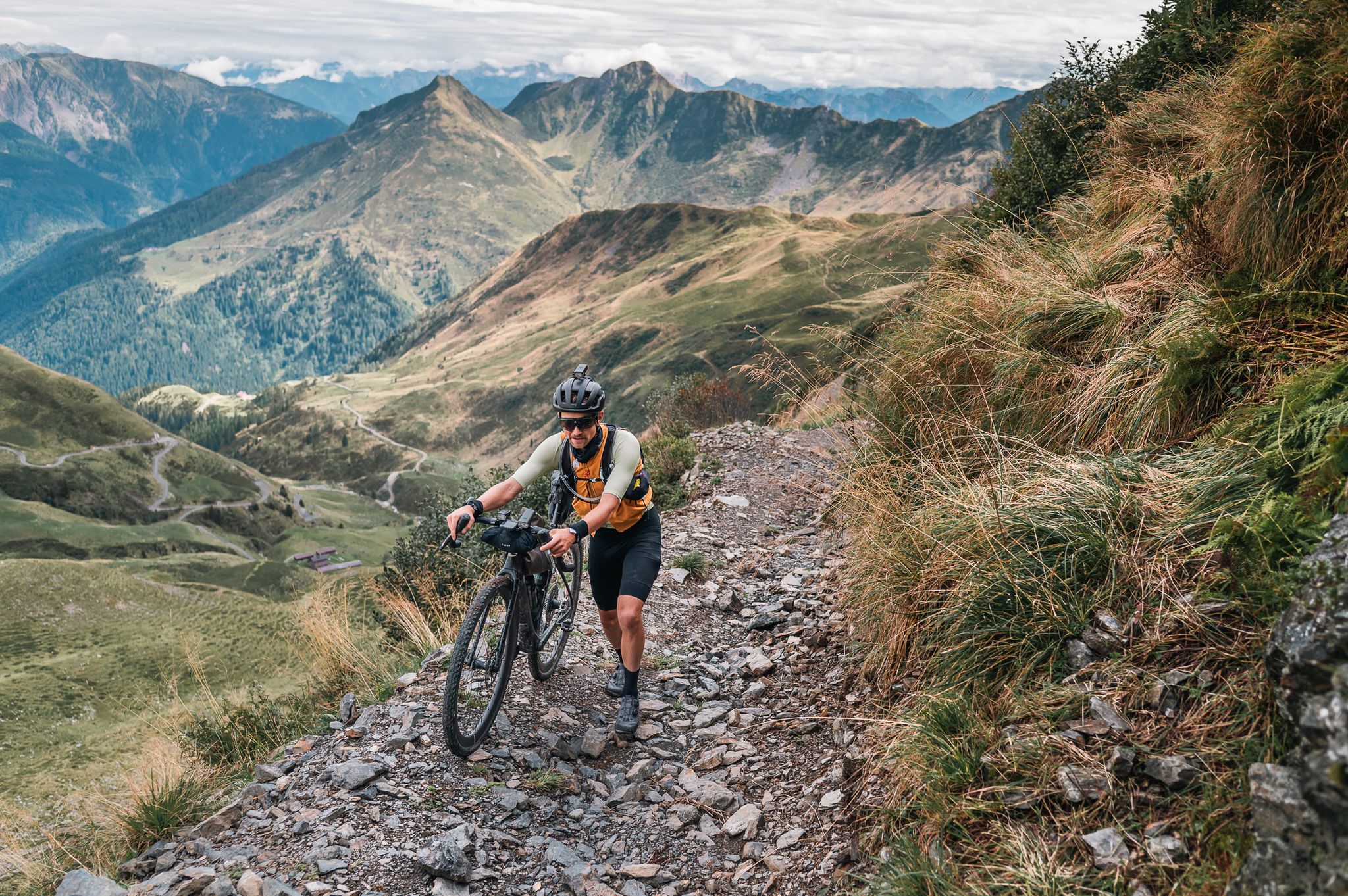
Sneak Peaks ADVENTURE 🥇
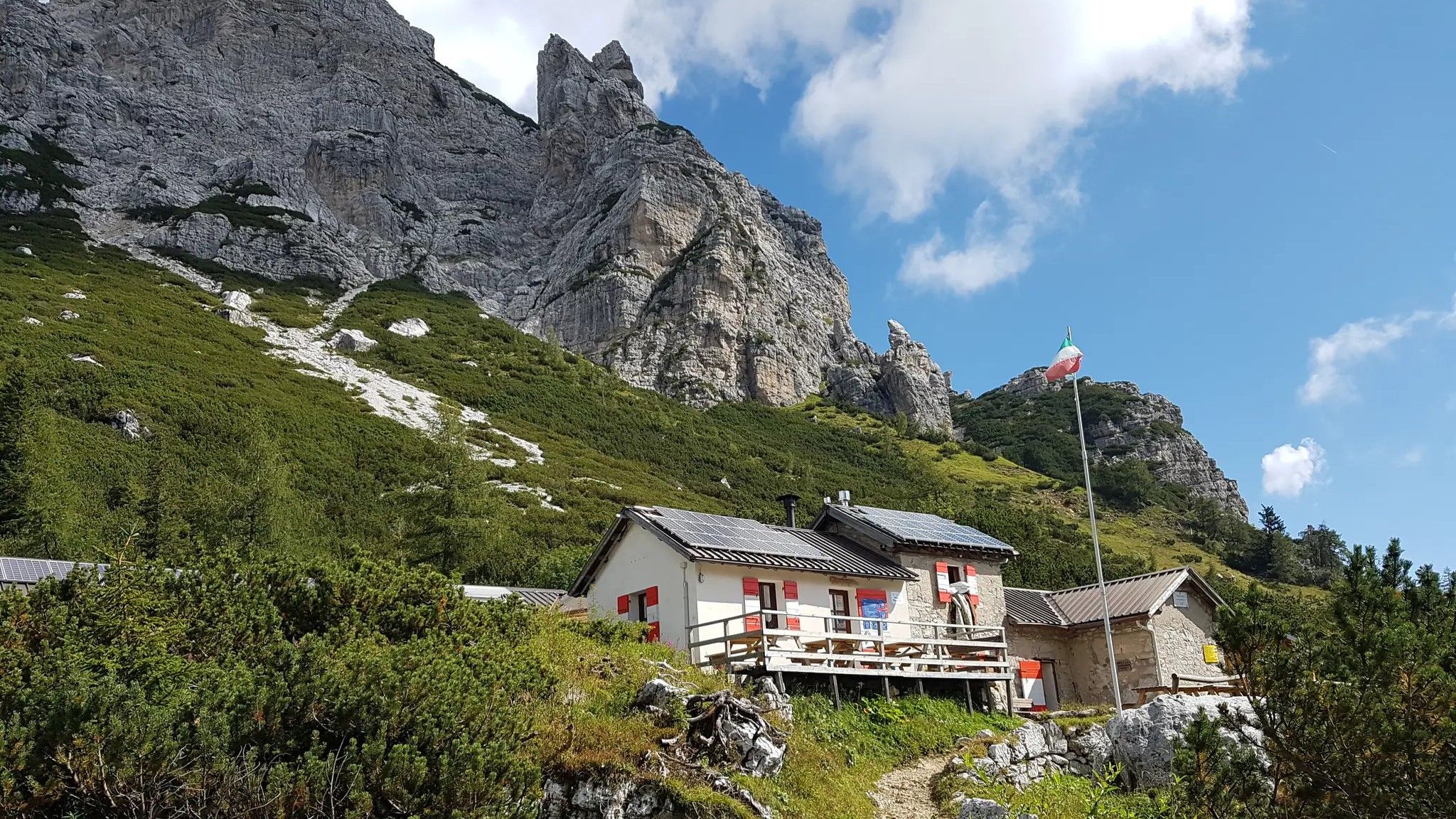
Alta Via Dolomiti Bellunesi – the wild Dolomiti Bellunesi National Park
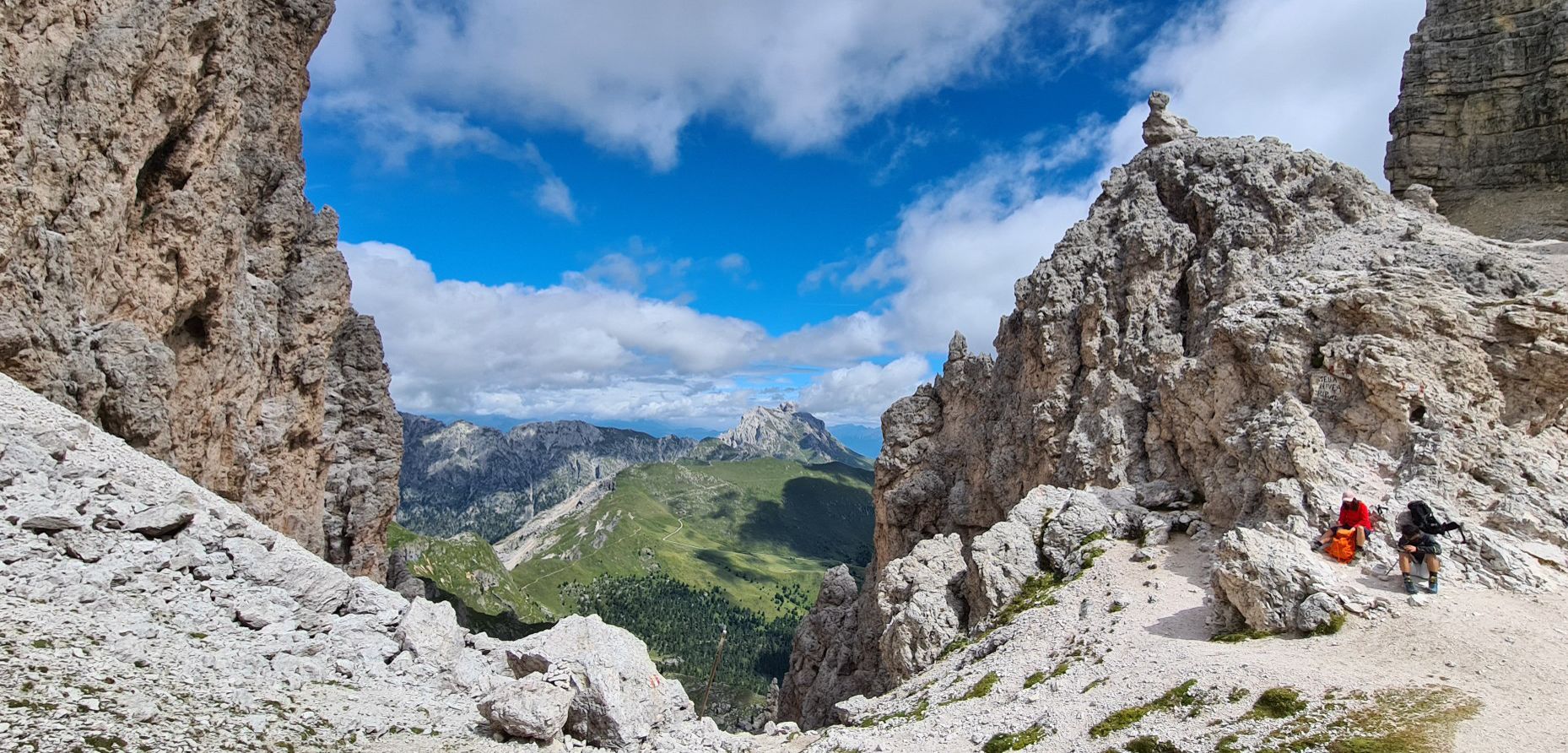
Puez-Odle Nature Park – Hike the Italian Dolomites
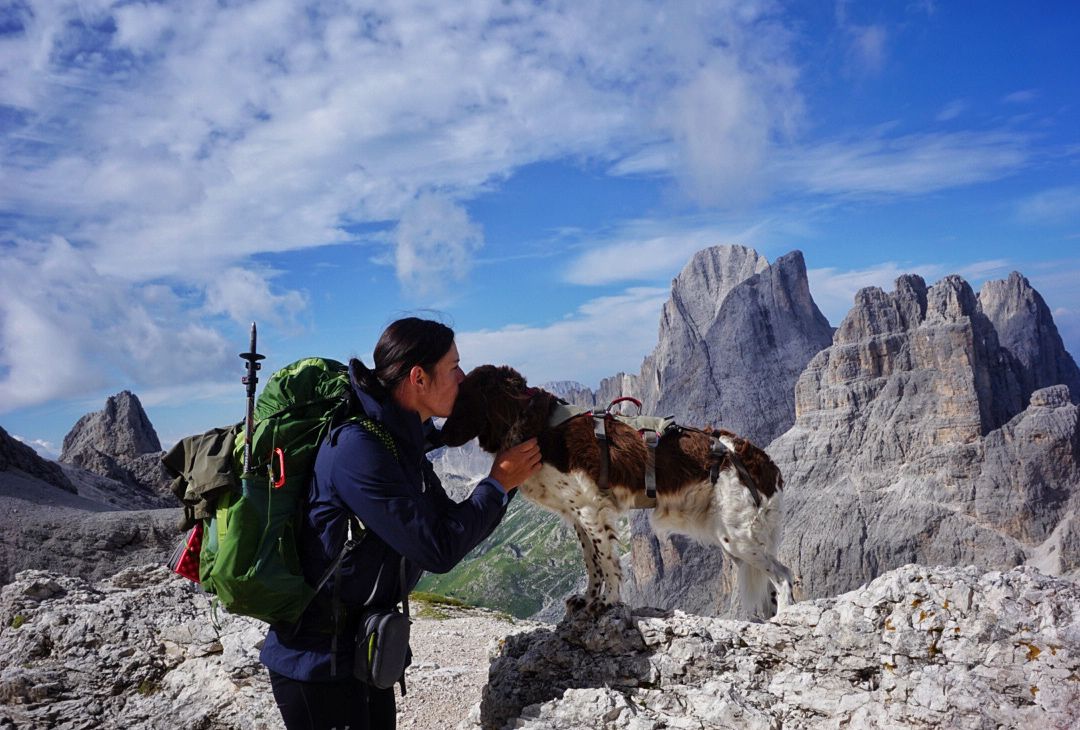
The extra-large Dolomites round – an out-of-this-world hiking adventure
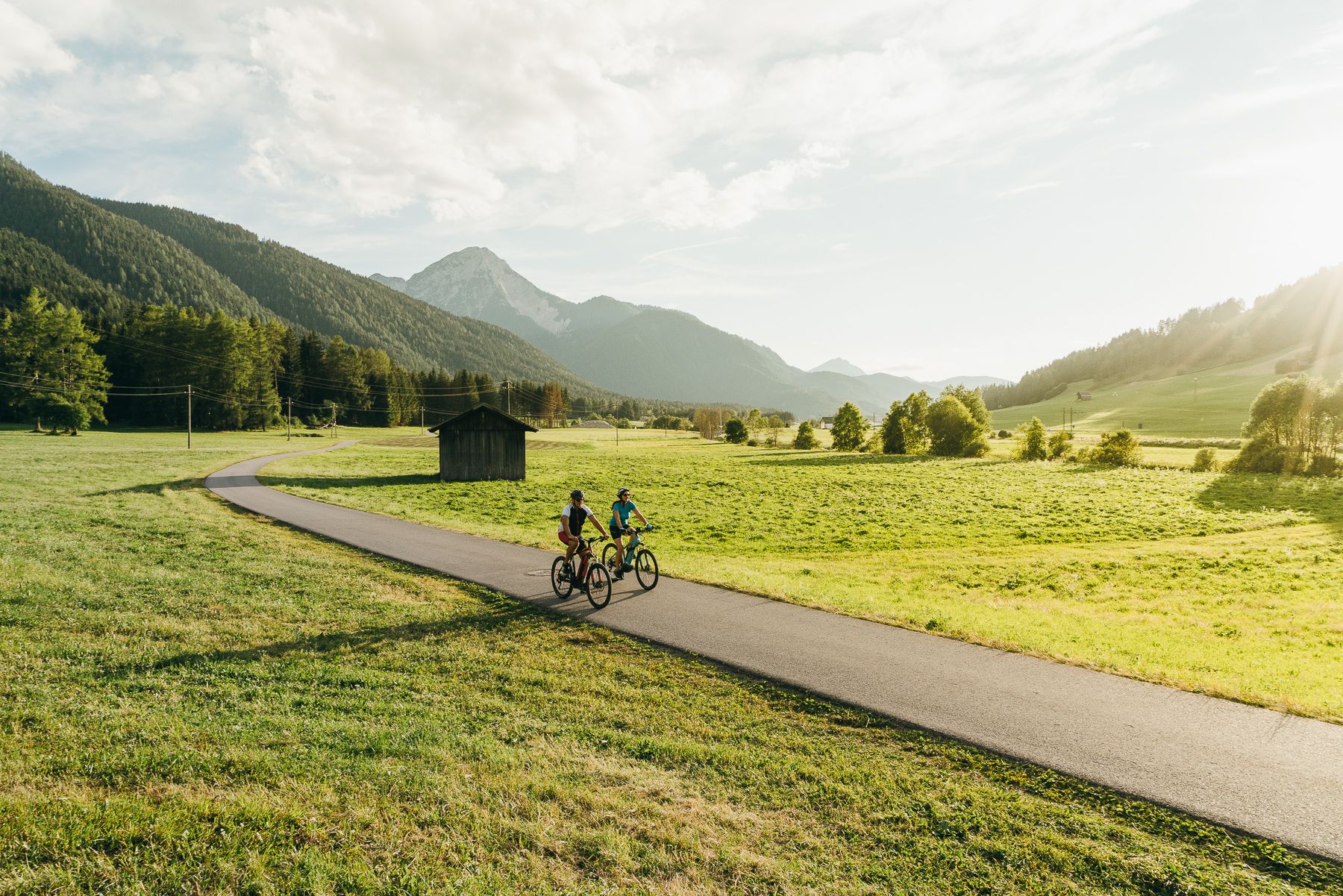
The River Drava Cycle Path – From the Dolomites to the vast landscapes of Pannonia
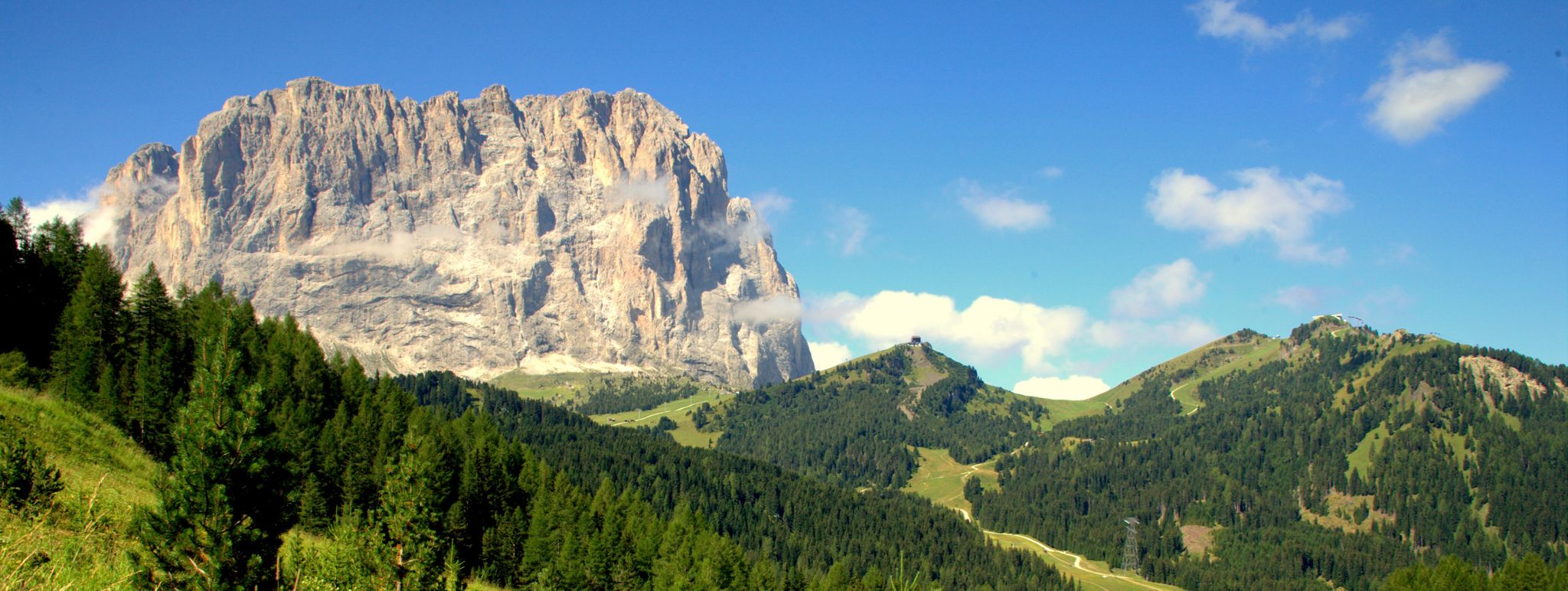
Via Venezia Alpina – hiking across the Alps to the Adriatic Sea
The Munich-Venice Long-Distance Cycle Path – A beautiful Alps crossing
Chasing the sun across the Alps — unsupported solo
Other adventures in the Dolomites


Tips from the Community

Built in the last two decades of the 19th century, under the Kingdom of Italy, the Forte di Monte Ricco constituted the heart of the entrenched camp of Pieve di Cadore. It was conceived and built to interdict enemy approaches from the Tre Ponti narrows towards Pieve and Tai along the Piave valley and to act in close synergy with the nearby Batteria Castello, about 200 meters away, as well as with the various artillery positions on the overlying heights, on Monte Tranego, Monte Zucco, Col Vidà. Monte Ricco was probably the site of a prehistoric settlement, then of the castle of Cadore. Abandoned until 2007, it has undergone demanding restoration, consolidation, and enhancement works. Reopened to the public in 2017, it hosts exhibitions or classical music concerts. https://www.tizianovecellio.it/luoghi/il-forte-di-monte-ricco/
1
0

Fortifications from the First World War can also be found at the Forchella Col dei Bos. Since several paths converge here, it's a fairly well-frequented spot.
2
0

The old Italian ww1 army barracks
0
0

Temporary ice cave which disappears in the late summer months
1
0

Easy to reach from Armentara, less easy to get there from the La Crusc refuge
1
0
Unusual and magical place, watch out for the rocks that continually roll down from above
2
0

meeting point between the post-summit descent and the normal climb
1
0

The Forte di Monte Ricco, restored and reopened to the public in 2017, often hosts exhibitions and classical music concerts. However, it is advisable to call before visiting to check the opening of the main part. During a summer visit, in fact, it was found that access was allowed only by reservation. An entrance ticket is required but inexpensive. The Fort offers the possibility to walk around the front and internal perimeter, allowing appreciation of the pre-Roman structure. Protected by a moat and a drawbridge, the site also offers a panoramic view of Monte Cristallo. The Fort was built in the pre-Roman era with a defensive function, maintained also in Roman and medieval times. Before the year 1000, it was the seat of an important castle represented in the coat of arms of Cadore. From 1420 it became the seat of the Captain of Venice, but declined in the 17th century. During the Kingdom of Italy, two fortifications were built as part of the defensive system against Austria-Hungary. During the First World War, the Fort was relegated to a warehouse and logistics. Abandoned after 1918, restoration began in 2007 on the initiative of the Municipality of Pieve di Cadore, concluding in 2017.
1
0
Frequently Asked Questions
What historical significance do the caves and tunnels in the Dolomites hold?
Many caves and tunnels in the Dolomites are significant historical sites, primarily from World War I. They were carved and used by soldiers for strategic purposes, such as fortifications, supply routes, and vantage points. Exploring these sites offers a tangible connection to the past, allowing visitors to walk through partially restored trenches and imagine the conditions faced by soldiers.
Which caves offer a World War I historical experience?
Several sites provide a direct World War I experience. The Lagazuoi Tunnels were created by Italian soldiers and are now a beginner via ferrata. The Kaiserjägersteig Trail includes tunnels vital for transporting supplies. The Goiginger Tunnel crosses the Hexenstein horizontally, named after Field Marshal Ludwig von Goiginger. Additionally, the Cengia Martini World War I Outpost offers insights into fortified positions.
Are there natural caves in the Dolomites, or are they mostly historical tunnels?
The Dolomites feature both extensive natural karst systems and historical man-made tunnels. While many popular sites are related to World War I, the region also boasts significant natural formations like the Piani Eterni Cave System, which is one of the largest in Italy, and Grotta di Tofana, a natural cave formed in dolomite rock.
What unique geological features can be found in the Dolomites' caves?
The Dolomites are known for their diverse geological formations. The Piani Eterni Cave System, for instance, is an extensive karst system with over 30 kilometers of galleries, showcasing the slow dissolving action of water on calcareous and dolomitic rocks. Grotta di Tofana is particularly noteworthy as one of the few natural caves in the region formed in dolomite rock rather than typical limestone.
What equipment is recommended for exploring the historical tunnels?
For exploring historical tunnels like the Lagazuoi Tunnels or the Goiginger Tunnel, a headlamp or flashlight is essential due to dark sections. A helmet is also highly recommended for safety. For the Lagazuoi Tunnels, which are classified as a beginner via ferrata, ropes and other gear are provided or can be rented near the cable car station.
What is the difficulty level for exploring caves in the Dolomites?
The difficulty varies significantly. Some historical tunnels, like the Lagazuoi Tunnels, are equipped as beginner via ferratas. Others, such as the Kaiserjägersteig Trail, are challenging climbs. Natural cave systems like Piani Eterni often require technical caving experience and permits for deeper exploration. Always check the specific requirements for each cave or tunnel you plan to visit.
Are there any beginner-friendly cave exploration options in the Dolomites?
Yes, the Lagazuoi Tunnels are considered a beginner via ferrata, fully equipped with ropes and gear, making them accessible for those new to cave exploration or via ferrata. Helmets and flashlights can be rented on-site, and a cable car can assist with part of the journey.
What outdoor activities can I do near the caves in the Dolomites?
The Dolomites offer a wide range of outdoor activities near its caves. You can find numerous running trails, including routes like the 'Tre Cime di Lavaredo Loop Trail'. For mountain biking, options like the 'Sellaronda on MTB' or 'Sassolungo and Sasso Piatto MTB Loop' are popular. Cycling enthusiasts can enjoy scenic routes such as the 'Dolomites cycle path from Dobbiaco to Cortina d'Ampezzo'. For more details on these activities, refer to the Running Trails in the Dolomites, MTB Trails in the Dolomites, and Cycling in the Dolomites guides.
What should I wear or bring when visiting caves in the Dolomites?
When visiting caves and tunnels in the Dolomites, it's advisable to wear sturdy hiking shoes. For historical tunnels, a headlamp or flashlight is crucial, and a helmet is strongly recommended for safety. Even in summer, temperatures inside caves can be cool, so bringing an extra layer of clothing is a good idea. For via ferrata sections, appropriate gear may be necessary or available for rent.
Are there any extensive natural cave systems in the Dolomites?
Yes, the Piani Eterni Cave System, located within the Parco Nazionale Dolomiti Bellunesi, is an extensive natural karst system. It is recognized as the longest cave in the Veneto region and one of the largest in Italy, boasting over 30 kilometers of galleries and numerous cavities.
Can I explore the Grotta delle Tre Cime, and what makes it unique?
The Grotta delle Tre Cime is located along the popular Tre Cime loop hike. It offers a unique perspective of the iconic Tre Cime peaks, as it was used by Italian soldiers during World War I as a strategic vantage point. Visitors can hike a short, steep path to reach them from Refugio Locatelli, and they are particularly popular for photography, providing a natural frame for the peaks.
What is the Snow Cave, and where is it located?
The Snow Cave is a natural cave in the Dolomites. It is categorized as an intermediate to challenging natural monument, offering a unique experience for those seeking natural formations beyond historical tunnels. Specific details about its exact location and access might require further local inquiry.
Most popular routes in the Dolomites
Most popular attractions in the Dolomites

Get inspired with the komoot mobile app


Explore more
Extend your search for the best caves by checking out these guides of the top ones in the Dolomites:
