Attractions and Places To See around Blaubeuren - Top 20
Best attractions and places to see around Blaubeuren are found within the Swabian Jura, a region characterized by its karst landscape and ancient forests. This area is notable for its significant natural wonders, including a famous karst spring, and rich cultural heritage. Blaubeuren offers a blend of geological features and historical sites, making it a destination for exploring both nature and human history. The town is situated at the foot of the Swabian Jura, providing diverse outdoor experiences.
Best attractions…
Last updated: October 9, 2026
Blautopf
Highlight • Lake
Showing Translation
Tip by

Küssende Sau Rock Formation
Highlight • Natural Monument
Showing Translation
Tip by

Sign up now to discover places like this
Get recommendations on the best single tracks, peaks, & plenty of other exciting outdoor places.
Hohengerhausen Ruin
Highlight • Castle
Showing Translation
Tip by

Hammer Forge at the Blautopf
Highlight • Historical Site
In the …
Translated by Google •
Tip by

Blaubeuren Old Town
Highlight • Settlement
Translated by Google •
Tip by

Sign up for free to discover even more attractions around Blaubeuren.
Already have an account?
Start today with a free account
Your next adventure awaits.
Popular around Blaubeuren
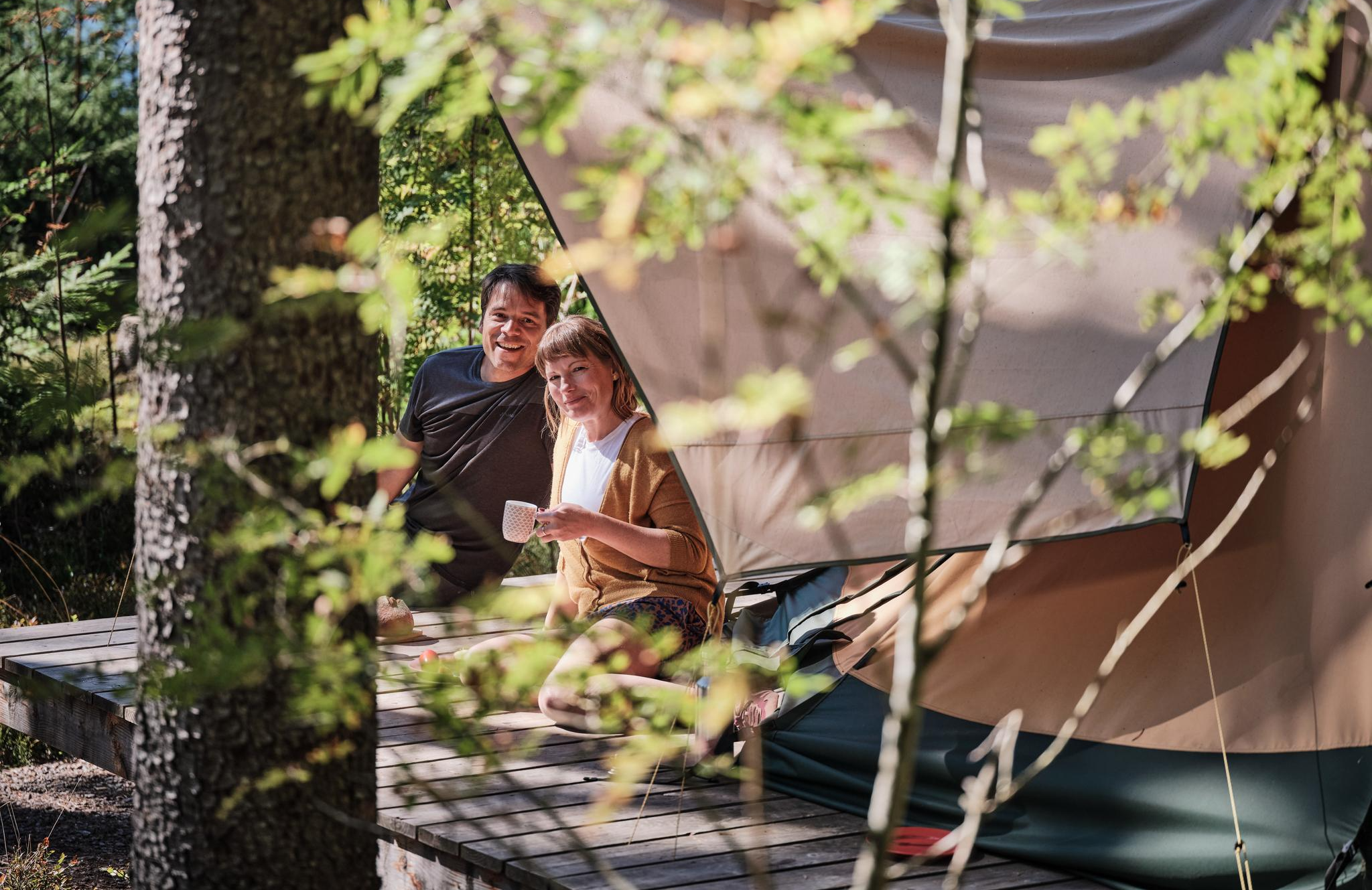
Hiking breaks in the South – two-day routes in Baden-Württemberg

Hiking the Süden – between Black Forest, Lake Constance and Swabian Alb
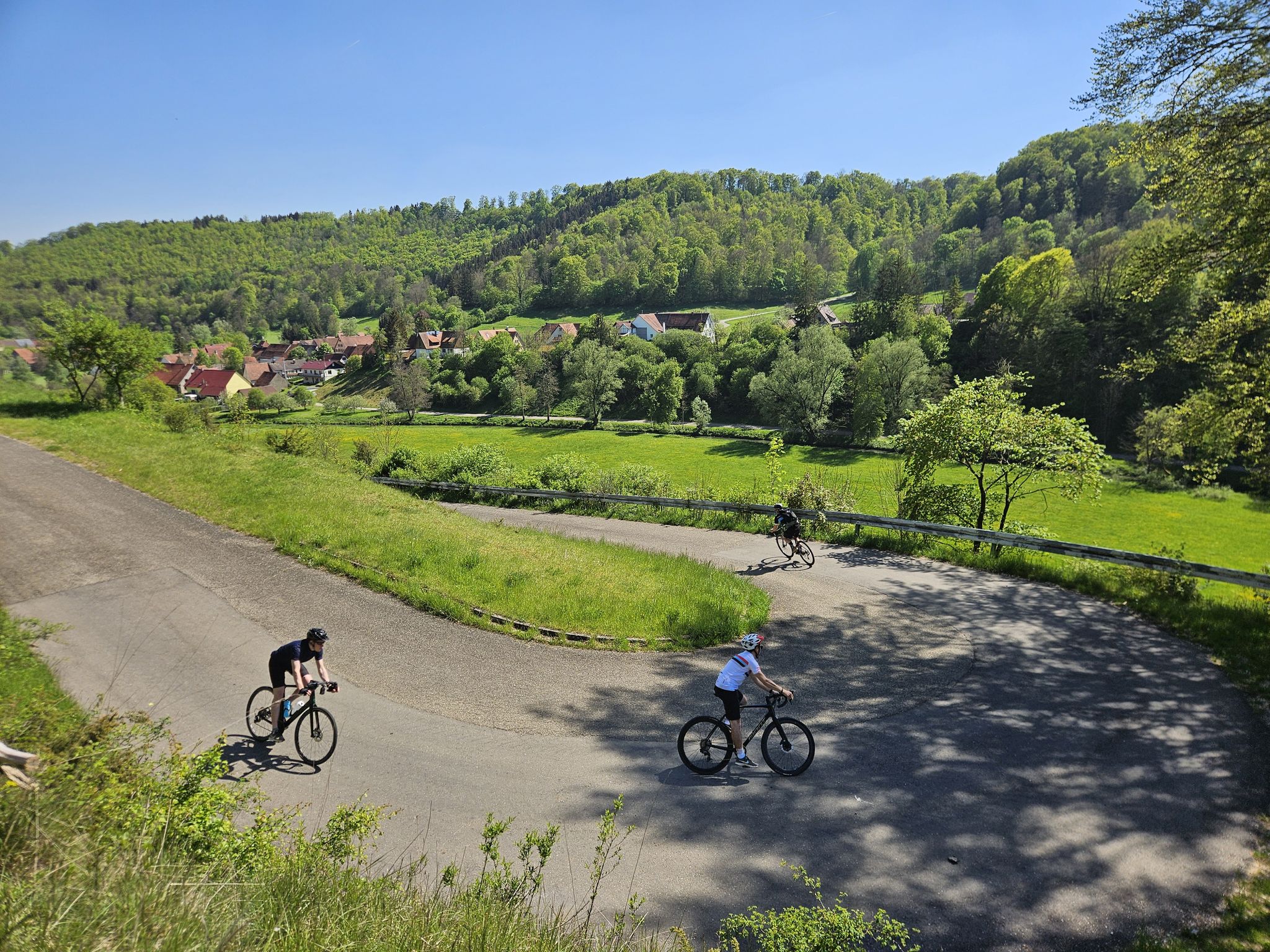
From mountain sprints to winding roads – the Tour de Alb road cycling adventure
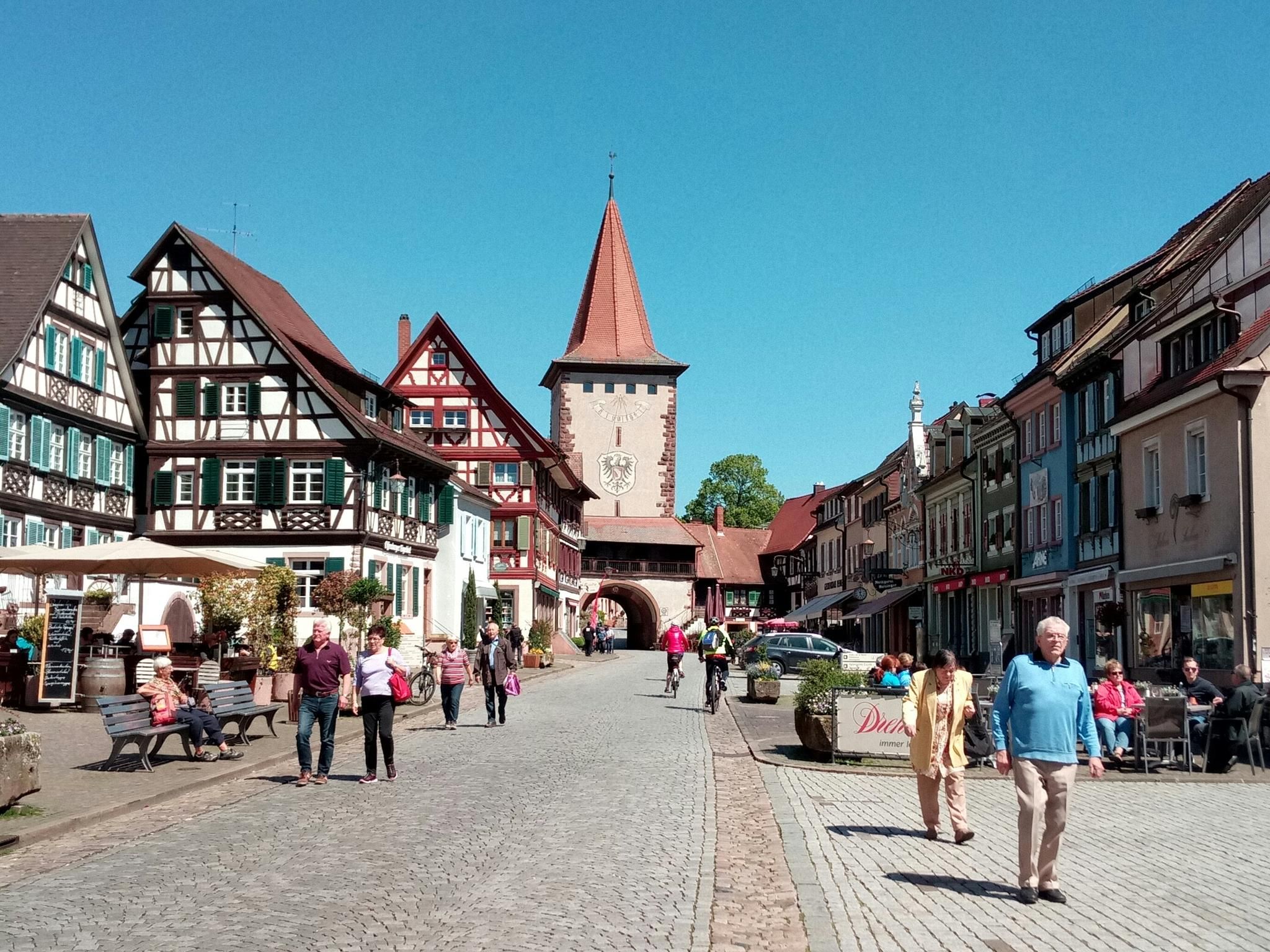
Cycling along the German Half-Timbered House Route
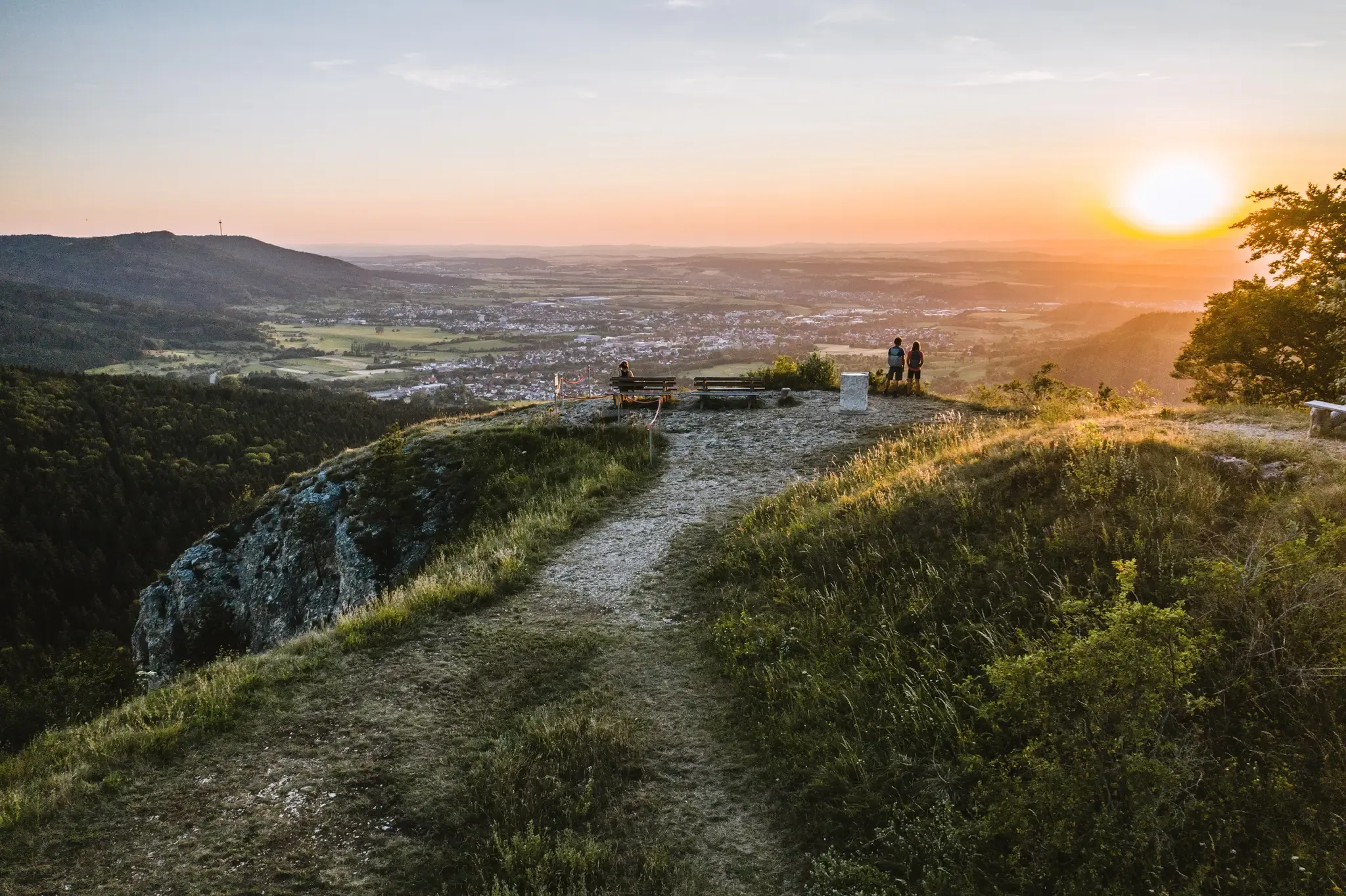
Discover the fascinating rocks and caves of Germany’s Swabian Alb
Hike Germany’s Swabian Alb – by bus and train
10 beautiful trails in the Swabian Jura for sporty hikers
Ice Age hunters and the art of brewing – trails through the Swabian Alb
Weekend excursion to the Swabian Alb
On the tracks of Homo Sapiens and ancient cultures
Other adventures around Blaubeuren


Tips from the Community

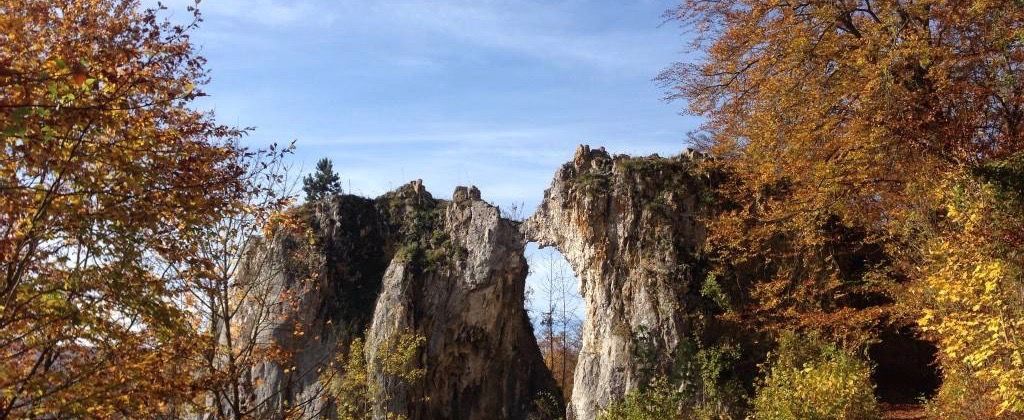
The Rusenschloß is worth a visit, it is beautifully restored and offers a beautiful view of the Blautal.
7
1

You have to squeeze past the crevice, turn around once and then you have a great view of the two little pigs
5
0

The hammer forge, built in 1742 as a grinding mill and municipal waterworks, is located at the dammed spring of the Blau, the second highest spring in Germany after the Achtopf. Source: Wikipedia
6
1

Impressive ruin with a wonderful view of the landscape.
7
1

Highly recommended, I think 🤗 can also be combined with the Blautopf 🤩
4
0

An absolutely stunning place. The circular trail around the Blautopf is highly recommended. The Blautopf (21 meters deep) is a karst spring from which the Blau River rises.
12
1

There are also blacksmith courses here. The building also houses a souvenir shop
9
1

Beautiful facility that is being renovated at the moment. The preservation of the walls is financed by the state of Baden Württemberg, which is why some parts of the facility are closed.
7
1
Frequently Asked Questions
What natural wonders can I explore in Blaubeuren?
Blaubeuren is renowned for its natural beauty. The most famous is the Blautopf, a karst spring known for its intense blue color. You can also visit the archaeologically significant Hohle Fels Cave, a UNESCO World Heritage site, and explore the unique Küssende Sau Rock Formation, which consists of fossilized coral.
What historical and cultural sites are there to visit in Blaubeuren?
Blaubeuren offers a rich historical experience. Don't miss the Blaubeuren Abbey, an 11th-century monastery housing impressive late Gothic art. The Historic Old Town with its half-timbered buildings is perfect for a stroll. For prehistoric insights, the URMU - Urgeschichtliches Museum Blaubeuren displays Ice Age art and artifacts.
Are there opportunities for hiking or cycling around Blaubeuren?
Yes, the Swabian Jura landscape around Blaubeuren is ideal for outdoor activities. You can find numerous hiking trails, including moderate options like the 'Alb-Donau-Kreis Ice Age apth - Blaubeurer rocky path' or the 'Blaubeuren Old Town – Knoblauchfelsen Viewpoint loop'. For cyclists, there are road cycling routes such as the 'Bridge Over the Blau – Path Along the River Blau loop'. Explore more routes on the Hiking around Blaubeuren or Road Cycling Routes around Blaubeuren guide pages.
What makes the Blautopf so special?
The Blautopf is special due to its striking, intense blue color, caused by limestone nanoparticles in the water. It is the second most powerful karst spring in Germany, measuring 21 meters deep, and is the source of the Blau river. It also marks the entrance to an extensive underground cave system.
Can I visit the famous Ice Age caves in Blaubeuren?
While the Hohle Fels Cave is a UNESCO World Heritage site and can be visited, its significance lies in the artifacts discovered within, rather than elaborate cave formations. The surrounding Ach Valley is home to other important Paleolithic sites like Geißenklösterle and Sirgenstein. For a deeper understanding of these discoveries, visit the URMU - Urgeschichtliches Museum Blaubeuren.
What can I see in Blaubeuren's Historic Old Town?
The Historic Old Town of Blaubeuren features a well-preserved medieval appearance with numerous charming half-timbered buildings. It's a pleasant area for walking, enjoying the atmosphere, and finding cozy cafes.
Are there any castle ruins to explore near Blaubeuren?
Yes, you can visit the Rusenschloss Ruins (also known as Hohengerhausen), which are perched high above Blaubeuren and offer wonderful views of the Ach and Blautal valleys. Another option is the Günzelburg Ruins, a rock castle site with fragments of walls and beautiful views over the valley.
What are some family-friendly attractions in Blaubeuren?
Many attractions in Blaubeuren are suitable for families. The Blautopf is a fascinating natural sight for all ages. The Historic Old Town is pleasant for walks, and the URMU - Urgeschichtliches Museum Blaubeuren offers engaging exhibits on Ice Age art and history, including the famous Venus of Hohle Fels.
When is the best time to visit Blaubeuren to see the Blautopf at its best?
The Blautopf's intense blue hues are most vibrant in the morning and until noon, making these hours ideal for a visit. Generally, spring and summer offer pleasant weather for exploring all of Blaubeuren's outdoor and historical sites.
What kind of archaeological discoveries have been made in Blaubeuren?
Blaubeuren is a globally significant archaeological site. The Hohle Fels Cave has yielded continuous evidence of human use for 65,000 years, including the world-famous Venus of Hohle Fels, a 40,000-year-old mammoth ivory figurine, and the oldest known musical instruments. These discoveries are showcased at the URMU - Urgeschichtliches Museum Blaubeuren.
Are there any viewpoints offering panoramic views of the area?
Yes, for expansive views, hike up to the Rusenschloss Ruins, which overlook the Ach and Blautal valleys. The Günzelburg Ruins also provide beautiful vistas of the surrounding landscape.
What are some easy walking trails suitable for beginners around Blaubeuren?
For an easy walk, consider the 'Bridge Over the Blau – Blautopf loop from Blaubeuren', which is approximately 4.8 km long. This trail allows you to experience the beauty of the Blautopf and its surroundings. More options can be found on the Hiking around Blaubeuren guide page.
Most popular routes around Blaubeuren
Most popular attractions around Blaubeuren

Get inspired with the komoot mobile app


Explore more
Still not found the Highlight you’re looking for? See guides of the top attractions in other regions:
