Top 20 Castles around Wendelstein
Best castles around Wendelstein are found in the Roth district of Bavaria, Germany, a region known for its historical structures and cultural significance. The area offers insights into centuries of German history, from medieval administration to Renaissance nobility. Visitors can explore various historical sites that showcase the architectural evolution and strategic importance of the region.
Best castles around Wendelstein
- The most popular castles is Imperial Castle Nuremberg, a castle that is the symbol of Nuremberg. It is a double…
Last updated: October 9, 2026
Imperial Castle Nuremberg
Highlight • Castle
Translated by Google •
Tip by

Henkersteg (Executioner's Footbridge), Nuremberg
Highlight • Bridge
Translated by Google •
Tip by

Sign up now to discover places like this
Get recommendations on the best single tracks, peaks, & plenty of other exciting outdoor places.
Tiergärtnertor Gate
Highlight • Historical Site
Translated by Google •
Tip by

Burg Burgthann
Highlight • Castle
Translated by Google •
Tip by

Grünsberg Castle
Highlight • Castle
Translated by Google •
Tip by

Sign up for free to discover even more castles around Wendelstein.
Already have an account?
Start today with a free account
Your next adventure awaits.
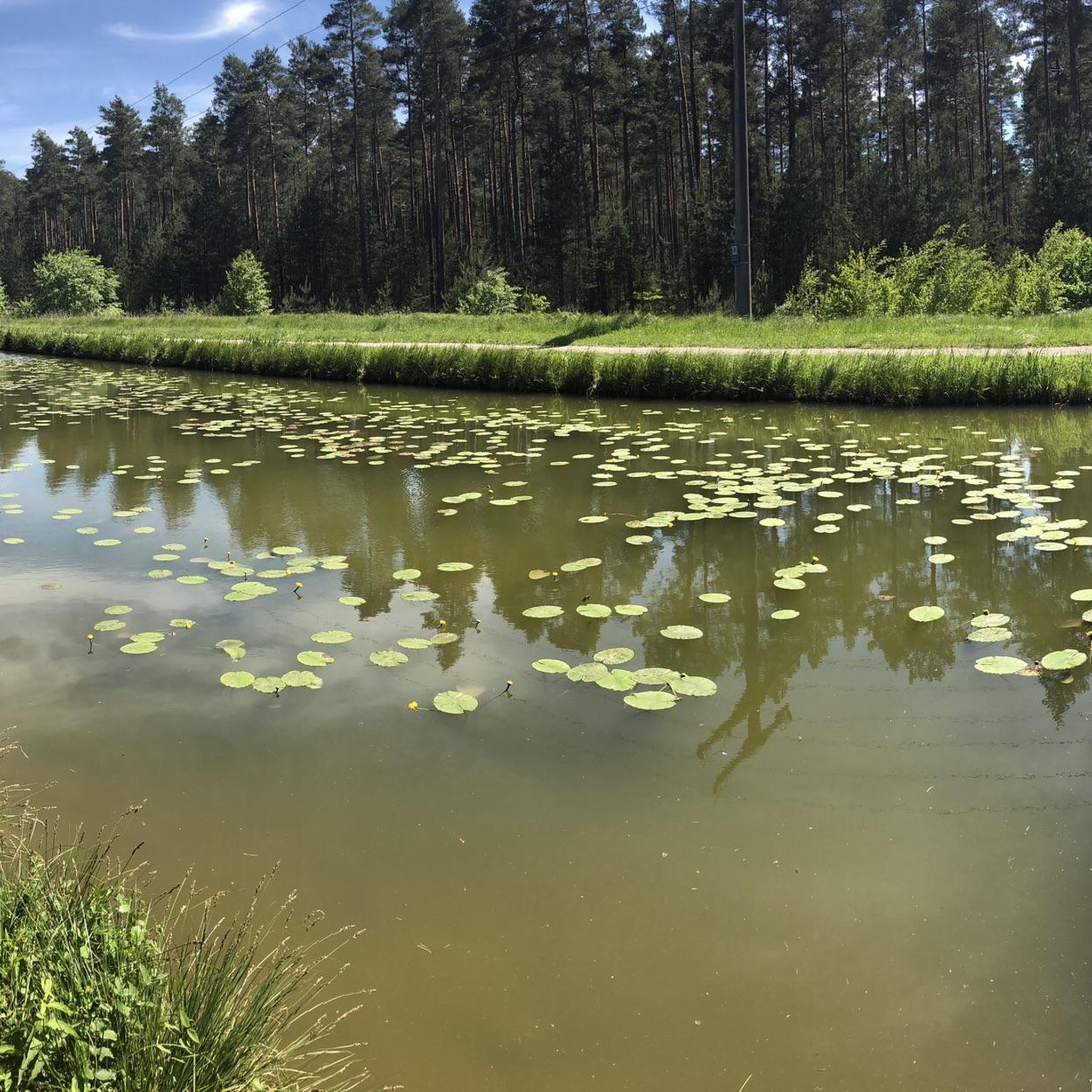
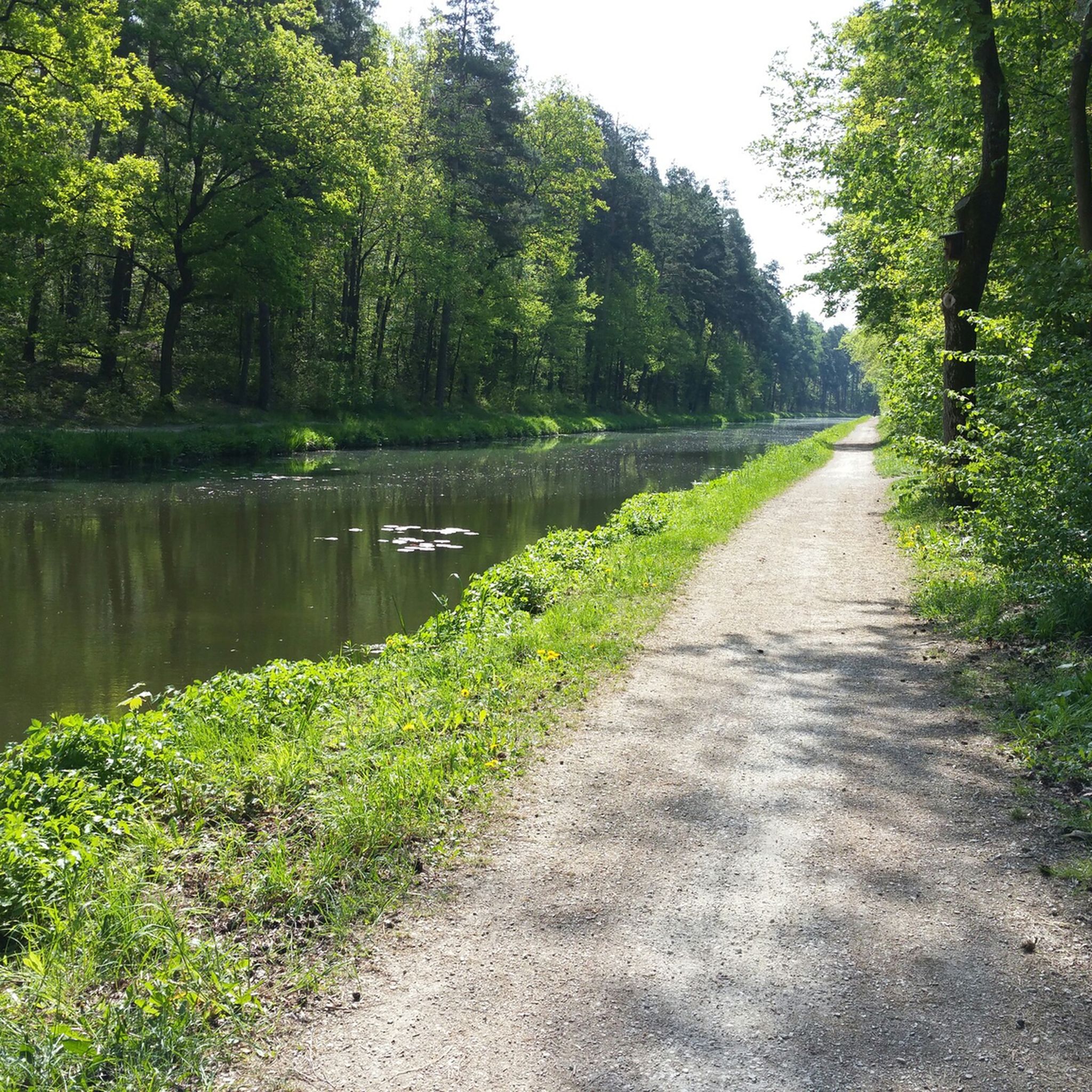
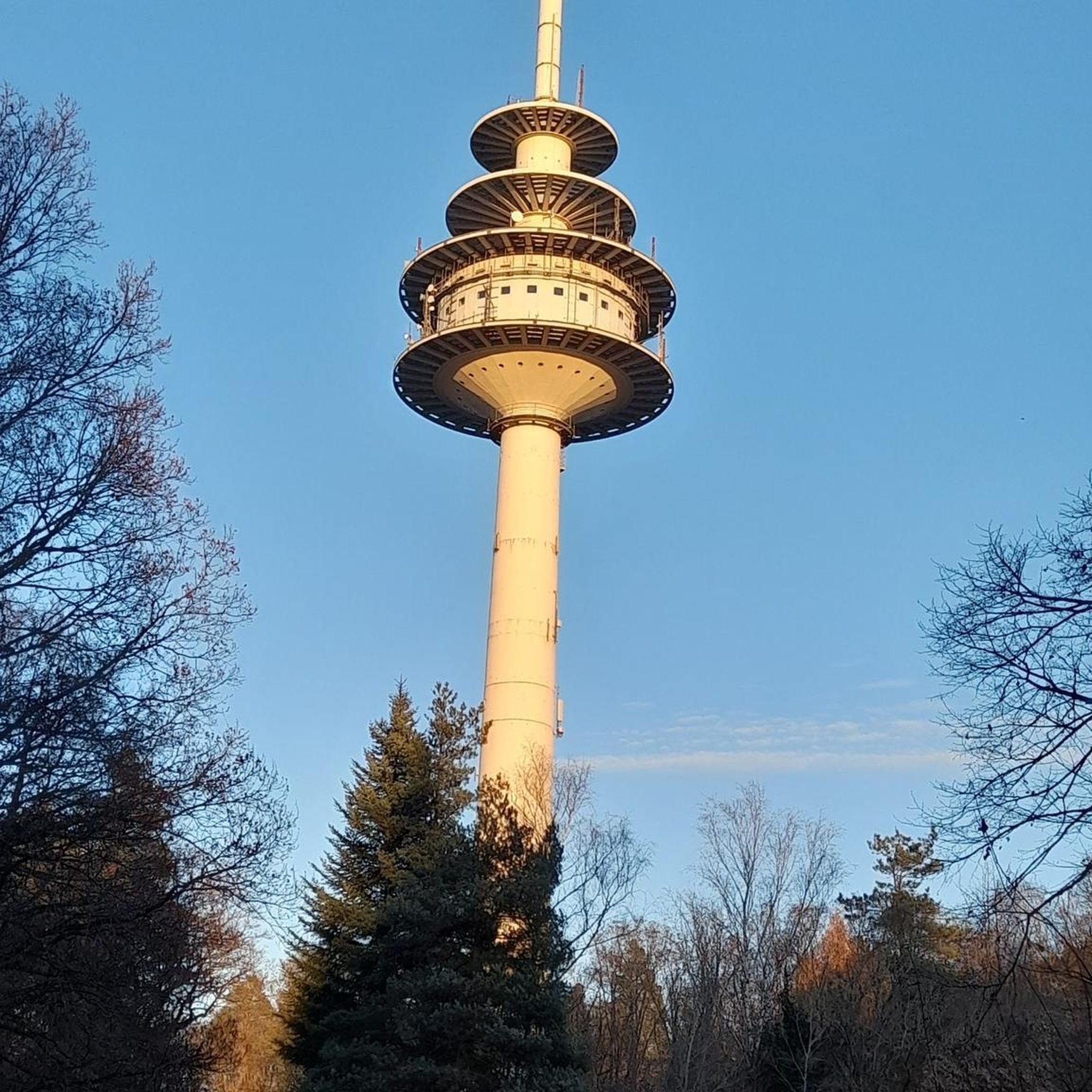
Other adventures around Wendelstein

Tips from the Community

In the Middle Ages, the executioner used this wooden footbridge to reach the city from his secluded dwelling in the executioner's house. The footbridge was built in its current location after the great flood of 1595.
8
0

A beautiful covered wooden bridge. Ideal for sheltering from a downpour.
12
0
Great view over the city at the foot of the Kaiserburg.
18
2
The Kaiserburg lookout point is open all year round, although opening hours vary seasonally. Guided tours are available, providing detailed information about the history and architecture of the castle. For those who prefer to explore the lookout point at their own pace, audio guides are also available in several languages. Admission for adults is minimal, and children under 18 are admitted free.
18
1

The Imperial Castle is Nuremberg's landmark. From the castle, you have a magnificent view of Nuremberg. Even at night, when illuminated, it is beautiful to see. For an even better view of Nuremberg, a visit to the Sinwell Tower at the Imperial Castle is recommended. You can purchase a combination ticket for the museum and the tower. Opening hours and further information can be found on the official website: https://www.kaiserburg-nuernberg.de/deutsch/tourist/oeffnung.htm
26
3

The Henkerbrücke, which leads over the northern arm of the Pegnitz (the Henkersteg goes over the arm that flows south past the flea market island), can only be reached through the Henkerhaus Museum. The medieval, half-timbered, two-arched bridge leads from the Henkerhaus to the water tower and the Weinstadl (now a student residence). The original bridge from the 15th century was destroyed in the Second World War. In 1954 it was rebuilt based on old models.
25
2
The executioner and his assistant lived here on the outskirts of the city from the 15th to the 19th century. In the former official residence, the "executioner's house", there is an exhibition on Nuremberg's legal history. The half-timbered house next door served as a leper hospital in the Middle Ages. Later, the building now known as the "Weinstadel" was used as a wine warehouse.
25
3

The Henkersteg connects the flea market, with its many exclusive shops idyllic located on a small Pegnitz island, and the Unschlittplatz. The executioner, in the Middle Ages a man with whom an honorable citizen was not allowed to have anything to do, used this wooden footbridge to get from his secluded apartment in the executioner's house into the city. The Henkersteg was built in its current location after the great flood in 1595, to which its predecessor had fallen victim. https://tourismus.nuernberg.de/sehen/sehenswuerdigkeiten/location/henkersteg/
20
2
Frequently Asked Questions
What are some historically significant castles to visit in the Wendelstein region?
The Wendelstein area is rich in history. You can explore Schloss Wendelstein, which evolved from a medieval administrative court into a 16th-century edifice. Another notable site is Imperial Castle Nuremberg, a symbol of Nuremberg with buildings dating back to the year 1000. Additionally, Burg Burgthann, a 12th-century castle, offers a small museum and a climbable keep.
Are there family-friendly castles or historical sites around Wendelstein?
Yes, several sites are suitable for families. Imperial Castle Nuremberg offers guided tours and is considered family-friendly. Burg Burgthann, with its museum and climbable keep, is also a great option. The Tiergärtnertor Gate area in Nuremberg is a lively historical spot, and the Henkersteg (Executioner's Footbridge) offers an exhibition on legal history that can be interesting for older children.
What kind of architecture can I expect to see at castles in the Wendelstein area?
The region showcases a range of architectural styles. Schloss Wendelstein features 16th-century construction with half-timbered walls and 17th-18th century courtyard elements. The Pfinzingschlösschen is known for its charming half-timbered front. Schloss Sorg is a prime example of well-preserved Renaissance architecture with intricate stone carvings and frescoes.
What outdoor activities can I combine with a visit to the castles?
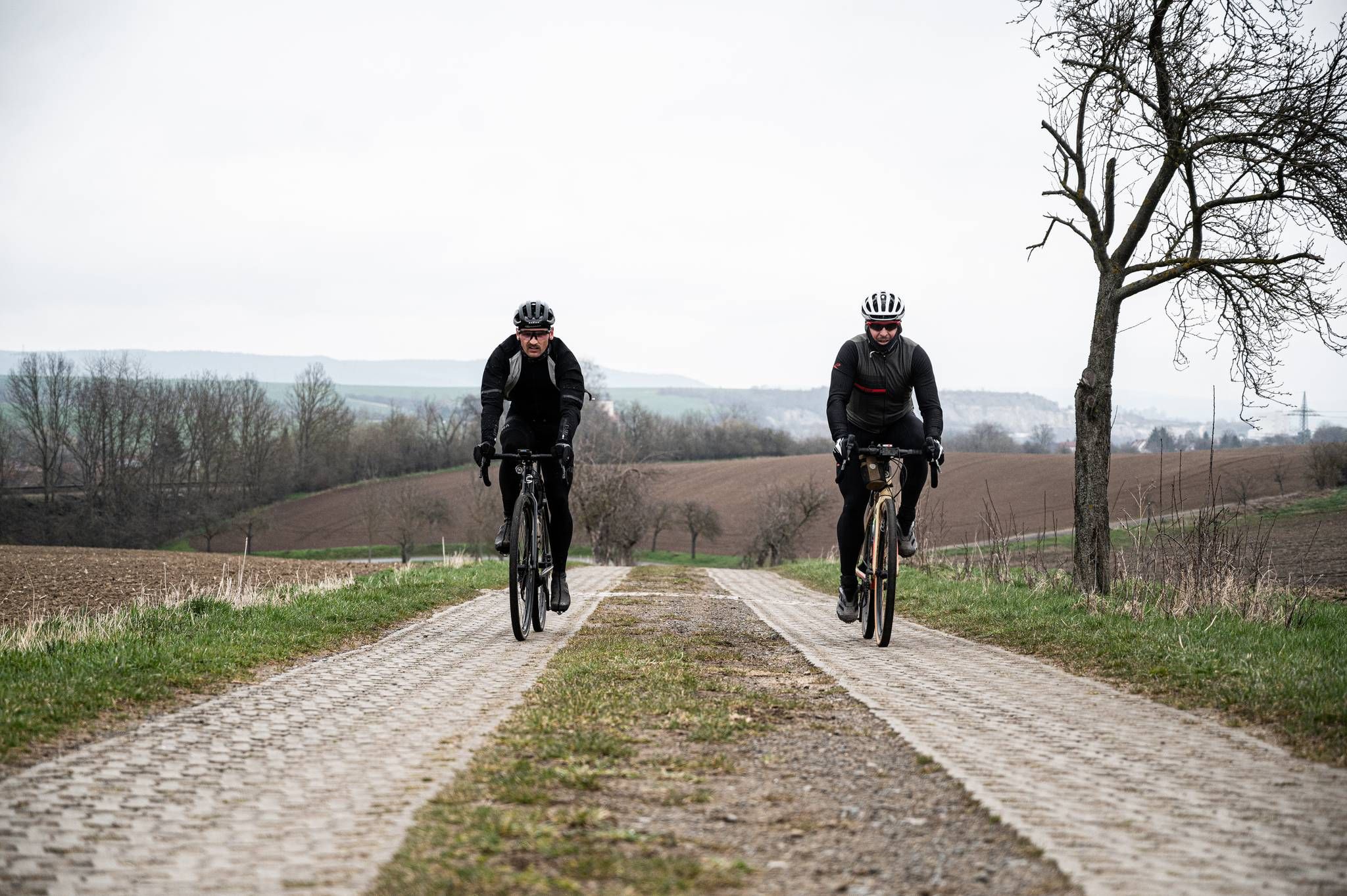
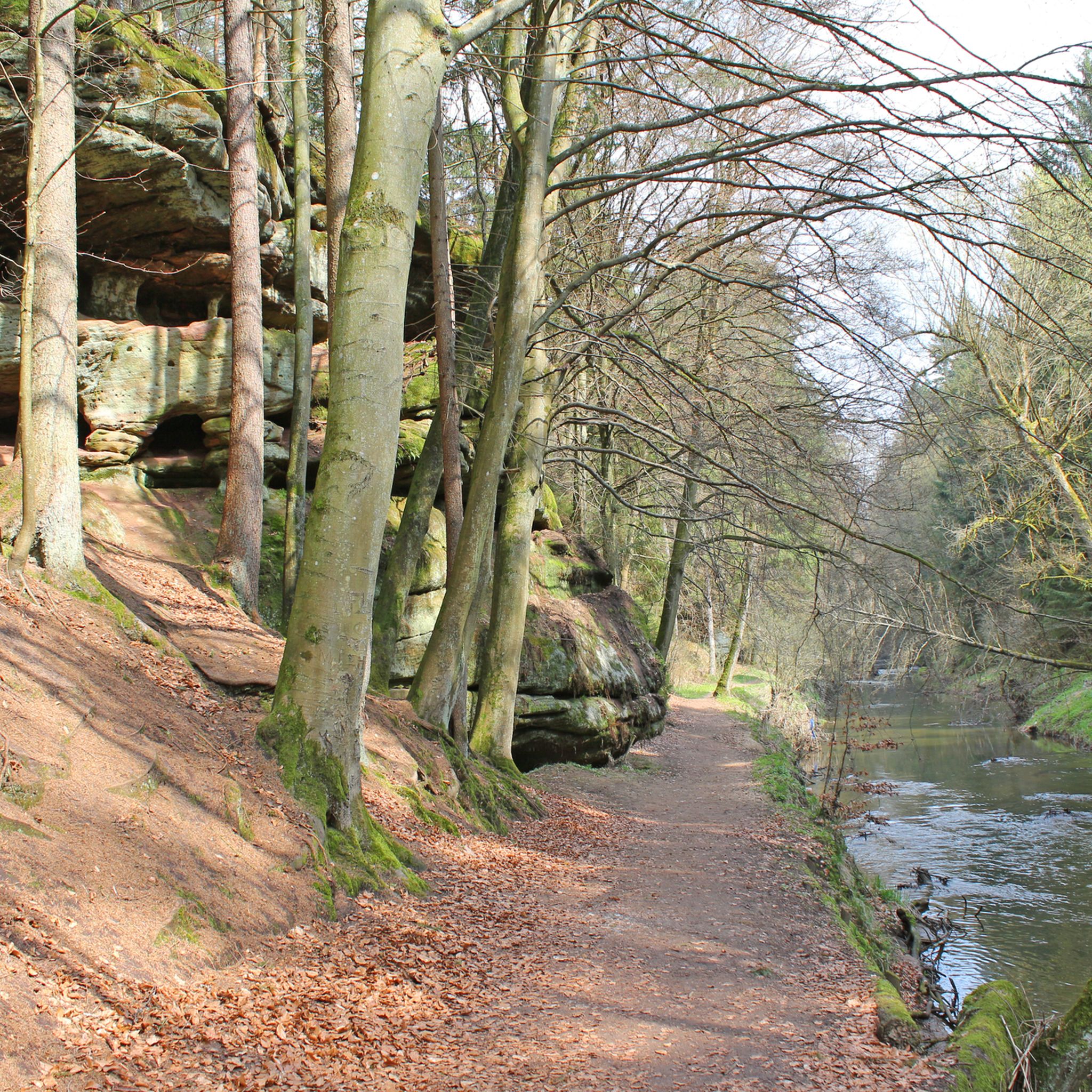
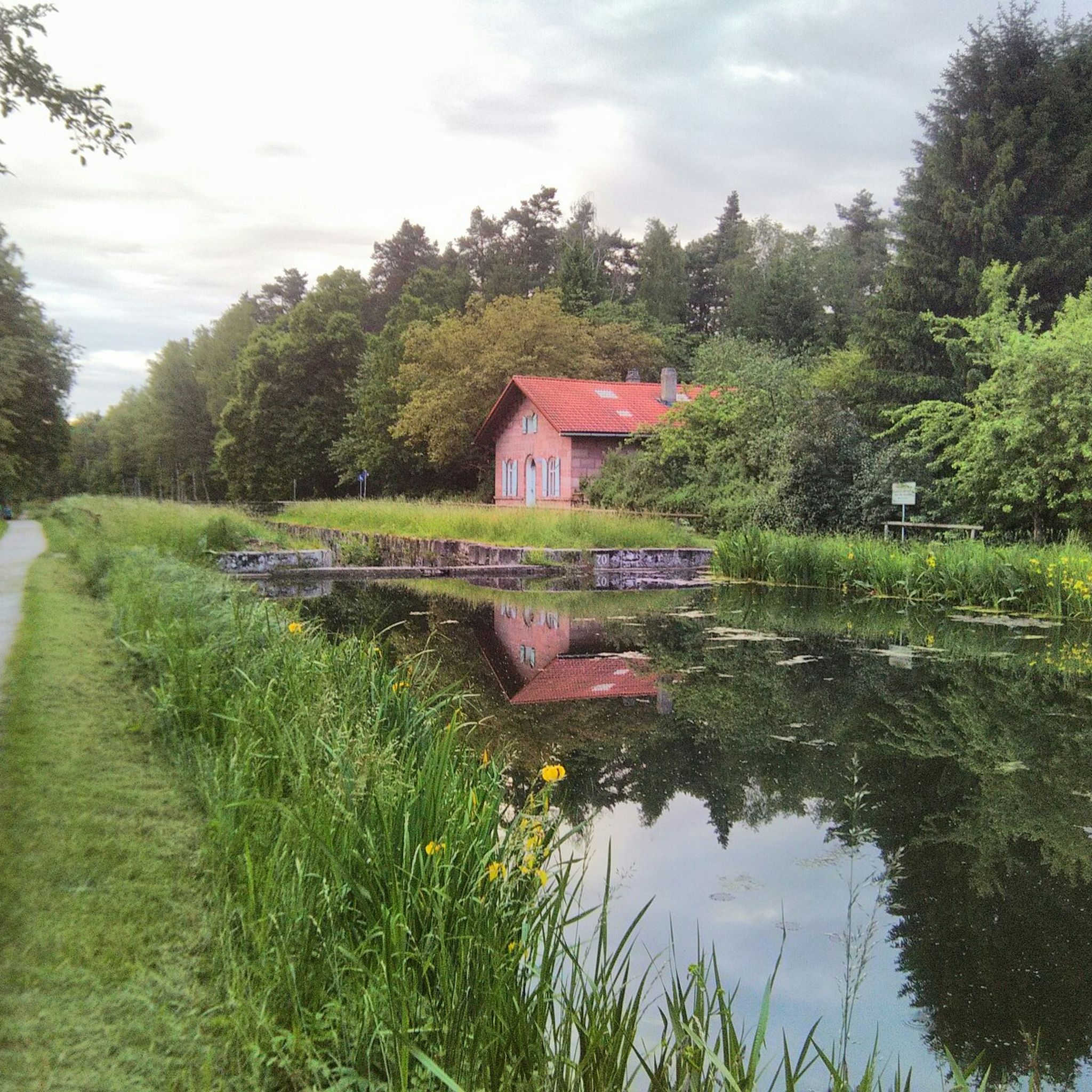
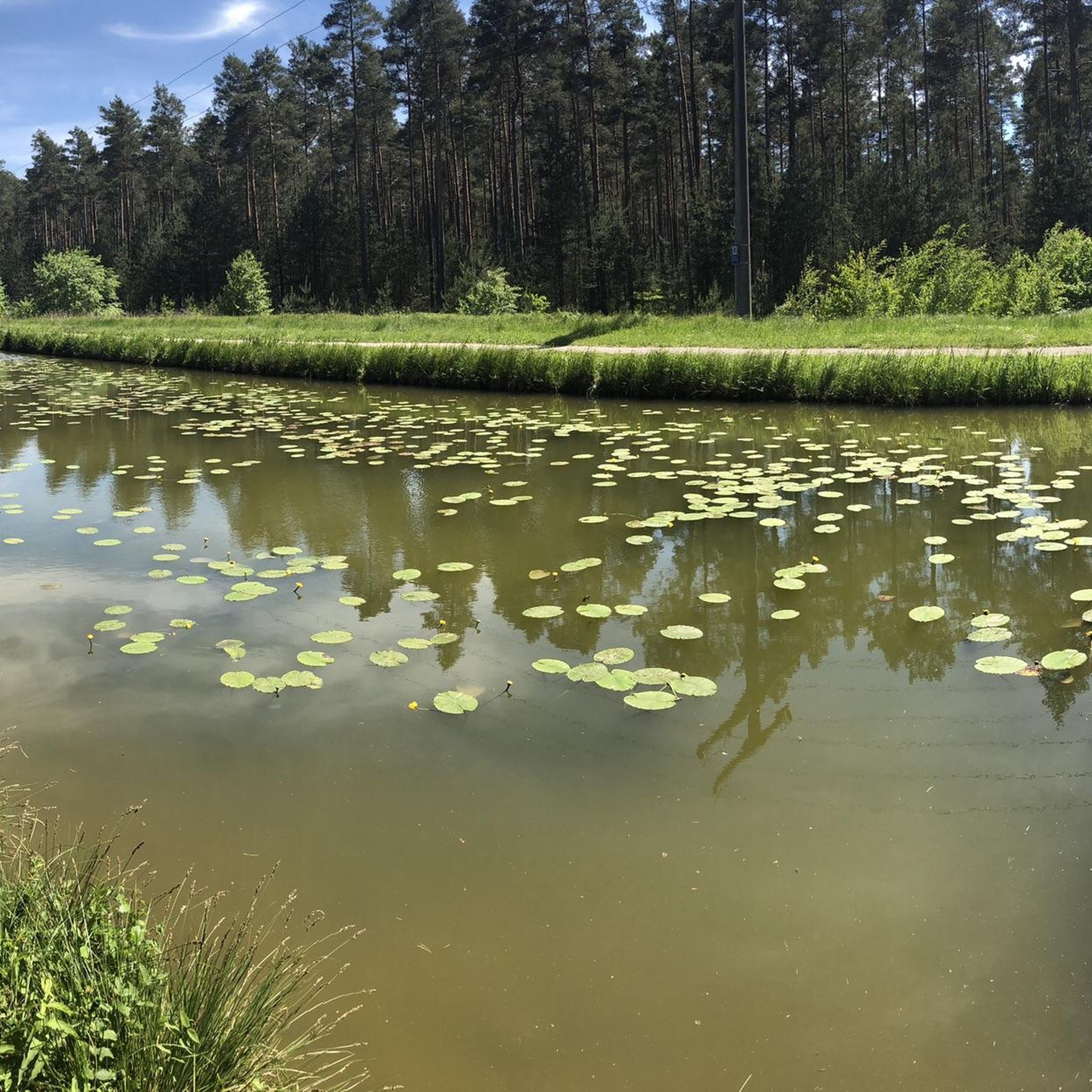
The Wendelstein region offers various outdoor activities. You can find numerous hiking trails around Wendelstein, including easy to moderate routes like the 'Karl's Spring – Wernloch Sky Ponds loop'. For cyclists, there are road cycling routes and MTB trails, such as the 'König-Ludwig Canal Cycle Path' loops.
Are there any castles that played a significant role in historical events?
Yes, Schloss Sorg, dating back to the 16th century, played a crucial role as a strategic stronghold during the Thirty Years' War. Its well-preserved Renaissance architecture and historical significance make it a valuable site for understanding the region's past.
What do visitors enjoy most about the castles and historical sites in the Wendelstein area?
Visitors frequently appreciate the rich history and architectural beauty. For example, the Imperial Castle Nuremberg is highly regarded as the symbol of the city. The lively atmosphere around Tiergärtnertor Gate and the historical backdrop of the Henkersteg are also popular. Many enjoy the opportunity to explore well-preserved medieval and Renaissance structures.
Can I find any hidden gems or less-known historical sites in the region?
While not widely publicized, the Pfinzingschlösschen, with its distinctive half-timbered front and historical role as an administrative center, offers a charming glimpse into the region's past away from the more prominent sites. Schloss Sorg is also a well-preserved Renaissance castle that functions as a museum, hosting cultural events.
What is the best time to visit the castles around Wendelstein?
The region's castles can be enjoyed throughout the year. Spring and autumn offer pleasant weather for exploring the grounds and nearby hiking trails. Summer is ideal for outdoor events and festivals often held at places like Burg Burgthann. Winter visits can provide a unique, quieter experience, especially for indoor museum sections.
Are there any castles that offer cultural events or museums?
Yes, Burg Burgthann houses a small museum and hosts castle festivals and other events in summer. Schloss Sorg functions as a museum, offering guided tours and various cultural events like concerts, exhibitions, and reenactments. The Henkersteg (Executioner's Footbridge) in Nuremberg also features an exhibition on legal and criminal history.
What are some options for walking paths near the castles?
Many castles are integrated into or near walking paths. For instance, the area around Imperial Castle Nuremberg is part of the historic Nuremberg Old Town, perfect for leisurely strolls. You can also find various hiking routes around Wendelstein that pass by historical points, such as the 'Wernloch Sky Ponds – Lock 64 (Ludwig Canal) loop'.
Are there any castles with good viewpoints or scenic surroundings?
The Imperial Castle Nuremberg offers the Kaiserburg lookout point, providing excellent views. Burg Burgthann is nicely located above the picturesque Schwarzach Valley. The Henkersteg also provides a scenic historical backdrop over the Pegnitz river.
Most popular routes around Wendelstein
Most popular attractions around Wendelstein

Get inspired with the komoot mobile app


Explore more
Looking for the best castles somewhere else? Discover other guides around Wendelstein:
