Top 14 Caves around Annaberg Buchholz
Best caves around Annaberg Buchholz are primarily historical visitor mines located in the Ore Mountains (Erzgebirge). This region, deeply rooted in mining heritage, offers underground experiences that showcase centuries of ore extraction. These sites provide insight into the lives of miners and the historical significance of the area, which is part of the UNESCO World Heritage Site Montanregion Erzgebirge/Krušnohoří. While natural caves are present, the visitor mines are a prominent feature of the underground landscape.
Best caves around Annaberg Buchholz
…Last updated: July 1, 2026
Stülpner Cave
Highlight • Cave
Translated by Google •
Tip by

Garisch-Stolln Mine Entrance
Highlight • Historical Site
The mining trail is really great and definitely worth a visit.
Translated by Google •
Tip by

Sign up now to discover places like this
Get recommendations on the best single tracks, peaks, & plenty of other exciting outdoor places.
Sign up for free
Greifensteinstollen
Highlight • Historical Site
Translated by Google •
Tip by

Geldkeller (Money Cellar) at the Greifensteine
Highlight • Cave
Translated by Google •
Tip by

Dorothea Stolln Visitor Mine
Highlight • Historical Site
A really worthwhile visit! Definitely recommended.
Also suitable for families, but the children must be 6 years or older!
Opening hours:
Mon – Fri: 9:00 a.m. – 2:00 p.m
last guided tour: 2:00 p.m
Translated by Google •
Tip by

Sign up for free to discover even more caves around Annaberg Buchholz.
Sign up for free
Already have an account?
Start today with a free account
Your next adventure awaits.
Login or Signup
Popular around Annaberg-Buchholz

The Stoneman Trail in the Ore Mountains
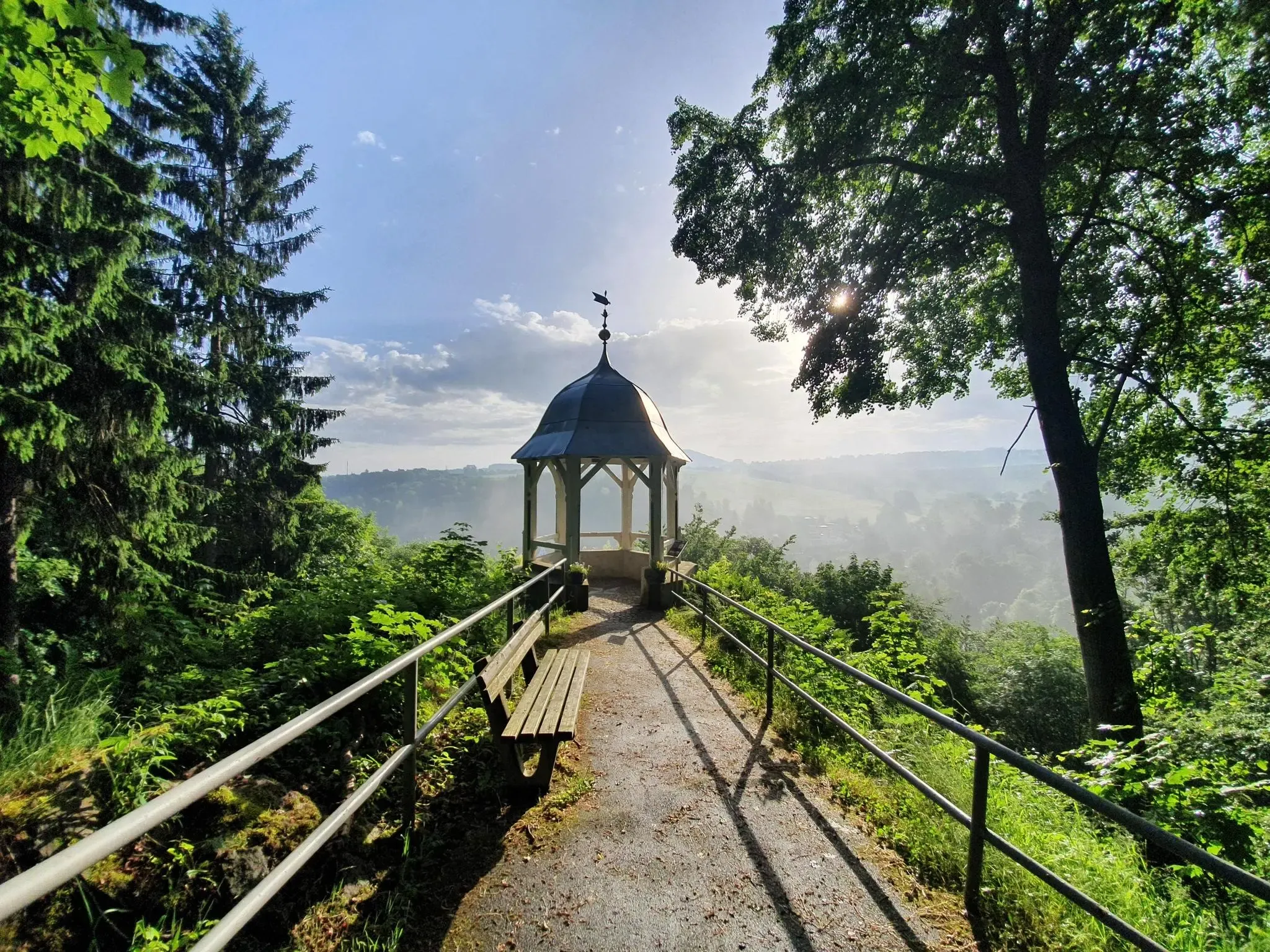
#GoFurther – discover the views of Germany!
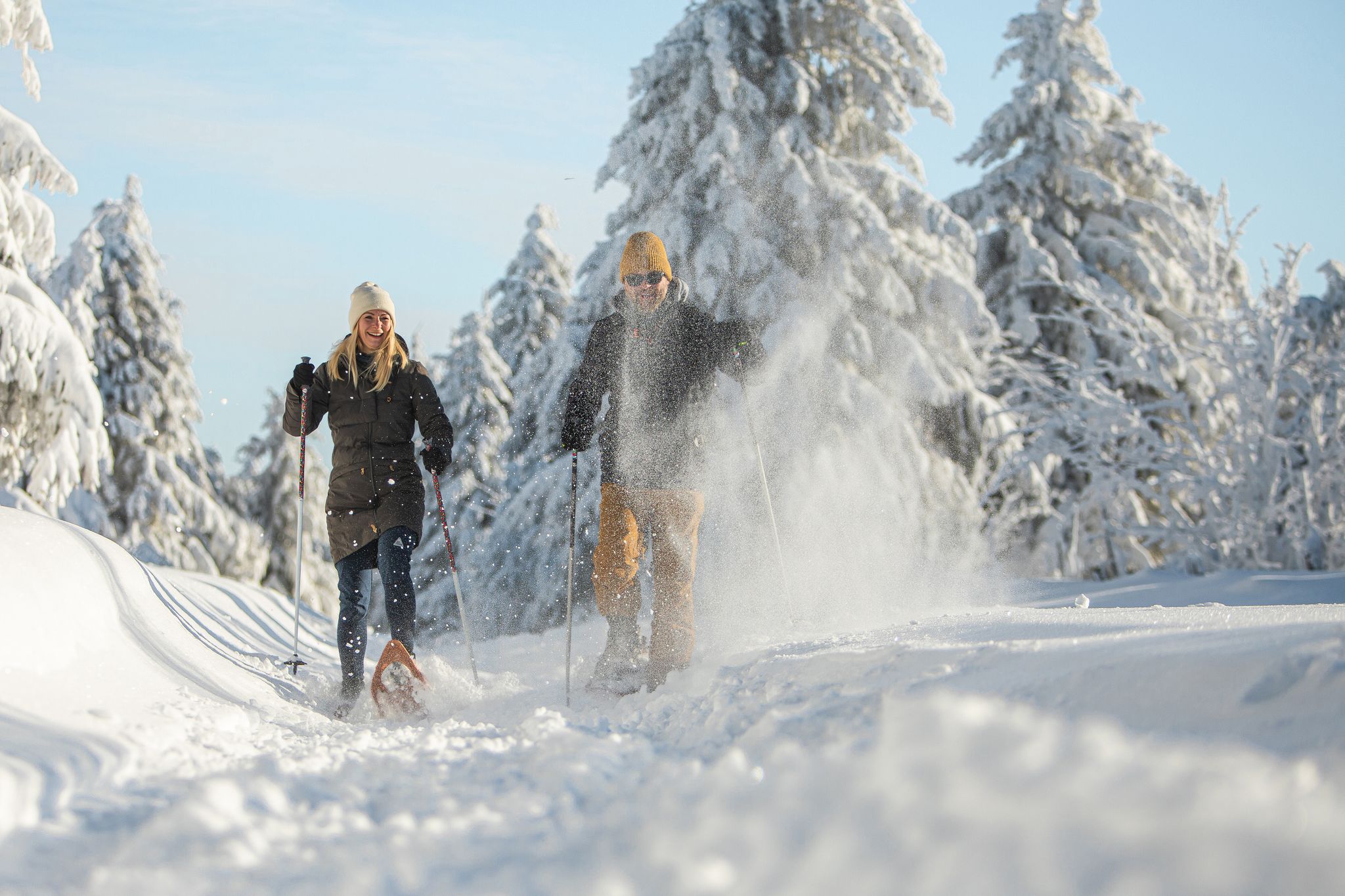
Glittering slopes and forests - winter hiking in the Ore Mountains
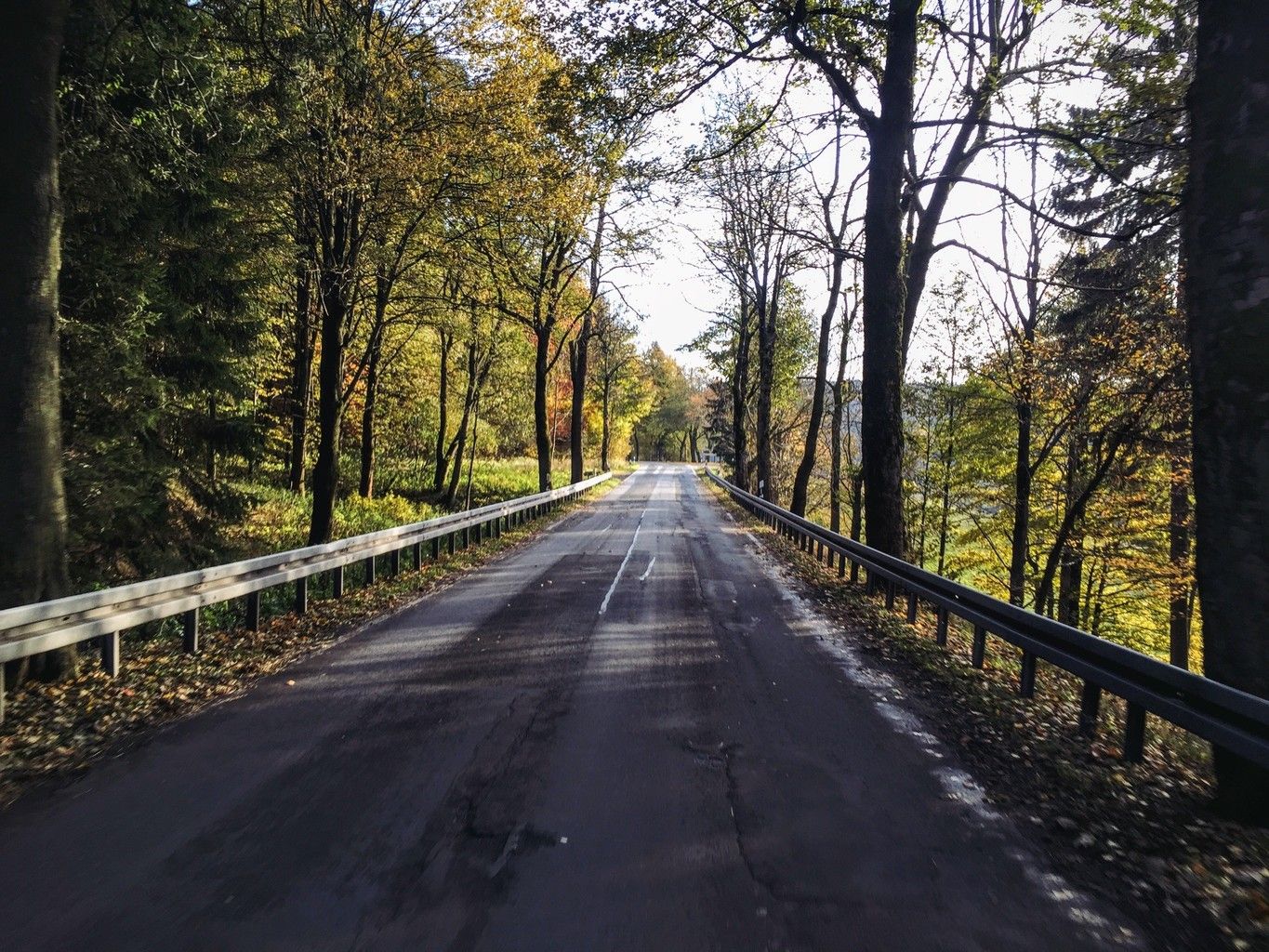
Weekend tours in the Ore Mountains
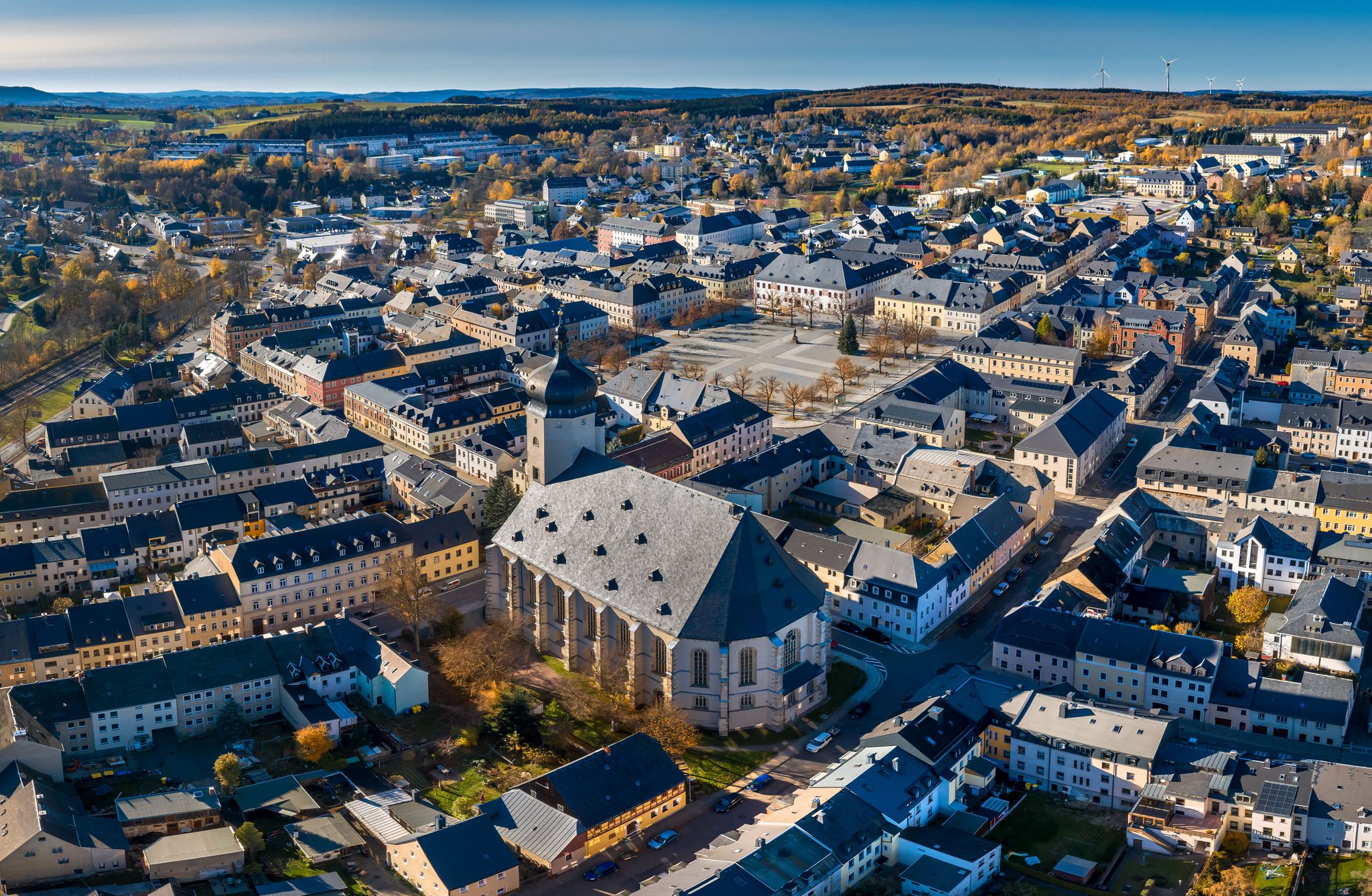
Wandertouren - "Glück Auf" im Welterbe
Wandertouren - Gipfelglück
Hiking around Annaberg Buchholz
Cycling around Annaberg Buchholz
MTB Trails around Annaberg Buchholz
Road Cycling Routes around Annaberg Buchholz
Other adventures around Annaberg Buchholz


Tips from the Community

Mining began in Cunersdorf in the 16th century. Due to its high yields, the mine quickly gained renown. From 1536, a yield of 2,409 guilders per share was achieved within two and a quarter years. This was primarily due to a very rich silver ore vein with silver contents of up to 40%. However, yields declined again in the following years.[2] During the sinking of a pilot shaft, the year 1551 was discovered at a depth of more than 125 m.[3] The current entrance to the Dorothea adit was created in 1853.[4] Initially, only silver ores were mined; later, nickel, copper, uranium, and cobalt ores were added.[3] After the Second World War, in 1946/47, the SAG Wismut began searching for uranium in Annaberg-Buchholz, including in the Himmlisch Heer Dorothea mine. Uranium mining was short-lived and ended in 1958. Source: Wikipedia
3
0

A little below the path, we see the entrance to the Garisch Mine. Almost hidden, nestled quaintly among the greenery, first mentioned in 1490, the mine ceased operations in 1911. We take a few steps inside and are surrounded by thousands of mosquitoes. https://youtu.be/jglyT269hvE
0
0


Hieronymus Lotter was named as the owner of the Garmisch mine around 1565. Station 12 of the mining trail is located here.
0
0

The money cellar, which is connected to an old legend....money does not make you happy after all 🤷
0
1

Great guided tours, highly recommended. ⚒️
2
0

really very interesting and informative
0
1

With a flashlight you can go a little way in until you reach a barred door.
0
0
Frequently Asked Questions
What kind of 'caves' can I explore around Annaberg-Buchholz?
The Annaberg-Buchholz region is primarily known for its historical visitor mines, which offer unique underground experiences. These include sites like the Dorothea Stolln Visitor Mine and the Markus-Röhling-Stolln, which are part of the UNESCO World Heritage Site Montanregion Erzgebirge/Krušnohoří. There are also some natural caves and former mining adits, such as Stülpner Cave.
Are there family-friendly options for exploring the underground sites?
Yes, several sites are suitable for families. The Garisch-Stolln Mine Entrance is noted for being easy for children to understand what mining means. The Greifensteinstollen is also family-friendly. For the larger visitor mines like Markus-Röhling-Stolln and Dorothea Stolln Visitor Mine, children aged 6 and above are welcome when accompanied by an adult.
What historical insights do these underground sites offer?
The visitor mines provide a deep dive into centuries of mining history in the Ore Mountains. Sites like the Markus-Röhling-Stolln showcase silver, cobalt, and even uranium mining, featuring a reconstructed 9-meter-high art wheel. The Dorothea Stolln Visitor Mine reveals well-preserved medieval tunnel systems and practical solutions developed by miners over generations, highlighting the region's rich industrial heritage.
What is the best time to visit the caves and mines around Annaberg-Buchholz?
The underground sites maintain a constant temperature of 8°C to 10°C year-round, making them suitable for visits in any season. However, warm clothing is always advisable regardless of the time of year. Some mines may have specific opening hours or require advance booking, especially during peak seasons or for special events.
What unique experiences can I have at the visitor mines?
At the Markus-Röhling-Stolln, you can embark on a journey deep underground with a mine train. The Dorothea Stolln Visitor Mine offers a distinctive experience with a boat ride through its tunnels, allowing you to explore the mine from a different perspective. Both provide guided tours that explain the challenging work and impact of mining.
Are there hiking trails near the caves and mines?
Yes, the Annaberg-Buchholz area, being part of the Ore Mountains, offers various hiking opportunities. For example, you can find mountain hikes around the region, with routes like the Kreuzfelsen Climbing Rock – Greifensteinstollen loop. You can explore more options in the Mountain Hikes around Annaberg Buchholz guide.
What other outdoor activities are available near these underground attractions?
Beyond exploring the caves and mines, the region provides excellent opportunities for outdoor sports. You can find numerous MTB trails, such as the Stoneman Miriquidi Trail, or gravel biking routes like the Hahn Bridge – Schmalzgrube station loop. For more details, check the MTB Trails around Annaberg Buchholz guide and the Gravel biking around Annaberg Buchholz guide.
What should I wear when visiting the underground sites?
Due to the constant cool temperatures (8°C to 10°C) underground, it is highly recommended to wear warm clothing, even in summer. Comfortable, sturdy shoes are also advisable for navigating the mine tunnels and paths.
Where can I find parking for the caves and mines?
Specific parking information varies by site. For popular visitor mines like Markus-Röhling-Stolln and Dorothea Stolln Visitor Mine, dedicated parking facilities are usually available nearby. It's best to check the individual attraction's website or contact them directly for precise parking details.
What do visitors appreciate most about the underground experiences in Annaberg-Buchholz?
Visitors frequently highlight the immersive historical experience and the unique insights into the region's mining heritage. The faithfully reconstructed equipment, guided tours, and special features like the boat ride in the Dorothea Stolln Visitor Mine are often praised. The educational aspect, especially for families, is also a significant draw.
Is it necessary to book tours in advance for the visitor mines?
For visitor mines like the Markus-Röhling-Stolln and Dorothea Stolln Visitor Mine, it is often recommended to register by phone beforehand, especially for groups or during busy periods. Group sizes can be limited, so checking their official websites or calling ahead is advisable to ensure your visit.
Are there any natural monuments among the caves?
Yes, the Stülpner Cave is recognized as a natural monument. It's also a historical site associated with the folk hero Karl Stülpner and originated from tin ore mining, serving as a memorial to the region's past.
Most popular routes around Annaberg Buchholz
Most popular attractions around Annaberg Buchholz

Get inspired with the komoot mobile app


Explore more
Extend your search for the best caves by checking out these guides of the top ones around Annaberg Buchholz:
