Attractions and Places To See around Arnstadt - Top 20
Best attractions and places to see around Arnstadt include a variety of historical sites, natural landscapes, and cultural points of interest. Located in Thuringia, Germany, Arnstadt is known as the "Gateway to the Thuringian Forest," offering access to picturesque hills and green forests. The town features a well-preserved historic center and a notable connection to Johann Sebastian Bach. The Gera and Apfelstädt rivers also flow through the area, providing natural features for exploration.
Best attractions and places to see around Arnstadt
- The most popular attractions is Gleichen Castle, a castle that forms part of the well-known "Drei Gleichen" castle ensemble. This historical castle complex, first mentioned in 1089, includes a small museum.
- Another must-see spot is Mühlburg (Thuringia Stamp Station 425), a castle complex. Visitors can reach the castle via the Schlossleite, which offers views over the village of Mühlberg, and explore what is considered the oldest castle in Thuringia.
- Visitors also love Wachsenburg Fortress, a castle that is part of the "Drei Gleichen" ensemble. This managed fortress features a cafe in its courtyard and a restaurant in the old knight's hall, with overnight stays also possible.
- Arnstadt is known for its castles, historical sites, and natural features. The region offers a variety of attractions to see and explore, from ancient fortresses to scenic river paths.
- The attractions around Arnstadt are appreciated by the komoot community, with more than 1400 upvotes and over 1900 photos shared.
Last updated: August 16, 2026
Mühlburg (Thuringia Stamp Station 425)
Highlight • Castle
Translated by Google •
Tip by

Gleichen Castle
Highlight • Castle
Admission: 3.00 € (as of 2018)
Opening hours: 1st April - 31st October
10.00am-6.00pm daily
Translated by Google •
Tip by

Sign up now to discover places like this
Get recommendations on the best single tracks, peaks, & plenty of other exciting outdoor places.
Sign up for free
Molsdorf Castle
Highlight • Castle
Translated by Google •
Tip by

Cycle path between Möbisburg and Bischleben
Highlight (Segment) • Cycleway
Translated by Google •
Tip by

Wachsenburg Fortress
Highlight • Castle
Translated by Google •
Tip by

Sign up for free to discover even more attractions around Arnstadt.
Sign up for free
Already have an account?
Start today with a free account
Your next adventure awaits.
Login or Signup
Other adventures around Arnstadt

Tips from the Community

Molsdorf Palace Park, home to one of the most beautiful Baroque palaces in central Germany, is located south of Erfurt and houses an extensive art collection as well as numerous authentic furnishings from the 18th century. The palace and park are under the care of the Thuringian Palaces and Gardens Foundation. The palace museum is one of the art museums of the city of Erfurt. The palace museum can be visited as part of a guided tour. Guided tours are offered every hour on the hour and by appointment: Telephone +49 36202 90505 Museum Opening Hours Tuesday to Sunday from 10:00 a.m. to 6:00 p.m. Park and gardens are open to the public. Special opening: December 25 and January 1 from 1:00 p.m. Closed: Mondays, December 24, and December 31
12
1

The Veste Wachsenburg, often simply called Wachsenburg, is a medieval hilltop castle belonging to the Drei Gleichen in the area of Holzhausen, a district of the Amt Wachsenburg municipality in the Ilm district in Thuringia. In the course of its history, the castle has changed hands frequently, been destroyed and frequently rebuilt and expanded: especially from 1900 to 1913 to house the extensive Wachsenburg collections on local and military history. The latter was lost in 1946 and the local museum had to close in 1962. Today, the Wachsenburg serves as a tourist restaurant, as it has long done, and has been a hotel since 1966, and it houses a small, privately run museum. Admission now costs €5 per person.
18
2
Gleichen Castle is a medieval castle ruin in Thuringia near Gotha. It is part of the Drei Gleichen castle ensemble and today belongs to the Thuringian Castles and Gardens Foundation.
16
0

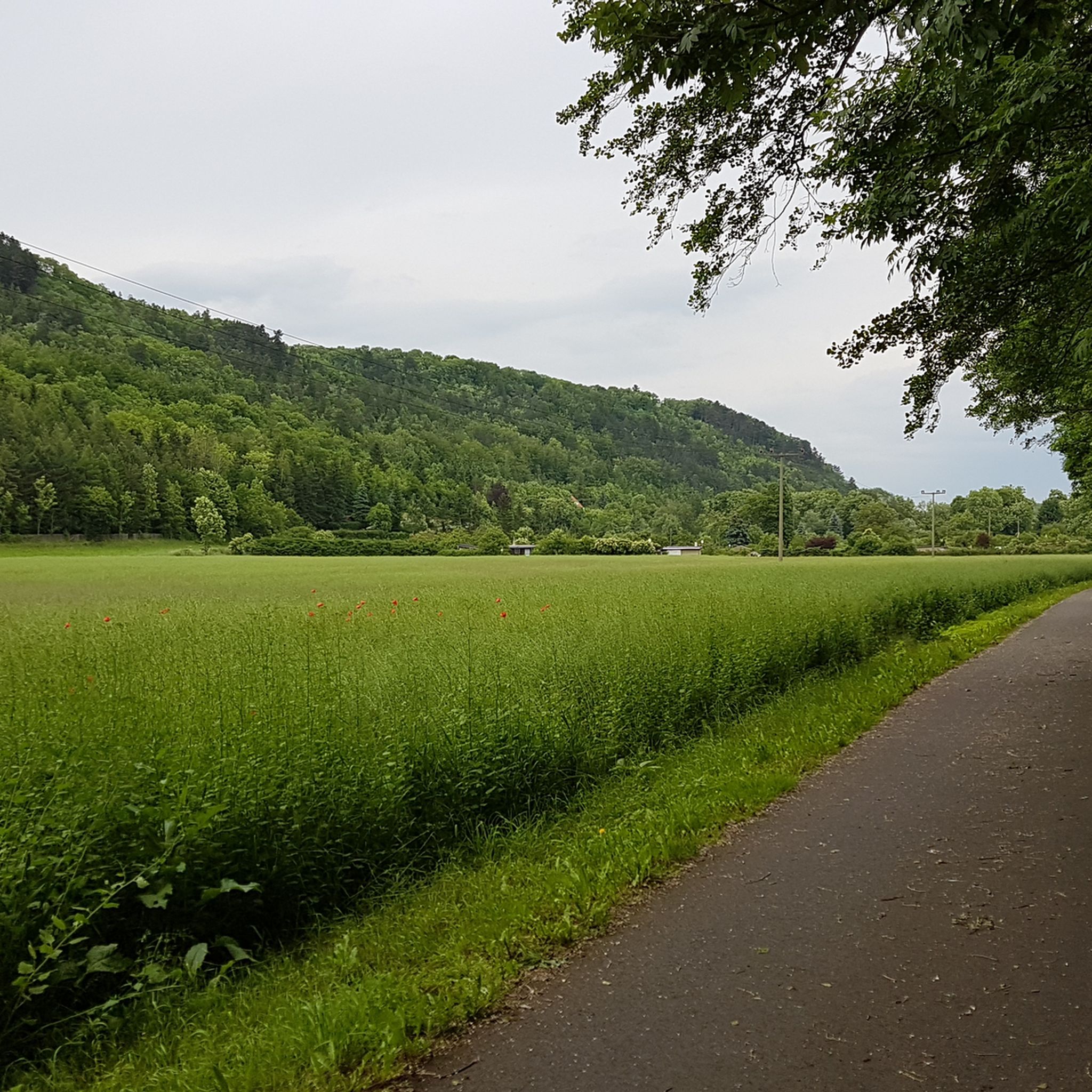
The Gera cycle path .... really beautiful and definitely recommendable
3
0

For 14 years, he called Schloss Molsdorf his home. From a moated castle, Count Gustav Adolf von Gotter had a picturesquely situated baroque pleasure palace built. However, the diplomatic climber's extravagance destroyed the dream, and Gotter had to sell the castle. Visitors can view the museum in the castle with its historical rooms and special exhibitions as part of a guided tour. The symmetrical baroque garden from Gotter's time was later transformed into a landscape park. Some sculptures from the original furnishings have survived. I am always fascinated: pure history and beauty. 🦊🙏
11
1

The fortress was built in the middle of the 10th century as a fort-like structure on the 421 m high Wassenberg. As a result, it changed owners frequently. At the end of the 15th century, the castle began to decay. From 1651, the Duke of Gotha, Ernst the Pious, had it rebuilt and its water supply secured by a 93 m deep well. In 1859, the castle's military status was lifted and it was opened to visitors. The most striking building in the Wachsenburg is the Hohenlohe Tower, which can be seen from afar and was built by the Wachsenburg Association in 1905. From 1964 to 1969, the fortress was restored and a hotel was set up. Since 2001, it has been privately owned and is operated as a hotel with restaurants and a museum. The Wachsenburg fortress is just under 5 km from the neighboring Mühlburg in Mühlberg. Source: https://www.tourismus-thueringer-wald.de/burgen-und-schloesser/veste-growingburg-holzhausen
10
1

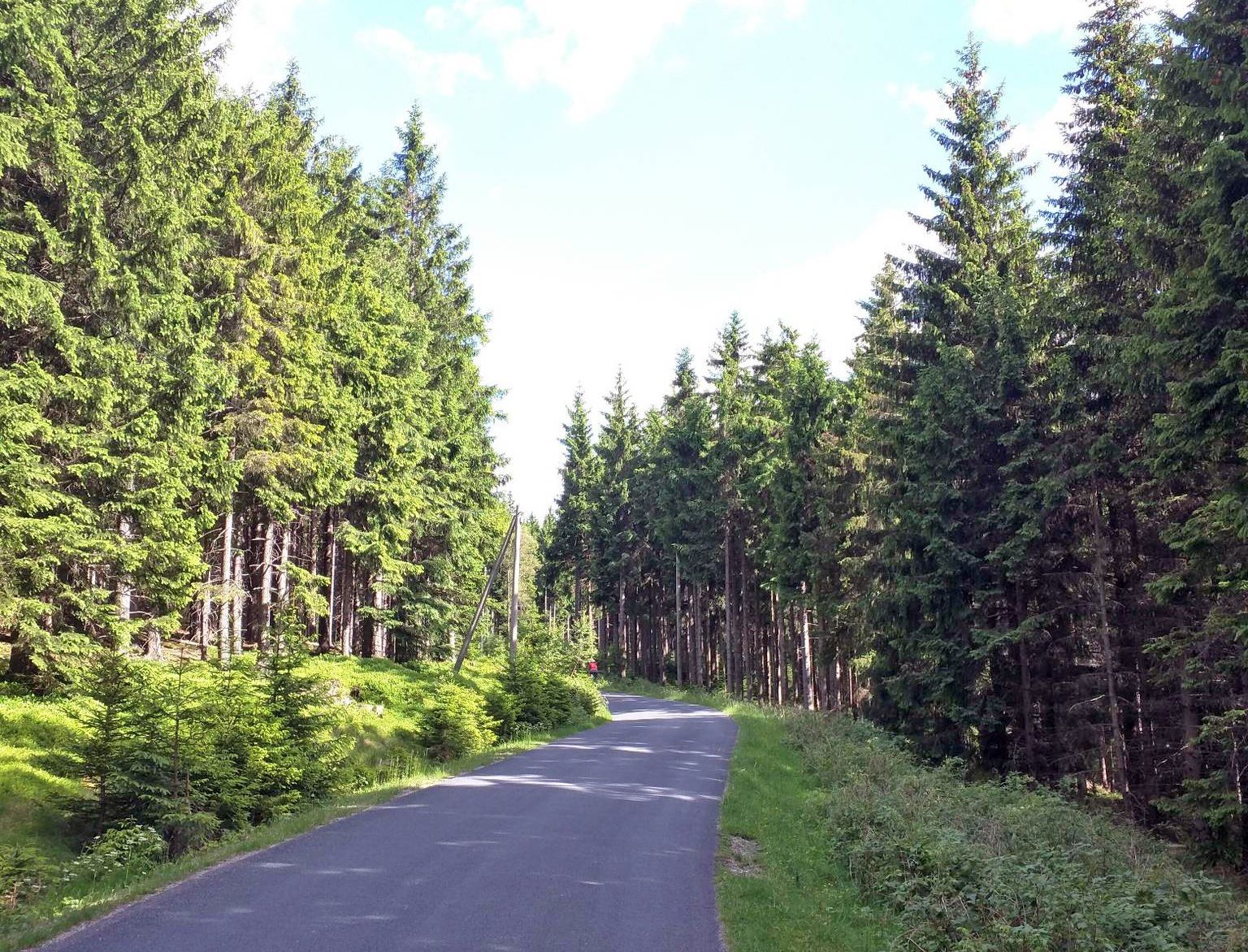
Wonderfully relaxed to drive, simply beautiful.
6
0

Short bike path that connects Bischleben with Möbisburg.
3
0
Frequently Asked Questions
What historical castles can I visit near Arnstadt?
The region around Arnstadt is famous for its castles, particularly the "Drei Gleichen" ensemble. You can explore the ruins of Gleichen Castle, which includes a small museum, and the historic Mühlburg, considered the oldest castle in Thuringia. Additionally, the managed Wachsenburg Fortress offers a cafe, restaurant, and even overnight stays. Further afield, Molsdorf Castle, a baroque pleasure palace, houses a museum and beautiful gardens.
What sites in Arnstadt are connected to Johann Sebastian Bach?
Arnstadt has a deep connection to Johann Sebastian Bach. You can visit the Bach Church (Johann-Sebastian-Bach-Kirche), where he worked as an organist from 1703 to 1707, and see an old organ he performed on. The Schlossmuseum Arnstadt features an exhibition called "Audible Faith – Bach in Arnstadt" and displays the original organ console Bach played. The Bach House at Kohlgasse 7 was a regular meeting place for the Bach family, and the Bach-Denkmal Park and an unconventional bronze monument on the market square also commemorate him.
Are there family-friendly attractions in and around Arnstadt?
Yes, Arnstadt offers several family-friendly options. The Fasanerie Zoo (Zoo and Pheasantry) is a well-maintained native-animal zoo with a large playground. Many of the castles, such as Molsdorf Castle and Wachsenburg Fortress, are also considered family-friendly. The Eisenbahnmuseum Arnstadt (Bahnbetriebswerk Arnstadt) allows visitors to see stunning train engines, which can be exciting for children. Additionally, the First German Bratwurst Museum in nearby Holzhausen offers a unique and engaging experience for all ages.
What natural features and outdoor activities can I enjoy near Arnstadt?
Arnstadt is known as the "Gateway to the Thuringian Forest," a UNESCO World Heritage area perfect for outdoor activities. You can find hiking trails along the Gera River and the Apfelstädt River, which is also suitable for river rafting. The famous long-distance hiking trail, the Rennsteig, runs through the region. For cycling, the cycle path between Möbisburg and Bischleben offers a scenic and relaxed ride, especially for families.
Where can I find routes for cycling or mountain biking near Arnstadt?
The Arnstadt region provides numerous routes for various cycling disciplines. For mountain biking, you can explore trails like the "Kreuzchen Observation Tower – Kanzel Viewpoint Over Geratal loop" or the "View of Veste Wachsenburg – Mühlburg loop." Road cyclists can enjoy routes such as "Arnstadt Old Town – Jonastal loop." If you're into gravel biking, options like "View of Jonastal – Ehrenstein Castle loop" are available. You can find more detailed information and specific routes on the MTB Trails around Arnstadt, Road Cycling Routes around Arnstadt, and Gravel biking around Arnstadt guide pages.
What are some significant historical buildings in Arnstadt's town center?
Arnstadt's historic center boasts several impressive buildings. The Arnstadt Town Hall (Rathaus), a Renaissance-style building from the 16th century, dominates the market square. The Liebfrauenkirche (Church of Our Lady), dating back to the 13th century, is a significant example of Gothic architecture. You'll also find well-preserved half-timbered houses, particularly around the market and on the Ried, contributing to the town's medieval charm. The Oberkirche (Barfüßerkirche), a former Franciscan Monastery, also holds historical significance.
Are there any unique museums or cultural experiences in the area?
Beyond the Bach-related sites, Arnstadt offers unique cultural experiences. The Schlossmuseum Arnstadt is home to the famous baroque doll village "Mon Plaisir." For railway enthusiasts, the Eisenbahnmuseum Arnstadt showcases impressive train engines. A short trip to Holzhausen will lead you to the First German Bratwurst Museum, offering insights into the history and making of Germany's iconic sausage. The Theater in the Castle Park also regularly hosts various cultural events.
What are the best viewpoints to see the Arnstadt area?
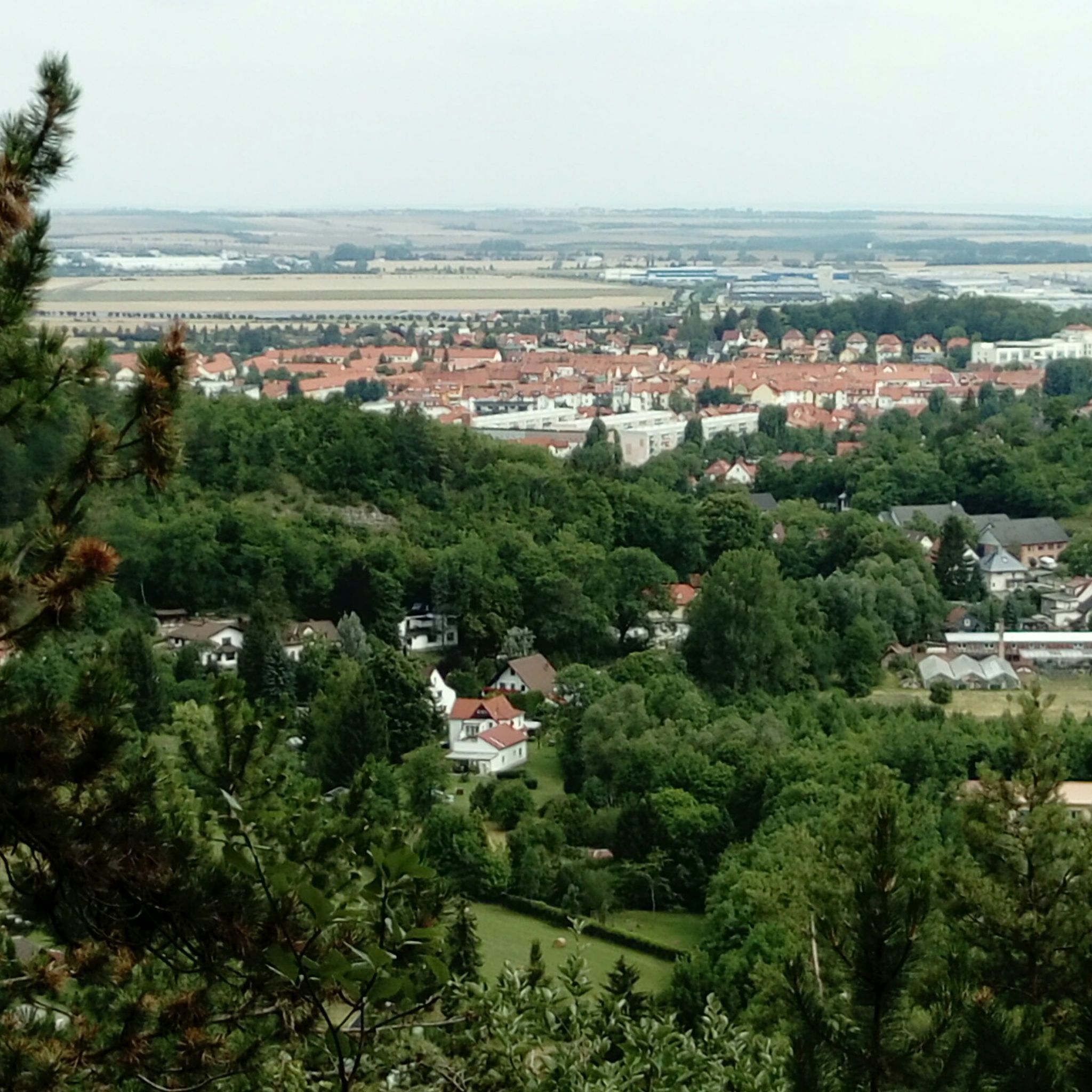
For panoramic views of Arnstadt and the surrounding countryside, the Neideck Tower at Schlossruine Neideck is an excellent choice. Many of the castles, such as Gleichen Castle and Wachsenburg Fortress, also offer superb vistas from their elevated positions. The Mühlburg provides views over the charming village of Mühlberg.
What do visitors enjoy most about the attractions around Arnstadt?
Visitors particularly appreciate the rich history and well-preserved sites, especially the "Drei Gleichen" castles. The community has shared over 1900 photos and given more than 1400 upvotes to the attractions, highlighting their appeal. Many enjoy the blend of historical exploration with natural beauty, finding the castles and surrounding landscapes perfect for both cultural immersion and outdoor activities. The family-friendly nature of many sites, like the Fasanerie Zoo, is also frequently praised.
Are there any hidden gems or lesser-known spots worth visiting?
While the main attractions are well-known, you might enjoy discovering the Marienthal Bridge, a picturesque natural stone arch bridge from 1752, offering romantic views of the Apfelstädt River. The oldest gardener's home in Thuringia, located near Schlossruine Neideck, houses a model city of "Arnstadt around 1740," providing a unique glimpse into the past. Exploring the quiet paths along the Gera and Apfelstädt rivers can also reveal serene spots away from the main tourist routes.
What is the best time of year to visit Arnstadt for sightseeing and outdoor activities?
The spring, summer, and early autumn months (April to October) are generally ideal for visiting Arnstadt. During this period, the weather is pleasant for exploring historical sites, enjoying outdoor activities in the Thuringian Forest, and attending local events like the Arnstadt Bach Festival. Many castle museums, such as Gleichen Castle, also have extended opening hours during these months. Winter offers a different charm, especially for those interested in winter outdoor activities, though some attractions might have reduced hours.
Most popular routes around Arnstadt
Most popular attractions around Arnstadt

Get inspired with the komoot mobile app


Explore more
Still not found the Highlight you’re looking for? See guides of the top attractions in other regions:
