Top 20 Castles around Dietfurt an der Altmühl
Castles around Dietfurt an der Altmühl offer insights into medieval history within the scenic Altmühltal region. The area features remnants of medieval city walls and defensive towers in Dietfurt itself, alongside numerous historical fortifications in the surrounding landscape. This region is characterized by its river valleys, rock formations, and preserved historical sites. Visitors can explore a variety of castles, from well-preserved knight's castles to extensive ruins and renovated palaces.
Best castles around Dietfurt an der Altmühl
- The most popular castles…
Last updated: October 9, 2026
View of Prunn Castle
Highlight • Viewpoint
Translated by Google •
Tip by

Prunn Castle
Highlight • Castle
Translated by Google •
Tip by

Sign up now to discover places like this
Get recommendations on the best single tracks, peaks, & plenty of other exciting outdoor places.
Rosenburg Castle and Falconry
Highlight • Castle
Translated by Google •
Tip by

Hexenagger Castle
Highlight • Castle
Translated by Google •
Tip by

Riedenburg Old Town and Castles
Highlight • Historical Site
Translated by Google •
Tip by

Sign up for free to discover even more castles around Dietfurt an der Altmühl.
Already have an account?
Start today with a free account
Your next adventure awaits.
Popular around Dietfurt a.d. Altmühl
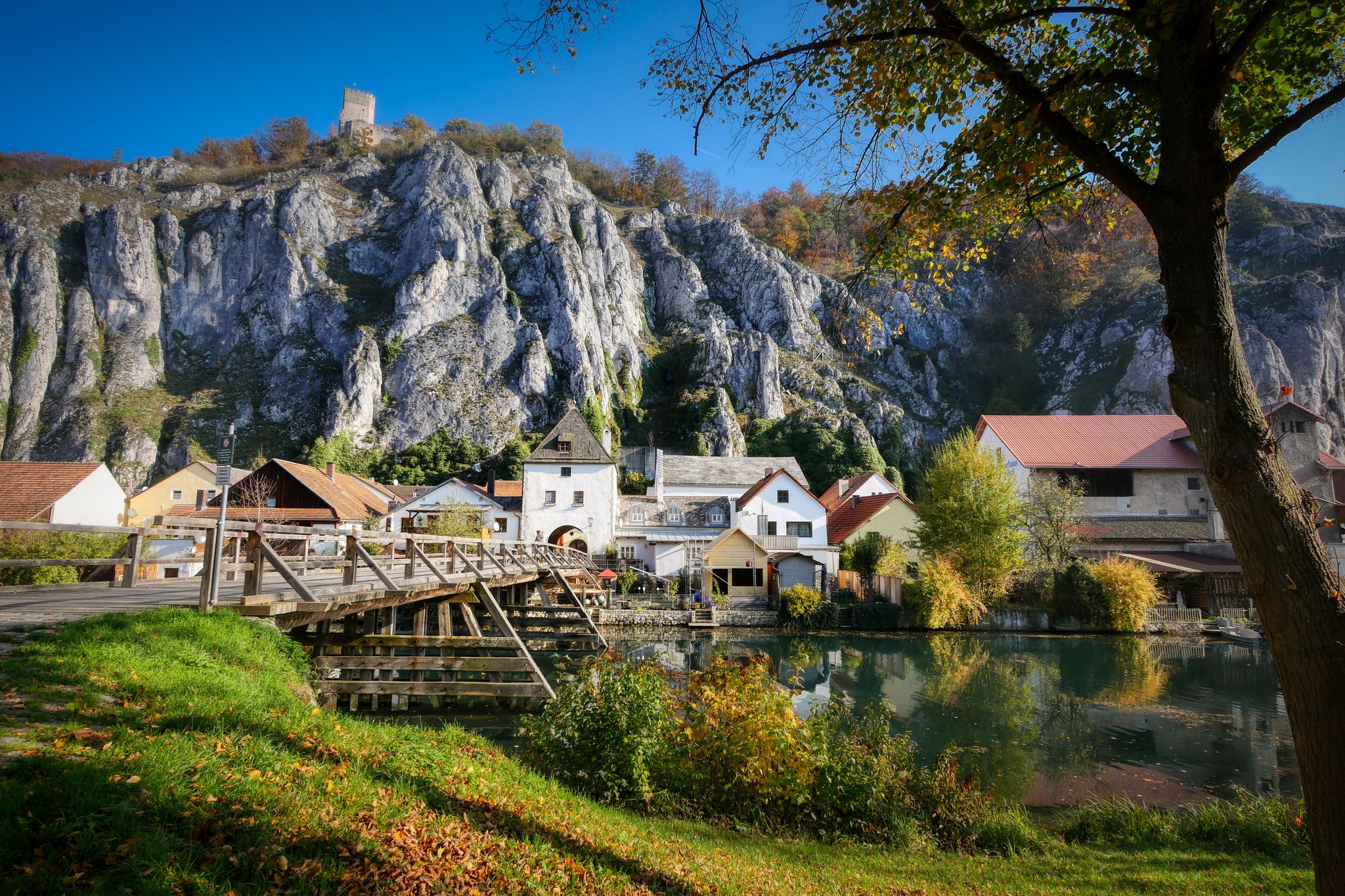
Jurasteig — hiking in the heart of Bavaria
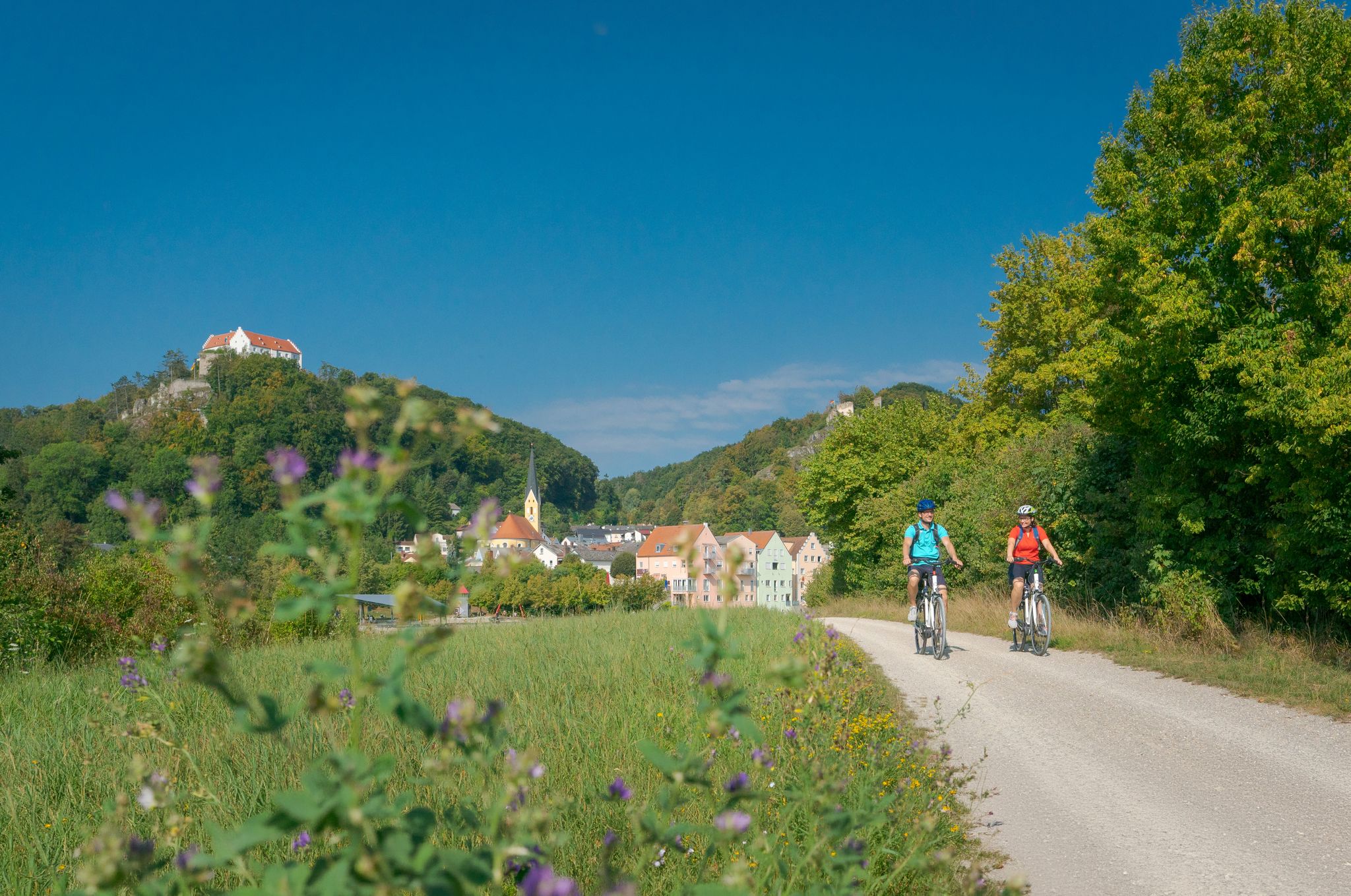
Cycling, food and relaxation in the Altmühltal Nature Park
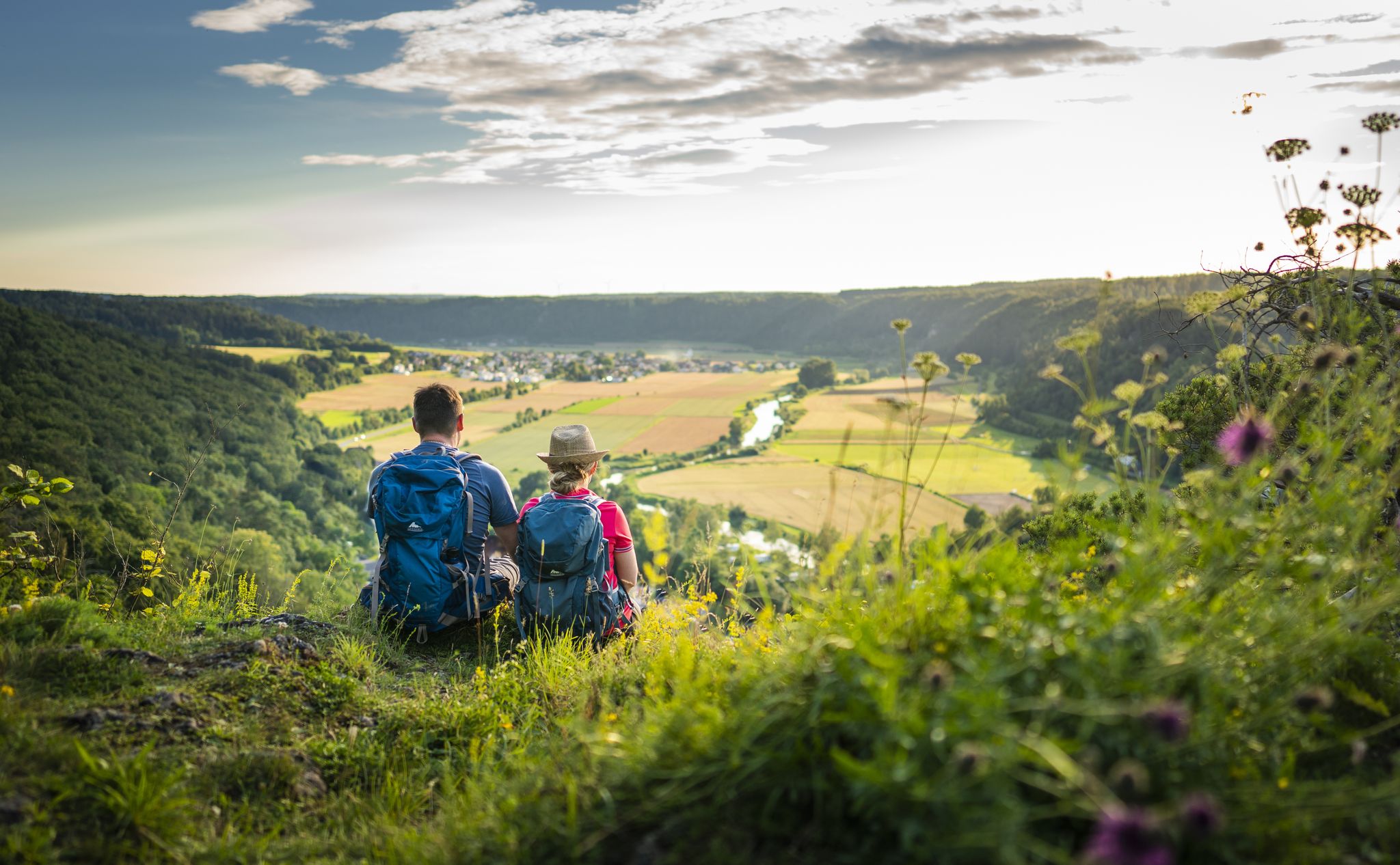
Sunny hiking loops – glorious autumn in the Altmühltal Nature Park
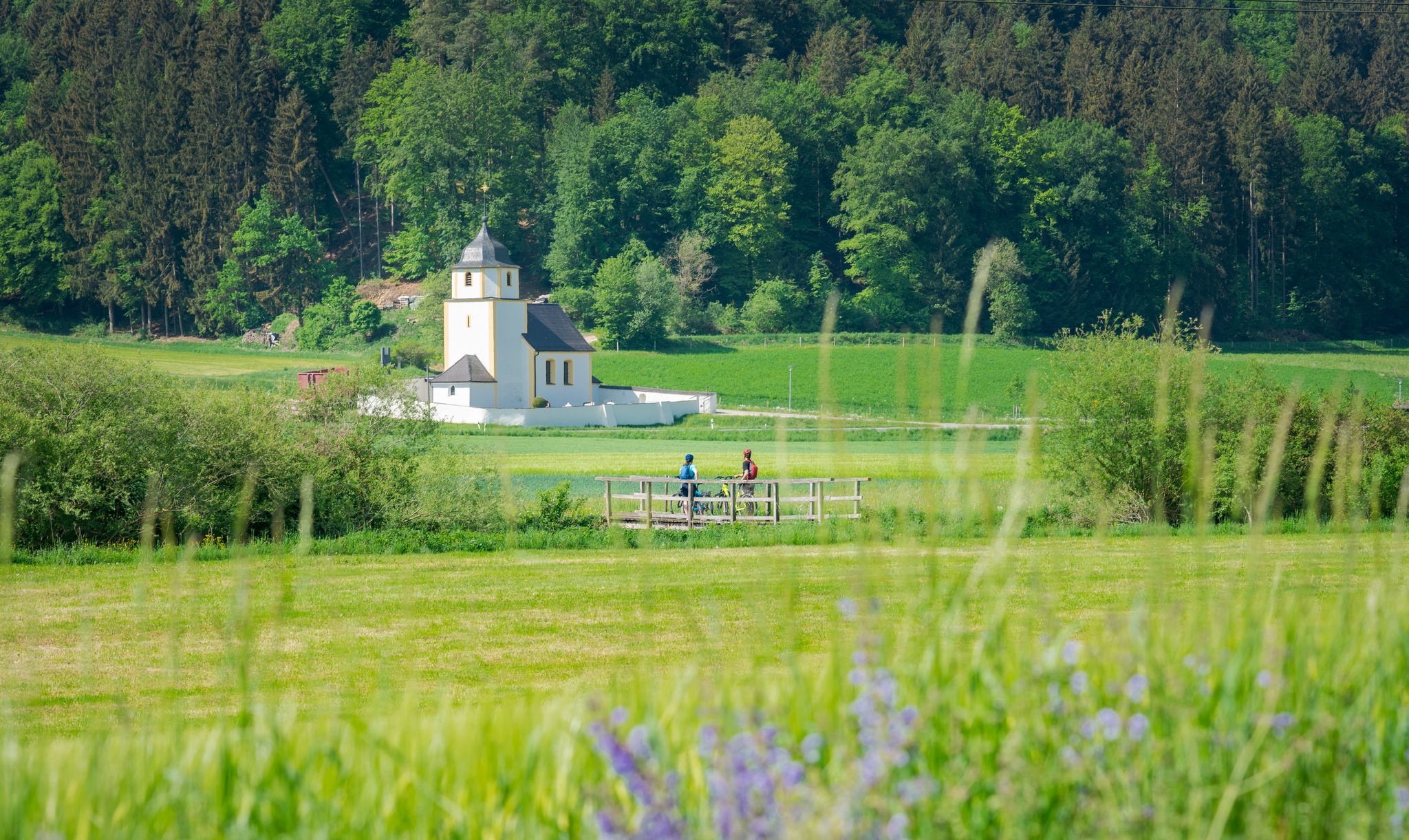
A cycling paradise in Bavaria – Altmühl Valley Nature Park
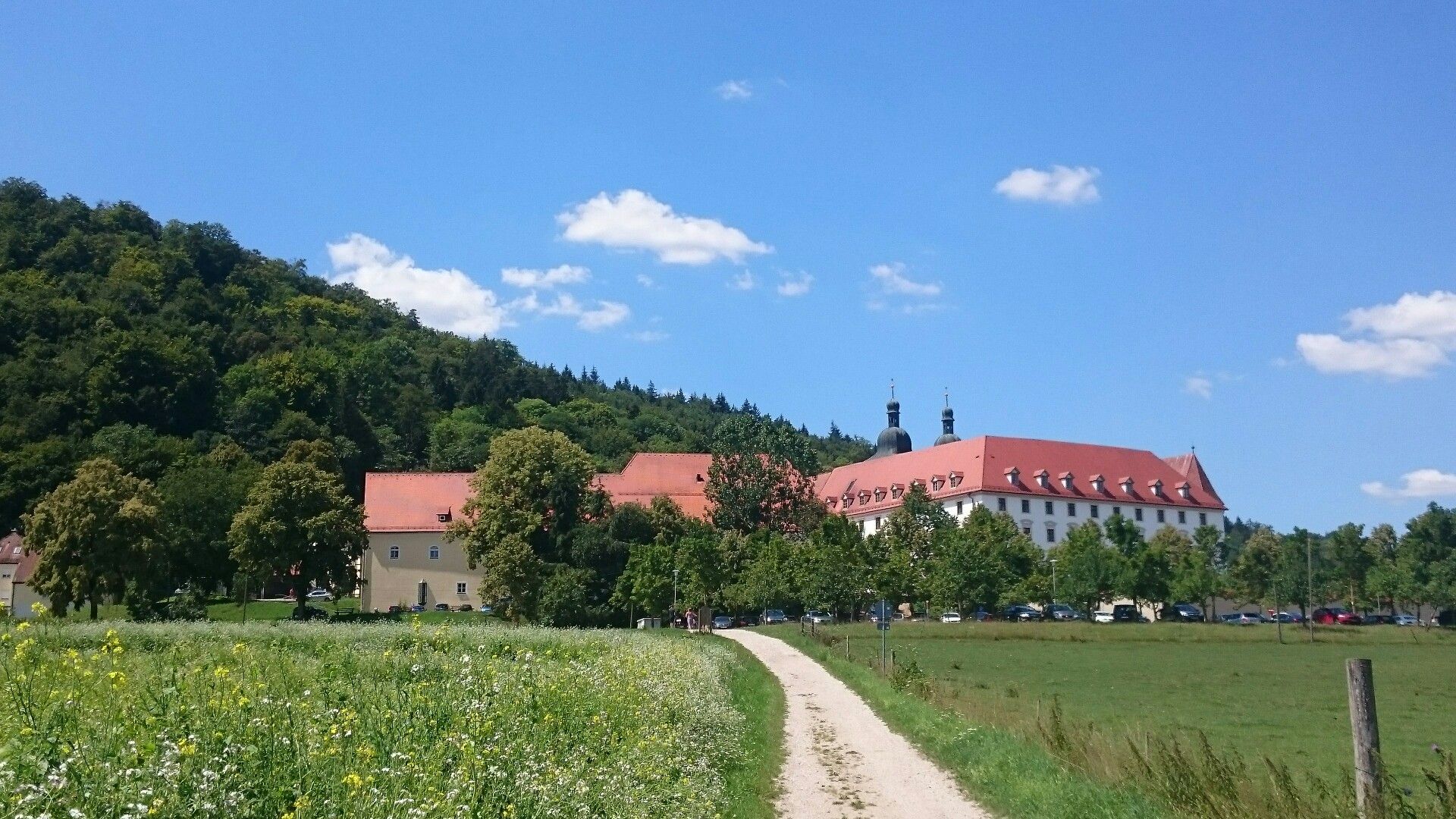
Hiking in the Altmühl Valley Nature Park – Jura2000-Tour
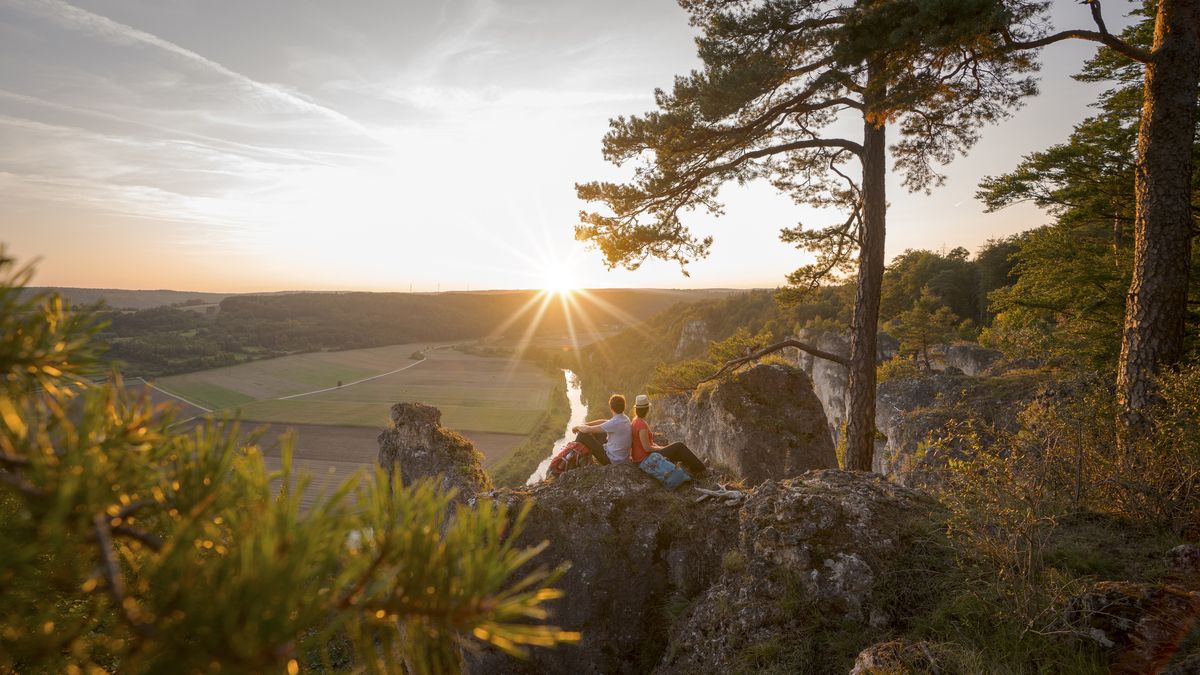
Wonderful nature and endless variety – Altmühltal Nature Park
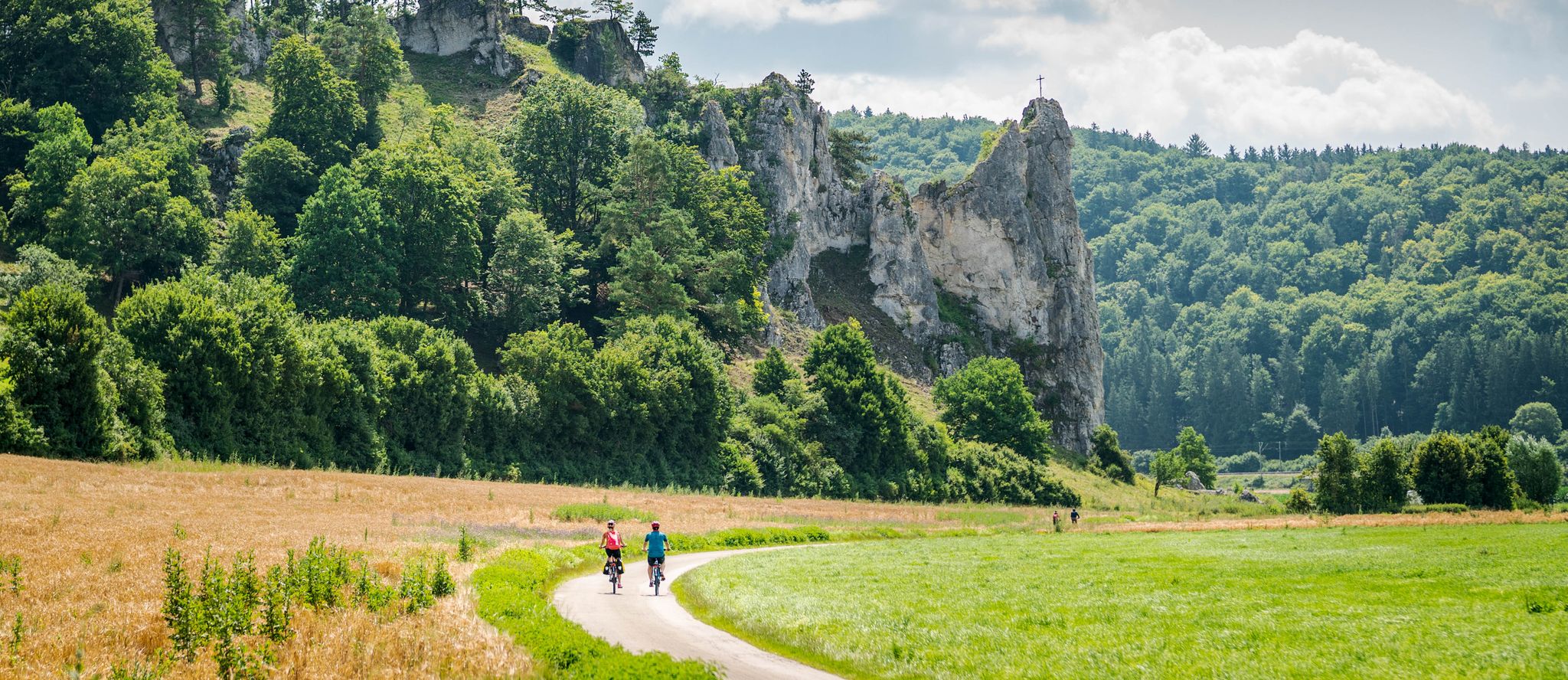
Pure variety – cycle Tours in the Altmühltal Nature Park
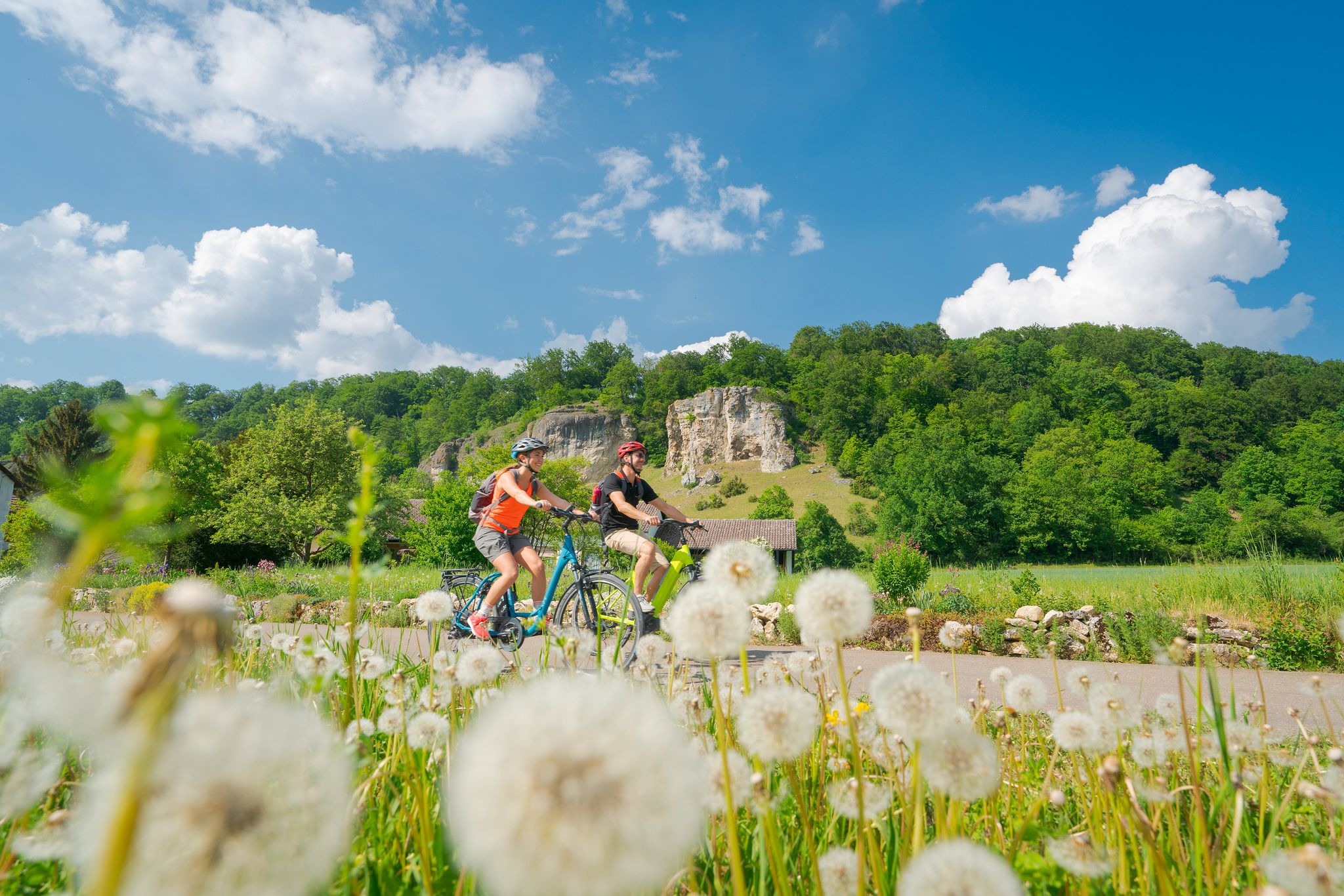
Discover the green heart of Bavaria – Altmühltal Nature Park by bike
Altmühltal Panorama Trail – Altmühlsee to the Danube
Raus in die Natur: Wandern & Campen in Bayerns schönsten Naturregionen


Tips from the Community

The castle majestically towers over the city.
0
0

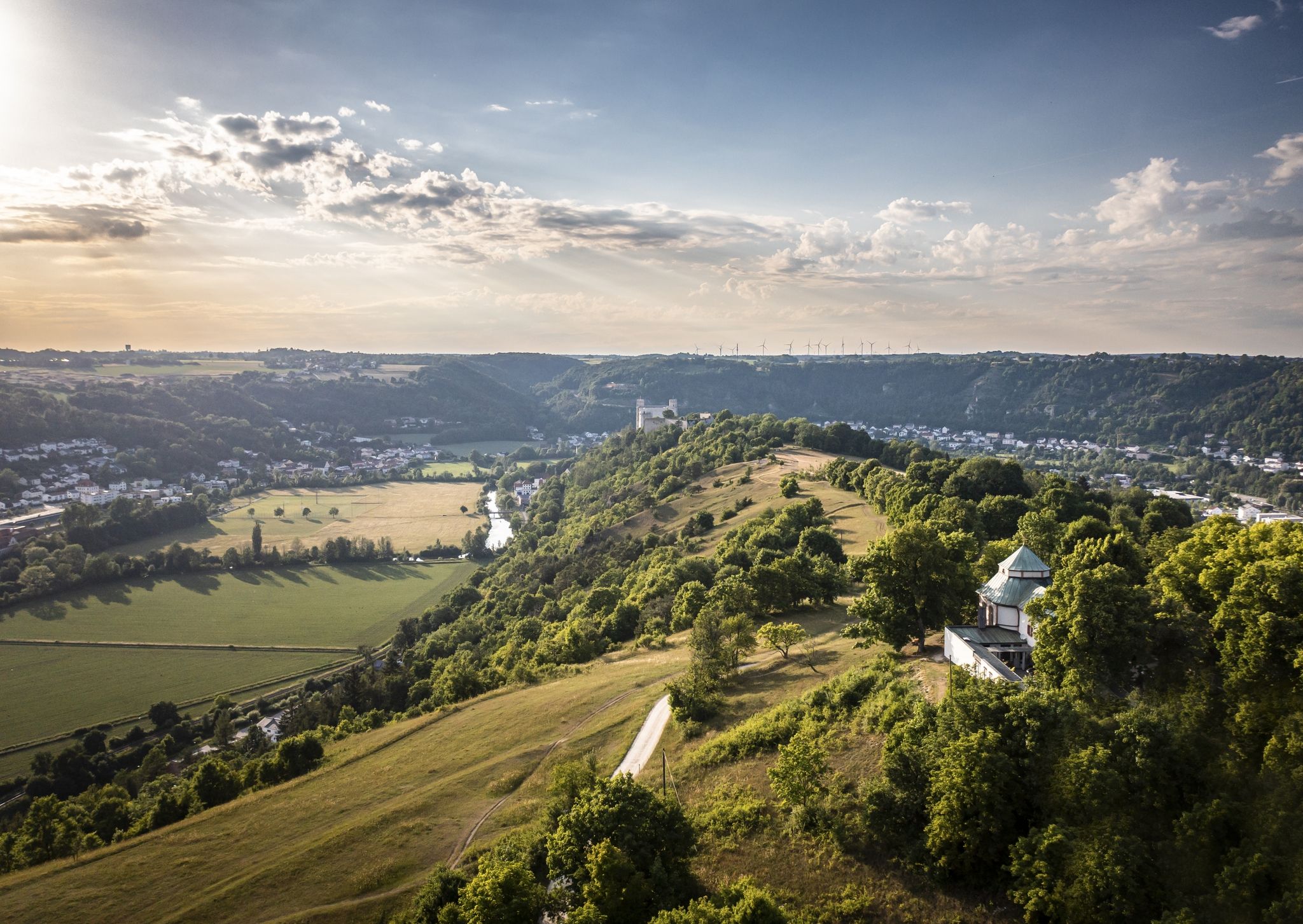
Hexenagger Castle A Dietricus von Haecsenakker is mentioned as early as 928 in a Regensburg document from the St. Emmeram Monastery; further information is scarce. In 1311, Gottfried Hexenacker became Bishop of Freising. He had studied in Bologna and served as dean of the cathedral there for many years. In 1314, he died of an infectious disease while on a tour of inspection in Vienna. In 1485, the castle passed through marriage to the Counts of Helfenstein, who sold the fortress to Duke William of Bavaria in 1528. He gave Hexenagger to the Muggenthal family as a fief. When the castle was destroyed in the Thirty Years' War, the Muggenthal family rebuilt it as a castle. In 1724, the castle was sold to the Bavarian Elector Charles Albert, as the Hexenagger line of the Muggenthal family had died out. In 1731, Elector Karl Albrecht donated the castle to his mistress, Maria Josepha Countess von Morawitzky. Her husband received the castle in 1738, and when he died in 1754, Anton von Kaiserstein became the new owner. Franz Joseph III von Kaiserstein (1792–1893) sold the castle in 1830 and acquired an estate in Sooß (Lower Austria) in exchange. From 1830 to 1951, Hexenagger Castle belonged to the noble family of Weidenbach. Otto Edler von Weidenbach bequeathed it to his niece Ilse von Kalckreuth, who married Wilhelm Leichtfuß, whose son, Eberhard Leichtfuß, owns it today. Hexenagger is a castle between the Renaissance and Baroque periods, built on the foundations of the old castle. In the lower areas and at the corners, ashlars and bossed ashlars, up to several meters high, are still visible on the castle building. The stump of the keep, made of bossed ashlar, is also said to have been preserved, but is not visible from the outside. The defensive character of the complex is best appreciated from the rear, where parts of the curtain wall and wall towers have been preserved. The tall, narrow chapel also still hints at the castle in its form; particularly interesting is the slender, slightly leaning bell tower, which appears to still sit on the older foundations of the medieval chapel tower. The main building itself, with its stepped gable and beautiful garden, presents a romantic sight. The castle is privately owned and not open to the public; the popular Christmas market was relocated to the Wolfgangshof estate near Zirndorf in Middle Franconia in 2023 due to complaints from local residents. Source: www.Burgenseite.de / www.wikipedia.de
2
0

Riedenburg, a pearl on the Atmühl.
1
0

Very beautiful town right on the Altmühl, surrounded by three castles and a wonderful rocky backdrop. In addition to the Rosenburg with Falkenhof and the two ruins of Rabenstein and Tachenstein, there is still a lot to see in the small town. Whether hikers or cyclists, everyone gets their money's worth here, and there are historical buildings and very nice places to stop for refreshments in the city.
6
0
Here you have a beautiful view of the Rosenburg.
4
0

Beautiful location on the Altmühl below the castle. Beautiful, colorful house facades.
2
0

Probably built in the mid-12th century, Rosenburg Castle passed to Duke Ludwig I of Bavaria, the Kelheimer, in 1196 and remained in the possession of the House of Wittelsbach from then on. The extensive complex is essentially Romanesque; after later alterations and destruction in 1525, its present appearance is characterized by the residential buildings with stepped gables, built in the South German Renaissance style. Of particular note is the chapel on the ground floor, with wall paintings dating from around 1560. The castle is used by a privately run falconry center with a hunting and falconry museum; free-flight demonstrations with birds of prey take place in the castle courtyard. https://www.schloesser.bayern.de/deutsch/schloss/objekte/rosenbu.htm
3
0

Riedenburg is always worth a visit
2
0
Frequently Asked Questions
Which castles offer the best panoramic views of the Altmühltal?
For breathtaking vistas, View of Prunn Castle provides a spectacular perspective of Prunn Castle perched on its rock. Similarly, View of Riedenburg and Rosenburg Castle from Schambachtal Bridge offers great views of Rosenburg Castle. Schloss Eggersberg, situated high above the Altmühl and Main-Danube Canal, also boasts stunning views of the valley.
Are there family-friendly castles to visit near Dietfurt a.d. Altmühl?
Yes, several castles are suitable for families. Rosenburg Castle and Falconry is particularly family-friendly, offering daily flight demonstrations of birds of prey (except Mondays) and a museum. Prunn Castle also has family-friendly aspects, with guided tours that delve into medieval life.
What kind of historical experiences can I expect at these castles?
The castles around Dietfurt a.d. Altmühl offer diverse historical insights. Prunn Castle, one of Bavaria's best-preserved knight's castles, features themed rooms and is famous for the 'Prunner Codex' of the Nibelungenlied. Pappenheim Castle, though largely in ruins, has extensive medieval walls, a Nature and Hunting Museum, and a historical museum. Schloss Eggersberg houses the Hofmarkmuseum with unique archaeological finds and historical artifacts.
Can I explore the castle grounds or interiors of Hexenagger Castle?
Hexenagger Castle is privately owned, so its interior is generally not open to the public. However, visitors can admire the exterior grounds, walls, and towers. The castle is also known for hosting events like summer medieval festivals and a Christmas market, which provide opportunities to experience its historical ambiance.
Are there hiking or cycling routes near the castles?
Yes, the Altmühltal region offers numerous outdoor activities. You can find various hiking routes, such as the 'Höhlenkundlicher Wanderweg' (Caving Trail) or the 'Kreuzberg/Weiße Laber Nature Trail', which often pass by or offer views of historical sites. For cycling, options like the 'jurAKTIV-Tour' or sections of the Altmühl Cycle Path are popular. Explore more routes in the Hiking around Dietfurt an der Altmühl and Cycling around Dietfurt an der Altmühl guides.
What is the best time of year to visit the castles in this region?
Most castles, like Prunn Castle, are open from April to October, making spring, summer, and early autumn ideal for visits. During these months, the weather is generally pleasant for exploring castle grounds and enjoying the scenic Altmühltal. Some castles, like Hexenagger, also host special events such as Christmas markets in winter, offering a unique seasonal experience.
How long should I plan for a visit to a castle?
The duration varies by castle. For a guided tour of Prunn Castle, plan about 45 minutes. If you include exploring the grounds and enjoying the views, allow 1-2 hours. For larger complexes like Pappenheim Castle, with its museums and botanical garden, you might want to allocate half a day. For castles like Hexenagger, where only the exterior is accessible, a shorter stop of 30-60 minutes might suffice.
Are there any castles that are also hotels or event venues?
Yes, Schloss Eggersberg combines culture and nature, serving as a hotel and event venue. This allows visitors to stay within a historical setting while exploring the Altmühltal. Hirschberg Castle, while primarily an educational facility today, also functions as an event location and offers impressive views.
What unique features does Pappenheim Castle offer?
Pappenheim Castle, though largely in ruins, is an extensive complex covering three hectares. It features 1.5 kilometers of medieval walls, a botanical garden with 1,300 plant varieties, and a historical herb garden. It also houses a Nature and Hunting Museum and a historical museum. A unique, albeit macabre, feature is a torture chamber located in the cellars of the ancient armory.
What do visitors enjoy most about the castles around Dietfurt a.d. Altmühl?
Visitors frequently praise the spectacular views from vantage points like View of Prunn Castle and the informative guided tours at places like Prunn Castle. The unique experiences, such as the falconry demonstrations at Rosenburg Castle and Falconry, and the overall historical ambiance combined with the natural beauty of the Altmühltal, are also highly appreciated.
Are there any castles with connections to famous German literature?
Yes, Prunn Castle is particularly notable for its connection to German literature. It is famous as the place where the 'Prunner Codex,' one of the oldest complete manuscripts of the epic Nibelungenlied, was discovered. Guided tours often highlight this significant piece of German heritage.
Most popular routes around Dietfurt an der Altmühl
Most popular attractions around Dietfurt an der Altmühl

Get inspired with the komoot mobile app


Explore more
Looking for the best castles somewhere else? Discover other guides around Dietfurt an der Altmühl:
