Top 20 Caves around Brotterode
Best caves around Brotterode are found within the scenic Thuringian Forest, a region characterized by its diverse geological formations and historical mining activities. Brotterode-Trusetal is known for its natural landscapes, offering a mix of natural grottoes and historical show mines. The area provides opportunities to explore underground environments that showcase both geological features and the region's industrial heritage. These sites offer insights into natural processes and past human endeavors.
Best caves around Brotterode
- The most popular caves is Marienglashöhle Friedrichroda…
Last updated: November 14, 2026
Lauchagrund near the Kaminwand
Highlight • Gorge
Translated by Google •
Tip by

Backofenloch Cave
Highlight • Cave
Translated by Google •
Tip by

Sign up now to discover places like this
Get recommendations on the best single tracks, peaks, & plenty of other exciting outdoor places.
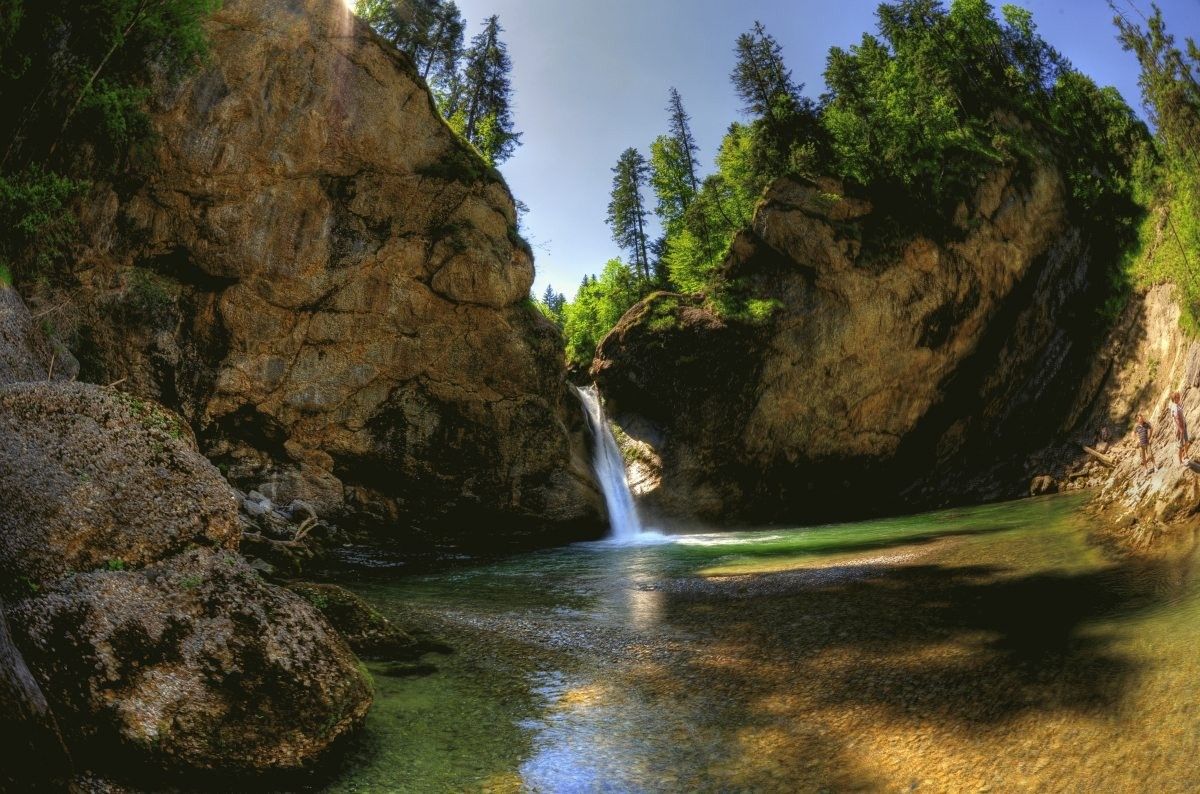
Spitterfall
Highlight • Waterfall
Translated by Google •
Tip by

Torstein Rock Arch
Highlight • Natural Monument
Translated by Google •
Tip by

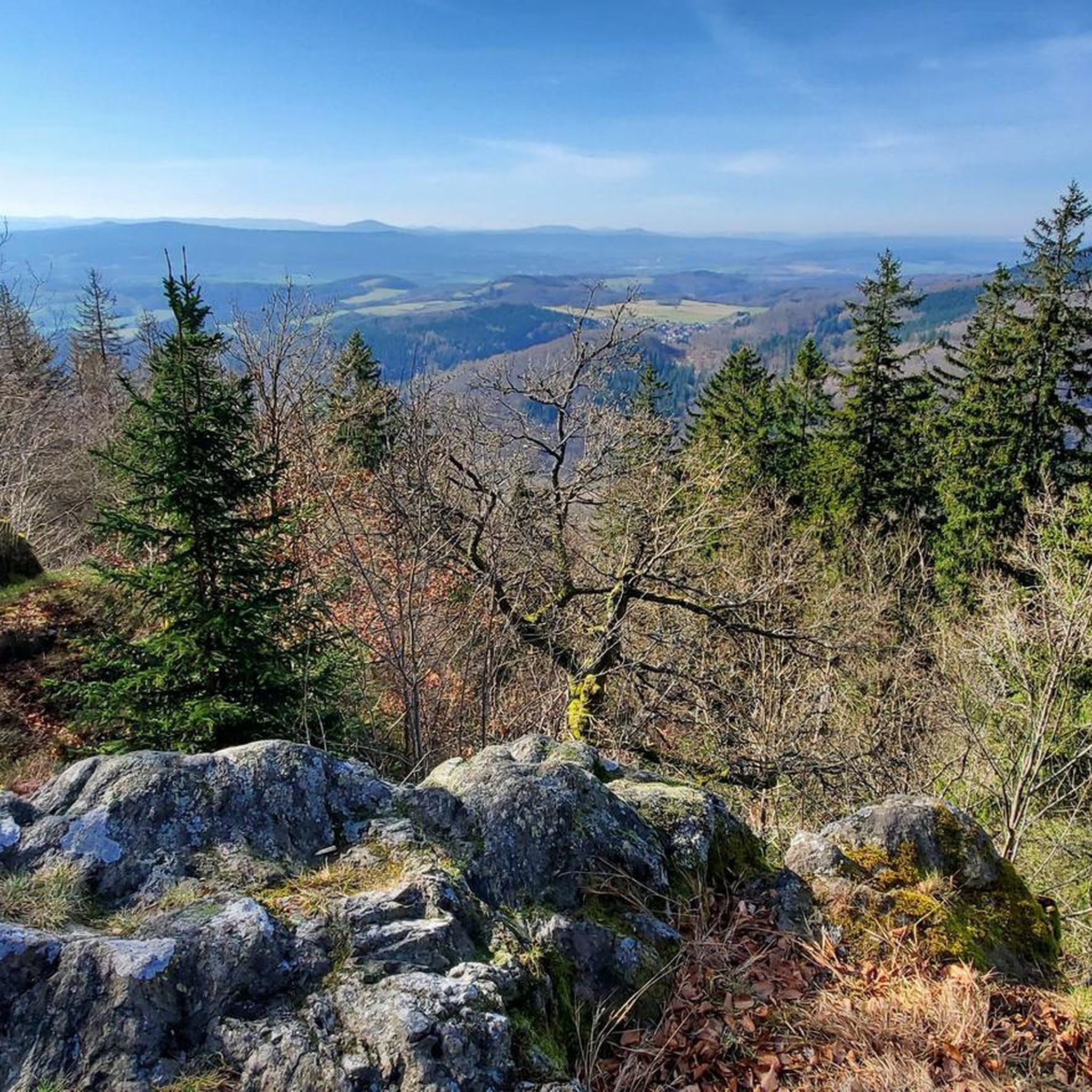
Beerberg Grotto (Beerberg Cave)
Highlight • Cave
Translated by Google •
Tip by

Sign up for free to discover even more caves around Brotterode.
Already have an account?
Start today with a free account
Your next adventure awaits.



Tips from the Community

The Beerberggrotte is located on the west slope of the Oberer Beerberg in the rock of the Beerbergstein, just under 50 meters from the Rennsteig and about 1.5 kilometers west of the well-known Großer Inselsberg. An official signpost directly on the Rennsteig marks the short detour to the cave.
4
0
The geological natural monument Beerbergstein is a striking rock formation made of Rotliegend rock in the Thuringian Forest, located about 50 meters off the Rennsteig trail. The rocks are located about three kilometers north of Brotterode and not far from the well-known Großer Inselsberg.
5
0

A short detour to the grotto is not necessary if your feet are already aching...for everyone else the extra few meters are worth it
2
1

Geological Natural Monument - Beerbergstein: During the Rotliegendes period, about 280 million years ago, molten magma rose to the Earth's surface and poured out like a blanket over the existing rocks. Most of the rock cover has already been eroded. The dike-like ascent channel has been preserved at the Beerbergstein. It consists of pale red porphyry. In the fine-grained groundmass, small reddish feldspars are sometimes enclosed, and less frequently, small grains of quartz. The porphyry is very hard and resists weathering better than the surrounding rock, which is mostly granite. For this reason, the Beerbergstein has been preserved to this day as a massive rock block. It is not known whether the small cave found in the Beerbergstein is the result of mining activities. (… from info board)
1
0

very small grotto, but it is almost on the way
0
0


The Beerberggrotte is a cave with fissures and crevices. It is located in the geological natural monument Beerbergstein, a huge boulder.
1
0

The Beerberggrotte is a so-called fissure and crevice cave. About three kilometers from Brotterode and just under 50 meters from the Rennsteig, it is located in the middle of the Thuringian Forest. The cave extends nine meters into the Beerbergstein and has a wide opening of six meters in the entrance area. Geologically, the cave is a real highlight. Because it is sometimes damp, the cave is also called a grotto. It once served as a shelter for smugglers and hikers who wandered around in the dense forests. A visit to the Beerberggrotte is possible without special equipment and offers exciting insights into the nature and history of the region.
1
0
Frequently Asked Questions
What kind of unique geological features can I find in the caves near Brotterode-Trusetal?
The region offers diverse geological formations. The Marienglashöhle Friedrichroda is renowned for its extensive gypsum crystal grottoes, some with crystals up to 90 cm long, and features an underground lake. The Beerberg Grotto is a natural fissure and crevice cave, considered a geological highlight extending nine meters into the Beerbergstein.
Are there any historical mining sites or show mines to visit in the area?
Yes, the region has a rich mining history. The Marienglashöhle Friedrichroda functions as both a show cave and a show mine, documenting historical gypsum and copper mining activities. Additionally, the Besucherbergwerk "Hühn" in Trusetal offers an authentic experience of mining technology, preserving facilities that were operational until 1990.
Which caves are suitable for families with children?
The Marienglashöhle Friedrichroda is considered family-friendly, offering guided tours that are engaging for all ages. The Rennsteig Grotto is also categorized as family-friendly and provides an accessible natural shelter.
What is the best time of year to visit the caves around Brotterode-Trusetal?
Many caves, like the Marienglashöhle Friedrichroda, maintain a constant temperature of 8-10°C year-round, making them suitable for visits in any season. However, the surrounding hiking trails and outdoor attractions are best enjoyed from spring to autumn. The Trusetal Waterfall, for instance, flows from April to October.
Are there guided tours available for the caves?
Yes, guided tours are available. The Marienglashöhle Friedrichroda offers guided tours that highlight its geology, history, and the crystal grotto. The Besucherbergwerk "Hühn" in Trusetal also provides guided tours for an immersive mining experience.
What should I wear when visiting the caves?
Given that many caves, such as the Marienglashöhle Friedrichroda, have a constant cool temperature of 8-10°C, it is advisable to wear warm clothing, even in summer. Comfortable, sturdy shoes are also recommended for walking on potentially uneven surfaces.
Are there any nearby hiking opportunities that include cave-like features or natural grottoes?
Absolutely. The Backofenloch in the Lauchagrund is a gorge with cave-like elements, offering a wonderful view and pleasant coolness. The Rennsteig Grotto is a natural shelter slightly off the Rennsteig trail, perfect for a short detour during a hike. For more hiking options, you can explore Hiking around Brotterode.
What other natural attractions are close to the caves in Brotterode-Trusetal?
While not a cave, the Trusetal Waterfall is a prominent natural monument nearby. This man-made waterfall plunges 58 meters in three cascades and offers a scenic hike with 228 steps alongside it. It's a beautiful complement to exploring the area's underground wonders.
Can I access the caves using public transport or are there parking facilities?
The Marienglashöhle Friedrichroda is easily accessible from Federal Highway 88, with a large parking lot and a nearby Thuringian Forest Railway stop. For other natural grottoes like the Beerberg Grotto, parking is typically available at trailheads leading to the grotto, which is about three kilometers from Brotterode.
Are there any less-known or 'hidden gem' caves in the area?
The Aeolian Harp Grotto (Höhler Stein) is a unique natural monument where an Aeolian harp was installed around 1800. This crevice in the rock produces tones when the wind blows, offering a distinctive and less common experience.
What do visitors particularly enjoy about the caves and grottoes in Brotterode-Trusetal?
Visitors appreciate the diverse experiences, from the stunning gypsum crystals and underground lake in the Marienglashöhle Friedrichroda to the authentic mining history at Besucherbergwerk "Hühn." The natural grottoes like Beerberg Grotto and Backofenloch are valued for their natural beauty, historical significance, and the pleasant coolness they offer, especially in summer.
Most popular attractions around Brotterode

Get inspired with the komoot mobile app


Explore more
Extend your search for the best caves by checking out these guides of the top ones around Brotterode:
