Top 7 Castles around Brannenburg
Castles around Brannenburg are situated in a municipality known for its location at the edge of the Alps in Bavaria. The area features historical landmarks and natural landscapes, including the Inn Valley. While Schloss Brannenburg operates as a private boarding school and is not publicly accessible, its English Neo-Gothic architecture and history dating back to the 10th century make it a significant local sight. The broader region also offers several accessible castle ruins that provide historical interest and scenic views.
…Last updated: October 9, 2026
Falkenstein Castle Ruins, Flintsbach am Inn
Highlight • Castle
burg-falkenstein.bayern
Translated by Google •
Tip by

Brannenburg Castle
Highlight • Castle
Unfortunately, the castle cannot be visited as it is in private hands and houses boarding schools and schools. Thus, any access for unauthorized persons is prohibited and cordoned off.
Translated by Google •
Tip by

Sign up now to discover places like this
Get recommendations on the best single tracks, peaks, & plenty of other exciting outdoor places.
Schlossalm
Highlight • Mountain Hut
Translated by Google •
Tip by

Altenwaldeck Castle Ruins
Highlight • Castle
Translated by Google •
Tip by

Castle ruins on the Inn
Highlight • Castle
Translated by Google •
Tip by

Start today with a free account
Your next adventure awaits.
Popular around Brannenburg
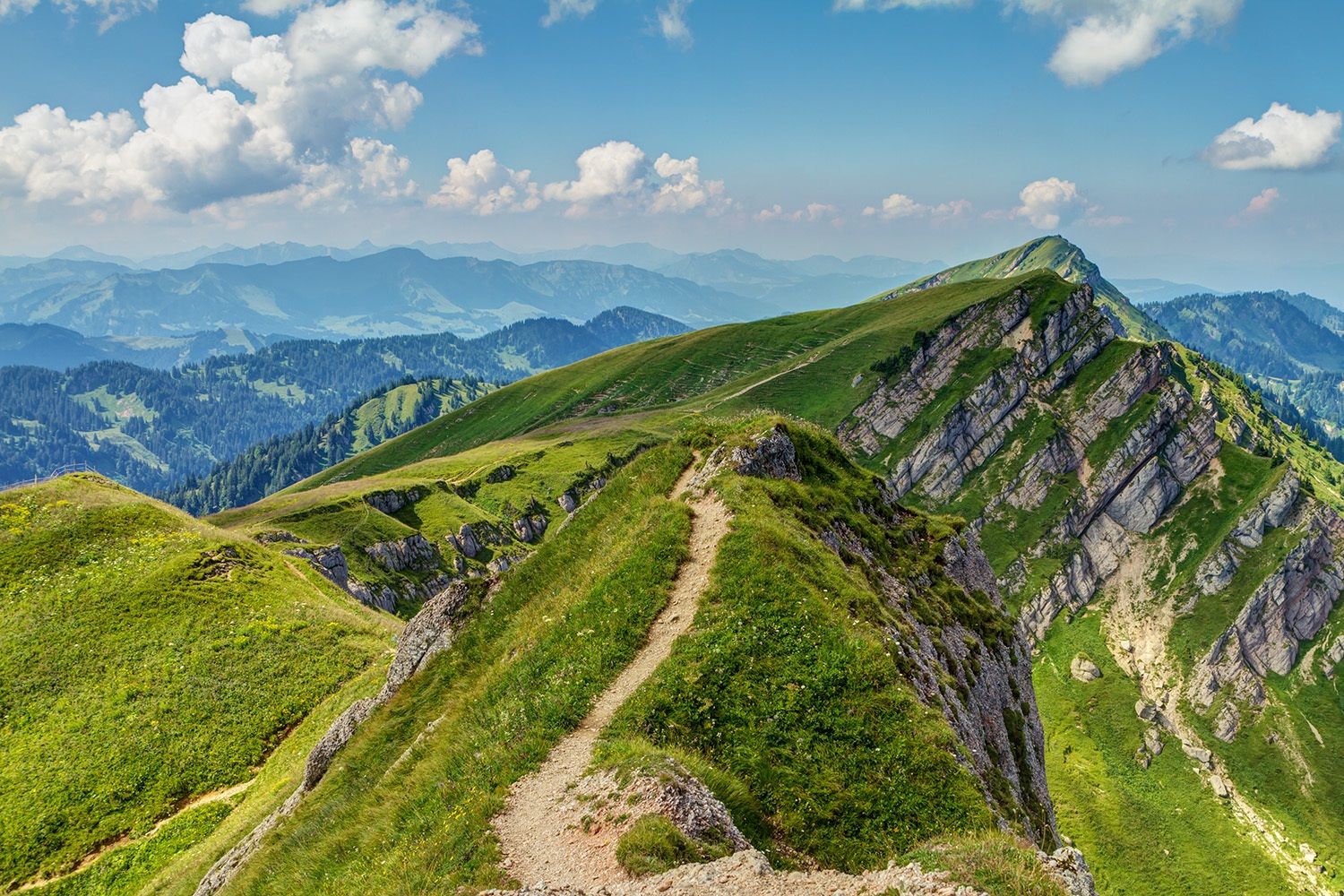
Maximilian Trail in Germany — Lake Constance to Königssee
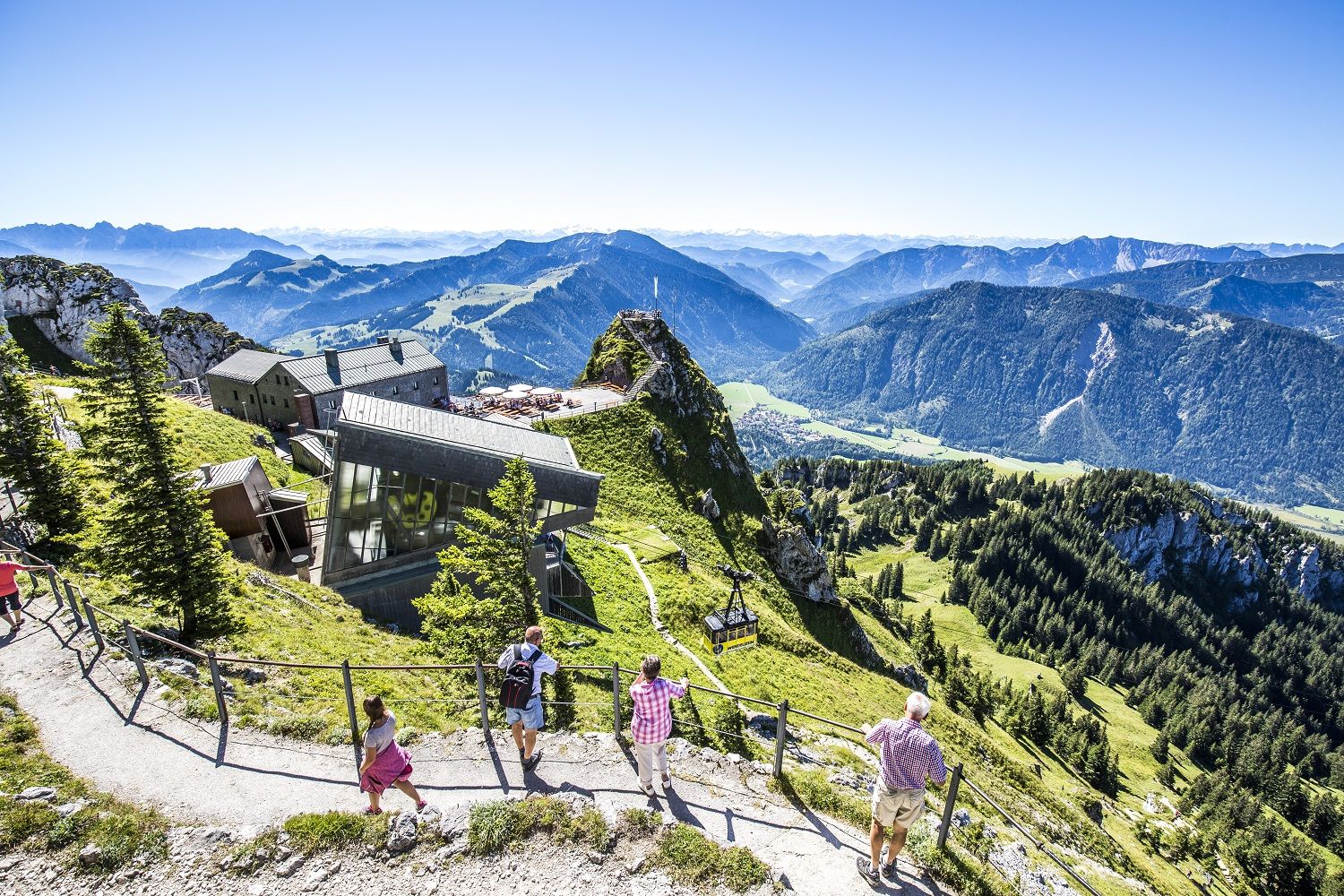
A little help to the top – mountain railways & cable cars in Chiemgau
Hiking around Brannenburg
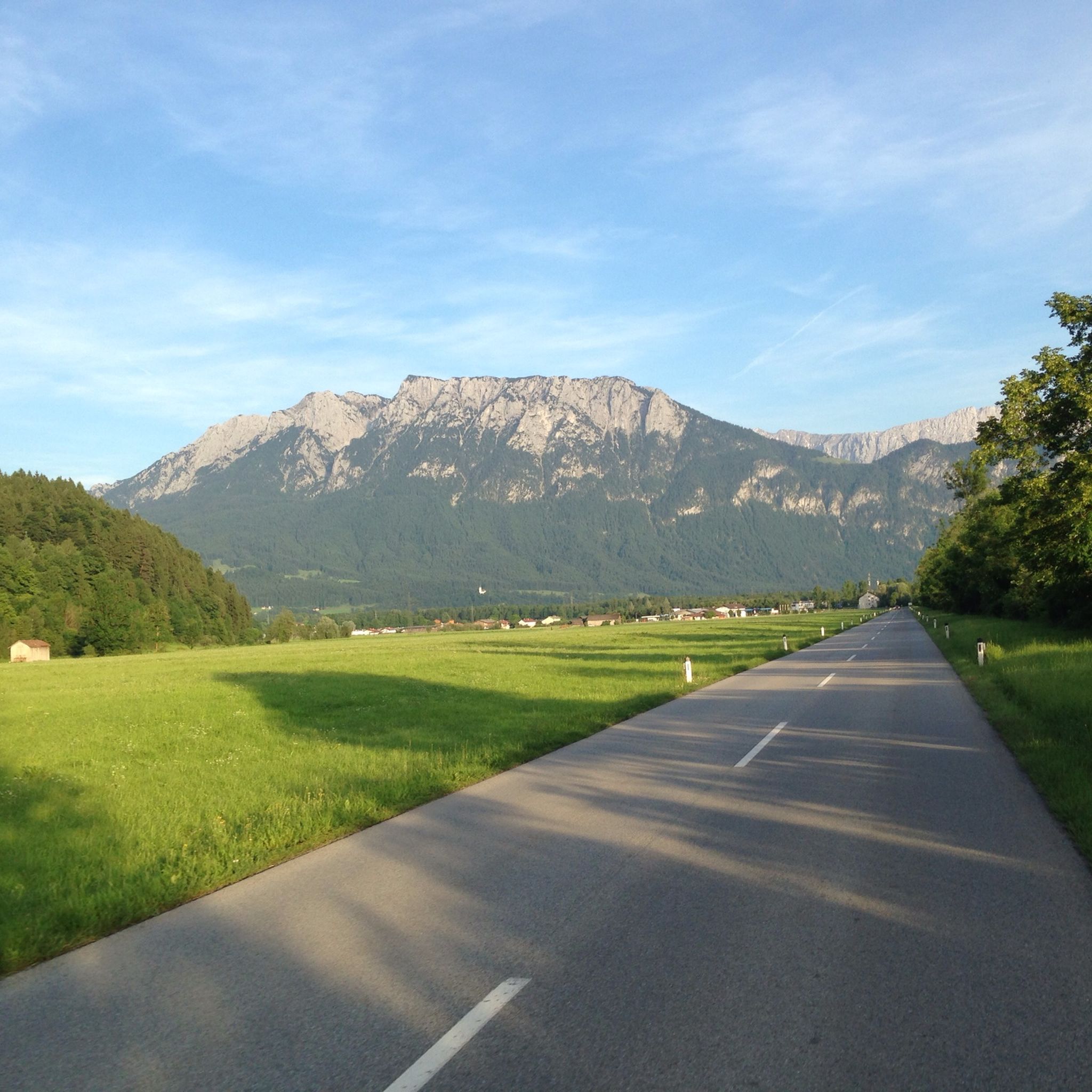
Road Cycling Routes around Brannenburg
Cycling around Brannenburg
MTB Trails around Brannenburg
Mountain Hikes around Brannenburg
Running Trails around Brannenburg
Gravel biking around Brannenburg


Tips from the Community

Status 2026: The bridge has been renewed and the path has also been cleared of windthrow etc. The path up to the bridge is suitable for strollers, after that sturdy footwear is recommended.
0
0

I've walked past the old castle ruins a few times now - it feels like a little time travel every time.
0
0

A beautiful ruined castle, some beautiful mountain tours start here
5
0

Almost invisible during the summer due to the trees.
0
0

Easy to see from the Inn, so there .. 🏃♂️
4
0

Almost impossible to reach by bike. I left the bike at the bottom of the little bridge with the wonderful rest area and walked over ...... 🤔 Sturdy shoes instead of cycling shoes are recommended, believe me😁 Whether it is worth it is another question🤔
1
1
The Falkenstein castle ruins are probably the most impressive castle ruins in the Rosenheim district. The remains of the outer bailey, located on or above a ravine, and the keep crowning the complex are of particular picturesque charm. The ruin is part of the Petersberg monument complex, which, in addition to architectural monuments such as the Rachelburg Castle Stables and the Romanesque St. Peter's Church with its sacristan's house, also includes countless archaeological monuments. After the destruction of Alt-Falkenstein, the castle was rebuilt from 1296 both as the new seat of the important count family of the Falkensteiner (the authors of the famous Codex Falkensteinensis!) And as a ducal court. The building stock of the main castle is assigned to the core of the time around 1300, the outer castle was built in the 15th and 16th centuries. After an extensive expansion phase in the 16th and 17th centuries, the complex was destroyed by fires towards the end of the 18th century. Due to the clearing of the trees by the previous owner, the castle has regained its landscape-defining effect in the Inn Valley. Today it is owned by the environmental, cultural and social foundation of the district of Rosenheim. Source and further information http://burg-falkenstein.bayern/
3
0

Something hidden. There is only a small path that leads there, which can be quite muddy when it rains or after the snow has melted. But the detour is worth it. It starts below the Windshausen car park.
0
0
Frequently Asked Questions
Which castles around Brannenburg are accessible to the public?
While Brannenburg Castle itself is a private boarding school and not accessible, you can explore the ruins of other historical sites. The Falkenstein Castle Ruins, Flintsbach am Inn, and Kirnstein Castle Ruins are freely accessible and offer historical interest and scenic views.
What historical significance do the castles in the Brannenburg area hold?
The castles around Brannenburg boast a rich history. For instance, Brannenburg Castle dates back to the 10th century and was transformed into its current English Neo-Gothic style in the 19th century. The Rachelburg Ruins are of particular archaeological importance, with evidence of a Bronze Age settlement and masonry dating back to around 1110, making it one of Bavaria's oldest stone castles.
Are there any castles with good viewpoints in the region?
Yes, the Falkenstein Castle Ruins, Flintsbach am Inn, offer beautiful views over the Inn Valley. These ruins are part of the Petersberg monument complex, providing a great vantage point.
What kind of architecture can I expect to see among the castles?
The region showcases diverse architectural styles. Brannenburg Castle is a prime example of English Neo-Gothic architecture, featuring three-story plastered buildings with saddle roofs, stepped gables, and corner turrets. Other sites, like the Rachelburg Ruins, display older medieval stone castle structures.
Can I go hiking to or near these castles?
Absolutely. The Brannenburg area is excellent for hiking. You can find various routes, including those that pass by historical sites. For example, the Falkenstein Castle Ruins are often included in hikes to the Petersberg monument complex. You can explore more hiking options in the Hiking around Brannenburg guide.
Are there family-friendly options for visiting castles around Brannenburg?
While specific 'family-friendly tours' for castles aren't highlighted, exploring the accessible ruins like Falkenstein Castle Ruins or Kirnstein Castle Ruins can be a fun outdoor activity for families. Many nearby hiking trails are suitable for different skill levels, allowing families to combine history with nature. Check the Hiking around Brannenburg guide for suitable routes.
What outdoor activities are available near the castles?
Beyond visiting the castles, the region offers a wide range of outdoor activities. You can enjoy mountain hikes, with routes like the 'Schuhbräu-Alm – Rampoldplatte Summit Cross loop' detailed in the Mountain Hikes around Brannenburg guide. Cycling is also popular, with routes such as 'Kistlerwirt – Kleinholzhausen loop' available in the Cycling around Brannenburg guide.
Is it possible to visit Brannenburg Castle?
No, Brannenburg Castle is privately owned and operates as a boarding school and secondary school. Unauthorized access is prohibited, so it cannot be visited internally. However, its impressive English Neo-Gothic architecture can be appreciated from a distance.
What do visitors appreciate most about the castles and surrounding area?
Visitors frequently highlight the beautiful views, especially from sites like the Falkenstein Castle Ruins, and the rich historical context of the various castle ruins. The combination of historical landmarks with the natural landscapes of the Inn Valley and the Alps is a major draw, as evidenced by over 890 upvotes and 400 photos shared by the komoot community.
Are there any ancient archaeological sites among the castle ruins?
Yes, the Rachelburg Ruins are particularly significant archaeologically. Excavations suggest a Bronze Age settlement existed there, and a necklace from the Middle Bronze Age was found, indicating its importance even then. The preserved masonry dates back to around 1110.
What is the best time of year to visit the castles and hike in the Brannenburg region?
While specific seasonal recommendations for castles aren't provided, the Brannenburg area, being at the edge of the Alps, offers different experiences throughout the year. Spring and autumn generally provide pleasant temperatures for hiking and exploring ruins. Winter hiking is also an option, but trails might be more challenging. Always check local weather conditions before your visit.
Are there any easy walks to castle ruins for beginners?
Many of the castle ruins, such as Falkenstein Castle Ruins and Kirnstein Castle Ruins, are accessible via trails that vary in difficulty. While some routes might be intermediate, there are often easier paths or shorter walks to reach these historical sites. For specific easy routes, refer to the Hiking around Brannenburg guide, which includes routes with varying difficulty grades.
Most popular routes around Brannenburg
Most popular attractions around Brannenburg

Get inspired with the komoot mobile app


Explore more
Looking for the best castles somewhere else? Discover other guides around Brannenburg:
